

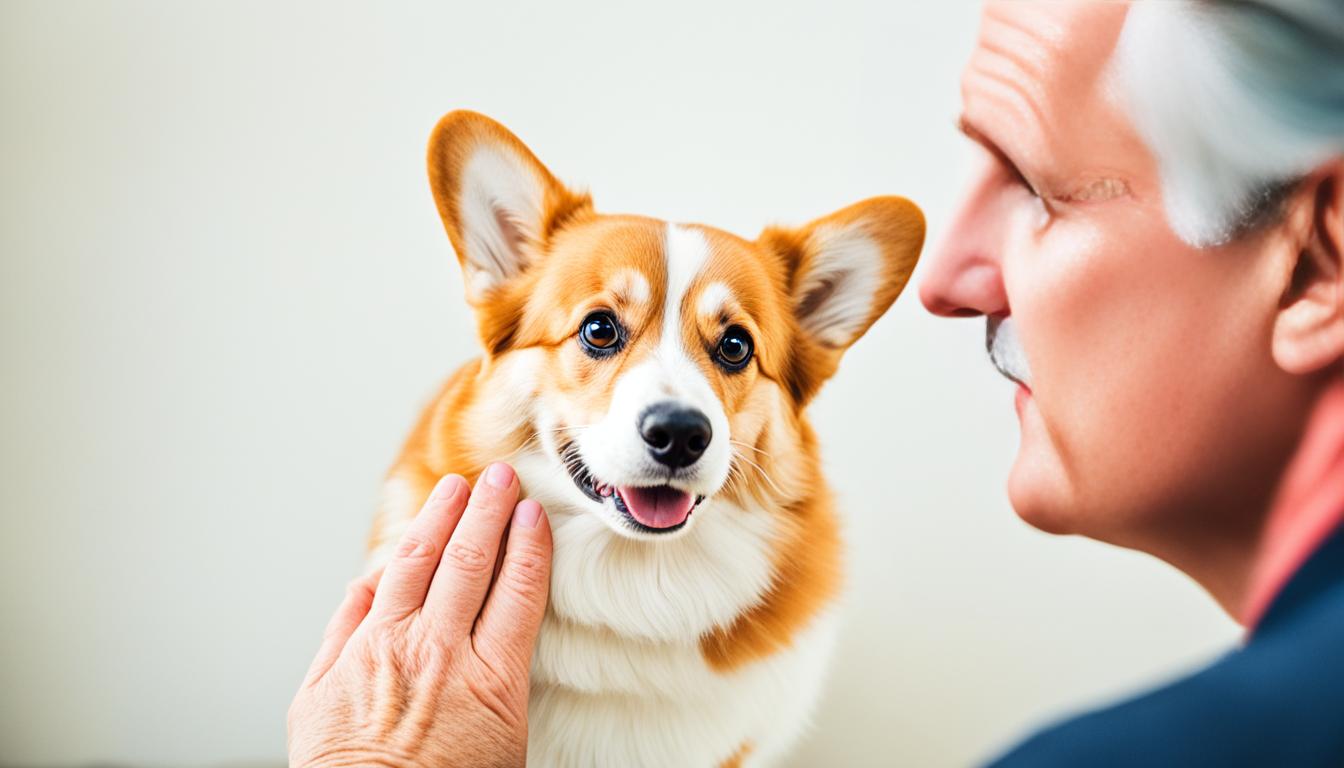

Dogs are fascinating creatures with unique ways of communicating their needs and desires. If you are a proud owner of a corgi, you may have noticed a peculiar behavior – booping. But why does your corgi boop you? In this article, we delve into the world of canine behavior to understand the reasons behind this adorable and intriguing behavior.
Key Takeaways:
- Corgis boop or nudge their owners to seek attention and initiate interaction.
- Booping is a way for corgis to communicate their affection and desire for playtime.
- Understanding a corgi’s body language during a boop can provide insight into their emotional state.
- Booping behavior can be learned or influenced by natural instincts from their mothers and herding background.
- Encouraging alternative forms of mental and physical stimulation can redirect excessive booping behavior.
Why Does My Corgi Boop Me?
Corgis have a charming and endearing behavior of booping or nudging their owners with their nose. But why do they do it? The answer lies in their innate desire for interaction, attention, and playtime with their human companions. Booping is their way of communicating their needs and seeking affection.
This behavior is not only influenced by their natural instincts but is also shaped by learned behavior from their mothers. Corgis, being herding dogs, have been known to use their nose to direct and control other animals. This behavior carries over to their interaction with humans, where booping becomes a way to assert their presence and seek attention.
Corgis are highly affectionate dogs, and booping is one of the ways they express their love and bond with their owners. It is their special way of saying, “I’m here, pay attention to me!” So, the next time your corgi boops you, cherish the moment and reciprocate their gesture of affection.
The Language of Booping
Just like any form of communication, the meaning behind a corgi’s boop can vary depending on the context and body language accompanying it. When a corgi wags their tail while booping, it is a clear sign of happiness and a desire to engage in playtime. It is their way of inviting you to join in the fun and create joyful moments together.
Booping can also serve as a way for your corgi to greet you and get your attention when they want something. It could be a signal that they want to go outside, play with their favorite toy, or simply express their desire for food or water. In such cases, their boop is an adorable reminder that they rely on you for their needs and are seeking your response.
Lastly, booping can be a display of affection. When a corgi boops you with their nose, they are marking you as an important part of their territory. It is their way of showing ownership and love, almost like a gentle “I choose you as my human!” gesture.
Fido Magazine: “Corgis have a unique way of showing affection, and booping is one of their signature moves. It’s an adorable behavior that speaks volumes about their love and bond with their owners.”
Understanding the language of booping can deepen our connection with our corgis and enhance our understanding of their emotions and desires. So, embrace the boops and cherish the special moments shared with your corgi companion!
What Does the Boop Mean?
When a corgi boops you with their nose, it can have different meanings depending on their body language and the context. Understanding the significance behind a corgi’s booping behavior allows for better communication and bonding between you and your furry friend.
Tail Wagging and Playfulness
If your corgi wags their tail while booping you, it signifies happiness and a desire to play. This is their way of expressing excitement and inviting you to engage in a fun activity together. So, be ready for some quality playtime and enjoy the joyful energy your corgi brings!
Greeting and Attention-Seeking
Corgis may boop you as a way to greet you or get your attention. It’s their friendly gesture to say hello and acknowledge your presence. They might be trying to convey a message, such as wanting to go outside, play, or receive food or water. Pay attention to their boop and respond accordingly to cater to their needs.
Affection and Marking Territory
Booping can also be a sign of affection from your corgi. By booping you, they are expressing their love and attachment towards you. Additionally, it can serve as a way for them to mark you as their territory, similar to how dogs mark their territory with scent. Embrace their boops as a sign of their deep bond and devotion to you.
Understanding your corgi’s booping behavior is essential in deciphering their communication and meeting their needs effectively. By interpreting their body language and considering the context, you can strengthen your relationship with your corgi and provide them with the care and attention they require.

The Root of the Behavior
Booping behavior in corgis can be attributed to a combination of learned behavior and natural instincts. When owners consistently give attention or reward when booped, corgis learn that booping is an effective way to get their desires met. Additionally, during nursing, corgis observe their mothers exhibiting similar behaviors, further reinforcing the booping instinct.
Understanding the root cause of this behavior is crucial in redirecting or curbing excessive booping. By addressing both the learned behavior and innate instincts, owners can effectively guide their corgis towards more appropriate forms of communication and interaction.
Learned Behavior: Attention and Reward
Corgis, like most pets, crave attention and interaction with their owners. When a corgi boops their owner and receives attention or rewards in return, they learn that this behavior brings the desired outcome. This learned behavior becomes reinforced over time and can lead to a repetitive booping habit.
Natural Instincts: Maternal Influence
Corgi puppies observe their mothers during nursing, and their behavior plays a significant role in shaping their own actions. Mothers may nudge or boop their puppies for various reasons, such as encouraging them to nurse or bonding with them. As a result, corgis may replicate these behaviors towards their human owners as a form of communication or seeking attention.
Redirecting Excessive Booping
To redirect excessive booping, owners should focus on providing alternate outlets for their corgi’s needs and desires. This can include engaging the corgi in mentally stimulating activities, such as puzzle toys or obedience training, and ensuring they receive regular exercise and playtime. By offering alternative forms of interaction and rewarding desirable behaviors, owners can help their corgis shift their focus away from excessive booping.
Training and Guidance
If excessive booping persists or becomes problematic, seeking professional training and guidance may be beneficial. Professional trainers can assess the underlying reasons for the behavior and provide tailored solutions for redirecting and modifying the corgi’s communication habits. They can also help owners establish clear boundaries and reinforce positive behaviors, creating a more balanced and harmonious relationship.
Encouraging the Behavior
While it can be endearing when your corgi boops you, it’s essential to strike a balance and avoid encouraging excessive behavior. Constantly giving attention or rewards when booped can reinforce this behavior and create dependency. Rather than solely relying on booping for attention, it’s important to provide alternative forms of mental and physical stimulation.
One effective way to redirect their energy is by offering engaging toys or playing fetch. These activities not only provide mental stimulation but also keep your corgi physically active, reducing the need for excessive booping. By providing varied outlets for their energy and attention, you can help them develop a more balanced and fulfilling behavior repertoire.
However, if your corgi’s booping behavior becomes overwhelming or you’re unsure how to effectively address it, seeking professional training guidance can be advantageous. A professional dog trainer can assess the underlying reasons behind the behavior and provide tailored strategies to correct and modify it.
Benefits of Professional Training
Professional trainers have the expertise and experience to recognize subtle cues and deeply understand corgi behavior. They can assess the root causes of excessive booping and develop a personalized training plan that addresses these triggers. Through positive reinforcement and reward-based techniques, trainers can help redirect your corgi’s attention and reinforce desirable behaviors.
Working with a professional also ensures that you receive consistent guidance and support, helping you effectively communicate with your corgi and establish boundaries. Whether it involves modifying the booping behavior or addressing other aspects of pet behavior, professional training can be a valuable investment in the long-term happiness and well-being of both you and your corgi.
Training Success Story: Meet Daisy
“When it came to booping, Daisy, my adorable corgi, was an expert. Every time I sat down, she would nudge me incessantly, seeking attention. I realized that I had unintentionally reinforced this behavior by continuously indulging her. Desperate for a change, I sought professional training for Daisy.
During the training sessions, the trainer patiently worked with Daisy and me. We learned alternative ways to engage her, such as teaching her to bring toys when she desired playtime. With consistent practice and guidance, Daisy gradually reduced her booping behavior and started initiating playtime with toys instead.
Thanks to professional training, I now have a harmonious and well-behaved corgi companion. Our bond has grown stronger, and Daisy understands that there are other ways to communicate her needs. Investing in professional training was truly transformative for both of us.”
– Sarah, Corgi Owner
Other Solutions and Considerations
Correcting booping behavior in corgis requires a patient and consistent approach. Ignoring the behavior, especially when it becomes demanding or excessive, can be an effective strategy. By refusing to engage in booping and redirecting their attention to alternative activities, you can encourage more desirable behaviors.
It is also important to consider the specific needs or reasons behind the booping behavior. Is your corgi booping out of hunger? Are they lacking essential nutrients in their diet? Could anxiety be a factor? Addressing these potential underlying issues can help you address the root cause of the booping behavior and promote healthier habits.
Remember, each corgi is unique, and what works for one may not work for another. Be patient, observant, and adaptable in your approach to correcting booping behavior. Seeking guidance from a professional dog trainer or behaviorist can provide valuable insights and tailored solutions to address your corgi’s specific needs.

If you’d like to explore other possible solutions and considerations, refer to the table below:
| Potential Solutions | Considerations |
|---|---|
| Provide mental and physical stimulation through toys and exercise | Redirect your corgi’s booping behavior to more appropriate forms of engagement |
| Establish consistent boundaries and reinforce them with positive reinforcement | Ensure your corgi understands the appropriate times and ways to interact with you |
| Consider implementing a training program to modify behavior | Professional guidance can provide structure and support in correcting booping behavior |
| Address any underlying health concerns | Consult with your veterinarian to rule out medical causes for booping behavior |
By implementing these solutions and considerations, you can help guide your corgi towards more appropriate behaviors and strengthen the bond between you and your furry friend.
Greeting Stretch and Other Dog Behaviors
Corgis, like other dogs, exhibit a range of behaviors that serve as their unique way of communicating their feelings and intentions. Understanding these behaviors can deepen our connection with our furry friends and ensure a harmonious relationship. Let’s explore some of these behaviors:
Greeting Stretches
One common behavior dogs, including corgis, display when approaching their owners or other humans is the greeting stretch. This stretch involves the dog extending its front legs forward and stretching its body, often accompanied by a wagging tail. It’s their way of saying hello and expressing excitement. The greeting stretch is a sign that your corgi is happy to see you and ready for interaction.
Licking as a Display of Affection
Affectionate licking is another behavior commonly observed in dogs, including corgis. When a corgi licks you, whether it be your hands, face, or other body parts, it’s their way of showing love and affection. It’s a behavior that represents trust and is often seen as a sign of deep bond and attachment.
Head Tilting to Understand Sounds Better
Have you ever noticed your corgi tilting their head to the side when you speak to them? This adorable behavior serves a purpose. Dogs tilt their heads to adjust their ears and better localize the source of sounds. It’s their way of trying to understand you better and paying closer attention to your voice.
Staring to Seek Attention
If your corgi stares at you, it’s their way of seeking attention or expressing their needs. Dogs use eye contact as a way to communicate and establish a connection with their owners. They may stare at you when they want something, such as playtime, a walk, or their favorite treat. It’s their way of getting your attention and conveying their desires.
Thrashing Toys as Play Behavior
Dogs, including corgis, often exhibit playful behaviors such as thrashing their toys. This behavior is a way for them to release excess energy, simulate hunting instincts, and have fun. It’s important to provide your corgi with appropriate toys to engage in this behavior and keep them mentally and physically stimulated.
These are just a few examples of the various behaviors that corgis and dogs in general display. Each behavior provides insight into their emotional state and desires. By observing and understanding these behaviors, we can enhance our relationship with our corgis and ensure their overall well-being.

| Behavior | Description |
|---|---|
| Greeting Stretches | When a dog extends its front legs forward and stretches its body as a way to say hello and express excitement. |
| Licking as a Display of Affection | A behavior where dogs lick their owners to show love, trust, and attachment. |
| Head Tilting to Understand Sounds Better | Dogs tilt their heads to the side to adjust their ears and better localize the source of sounds, showing their attentiveness. |
| Staring to Seek Attention | Dogs use eye contact and intentional staring to get their owner’s attention and communicate their needs. |
| Thrashing Toys as Play Behavior | Dogs engage in playful behavior such as thrashing toys to release energy, simulate hunting instincts, and have fun. |
Humping, Tail Chasing, and Sniffing Butts
While dogs, including corgis, display a range of behaviors, some may raise a few eyebrows. Behaviors like humping, tail chasing, and butt sniffing are not uncommon among our furry friends. Let’s dive deeper into the reasons behind these behaviors and how owners can understand and respond to them.
Humping: More Than Meets the Eye
Humping is a behavior that often raises eyebrows, but it’s important to understand that it’s usually not a sexual act. In many cases, dogs may hump as a sign of excitement or an attempt to seek attention. It can also be a learned behavior or a response to certain triggers. If your corgi is humping, it’s essential to redirect their energy to more appropriate activities and discourage the behavior.
Tail Chasing: A Whirlwind of Energy
Have you ever caught your corgi chasing their own tail in circles? It’s not uncommon for dogs to engage in this behavior, especially when they have excess energy. Tail chasing can be a way for dogs to release pent-up energy and entertain themselves. Providing regular exercise and mental stimulation can help reduce tail-chasing episodes and keep your corgi engaged in healthier activities.
Sniffing Butts: A Canine Introduction
One of the most intriguing behaviors among dogs is butt sniffing. While it may seem odd to us, it’s a completely natural form of greeting and social interaction among dogs. When dogs sniff each other’s butts, they are essentially collecting valuable information about one another, such as gender, health, and reproductive status. It’s their way of saying hello and getting to know each other.
Understanding these seemingly peculiar behaviors in corgis can help owners respond appropriately and create a harmonious environment for their furry companions. Redirecting humping behavior, providing ample exercise for tail-chasing pups, and recognizing the significance of butt sniffing in dog greetings are essential steps in maintaining a balanced pet behavior.

- Hale, Haley. “Why Do Dogs Hump?” The Spruce Pets, 2021, www.thesprucepets.com/why-do-dogs-hump-4685101.
- Coren, Stanley. “What Is the Purpose of a Dog’s Tail-Chasing?” Psychology Today, Sussex Publishers, 2 Jan. 2014, www.psychologytoday.com/us/blog/canine-corner/201401/what-is-the-purpose-dogs-tail-chasing.
- Becker, Karen. “Why Do Dogs Greet with Their Butts?” Vetstreet, Vetstreet, 30 Jan. 2018, www.vetstreet.com/our-pet-experts/why-do-dogs-greet-each-other-with-their-butts-out.
Walking in Circles Before Lying Down
Dogs have a fascinating behavior of walking in circles before lying down. This behavior is believed to be a remnant from their ancestors’ nesting behavior. By patting down the area and creating a comfortable resting spot, dogs are engaging in an innate instinct that helps them feel secure and cozy.
This nesting behavior can be observed in various breeds, including corgis. Before settling down for a nap or sleep, corgis may walk in circles to prepare their sleeping area. This ritual allows them to create a small nest or den-like space where they can feel safe and protected.
While this behavior may seem peculiar to humans, it is deeply ingrained in a dog’s natural instincts. By understanding and appreciating this behavior, owners can gain insight into their corgi’s unique needs and preferences when it comes to rest and relaxation.
“Walking in circles before lying down is a natural behavior that reflects a dog’s instinctual drive to ensure comfort and security in their resting place.”
To further illustrate this behavior, let’s take a closer look at the evolutionary origins of this nesting behavior. Through centuries of evolution, dogs have inherited the nesting instinct from their ancestors in the wild. Wild canids, such as wolves, would pat down grass, leaves, or other materials to create a comfortable spot to lie down and rest.
This image showcases a corgi engaging in the nesting behavior, walking in circles before settling down. The corgi’s instinctual drive to create a cozy space is apparent as it pats down the area with its paws.
This behavior can also be associated with a dog’s desire to feel secure. By circling and patting down the sleeping area, dogs instinctively create boundaries and claim their space. This can provide them with a sense of safety and protection, allowing them to relax and rest more comfortably.
In conclusion, walking in circles before lying down is a fascinating behavior observed in many dogs, including corgis. This nesting behavior is a reflection of their innate instincts and the need for comfort and security. By understanding and respecting this behavior, owners can create an environment where their corgis can thrive and feel at ease.
Eating Poop and Other Gross Behaviors
While dogs are loving and loyal companions, sometimes they engage in behaviors that can leave their owners puzzled and even disgusted. One such behavior is coprophagy, which involves dogs eating their own feces or the feces of other animals. This behavior can be seen in corgis and other breeds, and it raises questions about dog behavior and pet behavior in general.
Although coprophagy may seem repulsive to us, it is important to understand that there are various reasons why dogs engage in this behavior. Hunger is one factor that can drive them to eat feces, especially if their nutritional needs are not being met. Dogs may also engage in coprophagy as a form of sensory exploration or out of anxiety or boredom. Additionally, it could be a sign of nutrient deficiencies or gastrointestinal issues.
If your corgi is exhibiting coprophagy or any other gross behavior, it is always recommended to consult with a veterinarian. They can help determine the underlying cause of the behavior and provide guidance on how to address it.
Preventing coprophagy involves ensuring that your corgi is on a balanced and nutritious diet. Regular veterinary check-ups can help identify any nutrient deficiencies or medical issues that may contribute to this behavior. Additionally, keeping your dog’s living space clean and providing plenty of mental and physical stimulation can help reduce their inclination towards coprophagy.
Remember that punishment is not an effective way to address coprophagy or any other undesirable behavior. Instead, focus on positive reinforcement and reward-based training to encourage desirable behaviors in your corgi.
Keep in mind that every dog is unique, and the reasons for coprophagy can vary. A veterinarian will be able to provide personalized guidance tailored to your corgi’s specific needs and circumstances.
The image above depicts a corgi, highlighting their unique behavior and characteristics.
Tips to Prevent Coprophagy in Corgis
- Feed your corgi a well-balanced diet to meet their nutritional needs.
- Maintain a clean living environment for your corgi.
- Provide plenty of mental and physical stimulation to prevent boredom.
- Consult with a veterinarian to identify and address any underlying medical or nutritional issues.
- Practice positive reinforcement training techniques to encourage desirable behaviors.
By understanding and addressing coprophagy in corgis, you can help ensure their overall well-being and a more pleasant living environment for both you and your furry friend.
Professional Training and Correction
For more challenging behaviors or if owners need assistance in correcting their corgi’s behavior, professional dog training can be beneficial. A professional trainer can identify the underlying reasons behind specific behaviors and provide guidance on corrective measures. This can ensure a harmonious relationship between the owner and their corgi while promoting positive communication and understanding.
Benefits of Professional Dog Training
Professional dog training offers numerous advantages for both the owner and their corgi. Here are some key benefits:
- Expert guidance: Professional trainers have extensive knowledge and experience in understanding corgi behavior and pet behavior in general. They can provide expert guidance tailored to the specific needs of the individual dog.
- Identifying root causes: A professional trainer can identify the underlying reasons behind problematic behaviors and address them effectively. They can analyze the corgi’s behavior patterns and environmental factors to determine the best approach for correction.
- Structured training programs: Professional trainers provide structured training programs that are designed to address specific behavior issues. These programs are customized based on the corgi’s personality and the goals of the owner.
- Positive reinforcement techniques: Trainers use positive reinforcement techniques to encourage desired behaviors and discourage unwanted ones. This approach focuses on rewarding good behavior rather than punishing bad behavior, promoting a positive learning experience for the corgi.
- Consistency and accountability: Working with a professional trainer ensures consistency in training methods and reinforces accountability for both the owner and the corgi. This consistency helps in reinforcing new behaviors and correcting undesired ones.
Choosing the Right Professional Trainer
When selecting a professional trainer for your corgi, consider the following factors:
- Experience and credentials: Look for trainers with relevant experience and certifications in dog training. They should have a deep understanding of corgi behavior and the ability to address a wide range of behavior issues.
- Positive training methods: Ensure that the trainer uses positive reinforcement techniques and avoids harsh disciplinary methods. Positive training methods are more effective and promote a healthy and trusting relationship between the owner and the corgi.
- Personalized approach: Choose a trainer who can provide personalized training programs based on the specific needs and goals of your corgi. This ensures that the training is tailored to address your corgi’s unique behavior challenges.
- Referrals and reviews: Seek referrals from trusted sources, such as friends, family, or your veterinarian. Additionally, read online reviews and testimonials to get an idea of other clients’ experiences with the trainer.
| Pros of Professional Dog Training | Cons of Professional Dog Training |
|---|---|
| Expert guidance and knowledge | Cost associated with professional training |
| Effective identification of root causes | Time commitment required for training sessions |
| Structured training programs | Potential need for ongoing training and reinforcement |
| Positive reinforcement techniques | Dependence on the trainer for behavior modification |
| Consistency and accountability | Reliance on external expertise rather than independent training |
While professional dog training may require a financial investment and time commitment, the benefits greatly outweigh the drawbacks. With the help of a professional trainer, owners can effectively address behavior issues, strengthen the bond with their corgi, and create a happy and well-behaved pet.
Conclusion
Understanding and interpreting canine behaviors, such as booping, is essential for building a strong bond with your corgi. These behaviors provide insights into their emotions and desires, whether it’s a display of affection, a means of communication, or a natural instinct. By responding appropriately and providing alternative outlets for their needs, you can cultivate a harmonious and fulfilling relationship with your beloved pet.
It’s important to recognize that corgis and dogs, in general, have their unique ways of expressing themselves. By closely observing their behaviors and body language, you can decipher their messages and strengthen your connection. Remember that booping is just one aspect of their intricate canine communication system.
To ensure a positive and enriching environment for your corgi, provide mental and physical stimulation through toys, playtime, and training. This will redirect their energy and prevent them from solely relying on booping for attention. However, if you’re faced with challenging behaviors or need guidance, seeking professional dog training can be beneficial in effectively correcting and modifying their behavior.
FAQ
Why does my corgi boop me?
What does the boop mean?
What is the root of the behavior?
How can I encourage or discourage the behavior?
What are other dog behaviors I should be aware of?
What about behaviors like humping, tail chasing, and sniffing butts?
Why do dogs walk in circles before lying down?
Why do some dogs engage in eating poop or other gross habits?
Should I consider professional training to correct my corgi’s behavior?
How can understanding canine behaviors strengthen the bond with my corgi?
Source Links
- https://www.thedodo.com/dodowell/why-does-my-dog-nudge-me-with-his-nose
- https://wagwalking.com/behavior/why-do-dogs-hit-you-with-their-nose
- https://www.mypeppypooch.com/blogs/news/11-common-dog-behaviors-and-what-they-really-mean

Carlos is the passionate founder and primary author behind “CorgisCorner.com,” a website dedicated to all things related to the beloved Corgi breed. Born and raised in a small town known for its strong sense of community and love for animals, Carlos developed a deep affection for Corgis from a young age. This love was sparked by his childhood companion, a spirited and loyal Corgi named Toby, who was a constant source of joy and friendship.