

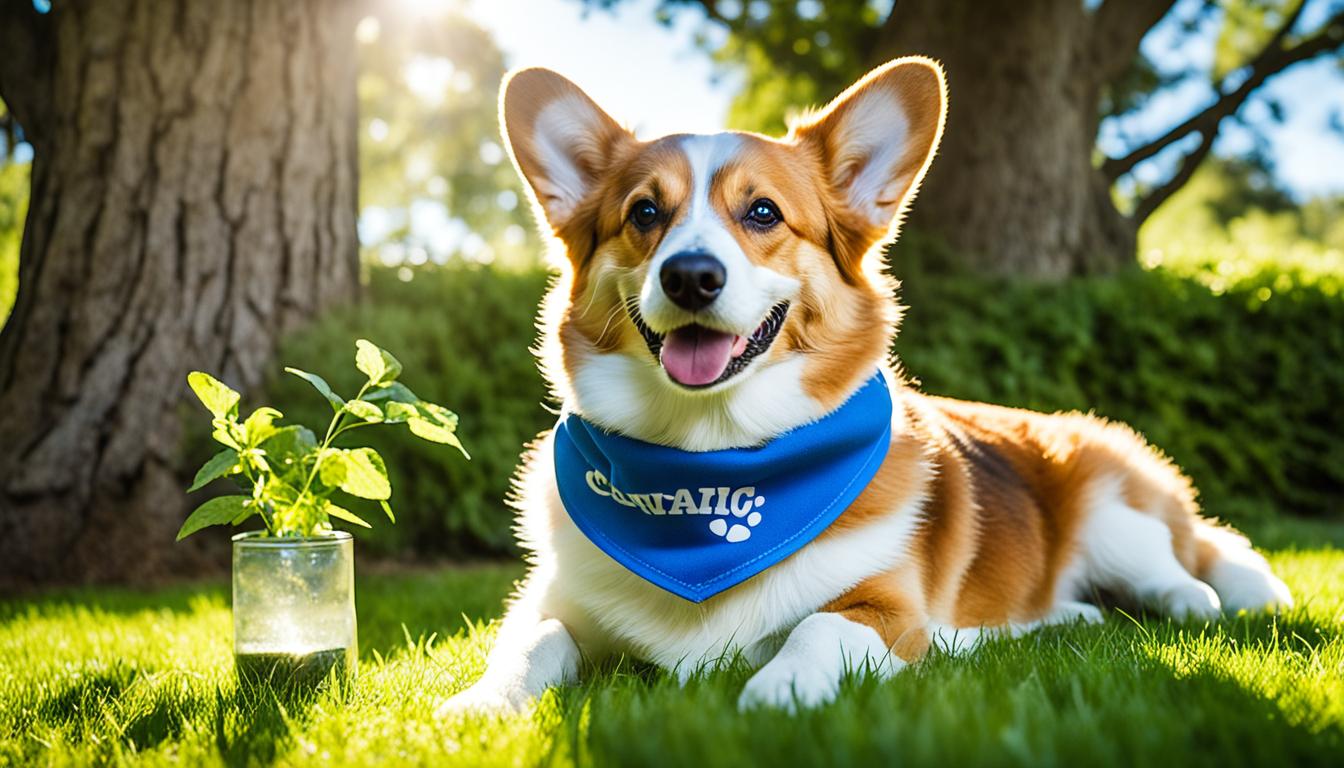

As the temperature rises, it’s essential to protect your precious Corgi from the scorching heat. Did you know that Corgis are more susceptible to heatstroke due to their thick fur? Are you aware of the potential dangers that hot weather can pose to your furry friend? Discover the top safety tips and practices to keep your Corgi cool and safe during the summer months.
Key Takeaways:
- Follow these Corgi safety tips to ensure their well-being during hot weather.
- Never leave your Corgi in a parked car, even for a few minutes.
- Keep your Corgi hydrated with fresh and cool water at all times.
- Protect their paws from hot surfaces by checking pavement temperature.
- Exercise your Corgi during cooler times of the day to prevent heat stress.
Leave Your Corgi at Home on Hot Days
When temperatures rise, it’s important to prioritize your Corgi’s safety by leaving them at home instead of taking them along on errands. Corgis have thick fur, making them more susceptible to heatstroke and the dangers of hot weather. As much as you may want to bring them with you, it’s simply too risky to leave them in a parked car, even with the windows cracked. The temperature inside a car can rise rapidly, reaching dangerous levels that can lead to heatstroke and even death.
To ensure your Corgi stays safe and cool during hot weather, it’s best to leave them in a cool, air-conditioned environment at home. This way, they can avoid the risks associated with being in a hot car and maintain their comfort and well-being.
“Leaving your Corgi in a parked car on a hot day is not worth the risk. The temperature inside a car can become deadly within minutes.”
Keep Your Corgi Hydrated
Corgis lose moisture faster than humans, so it is essential to prioritize their hydration, especially during the summer months. Ensuring your Corgi has access to fresh, cool water at all times is crucial for their overall well-being and helps regulate their body temperature.
Here are some corgi hydration tips to keep your furry friend cool and hydrated:
- Provide deep bowls of cool water: Deep bowls will stay chilled longer, allowing your Corgi to drink refreshing water throughout the day. Make sure to refill the water regularly to keep it fresh.
- Add ice cubes to the water: Adding ice cubes to your Corgi’s water bowl can help prolong the cooling effect. The ice will gradually melt, providing a constant source of refreshment.
- Maintain multiple water sources: Place water bowls in different areas of your home or yard, ensuring that your Corgi can easily access water wherever they are.
- Encourage frequent water breaks: During hot weather, encourage your Corgi to take frequent water breaks. Offer water after playtime, exercise, or when they show signs of panting or thirst.
- Consider a pet water fountain: Some Corgis prefer trickling water over still water. Investing in a pet water fountain can encourage your Corgi to drink more water throughout the day.
Remember, keeping your Corgi hydrated is of utmost importance to prevent dehydration, heatstroke, and other heat-related illnesses. By following these corgi hydration tips, you can ensure that your furry companion stays cool, healthy, and happy during the hot summer months.
Protect Your Corgi’s Paws from Hot Surfaces
When the summer heat hits, asphalt and sand can become scorching hot and potentially harm your Corgi’s delicate paws. It’s crucial to take steps to protect their paw pads from burning on hot surfaces. Here are some tips to ensure your Corgi’s paws stay safe and comfortable:
- Check the temperature: Before taking your Corgi for a walk, always assess the temperature of the ground. If you find it too hot to stand on with your bare feet, then it’s definitely too hot for your furry friend.
- Protective coverings: Consider using protective boots or shoes that are designed specifically for dogs. These provide a barrier between your Corgi’s paws and the hot surface, preventing burns and discomfort. Ensure they fit well and stay on securely during walks.
- Wax barriers: Another option to shield your Corgi’s paws is to use paw wax. This creates a protective layer on their pads, guarding against hot pavement. Apply a thin layer before heading out.
Remember, prevention is key when it comes to protecting your Corgi’s paws. Pay attention to the temperature and use these measures to keep them safe from the heat. Prioritize their comfort and well-being during walks.
Comparison of Paw Protection Options
| Paw Protection Option | Description | Pros | Cons |
|---|---|---|---|
| Protective Boots or Shoes | Dog-specific footwear designed to protect paws from hot surfaces. |
|
|
| Paw Wax | A natural wax applied to paw pads to create a protective barrier. |
|
|

Remember, protecting your Corgi’s paws from hot surfaces is crucial during the summer months. Taking proactive measures can prevent injuries and ensure your furry friend stays happy and comfortable.
Exercise Your Corgi during Cooler Times of the Day
Exercising your Corgi is important for their physical and mental well-being, but it’s crucial to be mindful of the hot weather to keep them safe and comfortable. Avoiding the hottest parts of the day is essential to prevent overheating and heat-related illnesses in your furry companion.
Early morning or late evening hours when the temperatures are cooler are the best times to exercise your Corgi in the summer. During these times, the sun is less intense, and the pavement is cooler, reducing the risk of paw pad burns. The cooler temperatures also make it easier for your Corgi to regulate their body temperature and avoid heat stress.
Signs of heat stress in dogs include:
- Excessive panting
- Increased salivation
- Glassy eyes
- Pale gums
If you notice any of these signs during exercise, it’s important to take immediate action. Provide your Corgi with a cool and shaded area, offer them fresh water, and allow them to rest. If the symptoms persist or worsen, consult with a veterinarian.
To help you plan your Corgi’s exercise routine and choose the most suitable times, here’s a table highlighting the average temperatures during different parts of the day:
| Time of Day | Average Temperature (°F) |
|---|---|
| Morning (6 AM – 9 AM) | 70°F – 75°F |
| Evening (6 PM – 9 PM) | 75°F – 80°F |

Maintain Your Corgi’s Coat for Heat Regulation
Corgis have a thick coat that actually helps insulate them from the heat. Regular grooming and brushing can help remove loose hair and allow air to circulate through their fur, keeping them cool.
During the summer months, grooming Corgis is especially important in managing their coat in hot weather. By brushing their fur, you can help prevent matting and tangles that can trap heat and make your Corgi uncomfortable. Regular brushing also aids in the distribution of natural oils, keeping their skin healthy and their coat shiny.
One highly recommended grooming tool for Corgis is the FURminator pet brush. This brush helps remove the thick undercoat, which can be a source of excess warmth during summer, while leaving the outer coat intact to protect their skin from sunburn. Using a FURminator brush not only keeps your Corgi’s coat well-maintained but also reduces shedding, keeping your home cleaner.
By maintaining your Corgi’s coat, you can ensure that they stay comfortable and cool in hot weather. Regular brushing not only helps with heat regulation but also strengthens the bond between you and your furry friend as you engage in a pleasant grooming routine together.

The Benefits of Regular Brushing for Dogs
Regular brushing offers several benefits for dogs, especially in managing their coat during hot weather:
- Removes loose hair and prevents matting
- Stimulates the skin and promotes blood circulation
- Reduces shedding and keeps your home cleaner
- Distributes natural oils, keeping the coat healthy and shiny
- Allows air circulation through the fur, keeping the dog cool
“Regular grooming and brushing can help remove loose hair and allow air to circulate through their fur, keeping them cool.”
| Brush Type | Features | Best Suited for |
|---|---|---|
| Bristle Brush | Soft bristles that effectively remove loose hair and debris | Dogs with short to medium-length coats |
| Slicker Brush | Thin, fine wires that detangle mats and remove loose hair | Dogs with medium to long coats |
| Undercoat Rake | Sharp, rotating teeth that remove loose hair from the undercoat | Dogs with double coats and heavy shedding |
Remember to be gentle when brushing your Corgi, as their skin can be sensitive. Start from the head and work your way down, using long strokes to reach the undercoat. If your Corgi has any specific coat care requirements or allergies, consult with a professional groomer or your veterinarian for guidance.
Regular grooming not only helps your Corgi stay comfortable in hot weather but also keeps their coat healthy and beautiful year-round.
Protect Your Corgi from Fleas and Ticks
Summer is the prime time for fleas and ticks to thrive, posing a significant risk to your Corgi’s health and well-being. These pests can cause discomfort, transmit diseases, and lead to various health issues in dogs. To keep your Corgi safe and protected from parasites, it is crucial to implement proper summer flea and tick prevention measures.
Consult with Your Veterinarian
Consulting with your veterinarian is the first step in ensuring the right flea and tick prevention for your Corgi. Veterinarians have the expertise to recommend pet-safe flea and tick products that are most effective for your specific dog. They can tailor their recommendations based on your Corgi’s age, health, lifestyle, and any existing medical conditions.
Additionally, your veterinarian can provide guidance on the proper application of flea and tick preventative treatments and provide advice on other preventive measures, such as regular grooming and environmental control.
Choose Pet-Safe Flea and Tick Products
When selecting flea and tick products for your Corgi, prioritize those that are specifically formulated for dogs and labeled as pet-safe. Avoid using products designed for other animals or those that contain potentially harmful ingredients.
There are various types of flea and tick preventatives available, including topical treatments, oral medications, collars, and sprays. Your veterinarian can recommend the most suitable option for your Corgi based on their individual needs and lifestyle.
Did you know? Some flea and tick products can protect against multiple parasites, including mosquitoes and ticks that may transmit diseases like Lyme disease or heartworm. Talk to your veterinarian about comprehensive protection for your Corgi.
Implement Regular Preventative Measures
It’s important to consistently administer flea and tick preventatives according to the recommended dosage and schedule. This helps maintain continuous protection for your Corgi throughout the summer months when flea and tick activity is at its peak.
In addition to preventative medications, regularly inspect your Corgi’s coat for any signs of fleas or ticks. Pay close attention to areas where these parasites commonly hide, such as the neck, ears, and armpits. If you notice any fleas or ticks, promptly remove them using tweezers or a specialized tick removal tool.
Furthermore, practicing good environmental hygiene can help minimize the risk of flea and tick infestations. Vacuum regularly, wash your pet’s bedding frequently, and keep the outdoor areas where your Corgi spends time clean and well-maintained.
Summary Table: Common Flea and Tick Preventative Options for Corgis
| Preventative Option | Method of Application | Duration of Protection | Advantages |
|---|---|---|---|
| Topical Treatments | Applied directly on the skin of the Corgi | Usually lasts for one month |
|
| Oral Medications | Administered orally, usually as a chewable tablet | Can provide protection for up to three months |
|
| Collars | Worn around the neck of the Corgi | Varies depending on the brand, but some collars provide protection for several months |
|
| Sprays | Applied directly on the Corgi’s coat | Varies depending on the brand, with some sprays providing protection for several weeks |
|
By taking proactive steps to prevent fleas and ticks, you can ensure that your beloved Corgi stays comfortable, healthy, and protected all summer long.
Recognizing and Treating Heatstroke in Corgis
Heatstroke can be life-threatening for Corgis, so it is crucial to be aware of the signs and take immediate action if you suspect heatstroke. By understanding the symptoms and knowing how to treat heatstroke, you can help save your Corgi’s life.
Symptoms of heatstroke in dogs include:
- Excessive panting
- Glazed eyes
- Rapid heartbeat
- Difficulty breathing
- Bright red gums
If you notice these symptoms in your Corgi, it’s important to act quickly to cool them down and seek veterinary attention. Move your Corgi to a cool, shaded area and apply cool compresses, such as wet towels, to their body. Avoid using ice-cold water or submerging them in cold water, as this can cause shock. Offer small amounts of water if your Corgi is conscious and able to drink.
While waiting for veterinary assistance, it is crucial to monitor your Corgi’s condition closely. Heatstroke can cause organ failure and other serious complications, so prompt medical attention is necessary for their well-being.
| Steps to treat heatstroke in Corgis: |
|---|
| 1. Move your Corgi to a cool area with shade |
| 2. Apply cool compresses to their body |
| 3. Do not use ice-cold water or submerge them in cold water |
| 4. Offer small amounts of water, if conscious and able to drink |
| 5. Seek veterinary attention immediately |
Remember, prevention is always better than treatment. To prevent heatstroke in your Corgi, take preventive measures such as providing access to fresh water at all times, avoiding strenuous activity during peak heat hours, and ensuring your Corgi has a cool, well-ventilated space to rest. Additionally, never leave your Corgi in a parked car, as the temperature can escalate rapidly, even with the windows cracked.
Summer Safety Tips for Dogs in General
When it comes to summer safety for dogs, it’s essential to prioritize the well-being of all furry friends, not just Corgis. Dogs of all breeds and sizes are vulnerable to heat-related dangers during hot weather. To ensure your four-legged companion stays safe and comfortable, here are some general pet safety tips for the summer:
Avoid Leaving Dogs in Hot Cars
Leaving dogs in hot cars is extremely dangerous and can lead to heatstroke or even death. Even on a mild day, the temperature inside a car can reach dangerous levels within minutes. Never leave your dog unattended in a parked car, even with the windows cracked. Instead, leave your dog at home in a cool and comfortable environment when running errands or going out.
Provide Shade and Water
Just like humans, dogs need access to shade and water during hot weather. Ensure that your dog has a designated cool spot in the yard or provide a well-shaded area when outdoors. Additionally, always make sure your dog has access to fresh and cool water throughout the day. Consider using a large, deep bowl to help keep the water temperature lower.
Limit Exercise During Extreme Heat
While exercise is important for dogs, it’s crucial to be mindful of the temperature when engaging in physical activity. Avoid exercising your dog during the hottest parts of the day, as it can lead to overheating and exhaustion. Opt for early morning or late evening walks, when the temperatures are cooler. Pay attention to your dog’s behavior and watch for signs of fatigue or distress, such as excessive panting or reluctance to continue.
Be Mindful of Brachycephalic Breeds
Brachycephalic breeds, such as Bulldogs and Pugs, are more prone to heat-related issues due to their shorter snouts and respiratory difficulties. These dogs have a harder time regulating their body temperature and are more susceptible to heatstroke. Take extra precautions by providing them with ample shade, cool water, and avoiding excessive exercise during hot weather.
“Remember, keeping our dogs safe and comfortable during the summer is a shared responsibility. By following these general summer safety tips, we can ensure that our furry companions enjoy a happy and healthy season.”
Take these precautions to heart, and be a responsible pet owner by keeping their safety a top priority. With these tips in mind, you can protect your dog from the potential hazards of summer and enjoy the season together!
| Summer Safety Tips for Dogs | Key Points |
|---|---|
| Avoid leaving dogs in hot cars | Leaving dogs in cars can lead to heatstroke |
| Provide shade and water | Ensure dogs have access to cool, shaded areas and fresh water |
| Limit exercise during extreme heat | Avoid strenuous activity during hot parts of the day |
| Be mindful of brachycephalic breeds | Short-nosed breeds are more susceptible to heat-related issues |
Safety Tips for Taking Dogs to the Beach
Heading to the beach with your furry friend can be an enjoyable summer activity, but it’s essential to ensure their safety. Follow these tips to make your beach outing a pleasant experience for both you and your Corgi.
- Provide Shade: Set up a beach umbrella or bring a beach tent to provide shade for your Corgi. Just like humans, dogs can get sunburned, so it’s important to protect them from excessive sun exposure.
- Offer Fresh Water: Keep your Corgi hydrated by bringing plenty of fresh water to the beach. Pack a collapsible water bowl or use a water dispenser specifically designed for dogs. Hydration is crucial, especially in hot weather.
- Avoid Excessive Sun Exposure: Dogs are also prone to sunburns and heatstroke. Limit the amount of time your Corgi spends under the sun, especially during peak hours. Consider using dog-safe sunscreen on areas prone to sunburn, such as the nose and ears.
- Check Water Conditions: Before allowing your Corgi to swim, assess the water conditions. Look out for any potential hazards such as strong currents, riptides, or rough waves. It’s important to ensure the safety of your dog when venturing into the water.
- Beware of Sea Lice and Jellyfish: Keep an eye out for sea lice and jellyfish that may be present in the water. These creatures can cause irritation or stings to your Corgi’s skin. If you notice any signs of discomfort or unusual behavior, seek immediate veterinary care.
- Monitor Activity Level: Dogs can get carried away with beach fun and may overexert themselves. Make sure to monitor your Corgi’s activity level and provide frequent breaks in a shaded area. Avoid excessive play or exercise, especially during the hottest parts of the day.
- Avoid Drinking Seawater: Although tempting, drinking seawater can be harmful to dogs. It can lead to dehydration, electrolyte imbalances, and gastrointestinal issues. Always provide fresh water for your Corgi to drink and discourage them from consuming seawater.
By following these beach safety tips, you can ensure a safe and enjoyable beach experience for you and your Corgi. Keep them protected from the sun, provide enough shade and water, and be cautious of potential hazards in the water. With these precautions in place, you and your furry companion can have a fantastic time at the beach!
Traveling with Your Corgi in the Summer
If you plan on traveling with your Corgi during the summer, it is essential to prepare accordingly. Whether you’re going on a road trip, flying to a destination, or embarking on a RV adventure, these pet travel tips will help ensure a safe and enjoyable journey for both you and your furry companion.
Traveling by Car
When traveling with your Corgi by car, it’s important to prioritize their comfort and safety. Here are some travel tips to consider:
- Make sure your Corgi is secured in a well-ventilated crate or with a car harness to prevent them from roaming around the vehicle.
- Bring along their favorite bed or blanket to provide them with a familiar and comfortable space during the trip.
- Take frequent breaks to allow your Corgi to stretch their legs, hydrate, and relieve themselves.
- Never leave your Corgi unattended in a parked car, as temperatures can rise quickly even with the windows cracked.
Traveling by Air
If you’re planning to fly with your Corgi, there are certain precautions to keep in mind:
- Research the airline’s pet travel policies and make sure your Corgi meets all the requirements.
- Book a direct flight whenever possible to minimize stress and time spent in transit.
- Ensure your Corgi’s crate is airline-approved and provides enough space for them to stand, turn around, and lie down comfortably.
- Label the crate with your contact information and attach a current photo of your Corgi for identification.
Traveling by RV
Traveling with your Corgi in an RV allows for more flexibility and freedom. Here are some tips to make the experience enjoyable for both you and your furry friend:
- Create a designated area for your Corgi inside the RV, with their bed, water bowl, and toys.
- Secure any loose items that could potentially fall and harm your Corgi during the ride.
- Keep the RV well-ventilated and at a comfortable temperature for your Corgi.
- Plan regular stops for your Corgi to stretch their legs, exercise, and use the bathroom.
Keeping Your Corgi Cool and Hydrated
Regardless of the mode of transportation, it’s crucial to keep your Corgi cool and hydrated during the summer travels. Here are some essential tips:
- Always carry a supply of fresh water for your Corgi to drink throughout the journey.
- Choose travel times during the cooler parts of the day to avoid the peak heat.
- Avoid leaving your Corgi alone in a parked car or RV, as temperatures can rise quickly and lead to heatstroke.
- Monitor your Corgi for signs of overheating, such as excessive panting, drooling, or lethargy.
To ensure a smooth and enjoyable travel experience with your Corgi, it’s essential to plan ahead, prioritize their comfort and safety, and be prepared for any unexpected situations that may arise.
Comparison of Traveling Options
| Travel Option | Pros | Cons |
|---|---|---|
| Car |
|
|
| Air |
|
|
| RV |
|
|
Conclusion
Summer can be a challenging time for pet owners, but ensuring the safety and comfort of your Corgi is possible with these final tips for summer pet safety. Prioritizing hydration is crucial, as Corgis can easily become dehydrated in the heat. Always provide fresh, cool water in deep bowls and consider adding ice for a longer cooling effect.
Protecting your Corgi’s paws from hot surfaces is also essential. Avoid walking your Corgi on hot pavement and check the temperature before heading out. Using protective coverings or wax barriers can shield their feet from burns and discomfort.
Lastly, be mindful of the signs of heatstroke in your Corgi. Excessive panting, glazed eyes, rapid heartbeat, and difficulty breathing are all indications of heatstroke. If you suspect heatstroke, move your Corgi to a cool area, apply cool compresses, and seek veterinary attention immediately.
By following these final tips for summer pet safety, you can enjoy a fun and safe summer with your beloved Corgi. Stay vigilant, provide adequate care, and cherish the special moments together during this sunny season.
FAQ
What precautions should I take to protect my Corgi from the heat?
Are Corgis more susceptible to heatstroke?
What are the signs of heatstroke in Corgis?
How can I protect my Corgi’s paws from hot surfaces?
What should I do if I suspect my Corgi has heatstroke?
How can I prevent fleas and ticks on my Corgi during the summer?
Can I take my Corgi to the beach?
How should I travel with my Corgi during the summer?
Are there general safety tips for dogs in hot weather?
What are some final tips for summer pet safety?
Source Links
- https://www.akc.org/expert-advice/health/summer-safety-tips-for-dogs/
- https://www.humanesociety.org/resources/keep-pets-safe-heat
- https://nayothecorgi.com/blogs/nayothecorgi/7-hot-weather-safety-tips-to-keep-your-corgi-safe-this-summer

Carlos is the passionate founder and primary author behind “CorgisCorner.com,” a website dedicated to all things related to the beloved Corgi breed. Born and raised in a small town known for its strong sense of community and love for animals, Carlos developed a deep affection for Corgis from a young age. This love was sparked by his childhood companion, a spirited and loyal Corgi named Toby, who was a constant source of joy and friendship.