

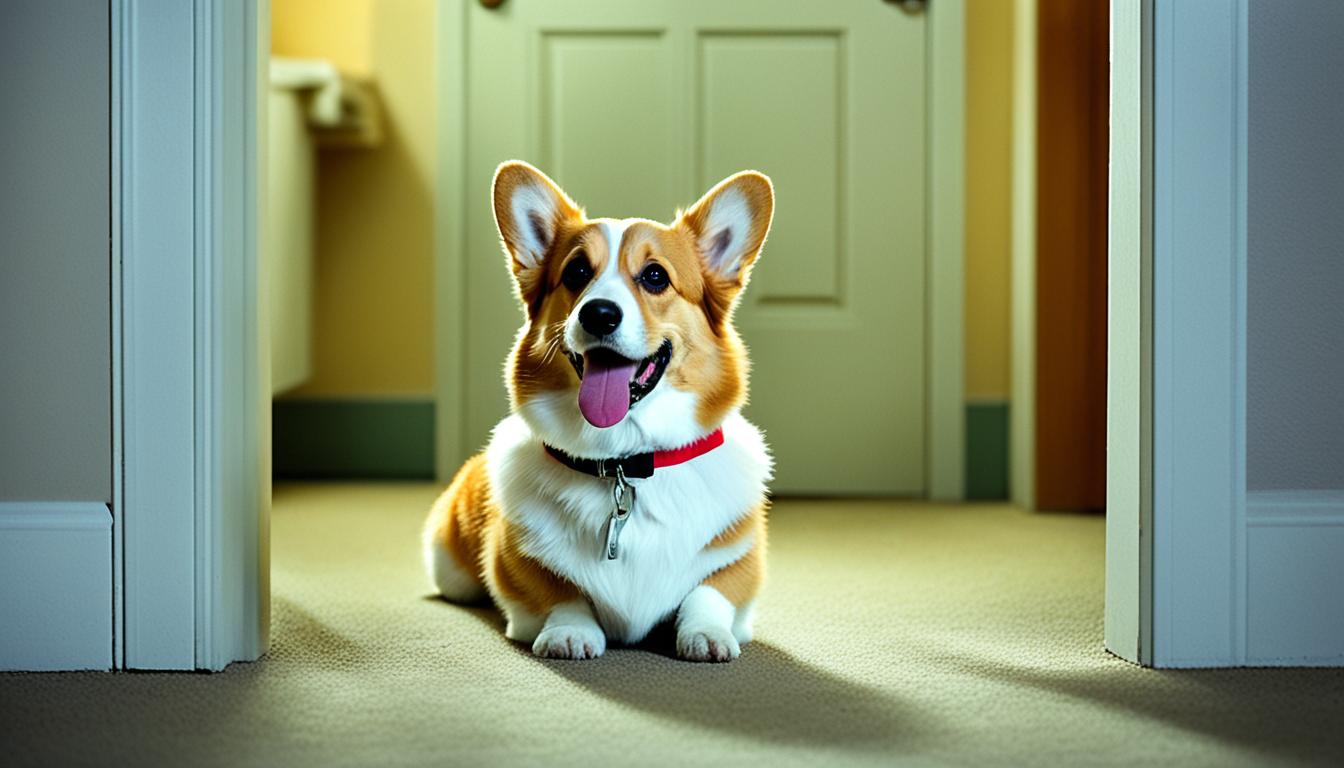

Have you ever wondered why corgis hate being alone? They are known for their adorable short legs and playful personalities, but there’s more to their dislike of solitude than meets the eye. Corgis often experience separation anxiety when left alone, which can lead to behaviors like incessant barking, destructive chewing, and even self-harm.
So, why do these lovable dogs despise being left to their own devices? And more importantly, what can you do to help them feel more comfortable and secure when you have to leave them alone?
In this article, we’ll explore the reasons behind corgis’ fear of being alone and provide you with top management tips to help your furry friend cope with separation anxiety. From gradual acclimation to creating a relaxing environment, we’ll cover it all. Get ready to discover the secrets to keeping your corgi content even when you can’t be by their side.
Key Takeaways:
- Corgis often experience separation anxiety when left alone.
- Their dislike of being alone is rooted in their social nature and strong bonds with their owners.
- Gradual acclimation, creating a safe space, and engaging them in mental and physical exercise can help manage their anxiety.
- Training, socialization, and environmental enrichment are crucial in building their independence and comfort when alone.
- Seeking professional help may be necessary for severe cases of separation anxiety.
Why Do Corgis Hate Being Alone?
Corgis are well-known for their social nature and strong bond with their owners. As herding dogs, they thrive on companionship and being part of a pack. When left alone, Corgis can experience anxiety and stress due to the sudden absence of their human companions and the familiar presence of their pack. This fear of being alone can be further intensified if they haven’t been properly trained or socialized from a young age. Understanding the underlying reasons behind their fear of separation is key to addressing their anxiety and finding effective solutions.
When a Corgi is left alone, their natural instincts as a herding dog kick in, causing them to feel uneasy and restless. They have a strong need to be around their owners and other animals, so the sudden absence of familiar faces can trigger anxiety and distress. This is especially true if they have not been taught how to cope with being alone and have not been exposed to positive experiences that build their confidence.
But why do Corgis specifically hate being alone? The answer lies in their nature as social animals. As a breed known for their loyalty and affection, they form deep emotional connections with their owners and thrive on constant human interaction. Corgis are pack animals by instinct, and being alone can be distressing for them due to the fear of separation, which is often aggravated by their strong bond with their owners.
When a Corgi is left alone, they may exhibit behaviors such as excessive barking, howling, destructive chewing, and even self-harm as a result of their separation anxiety. It’s essential to address these behaviors and provide them with the support they need to feel secure and comfortable when left alone.
Proper training and socialization play a significant role in helping Corgis cope with being alone. By gradually acclimating them to being alone for short periods and gradually increasing the duration, they can build their tolerance and confidence. Creating a safe and comfortable environment, such as providing a designated space with their favorite toys and bedding, can also help alleviate their anxiety.
Additionally, engaging Corgis in mental and physical exercise before leaving can help tire them out and reduce anxiety. Interactive toys and puzzles can also keep them occupied and mentally stimulated while their owners are away.
Understanding the reasons behind Corgis’ fear of being alone and implementing appropriate solutions is essential for their well-being. The next section will provide management tips for leaving Corgis alone and addressing their separation anxiety.
Management Tips for Leaving Corgis Alone
Leaving your beloved Corgi alone can be a challenge, especially if they experience anxiety or stress when separated from you. Fortunately, there are several management tips that can help your Corgi feel more comfortable and secure when left alone.
1. Gradual Acclimation
One effective strategy is to gradually acclimate your Corgi to being alone. Start by leaving them alone for short periods and gradually increase the duration over time. This gradual exposure can help build their confidence and minimize anxiety.
2. Create a Safe Space
Providing your Corgi with a safe and comfortable space can ease their anxiety when you’re not around. Consider using a crate or setting up a designated area with their favorite toys, bedding, and familiar scents. This will create a sense of security and help them feel at ease while alone.
3. Mental and Physical Exercise
Engaging your Corgi in mental and physical exercise before leaving can tire them out and reduce anxiety. Take them for a walk, play their favorite game, or engage them in puzzle toys to keep their mind occupied. A tired and mentally stimulated Corgi is more likely to relax when left alone.
4. Interactive Toys and Distractions
Leaving your Corgi with interactive toys or puzzles can provide mental stimulation and help keep them occupied while you’re away. These toys can distract them from their anxiety and provide a positive focus. Choose toys that are safe, durable, and engaging to keep their attention.
5. Calming Music or Noise
Consider playing soft music or leaving the TV on at a low volume to provide background noise for your Corgi. This can mimic the presence of human companionship and create a soothing environment. Certain calming music or noise tracks specifically designed for pets can also be beneficial.
6. Stick to a Routine
Corgis thrive on routine and predictability. Establishing a consistent feeding, exercise, and leaving schedule can help minimize stress and anxiety. Stick to the same routine every day, even when you are not at home. This consistency will provide your Corgi with a sense of structure and stability.
By implementing these management tips, you can help your Corgi feel more comfortable and secure when left alone. Remember to be patient, as each Corgi is unique and may require different strategies. With time and dedication, you can alleviate their anxiety and create a more positive experience for them when you’re not around.

Building Independence through Training
Training is a key factor in helping Corgis become comfortable being alone and coping with solitude. Teaching Corgis basic obedience commands such as sit, stay, and down not only instills a sense of structure and discipline but also helps them develop the skills necessary to navigate their time alone. By training Corgis to follow these commands consistently, even when no one is present, they can start building independence and confidence.
Gradually increasing the duration of time that you leave your Corgi alone is another important aspect of their training. Start with short periods and slowly extend the time as your Corgi becomes more comfortable. This incremental approach allows them to adjust gradually and prevents overwhelming feelings of anxiety or distress. Positive reinforcement is crucial during this process – reward your Corgi with treats, praise, or playtime when they exhibit calm behavior while being alone.
Consistency and patience are key when training Corgis to cope with solitude. Every dog is unique, and it will take time for them to learn and adapt. Stay consistent with your training methods and expectations, and be patient as your Corgi gradually becomes more comfortable being alone.
Training your Corgi to be comfortable alone is an investment in their overall well-being. It not only helps them manage their anxiety but also instills confidence and independence, allowing them to thrive even when you’re not around.
Creating a Training Routine
Establishing a training routine is crucial to help your Corgi become comfortable with solitude. Consistent training sessions not only provide structure but also reinforce the idea that being alone is a normal part of their daily lives. Consider the following tips when creating a training routine for your Corgi:
- Set aside dedicated time each day for training sessions.
- Choose a quiet and distraction-free environment for training.
- Utilize positive reinforcement techniques such as treats and praise.
- Keep training sessions short and focused to maintain your Corgi’s attention.
- Gradually increase the difficulty of training exercises over time.
Remember that training should always be a positive experience for your Corgi. Keep the sessions fun and engaging, and tailor the training exercises to their individual needs.

Interactive Toys for Independent Play
Introducing interactive toys to your Corgi’s daily routine can encourage independent play and help them stay occupied when alone. These toys stimulate their mind and provide mental and physical exercise, reducing anxiety and boredom. Consider the following types of interactive toys:
- Puzzle toys: These toys require your Corgi to solve puzzles or manipulate objects to release treats or rewards. They engage your Corgi’s problem-solving skills and keep them mentally stimulated.
- Treat-dispensing toys: These toys dispense treats as your Corgi interacts with them. This encourages play and rewards them for independent activity.
- Sensory toys: These toys activate your Corgi’s senses, such as toys with different textures, sounds, or scents. They provide mental stimulation and keep your Corgi engaged when alone.
Ensure the toys are safe and appropriate for your Corgi’s size and chewing habits. Rotate the toys regularly to keep them interesting and prevent boredom.
Socialization and Environmental Enrichment
Socializing Corgis is crucial for their development of good behavior and adaptability. By introducing them to various people, animals, and environments from a young age, you can help reduce their anxiety and fear when faced with new experiences. Taking your Corgi for regular walks in different settings and exposing them to different sounds, sights, and smells can significantly broaden their comfort zone. It’s important to note that Corgis are highly intelligent and active dogs, so providing them with environmental enrichment is also essential in preventing boredom and keeping them mentally engaged when left alone.
There are various ways to provide environmental enrichment for your Corgi. One effective method is to offer puzzle toys that require problem-solving skills and reward them with treats when they successfully complete the task. This not only keeps them mentally stimulated but also encourages them to explore and engage with their surroundings. Interactive games and sensory stimulation, such as hiding treats or toys for them to find, can also provide mental and physical exercise while adding excitement to their daily routine.

Creating a stimulating and engaging environment is particularly important for Corgis when they are alone. It helps to alleviate their anxiety and prevent destructive behavior. Additionally, consider incorporating different textures, scents, and sounds into their living space to provide sensory variety and enhance their overall well-being.
Benefits of Socialization and Environmental Enrichment
Socializing your Corgi and providing environmental enrichment offer several benefits:
- Reduces anxiety and fear in new situations
- Promotes mental stimulation and prevents boredom
- Enhances problem-solving skills and cognitive abilities
- Builds confidence and adaptability
- Strengthens the bond between you and your Corgi
- Improves overall behavioral and emotional well-being
Remember to gradually introduce new experiences and environments to your Corgi, and always prioritize their safety and comfort. Each dog is unique, so pay attention to their individual preferences and reactions. With proper socialization and environmental enrichment, you can help your Corgi thrive and enjoy a fulfilling and enriching life.
Creating a Relaxing Environment
When it comes to minimizing stress and anxiety for your Corgi when they’re alone, creating a calming and soothing environment is essential. By implementing a few simple strategies, you can help your furry friend feel more at ease and relaxed during solo time.
Play Soft Music or Leave the TV On
One effective way to mimic the presence of human companionship is to play soft music or leave the TV on at a low volume. The background noise can provide a sense of comfort and help your Corgi feel less alone. Choose calming music or nature sounds to create a peaceful atmosphere for your furry companion.
Use Pheromone Diffusers or Sprays
Pheromone diffusers or sprays, such as Adaptil, can help create a sense of security and reduce anxiety in Corgis. These products release synthetic pheromones that mimic the natural ones emitted by mother dogs, helping to create a familiar and soothing environment. Simply plug in a diffuser or spray the product in your Corgi’s designated area to help them feel more relaxed.
Maintain a Consistent Routine
Consistency plays a key role in minimizing stress when your Corgi is alone. By maintaining a regular routine and sticking to a consistent feeding and exercise schedule, you provide your furry friend with a sense of predictability. Knowing what to expect can help reduce anxiety and create a more relaxing environment.
| Tip | Description |
|---|---|
| Play Calming Music | Choose soft music or nature sounds to create a calming atmosphere for your Corgi. |
| Utilize Pheromone Diffusers | Invest in pheromone diffusers or sprays, such as Adaptil, to create a familiar and soothing environment. |
| Stick to a Regular Routine | Maintain consistency in your Corgi’s daily routine, including feeding and exercise schedules. |
By implementing these strategies and creating a relaxing environment, you can help minimize stress and anxiety for your Corgi when they’re alone. Remember, each Corgi is unique, so it’s important to observe how they respond to different stimuli and adjust accordingly. With a little effort and attention to their needs, you can create a peaceful and calming space for your furry friend.
Seeking Professional Help
If your Corgi’s separation anxiety persists despite your efforts and management strategies, it may be beneficial to seek professional help. Consulting with a qualified dog behaviorist or trainer who specializes in separation anxiety can provide valuable insights and guidance tailored to your Corgi’s specific needs. They can help assess the severity of the anxiety, develop a personalized training plan, and provide ongoing support and techniques to help your Corgi overcome their fear of being alone.
When consulting a dog behaviorist or trainer, they will first evaluate your Corgi’s behavior and anxiety levels to determine the best course of action. Through their expertise and experience, they will be able to identify any underlying issues contributing to your Corgi’s separation anxiety and develop a comprehensive plan to address them.
“Consulting with a qualified dog behaviorist or trainer can provide valuable insights and guidance tailored to your Corgi’s specific needs.”
Professional help can offer a fresh perspective and provide you with the tools and techniques necessary to better manage your Corgi’s anxiety. They will work closely with you to develop a personalized training plan, identifying exercises and activities that will help your Corgi gradually become more comfortable being alone.
By seeking professional help, you can have peace of mind knowing that you are taking the necessary steps to address your Corgi’s separation anxiety and improve their overall well-being. With their expertise and ongoing support, you will be equipped with the knowledge and skills to help your Corgi overcome their fear of being alone.
Remember, every Corgi is unique, and what works for one may not work for another. It’s essential to consult a professional who can provide tailored advice and assistance. Together, you can help your Corgi thrive and create a positive and relaxed experience for them when alone.

| Benefits of Seeking Professional Help | How Professional Help Can Assist |
|---|---|
| 1. Expertise in managing separation anxiety | 1. Assessing the severity of Corgi’s anxiety |
| 2. Tailored guidance for your Corgi’s specific needs | 2. Developing a personalized training plan |
| 3. Identifying and addressing underlying issues | 3. Providing ongoing support and techniques |
| 4. Peace of mind knowing you’re taking the right steps | 4. Equipping you with knowledge and skills |
The Importance of Patience and Consistency
When it comes to managing Corgis’ separation anxiety, two key factors are essential: patience and consistency. Dealing with this challenging behavior requires a compassionate and understanding approach, as it may take time for your Corgi to overcome their fear and feel comfortable when left alone.
Consistency is vital in implementing management strategies, training techniques, and providing a secure and positive environment for your Corgi. By establishing a routine and sticking to it, you can help them build confidence and develop effective coping mechanisms. Remember, progress may not always be linear, so be prepared for setbacks.
“Patience is the key to success when managing Corgis’ separation anxiety. It’s important to understand that each Corgi is unique, and their journey towards overcoming their fear will be different. By remaining patient and supportive, you can create a safe space for them to learn and grow.”
Celebrating small victories along the way is crucial in reinforcing positive behavior. Whenever your Corgi shows signs of progress or exhibits calmness when left alone, acknowledge and reward their efforts. This positive reinforcement will further motivate them to continue their journey towards independence.
Remember that consistency in training and providing a secure environment goes hand in hand. By using the same techniques, commands, and approaches consistently, you create a sense of predictability and stability for your Corgi. This will help them feel more confident and secure when separated from you.
Managing Corgis’ separation anxiety is a gradual process that requires time, patience, and consistency. With your dedication and understanding, you can help your beloved Corgi overcome their fear and develop a more positive and relaxed experience when alone.
The Benefits of Patience and Consistency
Practicing patience and consistency in managing separation anxiety offers several benefits for both you and your Corgi:
- A sense of security: By consistently providing a safe and positive environment, your Corgi will feel more secure when left alone.
- Building confidence: Over time, with patience and guidance, your Corgi’s confidence will grow as they learn to cope with being alone.
- Reduced stress: Patience and consistency help minimize stress levels for both you and your Corgi, creating a more peaceful environment.
- Stronger bond: The process of overcoming separation anxiety requires trust and understanding. As you patiently work with your Corgi, your bond will strengthen.
Conclusion
Managing a Corgi’s fear of being alone requires a holistic approach that encompasses various strategies and techniques. By implementing the right management tips and creating a supportive environment, you can help your Corgi feel more at ease when left alone and alleviate their separation anxiety. Remember to be patient and consistent throughout the process, as each Corgi is unique and may respond differently to different methods.
Start by gradually acclimating your Corgi to being alone, building their independence in small increments. Provide them with a safe and comfortable space, engaging activities, and mental stimulation to keep them occupied. Training and socialization are also crucial in helping them develop coping mechanisms and adjust to new experiences.
If your Corgi’s separation anxiety persists despite your efforts, don’t hesitate to seek professional help from a qualified dog behaviorist. They can provide personalized guidance, assess the severity of the anxiety, and develop a tailored training plan. With dedication and the right support, you can help your Corgi overcome their fear of being alone and create a more positive and relaxed experience for them.
FAQ
Why do Corgis hate being alone?
What are some management tips for leaving Corgis alone?
How can training help Corgis be comfortable alone?
How does socialization and environmental enrichment help Corgis cope with being alone?
How can I create a relaxing environment for my Corgi when they are alone?
When should I seek professional help for my Corgi’s separation anxiety?
Why is patience and consistency important in managing Corgis’ fear of being alone?
Conclusion
Source Links
- https://smartdoguniversity.com/how-to-deal-with-a-stubborn-dog-full-article/
- https://www.myfamilyvets.co.uk/corgi-breed-guide
- https://www.reddit.com/r/corgi/comments/17n4bef/i_need_to_feel_comfortable_leaving_my_puppy_alone/

Carlos is the passionate founder and primary author behind “CorgisCorner.com,” a website dedicated to all things related to the beloved Corgi breed. Born and raised in a small town known for its strong sense of community and love for animals, Carlos developed a deep affection for Corgis from a young age. This love was sparked by his childhood companion, a spirited and loyal Corgi named Toby, who was a constant source of joy and friendship.