

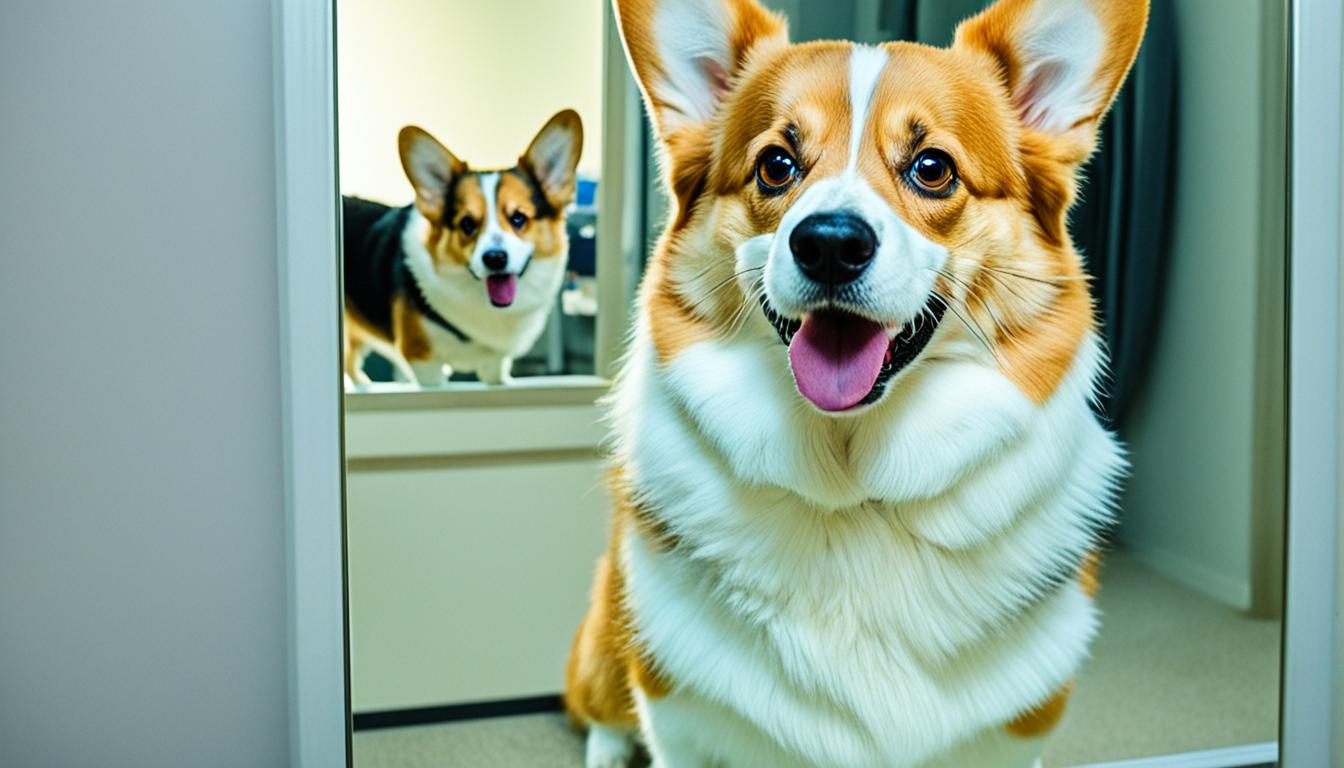

Do Corgis have a reputation for aggression? It may come as a surprise, considering their adorable appearance and playful nature. However, aggression is a behavior problem that can affect Corgis, just like any other dog breed.
If you’re a Corgi owner or considering adopting one, it’s essential to understand the signs of aggression and how to manage and prevent it. This article will explore the various types of aggression in Corgis, the warning signs to look out for, and effective solutions to promote a harmonious relationship with your furry companion.
Key Takeaways:
- Aggression can be a problem in Corgis, and recognizing the signs is crucial for their well-being.
- Types of aggression in Corgis include territorial, protective, possessive, fear, defensive, and social aggression.
- Signs of aggression in Corgis may include growling, showing teeth, snapping, and biting.
- Triggers for Corgi aggression can include the presence of other dogs, sudden movements, and certain situations.
- Desensitization, counter-conditioning, and teaching commands are effective methods for managing Corgi aggression.
Types of Aggressive Behavior in Corgis
Understanding the different types of aggressive behavior in Corgis is crucial for pet owners. Each type of aggression has its own unique triggers and characteristics, requiring specific approaches for management and training.
Territorial Aggression
Corgis, like many other dogs, can exhibit territorial aggression when they perceive their space being invaded by intruders. This behavior is a protective response aimed at defending their territory and those they consider part of their pack.
Protective Aggression
Protective aggression in Corgis occurs when they feel the need to defend a family member or friend. They may display aggressive behavior when they perceive a threat or believe someone is in danger.
Possessive Aggression
Corgis can exhibit possessive aggression when they guard their resources, such as food, toys, or even their favorite spot on the couch. This behavior stems from their instinct to protect what they perceive as their possessions.
Fear Aggression
When a Corgi feels threatened or frightened, fear aggression may arise as a defensive response. In these situations, Corgis may display aggressive behaviors as a way to protect themselves from perceived danger.
Defensive Aggression
Defensive aggression in Corgis is a combination of fear and offensive postures. It occurs when they feel cornered or trapped, prompting them to respond aggressively in an attempt to escape the perceived threat.
Social Aggression
Corgis with a dominant or assertive personality may exhibit social aggression, particularly towards family members. This behavior arises when they perceive themselves as being higher in status and display aggression to maintain their perceived position.
Understanding these various types of aggressive behavior in Corgis is essential for effectively addressing and managing their aggression. By identifying the triggers and implementing appropriate training techniques, owners can create a safe and harmonious environment for both their Corgi and those around them.
Recognizing Signs of Aggression in Corgis
As a responsible Corgi owner, it is essential to be able to identify the signs of aggression in your beloved pet. Understanding these signs can help you intervene and prevent potential aggressive encounters. Here are some common signs of aggression that you should watch out for:
- Becoming still and rigid: A Corgi displaying aggression may often freeze and become tense, signaling their readiness to act aggressively.
- Guttural barking: Aggressive Corgis may emit deep, menacing barks, sometimes accompanied by low growls.
- Lunging or charging at a person without contact: This is a clear sign of aggressive intent, as the Corgi is attempting to assert dominance or intimidate.
- Mouthing for control: Aggressive Corgis may use their mouths to demonstrate control by biting or nipping.
- Growling, showing teeth, snarling: These are classic signs of aggression, indicating the Corgi’s readiness to attack if necessary.
- Snapping, nipping, biting with pressure: Aggressive Corgis may escalate their behavior by using their mouths to make contact, and the bites may vary in intensity.
- Multiple bites in rapid succession: An aggressive Corgi may persistently bite, attacking their target repeatedly.
Being able to recognize these signs empowers you to take appropriate action and protect your Corgi and those around them from potential harm.

Aggression Triggers in Corgis
Understanding the triggers that lead to aggressive behavior in Corgis is essential for managing their aggression. By identifying these triggers, owners can take proactive measures to prevent aggression and create a safe environment for their pets.

1. Presence of other dogs or pets:
One common trigger for Corgi aggression is the presence of other dogs or pets. Some Corgis may become territorial or exhibit aggressive behavior when encountering unfamiliar animals. It is important for owners to carefully introduce their Corgi to new animals and monitor their interactions to prevent aggressive responses.
2. Approach of family members, especially children:
The approach of family members, especially children, can also trigger aggression in Corgis. Quick movements or sudden actions by children may startle or provoke a Corgi, leading to defensive or fear-based aggression. It is crucial for children to be educated about appropriate interaction with Corgis and for adults to supervise their interactions to prevent potential triggers.
3. Sudden movements or loud noises near guarded resources:
Corgis may exhibit possessive aggression when it comes to guarding resources such as food, toys, or resting areas. Sudden movements or loud noises near these guarded resources can trigger aggressive behavior in Corgis as they perceive a threat to their possessions. Owners should avoid sudden disruptions and create a calm environment to minimize the chances of aggression.
4. Situations that threaten the Corgi’s sense of safety or control:
Certain situations that threaten the Corgi’s sense of safety or control can trigger aggression. These may include unfamiliar environments, crowded places, or interactions with unfamiliar people or animals. It is important for owners to gradually expose their Corgi to new experiences, providing positive reinforcement and support to build their confidence and reduce the risk of aggression.
Desensitization and Counter-Conditioning for Corgi Aggression
When it comes to addressing and modifying aggressive behavior in Corgis, desensitization and counter-conditioning are highly effective techniques. Desensitization involves gradually exposing the Corgi to triggering situations, starting with low-intensity encounters and gradually increasing the intensity over time.
By exposing the Corgi to these triggers in a controlled and structured manner, they can begin to develop a tolerance and reduce their aggressive response. This process helps them build confidence and learn that the trigger is not something to be feared or reacted aggressively towards.
Counter-conditioning, on the other hand, involves changing the Corgi’s emotional response to the trigger by associating it with positive experiences. This technique aims to replace fear, anxiety, or aggression with feelings of calmness, relaxation, and positive anticipation.
For example, if a Corgi displays aggression towards certain situations or resources, such as guarding their food or toys, desensitization and counter-conditioning can be employed. The Corgi would be gradually exposed to these situations or resources while receiving rewards and positive reinforcement.
This combination of desensitization and counter-conditioning helps the Corgi associate the trigger with positive outcomes, reducing their aggression and replacing it with more desirable behaviors.
Implementing Desensitization and Counter-Conditioning:
When implementing desensitization and counter-conditioning techniques for Corgi aggression, it is essential to follow these key steps:
- Identify the trigger: Determine the specific trigger that elicits the aggressive response in your Corgi. This could be a particular situation, object, or interaction.
- Set the baseline: Assess your Corgi’s current reaction to the trigger to establish a baseline for their behavior.
- Create a gradual exposure plan: Develop a step-by-step plan to expose your Corgi to the trigger in a controlled and incremental manner.
- Reward positive behavior: Use rewards, such as treats, praise, or play, to reinforce your Corgi’s calm and non-aggressive responses during each exposure session.
- Progress at the dog’s pace: Gradually increase the intensity or duration of the exposure as your Corgi becomes more comfortable and shows positive progress.
- Be patient and consistent: Desensitization and counter-conditioning require time, patience, and consistency to achieve desired results. Repeat the exposure sessions regularly and maintain a positive and supportive environment.
With proper implementation and consistency, desensitization and counter-conditioning can help modify aggressive behavior in Corgis, promoting a more peaceful and harmonious relationship between the dog and their environment.

Image: A Corgi undergoing desensitization and counter-conditioning training for aggression.
Teaching Commands to Manage Corgi Aggression
When it comes to managing Corgi aggression, teaching specific commands can be highly beneficial. These commands allow owners to redirect their Corgi’s focus from guarded resources and encourage them to release possessive items, promoting positive behavior and reducing the likelihood of aggression.
One important command to teach is the leave it command. This command helps redirect the Corgi’s attention away from a resource they are guarding, whether it’s food, toys, or other items. By consistently practicing this command, owners can teach their Corgis to let go and let others approach without aggression.
Another valuable command is drop it or give. This command is especially useful when a Corgi becomes possessive of an item and refuses to let go. By teaching the Corgi to respond to this command, owners can prevent potentially aggressive situations and promote sharing.
Consistency is key when training Corgis to follow these commands. Regular practice sessions and reinforcement will help solidify the desired behavior. Positive reinforcement, such as treats or praise, should be used to reward the Corgi for complying with the commands. Over time, these commands become ingrained in the Corgi’s training and contribute to a well-behaved and non-aggressive companion.
Remember, patience and persistence are essential when training any dog, including Corgis. Each Corgi is unique and may respond differently to training methods. If you find that teaching commands alone is not effectively managing your Corgi’s aggression, consider seeking professional help from a dog trainer or behaviorist who specializes in aggression management. They can provide personalized guidance and create a tailored training plan to address your Corgi’s specific needs.

| Benefits of Teaching Commands to Manage Corgi Aggression |
|---|
| Promotes positive behavior |
| Reduces likelihood of aggression |
| Prevents potentially aggressive situations |
| Encourages sharing and relinquishing possessions |
| Helps create a well-behaved and non-aggressive companion |
The “Trade-Up” Technique for Corgi Aggression
Managing aggression in Corgis can be challenging for pet owners. However, there is a technique known as the “trade-up” method that can help reduce possessive aggression and resource guarding in Corgis.
The “trade-up” technique involves exchanging a higher-value item for the resource that the Corgi is guarding. For example, if your Corgi is possessive of a toy, you can offer them a tastier treat or a more exciting toy in exchange for the one they are guarding. By doing this, you are teaching your Corgi that giving up a resource can lead to better rewards.
This technique can be effective in reducing possessive aggression because it helps your Corgi associate letting go of a resource with positive outcomes. It teaches them that relinquishing something they are guarding can result in receiving a reward that is even more valuable, enhancing their overall motivation to give up the resource.
When implementing the “trade-up” technique, it is essential to be patient and consistent. Gradually increase the value of the item you are offering in exchange for the resource your Corgi is guarding. Over time, your Corgi will learn that letting go of the resource leads to something better, reducing their possessive behavior.
It’s important to note that the “trade-up” technique works best when combined with positive reinforcement training and other behavior modification strategies. Consistency and repetition are key to successfully managing aggression in Corgis.
By practicing the “trade-up” technique and providing positive reinforcements, you can help your Corgi develop a healthier relationship with resources and reduce possessive aggression.
Remember that each Corgi is unique, and it may take time to see progress. If you need assistance or further guidance, consider consulting a professional dog trainer or behaviorist who specializes in aggression management. They can provide you with personalized strategies to address your Corgi’s specific needs.
Avoiding Punishment for Corgi Aggression
Punishment is not an effective approach to address Corgi aggression. It can exacerbate the problem and increase aggression in these furry companions. Instead, positive reinforcement and reward-based training should be utilized to modify the Corgi’s behavior in a more effective and humane manner.
Consistently rewarding desired behaviors can reinforce the idea that there is no need for the Corgi to guard resources or engage in aggressive behavior. By using positive reinforcement techniques, such as praise, treats, or play as rewards, Corgis learn that good behavior brings positive consequences.
“Positive reinforcement is an incredibly powerful tool in behavior modification. It allows us to create a harmonious relationship with our Corgis by focusing on what they are doing right and rewarding them for it.”
– Dr. Emily Anderson, Canine Behavior Specialist
When a Corgi displays non-aggressive behavior, such as sharing or relinquishing resources, it is important to offer immediate reinforcement. This reinforces the idea that positive things happen when they exhibit these desired behaviors. Over time, the Corgi will associate the absence of aggression with pleasant outcomes and are more likely to engage in non-aggressive behaviors.
It’s important to note that punishment can contribute to fear, anxiety, and even worsen aggression in Corgis. It can damage the trust between the pet and the owner, leading to further behavioral issues. Positive reinforcement, on the other hand, creates a nurturing and supportive environment that fosters a strong bond between the owner and their Corgi.
By adopting a positive approach to behavior modification, Corgi owners can effectively manage and modify aggressive behaviors, helping their beloved pets become well-behaved and non-aggressive companions.
Benefits of Positive Reinforcement:
- Builds trust and strengthens the bond between owner and Corgi
- Increases the likelihood of desired behaviors being repeated
- Reduces stress and anxiety in Corgis
- Creates a positive and enjoyable learning experience
- Improves overall obedience and responsiveness to commands
Positive reinforcement is a powerful tool that can effectively address Corgi aggression. By rewarding good behavior and avoiding punishment, owners can create a harmonious and positive environment that promotes well-adjusted and non-aggressive Corgis.
Seeking Professional Help for Corgi Aggression
If your Corgi’s aggression persists or becomes severe, it’s important to seek professional help from a trained dog behaviorist or a trustworthy dog trainer. These experts have the experience and knowledge to diagnose the root causes of your Corgi’s aggression and develop a customized training plan to address the issue effectively.
A qualified Corgi behaviorist can assess your dog’s behavior, provide valuable insights into their aggression triggers, and offer guidance on how to modify their behavior. They will work closely with you to understand the specific challenges you’re facing and tailor their approach accordingly.
Professional Corgi aggression training can be especially beneficial for complex cases that require specialized attention. Behaviorists and trainers are equipped with techniques and methodologies honed through years of experience, allowing them to navigate aggression issues with skill and precision.
“Professional help can provide invaluable support and expertise when it comes to managing and modifying Corgi aggression. Behaviorists and trainers have a deep understanding of dog behavior and can guide you through the training process, giving you the tools and knowledge to improve your Corgi’s behavior.”– Andrea Simmons, Certified Dog Behaviorist
In some cases, underlying medical issues or anxiety may contribute to your Corgi’s aggression. In such situations, it’s essential to consult with a veterinarian or a veterinary behaviorist to rule out any underlying health conditions and receive appropriate medical treatment if necessary.
Remember, seeking professional help for Corgi aggression is not a sign of failure as a pet owner; rather, it demonstrates your commitment to your Corgi’s well-being and the safety of those around them.
By working alongside professionals, you can gain valuable insights, learn effective training techniques, and create a peaceful and harmonious environment for you and your beloved Corgi companion.
Table of Contents
- Section 1: Corgi Aggression: 10 Signs & Solutions to Help
- Section 2: Types of Aggressive Behavior in Corgis
- Section 3: Recognizing Signs of Aggression in Corgis
- Section 4: Aggression Triggers in Corgis
- Section 5: Desensitization and Counter-Conditioning for Corgi Aggression
- Section 6: Teaching Commands to Manage Corgi Aggression
- Section 7: The “Trade-Up” Technique for Corgi Aggression
- Section 8: Avoiding Punishment for Corgi Aggression
- Section 9: Seeking Professional Help for Corgi Aggression
Conclusion
Recognizing and addressing signs of aggression in Corgis is crucial for maintaining a safe and harmonious environment. Aggression in Corgis can manifest in various forms, including territorial aggression, protective aggression, possessive aggression, fear aggression, defensive aggression, and social aggression.
By implementing appropriate solutions such as desensitization and counter-conditioning, Corgi owners can effectively manage and reduce aggression in their pets. Desensitization involves gradually exposing the Corgi to triggering situations, while counter-conditioning teaches the Corgi to associate the presence of triggers with positive experiences.
Seeking professional help from a dog trainer or behaviorist is recommended if Corgi aggression persists or is severe. These experts can provide guidance in identifying the root causes of aggression and create a tailored training plan to address the problem effectively. With a consistent and positive training approach, Corgi owners can help create a well-behaved and non-aggressive Corgi companion.
FAQ
What are the signs of aggression in Corgis?
What are the types of aggressive behavior in Corgis?
How can I recognize signs of aggression in Corgis?
What are some common triggers for Corgi aggression?
How can desensitization and counter-conditioning help with Corgi aggression?
What commands can help manage Corgi aggression?
How does the “trade-up” technique work for Corgi aggression?
Is punishment effective in addressing Corgi aggression?
When should I seek professional help for Corgi aggression?
Source Links
- https://www.aspca.org/pet-care/dog-care/common-dog-behavior-issues/aggression
- https://iheartdogs.com/7-strategies-to-stop-your-corgis-resource-guarding/
- https://www.thesprucepets.com/top-causes-of-aggression-in-dogs-1117877

Carlos is the passionate founder and primary author behind “CorgisCorner.com,” a website dedicated to all things related to the beloved Corgi breed. Born and raised in a small town known for its strong sense of community and love for animals, Carlos developed a deep affection for Corgis from a young age. This love was sparked by his childhood companion, a spirited and loyal Corgi named Toby, who was a constant source of joy and friendship.