

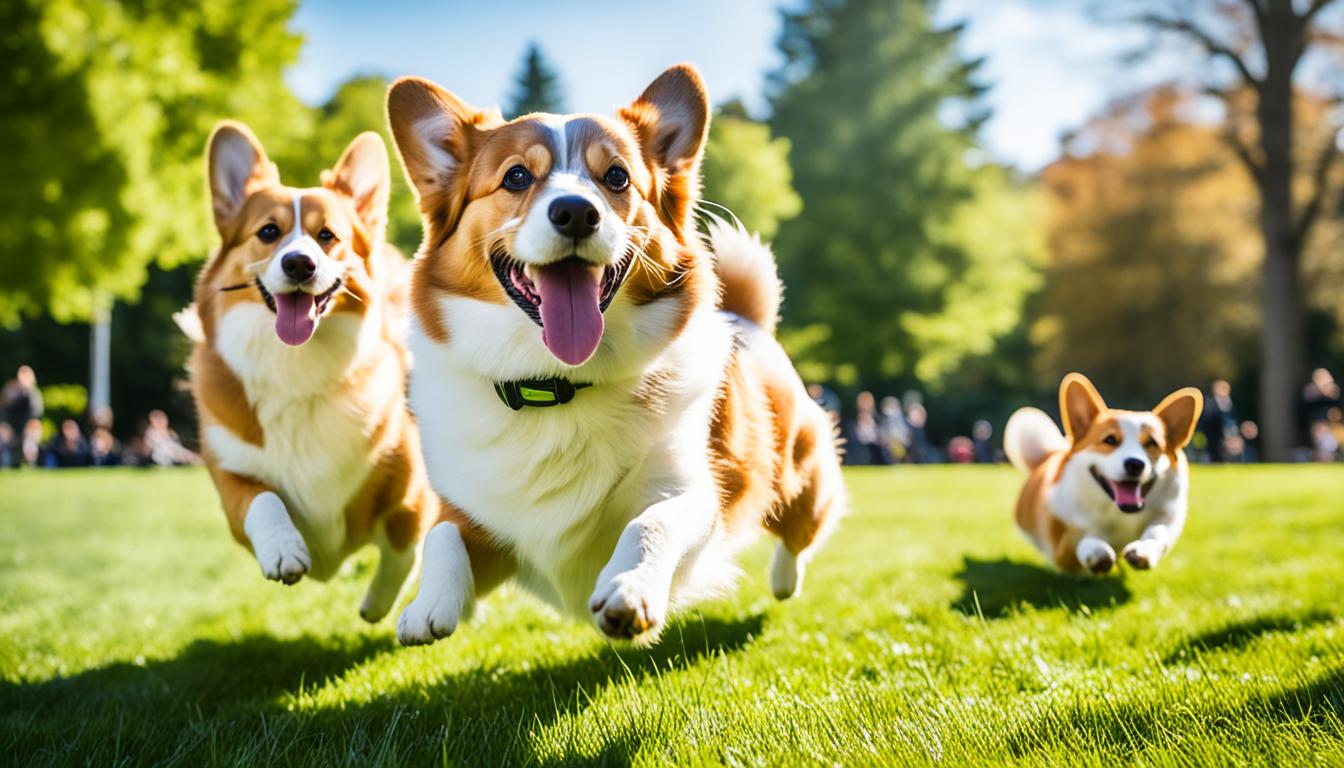

Welcoming a Pembroke Welsh Corgi into your home is an exciting and fulfilling experience. These charming dogs are known for their adorable looks and playful personalities. However, to ensure a well-adjusted and happy Corgi, it’s essential to understand the importance of socialization and behavior training.
Corgi socialization tips
Socialization is a critical aspect of raising a Corgi, starting from their puppy stage and continuing throughout their life. By exposing them to different environments, people, and animals, you help them become confident, obedient, and well-behaved companions. So, how can you effectively socialize your Corgi and set them up for success?
Corgi behavior training
Training plays a crucial role in shaping your Corgi’s behavior and ensuring they understand boundaries and expectations. With the right training techniques, you can address common behavior challenges such as nipping, herding instincts, and overexcitement. But what are the best practices for Corgi behavior training?
Join us as we explore the fascinating world of Corgi socialization and behavior training. Discover the key insights and strategies that new owners need to know to raise a well-adjusted and happy Corgi. From understanding the importance of socialization to effective training techniques, we’ll provide you with valuable tips and advice every step of the way.
Key Takeaways:
- Start socializing your Corgi from a young age to build confidence and prevent undesirable behaviors.
- Expose your Corgi to various environments, people, and animals in a controlled and positive manner.
- Use positive reinforcement to encourage and reward good behavior during training sessions.
- Consider enrolling your Corgi in puppy or dog socialization classes to provide structured social opportunities.
- Monitor your Corgi’s progress and seek professional advice if needed to ensure effective socialization and behavior training.
The Importance of Socialization for Corgis
Socialization plays a vital role in the development and well-being of Pembroke Welsh Corgis, particularly due to their herding instincts. Proper socialization not only helps Corgis adjust to various situations but also instills confidence, reduces anxiety, and promotes better behavior. By exposing them to different people, animals, and environments from an early age, owners can ensure that their Corgis grow up to be well-rounded, friendly, and adaptable companions.
Corgis that have undergone effective socialization are less likely to exhibit nipping or aggressive behaviors. They learn to interact positively with other dogs and humans, making outings to dog parks, walks in the neighborhood, or visits to friends’ houses more enjoyable for everyone involved. Additionally, a well-socialized Corgi is more likely to feel comfortable and at ease in unfamiliar settings, reducing the chances of stress or fear-related reactions.
To facilitate successful socialization, it is important to follow a comprehensive guide that outlines the best practices for socializing Corgis. This guide should include step-by-step instructions for gradually introducing Corgis to new experiences, such as meeting new people, encountering different animals, and exploring diverse environments. It should also emphasize the importance of positive reinforcement, rewarding desired behaviors to encourage their repetition.
Remember, socialization is an ongoing process that should continue throughout a Corgi’s life. Even if you have an adult Corgi with limited socialization experience, it is never too late to start. With patience, consistency, and dedication, you can help your Corgi become a social butterfly, confident in their interactions and eager to explore the world around them.
The Benefits of Socialization:
- Builds confidence and reduces anxiety
- Prevents nipping and aggressive behaviors
- Promotes positive interactions with other dogs and humans
- Helps Corgis feel comfortable in new environments
- Enables enjoyable outings and social interactions
Socialization is the key to unlocking a Corgi’s true potential. By exposing them to various experiences and providing positive reinforcement, we can help them become well-adjusted, friendly, and happy companions.
Preparing for Socialization
Before beginning the socialization journey with your new Corgi puppy, it’s important to take some preparatory steps. Proper preparation will ensure a successful and positive socialization process, setting your puppy up for a lifetime of well-adjusted behavior and positive interactions. Here are some essential tips to help you get started:
1. Check Your Corgi’s Health and Vaccination Status
Prior to embarking on the socialization process, make sure that your Corgi is healthy and up-to-date on vaccinations. A visit to the veterinarian will give you the peace of mind that your puppy is in good health and protected against common diseases.
2. Understand the Characteristics of the Corgi Breed
Being aware of the unique characteristics of the Corgi breed will help you tailor your socialization efforts to their specific needs. Corgis are intelligent, active, and sociable dogs. They have a herding instinct and may exhibit protective behaviors. Understanding these traits will help you anticipate and address any challenges that may arise during socialization.
3. Create a Safe Space at Home
Establish a safe and comfortable area within your home for your Corgi puppy. This space can serve as their retreat when they need a break or feel overwhelmed. Include a cozy bed, toys, and fresh water in this designated area.
4. Gather the Necessary Tools
Before you start socializing your Corgi, gather a few essential tools. These include treats for rewards, a proper harness, and a leash. The harness is recommended as it provides better control during walks and minimizes strain on the Corgi’s neck.
5. Plan a Gradual Approach
Socialization should be approached gradually, starting with short, positive experiences and gradually increasing in complexity and duration. Expose your Corgi puppy to various sights, sounds, people, and environments in a controlled manner, ensuring each experience is enjoyable and positive.

Effective Socialization Techniques
When it comes to socializing your Corgi, it’s important to expose them to a variety of experiences in a controlled and positive manner. This helps them develop confidence and adaptability, ensuring they can navigate different environments and interact comfortably with people and animals. Here are some effective socialization techniques to help your Corgi thrive:
1. Gradual Exposure
Start socialization in quieter settings before gradually introducing your Corgi to more stimulating environments. This gradual approach allows them to adjust at their own pace, reducing stress and anxiety.
2. Meeting Different People
Introduce your Corgi to a diverse range of individuals, such as family members, friends, and strangers. Make sure these encounters are positive experiences, encouraging your Corgi to associate different people with pleasant interactions.
3. Encountering Other Animals
Expose your Corgi to other animals, including dogs of various sizes, cats, and small mammals. Supervise these interactions to ensure safety and provide positive reinforcement for appropriate behavior.
4. Exploring Various Environments
Take your Corgi to different locations, such as parks, busy streets, and indoor spaces. This exposes them to various sights, sounds, and smells, helping them become more adaptable and confident in different settings.
5. Positive Reinforcement
Use positive reinforcement techniques, such as treats and praise, to encourage and reward good behavior during socialization. This helps your Corgi associate positive experiences with their interactions, reinforcing desirable behaviors.
Remember, effective socialization involves gradual exposure, positive reinforcement, and providing positive experiences in various situations.
By following these socialization techniques, you can help your Corgi become a well-adjusted and confident companion. Keep in mind that every dog is unique, so tailor the socialization process to their individual needs. Patience, consistency, and positivity are key in helping your Corgi develop into a happy and sociable member of your family.

The Benefits of Training Classes
Enrolling your Corgi in puppy or dog socialization classes is highly beneficial. These classes provide a structured environment where your dog can safely interact with other dogs and people. Corgis, known for their intelligence, often excel in learning and social opportunities provided by these classes. Look for classes that use positive reinforcement methods and offer a supportive atmosphere.
Training classes not only enhance your Corgi’s socialization skills, but they also contribute to their overall well-being by providing mental stimulation and physical exercise. These classes are designed to address specific needs and behaviors, allowing you to focus on areas that require improvement.
During these classes, your Corgi will have the opportunity to learn basic commands, improve their obedience, and build crucial social skills. Trained instructors guide you and your dog through various exercises, teaching you effective training techniques and methods.
“Training classes provide a controlled environment for your Corgi to learn and practice appropriate behaviors. They also offer an opportunity for you to bond with your dog and learn how to effectively communicate with them. It’s a win-win situation for both you and your furry friend!”
Benefits of Training Classes for Your Corgi:
- Improved socialization skills
- Enhanced obedience and responsiveness
- Increased mental stimulation
- Physical exercise and activity
- Opportunity to bond with your Corgi
- Professional guidance and support
| Training Class Options | Description |
|---|---|
| Corgi Puppy Socialization Class | Designed specifically for young Corgis, this class focuses on introducing basic commands, building social skills, and preventing behavior issues. |
| Obedience Training Class | A comprehensive class that covers essential commands and improves your Corgi’s overall obedience and responsiveness. |
| Rally Obedience Class | A fun and challenging class where you and your Corgi work together to complete a series of obedience exercises. |
| Agility Training Class | This class introduces your Corgi to agility equipment, helping them develop coordination, confidence, and focus. |
Training classes provide a supportive community of fellow Corgi owners, offering opportunities for socialization outside of class as well. Interacting with other owners facing similar challenges can enhance your understanding of Corgi behavior and training methods.
Remember, training is an ongoing process, and participating in classes is just the beginning. Practice and consistency are key to ensuring your Corgi continues to flourish in their skills and behaviors.
Next, we’ll explore common challenges that Corgi owners may encounter and provide guidance on addressing them effectively.
Addressing Common Challenges
While Corgis are beloved companions, they may sometimes exhibit certain behavior challenges that new owners should be aware of. These challenges often stem from their herding instincts and can include behaviors such as herding and overexcitement in new environments.
To effectively manage these challenges, consistent and patient training is key. Positive reinforcement techniques can help redirect and modify unwanted behaviors. By rewarding desired behaviors, you can encourage your Corgi to exhibit more appropriate responses.
Building your Corgi’s confidence is also crucial in addressing these challenges. Gradually exposing them to different environments and situations, and providing positive reinforcement, can help overcome wariness or nervousness around strangers or larger dogs.
Managing Herding Behaviors
One common challenge seen in Corgis is their herding instincts, which can manifest in behaviors such as nipping at heels or attempting to corral other pets or even small children. It’s important to redirect and discourage these behaviors in a gentle and positive manner.
When your Corgi exhibits herding behaviors, distract them with a toy or treat and redirect their attention to a more appropriate activity. Additionally, providing mental and physical stimulation through interactive toys and puzzle games can help curb their herding instincts.
It’s crucial to remember that Corgis are naturally inclined to herd, and it’s not a behavior that can be completely eliminated. The aim is to redirect and manage the behavior to ensure a harmonious living environment.
Overcoming Overexcitement in New Environments
Corgis can become overexcited when introduced to new environments, leading to behaviors such as jumping, excessive barking, or difficulty focusing. To help your Corgi remain calm and composed in new situations, it’s essential to slowly introduce them to different environments.
Start by exposing your Corgi to new environments in short and controlled sessions. Gradually increase the duration and complexity of the surroundings as they become more comfortable. Pairing these experiences with positive reinforcement, such as treats or praise, can help your Corgi associate new environments with positive experiences.

By addressing these common challenges through consistent training, positive reinforcement, and gradual exposure, you can help your Corgi develop into a well-adjusted and confident companion. Remember, each Corgi is unique, so it’s essential to tailor your approach to their individual needs.
Monitoring and Assessing Progress
Keeping track of your Corgi’s socialization progress is crucial to ensure their development and well-being. By monitoring their behavior and reactions in various settings, you can make informed adjustments and celebrate their successes along the way.
Using a Diary or Checklist
An effective way to track your Corgi’s socialization progress is by maintaining a diary or checklist. Document the different situations they encounter and their reactions to them. Note their behavior around strangers, other dogs, and in new environments. This will provide valuable insights into their progress and any areas that may need further attention.
Regular Behavior Assessment
Regularly assessing your Corgi’s behavior is essential to ensure that the socialization process is having a positive impact. Observe their interactions with people, animals, and different environments. Look for signs of confidence, adaptability, and positive engagement. Assess their response to various stimuli and gauge their comfort levels in different situations.
“As you monitor your Corgi’s socialization progress, keep in mind that every dog is unique. Their individual experiences and personality traits will influence their development. Assess their progress based on their own journey.”
Seeking Professional Advice
If you encounter challenges or have concerns about your Corgi’s behavior during the socialization process, don’t hesitate to seek professional advice. A qualified dog trainer or behaviorist can provide customized guidance and support tailored to your Corgi’s specific needs. They can help you overcome any obstacles and ensure that your Corgi’s socialization progress continues effectively.
Celebrating Successes and Making Adjustments
Throughout the socialization journey, celebrate your Corgi’s successes. Recognize and reward positive behaviors, and reinforce their confidence and adaptability. If you identify areas that require further attention or improvement, make necessary adjustments to your socialization strategy. Adapt the pace, exposure, and training techniques as needed to ensure your Corgi continues to develop into a well-rounded and socially confident companion.
Understanding Pembroke Welsh Corgis Before Adoption
Before considering adoption, it’s crucial to familiarize yourself with the characteristics and health considerations of Pembroke Welsh Corgis. These adorable dogs are highly intelligent, loyal, and energetic, making them wonderful companions for the right families.
Pembroke Welsh Corgi characteristics:
- Intelligence: Pembroke Welsh Corgis are known for their high intelligence, which makes them quick learners.
- Loyalty: These dogs are incredibly devoted to their families and form strong bonds with their owners.
- Energetic: Corgis have a playful and active nature, requiring regular exercise to keep them happy and healthy.
Corgi health considerations:
- Hip dysplasia: Like many medium-sized dogs, Pembroke Welsh Corgis can be prone to hip dysplasia, a condition affecting the hip joint. Regular vet check-ups and exercise routines can help monitor and manage this issue.
- Degenerative myelopathy: This progressive neurological disease can occur in Corgis. While there is no cure, early detection and management can ensure your Corgi has the best possible quality of life.
Prior to adoption, it’s essential to be prepared for the responsibilities that come with owning a Corgi. Regular grooming, including brushing their double coat and trimming their nails, is necessary for their overall well-being. Additionally, Corgis thrive on a balanced diet and require regular exercise to keep them mentally and physically stimulated.

Now that you have a better understanding of the Pembroke Welsh Corgi’s characteristics and health considerations, you can make an informed decision when adopting one of these delightful dogs.
Choosing the Right Welsh Corgi
Choosing the perfect Welsh Corgi for your home is an important decision. Whether you’re considering the Pembroke or Cardigan variety, there are a few key factors to keep in mind. By following these tips and guidelines, you can find a reputable breeder and make an informed choice.
Research Reputable Breeders
When searching for a Corgi, it’s crucial to find a breeder who prioritizes the health and well-being of their puppies. Look for breeders that are recognized by reputable breed clubs, as this indicates their commitment to responsible breeding practices. Conduct thorough research and gather recommendations from trusted sources.
Ask Questions about Breeding Practices
Once you’ve identified potential breeders, communicate with them directly. Ask questions about their breeding practices, such as health screening procedures, genetic testing, and the lineage of the puppies. A responsible breeder will be transparent and willing to share information to ensure the overall quality of their Corgis.
Visit the Breeder
Whenever possible, visit the breeder in person to assess their facilities and the living conditions of the puppies. This firsthand experience allows you to see how the breeder interacts with their dogs and get a sense of the puppies’ temperament. A reputable breeder will welcome your visit and provide you with the opportunity to meet the parent dogs.
Ensure Health and Well-being
When choosing a Welsh Corgi, prioritize the health and well-being of the puppies. Ask about the veterinary care they receive, including vaccinations and regular check-ups. A responsible breeder will have a comprehensive understanding of their puppies’ health status and be able to provide relevant documentation.
Choosing the right Welsh Corgi involves a careful selection process. By considering your preferences, conducting thorough research, asking the right questions, and visiting reputable breeders, you can find a healthy and well-cared-for Corgi that will bring joy and companionship to your home.
The Importance of Training and Socialization
Obedience training and socialization are key components in raising a well-rounded and well-behaved Pembroke Welsh Corgi. These practices not only help establish a strong bond between you and your Corgi, but they also contribute to their mental and emotional well-being.
The Role of Obedience Training
Obedience training provides Corgis with a solid foundation of good behavior and manners. By teaching them basic commands such as sit, stay, and come, you can effectively control their actions and behavior in different situations. Crate training is also beneficial for establishing a safe and comfortable space for your Corgi.
Consistent positive reinforcement techniques are highly effective in Corgi training. Rewarding desired behaviors with treats, praise, and affection helps reinforce good habits and encourages them to repeat those behaviors. Avoid the use of harsh punishments or negative reinforcement, as this can lead to fear or anxiety in your Corgi.
The Importance of Socialization
Socialization is a crucial aspect of Corgi training that should begin at a young age. Exposing your Corgi to various environments, people, animals, and experiences helps them develop confidence, adaptability, and good social skills. Proper socialization also prevents fear-based aggression and anxiety-related behaviors in adulthood.
Engage your Corgi in positive interactions with other dogs, people of all ages, and different environments. Gradually expose them to new experiences, always ensuring their safety and comfort. Puppy socialization classes can provide a controlled and supervised environment for your Corgi to interact and learn from other dogs.
Mental Stimulation
Alongside training and socialization, mental stimulation is crucial in preventing boredom and negative behaviors in Corgis. These intelligent and active dogs thrive when provided with mental challenges and enrichment activities.
Offer puzzle toys, interactive games, and obedience training sessions to keep their minds engaged. Regular exercise, playtime, and daily walks are also essential for their physical and mental well-being.
“Training and socialization help Corgis become well-rounded companions, capable of navigating various situations with confidence and ease.”
By prioritizing obedience training, socialization, and mental stimulation, you’re setting your Corgi up for a happy, well-adjusted life. Remember to be patient, consistent, and positive in your approach, and the results will be rewarding for both you and your furry friend.
| Training Tips | Socialization Advice |
|---|---|
| Start training early and be consistent. | Expose your Corgi to various environments and stimuli. |
| Use positive reinforcement techniques like treats and praise. | Arrange playdates with other friendly dogs. |
| Keep training sessions short and engaging. | Introduce your Corgi to different types of people. |
| Focus on one command at a time. | Gradually expose them to loud noises and unfamiliar objects. |
Conclusion
Welcoming a Pembroke Welsh Corgi into your life can bring immense joy and companionship. By prioritizing socialization, training, and responsible ownership, you can create a loving and nurturing environment for your furry friend. Pembroke Welsh Corgis are renowned for their loyalty, intelligence, and energetic nature, making them ideal companions for both individuals and families.
The process of socializing and training your Corgi is crucial to their well-being. It enables them to interact confidently with various environments, people, and other animals, while also preventing unwanted behaviors. Through positive reinforcement and gradual exposure, you can help your Corgi become a well-adjusted and friendly member of the community.
By understanding the unique characteristics of Pembroke Welsh Corgis and providing them with the care they need, you can ensure their happiness and longevity. From regular grooming and balanced nutrition to exercise and mental stimulation, every aspect of their well-being contributes to their overall health. The journey of raising a Corgi is filled with cherished moments and deep companionship that will last for years to come.
FAQ
What is the importance of socialization for Corgis?
How should I prepare for socializing my Corgi puppy?
What are some effective socialization techniques for Corgis?
Are training classes beneficial for socializing my Corgi?
How can I address common challenges during Corgi socialization?
How do I monitor and assess my Corgi’s socialization progress?
What should I know about Pembroke Welsh Corgis before adoption?
How do I choose the right Welsh Corgi?
What is the importance of training and socialization for Corgis?
What can I expect when adopting a Pembroke Welsh Corgi?
Source Links
- https://meetmydogchallenge.com/blog/welsh-corgi-adoption-guide-insights-and-tips-for-future-owners
- https://tinylovingcanines.org/pembroke-welsh-corgi/pembroke-welsh-corgi-socialization/
- https://www.fmcorgi.com/what-to-know-before-pembroke-welsh-corgi-adoption

Carlos is the passionate founder and primary author behind “CorgisCorner.com,” a website dedicated to all things related to the beloved Corgi breed. Born and raised in a small town known for its strong sense of community and love for animals, Carlos developed a deep affection for Corgis from a young age. This love was sparked by his childhood companion, a spirited and loyal Corgi named Toby, who was a constant source of joy and friendship.