

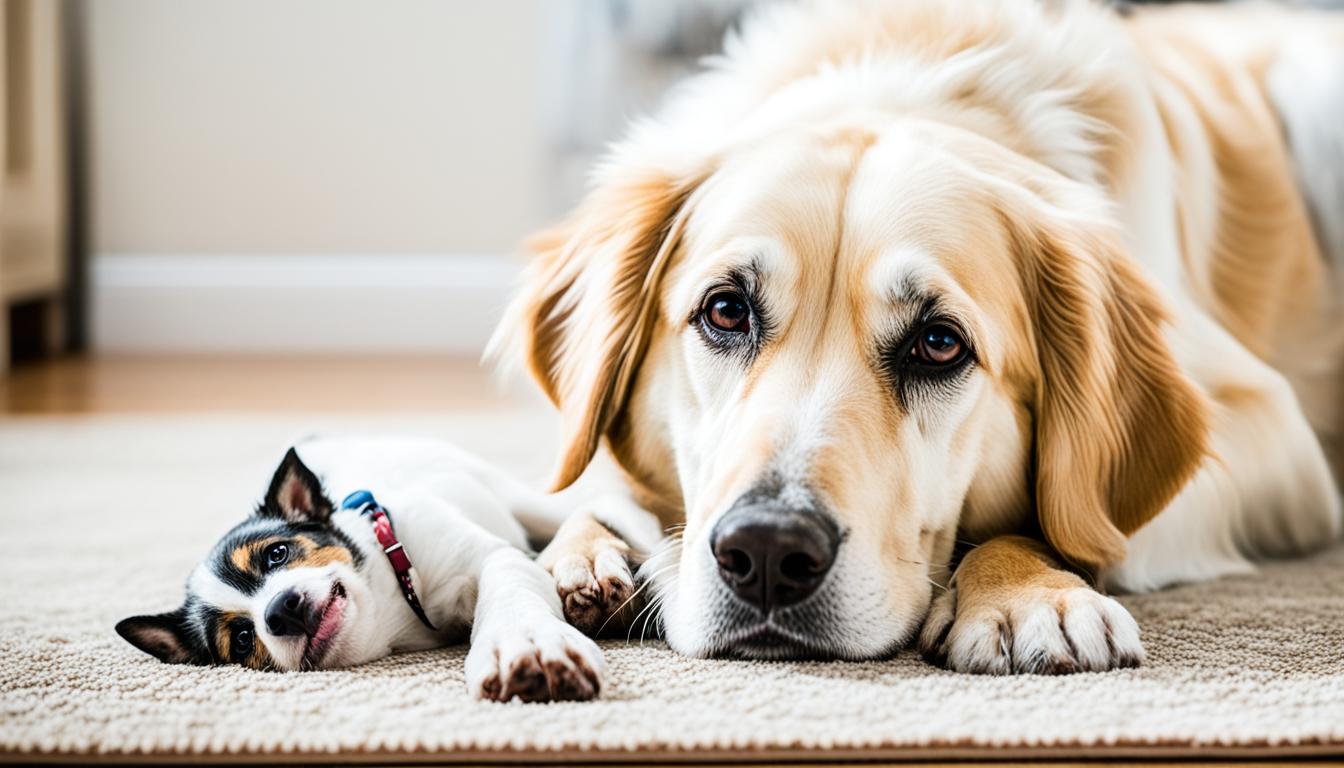

As our furry friends age, their behavior undergoes various changes that are important for us, as owners, to understand. What signs of aging should we look out for? How do behavior and cognition shift in senior dogs? And what health concerns should we be aware of? Join us as we delve into the fascinating world of aging dog behavior and discover how to ensure the well-being and quality of life of our beloved senior companions.
Key Takeaways:
- Signs of aging in dogs can include changes in behavior and cognition, as well as specific health concerns.
- Behavior changes in senior dogs may include shifts in energy levels, mobility, and anxiety.
- Senior dog behavior changes that are cause for concern should be evaluated by a veterinarian.
- It is important to monitor senior dogs for any concerning symptoms or changes in behavior and consult with a veterinarian when in doubt.
- By understanding and managing aging dog behavior, we can enhance their quality of life and ensure their well-being.
When Is a Dog Considered a Senior Dog?
Dogs age faster than humans. The average age at which a dog is considered a senior by veterinarians is around seven years. However, it’s important to note that certain breeds age faster than others. Smaller dogs, for example, live longer than large breeds and may not show signs of aging until they are 10-12 years old.
No matter the age, it’s crucial to closely monitor a dog’s behavior and health to ensure their well-being. Regular veterinary check-ups and consultations are essential to provide appropriate care and guidance.
Age Guidelines for Senior Dogs by Size
While seven years is the general guideline for when a dog is considered a senior, the aging process can vary depending on the dog’s breed and size.
| Breed Size | Average Age of a Senior Dog |
|---|---|
| Toy and Small Breeds | 10-12 years old |
| Medium Breeds | 8-10 years old |
| Large Breeds | 6-8 years old |
| Giant Breeds | 5-7 years old |
These age ranges serve as guidelines for when certain breeds can be considered senior dogs. However, it’s important to keep in mind that each dog is an individual, and factors like genetics, overall health, and lifestyle can also influence the aging process.
Remember, dogs age differently just as humans do. Monitoring their health and behavior, regardless of their age, is crucial for providing them with the best possible care and quality of life.
Typical Behavior Changes to Expect in Senior Dogs
As dogs age, they may experience various behavior changes due to certain diseases and health conditions. It’s important for dog owners to be aware of these changes and understand how to manage them for their furry companions’ well-being. Here are some common behavior changes seen in senior dogs:
- Osteoarthritis: Many senior dogs develop osteoarthritis, a degenerative joint disease that causes pain, stiffness, and difficulty in movement.
- Canine cognitive dysfunction (CCD): Similar to dementia in humans, CCD is a condition that affects the cognitive function of older dogs. They may show signs of confusion, disorientation, memory loss, and changes in sleep patterns.
- Hearing loss: Senior dogs may experience gradual hearing loss, making them less responsive to sounds or commands.
- Vision loss: Aging can lead to the development of cataracts or other eye conditions, causing a decline in vision.
- Anxiety: Some senior dogs may experience increased anxiety or nervousness, possibly due to cognitive changes or underlying health issues.
- Energy changes: Older dogs may exhibit a decrease in their energy levels, preferring to rest more instead of engaging in vigorous activities.
- Skin changes: Senior dogs may develop dry skin, flakiness, or other skin conditions as they age.
- Reduced immune system efficiency: The immune system of senior dogs may weaken with age, making them more susceptible to infections and illnesses.
“Behavior changes in senior dogs can vary from individual to individual, but these common changes should be closely monitored and addressed by a veterinarian to ensure a high quality of life for your aging furry friend.”
Managing these behavior changes requires proper veterinary care, lifestyle adjustments, and addressing specific needs. By understanding and addressing these changes, you can help your senior dog navigate their golden years with comfort and happiness.
Senior Dog Behavior Changes That Are Cause for Concern
While some changes in behavior are a normal part of the aging process in dogs, there are certain senior dog behavior changes that may be cause for concern and should not be ignored. It is important for pet owners to be observant and proactive in identifying these signs of potential underlying medical issues. If you notice any of the following behavior changes in your senior dog, it is recommended to consult with a veterinarian for a thorough evaluation and appropriate treatment:
- Confusion or disorientation: Senior dogs may demonstrate moments of confusion or disorientation, such as getting lost in familiar surroundings or appearing unsure of their surroundings.
- Failure to respond: If your senior dog is not responding to familiar commands or seems unresponsive to their name, it could be a sign of cognitive decline.
- Startling easily: Increased sensitivity to sudden noises or movements and an exaggerated startle response could indicate heightened anxiety or a neurological issue.
- Clumsiness: A senior dog’s coordination and balance may be affected, leading to stumbling, tripping, or difficulty navigating stairs.
- Sleep pattern changes: Dramatic shifts in sleep patterns, such as excessive sleepiness or insomnia, can be indicative of an underlying health problem.
- Aggression or fear: Senior dogs may display uncharacteristic aggression or fear toward people or other animals, which could be a sign of pain, discomfort, or neurological changes.
- Anxiety: Increased restlessness, pacing, panting, or seeking constant reassurance from their owners may be symptoms of anxiety in senior dogs.
- Vocalization: Excessive barking, howling, whining, or yelping can be a manifestation of pain, discomfort, or confusion in senior dogs.
- Cloudy eyes: Cloudiness or opacity in the eyes may indicate vision loss or the presence of cataracts, which can significantly affect a senior dog’s quality of life.
- House soiling: Accidents inside the house, particularly if your senior dog was previously well-trained, could be a sign of urinary incontinence, gastrointestinal issues, or cognitive decline.
- Weight and muscle changes: Unexplained weight loss or gain and changes in muscle tone and mass should be evaluated to rule out underlying medical conditions.
- Mobility issues: Difficulty standing up, climbing stairs, or walking can indicate joint problems, arthritis, or other mobility issues in senior dogs.
- Bad breath: Persistent foul breath may be a result of dental issues, oral infections, or gastrointestinal problems.
If you observe any of these senior dog behavior changes, scheduling a veterinary appointment is the best course of action. A thorough examination, diagnostic tests, and appropriate treatment can help determine the underlying cause of these behavior changes and improve the overall well-being of your senior dog.
Common Senior Dog Behavior Changes
| Behavior Change | Possible Causes |
|---|---|
| Confusion or disorientation | Canine cognitive dysfunction, neurological issues |
| Failure to respond | Cognitive decline, hearing loss |
| Startling easily | Anxiety, neurological issues |
| Clumsiness | Loss of coordination, joint or muscle problems |
| Sleep pattern changes | Pain, discomfort, underlying medical conditions |
| Aggression or fear | Pain, discomfort, cognitive decline |
| Anxiety | Pain, discomfort, cognitive decline |
| Vocalization | Pain, anxiety, neurological issues |
| Cloudy eyes | Vision loss, cataracts |
| House soiling | Urinary incontinence, gastrointestinal issues, cognitive decline |
| Weight and muscle changes | Underlying health conditions |
| Mobility issues | Joint problems, arthritis, muscle weakness |
| Bad breath | Dental issues, oral infections, gastrointestinal problems |
It is essential to differentiate between normal aging and potential medical issues to ensure the well-being and comfort of senior dogs. Regular veterinary care, prompt attention to behavior changes, and appropriate treatment can help manage these issues and improve the overall quality of life for senior dogs.

What to Watch for and When to Call the Vet
As pet owners, it is crucial to be observant and proactive when it comes to our senior dogs’ health. Being mindful of any concerning symptoms or changes in behavior is essential for ensuring their well-being. Here are some signs that indicate it’s time to seek veterinary attention:
- Vomiting or diarrhea: Keep an eye out for persistent episodes of vomiting or diarrhea, as they can indicate a range of underlying issues.
- Coughing or sneezing: Frequent or persistent coughing or sneezing can be signs of respiratory infections or allergies.
- Appetite changes: Significant changes in appetite, such as loss of interest in food or excessive hunger, may be symptomatic of an underlying health problem.
- Weight loss or gain: Unexplained weight loss or sudden weight gain can be indicative of various medical conditions and should not be ignored.
- Increased urination and drinking: Excessive thirst and increased frequency of urination may signal issues such as diabetes or kidney disease.
- Severe lethargy: If your senior dog displays unusual fatigue or a lack of energy for an extended period, it may indicate an underlying health concern.
- Trouble breathing: Labored or difficulty breathing should always be treated as an urgent matter and requires immediate veterinary attention.
- When in doubt: If you notice any other significant or worrisome symptoms, it is always better to err on the side of caution and consult with your veterinarian.
Remember, our pets cannot communicate with us using words, so it is our responsibility to pay close attention to their behavior and seek professional advice when necessary. Regular visits to the vet are key to maintaining your senior dog’s health, and timely intervention can help ensure a higher quality of life for them.
Quote:
“Watchful eyes and prompt action can make a world of difference in safeguarding your senior dog’s well-being.”
By being proactive and seeking veterinary guidance when needed, we can provide the care and attention our senior dogs deserve as they age gracefully by our side. Stay attentive and responsive to their needs, and your beloved furry companion will continue to thrive.
Common Symptoms Requiring Veterinary Attention
| Symptoms | Potential Causes |
|---|---|
| Vomiting or diarrhea | Gastrointestinal issues, food allergies, infections |
| Coughing or sneezing | Respiratory infections, allergies |
| Appetite changes | Underlying health problems, dental issues |
| Weight loss or gain | Metabolic changes, thyroid issues |
| Increased urination and drinking | Diabetes, kidney disease |
| Severe lethargy | Pain, infections, organ dysfunction |
| Trouble breathing | Respiratory issues, heart problems |
| When in doubt | Any other significant or worrisome symptoms |
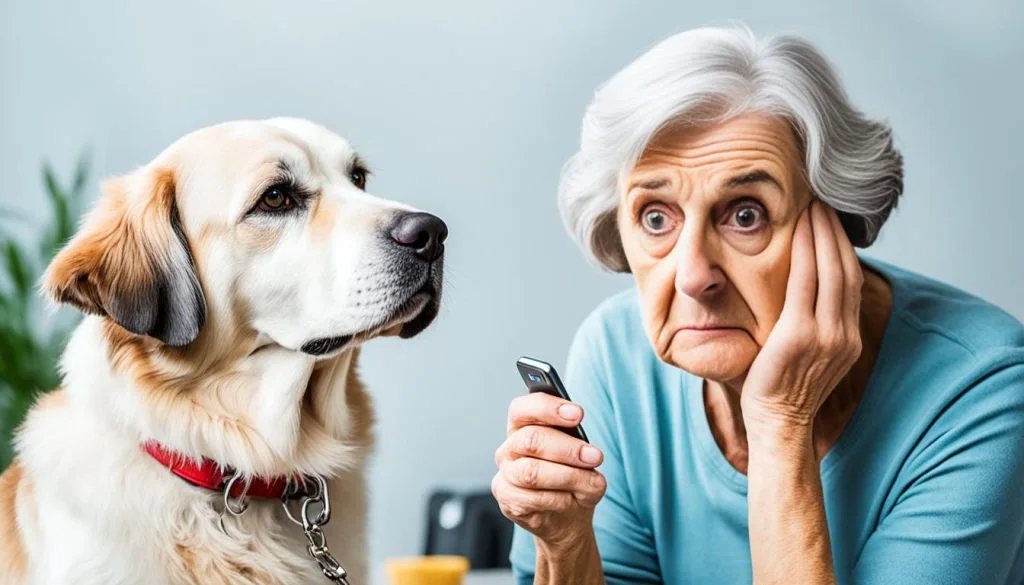
Closely monitoring your senior dog and understanding when to seek veterinary attention can help identify and address potential health issues before they worsen. Don’t hesitate to reach out to your veterinarian if you have any concerns about your furry friend’s well-being.
Coping with Senior Dog Behavior at Home
Managing senior dog behavior at home involves several strategies to ensure their well-being and comfort. By implementing these practices, you can enhance your senior dog’s quality of life and provide them with the care they deserve.
Regular Veterinary Care
Regular veterinary care is essential for senior dogs. Schedule check-ups with your veterinarian at least twice a year to monitor your dog’s health, detect any underlying medical conditions, and address any concerns that may arise. This proactive approach allows you to stay ahead of potential health issues and provide appropriate treatment.
Home Modifications
Modifying your home environment can greatly assist senior dogs with mobility issues. Use non-slip mats to provide traction on slippery surfaces and install ramps or stairs to help them navigate different levels of your home. These modifications ensure that your senior dog can move around safely and comfortably.
Stick to Routine
Senior dogs thrive on routine, so it’s important to maintain a consistent schedule. Establish a routine for feeding, exercise, and rest, as this helps them feel secure and reduces anxiety. Keeping a predictable routine will also make it easier for you to identify any changes in behavior or health.
Adjust Bathroom Habits
As dogs age, their bladder control may diminish. To accommodate their needs, provide easy access to an easily accessible potty area. Consider using pee pads or investing in a doggy door for them to go outside conveniently. This adjustment promotes their well-being and minimizes accidents within your home.
Maintain a Healthy Weight
Maintaining a healthy weight is crucial for senior dogs’ overall health. Obesity can exacerbate existing health conditions and put additional stress on their joints. Make sure to feed them a balanced diet tailored to their specific needs and provide regular exercise to help them maintain a healthy weight.
Grooming and Nail Trims
Grooming and regular nail trims are important for senior dogs. Brushing their coat not only keeps it clean and shiny but also helps you notice any changes in their skin or fur. Trimming their nails prevents overgrowth, which can cause discomfort and difficulty walking.
Overall, by implementing these coping strategies, you can ensure that your senior dog receives the care and attention they require. Regular veterinary care, home modifications, sticking to a routine, adjusting bathroom habits, maintaining a healthy weight, and providing grooming and nail trims are vital components of senior dog care.

When is a Dog Considered a Senior?
The aging process in dogs is influenced by various factors, including their size. Larger dogs, such as senior dog Advanced Jasmine and senior dog Golden Retriever Max, tend to age faster than smaller breeds. While there is no set age for when dogs become seniors, the earliest signs of aging generally start presenting themselves between 8 and 10 years of age. However, specific breeds may have different aging patterns and may be classified as seniors earlier or later.
One important consideration is that larger dogs often experience a shorter lifespan compared to smaller breeds. This means that cognitive decline, a potential aspect of the aging process, may occur earlier in larger dogs. Maintaining mental stimulation and providing cognitive support for older dogs, such as senior dog Dalmatian Daisy, can help delay the onset of cognitive decline.
As Dr. Sarah Thompson, a senior dog specialist, explains, “Owners of larger dogs should be vigilant about monitoring their senior dogs’ cognitive abilities and behavior. Early detection and intervention can make a significant difference in managing age-related cognitive decline.”
Although the aging process varies between different breeds and individual dogs, being aware of the general timeline and potential cognitive decline can help owners take proactive measures to support their senior dogs in their twilight years. Regular veterinary check-ups, mental stimulation, and a focus on overall well-being can contribute to a healthier and happier senior dog.
Sizable Differences: Influence of Size on Aging
The size of the dog not only affects their lifespan but also influences the aging process itself. Larger dogs, such as senior dog Labradoodle Luna and senior dog Saint Bernard Max, tend to age faster than smaller breeds. This is attributed to various factors, including increased stress on joints and organs, higher metabolic rates, and genetic predispositions.
Specific breeds may also have breed-specific age guidelines that classify dogs as seniors at different ages. For example, senior dog Great Dane Max may be considered a senior dog earlier than senior dog Chihuahua Bella.
Senior dog behavior can be influenced by the size of the dog and their aging process. For instance, larger dogs may experience age-related decline earlier, including cognitive decline and physical changes. This highlights the importance of providing appropriate care, attention, and support to larger dogs as they age.
By being aware of the potential differences in the aging process due to size and breed, senior dog owners can better understand and respond to the needs of their beloved pets. Regular veterinary care, tailored exercise and nutrition, mental stimulation, and cognitive support can all contribute to the well-being of senior dogs, regardless of their size.
What Changes Can I Expect in My Senior Dog?
As dogs age, various changes occur that owners should be aware of. These changes can include thinning and greying fur, reduced activity and mobility, weight changes, increased susceptibility to temperature, hearing and vision loss, behavioral changes, dental issues, and susceptibility to medical issues. Understanding and recognizing these changes is essential for providing appropriate care and support for senior dogs.
“Dogs do speak, but only to those who know how to listen.” – Orhan Pamuk
Thinning and greying fur: Just like humans, dogs’ fur can change with age. It may become thinner, lose its vibrancy, and start to turn grey. Regular grooming and a balanced diet can help maintain coat health.
Reduced activity and mobility: Senior dogs may become less active and have difficulty with movements such as running, jumping, or climbing stairs. It’s important to provide them with a comfortable environment and gentle exercise tailored to their abilities.
Weight changes: Aging dogs may experience weight gain or weight loss. Weight management plays a vital role in keeping them healthy. Consult with a veterinarian to determine the appropriate diet and exercise regimen for your senior dog.
Temperature susceptibility: Older dogs may struggle to regulate their body temperature. They may be more sensitive to extreme heat or cold. Provide a suitable environment and monitor their comfort levels accordingly.
Hearing and vision loss: Just like humans, dogs can experience hearing and vision loss as they age. Be patient and provide clear cues when communicating with your senior dog.
Behavioral changes: Senior dogs may exhibit changes in behavior, including increased anxiety, disorientation, and confusion. Additional attention and reassurance can help them feel more secure.
Dental issues: Dental problems are common in older dogs, such as gum disease or tooth decay. Regular dental care, including brushing their teeth and providing appropriate chew toys, can help maintain their dental health.
Medical issues: Aging dogs are more prone to various health conditions, including arthritis, cancer, kidney disease, and heart problems. Regular veterinary check-ups and early detection of medical issues are crucial for providing necessary treatments and support.
By being aware of these changes, you can ensure that your senior dog receives the care and attention they need to live a comfortable and fulfilling life.
Should You Get a Puppy When You Have an Old Dog?
Introducing a new dog into a household with an old dog requires careful consideration. It’s important to evaluate several factors to ensure a smooth transition and harmonious coexistence between the two dogs.
Size and Temperament
Size and temperament play a crucial role in determining whether a new puppy will be compatible with your old dog. Consider the size difference between the two dogs to ensure they can interact without one overpowering or intimidating the other. Additionally, their temperaments should be considered to ensure they have compatible personalities and energy levels.
Space and Attention
Providing enough space and attention for both dogs is essential. Each dog should have their own designated areas for rest and personal space. This allows them to have a sense of security and independence. Additionally, ensure that you can devote adequate attention to both dogs individually, fulfilling their exercise, mental stimulation, and affectionate needs.
Feeding Separately
When introducing a new puppy, it’s important to feed them separately. Older dogs may have established feeding routines and preferences, and a new puppy might disrupt the older dog’s eating habits. Feeding them in separate areas or at different times can help prevent any potential conflicts over food.
Compatible Personalities
It is crucial to ensure that the personalities of the old dog and the new puppy are compatible. Assess their socialization skills and interactions during supervised introductions to determine if they can get along well. If the personalities clash or if there are signs of aggression, it may be best to reconsider introducing a new puppy into the household.
It is important to evaluate the health and needs of the older dog before deciding to get a puppy. If the older dog has health issues or is experiencing major behavioral changes, it may not be the best time to introduce a new dog into the home. Always consult with a veterinarian or a dog behavior expert for personalized guidance.
Remember, a successful introduction between an old dog and a new puppy can lead to a harmonious and joyous environment for both dogs, enriching their lives and providing companionship. However, taking the time to consider these factors beforehand can help ensure a smooth and positive transition for everyone involved.
Conclusion
Aging dogs undergo various behavior changes, and it is crucial for owners to understand and manage these changes to enhance the quality of life for their senior dogs. Regular veterinary care is essential in monitoring their health and addressing any medical conditions that may arise. Home modifications, such as non-slip mats and ramps, can provide assistance for senior dogs with mobility issues.
Monitoring for behavior changes is also important in identifying any signs of discomfort or distress. This includes being aware of shifts in energy levels, appetite, and sleep patterns. By providing appropriate care and support, such as maintaining a healthy weight and ensuring regular grooming and nail trims, owners can help their aging dogs age gracefully and comfortably.
Enhancing the quality of life for senior dogs involves paying close attention to their individual needs and providing a safe and supportive environment. Through proactive management of behavior changes, owners can ensure that their aging dogs continue to lead fulfilling lives filled with love and care.
FAQ
What behavior changes can I expect as my dog ages?
What behavior changes in senior dogs should I be concerned about?
When should I consult a veterinarian for my aging dog’s behavior?
How can I manage my senior dog’s behavior at home?
When is a dog considered a senior?
What changes can I expect in my senior dog?
Should I get a puppy when I have an old dog?
Source Links
- https://bondvet.com/b/senior-dog-behavior
- https://www.smalldoorvet.com/learning-center/dogs/changes-to-expect-senior-dog/
- https://www.akc.org/expert-advice/health/recognizing-behavioral-changes-in-senior-dogs/

Carlos is the passionate founder and primary author behind “CorgisCorner.com,” a website dedicated to all things related to the beloved Corgi breed. Born and raised in a small town known for its strong sense of community and love for animals, Carlos developed a deep affection for Corgis from a young age. This love was sparked by his childhood companion, a spirited and loyal Corgi named Toby, who was a constant source of joy and friendship.