

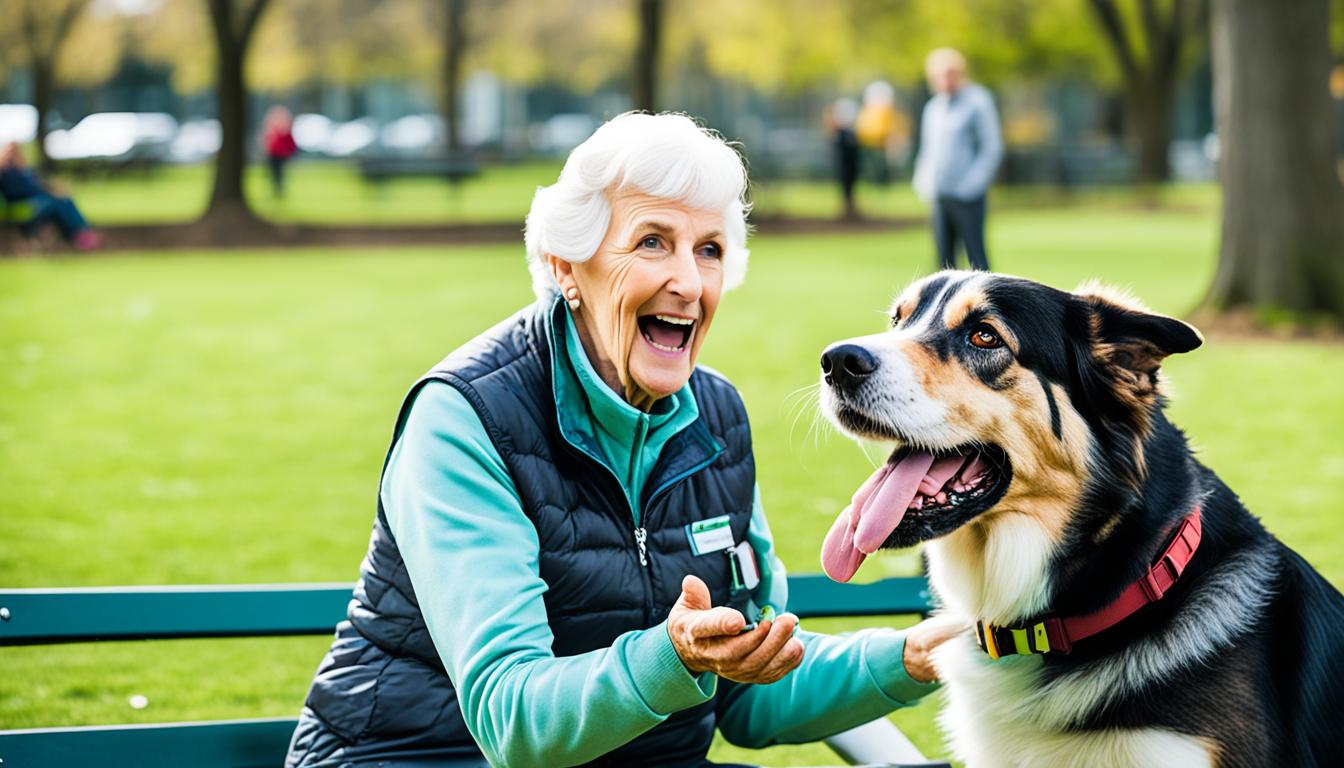

Is your older dog’s behavior causing concern? Do you long for a happier, well-behaved companion? You’re not alone. Many pet owners struggle with behavior issues as their furry friends age. But here’s the question: Can you revolutionize your older dog’s behavior and transform their behavior completely?
In this article, we will explore the world of older dog training and behavior modification for senior dogs. No matter the age or breed, every dog has the capacity to learn and change. By understanding the unique challenges that come with aging, we’ll uncover effective strategies to transform your older dog’s behavior and improve their quality of life.
Key Takeaways:
- Understanding the effects of aging on dogs can help address behavior problems.
- Common behavior problems in older dogs include stress, excessive vocalization, disrupted sleep patterns, house soiling, and aggressive behavior.
- Addressing vision and hearing changes is crucial for effective communication with older dogs.
- Managing anxiety, joint pain, and mobility issues are essential for the well-being of older dogs.
- Proper weight management and nutrition play a vital role in older dog care.
The Effects of Aging on Dogs
As dogs enter their senior years, they may experience various changes that come with age. These changes can have an impact on their physical health, cognitive abilities, and social interactions. Understanding the effects of aging on dogs is crucial for providing them with the care and support they need.
Aging dogs often face challenges in several areas:
- Memory decline: Just like humans, aging dogs may experience a decline in memory and cognitive function. They may struggle to remember familiar routes or commands they once knew well.
- Learning abilities: Older dogs may find it more difficult to learn new things or retain new information. Training sessions may take longer, and their progress may be slower.
- Sensory deterioration: Dogs may experience a decline in sensory abilities such as hearing and vision. They may not respond as quickly to auditory cues or have difficulty seeing objects or people at a distance.
- Social relationships with dogs: Aging dogs may undergo changes in their social dynamics with other dogs. They may become less tolerant of younger or more energetic dogs and prefer the company of dogs that match their energy levels.
- Medical disorders: It’s important to note that behavioral changes in aging dogs can also be a sign of underlying medical conditions. Any noticeable changes in behavior should be reported to a veterinarian for a proper assessment and potential treatment.
- Dementia in dogs: Dogs can develop a condition called cognitive dysfunction syndrome (CDS), which is similar to dementia in humans. This condition can result in confusion, disorientation, and changes in behavior. Fortunately, there are therapies, treatments, and medications available to manage the symptoms and improve the overall quality of life for dogs with CDS.
It’s essential for dog owners to be aware of these effects of aging on dogs and provide them with the necessary care and support. Regular check-ups with a veterinarian, engaging in mental stimulation activities, and making necessary adjustments to their environment can all contribute to a healthier and happier senior dog.
Common Senior Dog Behavior Problems
As dogs age, they may experience a variety of behavior problems that can impact their quality of life. It is important for pet owners to recognize these issues and seek appropriate solutions to ensure their senior dogs remain happy and healthy.
One common behavior problem in older dogs is stress. As they age, senior dogs can become more sensitive to changes in their environment, leading to increased anxiety and stress levels. This can manifest in behaviors such as restlessness, trembling, or hiding.
Excessive vocalization is another behavior problem that senior dogs may develop. They may bark or whine more frequently, often for no apparent reason. This can be a sign of underlying discomfort or confusion.
Disrupted sleep patterns are also common in older dogs. They may have difficulty falling asleep or staying asleep, leading to daytime drowsiness and irritability. This can be a result of physical discomfort or cognitive changes.
House soiling is a behavior problem that can be frustrating for both pet owners and senior dogs. Older dogs may have accidents in the house, even if they were previously housetrained. This can be due to bladder control issues, cognitive decline, or medical conditions.
Finally, senior dogs may exhibit destructive or aggressive behavior. They may chew on furniture, bark aggressively at strangers, or display aggression towards other animals. This can be a result of physical discomfort, anxiety, or territorial behavior.
It is important to address these behavior problems in senior dogs promptly and seek professional guidance. A veterinarian or animal behavior expert can help identify the underlying causes and develop a personalized behavior modification plan for your older dog.
By addressing these behavior problems and providing the necessary support and care, pet owners can improve the well-being and overall quality of life for their senior dogs.

Addressing Vision and Hearing Changes in Older Dogs
As dogs age, they may experience changes in their vision and hearing abilities. These changes can impact their daily lives and communication with their human companions. Understanding how to address and adapt to these changes is essential for ensuring the well-being and quality of life of older dogs.
Vision loss in dogs is a common condition that can occur due to age-related changes, cataracts, or other eye conditions. Dogs with vision loss may have difficulty seeing objects, navigating their surroundings, or even recognizing their owners. To help dogs with vision loss, training with hand signals can be an effective method of communication. By using specific hand movements and consistent cues, dogs can understand commands and instructions without relying on verbal cues that they may struggle to hear. Training with hand signals should be done in a calm and patient manner, allowing the dog to become familiar with the new method of communication.
Hearing loss in dogs is another common issue that can affect older dogs. They may become less responsive to verbal commands or struggle to hear certain sounds. Training with hand signals can also be beneficial for dogs with hearing loss, as it provides an alternative way to communicate effectively. By linking specific hand movements to commands and cues, dogs can understand and follow instructions without relying solely on their hearing ability. Consistency and positive reinforcement are key when training dogs with hearing loss.

Adapting the environment to accommodate the needs of dogs with vision or hearing impairment is crucial. By making simple adjustments, such as clearing clutter, using scents or textured rugs, and blocking off dangerous areas, we can help dogs with vision impairment navigate their surroundings safely. Providing adequate lighting in areas where the dog spends most of their time can also help improve their visibility. For dogs with hearing loss, minimizing background noise and creating a quiet and calm environment can make it easier for them to focus and understand commands.
Tools for communication and adapting the environment for dogs with vision or hearing impairment:
1. Hand signals: Utilize specific hand movements to communicate commands and cues to dogs with hearing loss or vision impairment.
2. Texture cues: Use scents or textured rugs to help dogs with vision impairment navigate their surroundings more easily.
3. Visual cues: Incorporate visual aids, such as brightly colored markers or signs, to indicate different areas or objects in the environment.
4. Clearing clutter: Remove unnecessary objects and obstacles that may hinder the movement or navigation of dogs with vision impairment.
5. Lighting: Ensure adequate lighting in areas where the dog spends the most time to improve visibility for dogs with vision impairment.
6. Reducing background noise: Minimize distractions and background noise to create a calm and quiet environment for dogs with hearing loss.
7. Blocking off dangerous areas: Use baby gates or barriers to block access to areas that may pose a risk to dogs with vision or hearing impairment.
By employing these strategies and tools, we can create a supportive and inclusive environment for older dogs with vision or hearing changes. It is important to remember that each dog’s needs may vary, so consulting with a veterinarian or animal behavior expert can provide personalized guidance and recommendations based on the specific needs of your dog.
Managing Anxiety in Older Dogs
As dogs age, they may develop anxiety, including separation anxiety and increased irritability. It is important for dog owners to understand the signs of anxiety in their older dogs and implement effective strategies to manage and alleviate their stress. Managing anxiety in older dogs involves a combination of behavioral treatment, environmental enrichment, and, in some cases, the use of pheromones or medications.
Controlling Underlying Medical Issues
Before addressing anxiety in older dogs, it is crucial to rule out any underlying medical conditions that may be contributing to their anxiety. Pain, discomfort, or other health issues can increase anxiety levels in dogs. Consulting with a veterinarian to assess and manage any medical issues is an essential first step in effectively addressing anxiety in older dogs.
Behavioral Treatment
Behavioral treatment plays a significant role in managing anxiety in older dogs. Creating a consistent routine and providing environmental enrichment can help reduce anxiety levels. Regular exercise, mental stimulation, and interactive play sessions can divert their attention and help alleviate stress. Additionally, practicing separation training by gradually increasing the time spent away from the dog can help reduce separation anxiety.
“Consistency and environmental enrichment are key components in managing anxiety in older dogs. By providing a structured routine and engaging their minds, we can help them feel more secure and comfortable.”
Utilizing Pheromones and Medications
Pheromones, such as Adaptil, can also aid in managing anxiety in older dogs. Adaptil mimics the calming pheromones released by mother dogs, helping to create a sense of security and reduce anxiety. Additionally, certain medications prescribed by veterinarians, such as anti-anxiety medications, can help alleviate severe anxiety in older dogs. It is important to consult with a veterinarian before starting any medication regimen for anxiety.
To summarize, managing anxiety in older dogs requires a multifaceted approach. By controlling underlying medical issues, implementing behavioral treatment strategies, and exploring the use of pheromones or medications if necessary, dog owners can help alleviate anxiety and improve the overall well-being of their older dogs.
| Common Strategies to Manage Anxiety in Older Dogs: |
|---|
| 1. Controlling underlying medical issues |
| 2. Behavioral treatment – consistent routine, environmental enrichment, and separation training |
| 3. Utilizing pheromones, such as Adaptil |
| 4. Exploring the use of medications under veterinary supervision |
Addressing Joint Pain and Mobility Issues in Older Dogs
As dogs age, they commonly experience joint pain and mobility issues such as arthritis. This can significantly impact their quality of life, making it challenging for them to move comfortably and perform daily activities. However, there are several strategies and products that can help alleviate discomfort and improve mobility for senior dogs.
The Power of Supplements
Supplements like chondroitin and glucosamine can be beneficial in reducing joint inflammation and supporting joint health in older dogs. These natural compounds help to lubricate joints, enhance cartilage health, and reduce pain. Adding these supplements to your older dog’s diet can help alleviate joint discomfort and improve their overall mobility.
Exercise for Senior Dogs
Regular exercise is crucial for senior dogs to maintain muscle strength, joint flexibility, and overall well-being. While high-impact activities may be too strenuous, non-impactful exercises like short walks or swimming can provide the necessary physical activity without putting excessive stress on their joints. Aim for regular, moderate exercise sessions tailored to your dog’s abilities and fitness level.
Supportive Products for Joint Health
There are several supportive products specifically designed to ease joint pain and improve mobility in older dogs. Ramps can be used to assist them in climbing stairs or getting in and out of vehicles comfortably. Orthopedic beds provide extra cushioning and support for their joints during rest and sleep. Elevated food and water dishes reduce strain on their neck and joints while eating or drinking.
Here is an example of what a table on this topic could look like:
| Product | Description |
|---|---|
| Orthopedic Bed | Provides extra cushioning and support for joints during rest |
| Elevated Food and Water Dishes | Reduces strain on neck and joints while eating or drinking |
| Ramps | Assists in climbing stairs or getting in and out of vehicles comfortably |
Weight Management and Exercise Adjustment
Ensuring that your older dog maintains a healthy weight is essential for managing joint pain and mobility issues. Excess weight puts added pressure on their joints and can worsen the symptoms of arthritis. Consult your veterinarian to determine the ideal weight for your dog and make any necessary adjustments to their diet and exercise routine. A combination of a balanced diet and regular, low-impact exercise will help keep their joints strong and decrease discomfort.

By incorporating these strategies and products into your older dog’s routine, you can help alleviate joint pain, improve mobility, and enhance their overall quality of life. Remember to consult with your veterinarian for guidance tailored to your dog’s specific needs and condition.
Managing Weight and Nutrition in Older Dogs
As dogs age, they become more susceptible to obesity due to decreasing energy levels and changing caloric needs. It is crucial to ensure that older dogs maintain a healthy weight to prevent various health issues and enhance their overall well-being.
One effective strategy to manage weight in older dogs is to transition them to senior dog food. Senior dog food is specially formulated to provide the right balance of nutrients while having fewer calories. It often contains higher fiber content, which helps dogs feel full and satisfied without consuming excess calories.
Reducing treats is also essential in managing weight in older dogs. While treats can be a great way to bond with your furry friend, they contribute to caloric intake. Instead of using treats as a primary form of reward, try using praise or a favorite toy to motivate and reward your older dog during training sessions.
Additionally, incorporating nutritional supplements into your older dog’s diet can support their overall health and weight management. Consult with your veterinarian to determine which supplements are appropriate for your dog’s specific needs. Popular supplements for older dogs include joint support supplements containing glucosamine and chondroitin to aid in mobility and omega-3 fatty acids to support heart health.
Regular veterinary check-ups are essential for monitoring your older dog’s weight and overall health. Your veterinarian can provide guidance on appropriate feeding amounts and help you make any necessary adjustments to ensure your dog maintains a healthy weight.
Nutritional Tips for Managing Weight in Older Dogs:
- Transition to senior dog food designed for older dogs with reduced caloric needs.
- Limit treats and use alternative rewards during training sessions.
- Consult with your veterinarian to determine appropriate nutritional supplements.
- Monitor your older dog’s weight and adjust feeding amounts as needed.

Cognitive Changes in Older Dogs
As dogs age, they may experience cognitive decline, leading to changes in behavior, memory loss, confusion, and disorientation. Cognitive dysfunction syndrome, similar to Alzheimer’s in humans, can impact older dogs. It’s important for dog owners to be aware of these cognitive changes and take appropriate measures to support their furry companions.
To manage cognitive decline in older dogs, there are several options available. Medications, such as anti-anxiety and antidepressant drugs, can help manage symptoms and improve cognitive function. Additionally, nutritional supplements containing antioxidants and omega-3 fatty acids have shown promising results in supporting brain health and slowing down cognitive decline.
A holistic approach to care is essential when addressing cognitive changes in older dogs. Providing a structured routine can help reduce confusion and anxiety. Mental stimulation, such as puzzle toys and reward-based training, can engage the brain and promote cognitive function. Environmental enrichment also plays a significant role, as it provides sensory stimulation and keeps dogs active and engaged.
Regular veterinary check-ups are crucial to monitor cognitive changes and address any underlying health issues. A veterinarian can evaluate the dog’s cognitive function and recommend appropriate interventions. They may also provide guidance on behavioral modification techniques to manage symptoms and improve the dog’s quality of life.
In conclusion, cognitive changes in older dogs are a natural part of the aging process. By recognizing these changes and implementing appropriate interventions, such as medication, supplements, and environmental enrichment, dog owners can help manage cognitive decline and enhance their beloved pet’s overall well-being.
Conclusion
Caring for older dogs requires a deep understanding of their changing needs and behaviors. By providing tailored care and addressing behavior problems, we can significantly improve the quality of life for our senior canine companions. Regular veterinary check-ups, a nutritious diet, regular exercise, and mental stimulation are essential for supporting their overall well-being.
Older dogs need special attention to ensure their health and happiness. By providing a comfortable living environment and monitoring their health closely, we can ensure they enjoy their golden years to the fullest. Tailored care for aging dogs involves adapting their routines and environment to accommodate any physical and cognitive changes they may experience.
Improving the quality of life in older dogs requires a holistic approach. By incorporating caring for older dogs, senior dog health, and improving quality of life in older dogs, we aim to enhance their well-being and happiness. Let’s give our senior companions the love and attention they deserve, and cherish the precious moments we share with them.
FAQ
How can I revolutionize my older dog’s behavior?
What are the effects of aging on dogs?
What are some common senior dog behavior problems?
How can I address vision and hearing changes in my older dog?
How can I manage anxiety in my older dog?
How can I address joint pain and mobility issues in my older dog?
How can I manage weight and nutrition in my older dog?
What are some cognitive changes in older dogs?
How can I care for my older dog’s changing needs?
Source Links
- https://www.aspca.org/pet-care/dog-care/common-dog-behavior-issues/behavior-problems-older-dogs
- https://www.pawcbd.com/blogs/posts/senior-dog-behavior-problems-how-to-support-your-aging-pet
- https://olddoghaven.org/7-things-your-senior-dog-would-like-to-tell-you/

Carlos is the passionate founder and primary author behind “CorgisCorner.com,” a website dedicated to all things related to the beloved Corgi breed. Born and raised in a small town known for its strong sense of community and love for animals, Carlos developed a deep affection for Corgis from a young age. This love was sparked by his childhood companion, a spirited and loyal Corgi named Toby, who was a constant source of joy and friendship.