

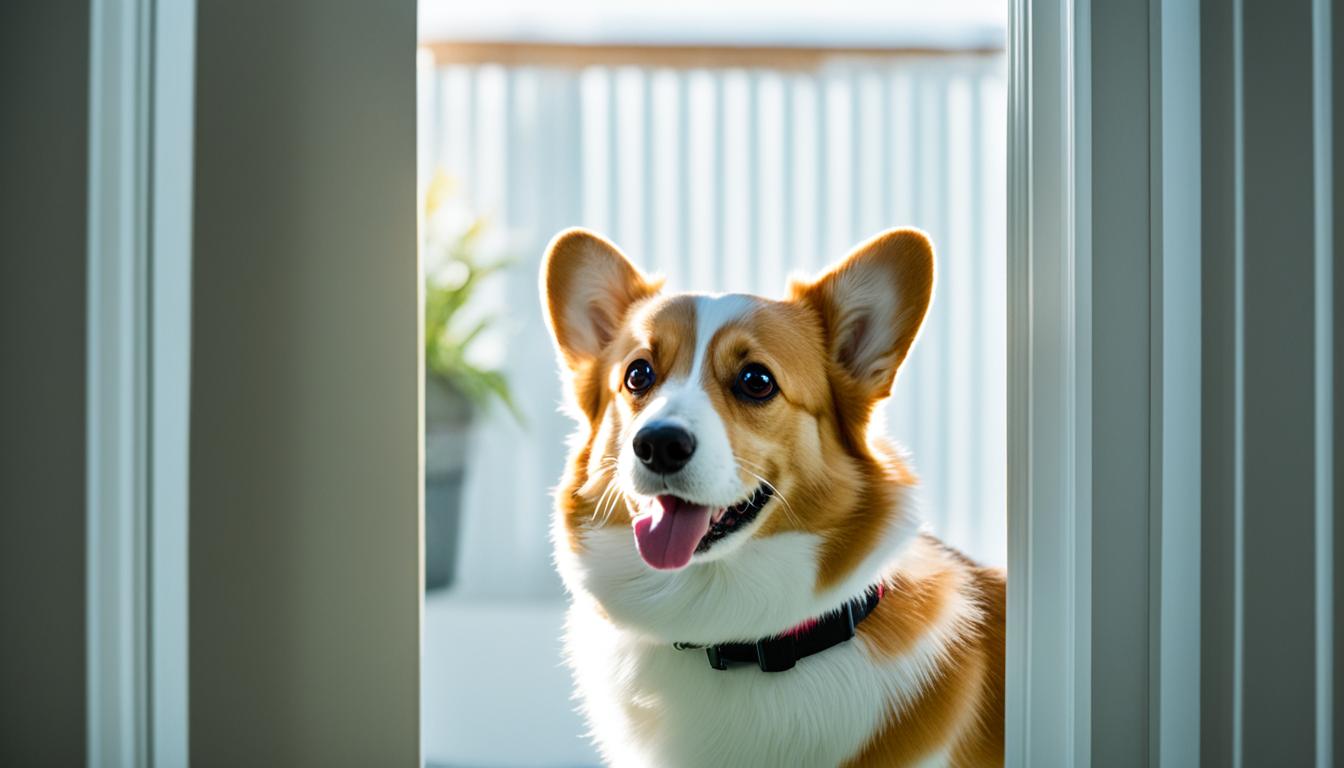

Have you ever wondered why your corgi struggles with separation anxiety? If you’re a pet owner, you know that leaving your furry friend alone can be a challenge. But what exactly causes separation anxiety in corgis? Understanding the underlying causes is crucial in finding effective strategies to help them cope.
- Separation anxiety in corgis is often triggered by a disruption in routine or a change in environment.
- Corgis who have been adopted from shelters or experienced traumatic events are more prone to separation anxiety.
- Recognizing the symptoms of separation anxiety is the first step in addressing and managing the condition.
- Various strategies, including exercise, routine establishment, and creating a safe space, can help corgis cope with separation anxiety.
- Training techniques, such as counterconditioning and desensitization, can be effective in reducing separation anxiety in corgis.
What is Separation Anxiety?
Separation anxiety, also known as isolation distress, is a type of anxiety that dogs display when they are separated from their human or animal companions. It can manifest in behaviors such as trembling, excessive barking, destructive chewing, and urination/defecation in the house. Corgi puppies with separation anxiety may experience distress when left alone, leading to a range of behavioral issues. Understanding the symptoms and identifying separation anxiety in Corgis is the first step in addressing and managing this condition.
When Corgis are unable to cope with being alone, they may exhibit signs of separation anxiety. This can be distressing for both the dog and the owner. It’s important to understand the causes and address the issues associated with corgi separation anxiety to ensure the well-being of your furry companion.
Recognizing the Symptoms
Corgis with separation anxiety may display various symptoms that indicate their distress when left alone. These symptoms can include:
- Trembling or shaking
- Excessive barking or howling
- Destructive chewing or scratching
- Urination or defecation in the house
By paying attention to these behaviors, you can identify if your Corgi is experiencing separation anxiety. Once you recognize these symptoms, you can take the necessary steps to help address and manage their anxiety effectively.
Causes of Separation Anxiety in Corgis
Separation anxiety in Corgis can be triggered by various factors, leading to feelings of insecurity and anxiety when left alone. Understanding these causes is crucial in developing effective strategies for preventing and treating corgi separation stress.
Transitions and Changes in Routine
Corgis thrive on routine and structure. Any significant changes in their daily schedule or environment can contribute to separation anxiety. This can include shifts in their feeding or walk time, alterations in their living arrangements, or even changes in the household dynamics.
Rehoming from a Shelter
Corgis adopted from shelters may have endured previous traumatic experiences, such as being abandoned or neglected. These past experiences can make them more prone to separation anxiety when they are in a new home and left alone.
Loss of a Family Member or Pet
Corgis form strong bonds with their human family members and animal companions. The loss of a loved one can be emotionally distressing for them and contribute to separation anxiety when their primary caregiver is absent.
Traumatic Events
Corgis who have gone through traumatic events, such as accidents or physical abuse, may develop separation anxiety as a result of the fear and anxiety associated with those experiences.
Shelter or Boarding Kennel Environment
Being housed in a shelter or boarding kennel, where there is limited human interaction and a lack of personal space, can contribute to separation anxiety in Corgis. The stress of being in a confined and unfamiliar environment can make them more susceptible to anxiety when left alone.
To effectively address and manage corgi separation stress, it is important to consider these underlying causes and tailor the solutions accordingly. By providing a secure and consistent environment, offering positive reinforcement training, and gradually desensitizing corgis to periods of separation, owners can help their furry companions overcome their separation anxiety and live happier, more balanced lives.

| Causes | Solutions |
|---|---|
| Transitions and Changes in Routine | Establish a consistent daily schedule for feeding, walks, and playtime. Gradually introduce any changes and ensure they are implemented gradually. |
| Rehoming from a Shelter | Provide a safe and nurturing environment with predictable routines. Consider professional training and socialization to build their confidence. |
| Loss of a Family Member or Pet | Offer extra attention, reassurance, and companionship during periods of separation. Engage in positive activities and provide mental stimulation to distract from anxiety. |
| Traumatic Events | Work with a professional trainer or behaviorist to help corgis overcome their fear through positive reinforcement and desensitization techniques. |
| Shelter or Boarding Kennel Environment | Create a comfortable and secure home environment, ensuring they have their own safe space with familiar toys and bedding. |
Symptoms of Separation Anxiety in Corgis
When Corgis experience separation anxiety, their distress manifests through various symptoms. As responsible dog owners, it is essential to recognize these signs and implement strategies to alleviate their anxiety and provide comfort.
Some common symptoms of separation anxiety in Corgis include:
- Trembling: Corgis may shake or tremble when they are separated from their owners, displaying physical signs of anxiety.
- Salivating: An anxious Corgi may drool excessively when left alone, displaying heightened stress levels.
- Digging and scratching: Corgis with separation anxiety may engage in destructive behaviors such as digging at doors or scratching windows in an attempt to escape or seek their owners’ attention.
- Destructive chewing: Anxiety can lead Corgis to engage in destructive chewing, causing damage to furniture, personal belongings, or household items.
- Howling, barking, or whining: Corgis may vocalize excessively when experiencing separation anxiety, expressing their distress through persistent howling, barking, or whining.
- Urination/defecation in the house: An anxious Corgi may exhibit inappropriate elimination behaviors, urinating or defecating in the house even when trained to do otherwise.
Recognizing these symptoms is vital in identifying separation anxiety in Corgis and taking appropriate measures to help them feel calm and secure when left alone.
“Understanding the symptoms of separation anxiety in Corgis can pave the way for effective intervention strategies. By identifying the signs early on, owners can provide the necessary support and create a conducive environment for their Corgis to manage their anxiety.”
Calming your anxious Corgi requires patience and implementing strategies that address their specific needs. In the next section, we will explore different techniques and approaches to help alleviate separation anxiety and support your Corgi’s well-being.

Treating Corgi Separation Anxiety
When it comes to helping your Corgi cope with separation anxiety, there are several effective strategies that can make a difference in their well-being. It’s important to approach treatment with patience and consistency, as each dog is unique and may require different approaches to overcome their anxiety. Here are some tips for addressing corgi separation anxiety and creating a more comfortable environment for your furry friend:
- Tire them out before leaving: One of the keys to reducing separation anxiety in Corgis is ensuring they get enough physical and mental exercise. Take your Corgi for a brisk walk or engage them in a play session before leaving the house. This can help tire them out and make them calmer when you’re away.
- Establish a relaxed routine: Corgis thrive on routine, so establishing a consistent schedule can help alleviate their anxiety. Stick to regular feeding times, walk schedules, and play sessions. Consider incorporating relaxation techniques such as gentle music or aromatherapy to create a soothing atmosphere while you’re away.
- Create a safe space: Provide your Corgi with a designated safe space where they can feel secure when you’re not around. This could be a comfortable crate with soft bedding or a cozy corner with their favorite toys. Make sure this space is associated with positive experiences, such as treats or interactive toys, to help them associate it with a sense of security.
- Try soothing music or pheromones: Some Corgis find comfort in soothing music or pheromone diffusers. Calming classical music or specially designed dog relaxation tracks can help create a tranquil environment. Additionally, synthetic pheromones designed to mimic the comforting pheromones produced by mother dogs can provide a sense of security for your Corgi.
- Consider professional help or medication: If your Corgi’s separation anxiety is severe or persistent, it may be beneficial to seek professional help from a dog behaviorist or trainer who specializes in anxiety. They can assess your Corgi’s specific needs and develop a customized behavior modification plan. In some cases, medication may be prescribed to alleviate your Corgi’s anxiety. Consult with your veterinarian to determine if this is a suitable option.
By implementing these tips and techniques, you can help your Corgi feel more comfortable and secure when left alone, reducing their separation anxiety and promoting their overall well-being.
Case Study: Corgi Separation Anxiety Success Story
“Ever since my Corgi, Bailey, started displaying signs of separation anxiety, I knew I had to take action. Following the tips provided in this article, I made sure to tire Bailey out with long walks before leaving, established a routine that included soothing music, and set up a cozy corner with his favorite toys. The transformation has been incredible! Bailey now spends his alone time calmly exploring his space or napping. I can’t thank these strategies enough for relieving my furry friend’s separation anxiety and bringing much-needed peace to our household.” – Sarah, Corgi owner
Remember, every Corgi is unique, and it may take time to find the combination of techniques that works best for your furry companion. With patience, consistency, and love, you can help your Corgi overcome their separation anxiety and lead a happier, more relaxed life.
| Tips for Corgi Separation Anxiety | Understanding Corgi Behavior | Corgi Anxiety Solutions |
|---|---|---|
| Tire out your Corgi with exercise before leaving | Establish a relaxed routine | Create a safe space for your Corgi |
| Try soothing music or pheromones | Consider professional help or medication |

Training Techniques for Corgi Separation Anxiety
When it comes to addressing and managing corgi separation anxiety, two effective training techniques that can be employed are counterconditioning and desensitization.
Counterconditioning: This technique focuses on replacing anxious or aggressive behaviors with more desirable ones. For example, when your corgi starts exhibiting signs of anxiety or aggression when you’re about to leave, you can redirect their attention by asking them to sit or perform a task that they enjoy. By pairing their anxiety-triggering situation with a positive and rewarding experience, you can help them associate the situation with something pleasant, gradually reducing their anxiety over time.
Desensitization: Desensitization involves gradually introducing your corgi to the source of their anxiety in small, controlled doses. For instance, if your corgi gets anxious when you pick up your car keys, you can start by simply picking up the keys without leaving the house. Over time, gradually increase the intensity of the stimuli by picking up the keys and stepping towards the door, then eventually opening the door without leaving. This gradual exposure helps your corgi become less reactive and more comfortable with the triggers that typically cause anxiety.
Implementing these training techniques requires patience, consistency, and proper guidance. Working with a professional dog trainer can provide invaluable support and expertise in creating a customized plan tailored to your corgi’s specific needs. They can assist you in identifying the triggers, designing a training schedule, and monitoring your corgi’s progress. With consistent training and positive reinforcement, you can help your corgi overcome separation anxiety and develop healthier coping mechanisms.

Expert Tip: The Power of Positive Reinforcement
“Incorporating positive reinforcement techniques can make a significant difference in training for corgi anxiety. Reward your corgi with treats, praise, or play whenever they exhibit calm behaviors or follow your commands. Consistency is key; make sure to reward them every time they respond positively to help reinforce the desired behavior.”
Medications for Corgi Separation Anxiety
In severe cases, medication may be prescribed to help alleviate Corgi separation anxiety. Selective serotonin reuptake inhibitors (SSRIs) and antidepressants are commonly used to reduce anxiety levels in dogs. These medications can be used in conjunction with other treatment strategies to provide relief for Corgis experiencing extreme distress. It is important to consult with a veterinarian to determine the best course of action for each individual Corgi.
“Medication can be a helpful tool in managing Corgi separation anxiety. SSRIs and antidepressants can help regulate the brain’s serotonin levels, reducing anxiety and helping the dog feel more calm and relaxed.”
When considering medications for Corgi separation anxiety, it is crucial to work closely with a qualified veterinarian. They will assess the severity of the anxiety and prescribe the appropriate medication and dosage. It is important to follow the veterinarian’s instructions carefully and monitor the Corgi’s response to the medication.
Benefits and Considerations of Medication
Medications can be a valuable tool in managing Corgi separation anxiety, but they should be used as part of a comprehensive treatment plan that includes behavioral modifications and environmental adjustments. Here are some benefits and considerations to keep in mind:
Benefits:
- Reduced anxiety levels: Medications can help calm the Corgi’s nervous system and alleviate anxious behaviors.
- Improved quality of life: By reducing separation anxiety, medications can improve the overall well-being of the Corgi.
- Enhanced response to training: With reduced anxiety, Corgis can be more receptive to training and behavior modification techniques.
Considerations:
- Side effects: Like any medication, SSRIs and antidepressants can have potential side effects. It is important to discuss these with the veterinarian and monitor the Corgi closely.
- Individual response: Each Corgi may respond differently to medication. It may take time to find the right dosage and medication that works best for the dog.
- Cost: Medications can be an additional expense in managing Corgi separation anxiety. It is important to consider the financial aspect when discussing treatment options with the veterinarian.
Remember, medications should always be used under the guidance and supervision of a veterinarian. They can play a valuable role in managing Corgi separation anxiety, but they should be part of a comprehensive approach that includes behavioral interventions, environmental adjustments, and consistent training.
Natural Remedies for Corgi Separation Anxiety
While helping your Corgi cope with separation anxiety, you may consider exploring natural remedies that can provide some relief. These remedies can be a valuable addition to the overall treatment plan and help calm your anxious Corgi. However, it’s essential to consult with a veterinarian before using any natural remedies to ensure their safety and efficacy.
1. Pheromone Diffusers
One natural remedy that can help alleviate Corgi separation anxiety is using pheromone diffusers. Pheromones are chemical signals that dogs naturally produce to communicate with each other. Synthetic versions of these calming pheromones can be found in diffuser products specifically designed for reducing anxiety in dogs. Placing a pheromone diffuser in your home can create a soothing environment for your Corgi and contribute to a sense of security.
2. Aromatherapy
Aromatherapy is another natural method that can help calm your anxious Corgi. Certain essential oils, such as lavender or chamomile, are known for their calming properties. Diluting a few drops of these oils in a diffuser or applying them to a bandana or collar worn by your Corgi can create a calming aroma in their environment. However, it’s important to note that not all essential oils are safe for dogs, so always consult with a veterinarian and use pet-safe oils.
3. Herbal Supplements
Herbal supplements can also be considered as a natural remedy for Corgi separation anxiety. Some herbs, like valerian root or chamomile, have calming effects and can help reduce anxiety in dogs. These supplements often come in the form of treats or powdered formulas that can be added to your Corgi’s food. However, it’s crucial to consult with a veterinarian before introducing any herbal supplements to ensure the correct dosage and safety for your Corgi.
Note: Natural remedies can be a helpful addition to your overall treatment plan, but they should not replace other essential strategies, such as behavior modification and training. It’s important to work with a veterinarian or a professional dog trainer to create a comprehensive approach tailored to your Corgi’s needs.
Utilizing natural remedies, such as pheromone diffusers, aromatherapy, or herbal supplements, can provide some relief for your Corgi’s separation anxiety. However, it’s crucial to consult with a veterinarian before implementing any natural remedies to ensure their effectiveness and safety for your furry friend.
Preventing Corgi Separation Anxiety
Taking preventative measures can significantly reduce the risk of Corgi separation anxiety. By understanding corgi behavior and implementing the following strategies, you can create a stable and enriching environment for your furry companion.
Proper Socialization
From a young age, introduce your corgi to various people, animals, and environments. Gradually expose them to new situations, allowing them to feel comfortable and confident in different settings.
Obedience Training
Invest time in training your corgi to follow basic commands. This will establish a stronger bond between you and your pet and help them understand boundaries and expectations.
Regular Exercise and Mental Stimulation
Keep your corgi physically active through regular exercise, such as walks, play sessions, or agility training. Additionally, provide mental stimulation using puzzle toys or interactive games to keep their minds engaged.
Identify and Address Triggers
Pay attention to your corgi’s body language and behaviors. Identify situations that may trigger anxiety in your pet, such as loud noises or unfamiliar visitors. Take steps to minimize their exposure to these triggers or help them gradually overcome their fears.
A Stable and Enriching Environment
Create a safe and comfortable space for your corgi when they are alone. This can include providing a cozy bed, leaving toys or treats to keep them occupied, or playing calming music in the background.
Summary
By actively preventing separation anxiety in your corgi, you can promote their overall well-being and happiness. Focus on socialization, training, exercise, and creating a stable environment. Understanding corgi behavior and taking these proactive measures will greatly reduce the likelihood of separation anxiety in your beloved furry friend.
Importance of Patience and Consistency
Treating and managing Corgi separation anxiety requires coping with corgi separation anxiety patience and consistency. It’s crucial to understand that each dog is unique and may require different strategies and timelines when managing corgi separation stress. It’s important for owners to remain patient and provide consistent support and training to their Corgis throughout this process.
Overcoming separation anxiety takes time, and setbacks may occur along the way. However, with dedication and perseverance, you can help your Corgi overcome their anxiety and develop healthier coping mechanisms. By offering patience and consistency, you communicate to your Corgi that they can trust you and that you are there to support them.
Patience: The Key to Success
The journey of coping with corgi separation anxiety requires patience. Each dog may respond differently to treatment, and progress may be gradual. It’s essential to remember that your Corgi’s comfort and well-being are the top priorities.
Managing corgi separation stress Patience empowers you to stay calm and provide a soothing presence for your Corgi during their moments of distress. It gives you the ability to wait for them to adjust and gradually overcome their anxiety without rushing the process.
Consistency: Establishing a Supportive Routine
Consistency is key in managing corgi separation stress. Establishing a routine helps your Corgi feel more secure and stable. By setting predictable patterns and sticking to them, you create a sense of familiarity and comfort for your furry companion.
Keep in mind the following consistency guidelines:
- Stick to a regular schedule for feeding, exercise, and playtime.
- Practice leaving and returning in a calm manner, without making a big fuss.
- Provide your Corgi with a safe and comfortable space when you are away.
- Avoid sudden changes that can disrupt their routine and trigger anxiety.
Remember that consistency is about creating a stable environment for your Corgi. It helps them feel secure and confident, which is essential in coping with corgi separation anxiety.
“Patience and consistency are vital when helping your Corgi overcome separation anxiety. By being patient, you allow your Corgi to adjust at their own pace, and by maintaining consistency, you provide them with a sense of security and stability.”
The Rewards of Patience and Consistency
Through patience and consistency, you will gradually see improvements in your Corgi’s ability to cope with separation anxiety. They will develop greater resilience and confidence, allowing them to navigate their alone time more comfortably.
Both patience and consistency enable you to build a strong bond with your Corgi, fostering trust and a sense of assurance. As you continue to provide the support and guidance they need throughout the coping with corgi separation anxiety journey, you will witness the positive outcomes of your efforts in your Corgi’s overall well-being.
| Benefits of Patience and Consistency | |
|---|---|
| Reduced anxiety levels | Increase in self-confidence |
| Improved behavioral responses | Better overall well-being |
| Stronger bond with your Corgi | Enhanced trust and security |
Conclusion
Managing corgi separation stress can be a challenging journey, but with understanding, patience, and consistent training, it is possible to help your corgi overcome separation anxiety and lead a happy, well-adjusted life. By implementing the strategies and techniques outlined in this article, you can provide the support and comfort your corgi needs to cope with separation anxiety effectively.
Remember, each corgi is unique, so it may take time and adjustment to find the most effective approach for your individual companion. With dedication and love, you can help your corgi overcome separation anxiety and thrive as a beloved member of your family.
Whether it’s tiring them out before leaving, establishing a routine, creating a safe space, trying natural remedies, or seeking professional help, there are various options available to help manage and alleviate separation anxiety in corgis. The key is to stay committed and consistent, providing your corgi with the reassurance and guidance they need to navigate their anxiety.
FAQ
Why do Corgis struggle with separation anxiety?
What is separation anxiety in Corgis?
What causes separation anxiety in Corgis?
What are the symptoms of separation anxiety in Corgis?
How can I help my Corgi cope with separation anxiety?
What training techniques are effective for Corgi separation anxiety?
Are there medications for Corgi separation anxiety?
Can natural remedies help with Corgi separation anxiety?
How can I prevent separation anxiety in Corgis?
Why is patience and consistency important in managing Corgi separation anxiety?
How can I help my Corgi overcome separation anxiety?
Source Links
- https://calmingdog.com/blogs/main/why-and-how-corgi-puppies-develop-separation-anxiety
- https://www.humanesociety.org/resources/separation-anxiety-dogs
- https://www.akc.org/expert-advice/health/treating-dog-anxiety/

Carlos is the passionate founder and primary author behind “CorgisCorner.com,” a website dedicated to all things related to the beloved Corgi breed. Born and raised in a small town known for its strong sense of community and love for animals, Carlos developed a deep affection for Corgis from a young age. This love was sparked by his childhood companion, a spirited and loyal Corgi named Toby, who was a constant source of joy and friendship.