

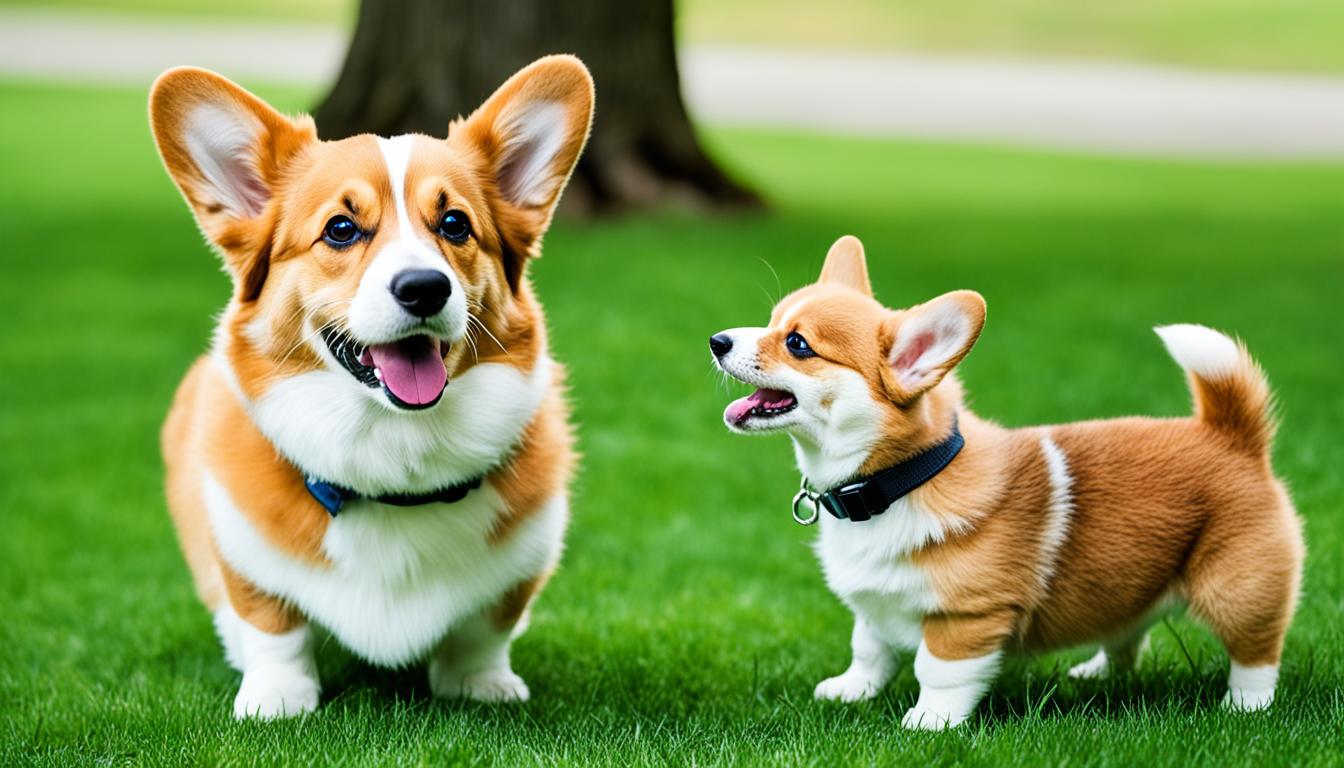

Corgis, also known as Pembroke Welsh Corgis, are small-sized working dogs with a distinctive personality. They are cheerful, playful, and independent, but their behavior can change as they grow. Understanding these changes is essential for building a strong bond with your Corgi and ensuring their well-being. So, how do you adapt to your Corgi’s evolving behavioral needs?
Key Takeaways:
- Understanding your Corgi’s behavior changes allows you to meet their evolving needs.
- Proper training is crucial to prevent behavioral issues.
- Corgis are high-energy dogs and require regular exercise.
- Positive reinforcement and rewards-based training methods work best with Corgis.
- Proper socialization helps reduce excessive barking and separation anxiety.
The Corgi Personality
Corgis have a larger-than-life personality packed into their small bodies. They are happy, smart, fun-loving, and loyal dogs that thrive on being the center of attention. However, they can also be stubborn and independent if not properly trained. It is important to establish your role as the leader in your relationship with your Corgi, while still allowing them to maintain some level of independence. By understanding their unique personality traits, you can effectively modify their behavior and ensure a harmonious relationship.
“Corgis have a charm and personality that is unmatched. They are full of life and always ready for an adventure.” – Jane Adams, Corgi owner
One of the key aspects of Corgi behavior is their need for attention. Corgis are highly social dogs that love being around their owners and thrive on human interaction. They enjoy being the center of attention and participating in family activities. To keep your Corgi engaged and happy, it is important to spend quality time with them and include them in your daily routines.
However, Corgis can also be stubborn and independent at times. This is due to their herding instincts, which can manifest as a desire to make their own decisions. To effectively modify their behavior, it is essential to establish yourself as the leader through consistent training and clear boundaries.
Corgi Behavior Modification Techniques
When it comes to modifying Corgi behavior, positive reinforcement is key. Reward-based training methods that involve treats, praise, and affection work best with these intelligent dogs. By rewarding desired behaviors and ignoring or redirecting unwanted behaviors, you can shape their behavior in a positive way.
Consistency is also crucial in Corgi behavior modification. Setting clear rules and boundaries from the beginning and consistently enforcing them will help your Corgi understand what is expected of them. Additionally, regular training sessions and mental stimulation activities will keep their minds engaged and prevent boredom-related behaviors.
Corgi Behavioral Development Strategies
Understanding the stages of Corgi behavioral development can help you effectively modify their behavior. Like humans, Corgis go through various stages as they grow, including puppyhood, adolescence, and adulthood. Each stage presents unique challenges and opportunities for training and behavior modification.
During puppyhood, it is essential to provide proper socialization and expose your Corgi to a variety of people, animals, and environments. This will help them develop confidence and prevent fear-based behaviors later in life.
During adolescence, Corgis may test boundaries and display more independent behavior. Patience, consistency, and positive reinforcement are key during this stage. A strong focus on training and reinforcement of desired behaviors will help establish a solid foundation for their adult behavior.
In adulthood, Corgis may become more settled and less likely to engage in destructive or undesirable behaviors. However, they still require regular exercise, mental stimulation, and ongoing training to maintain their well-behaved nature.
| Personality Traits | Behavior Modification Techniques |
|---|---|
| Happy | Positive reinforcement with treats and praise |
| Smart | Clear rules and consistent training |
| Fun-loving | Mental stimulation through puzzles and interactive toys |
| Loyal | Bonding activities and quality time together |
Corgi Activity Level
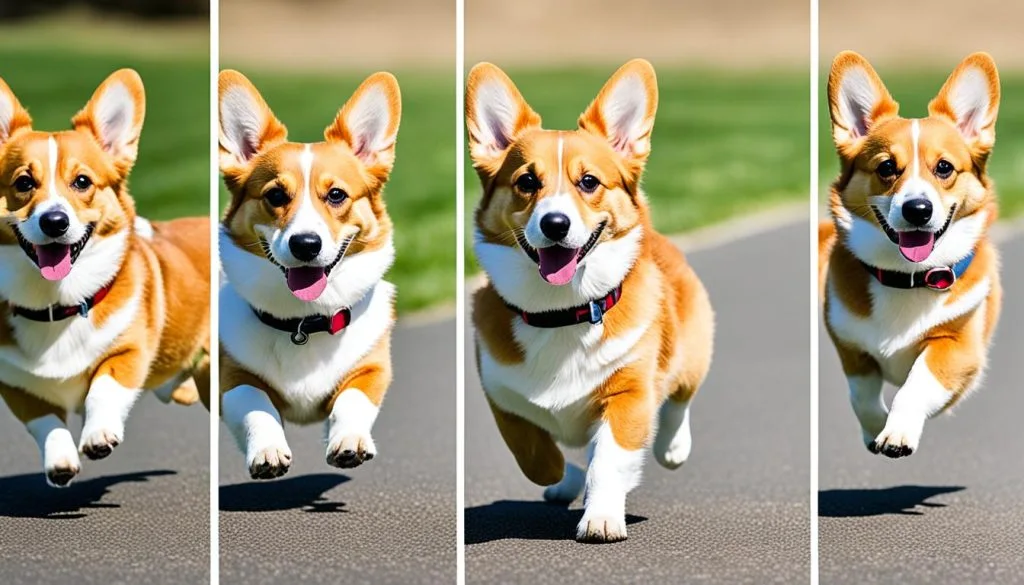
Corgis are known for their high energy levels and require regular exercise to stay healthy and happy. Despite their short legs, Corgis have a lot of energy and need both physical and mental stimulation to thrive. It is essential to meet their activity needs to prevent behavioral issues that may arise from boredom or pent-up energy.
Daily walks are a great way to provide your Corgi with the exercise they need. Aim for at least 30 minutes to one hour of brisk walking each day. This not only helps burn off excess energy, but it also keeps their muscles toned and their weight in check. Additionally, consider incorporating other activities that challenge their minds, such as puzzle toys or interactive games. These mental exercises are just as important as physical exercise in keeping your Corgi engaged and mentally stimulated.
Tip: Try incorporating playtime in the yard into your Corgi’s daily routine. This allows them to explore their surroundings, sniff new scents, and engage in their natural instincts. Be sure to provide a secure and fenced-in area to ensure their safety.
Engaging your Corgi in various activities helps prevent boredom and reduces the likelihood of destructive behaviors. Consider training them in agility or obedience, as these activities not only offer mental stimulation but also strengthen the bond between you and your furry friend.
Tips for Adapting to Your Corgi’s Activity Needs:
- Set aside dedicated time each day for exercise and mental stimulation.
- Provide interactive toys or puzzle games that challenge their minds.
- Alternate between different activities to keep them engaged and prevent boredom.
- Incorporate regular playtime in your yard to allow them to explore and engage in natural behaviors.
- Consider enrolling your Corgi in agility or obedience training for additional mental and physical stimulation.
Comparison of Corgi Activity Levels
| Corgi Breed | Activity Level |
|---|---|
| Pembroke Welsh Corgi | High energy |
| Cardigan Welsh Corgi | Moderate energy |
Table: Comparison of Corgi Activity Levels
Training Your Corgi
Corgis are intelligent dogs that can be easily trained with the right techniques and approach. However, due to their independent nature, it is important to be patient and consistent when working with their training. By using positive reinforcement and rewards-based methods, you can effectively shape their behavior and encourage them to learn and follow commands.
Start training your Corgi early in their life to establish a strong foundation. Puppies are particularly receptive to learning and can quickly pick up new commands and behaviors. As they grow older, it is important to continue training to keep them mentally stimulated and well-behaved.
When training your Corgi, be sure to establish clear rules and boundaries. Consistency is key to their understanding of expectations and behavior. Set achievable goals and gradually increase the level of difficulty as they progress in their training. This will help prevent any behavioral problems from developing.
“The key to training a Corgi lies in positive reinforcement.”
Positive reinforcement is especially effective with Corgis. They respond well to praise, treats, and rewards. Whenever your Corgi behaves appropriately or follows a command, provide immediate positive feedback to reinforce the desired behavior. This will motivate them to continue behaving well and make the training process enjoyable for both of you.
Another important aspect of training your Corgi is socialization. Expose them to various environments, people, and other animals to help them develop good social skills. This will reduce the chance of aggressive or fearful behaviors towards strangers or other dogs.

Remember to keep training sessions short and engaging. Corgis have a relatively short attention span, so breaking the training into small, frequent sessions will yield better results. Make the training sessions fun and interactive by incorporating games and challenges to keep them mentally stimulated.
Training Tips for Corgis:
- Use positive reinforcement, such as treats, praise, and rewards, to motivate your Corgi during training.
- Set clear rules and boundaries to establish expectations for your Corgi’s behavior.
- Start training early in your Corgi’s life and continue training throughout their lifespan to maintain good behavior.
- Socialize your Corgi to different environments and people to help them develop good social skills.
- Keep training sessions short, frequent, and engaging to maintain their attention and motivation.
By following these Corgi behavioral development strategies, you can effectively train your Corgi and create a well-behaved and happy companion.
| Benefits of Training Your Corgi | Training Challenges |
|---|---|
| 1. Improved obedience and responsiveness | 1. Corgis can be stubborn and independent |
| 2. Enhanced bond and communication between you and your Corgi | 2. Short attention span may require frequent, short training sessions |
| 3. Prevention of behavioral problems and destructive habits | 3. Consistency and patience are key in overcoming training challenges |
Corgi Barking
Corgis are known for their distinctive personality, which includes a strong instinct to protect their family. This often translates into a tendency to bark frequently. While barking can be a useful warning mechanism, it can become problematic if it becomes excessive. To address this behavior, it is important to implement effective Corgi behavioral development strategies and understand current Corgi behavior trends.
One key strategy for managing excessive barking in Corgis is socialization. Exposing your Corgi to different sights, sounds, and experiences from an early age can help reduce unnecessary barking. By gradually introducing them to new stimuli and teaching them to trust strangers, you can help them feel more secure and less inclined to bark at every unfamiliar noise or person.
Consistent training is also essential for controlling barking. By teaching your Corgi basic obedience commands and providing them with clear boundaries and rules, you can redirect their attention to more appropriate behaviors. Positive reinforcement techniques, such as rewarding your Corgi for quiet behavior, can be particularly effective in shaping their barking habits.
It is important to note that Corgis bark for various reasons, including excitement, boredom, or anxiety. Understanding the underlying cause of their barking can help you address it more effectively. Providing them with adequate mental and physical stimulation through engaging activities and regular exercise can reduce excessive barking resulting from boredom or pent-up energy.
Developing Communication Skills
Another important aspect of managing Corgi barking is developing effective communication skills with your furry companion. By establishing a strong bond based on trust and understanding, you can better address their needs and prevent excessive barking.
Remember that each Corgi is unique, and their barking behaviors may vary. It’s essential to observe their individual patterns and assess their underlying motivations for barking. Patience, consistency, and positive reinforcement will be your greatest allies in managing Corgi barking effectively.
Furthermore, redirect their attention to alternative behaviors when they exhibit signs of excessive barking. Offering them interactive toys, puzzle games, or engaging in training sessions can help divert their focus and energy onto more productive activities.
By implementing these Corgi behavioral development strategies, you can effectively manage their barking tendencies and create a harmonious environment for both your Corgi and your household. Remember to be patient and consistent, as it may take time for your Corgi to adopt new behaviors and habits.

Table 5: Corgi Barking Management Techniques
| Techniques | Description |
|---|---|
| Socialization | Expose your Corgi to different sights, sounds, and experiences to reduce unnecessary barking. |
| Training | Implement positive reinforcement techniques and redirect their attention to more appropriate behaviors. |
| Stimulation | Provide mental and physical stimulation through engaging activities and regular exercise to prevent boredom-related excessive barking. |
| Communication | Develop a strong bond based on trust and understanding to address their needs and prevent excessive barking. |
Handling Separation Anxiety in Corgis
Corgis are known for their loving and loyal nature, making them excellent companions. However, they can be prone to separation anxiety, leading to destructive behaviors and excessive barking when left alone for extended periods. Understanding and addressing separation anxiety is essential for your Corgi’s well-being and your peace of mind.
One effective strategy for managing separation anxiety is gradual desensitization. This involves gradually increasing the duration of time that your Corgi is left alone. Start with short periods and gradually extend the time, ensuring that your Corgi feels comfortable and safe during each session.
Counterconditioning techniques can also be utilized to help ease separation anxiety. This involves associating positive experiences and rewards with being alone. For example, you can give your Corgi a special treat or toy that they only receive when you are away, creating a positive association with your absence.
Creating a safe and comforting environment is crucial in reducing separation anxiety. Provide a designated space with their bed, toys, and comforting scents. The space should be quiet and away from distractions, allowing your Corgi to relax and feel secure.
Interactive toys can provide mental stimulation and help alleviate anxiety while you are away. Toys that dispense treats or puzzle toys can keep your Corgi engaged and distract them from feeling anxious or restless.
Implementing a consistent routine can also help reduce separation anxiety. Establishing regular feeding times, exercise schedules, and daily rituals can provide a sense of structure and stability for your Corgi. They will feel more secure knowing what to expect, reducing anxiety when you leave.
Key Tips:
- Gradually increase time spent alone
- Use counterconditioning techniques with positive rewards
- Create a safe and comforting environment
- Provide interactive toys for mental stimulation
- Implement a consistent routine
Tips for Handling Separation Anxiety in Corgis
- Start with short periods of alone time and gradually increase.
- Use counterconditioning techniques to create positive associations.
- Create a designated safe and comforting space for your Corgi.
- Provide engaging toys for mental stimulation while you are away.
- Establish a consistent routine to provide stability.
By implementing these strategies, you can help your Corgi feel more at ease when alone and reduce separation anxiety. Remember to be patient and consistent in your approach, offering support and love to your furry friend during this transition.
Corgis and Children
Corgis have a complex relationship with children and their behavior towards them can vary. While some Corgis may be tolerant and gentle with children, others may be more dominant and may nip at young kids to assert their herding instincts. It is important to closely supervise interactions between your Corgi and children, especially those under the age of five.
Proper socialization, training, and teaching children how to interact with dogs can help foster a positive relationship between Corgis and children. This includes educating children about respectful behavior and gentle handling, as well as introducing them to appropriate ways of playing with and approaching Corgis. By teaching children to respect boundaries and interact responsibly, you can ensure safety and harmony between your Corgi and your little ones.
“It is essential to remember that no matter how well-behaved your Corgi is, never leave a dog unsupervised with young children. Accidents can happen, and it is our responsibility as pet owners to prioritize safety and prevent any potential incidents.” – Dr. Emily Thompson, Canine Behavior Specialist
By providing proper guidance and creating a positive environment for interactions, you can foster a long-lasting bond between your Corgi and your children. Remember, every dog is unique, so it’s important to understand your Corgi’s specific behavior changes and adapt your approach accordingly.
Tips for Safe Interactions between Corgis and Children:
- Teach children to approach Corgis calmly and gently.
- Show children how to pet Corgis using slow, gentle strokes.
- Supervise playtime between children and Corgis, ensuring activities are appropriate and safe.
- Teach children to respect the Corgi’s personal space and not to bother them while eating or sleeping.
- Encourage children to engage in positive and supervised play with Corgis, such as playing fetch or teaching tricks.

| Pros | Cons |
|---|---|
| Corgis can be tolerant and gentle with children, making them potential wonderful playmates. | Some Corgis may have a dominant nature and display behaviors like nipping, which can be a concern around young kids. |
| Proper socialization and training can help Corgis and children develop a positive relationship. | Children must be supervised at all times to ensure safe interactions with Corgis. |
| Teaching children how to interact with dogs can help them develop respect and empathy for animals. | Not all Corgis may be comfortable around children, so it’s crucial to assess your individual dog’s temperament and behavior. |
Corgi Breed Differences
When it comes to Corgis, there are two distinct breeds to consider: the Pembroke Welsh Corgi and the Cardigan Welsh Corgi. While these breeds may share some similarities in terms of temperament and behavior, it is important to note their unique differences to effectively adapt to their specific behavioral needs.
The Pembroke Corgi is known for its active and outgoing nature. These Corgis are often cheerful and playful, making them great companions for active individuals or families. They have an adventurous streak and thrive when engaged in physical activities and mental stimulation. Adapting to changes in your Corgi’s behavior requires providing them with ample opportunities to burn off energy and exploring various ways to keep them intellectually stimulated.
On the other hand, the Cardigan Corgi tends to be more reserved and territorial. These Corgis may exhibit a more independent and cautious demeanor. While they can still be affectionate and playful, they may require more time and patience to warm up to new people or situations. When adapting to changes in your Corgi’s behavior, it is important to create a calm and secure environment for them, offering gentle exposure to new experiences and individuals to help build their confidence.
Understanding these breed differences is crucial in providing appropriate training and socialization for your Corgi. How you adapt to your Corgi’s evolving behaviors will depend on their specific breed tendencies. Tailoring your approach to their unique needs will ensure a harmonious and fulfilling relationship with your furry companion.
Corgi History and Origins
Corgis have a rich history as herding dogs, originating from Wales where they were primarily used by farmers. Their small size and agility made them perfect for herding cattle and keeping them in line. Understanding the historical background of Corgis provides valuable insights into their natural instincts and behaviors.
Although Corgis are now primarily kept as family pets, their herding instincts may still manifest in certain behaviors, such as nipping at heels or attempting to herd other family members. This is an important aspect to consider when working on Corgi behavior modification techniques and behavior training.
If you own a Corgi, it’s crucial to be aware of their herding lineage and adapt your training methods accordingly. This involves understanding their innate desires and providing them with constructive outlets for their energy and instincts.
| Key Points | Actions |
|---|---|
| Learn about Corgi’s herding background | Educate yourself about Corgi history and origins to understand their instincts better. |
| Identify herding behaviors | Observe your Corgi for any herding behaviors, such as nipping or attempting to corral family members. |
| Provide constructive outlets | Offer activities that channel their herding instincts in a healthy and controlled manner, such as obedience training or engaging in dog sports. |
| Consult a professional trainer | If you’re struggling with managing herding behaviors, seek guidance from a professional trainer experienced in Corgi behavior training. |
Interesting Facts about Corgis
Corgis have become incredibly popular over the years, due in part to their close association with the British Royal Family and their appearance in various forms of pop culture. These small, intelligent dogs are known for their unwavering loyalty, playful nature, and adorable looks. Learning some intriguing facts about Corgis can deepen your understanding of their behavior trends and provide valuable insights into effective Corgi behavioral development strategies.
Corgis have a remarkable ability to participate in dog sports and excel at various activities. Despite their short legs, these agile canines are adept at agility courses, obedience competitions, and even herding trials. Their determination and quick thinking make them formidable competitors in the dog sports world.
“Corgis are highly trainable dogs that possess a keen intellect and a strong desire to please their owners. With consistent training and positive reinforcement, you can unlock their full potential and witness their amazing ability to learn new tricks throughout their lives.”
In addition to their role in dog sports, Corgis have also made their mark as therapy dogs. These loving and gentle canines have a calming presence and a knack for comforting individuals in need. Their friendly and social nature, combined with their intelligence, make them perfect candidates for therapy work.
Take a moment to appreciate the uniqueness of Corgis by immersing yourself in these captivating facts. Embracing these facts about Corgis and incorporating them into your Corgi’s behavioral development strategies can enhance your bond with your furry companion and ensure their well-rounded development.
Corgi Behavior Facts
| Corgi Behavior | Description |
|---|---|
| Intelligence | Corgis are known for their intelligence, which allows them to quickly grasp commands and learn new tricks. |
| Loyalty | Corgis are fiercely loyal to their owners and form strong bonds with their family members. |
| Playfulness | Corgis have a playful nature and enjoy engaging in games and activities with their loved ones. |
| Adaptability | Despite their small size, Corgis are adaptable and can thrive in various living environments. |
| Socialization | Proper socialization is important for Corgis to develop good behavior and interact positively with other animals and humans. |
Conclusion
Adapting to your Corgi’s evolving behavioral needs is crucial for their overall well-being and the harmony of your relationship. By understanding their unique personality traits, activity levels, training needs, and specific breed differences, you can better meet their behavioral needs and prevent potential issues.
To ensure your Corgi’s well-being, it is important to provide them with regular exercise, mental stimulation, and consistent training. Engaging in activities that challenge their minds and keeping them physically active will help prevent behavioral problems that may arise from boredom or pent-up energy.
Fostering a loving and trusting environment is key to modifying your Corgi’s behavior. By utilizing positive reinforcement and rewards-based training techniques, you can effectively shape their behavior and strengthen the bond between you and your furry companion. With the right approach, you can adapt to your Corgi’s evolving behaviors and enjoy a loving and fulfilling relationship for years to come.
FAQ
What are some common behavioral changes that Corgis go through as they grow?
How can I modify my Corgi’s behavior to adapt to these changes?
How much exercise do Corgis need?
What is the best training method for Corgis?
How can I prevent excessive barking in my Corgi?
What can I do to alleviate separation anxiety in my Corgi?
How should I supervise interactions between my Corgi and children?
What are the main differences between Pembroke Welsh Corgis and Cardigan Welsh Corgis?
How does the historical background of Corgis influence their behavior?
What are some interesting facts about Corgis?
Source Links
- https://canna-pet.com/articles/corgi-personality/
- https://www.quora.com/My-corgi-is-2-years-old-and-hes-still-deeply-unreliable-despite-all-the-training-he-got-Through-how-many-critical-troublesome-stages-does-a-dog-go-before-he-reaches-full-mental-maturity-and-becomes-more-consistent
- https://kidskonnect.com/animals/welsh-corgi/

Carlos is the passionate founder and primary author behind “CorgisCorner.com,” a website dedicated to all things related to the beloved Corgi breed. Born and raised in a small town known for its strong sense of community and love for animals, Carlos developed a deep affection for Corgis from a young age. This love was sparked by his childhood companion, a spirited and loyal Corgi named Toby, who was a constant source of joy and friendship.