

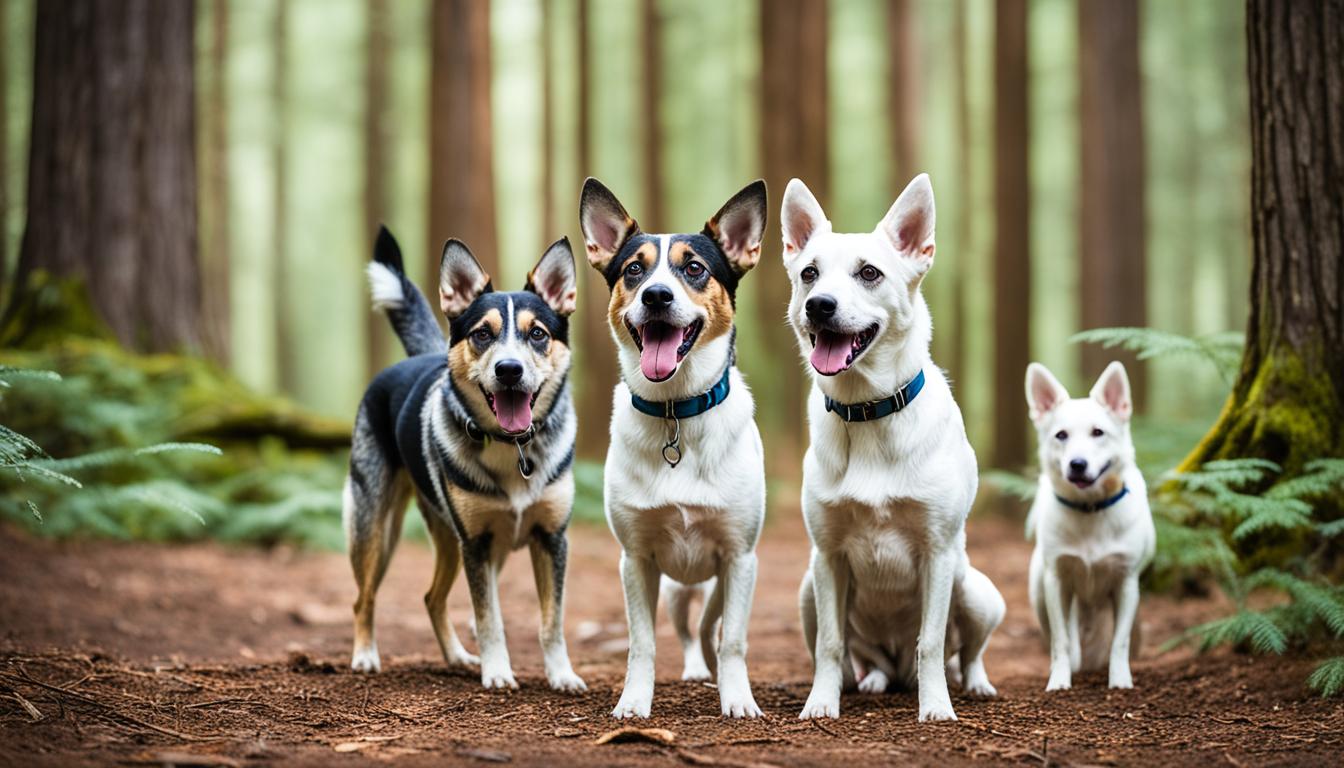

Have you ever wondered why your short-legged dog behaves the way it does in a pack? How does pack behavior affect their social dynamics and communication? In our quest to decode the pack mentality of beloved short-legged dogs, we delve into the fascinating world of their pack behavior. Prepare to uncover surprising insights that challenge common beliefs and shed light on the social dynamics of these delightful pets.
Key Takeaways:
- Understanding pack behavior helps address behavioral issues effectively in short-legged dogs.
- Pack behavior is not limited to specific breeds and plays a significant role in all dogs’ behavior.
- Common pack behavior problems can occur in short-legged dogs if the pack structure is not properly established.
- Real-life case studies provide valuable insights into the challenges of managing pack behavior in short-legged dogs.
- Dispelling the misconceptions about pack leadership in dogs is crucial for effective training techniques.
The Significance of Pack Behavior in Dogs
Pack behavior is a fundamental aspect of dogs’ social structure and plays a significant role in shaping their behavior and interactions. This applies to all dogs, including beloved short-legged breeds. Understanding and analyzing pack behavior in short-legged dogs allows us to gain valuable insights into their social dynamics, hierarchy, and communication patterns.
Analyzing short-legged dog behavior within a pack setting provides a window into their natural instincts and how they interact with other members. By observing their behavior, we can better comprehend their needs, preferences, and tendencies. This knowledge enables us to create a conducive environment that promotes positive social interactions and minimizes behavioral issues.
“Pack behavior is an essential aspect of dogs’ lives. By understanding and addressing their pack instincts, we can build a healthy and harmonious relationship with our short-legged companions.”
Understanding small dog behavior within the context of pack dynamics is particularly valuable. Small breeds often display unique behavioral traits that are influenced by their size. Observing how short-legged dogs establish and maintain their position within the pack hierarchy can provide crucial insights into their social needs and behaviors.
Cultivating a Positive Pack Environment
To ensure a balanced and peaceful pack environment for short-legged dogs, it is important to emphasize positive reinforcement-based training methods. By focusing on rewarding desired behaviors and providing clear boundaries, owners can establish effective leadership and promote cooperative interactions within the pack.
- Foster positive socialization with other dogs and humans from an early age.
- Provide consistent and clear boundaries to establish a sense of order and structure.
- Engage in regular exercise and mental stimulation to satisfy their natural instincts and energy levels.
- Offer opportunities for social interaction with other dogs and engage in group activities.
Remember, understanding and addressing pack behavior in dogs, including short-legged breeds, is a key component in nurturing a healthy and fulfilling relationship with our furry companions.
Common Pack Behavior Problems in Short-Legged Dogs
Short-legged dogs, like any other breed, can occasionally exhibit pack behavior problems if the pack structure is not properly established. These issues can manifest as conflicts, aggression, and other behavioral challenges that may disrupt the harmony within a pack. It is crucial for owners to understand the pack psychology of short-legged dogs in order to effectively address and manage these problems.
Conflicts and Aggression
One common pack behavior problem in short-legged dogs is conflicts within the pack. This can result from a lack of clear hierarchy and leadership, leading to power struggles and aggression among group members. Owners may observe their dogs engaging in growling, snarling, or even physical fights. These conflicts often occur when the roles and boundaries within the pack are not clearly defined.
Without proper training and guidance, small dogs may attempt to assert dominance to compensate for their size, leading to conflicts within the pack.
It’s essential for owners to establish themselves as the pack leader and provide consistent training and guidance to prevent conflicts from escalating. This includes setting clear rules and boundaries, rewarding positive behaviors, and discouraging any signs of aggression or dominance.
Separation Anxiety
Another pack behavior problem commonly seen in short-legged dogs is separation anxiety. These dogs may become excessively anxious or distressed when separated from their human family or other pack members. Separation anxiety can manifest in destructive behaviors, excessive vocalization, and self-harming actions.
Short-legged dogs, due to their small size and close bond with their owners, can be particularly prone to separation anxiety. To address this issue, it’s important to gradually desensitize the dog to being alone and provide them with appropriate mental and physical stimulation. Creating a structured routine and using positive reinforcement techniques can help alleviate separation anxiety in short-legged dogs.
Resource Guarding
Resource guarding is another pack behavior problem that can be observed in short-legged dogs. Dogs may exhibit possessive behavior over certain items, such as food, toys, or even specific locations within the house. This behavior can escalate into guarding behavior, where the dog becomes aggressive or defensive when anyone approaches the guarded resource.
To address resource guarding, owners should establish themselves as the provider of resources and work on desensitizing the dog to the presence of other pack members around valuable items. Positive reinforcement training can help the dog associate the presence of others with positive experiences, reducing their need to guard resources.
Common Pack Behavior Problems in Short-Legged Dogs
| Behavior Problem | Description |
|---|---|
| Conflicts and Aggression | Power struggles and aggression within the pack due to undefined roles and boundaries. |
| Separation Anxiety | Excessive anxiety and distress when separated from pack members. |
| Resource Guarding | Possessive behavior and aggression when guarding valuable items or locations. |
By addressing these common pack behavior problems and providing appropriate training and guidance, owners of short-legged dogs can establish a harmonious pack environment. Understanding the pack psychology of these dogs empowers owners to effectively address and prevent behavioral issues and ensure the overall well-being of their beloved pets.

Case Studies: Pack Behavior Challenges in Short-Legged Dogs
Real-life case studies provide valuable insights into the unique pack behavior challenges faced by owners of short-legged dogs. Analyzing these cases helps us understand the dynamics of short-legged dog packs and the specific challenges that arise in these situations.
A case study involving a group of Dachshunds demonstrates how pack behavior can manifest in short-legged dogs. In this scenario, the pack exhibited territorial aggression towards other dogs in the neighborhood. Through careful analysis, it was determined that the aggressive behavior stemmed from the pack’s strong instinct to protect its owners and territory from perceived threats.
Owner testimonial: “It was our Dachshund pack’s constant barking and aggressive behavior that led us to seek professional guidance. Understanding their pack dynamics helped us create a calm and controlled environment for our dogs and improved their behavior significantly.” – John, Dachshund owner
In another case study involving a pack of Corgis, the dominant male displayed possessive behavior over resources such as toys and food, creating tension within the pack. Through behavior analysis and implementing corrective training techniques, the pack’s hierarchy was reassessed, resulting in a more balanced and harmonious environment.
By examining these case studies, dog owners can gain valuable insights into the intricacies of short-legged dog pack behavior. Understanding the factors influencing their behavior and addressing specific challenges helps to create a pack environment that promotes well-being and balanced social dynamics.

Pack Behavior Challenges in Short-Legged Dogs
Short-legged dogs, as a result of their genetic makeup and breed characteristics, can face unique pack behavior challenges. The following are some common challenges observed in short-legged dog packs:
- Resource guarding: Short-legged dogs may exhibit possessive behavior over food, toys, and other resources within the pack.
- Territorial aggression: Short-legged dogs can display territorial aggression towards other dogs or animals in their surroundings.
- Separation anxiety: Pack-oriented short-legged dogs may experience separation anxiety when separated from their pack members or owners.
- Communication difficulties: Due to their shorter stature, short-legged dogs may face challenges in communicating effectively with other dogs, leading to misunderstandings and potential conflicts.
These challenges can be addressed by implementing appropriate training techniques, establishing a clear pack hierarchy, and providing mental and physical stimulation for short-legged dogs.
The Misconceptions Surrounding Pack Leadership in Dogs
When it comes to understanding pack behavior in dogs, there are several misconceptions that need to be dispelled. One of the most common misconceptions is the belief in dominance-based training methods and the concept of alpha leadership. However, research has shown that these ideas are outdated and not supported by scientific evidence.
Pack behavior in dogs is not solely based on dominance or hierarchy, especially in small dog breeds. Instead, it is important to view pack behavior through a more holistic lens, taking into account individual personalities, socialization, and positive reinforcement.
In the past, the idea of establishing oneself as the “alpha” or dominant leader in the pack was believed to be necessary for effective dog training. However, this approach can lead to undesirable outcomes and hinder the development of a strong bond between owners and their dogs.
“The notion of alpha leadership has been debunked by modern research. Dogs thrive in environments that prioritize positive reinforcement and mutual respect.”
Understanding small dog behavior requires recognizing that dogs are not trying to dominate their owners or other dogs. Instead, their actions are often driven by a desire to seek rewards, experience positive interactions, and avoid discomfort. By focusing on positive reinforcement-based training techniques, owners can build trust, strengthen the bond with their dogs, and address behavioral issues effectively.
The Role of Positive Reinforcement in Pack Leadership
Positive reinforcement training techniques prioritize rewarding desirable behaviors rather than punishing unwanted ones. When used consistently, this approach helps dogs understand the behaviors that are expected of them and motivates them to repeat those behaviors in order to receive rewards.
By employing positive reinforcement, small dog owners can establish themselves as leaders without relying on dominance or force. This not only creates a more harmonious pack environment, but also promotes a positive learning experience for the dog.
Positive reinforcement can be applied in various ways, such as using treats, praise, toys, or play as rewards. It is important to find what motivates each individual dog and tailor the rewards accordingly.
The Benefits of Positive Reinforcement Training
Positive reinforcement-based training techniques offer numerous benefits for both small dogs and their owners:
- Builds trust and strengthens the bond between dog and owner
- Fosters a positive learning experience and promotes mental stimulation
- Enhances the dog’s overall well-being and happiness
- Reduces the risk of fear, anxiety, and unwanted behaviors
- Encourages good behavior and improves obedience
By focusing on understanding small dog behavior and utilizing positive reinforcement-based training techniques, owners can create a healthy and balanced pack environment that nurtures the unique needs and personalities of their beloved pets.

Wolf Pack Behavior vs. Dog Pack Behavior
Comparing wolf pack behavior to dog pack behavior provides valuable insights into the differences between these two species. While wolves exhibit a complex social structure based on family dynamics, dog packs are influenced by various factors, including human interactions, training, and individual personalities.
Wolves, as highly social animals, form packs with a clear hierarchical structure. The alpha pair, or dominant male and female, hold the highest rank and make important decisions for the pack. Below them are the beta wolves, followed by the subordinate members. This hierarchical order is maintained through dominance displays, including body language, vocalizations, and posturing.
On the other hand, dog packs have a more flexible structure influenced by human companionship and training. While they may exhibit some hierarchical behaviors, dogs don’t have a strict alpha or dominance system. Instead, their pack dynamics are shaped by the relationships they form with their human families and other dogs they interact with regularly.
Human interactions play a crucial role in shaping a dog’s behavior within a pack. Dogs look to their owners for guidance, structure, and leadership. They rely on consistent training and positive reinforcement techniques to establish a harmonious pack environment. Unlike wolves, dogs often seek human approval and rely on human cues for social cues and decision-making.
Individual personalities also contribute to the variations in pack behavior between wolves and dogs. Wolves have a strong pack mentality and rely on close kinship to ensure their survival. Dogs, on the other hand, have been domesticated for thousands of years and have undergone significant behavioral changes. They have adapted to living in human households and have developed a range of personalities and behaviors influenced by their breed, upbringing, and training.

Understanding the differences between wolf pack behavior and dog pack behavior is essential for dog owners to create a balanced and positive pack environment. By recognizing the impact of human interactions, training, and individual personalities, owners can nurture strong bonds and establish healthy relationships within their dog packs.
Understanding the Role of Hierarchy in Dog Packs
In dog packs, regardless of their size or breed, hierarchy plays a crucial role in maintaining harmony and order. This includes packs consisting of short-legged dogs, such as Dachshunds or Corgis. By understanding the structure of the pack hierarchy and the dynamics it entails, owners can effectively establish a balanced and peaceful environment for their beloved pets.
Dog behavior analysis reveals that pack hierarchy is established through a combination of factors, including behavior, communication, and the natural instinct for order within a group. Dogs have an innate need for leadership and guidance, and when this need is met, they tend to feel secure and content.
Recognizing the importance of leadership:
A pack’s hierarchy is determined by the presence of a leader or leaders. In this context, leadership refers to the guidance and direction provided by the pack’s alpha or dominant members. These leaders establish boundaries, provide discipline, and ensure that pack members understand their roles and responsibilities.
For owners, it is important to assume the role of the pack leader in order to establish clear rules and expectations. This involves providing consistent guidance, setting boundaries, and rewarding desired behaviors. By assuming a leadership role, owners can create a sense of security and stability for their short-legged dogs, resulting in a better-controlled and happy pack.
“To establish a harmonious pack, owners must confidently assume the role of a consistent, fair, and compassionate leader.”
Fostering appropriate guidance and training:
Appropriate guidance and training are crucial for ensuring that short-legged dogs understand their place within the pack hierarchy. This includes teaching basic obedience commands, addressing behavioral issues, and providing mental and physical stimulation.
A well-trained dog is more likely to respect and obey their owner, which in turn reinforces the pack structure and hierarchy. Through consistency, positive reinforcement, and clear communication, owners can establish a healthy pack dynamic where each member understands their position and responsibilities within the group.
By analyzing short-legged dog behavior, owners can identify any signs of dominance or aggression that may disrupt the pack hierarchy. Addressing such issues promptly and appropriately, using positive reinforcement and professional guidance if necessary, helps maintain a balanced and peaceful pack environment.
By recognizing the importance of hierarchy and assuming the role of a confident leader, owners can establish a secure and peaceful pack environment for their beloved short-legged dogs. The pack’s dynamics, with clear leadership and appropriate guidance, contribute to the overall well-being and happiness of these loyal and loving companions.
The Impact of Socialization on Pack Dynamics in Short-Legged Dogs
Proper socialization plays a crucial role in shaping the pack dynamics of short-legged dogs. By introducing them to various social situations from an early age, owners can help their dogs develop healthy relationships with other dogs and reduce the likelihood of pack behavior problems.
Early socialization is essential for short-legged dogs as it allows them to become familiar with different dog behaviors, body language, and communication cues. It helps them establish a positive association with other dogs and builds their confidence in social interactions.
Continued socialization throughout a short-legged dog’s life is equally important. It helps reinforce positive social behaviors and prevents them from becoming isolated or fearful in the presence of other dogs. Regular exposure to different environments, people, and dogs will contribute to their overall socialization and help them feel more comfortable in various social settings.
“Socialization is key to preventing common pack behavior problems in short-legged dogs. It allows them to grow into well-adjusted and socially confident pets.”
It is important for owners to prioritize socialization in their short-legged pets. Here are a few tips to ensure effective socialization:
- Start early: Begin socializing your short-legged dog as soon as they are fully vaccinated and have received clearance from your veterinarian.
- Expose to different environments: Introduce your dog to various environments, such as parks, streets, and different indoor settings, to help them adapt to different situations.
- Meet different dogs: Arrange playdates or attend supervised dog socialization classes to expose your dog to a variety of dog breeds, sizes, and temperaments.
- Positive experiences: Always ensure that social interactions are positive and rewarding for your short-legged dog. Reward good behavior and provide treats, praise, and playtime during socialization sessions.
- Gradual exposure: Gradually increase the level of difficulty in socialization settings. Start with controlled and calm environments, then gradually introduce more distractions and challenging situations.
Remember, consistency, patience, and positive reinforcement are key when socializing your short-legged dog. With proper socialization, you can help your dog develop into a well-adjusted, socially confident, and happy member of your pack.
Effective Training Techniques for Addressing Pack Behavior Problems
When it comes to dealing with pack behavior problems in short-legged dogs, effective training techniques are crucial. These techniques focus on positive reinforcement, rewarding desired behaviors, and teaching dogs alternative behaviors, enabling owners to establish a harmonious pack environment for their beloved pets. Consistency, patience, and clear communication play key roles in achieving success.
One effective training technique is reward-based training. This approach involves rewarding short-legged dogs for exhibiting desired behaviors. By associating positive reinforcement, such as treats or praise, with good behavior, dogs learn to repeat those actions. For example, if a short-legged dog displays calm behavior during mealtime or when meeting other dogs, they should be rewarded promptly to reinforce that behavior.
Another technique is teaching alternative behaviors. This involves guiding short-legged dogs to engage in behaviors that are incompatible with problem behaviors. For instance, if a dog tends to bark excessively during walks or when visitors arrive, redirecting their attention to a favorite toy or requesting a different behavior, like sitting or lying down, can help alleviate the problematic behavior.
Consistency is vital in training short-legged dogs. Establishing clear rules and boundaries, providing regular exercise and mental stimulation, and using consistent cues and commands will reinforce the training principles. Additionally, practicing training exercises in different environments with various distractions helps dogs generalize their training and respond consistently in different situations.
Training Tips for Addressing Pack Behavior Problems:
- Use positive reinforcement: Reward desired behaviors with treats, praise, or playtime.
- Redirect unwanted behaviors: Teach alternative behaviors that are incompatible with problem behaviors.
- Be consistent: Establish clear rules and boundaries, use consistent cues and commands, and practice training exercises in different environments.
- Seek professional guidance: Consult with a professional dog trainer or behaviorist who specializes in pack behavior for personalized guidance and customized solutions.
By implementing these effective training techniques, owners can successfully address pack behavior problems in their short-legged dogs. Through positive reinforcement, redirection, consistency, and professional guidance when needed, a peaceful and balanced pack environment can be established, ensuring the well-being and happiness of these beloved pets.
Creating a Harmonious Pack Environment for Short-Legged Dogs
Establishing a harmonious pack environment for short-legged dogs involves a combination of proper training, socialization, and understanding pack dynamics. By providing clear rules, leadership, and a structured routine, owners can create a balanced and peaceful atmosphere for these beloved pets.
Training for Small Dog Pack Dynamics
Training plays a crucial role in creating a harmonious pack environment for short-legged dogs. It is important to prioritize obedience training to establish boundaries and reinforce positive behaviors. Consistency and positive reinforcement techniques, such as rewards and praise, are effective methods for teaching desired behaviors. Patience and understanding are key when working with small dog pack dynamics.
Socialization for Analyzing Short-Legged Dog Behavior
Socialization is vital for short-legged dogs to understand appropriate social cues and interact positively with other dogs. Gradual exposure to various environments, people, and other animals from an early age helps them develop confidence and minimize fear or aggression. Regular interactions with well-behaved dogs, either in controlled environments or supervised playdates, provide opportunities for analyzing short-legged dog behavior and improving their social skills.
Understanding Pack Dynamics
To create a harmonious pack environment, it is crucial to understand pack dynamics. Recognizing the hierarchy within the pack and ensuring clear leadership can help establish order and minimize conflicts. Providing consistent guidance and structure helps short-legged dogs feel secure and confident in their place within the pack.
“Understanding pack dynamics and implementing effective training techniques are key to creating a peaceful environment for short-legged dogs.”
Creating a Structured Routine
A structured routine is essential in establishing a harmonious pack environment. Dogs thrive on consistency and predictability, so developing a daily routine that includes regular feeding, exercise, and training sessions helps create a sense of stability and security. This routine should also consider the individual needs and energy levels of each dog in the pack.
Building a Bond Through Quality Time
Spending quality time with short-legged dogs is crucial for building a strong bond and promoting a harmonious pack environment. This includes engaging in activities such as playtime, grooming, and relaxation together. Regular bonding activities reinforce the connection between owner and dogs and contribute to a sense of trust and cooperation within the pack.
By following these strategies and considering the unique characteristics and needs of short-legged dogs, owners can create a harmonious pack environment that fosters positive behaviors, strengthens bonds, and ensures the well-being of their cherished pets.
The Importance of Professional Guidance for Pack Behavior Issues
When it comes to dealing with pack behavior issues in short-legged dogs, seeking professional guidance is essential. Consulting with a professional dog trainer or behaviorist who specializes in pack behavior can provide valuable insights and customized solutions for addressing specific challenges. These experts have the knowledge and experience to analyze dog behavior effectively and develop appropriate strategies to manage pack dynamics in short-legged dogs.
Professional guidance is particularly important when dealing with pack behavior issues because it requires a comprehensive understanding of dog behavior analysis. Trained professionals can assess the underlying causes of pack behavior problems and develop tailored plans to address them. By engaging an expert, you can gain a deeper understanding of your short-legged dog’s behavior and learn effective techniques to modify it.
One of the advantages of seeking professional help is the ability to obtain personalized solutions. Every pack is unique, and what works for one may not work for another. A professional dog trainer or behaviorist will take into account the specific characteristics of your short-legged dogs, their pack dynamics, and any underlying issues to develop a customized plan. This tailored approach maximizes the chances of success and helps establish a harmonious pack environment.
Consulting a professional is also beneficial for gaining valuable insights into dog behavior analysis. These experts can explain the intricacies of pack behavior in dogs, helping you better understand why certain issues arise and how to address them effectively. They can provide guidance on how to interpret your dog’s body language, communication signals, and social interactions, facilitating a deeper connection and improved communication between you and your furry companion.
Remember, pack behavior issues in short-legged dogs can sometimes be complex and challenging to resolve without professional guidance. These experts are equipped with the knowledge and skills necessary to tackle difficult cases. They can guide you through the training process, offer ongoing support, and monitor progress to ensure the desired results are achieved.
By investing in professional guidance, you are taking a proactive step towards addressing pack behavior issues in your short-legged dogs. With their expertise and support, you can enhance your understanding of dog behavior, strengthen your bond with your pets, and create a harmonious pack environment that promotes their well-being and happiness.
Conclusion
Understanding and decoding the pack mentality of short-legged dogs is crucial for owners looking to address behavioral issues and create a harmonious pack environment. By recognizing the significance of pack behavior, debunking myths, and implementing effective training techniques, owners can build strong bonds and ensure the well-being of their beloved pets.
Short-legged pets are not exempt from pack behavior challenges. Analyzing and understanding the behavior of these dogs within a pack setting provides valuable insights into their social dynamics, hierarchy, and communication. By decoding the pack mentality of beloved short-legged dogs, owners can better navigate and address behavioral issues.
Debunking misconceptions surrounding pack leadership in dogs is vital. By moving away from dominance-based training methods and embracing positive reinforcement-based techniques, owners can foster a more positive and rewarding relationship with their short-legged pets. Consistency, patience, and clear communication are key to solving pack behavior problems.
Creating a harmonious pack environment for short-legged dogs requires a combination of proper training, socialization, and understanding pack dynamics. By providing clear rules, leadership, and a structured routine, owners can ensure a balanced and peaceful pack atmosphere for their beloved pets. Seeking professional guidance when needed can also provide customized solutions and valuable insights.
FAQ
What is pack behavior and why is it significant?
What are common pack behavior problems in short-legged dogs?
Can you provide examples of pack behavior challenges in short-legged dogs?
What are the misconceptions surrounding pack leadership in dogs?
How does wolf pack behavior differ from dog pack behavior?
What is the role of hierarchy in dog packs, including those with short-legged dogs?
How does socialization impact the pack dynamics of short-legged dogs?
What are effective training techniques for addressing pack behavior problems in short-legged dogs?
How can I create a harmonious pack environment for my short-legged dog?
Should I seek professional guidance for pack behavior issues in my short-legged dog?
How does understanding pack behavior help me address behavioral issues in my short-legged dog?
Source Links
- https://leerburg.com/pack_behavior.htm
- https://vcahospitals.com/know-your-pet/dog-behavior-and-training-dominance-alpha-and-pack-leadership-what-does-it-really-mean
- https://janicezdogtraining.com/blog/f/are-dogs-really-pack-animals

Carlos is the passionate founder and primary author behind “CorgisCorner.com,” a website dedicated to all things related to the beloved Corgi breed. Born and raised in a small town known for its strong sense of community and love for animals, Carlos developed a deep affection for Corgis from a young age. This love was sparked by his childhood companion, a spirited and loyal Corgi named Toby, who was a constant source of joy and friendship.