

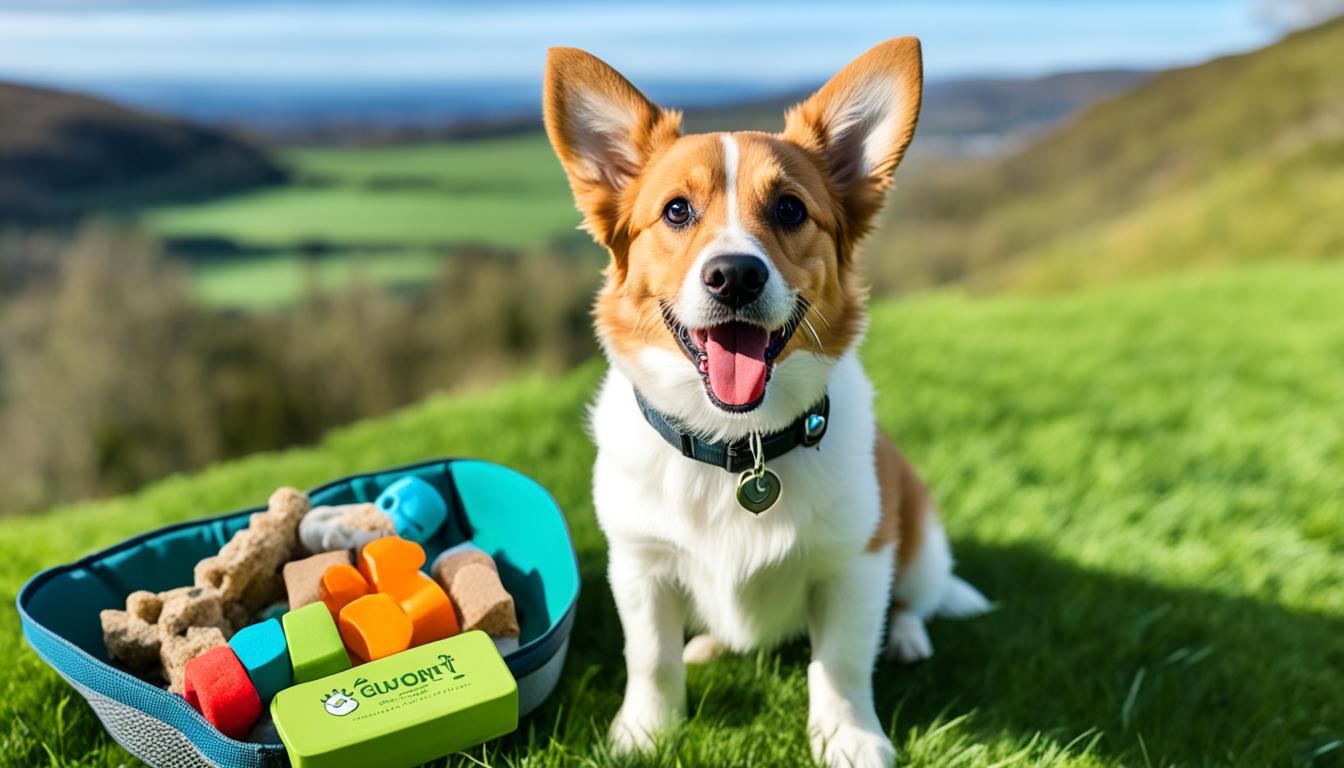

Have you ever wondered what goes on in the mind of your beloved Welsh Pup? How do their habits and behaviors shape their unique personality? In this article, we will delve into the fascinating world of Welsh Pups, exploring their behavior patterns and providing insights into their psychology. Understanding your Welsh Pup’s mind and habits is key to developing a strong bond, effective training, and ensuring their mental well-being.
Key Takeaways:
- Explore the mind and habits of Welsh Pups to deepen your understanding of their behavior.
- By interpreting their body language, you can predict their behavior and prevent potential issues.
- Learn effective training techniques that are tailored to the unique psychology of Welsh Pups.
- Discover the personality traits that make Welsh Pups such delightful companions.
- Consider the exercise needs, barking tendencies, and compatibility with children before deciding if a Welsh Pup is the right fit for you.
Dog Body Language: Tail-wagging and its Meaning
Tail-wagging is a common body language signal displayed by dogs and is often considered a clear indicator of their emotions. However, it can be easily misinterpreted if not properly understood. Contrary to popular belief, a wagging tail does not always mean a dog is happy or friendly; it simply indicates emotional arousal. Dogs wag their tails to communicate various emotions, including excitement, frustration, or even aggression.
To accurately interpret a dog’s tail wag, it is essential to consider the speed, direction, and position of the wag. These factors provide valuable insights into their emotional state and can help prevent misunderstandings or potential conflicts.
A relaxed dog typically exhibits a slow, side-to-side tail wag, indicating a calm and contented state. In contrast, a faster and more twitch-like wag suggests higher arousal and increased emotional intensity.
The direction of the tail wag also holds significance. When a dog wags its tail more to the right side of its body, it generally indicates positive emotions, such as friendliness or happiness. On the other hand, a tail wagging more to the left side may signify negativity or apprehension.
Moreover, the position of the tail relative to the ground offers further insights into a dog’s emotional state. A higher tail position, held upright or even raised, often conveys confidence and assertiveness. Conversely, a low tail position indicates fear, stress, or submission.
Understanding the nuances of tail-wagging and its interpretation is vital for effective communication with dogs. By paying attention to the speed, direction, and position of their tail, we can gain a deeper understanding of their emotions and respond appropriately, ensuring positive interactions and strengthening our bond with our canine companions.
| Emotional State | Speed of Tail Wag | Direction of Tail Wag | Position of Tail |
|---|---|---|---|
| Relaxed or Content | Slow, side-to-side wag | More to the right | Medium to high |
| Excited or Aroused | Faster, twitch-like wag | Can vary | Medium to high |
| Fearful or Stressed | Slow or fast wag | More to the left | Low to medium |
| Aggressive or Threatened | Fast, stiff wag | More to the left | Low or tucked |
Dog Body Language: Raised Hackles and Posture
Understanding dog body language is essential for effective communication with our furry companions. Raised hackles, also known as piloerection, is a clear indication of arousal in dogs. When a dog’s hackles are raised, it can signify various emotions such as upset, stress, excitement, or intense interest. This physiological response causes the hairs on the dog’s neck, back, and tail to stand upright, creating a visible and palpable change in their appearance.
Another important aspect of dog body language is their posture. A dog’s posture can provide valuable insights into their mood and intention. For example, a hunched or cowering posture indicates fear or stress, while rolling onto their back exposes their vulnerability and is a submissive behavior often referred to as appeasement. On the other hand, a dog with their weight shifted forward is displaying a forward-leaning, alert posture, indicating their interest or potential offensive intentions.
Additionally, there are other significant body language signals to be aware of. The play bow, where a dog lowers their front half while keeping their hind end elevated, is a universal invitation to play and interact. This gesture is often accompanied by a wagging tail and enthusiastic body movements.
Furthermore, a dog may raise their paw, sometimes just slightly off the ground, as a sign of uncertainty or insecurity. This behavior can occur in various situations, such as when they encounter something new or feel unsure about their surroundings.
By observing and understanding these body language cues, pet owners can better interpret their dog’s emotions and respond appropriately. It allows us to develop a deeper bond with our furry friends, predict their behavior, and prevent potential problems by addressing their needs and concerns.

As responsible dog owners, it’s our duty to familiarize ourselves with the various aspects of dog body language. By doing so, we can communicate effectively with our four-legged companions, making their lives more fulfilling and enriching.
Dog Body Language: Facial Expressions and Eye Contact
Dogs have their own unique way of expressing themselves through facial expressions and eye contact. Understanding these non-verbal cues is essential for effective communication with our furry friends.
Facial expressions are a crucial part of dog body language. Just like humans, dogs use their facial muscles to convey various emotions and intentions.
“Dogs can communicate a wide range of emotions through their facial expressions. By observing their expressions closely, we can better understand what they’re feeling.”
One interesting facial expression in dogs is yawning. While we often associate yawning with tiredness or boredom, dogs use it as a calming signal. When a dog is stressed or feeling tense, they may yawn to comfort themselves or diffuse tension in a situation.
Another important facial cue is lip-licking. Dogs often lick their lips when they feel uncomfortable or anxious in a specific context. It could be a way of alleviating stress or reflecting their uneasiness.
Smiling is yet another facial expression in dogs, but it’s different from a human smile. In dogs, a smile is a submissive grin that indicates happiness and a friendly attitude. It’s a sign that they are relaxed and content in their environment.
Eyes also play a significant role in dog communication. The way a dog uses their eyes can reveal a lot about their emotional state and intentions.
Soft eyes are a positive sign and indicate calmness and happiness. When a dog has soft eyes, they are in a relaxed and friendly state of mind, allowing for positive interactions.
Conversely, hard eyes can signify a negative state of mind. A dog with hard eyes may be feeling defensive, aggressive, or fearful. It’s important to approach a dog with hard eyes cautiously and give them space.
The whites of a dog’s eyes, known as “whale eyes,” can also give us insights into their emotional state. When a dog shows the whites of their eyes, it’s an indication of anxiety or stress. It’s essential to address the source of their discomfort to ensure their well-being.
Finally, eye contact is a critical part of dog communication. Dogs use eye contact to convey various messages and establish social hierarchies. It’s a way for them to assert dominance or submission, depending on the situation and the individuals involved.
It’s important to note that prolonged and direct eye contact can sometimes be perceived as a threat, particularly between unfamiliar dogs or in certain contexts. However, for dogs who have a close bond with their human guardians, eye contact can be a positive and endearing form of connection.

Facial Expressions and Eye Contact: A Summary
To summarize, dogs communicate a great deal through their facial expressions and eye contact. Yawning and lip-licking are stress signals, while a submissive grin indicates happiness. Soft eyes reflect calmness and contentment, while hard eyes suggest a negative emotional state. The whites of the eyes, or “whale eyes,” may indicate anxiety or stress. Understanding these facial expressions and eye contact can help us better understand our canine companions and strengthen our bond with them.
Understanding the Personality of Welsh Pups
Welsh Pups are known for their unique and captivating personalities. As descendants of working dogs, they possess a delightful combination of traits that make them truly special companions. But what exactly sets them apart? Are they as cheerful and playful as they seem, or do their independent and strong-willed nature pose challenges in training?
Get ready to explore the intriguing personality of Welsh Pups and discover what makes them tick. From their cheerful temperament and playful nature to their independence and eager-to-please attitude, we’ll uncover the many facets of their character. And let’s not forget their great sense of humor—a quality that brings endless joy to their owners.

Key Takeaways:
- Welsh Pups have a cheerful temperament and an innate playfulness that brings joy to their owners.
- They are independent and strong-willed, often forming their own set of rules.
- Welsh Pups are eager to please, making them highly trainable and responsive to positive reinforcement.
- Don’t be fooled by their small stature—their adaptability and great sense of humor make them a big dog on short legs.
Welsh Pup Activity Level and Exercise Needs
Welsh Pups are known for their high energy level and enthusiasm for activities. To keep them happy and healthy, it is important to provide them with moderate exercise on a daily basis. These energetic pups are eager to please and enjoy participating in both physical and mental activities.
Daily walks are essential for Welsh Pups to burn off energy and maintain their overall fitness. This allows them to explore their surroundings and stimulates their senses. Playtime in the yard is another great way to engage Welsh Pups in physical exercise, allowing them to run, chase, and play fetch.
In addition to physical exercise, Welsh Pups benefit greatly from mental stimulation. Engaging them in tasks that challenge their intelligence and problem-solving abilities helps keep their minds sharp. Agility training is a fantastic activity that not only provides mental stimulation but also satisfies their need for a job. This type of training incorporates physical exercise, mental tasks, and teamwork.
It is important to provide Welsh Pups with a variety of energy-burning activities. Daily walks, playtime, and mental tasks should be incorporated into their routine to ensure their overall well-being. Giving them both physical and mental outlets helps prevent boredom and the development of destructive behaviors.
Remember, Welsh Pups are eager to please and thrive when engaged in activities that challenge them. By considering their activity level and exercise needs, you can ensure a happy and healthy life for your furry friend.

| Exercise Requirements | Activity Level |
|---|---|
| Moderate Exercise | High |
| Recommended Activities |
|
| Benefits |
|
Training a Welsh Pup: Intelligence and Willfulness
Training a Welsh Pup can be a rewarding experience, but it requires understanding their unique characteristics. Welsh Pups are known for their intelligence and problem-solving abilities, making them highly trainable. However, their independent and willful nature can present challenges.
To effectively train a Welsh Pup, it’s important to establish a firm hand and consistent rules. They respond well to positive reinforcement, so using rewards and praise will motivate them to learn and obey commands. Obedience training is crucial in establishing your leadership role and preventing them from developing their own habits.
Welsh Pups thrive in an environment where they are given opportunities to engage their minds. Providing mental stimulation through interactive toys, puzzles, and training sessions will help channel their energy and prevent boredom. These activities also tap into their problem-solving abilities, keeping them mentally sharp and eager to learn.
Confidence is key when training a Welsh Pup. They respond best to owners who display assertiveness and consistency. Establishing yourself as a confident leader will earn their respect and cooperation, making the training process smoother and more effective.
Positive Reinforcement and Consistency
When training a Welsh Pup, positive reinforcement is essential. Rewarding desired behaviors with treats, praise, and playtime will motivate them to repeat those behaviors. Consistency is equally important, as Welsh Pups thrive when they understand and can anticipate the rules. Consistently applying the same commands and expectations will solidify their understanding and encourage obedience.
Problem-Solving Abilities
Welsh Pups have remarkable problem-solving abilities. They excel at figuring out solutions to challenges and can continue learning throughout their lives. Engaging them in activities that require problem-solving, such as treat-dispensing toys or agility training, will keep them mentally stimulated and prevent boredom.
“Training a Welsh Pup requires a firm hand, positive reinforcement, and consistent rules. Their intelligence and problem-solving abilities make training an exciting and rewarding endeavor.”
Building Confidence
Building your Welsh Pup’s confidence is essential for successful training. Exposing them to new environments, people, and situations from an early age will help them become more adaptable and confident. Socialization is key, as it helps them feel comfortable and reduces anxiety in various settings.
Understanding Willfulness
Welsh Pups can be independent and willful, which means they may challenge authority and try to assert their own rules. It is important to remain calm and assertive, reinforcing the consistent rules you have established. With patience and perseverance, you can overcome their willful nature and build a strong bond based on trust and respect.
Training a Welsh Pup requires time, effort, and consistency. With the right approach and positive reinforcement, you can shape them into well-behaved and obedient companions. Their intelligence and problem-solving abilities offer endless opportunities for growth and learning, creating a fulfilling training experience for both you and your Welsh Pup.
Welsh Pup Barking and Separation Anxiety
Welsh Pups have a reputation for their barking tendencies, thanks to their alertness and territorial behavior. To address this issue, it’s important to provide proper socialization and training from an early age.
Excessive barking can be minimized through consistent training and positive reinforcement techniques. By gradually exposing your Welsh Pup to different sounds and environments, they can become less sensitive to stimuli and exhibit less barking behavior.
Separation anxiety is a common concern for Welsh Pups. When left alone for long periods, they may become anxious and even exhibit destructive behavior. Gradual training can help prevent separation anxiety, ensuring a smoother transition when you’re away.
Proper socialization should include exposing your Welsh Pup to various situations, people, and other animals. This helps them become more comfortable with their surroundings and reduces their anxiety levels.
Remember: Welsh Pups need regular exercise and mental stimulation to keep them occupied and prevent boredom, which can contribute to excessive barking. Providing them with activities and sufficient attention can help alleviate their separation anxiety.
Training your Welsh Pup to manage their barking and cope with separation can greatly improve their overall well-being.
Proper socialization and training play crucial roles in managing Welsh Pup barking and separation anxiety. By addressing these issues early on and providing the necessary attention and care, you can help your Welsh Pup lead a happier and more balanced life.
Welsh Pups and Children
Welsh Pups can have a complex relationship with children, requiring careful consideration before bringing them into a household with young kids. While they can form loving bonds with children, certain behaviors and instincts may present challenges when it comes to their interaction.
Nipping Behavior and Dominance
Due to their herding instincts, Welsh Pups may exhibit dominance behaviors and nip at small children, especially those under the age of five. This behavior is rooted in their natural inclination to control movement and maintain order. While it can be managed through training and supervision, it’s important to be aware of this tendency.
Welsh Pups have herding instincts that can result in dominance and nipping behaviors towards small children.
Agitation and Chasing
Welsh Pups can become agitated by the unpredictable movements and high-pitched shrieking that often accompany young children’s play. This agitation may trigger their herding instincts, leading to nipping or attempts to corral the children. Close supervision is essential during playtime to ensure the safety of both the Welsh Pup and the children.
Supervision is crucial to prevent agitation and the potential for chasing and nipping behavior.
Parent Temperament Consideration
When considering adopting a Welsh Pup, it’s important to assess the temperament of the parents with regards to children. While Welsh Pups can be trained and managed, it’s essential to have adults in the household who are patient, calm, and able to provide consistent guidance and training.
Parent temperament is a crucial factor to consider when adopting a Welsh Pup, as it can impact their relationship with children.
Waiting Until Children Are Older
In some cases, it may be advisable to wait until children are older before introducing a Welsh Pup into the family. By waiting until children have developed better impulse control and can avoid behaviors that may trigger the Welsh Pup’s herding instincts, a healthier and safer relationship can be fostered.
Supervision and Training
Supervision and consistent training are key when managing the relationship between Welsh Pups and children. With careful guidance and positive reinforcement, the Welsh Pup can learn appropriate behavior and interactions with children.
Supervision and training are crucial for ensuring a harmonious relationship between Welsh Pups and children.
Welsh Pups and Children – Recommended Approach
| Recommendations | Explanation |
|---|---|
| Supervision | Always supervise interactions between Welsh Pups and children to prevent any potential incidents or accidents. |
| Training | Consistent and positive training should be provided to the Welsh Pup to establish appropriate behavior and boundaries around children. |
| Consider Parent Temperament | Assess the temperament of parents in the household, as their patience and calmness will significantly contribute to managing the relationship. |
| Waiting Period | Consider waiting until children are older, with better impulse control and understanding of interacting with dogs, to create a safer environment. |
Welsh Pups and children can form wonderful bonds when given the right circumstances and careful attention. It’s essential to understand the unique temperament of Welsh Pups and provide the necessary training and supervision to ensure a positive and safe experience for everyone involved.
Pros and Cons of Choosing a Welsh Pup
Welsh Pups have a range of qualities that make them a popular choice for dog owners. Let’s explore the pros and cons of welcoming a Welsh Pup into your home.
Pros: Spirited and Athletic
Welsh Pups are known for their high energy levels and spirited nature. They are athletic and love engaging in physical activities with their owners. Whether it’s running, playing fetch, or going on hikes, Welsh Pups will always keep you on your toes.
Pros: Adaptability
Welsh Pups are highly adaptable and can adjust to various living situations. Whether you have a spacious backyard or live in an apartment, they can thrive in different environments. Their flexibility makes them suitable for families with varying lifestyles.
Pros: Polite with Guests
Welsh Pups are generally polite and friendly towards guests. They exhibit good manners and know how to behave in social settings. This makes them an excellent choice for those who frequently have visitors or enjoy entertaining.
Pros: Sensible Watchdog
Welsh Pups have a sensible watchdog instinct. They are naturally alert and will notify you of any potential dangers or unfamiliar activities in their surroundings. Their vigilance makes them reliable and dependable watchdogs.
Pros: Interaction with Other Pets
With proper socialization, Welsh Pups can get along well with other pets. Whether you have cats, other dogs, or small animals, they can learn to live harmoniously with their furry companions, creating a peaceful and joyful household.
Cons: Territorial Behavior
One of the challenges of owning a Welsh Pup is their tendency to exhibit territorial behavior. They may feel the need to protect their living space and belongings, which can result in barking or defensive actions. Consistent training and socialization can help manage and minimize territorial tendencies.
Cons: Independent Mind
Welsh Pups have an independent streak and may not always follow instructions without question. They possess a strong sense of individuality and may challenge authority if they feel it is necessary. Patient and consistent training is essential to establish clear boundaries.
Cons: Barking Tendencies
Welsh Pups can be vocal and have a tendency to bark more than other breeds. They may use barking as a way to communicate, express their needs, or alert their owners. Early training and positive reinforcement techniques can help manage their barking tendencies.
Cons: Shedding
It’s important to note that Welsh Pups shed heavily. Regular grooming and cleaning are necessary to keep their coat in top condition and minimize shedding throughout the house. Be prepared for regular brushing and occasional trips to the groomer.
When considering a Welsh Pup as your furry companion, it’s important to weigh these pros and cons. Their spirited and athletic nature, adaptability, and polite demeanor make them a wonderful addition to many households. However, their territorial behavior, independent mind, barking tendencies, and shedding should also be taken into account. Ultimately, the decision to bring a Welsh Pup into your life should be based on your lifestyle, patience, and commitment to training and care.
Is a Welsh Pup Right for You?
Choosing the perfect dog breed to bring into your home requires careful consideration. Each breed has its unique characteristics and requirements that may or may not align with your lifestyle. If you’re considering a Welsh Pup as your new furry companion, you need to be prepared for their distinct traits and needs. Are you ready to provide the mental stimulation they crave? Can you handle their independent mind and occasional territorial aggression? Let’s explore what it takes to be a Welsh Pup owner and answer the question: Is a Welsh Pup the right fur baby for you?
Key Takeaways:
- Welsh Pups require mental stimulation and productive activities to prevent destructive behavior.
- Some Welsh Pups may display territorial aggression towards other dogs and cats.
- They have an independent mind and require a confident owner to establish and enforce rules.
- Welsh Pups can exhibit chasing behavior and have a tendency to bark excessively.
- Regular grooming is necessary to manage their heavy shedding.
Conclusion
Understanding and interpreting the body language of your Welsh Pup is crucial for effective communication and developing a deeper bond. By observing their body language cues, such as tail wagging, raised hackles, posture, facial expressions, and eye contact, you can better predict their behavior and prevent potential problems.
Welsh Pups have unique personality traits and adaptability that should be taken into consideration when deciding if they are the right companion for you. Their cheerful temperament, playful nature, and eagerness to please make them delightful pets. However, their independent mind and tendency to bark excessively should also be considered.
Proper training and behavior management are essential for a harmonious relationship with your Welsh Pup. Positive reinforcement, consistent rules, and obedience training can help establish a strong bond and ensure their problem-solving abilities are channeled appropriately. However, it’s important to weigh the pros and cons to determine if a Welsh Pup aligns with your lifestyle and preferences.
In conclusion, understanding your Welsh Pup’s body language, developing a deeper bond, predicting behavior, preventing problems, and considering their unique personality traits and adaptability are key to a successful and fulfilling relationship. With the right training and behavior management, a Welsh Pup can bring immense joy and companionship into your life.
FAQ
How can I understand my Welsh Pup’s body language?
What does tail-wagging indicate in Welsh Pups?
What does raised hackles and posture mean in Welsh Pups?
How can I interpret my Welsh Pup’s facial expressions and eye contact?
What are the personality traits of Welsh Pups?
How much exercise do Welsh Pups need?
Are Welsh Pups easy to train?
How can I prevent excessive barking and separation anxiety in Welsh Pups?
Are Welsh Pups suitable for families with young children?
What are the pros and cons of choosing a Welsh Pup as a pet?
Is a Welsh Pup suitable for me?
Source Links
- https://www.akc.org/expert-advice/advice/how-to-read-dog-body-language/
- https://canna-pet.com/articles/corgi-personality/
- https://www.yourpurebredpuppy.com/reviews/pembrokewelshcorgis.html

Carlos is the passionate founder and primary author behind “CorgisCorner.com,” a website dedicated to all things related to the beloved Corgi breed. Born and raised in a small town known for its strong sense of community and love for animals, Carlos developed a deep affection for Corgis from a young age. This love was sparked by his childhood companion, a spirited and loyal Corgi named Toby, who was a constant source of joy and friendship.