

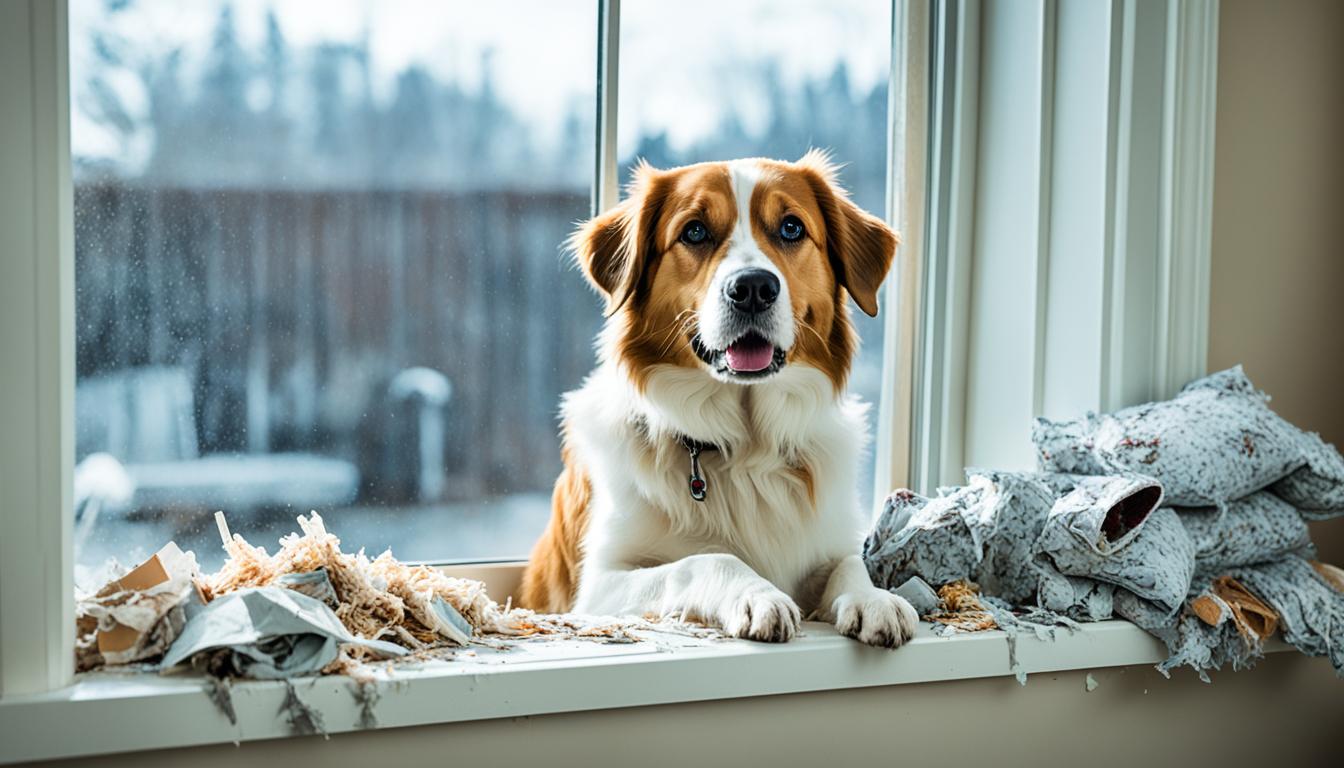

Does your furry friend suffer from separation anxiety? Are you tired of coming home to a house filled with destruction? It’s time to put your dog’s anxiety to the test. Take our quick quiz and discover personalized solutions to help your pet conquer separation anxiety once and for all.
Separation anxiety in dogs can be a challenging issue that affects both pets and their owners. Dogs with separation anxiety may display behaviors such as excessive barking, attempts to escape, destructiveness, potty accidents, and excessive greetings. Understanding the causes and finding effective solutions is key to improving your dog’s well-being and creating a harmonious home environment.
To take the quiz and receive a customized report with separation anxiety solutions tailored to your dog’s needs, click the button below:
Key Takeaways:
- Separaion anxiety in dogs can cause distress for both pets and owners.
- Dogs with separation anxiety may exhibit behaviors like excessive barking, attempts to escape, destructiveness, and potty accidents.
- Understanding the causes of separation anxiety is essential for finding effective solutions.
- Take our quick quiz to receive personalized solutions for your dog’s separation anxiety.
- Addressing separation anxiety requires patience, consistency, and potentially seeking professional guidance.
Understanding Separation Anxiety in Dogs
Separation anxiety in dogs is a common issue that affects many furry friends and their owners. When dogs experience separation anxiety, they become excessively attached to their owners and feel extreme distress when left alone. Understanding the symptoms, causes, and effects of this condition is crucial in providing the right support for your beloved pet.
Symptoms of Separation Anxiety in Dogs:
- Vocalizing: Dogs with separation anxiety may bark, howl, or whine excessively when left alone.
- Escaping: Some dogs may attempt to escape by digging, scratching doors, or breaking through windows.
- Destructiveness: Dogs may engage in destructive behaviors, such as chewing furniture, scratching walls, or tearing up belongings.
- Pacing: Restlessness and constant pacing are common signs of separation anxiety.
- Panting: Dogs may exhibit excessive panting even when the temperature is cool.
- Self-harm: In severe cases, dogs may self-harm by biting or scratching themselves.
- Potty Accidents: Dogs with separation anxiety may have accidents indoors, even if they are house-trained.
- Watchful Waiting: Some dogs constantly monitor their owners’ movements and become anxious when they leave their line of sight.
- Excessive Greetings: Dogs may become overly excited and display exaggerated greetings when their owners return.
- Shadowing: Dogs may follow their owners incessantly, trying to maintain constant physical contact.
Causes of Separation Anxiety in Dogs:
- Moving to a New Home: The stress of adjusting to a new environment can trigger separation anxiety.
- Changes in the Family’s Routine: Dogs are creatures of habit, and sudden changes in their daily routine can lead to anxiety.
- Previous Abandonment or Rehoming: Dogs that have experienced abandonment or multiple home changes may develop separation anxiety.
- Genetic Predisposition: Some dog breeds are more prone to separation anxiety due to their genetic makeup.
It’s important to differentiate separation anxiety from other issues and rule out potential underlying medical conditions or general anxieties. If you suspect that your dog is experiencing separation anxiety, consult with a veterinarian or certified animal behaviorist for a proper diagnosis and advice on how to best support your furry friend’s well-being.
Comparing Symptoms and Causes of Separation Anxiety in Dogs
| Symptoms | Causes |
|---|---|
| Vocalizing | Moving to a new home |
| Escaping | Changes in the family’s routine |
| Destructiveness | Previous abandonment or rehoming |
| Pacing | Genetic predisposition |
| Panting | |
| Self-harm | |
| Potty Accidents | |
| Watchful Waiting | |
| Excessive Greetings | |
| Shadowing |
Assessing Your Dog’s Separation Anxiety
To determine the severity of your dog’s separation anxiety, it’s essential to assess their behaviors and reactions. By closely observing how your dog behaves when you’re not present, you can gain valuable insights into the extent of their anxiety and take appropriate steps to alleviate their distress. Here are some key factors to consider when evaluating your furry friend’s separation anxiety:
- Intensity of behaviors: Take note of the intensity of your dog’s anxious behaviors, such as excessive barking, pacing, or destructive actions. This will help you gauge the level of distress they experience during your absence.
- Duration of anxiety: Pay attention to how long your dog exhibits signs of anxiety after you leave. If their distress persists for extended periods, it may indicate a more severe case of separation anxiety.
- Ability to settle: Observe whether your dog can eventually settle down and relax after you’ve been gone for a while. Dogs with milder separation anxiety may be able to calm themselves after an initial period of distress.
- Level of concern or worry: Assess your own level of concern or worry regarding your dog’s separation anxiety. This can be a valuable indicator of the impact it has on both you and your pet’s well-being.
By conducting this assessment, you’ll be better equipped to understand the extent of your dog’s separation anxiety and tailor a suitable approach to address their needs.
“Understanding the behaviors and reactions exhibited by your dog in your absence is crucial to devising effective strategies for managing their separation anxiety.”
Prevention and Management of Separation Anxiety
To ensure a happy and stress-free environment for your furry friend, it’s essential to take proactive steps in reducing and preventing separation anxiety in dogs. By implementing the following strategies, you can help alleviate separation anxiety symptoms and promote a calm state of mind for your beloved companion.
Building a Positive Association
Creating a positive association with your departure is crucial in reducing separation anxiety. Make your departures and arrivals low-key to minimize anxiety levels. Avoid dramatic gestures or long goodbyes, as they can trigger anxiety in your dog. Instead, practice desensitization by gradually increasing the time you spend away, starting with short absences and gradually lengthening them over time. By associating your departures with positive experiences, such as leaving special treats or engaging in interactive play sessions, you can help your dog feel more at ease when left alone.
Providing Exercise and Mental Stimulation
Physical exercise and mental stimulation play a vital role in reducing separation anxiety in dogs. Regular exercise helps release excessive energy, leaving your dog feeling more content and relaxed. Engage in activities like daily walks, play sessions, or engaging in dog sports, such as agility or obedience training. Additionally, provide mental stimulation through puzzle toys, interactive games, and training sessions. Mental stimulation not only keeps your dog occupied but also helps divert their attention from anxious thoughts.
Socializing Your Dog
Socialization plays a crucial role in preventing separation anxiety in dogs. Expose your dog to different environments, people, and animals from an early age. This helps build their confidence and decreases the likelihood of anxiety when faced with new situations or separations. Encourage positive interactions with other dogs and humans, providing your dog with the opportunity to develop strong social bonds and feel comfortable in various settings.
Consider Crate Training
Crate training can be an effective tool in managing separation anxiety. Dogs are den animals by nature and often feel safe and secure in enclosed spaces. Introduce crate training gradually, making the crate a positive and comfortable environment for your dog. Use treats, toys, and bedding to make it a cozy retreat. Crate training can create a sense of security for your dog and provide them with a designated space where they can relax and feel protected when you’re away.

Engage in Training Techniques
Incorporating training techniques, such as clicker training or agility exercises, can help mentally stimulate your dog and redirect their focus from separation anxiety. Clicker training, which involves using a clicker to mark desired behaviors, can help reinforce positive behaviors and promote obedience. Agility exercises provide a fun and interactive way to engage your dog’s mind and body while building their confidence and creating a calm state of mind.
By implementing these strategies, you can reduce and prevent separation anxiety in your dog, creating a much happier and well-adjusted furry friend.
Treatment Options for Separation Anxiety
Treating separation anxiety in dogs requires a comprehensive approach that combines behavioral modification techniques, medication, and other therapies. A tailored treatment plan, created in consultation with a veterinarian or certified behavior consultant, can help alleviate your dog’s distress and improve their overall well-being.
Counter Conditioning and Desensitization
Counter conditioning and desensitization are effective techniques for treating separation anxiety in dogs. These methods involve gradually exposing your dog to the triggers of their anxiety and helping them associate these triggers with positive experiences or emotions. Through repeated exposure, your dog can learn that being alone is not something to fear.
For example, you can start by practicing short periods of separation while providing your dog with a special treat or toy. Over time, increase the duration of your absences and continue to reward your dog for calm behavior. By gradually building up their tolerance to being alone, you can help reduce their anxiety.
Medication for Separation Anxiety
In severe cases of separation anxiety, medication may be necessary to manage your dog’s anxiety symptoms. Your veterinarian may prescribe medications such as amitriptyline or alprazolam, which can help reduce anxiety and promote relaxation.
It’s important to note that medication should always be used in combination with behavioral modification techniques and under the guidance of a professional. Dosages and treatment plans should be carefully tailored to your dog’s individual needs.
Other Therapies
In addition to counter conditioning, desensitization, and medication, there are other therapies that can provide relief for dogs with separation anxiety. These include:
- Calming wraps or vests: These products apply gentle pressure to your dog’s body, similar to the effect of a comforting hug.
- Supplements: Natural supplements, such as chamomile or melatonin, can help promote relaxation and reduce anxiety.
- Pheromones: Products that release calming pheromones, such as synthetic versions of the pheromones produced by mother dogs, can help create a soothing environment for your dog.
- Technology devices: Innovative solutions, such as interactive toys or cameras that allow you to monitor and interact with your dog remotely, can provide mental stimulation and alleviate loneliness.
These therapies can be used in conjunction with other treatment methods to enhance their effectiveness. Discuss these options with your veterinarian to determine which therapies may be suitable for your dog’s specific needs.

By implementing a comprehensive treatment plan that includes behavioral modification techniques, medication if necessary, and other therapies, you can help your dog overcome separation anxiety and improve their quality of life. Remember to be patient and consistent, as progress may take time. With the right approach and professional guidance, you can make a positive difference in your dog’s well-being.
Solutions for Solving Separation Anxiety
When it comes to addressing separation anxiety in dogs, there are various solutions available that can help ease their distress. It’s essential to find effective and long-lasting solutions that suit your furry friend’s needs and ensure their well-being. Two notable options are Calmer Canine® and compression wearables.
Calmer Canine®: Proven Relief for Separation Anxiety

One effective solution for tackling separation anxiety is Calmer Canine®, a technology that has been scientifically proven to reduce anxiety in humans and has shown significant improvement in dogs with separation anxiety. This innovative device uses targeted neurostimulation to provide relief and create a calming effect for your furry companion.
Calmer Canine® works by stimulating specific nerves in your dog’s neck, triggering the release of endorphins and promoting a state of relaxation. This non-invasive approach can help alleviate anxiety levels without the need for medication or other invasive procedures. It’s a safe and gentle solution, suitable for dogs of all sizes and breeds.
When considering separation anxiety solutions, it’s crucial to evaluate the lasting effectiveness, clinical proof, cost, potential side effects, and ease of use. Calmer Canine® offers a natural and drug-free approach, providing a long-lasting solution that can make a significant difference in your dog’s well-being.
Compression Wearables: Relieving Anxiety in Dogs
Another effective solution is the use of compression wearables, such as anxiety wraps. These specially designed garments apply gentle pressure to your dog’s body, simulating the feeling of being hugged or held. This pressure has been shown to reduce heart rate and relieve anxiety in dogs, providing a calming effect.
Compression wearables are available in various styles and sizes, ensuring a comfortable fit for your furry friend. They can be easily worn during periods of separation to help alleviate anxiety symptoms and promote a sense of security. It’s important to note that while compression wearables can be beneficial for many dogs, they may not be effective for all individuals.
When exploring separation anxiety solutions, consult with your veterinarian to determine the best approach for your specific dog. They can provide guidance, assess your dog’s anxiety levels, and recommend the most suitable solutions based on your pet’s needs and overall health.
Summary
Addressing separation anxiety requires finding effective solutions that can provide long-lasting relief for your beloved pet. Calmer Canine® and compression wearables, such as anxiety wraps, are two valuable options to consider. Calmer Canine® offers a scientifically proven technology that reduces anxiety in dogs, while compression wearables provide gentle pressure for a calming effect. When choosing a solution, it’s essential to evaluate factors such as effectiveness, clinical proof, cost, potential side effects, and ease of use. By finding the right solution, you can help your furry friend overcome separation anxiety and enjoy a happier, more well-balanced life.
Recognizing Puppy Separation Anxiety
Separation anxiety isn’t exclusive to adult dogs. Puppies can also experience this distressing condition when separated from their owners. Recognizing the signs of separation anxiety in puppies is crucial for early intervention and prevention.
Puppy separation anxiety may manifest through various anxious behaviors, including:
- pacing
- whining
- trembling
- excessive barking
- destructive behavior
- accidents
- attempts to escape

These signs indicate that your puppy is experiencing distress when separated from you. Fortunately, there are steps you can take to prevent separation anxiety in puppies and help them feel more secure when alone.
Solid Preventive Measures for Separation Anxiety
To prevent separation anxiety in puppies, consider implementing the following preventive measures:
- Crate training: Introduce your puppy to crate training early on. A crate can provide them with a secure and comfortable space that simulates a den-like environment.
- Socialization: Ensure your puppy receives adequate socialization with other dogs and various environments to build confidence and reduce anxiety.
- Maintaining a consistent schedule: Establish a consistent routine for feeding, playtime, and rest. Predictability helps puppies feel secure.
- Mental and physical exercise: Engage your puppy in activities that challenge their mind and body, such as puzzle toys, obedience training, and interactive play sessions.
By implementing these preventive measures, you can help your puppy develop resilience and minimize the risk of separation anxiety. Remember, addressing separation anxiety in its early stages is pivotal for your puppy’s well-being and long-term behavior.
Causes of Puppy Separation Anxiety
Puppy separation anxiety can arise from various triggers that can disturb their sense of security and lead to distress and anxiety when left alone. It is important to identify these causes to effectively prevent and address separation anxiety in puppies.
Being Rehomed
When a puppy is rehomed, they experience significant changes in their environment and the people around them. Being separated from their previous owners and familiar surroundings can be overwhelming, causing anxiety and insecurity.
Changes in the Family or Environment
Puppies are sensitive to changes in their family dynamics and living environment. Events like marriage or the arrival or departure of family members can disrupt their routine and familiarity, triggering separation anxiety.
Traumatic Experiences
Puppies who have experienced traumatic events, such as abuse or abandonment, are more prone to separation anxiety. These negative experiences can affect their trust and make them more fearful when left alone.
Lack of Experience Being Left Alone
Puppies who have not been gradually introduced to being alone may react with anxiety when faced with their first experiences of separation. They may become overly reliant on their owners and struggle to cope with solitude.
Genetic Predisposition
Some puppies may have a genetic predisposition to anxiety and stress, including separation anxiety. Certain breeds are more susceptible to this condition, so understanding your puppy’s breed traits can provide insights into their potential vulnerability to separation anxiety.
Moving to a New Home
Relocating to a new home can be a significant stressor for puppies. The unfamiliar surroundings, new smells, and changes in routine can contribute to separation anxiety.
Schedule Changes
Alterations in your puppy’s daily routine or inconsistent schedules can disrupt their sense of predictability, leading to anxiety when left alone. Puppies thrive on routine and structure, so sudden changes can trigger separation anxiety.
Family Changes
Changes within your family unit, such as the arrival or departure of family members, can create an unstable environment for puppies. These changes can result in feelings of insecurity and contribute to separation anxiety.
By understanding these causes of puppy separation anxiety, you can take proactive measures to prevent and address this condition in your furry companion.
Strategies for Helping Puppies with Separation Anxiety
When it comes to helping puppies with separation anxiety, there are several strategies that can make a significant difference in their well-being. By providing them with confidence-building activities, socialization opportunities, and positive associations with alone time, you can help ease their anxiety and promote a sense of security.
One effective way to build a puppy’s confidence is through interactive play. Engage in games that stimulate their mind and encourage physical activity. This not only provides mental and physical exercise but also helps distract them from separation anxiety-related distress. Additionally, training sessions can help redirect their focus and give them a sense of purpose.
Another strategy is to incorporate scent work into their routine. Scent-based activities, such as hiding treats or toys for them to find, can provide mental stimulation and create positive associations with being alone. This engages their natural instincts and helps alleviate anxiety.
Gradually desensitizing puppies to departure cues can also be beneficial. Start by creating simple cues, like picking up your keys or putting on your shoes, without actually leaving. Over time, gradually increase the intensity of these cues while ensuring your puppy remains calm and relaxed. This helps recondition their response to your absence and reduces anxiety triggers.
Providing regular exercise and mental stimulation is essential for puppies with separation anxiety. Physical exercise helps release excess energy, while mental stimulation engages their minds and keeps them occupied. Activities like puzzle toys, treat-dispensing toys, or interactive feeding games can help keep them entertained and reduce anxiety-induced behaviors.
Creating a positive departure routine is another helpful strategy. Establishing a routine that includes leaving special treats or toys can help your puppy associate your departure with positive experiences. By providing them with something enjoyable during your absence, you can help alleviate their anxiety and create positive associations with alone time.
If you find that your puppy’s separation anxiety persists or worsens, seeking professional help is a wise decision. A veterinarian or certified dog behaviorist can provide personalized guidance and suggest additional strategies or interventions that may be necessary to address your puppy’s specific needs.
| Strategies for Helping Puppies with Separation Anxiety |
|---|
| Provide confidence-building activities such as interactive play and training sessions. |
| Incorporate scent work into their routine through hiding treats or toys. |
| Gradually desensitize puppies to departure cues. |
| Ensure regular exercise and mental stimulation. |
| Create a positive departure routine by leaving special treats or toys. |
| Seek professional help if the puppy’s separation anxiety persists. |
Importance of Crate Training for Managing Puppy Separation Anxiety
Crate training is a crucial technique for effectively managing and preventing puppy separation anxiety. When used correctly, a crate provides a safe and secure space for puppies, helping them feel more comfortable and at ease when left alone. This can greatly reduce their anxiety levels and promote a sense of security.
One of the major benefits of crate training is that it establishes a designated space where your puppy can retreat to during times of separation. This creates a consistent and familiar environment, which can help alleviate anxiety and promote relaxation.
To ensure successful crate training for separation anxiety, it’s essential to approach it in a positive and gradual manner. Start by introducing the crate as a positive and rewarding space. Use treats, toys, and praise to associate the crate with positive experiences, and gradually increase the duration of time your puppy spends in the crate. This gradual approach allows your puppy to develop a positive association with the crate and reduces the likelihood of resistance or anxiety.
Monitoring your puppy’s behavior while in the crate is crucial. Pay attention to signs of stress or discomfort, such as excessive barking, whining, or attempting to escape. If you observe these behaviors, it may indicate that your puppy is experiencing excessive stress in the crate and adjustments may be necessary.
Benefits of Crate Training for Puppy Separation Anxiety:
- Provides a safe and secure space for puppies
- Establishes a consistent and familiar environment
- Promotes relaxation and reduces anxiety
- Aids in establishing a routine and structure
- Assists in potty training and preventing accidents
- Encourages independence and self-soothing skills
Remember, proper crate training should always be accompanied by positive reinforcement, patience, and consistency. It’s essential to create a positive association with the crate and ensure that your puppy feels safe and secure while inside. If you have any concerns or difficulties with crate training, consult a professional dog trainer or behaviorist for guidance and support.
Conclusion
Separation anxiety in dogs is a common issue that can significantly impact their well-being and the bond with their owners. It’s crucial for pet owners to understand the symptoms, causes, and treatment options for separation anxiety to proactively address their furry friend’s distress.
Prevention and early recognition play key roles in managing separation anxiety. Building confidence, providing mental and physical stimulation, and considering various solutions can help alleviate the symptoms in dogs and puppies. However, it’s important to remember that addressing separation anxiety requires patience, consistency, and the potential need for professional guidance in more severe cases.
By taking proactive steps and implementing these solutions, pet owners can create a more peaceful environment for their dogs, strengthen their bond, and promote their overall well-being. Remember, every dog is unique, and finding the right approach may require some trial and error. With dedication and a compassionate approach, separation anxiety can be managed effectively.
FAQ
What is separation anxiety in dogs?
What are the symptoms of separation anxiety in dogs?
What causes separation anxiety in dogs?
How can I assess my dog’s separation anxiety?
How can I prevent and reduce separation anxiety in my dog?
What are the treatment options for separation anxiety in dogs?
What solutions are available for solving separation anxiety in dogs?
Can puppies experience separation anxiety?
What causes separation anxiety in puppies?
How can I help my puppy with separation anxiety?
Is crate training effective for managing puppy separation anxiety?
What should I remember about separation anxiety in dogs?
Source Links
- https://assisianimalhealth.com/library__trashed/canine-separation-anxiety/
- https://nutrisourcepetfoods.com/blog/pet-parents/separation-anxiety-and-your-dog-how-bad-is-it-and-what-can-you-do-about-it/
- https://www.akc.org/expert-advice/training/dog-separation-anxiety/

Carlos is the passionate founder and primary author behind “CorgisCorner.com,” a website dedicated to all things related to the beloved Corgi breed. Born and raised in a small town known for its strong sense of community and love for animals, Carlos developed a deep affection for Corgis from a young age. This love was sparked by his childhood companion, a spirited and loyal Corgi named Toby, who was a constant source of joy and friendship.