

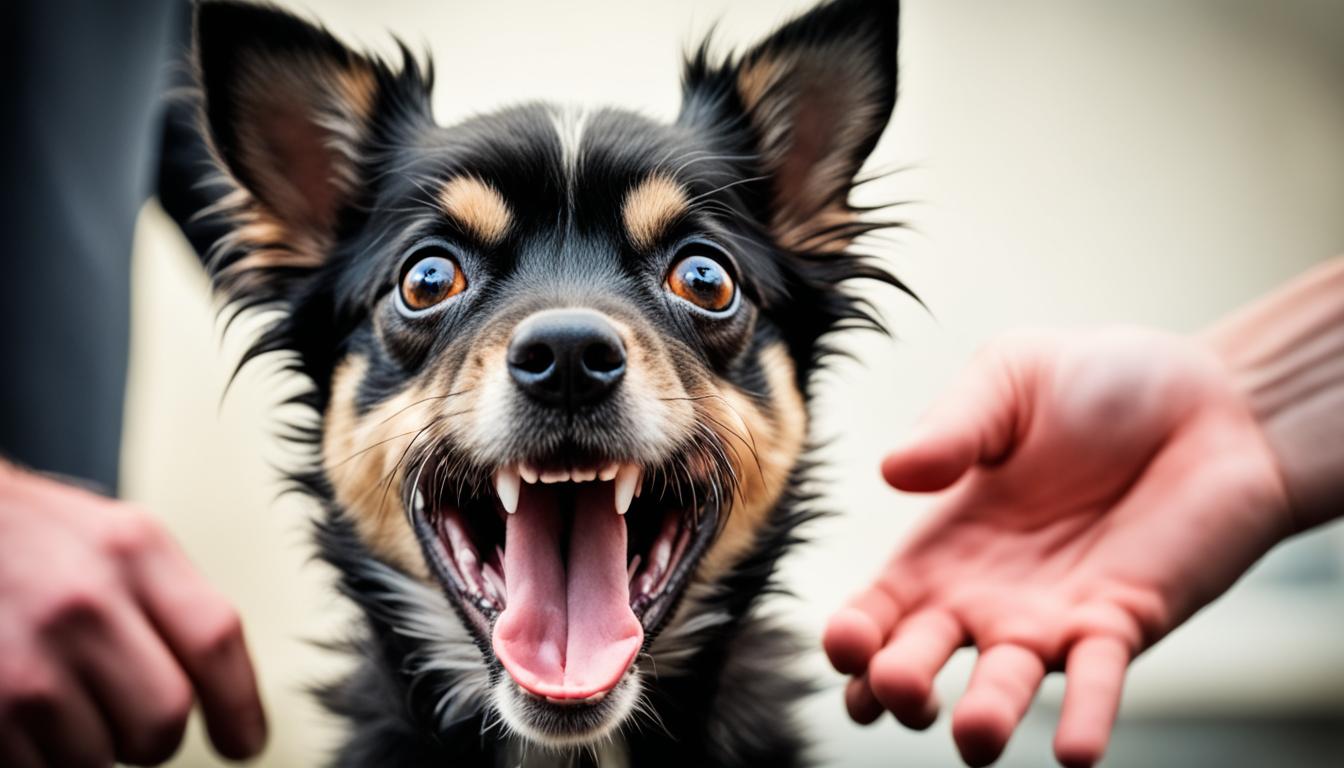

Does your adorable little puppy sometimes display aggressive behavior that worries you? You’re not alone. Many dog owners struggle with recognizing and addressing aggression in their furry friends. It’s time to put those worries to rest and gain a better understanding of your pup’s behavior.
In this article, we will delve into the common signs of aggression in puppies, explore the difference between aggression and playful behavior, uncover the reasons behind puppy aggression, and provide effective solutions for managing and addressing aggressive tendencies in your beloved pet.
Key Takeaways:
- Spotting aggression in puppies is an important skill every dog owner should possess.
- Knowing the difference between aggression and play is crucial for accurate identification.
- Understanding the underlying causes of puppy aggression helps in developing effective management strategies.
- Addressing and managing puppy aggression requires professional guidance and training techniques.
- By improving communication and understanding your dog’s emotions, you can create a harmonious environment.
Signs of Aggression in Puppies
It’s crucial to be able to identify the signs of aggression in your puppy. Understanding these signs will help you differentiate between normal play behavior and potentially aggressive behavior, allowing you to take appropriate action. Here are some common signs of aggression to watch out for:
- Freezing: Your puppy becomes rigid and motionless, signaling an intense focus on a potential threat.
- Growling: A low, rumbling sound emitted by your puppy, indicating their discomfort or warning to back off.
- Snarling: Your puppy raises their lips, exposing their teeth and emitting a threatening growl.
- Lip curling: The corners of your puppy’s lips curl up, revealing their teeth in a defensive posture.
- Hard stare: Intense eye contact with a fixed gaze, showing your puppy’s assertiveness or readiness to attack.
- Ears flattened back: Your puppy presses their ears tightly to their head, indicating fear or aggression.
- Forward body stance: The puppy shifts their body weight forward, positioning themselves for a potential attack.
- Hunched body posture: Your puppy crouches down with their back arched, signifying aggression or fear.
- Snapping and biting: Your puppy tries to bite or makes quick snapping motions, demonstrating a clear aggressive response.
These behaviors should not be dismissed as innocent play and should be taken seriously. If you observe these signs in your puppy, it’s essential to address and manage their aggression to ensure their well-being and the safety of those around them.
Differentiating Aggression from Play
Understanding the difference between aggression and play is essential when it comes to puppies. While they may engage in rough play that can mimic aggressive behavior, it’s important to recognize the key distinctions to ensure a safe environment for both your pup and others.
Aggressive behavior is characterized by intense growling, freezing, snapping, and a stiff body posture. These actions indicate a higher level of intensity and potential threat. On the other hand, playful behavior includes a looser body posture, play bows, and a more relaxed facial expression.
When observing your puppy, pay close attention to their body language and overall demeanor. Aggressive puppies often exhibit a tense and rigid posture, suggesting an intent to harm, whereas playful puppies have a more relaxed and fluid approach.
If your puppy is displaying aggressive behavior, it’s important to address it promptly to prevent any potential harm or escalating aggression.
In some cases, it can be challenging to differentiate between aggression and play, as they may appear similar to the untrained eye. However, knowing the specific cues and behaviors associated with each can help you accurately assess your puppy’s actions.
By understanding these distinctions, you can better manage your aggressive puppy’s behavior, provide appropriate training, and ensure a safe and enjoyable play environment for all.
| Aggressive Behavior | Playful Behavior |
|---|---|
| Intense growling | Loose body posture |
| Freezing | Play bows |
| Snapping | Relaxed facial expression |
| Stiff body posture |
It’s crucial to recognize and address aggressive puppy behavior to ensure the well-being of your furry friend and those around them. With proper training and guidance, you can help your puppy develop appropriate social skills and ensure a happy and well-adjusted life.

Reasons for Puppy Aggression
Puppy aggression can stem from various underlying causes. Understanding these causes is crucial in addressing and managing your pup’s aggressive behavior effectively.
1. Overstimulation and Lack of Sleep
Overstimulation and inadequate rest can contribute to irritability and snappiness in puppies. Just like humans, puppies need enough sleep and downtime to regulate their emotions and behavior. When puppies are exhausted or overwhelmed with stimuli, they may exhibit signs of aggression.
2. Resource Guarding
Resource guarding occurs when a puppy becomes protective of their possessions, such as toys, food, or favorite resting spots. It is a natural behavior but can escalate into aggression if not addressed. Puppies may growl, show their teeth, or even snap when someone tries to approach or take away their valued items.
3. Negative Experiences
Puppies can develop aggression as a result of previous negative experiences. Punishment for growling or showing signs of aggression can suppress their warning signals, leading to more intense and sudden outbursts. It’s essential to address aggressive behavior in a positive and non-threatening manner to prevent further escalation.
4. Fear-based Aggression
Fear-based aggression is a common cause of puppy aggression. Puppies may become aggressive when they feel threatened or scared. This aggression is a defense mechanism, and it’s important to provide a safe and secure environment to help your puppy feel less anxious and fearful.
5. Frustration and Territoriality
Puppies experiencing frustration or possessiveness over their space or territory may display aggressive behavior. They may growl, bark, or even bite when other animals or people invade their perceived territory. Proper socialization and boundary training can help mitigate these aggressive tendencies.
Understanding the reasons behind puppy aggression is a crucial step in addressing and managing it effectively. By identifying the underlying causes and providing the necessary training and support, you can create a safer and more harmonious environment for your furry friend.
| Cause of Puppy Aggression | Behavioral Manifestations |
|---|---|
| Overstimulation and Lack of Sleep | Irritability, snappiness |
| Resource Guarding | Growling, snarling, snapping |
| Negative Experiences | Intense and sudden outbursts |
| Fear-based Aggression | Defensive behavior, aggression when scared |
| Frustration and Territoriality | Growling, barking, biting when space or territory is invaded |
Dealing with Puppy Aggression
Addressing and managing puppy aggression is essential to maintain a safe and harmonious environment for both your pup and your family. Understanding the strategies to handle aggression is crucial in preventing future behavioral issues. One effective approach is to accurately identify the triggers that lead to your puppy’s aggression and develop a plan to desensitize them to those triggers.
By gradually exposing your puppy to the triggers in controlled situations, you can help change their emotional response and create positive associations. For example, if your puppy becomes aggressive when approached by strangers, start by introducing them to familiar faces and gradually progress to unfamiliar individuals.
When addressing puppy aggression, it is important to teach alternative behaviors to replace the aggressive ones. Rewarding your puppy for calm and appropriate behavior can reinforce positive habits while discouraging aggressive tendencies. This could include teaching your puppy commands such as “sit,” “stay,” and “leave it” to redirect their attention and diffuse potentially aggressive situations.
While puppy aggression training can be done independently, seeking professional help from a qualified dog trainer or behaviorist can provide additional guidance and expertise. They can assess your puppy’s specific needs, develop a customized training plan, and monitor progress to ensure effective results.
“Properly addressing aggression in puppies requires patience, consistency, and a thorough understanding of canine behavior. Seeking professional guidance can greatly enhance your training efforts and improve the overall well-being of your puppy.”
– Dr. Sarah Adams, Certified Dog Trainer

Common Types of Aggression in Dogs
Understanding different types of aggression in dogs is essential for recognizing and managing aggressive behaviors. Dogs, like humans, can exhibit various forms of aggression that are influenced by their genetics, environment, and experiences. By identifying the specific type of aggression a dog displays, owners can better address the root causes and implement appropriate training and management strategies. Here are some of the most common types of aggression in dogs:
Dog-Dog Aggression
Dog-dog aggression refers to aggressive behavior displayed towards other dogs. This can manifest as growling, snapping, lunging, or biting when in the presence of other canines. Dog-dog aggression can result from fear, territoriality, resource guarding, or a lack of proper socialization. It is important to manage this type of aggression to prevent potential conflicts and ensure the safety of all dogs involved.
Fear Aggression
Fear aggression occurs when a dog displays aggressive behavior as a result of fear or anxiety. Dogs with fear aggression may react defensively when faced with perceived threats, such as unfamiliar people, objects, or loud noises. This aggression is a defense mechanism aimed at keeping the perceived threat at a distance. Understanding and addressing the underlying fear is essential in managing fear aggression.
Predatory Aggression
Predatory aggression is instinctual behavior in which a dog exhibits aggression towards small animals or moving objects. Dogs with predatory aggression may lunge, chase, or even attack prey-like stimuli, such as squirrels, cats, or toys. This type of aggression is deeply rooted in a dog’s natural hunting instincts.
Territorial Aggression
Territorial aggression arises when a dog is protective of its perceived territory, such as its home, yard, or favorite resting spot. Dogs with territorial aggression may exhibit aggressive behaviors towards unfamiliar people or animals that enter their space. This type of aggression aims to establish boundaries and defend what the dog views as its territory.
Dominance Aggression
Dominance aggression occurs when a dog displays aggression towards individuals, usually within their human family or social group, in an attempt to establish dominance or control. Dogs with dominance aggression may exhibit assertive behavior, such as growling, nipping, or challenging behavior towards family members or other pets. Proper training and consistent leadership are crucial in managing dominance aggression.
By understanding these common types of aggression in dogs, owners can take appropriate steps to identify the triggers, implement training techniques, and manage aggressive behaviors effectively. Remember, consulting with a professional dog trainer or behaviorist can provide valuable guidance and support in addressing aggression issues in dogs.

| Aggression Type | Common Triggers | Management Strategies |
|---|---|---|
| Dog-Dog Aggression | Presence of other dogs, territoriality, fear |
|
| Fear Aggression | Unfamiliar people, objects, loud noises |
|
| Predatory Aggression | Small animals, moving objects |
|
| Territorial Aggression | Perceived intrusion in their territory |
|
| Dominance Aggression | Challenging situations within social group |
|
Recognizing Aggressive Dog Body Language

Dogs communicate primarily through body language, which includes facial expressions, postures, and vocalizations. Recognizing the signs of an aggressive dog is crucial for preventing potential conflicts and ensuring the safety of both humans and other animals. By understanding aggressive dog body language, you can take appropriate measures to avoid dangerous situations and protect yourself and your pets.
Here are some common signs of aggressive dog body language:
- Intense staring: A dog displaying aggression may fixate its gaze on a person or another animal, maintaining intense eye contact.
- Ears laid back or standing straight up: Dogs may pin their ears back against their head or hold them erect when showing aggression.
- Bared teeth or curled lips: Aggressive dogs often expose their teeth as a warning signal. The lips may be pulled back in a snarl.
- A guarding posture: An aggressive dog may assume a defensive stance, leaning forward with its weight on the front legs, ready to attack or defend its territory.
- Raised hackles: The fur along a dog’s back and neck may stand on end when it feels threatened or exhibits aggression.
- A stiff body posture: Aggressive dogs tend to have a rigid body, with their tail held high or straight and their muscles tense.
It’s important to note that these signs of aggression can vary based on the individual dog and the specific situation. It’s essential to take into consideration the overall context and assess the dog’s body language in conjunction with other behavior indicators.
“Recognizing the signs of aggressive dog body language can help you intervene early and prevent potential conflicts.” – Anne Fletcher, Dog Behavior Consultant
If you observe any of these aggressive dog body language signs, it’s important to remove yourself and your dog from potentially dangerous situations. Avoid approaching or engaging with a dog displaying aggression, and consult with a professional dog trainer or behaviorist for guidance on how to address the underlying issues causing the aggression.
| Signs of Aggressive Dog Body Language | Actions to Take |
|---|---|
| Intense staring | Avoid direct eye contact and slowly move away from the dog. |
| Ears laid back or standing straight up | Give the dog space and avoid sudden movements. |
| Bared teeth or curled lips | Do not approach or attempt to touch the dog. Respect its space. |
| A guarding posture | Back away slowly and create distance between yourself and the dog. |
| Raised hackles | Avoid actions that may further escalate the dog’s aggression. |
| A stiff body posture | Do not provoke the dog and maintain a calm and non-threatening presence. |
By understanding and recognizing aggressive dog body language, you can effectively prevent potential conflicts and ensure the safety of yourself and others. Remember, always prioritize your safety and seek professional help if needed to address and manage aggressive behavior in dogs.
Understanding Dog Emotions and Communication
Understanding your dog’s emotions and how they communicate is key to effectively managing their behavior. Dogs have complex emotions that they express through various forms of communication, including body language, vocalizations, and facial expressions. By recognizing the signs and signals your dog is sending, you can better understand their needs and respond appropriately.
Dog body language plays a significant role in their communication. From the wagging of their tails to the position of their ears and body posture, dogs use these cues to express their emotions. For example, a relaxed, loose body posture and a wagging tail typically indicate happiness and friendliness, while a stiff body posture, raised hackles, and bared teeth may signal aggression or fear.
Dogs also use vocalizations to communicate. Barking, growling, whining, and howling are all ways that dogs express themselves. Each type of vocalization can convey different emotions, such as excitement, fear, warning, or distress. Paying attention to the context and tone of the vocalization can provide valuable insights into your dog’s emotional state.
In addition to body language and vocalizations, dogs communicate through facial expressions. They use their eyes, ears, and mouth to convey their emotions. For example, direct eye contact with a soft expression often indicates friendliness, while a hard stare may be a sign of aggression or assertiveness. Ears positioned forward or slightly back suggest attentiveness or alertness, while flattened ears can signal fear or anxiety.
Understanding your dog’s emotions and communication can help foster a stronger bond and prevent misunderstandings. By recognizing and responding appropriately to their cues, you can provide a safe and supportive environment for your furry friend.
Recognizing Signs of Stress and Anxiety in Dogs
It’s important to be able to recognize signs of stress and anxiety in dogs. Dogs can experience these emotions in various situations, such as during social interactions, visits to the veterinarian, or when faced with unfamiliar environments. Some common signs of stress and anxiety in dogs include:
- Panting excessively
- Pacing or restlessness
- Trembling or shaking
- Excessive yawning or lip licking
- Excessive shedding
- Loss of appetite
- Excessive barking or whining
- Seeking escape or hiding
If you notice any of these signs, it’s important to provide your dog with a calm and safe space. Avoid exposing them to situations or triggers that may cause undue stress and anxiety. Creating a predictable routine, offering positive reinforcement, and providing mental and physical stimulation can also help alleviate these emotions in your dog.
By understanding dog emotions and communication, you can better navigate your furry friend’s world and create a harmonious and supportive environment for them. Pay attention to their body language, vocalizations, and facial expressions, and respond with patience, empathy, and understanding.
Effectively Communicating with Your Dog
Building a strong bond with your dog and addressing behavioral issues requires effective communication. Learning to understand your dog’s behavior and body language enables you to better respond to their needs and emotions. By observing their behavior, recognizing their signals, and responding appropriately, you can establish clear communication and create a positive training environment.
Understanding dog behavior is key to effective communication. Dogs have their own ways of expressing themselves, and being able to interpret their signals allows you to respond in ways that they understand. It’s important to note that not all behaviors have the same meaning in human and dog communication.
Understanding Dog Body Language
Dogs communicate primarily through body language. By observing their posture, facial expressions, and tail movements, you can gain valuable insights into their emotional state. Some common dog body language signals include:
- Tail wagging: A wagging tail can indicate a variety of emotions, from friendliness and excitement to anxiety or fear. The speed, height, and movement of the tail are all factors to consider in interpreting its meaning.
- Ear position: Forward- or backward-facing ears can convey different emotions. Alert or forward-facing ears typically indicate interest or attentiveness, while pulled-back ears may signify fear or submission.
- Eye contact: Direct eye contact can be seen as a challenge or aggression in some situations, while avoiding eye contact may indicate fear or submission.
- Body posture: A relaxed, loose body posture generally indicates a calm and friendly demeanor, while a stiff, tense body posture may suggest anxiety or aggression.
These are just a few examples of the many ways dogs communicate through their body language. By familiarizing yourself with these signals and practicing observation, you can develop a stronger understanding of your dog’s emotions and needs.
Training for Effective Communication
Training your dog is a fundamental aspect of effective communication. By teaching your dog basic commands and positive reinforcement techniques, you establish clear boundaries and expectations. This enables you to communicate more effectively and addresses behavioral issues more efficiently.
Here are some key principles to keep in mind when training your dog:
- Consistency: Use consistent commands and rewards to reinforce desired behaviors. This helps your dog understand expectations and avoids confusion.
- Positive reinforcement: Reward your dog with treats, praise, or playtime when they exhibit desired behaviors. This encourages them to repeat those behaviors in the future.
- Patient and gentle approach: Avoid punishment-based techniques and opt for positive and patient training methods. This helps foster a trusting and positive relationship with your dog.
Remember, effective communication is a two-way street. Pay attention to how your dog responds to your commands and adjust your approach accordingly. Building a strong bond with your dog takes time and patience, but the rewards are well worth it.
Image:
Conclusion
Recognizing aggression in puppies is the first step towards providing a safe and harmonious environment. By understanding the signs of aggression, differentiating it from play, and identifying the underlying causes, you can effectively manage your pup’s aggressive behavior. Implementing proven training strategies and seeking professional help when necessary will ensure your pup’s emotional well-being.
To address puppy aggression, it’s essential to prioritize positive reinforcement techniques and create a consistent training routine. Rewarding desired behavior and redirecting their attention can help steer them away from aggressive tendencies. Additionally, providing mental and physical stimulation through interactive toys and exercise can reduce pent-up energy and promote a calmer demeanor.
Remember, managing aggressive dogs requires patience, consistency, and understanding. Working with experienced trainers who specialize in aggression training will provide you with expert guidance tailored to your pup’s specific needs. With dedication and appropriate solutions, you can help your pup develop into a well-behaved and happy companion.
FAQ
What are the signs of aggression in puppies?
How can I differentiate aggression from play in my puppy?
Why do puppies exhibit aggressive behavior?
How can I address and manage puppy aggression?
What are the common types of aggression in dogs?
What are the signs of aggressive dog body language?
How do dogs communicate their emotions and messages?
How can I effectively communicate with my dog?
What is the first step in managing puppy aggression?
Source Links
- https://zigzag.dog/en-us/blog/puppy-behavior/barking-and-aggression/puppy-aggression/
- https://www.thewildest.com/dog-behavior/aggressive-dog-body-language
- https://www.akc.org/expert-advice/training/warning-signs-aggressive-dog-fight-bite-barking/

Carlos is the passionate founder and primary author behind “CorgisCorner.com,” a website dedicated to all things related to the beloved Corgi breed. Born and raised in a small town known for its strong sense of community and love for animals, Carlos developed a deep affection for Corgis from a young age. This love was sparked by his childhood companion, a spirited and loyal Corgi named Toby, who was a constant source of joy and friendship.