

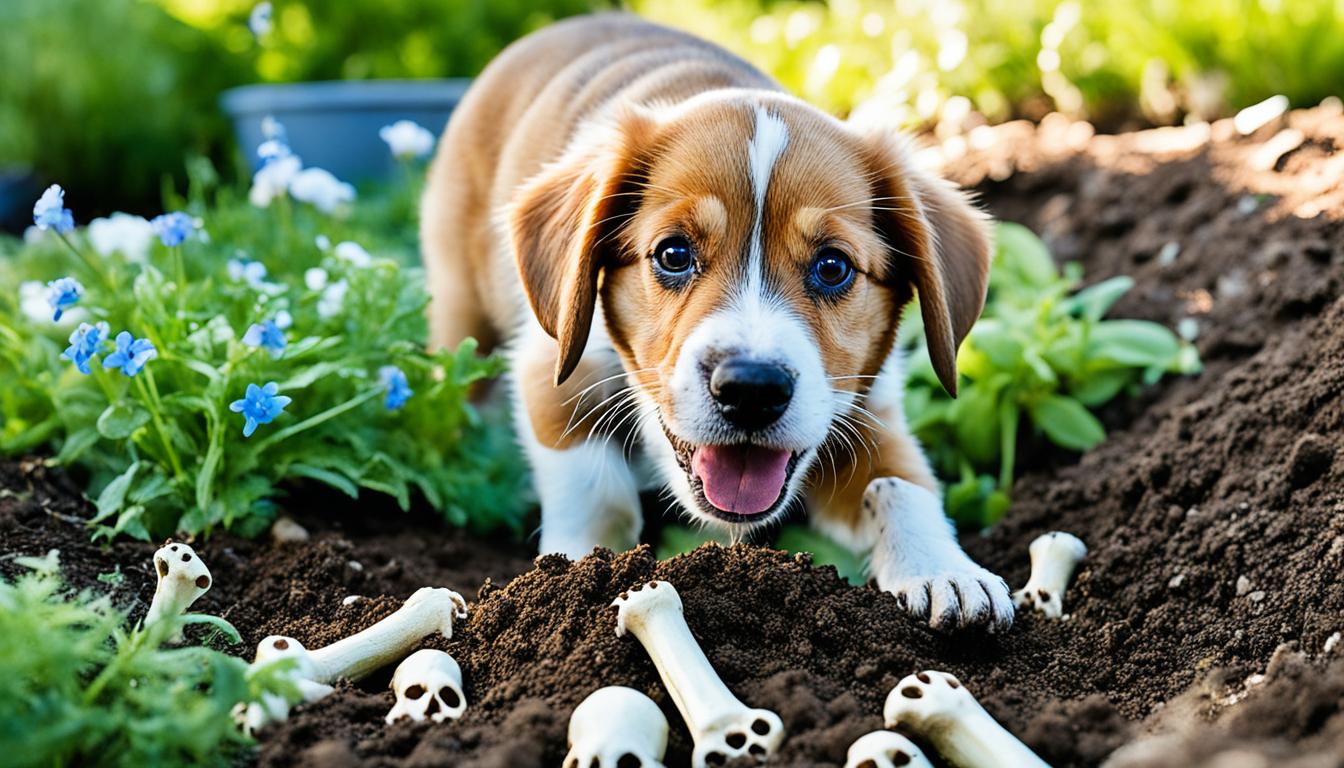

Do you ever wonder why your beloved furry friend insists on digging holes in your yard? It can be frustrating to find your beautifully landscaped lawn turned into a maze of craters. But fear not, because we’ve got the answers you’ve been searching for. In this article, we will dive deep into the fascinating world of dog digging behaviors to uncover the reasons behind this puzzling habit.
Are dogs simply mischievous troublemakers or is there a deeper reason behind their hole-digging obsession? Discover the surprising motivations and hidden meanings behind your pup’s eccentric behavior. You may be amazed to find out that there’s more to it than meets the eye.
So, before you grab that shovel and start filling in those holes, let’s explore the fascinating world of canine hole digging. Get ready to unearth the secret!
Key Takeaways:
- Understanding the reasons behind your dog’s digging can help address the behavior effectively.
- Dogs may dig holes to explore new smells, beat the heat, relieve stress, or mark their territory.
- Deterrents, blocking off access, creating barriers, utilizing water, and providing a designated digging area are strategies to prevent digging.
- Training your dog and rewarding positive behavior are essential for long-term solutions.
- Each dog is unique, so finding the best approach may require patience and consistency.
Understanding the Reasons for Digging
Dogs dig holes for various reasons, each serving a specific purpose in their canine world. By gaining insights into the reasons behind dog digging, we can find suitable solutions to curb this behavior and maintain a well-groomed yard.
One of the common reasons behind dog digging is their innate curiosity. Dogs have a strong sense of smell and the need to explore new scents, sounds, and textures hidden beneath the surface. Digging allows them to uncover these hidden treasures, satisfying their natural inquisitiveness.
Digging can also serve as a way for dogs to regulate their body temperature. On hot days, they may dig to find cooler soil, and on chilly days, they may dig to create a warm and cozy nesting spot. It’s their instinctual way of finding comfort in different weather conditions.
In addition to curiosity and temperature regulation, dogs may dig as a form of play or to relieve stress and anxiety. Digging can be an enjoyable activity that helps them release excess energy and stimulate their minds. It can also function as a coping mechanism when they are feeling anxious or bored.
Furthermore, digging can be a means of communication and territorial marking for dogs. By digging, they leave scent cues that signal their presence to other animals, establishing their territory and communicating information about themselves to their canine counterparts.
Understanding these underlying reasons for dog digging behavior is crucial in finding appropriate solutions. It allows us to address the root cause of the behavior rather than simply trying to suppress it. By providing alternative outlets for exploration, regulating their body temperature, and addressing their emotional needs, we can effectively manage and redirect their digging behavior.
Covering the Area with Deterrents
If you’re dealing with a digging dog, one effective approach to prevent backyard digging and address dog training for digging issues is to cover the area with deterrents. Dogs have a keen sense of smell, so you can use odors that they find unpleasant to discourage digging behavior.
There are several types of deterrents you can try. Some dog owners have found success with natural remedies such as cayenne pepper, citrus fruit peels, coffee grounds, or citronella essential oil. These scents can create an undesirable experience for dogs and deter them from digging in those areas.
Another deterrent option is to strategically use dog poop in the digging spots. This not only creates a bad smell but also sends a message to your dog that the area is off-limits for digging.
“Using deterrents can be an effective method to prevent backyard digging. The scents of certain substances can discourage dogs from digging in the treated areas.” – Dr. Sarah Johnson, Animal Behaviorist
In addition to natural deterrents, you can also consider using anti-chew sprays specifically designed for digging areas. These sprays contain substances with strong odors that dogs dislike, further discouraging digging behavior.
Remember to reapply the deterrents after rain or watering to maintain their effectiveness. Dogs may become desensitized to the smells over time, so it’s important to consistently reinforce the message that these areas are off-limits for digging.
Blocking off Access to Digging Spots
If you’re facing the challenge of your dog digging up specific spots in your yard, it’s time to take action. By blocking off their access to these areas, you can effectively put an end to their hole-digging escapades.
One simple way to achieve this is by using patio fencing or an outdoor baby gate. These barriers will physically separate your dog from their preferred digging spot, preventing them from continuing this behavior. It’s essential to choose a fence or gate that is appropriate for your dog’s breed and size, making sure they can’t jump over it and access the forbidden area.
This method redirects your dog’s attention to other parts of the yard, discouraging them from digging and preserving the integrity of your lawn. Remember, consistency is key when implementing this strategy, as it may take some time for your dog to break the habit.
Benefits of Blocking off Access to Digging Spots:
- Prevents further damage to the designated digging area
- Redirects your dog’s attention to alternative activities
- Promotes a well-maintained and aesthetically pleasing yard
- Safeguards your dog’s paws from potential injuries caused by digging
By implementing this simple yet effective solution, you can say goodbye to the frustrating problem of your dog digging holes in specific areas of your yard.

Creating Digging Barriers
If your furry friend is determined to dig holes in your backyard despite your best efforts, creating digging barriers can be an effective strategy to prevent this behavior. By implementing these barriers, you can protect specific areas of your yard and curb dog hole digging.
Using Chicken Wire
One option to create a digging barrier is to use chicken wire. You can lay the chicken wire flat over the areas where your dog tends to dig and securely pin it down. The wire’s mesh prevents your dog from being able to dig through, making it an excellent solution to prevent backyard digging.

Burying Rocks
Another effective method is to bury rocks in the ground where your dog likes to dig. The presence of rocks makes it challenging for your dog to continue digging in those areas, discouraging them from engaging in this behavior.
Safe and Appropriate Materials
When creating digging barriers, it is essential to use materials that are safe for your dog and do not pose any harm if they come into contact with them. Ensure that the chicken wire has no sharp edges that could injure your dog, and choose rocks that are smooth and without any toxic substances.
By creating these digging barriers, you can protect your yard while providing a safe and enjoyable environment for your four-legged companion.
Utilizing Water as a Deterrent
Dogs generally do not like getting wet, so using water as a deterrent can be effective in preventing backyard digging. Spraying your dog with water whenever they start digging will quickly discourage them from continuing this behavior. Alternatively, you can use a motion-activated sprinkler that will automatically spray water when it detects movement in the digging area. This can be a 24/7 solution to stop dog digging holes, even when you are not around to supervise.
Water can serve as a powerful tool to discourage dogs from digging. The sudden burst of water acts as a natural consequence, associating digging with an unpleasant experience. This helps your dog understand that digging is not acceptable behavior, leading them to abandon the habit altogether. Whether you choose to personally spray water or opt for a motion-activated sprinkler, consistency is key in reinforcing the message.

Benefits of Using Water as a Deterrent:
Using water as a deterrent for digging offers several advantages:
- Humane Solution: Water does not cause harm or discomfort to your dog, making it an ethical and safe method to deter digging behavior.
- Instant Results: Dogs tend to respond quickly to the sensation of water, allowing you to address the digging behavior in the moment.
- Automatic Monitoring: Motion-activated sprinklers provide continuous surveillance of the digging area, deterring your dog even when you are unavailable to intervene.
- Adaptable to Any Yard: Water can be used in large or small spaces, making it suitable for a variety of backyard sizes and layouts.
Remember, consistency is vital when using water as a deterrent. Whether manually spraying your dog or installing a motion-activated sprinkler, make sure to apply the deterrent each time you observe digging behavior. With time, your dog will associate digging with an undesirable outcome, allowing you to prevent backyard digging and maintain a well-kept yard.
Creating a Designated Digging Area
Instead of trying to completely eliminate your dog’s digging instinct, you can redirect it to a designated digging area. By providing your dog with their own digging area, you satisfy their natural instinct to dig while also preserving the rest of your yard. Here’s how you can create a designated digging area:
- Choose a specific section in your yard where your dog is allowed to dig.
- Prepare the area by loosening the soil or filling a child’s sandbox with sand.
- Encourage your dog to use the designated area by burying treats or toys in the soil or sand.
- Place a sign or marker to indicate that this area is for digging.
By creating a designated digging area, you provide your dog with an outlet for their digging behavior while minimizing the impact on your yard. This strategy works especially well for dogs who love to dig and exhibit persistent digging habits.
Remember to regularly check and maintain the designated digging area to ensure it remains an appealing option for your dog. Refill any holes or replace toys as needed to keep the area engaging.
The Benefits of a Designated Digging Area
Creating a designated digging area has several benefits:
- Satisfies natural instincts: Dogs have an inherent need to dig, and providing them with a designated area allows them to express this natural behavior.
- Preserves your yard: By confining your dog’s digging activities to a specific area, you can protect the rest of your yard from unsightly holes.
- Reduces frustration: Redirecting your dog’s digging to a designated area helps prevent frustration for both you and your pet. You can relax knowing that your yard remains intact, while your dog can enjoy their digging without reprimands.
- Enhances training opportunities: A designated digging area can be an excellent training tool. You can reinforce positive behaviors and commands in this specific area, further improving your dog’s overall training.
Remember to continue providing adequate mental and physical stimulation for your dog outside of the designated digging area. Regular exercise, playtime, and mental enrichment activities help keep your dog engaged and content, reducing the likelihood of excessive digging behavior.

| Pros | Cons |
|---|---|
| Allows your dog to satisfy their natural digging instincts | Requires regular maintenance to keep the area appealing |
| Preserves the rest of your yard from damage | May not completely eliminate digging in other areas |
| Reduces frustration for both you and your dog | Requires training and reinforcement to redirect digging behavior |
| Enhances training opportunities | May take time and patience for your dog to consistently use the designated area |
Scaring Your Dog with Balloons
A surprising but effective method to prevent backyard digging and curb dog hole digging is to use balloons as a deterrent. Inflate the balloons and place them in the holes your dog has dug. Cover them with a thin layer of dirt to keep them in place. When your dog starts digging, the balloons will pop with a loud bang, scaring them away from the digging area.
This association between digging and loud noises can deter your dog from continuing to dig. Dogs are sensitive to sudden loud sounds, and the unexpected bang from the balloons can startle them, making them think twice before digging again. It acts as a negative reinforcement and helps your dog understand that digging results in unpleasant consequences.
Make sure to clean up any balloon pieces after using this method to ensure the safety of your dog. Balloons can pose a choking hazard or cause other harm if ingested. Keep a close eye on your dog to ensure they are not attempting to play with or eat the balloons.
Remember, it’s important to combine this method with other strategies to address the underlying reasons for your dog’s digging behavior. Understanding why your dog is digging in the first place will help you develop a comprehensive approach to curb their hole digging habits.
“By using balloons as a deterrent, you create an aversion to digging in your dog’s mind, making it less likely for them to continue this behavior. It’s a safe and non-harmful method that can help protect your yard while ensuring the well-being of your furry friend.” – Dr. Rachel Walker, Animal Behaviorist
Training Your Dog to Stop Digging
Training your dog to stop digging can be an effective long-term solution. By understanding your dog’s digging habits and using positive reinforcement, you can redirect their behavior and maintain a well-groomed yard.
Redirecting Behavior with Commands
Teaching your dog commands such as “stop” or “sit” can help redirect their focus when they start digging. When you notice your dog showing signs of digging, calmly give the command and guide them away from the digging spot. Consistent reinforcement of these commands will help reinforce the desired behavior.
“Training your dog to respond to commands like ‘stop’ or ‘sit’ can help redirect their digging behavior.”
Utilizing the “Place” Command
An additional command that can be useful in preventing digging is “place.” This command instructs your dog to go to a specific location, such as their doghouse, bed, or crate, as an alternative to digging. By training them to associate digging with the “place” command, you can effectively redirect their energy and prevent destructive digging behavior.
“Teaching your dog the ‘place’ command provides them with an alternative to digging and can help channel their energy into a more appropriate behavior.”
Using Positive Reinforcement
Positive reinforcement is crucial in training your dog to stop digging. When your dog follows commands and refrains from digging, reward them with treats, praise, or affection. This positive association reinforces the desired behavior and encourages your dog to continue obeying commands in the future.
“Rewarding your dog with treats, praise, or affection reinforces their good behavior and encourages them to refrain from digging.”
Consistency and Patience
Consistency is key when training your dog to stop digging. Set clear boundaries and consistently reinforce the desired behavior. Keep in mind that training takes time, and your dog may not change their behavior overnight. Patience and persistence are essential in achieving long-lasting results.
“Consistency and patience are important when training your dog to stop digging. Be patient and persistent, and remember that it takes time for your dog to break the habit.”
By understanding your dog’s digging habits and implementing effective training techniques, you can help curb their digging behavior. Redirecting their energy with commands, utilizing positive reinforcement, and maintaining consistency will lead to a well-behaved and contented canine companion.
Conclusion
Understanding your dog’s digging habits is the key to stopping them from digging holes in your yard. By identifying the underlying reasons behind their behavior, such as boredom, stress, or a need for attention, you can develop effective solutions.
There are several strategies you can employ to curb your dog’s digging behavior. Using deterrents like bad smells, blocking off access to digging spots, creating barriers, and utilizing water as a deterrent can all help discourage your dog from digging. Providing a designated digging area allows them to satisfy their natural instincts while maintaining the rest of your yard.
Additionally, training your dog and rewarding positive behavior plays a crucial role in stopping their digging habits. Teaching them commands like “stop” or “sit” and redirecting their attention to appropriate activities can be remarkably effective.
Remember that each dog is unique, so finding the right approach may require some trial and error. But with patience, consistency, and a deep understanding of your dog’s needs, you can put an end to their digging and enjoy a well-maintained yard.
FAQ
Why do dogs dig holes in the yard?
How can I stop my dog from digging holes in the yard?
What are some effective deterrents to stop dogs from digging?
How can I block off my dog’s access to specific digging spots?
What are some ways to create digging barriers in the yard?
How can water be used as a deterrent for digging?
Should I provide my dog with a designated digging area?
Can balloons be used to stop dogs from digging?
How can I train my dog to stop digging?
Why is understanding my dog’s digging behavior important?
Source Links
- https://doglab.com/stop-dog-digging/
- https://aminpetshop.com/blogs/news/how-to-get-dogs-to-stop-digging
- https://www.spacecoastpetservices.com/why-the-heck-do-dogs-bury-bones/

Carlos is the passionate founder and primary author behind “CorgisCorner.com,” a website dedicated to all things related to the beloved Corgi breed. Born and raised in a small town known for its strong sense of community and love for animals, Carlos developed a deep affection for Corgis from a young age. This love was sparked by his childhood companion, a spirited and loyal Corgi named Toby, who was a constant source of joy and friendship.