

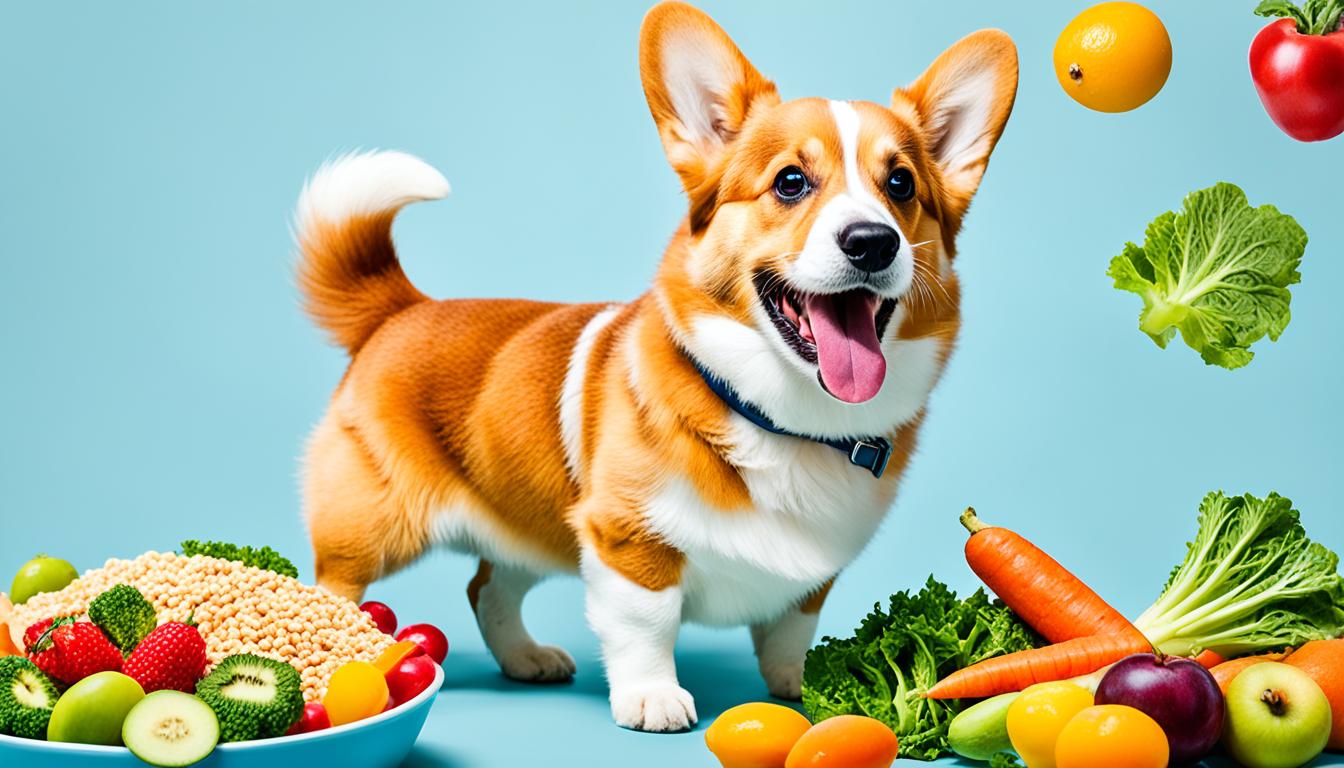

Providing the right nutrition is crucial for the healthy growth and development of Corgi puppies. These adorable pups, including the Pembroke Welsh Corgi and the Cardigan Welsh Corgi, have specific dietary needs that need to be met to support their overall well-being. By feeding them a balanced diet and following proper feeding guidelines, you can ensure that your Corgi puppy thrives and stays healthy. In this article, we will explore the optimal nutrition for Corgi puppies, including the best food choices, feeding guidelines, and the importance of a balanced diet.
Key Takeaways
- Optimal puppy nutrition is essential for the healthy growth and development of Corgi puppies.
- Corgi puppies require a balanced diet that meets their specific nutritional needs.
- Feeding guidelines, including portion control, are crucial to prevent overfeeding and obesity.
- The right food choices, such as high-quality protein sources and essential nutrients, support their overall health.
- Consult with your veterinarian to determine the best diet and feeding practices for your Corgi puppy.
Understanding the Different Corgi Breeds
When it comes to the Corgi breed, there are two distinct breeds: the Pembroke Welsh Corgi and the Cardigan Welsh Corgi. Although they have similar physical characteristics and were originally bred as herding dogs, there are notable differences between the two.
The Pembroke Welsh Corgi is known for its spirited and eager-to-please nature. They are highly intelligent and excel in activities such as obedience training and agility. This breed is often described as outgoing, friendly, and adaptable, making them a popular choice among dog owners.
On the other hand, the Cardigan Welsh Corgi is more reserved and independent. They tend to be cautious when encountering new situations and may require more time to warm up to strangers. However, once they form a bond with their owners, they are loyal and affectionate companions.
Understanding these breed differences is crucial when considering the nutritional needs and overall care for your Corgi. While both types of Corgis have similar requirements, they may have slight variations in terms of exercise needs and temperament.
“The Pembroke Welsh Corgi is known for its spirited and eager-to-please nature, while the Cardigan Welsh Corgi is more reserved.”
The Pembroke Welsh Corgi Characteristics
The Pembroke Welsh Corgi is a small to medium-sized breed, known for its fox-like appearance with short legs and a long body. Their double coat consists of a weather-resistant outer coat and a soft undercoat. Pembroke Welsh Corgis are often seen in shades of red, sable, fawn, or black and tan.
Some key characteristics of Pembroke Welsh Corgis include:
- Highly sociable and friendly
- Eager to please and trainable
- Intelligent and quick learners
- Active and energetic, requiring regular exercise
- Loyal and affectionate towards their families
The Cardigan Welsh Corgi Characteristics
The Cardigan Welsh Corgi is the older of the two Corgi breeds and is known for its long body, deep chest, and bushy tail. They have a double coat that comes in various colors, including red, sable, brindle, and blue merle.
Some key characteristics of Cardigan Welsh Corgis include:
- Reserved and cautious
- Independent and self-assured
- Intelligent and versatile
- Require mental stimulation to prevent boredom
- Affectionate towards their families
By understanding the characteristics of each Corgi breed, you can better cater to their individual needs and provide them with the care and nutrition they require to thrive.
Common Health Issues in Corgis
Corgis, including both the Pembroke Welsh Corgi and the Cardigan Welsh Corgi, are generally healthy breeds. However, they can be prone to certain health issues that owners should be aware of. It is important to provide proper care and management to ensure the well-being of your Corgi puppy.
Hip Dysplasia
Hip dysplasia is a common health condition in Corgis, characterized by an abnormal development of the hip joint. This can lead to pain, lameness, and even arthritis in severe cases. Regular exercise, maintaining a healthy weight, and providing joint supplements can help manage hip dysplasia in Corgis.
Elbow Dysplasia
Elbow dysplasia is another common orthopedic issue in Corgis. It is the result of abnormal growth and development of the elbow joint. This condition can cause lameness and discomfort. Proper nutrition, joint supplements, and avoiding excessive exercise on hard surfaces can help manage elbow dysplasia in Corgis.
Progressive Retinal Atrophy (PRA)
Progressive retinal atrophy is a genetic eye disease that affects the photoreceptor cells in the retina. It gradually leads to vision loss and can eventually cause blindness. Regular eye examinations by a veterinarian and genetic testing can help identify carriers of PRA and prevent its spread within the Corgi breed.
Degenerative Myelopathy
Degenerative myelopathy is a progressive neurological disease that affects the spinal cord in Corgis. It causes a loss of coordination, hind limb weakness, and eventually paralysis. While there is no cure for degenerative myelopathy, physical therapy, supportive care, and maintaining a healthy lifestyle can help manage the symptoms and improve the quality of life for affected Corgis.
Von Willebrand’s Disease
Von Willebrand’s disease is a bleeding disorder that affects the blood’s ability to clot. Corgis with this condition may experience excessive bleeding from minor injuries or during surgeries. If your Corgi is diagnosed with Von Willebrand’s disease, it is important to inform your veterinarian and take necessary precautions to prevent excessive bleeding.
Proper nutrition and regular veterinary care are essential for managing these health issues in Corgis. It is important to consult with a veterinarian who is familiar with the breed and can provide guidance on preventive measures, early detection, and effective treatment options.
| Health Issue | Description | Prevention |
|---|---|---|
| Hip Dysplasia | Abnormal development of the hip joint leading to pain and lameness. |
– Regular exercise – Maintaining a healthy weight – Joint supplements |
| Elbow Dysplasia | Abnormal growth and development of the elbow joint leading to lameness. |
– Proper nutrition – Joint supplements – Avoiding excessive exercise on hard surfaces |
| Progressive Retinal Atrophy (PRA) | Genetic eye disease causing progressive vision loss. |
– Regular eye examinations – Genetic testing |
| Degenerative Myelopathy | Progressive neurological disease causing hind limb weakness and paralysis. |
– Physical therapy – Supportive care – Healthy lifestyle |
| Von Willebrand’s Disease | Bleeding disorder affecting blood clotting. |
– Informing veterinarian – Taking necessary precautions to prevent excessive bleeding |

Exercise Needs for Corgis
Corgis, the charming herding dogs that they are, have a natural inclination for physical activities. As puppies, both Pembroke Welsh Corgis and Cardigan Welsh Corgis require at least one hour of exercise each day to keep them happy and healthy. Regular exercise is essential to meet their energy needs and prevent weight gain, which can lead to obesity and other health issues.
There are various ways to provide daily exercise for your Corgi puppy. Taking them for long walks or hiking adventures not only provides physical exercise but also allows them to explore their surroundings and stimulate their senses. Playing fetch in the park or in your backyard is a great way to engage their boundless energy and reinforce their natural herding instincts.
For Corgis, mental stimulation is just as important as physical exercise. Providing puzzle toys and interactive games can keep their intelligent minds occupied and prevent boredom. Engaging in dog sports, such as agility or obedience, not only offers mental stimulation but also strengthens the bond between you and your furry companion.
“Regular exercise is essential to meet their energy needs and prevent weight gain, which can lead to obesity and other health issues.”
Remember to consider your Corgi’s specific exercise requirements when planning their daily activities. Each dog is unique, and their exercise needs may vary based on factors such as age, temperament, and overall health condition. Observe their physical abilities and adjust the intensity and duration of the exercise accordingly, ensuring they don’t overexert themselves.
It’s also important to note that exercise shouldn’t be limited to physical activities. Mental stimulation is equally crucial for Corgis. Engage their sharp minds by introducing new challenges, teaching them new tricks, or participating in training sessions. Mental stimulation activities can be as simple as hiding treats for them to find or playing interactive games that require problem-solving skills.
Providing a variety of exercise options for your Corgi enhances their overall well-being and prevents them from becoming bored or restless. Remember to offer a mix of physical and mental activities to keep them mentally sharp, physically fit, and emotionally satisfied.
Benefits of Exercise for Corgis
Regular exercise offers numerous benefits to Corgis, promoting their overall health and well-being. Some of the key benefits include:
- Weight management: Exercise helps maintain a healthy weight, preventing obesity and related health issues.
- Physical health: Regular movement and activity support cardiovascular health and muscle development.
- Mental stimulation: Engaging activities keep their minds sharp, preventing boredom and destructive behaviors.
- Socialization opportunities: Participating in dog sports or going for walks allows Corgis to interact with other dogs and people, promoting social skills and reducing anxiety.
- Bonding time: Exercise offers an opportunity for quality time with your Corgi, strengthening the bond between you both.
Corgi Sports and Activities
Corgis excel in various dog sports and activities due to their intelligence, agility, and herding instincts. Some popular sports and activities that you can explore with your Corgi include:
| Sport/Activity | Description |
|---|---|
| Agility | Obstacle course-based sport that involves navigating tunnels, jumps, and other obstacles. |
| Obedience trials | Tests the Corgi’s ability to follow commands and perform various tasks in a controlled setting. |
| Flyball | A relay race-like sport that involves teams of dogs competing to retrieve balls from a box and return them to their handlers. |
| Herding trials | Allows Corgis to showcase their natural herding abilities by moving and controlling livestock through a series of directed tasks. |
| Treibball | A sport that simulates herding by having Corgis push large exercise balls into a goal using their noses. |
Engaging in these sports and activities not only provides exercise but also taps into your Corgi’s instincts and keeps their minds active. Remember to introduce these activities gradually and provide proper training and guidance to ensure the safety and enjoyment of both you and your Corgi.

As you can see, exercising your Corgi puppy is essential for their physical health, mental well-being, and overall happiness. Understanding their exercise requirements and offering a mix of physical and mental activities will keep them in tip-top shape. So grab a leash, put on your walking shoes, and get ready to experience the joy of exercising with your Corgi!
Nutritional Requirements for Corgi Puppies
Corgi puppies have specific nutritional needs to support their growth and development. Providing them with a healthy and balanced diet is crucial for their overall well-being. Here are some key factors to consider when it comes to Corgi puppy nutrition:
Protein for Corgi Puppies
Protein is an essential nutrient for Corgi puppies as it aids in muscle development and supports their active lifestyle. Including high-quality sources of protein such as turkey, chicken, beef, or lamb in their diet is important for their growth.
Fat for Corgi Puppies
In addition to protein, fat is also crucial for providing energy to Corgi puppies. It helps fuel their daily activities and supports proper brain development. Including healthy sources of fat in their diet, such as fish oil or chicken fat, can contribute to their overall nutrition.
Calcium for Corgi Puppies
Calcium is vital for the development of strong bones and teeth in Corgi puppies, especially for larger breeds. Ensuring they receive adequate amounts of calcium is important for their skeletal health. A balanced puppy food formulated specifically for Corgi puppies can help provide the right amount of calcium.
Carbohydrates for Corgi Puppies
Carbohydrates are a valuable source of energy for active Corgi puppies. Including digestible carbohydrates from sources like sweet potatoes or brown rice can provide them with the necessary energy to support their daily activities and promote their overall well-being.
Choosing a high-quality puppy food that is specifically formulated for Corgi puppies is essential to ensure they receive all the necessary nutrients in the right proportions. Consult with your veterinarian for personalized recommendations on the best puppy food options and feeding guidelines for your Corgi puppy.

Feeding Guidelines for Corgis
Feeding Corgi puppies requires careful portion control to prevent overfeeding and obesity. It is essential to provide the right amount of food to support their growth and development. The feeding guidelines for Corgi puppies depend on factors such as age, weight, and activity level.
A general rule of thumb is to provide 1-2 cups of food per day for Corgi puppies weighing 15 to 30 pounds and 2-4 cups for puppies weighing 30 to 45 pounds. However, individual variations may exist, so it is crucial to consult with your veterinarian for specific feeding instructions tailored to your Corgi puppy’s needs.
Determining Portion Control
To determine the appropriate portion size for your Corgi puppy, consider the following factors:
- Age: Younger puppies require smaller portions, while older puppies need slightly larger portions to support their growth.
- Weight: Corgi puppies of different weights may have varying energy needs, so adjust the portion size accordingly.
- Activity Level: More active puppies may require slightly larger portions to meet their energy demands.
Keep in mind that Corgis have a tendency to overeat, so it’s crucial to establish a regular feeding schedule and avoid leaving food out all day. Dividing the daily portion into multiple meals throughout the day can help prevent overeating and promote better digestion.
Corgi Feeding Chart
Here’s a sample feeding chart for Corgi puppies:
| Weight | Daily Portion |
|---|---|
| 15-30 pounds | 1-2 cups |
| 30-45 pounds | 2-4 cups |
Remember, this is a general guideline, and it’s essential to monitor your Corgi puppy’s weight and body condition regularly. Adjust the portion size as needed and consult with your veterinarian for personalized feeding recommendations.
Providing your Corgi puppy with the right amount of food and maintaining portion control is key to ensuring their healthy growth and preventing weight-related issues. With proper nutrition and portion management, you can help your Corgi puppy thrive and enjoy a long, happy life.
Optimal Growth vs. Maximal Growth
When it comes to Corgi puppy nutrition, it is important to aim for optimal growth rather than maximal growth. Optimal growth refers to a slow and steady growth rate that allows puppies to develop an ideal adult body condition without risking excessive weight gain or skeletal deformities. This approach prioritizes the puppy’s long-term health and well-being.
Maximal growth, on the other hand, emphasizes rapid weight gain and accelerated growth. While it may seem desirable to achieve a larger size quickly, it can actually lead to a range of health issues. Puppies that experience maximal growth are more prone to obesity and related health concerns, such as joint problems and a shortened lifespan.
To ensure your Corgi puppy experiences optimal growth, it is essential to provide a balanced diet, regular exercise, and proper veterinary care. Regular weigh-ins and body condition assessments can help monitor your puppy’s growth rate and make adjustments as needed. By prioritizing optimal growth, you can ensure your Corgi puppy develops into a healthy and happy adult.

| Optimal Growth | Maximal Growth | |
|---|---|---|
| Definition | A slow and steady growth rate that supports ideal adult body condition | Rapid weight gain and accelerated growth |
| Risks | Reduced risk of obesity, skeletal deformities, and related health issues | Increased risk of obesity, joint problems, and shortened lifespan |
| Feeding Approach | Providing a balanced diet that meets nutritional needs without excessive calories | Feeding excessive amounts to promote rapid growth |
| Exercise | Moderate exercise to support healthy muscle development and overall well-being | Exercise may be limited to prevent strain on joints and bones |
By choosing optimal growth for your Corgi puppy and avoiding maximal growth, you can help ensure long-term health and happiness.
Nutritional Requirements for Growing Puppies
Growing puppies, including Corgis, have higher nutritional requirements compared to adult dogs. It is crucial to provide them with the right balance of nutrients to support their growth and development. Let’s explore the key nutrients that are essential for the healthy development of growing puppies.
Protein for Growing Puppies
Protein is a fundamental nutrient for growing puppies. It plays a vital role in building and repairing tissues, muscles, and organs. The recommended protein range for healthy puppy growth is 22-32% of their overall diet. High-quality protein sources such as turkey, chicken, beef, or lamb can provide the necessary amino acids for proper growth.
Fat for Growing Puppies
Fat is another crucial nutrient for growing puppies. It provides energy and aids in the absorption of fat-soluble vitamins. The recommended fat range for healthy puppy growth is between 10-25% of their overall diet. Including healthy fats from sources like fish oil, flaxseed, or chicken fat can help support the development of a healthy coat and skin.
Calcium for Growing Puppies
Calcium is essential for the development of strong bones and teeth in growing puppies. However, it is important to provide the appropriate levels of calcium based on the breed size. Large breed puppies require more stringent levels of calcium to prevent skeletal issues. Consulting with your veterinarian can help determine the right amount of calcium for your growing Corgi puppy’s specific needs.
Carbohydrates for Growing Puppies
Carbohydrates provide a source of energy for active growing puppies. Including digestible carbohydrates such as whole grains, vegetables, or fruits in their diet can help fuel their playfulness and support their overall growth. It is important to choose a diet that provides a balance of protein, fat, and carbohydrates to meet the nutritional needs of growing puppies.
| Nutrient | Recommended Range | Sources |
|---|---|---|
| Protein | 22-32% | Turkey, chicken, beef, lamb |
| Fat | 10-25% | Fish oil, flaxseed, chicken fat |
| Calcium | Appropriate level for breed size | Consult with your veterinarian |
| Carbohydrates | Included for energy | Whole grains, vegetables, fruits |
Choosing a diet specifically formulated for growing puppies, like XYZ Puppy Food, can ensure they receive all the necessary nutrients for their optimal development. Remember to consult with your veterinarian to determine the right nutritional plan for your Corgi puppy based on their specific needs.
Preventing Maximal Growth and Obesity
Preventing puppy obesity is essential for the long-term health of Corgis and other breeds. Overfeeding and excessive weight gain can lead to skeletal deformities and a range of health issues. To maintain a healthy weight and promote optimal growth, it’s important to prioritize portion control and provide measured amounts of food at regular feeding times.
Generally, puppies should be fed 2-3 times per day, ensuring that the caloric density of their food matches their energy needs. By providing a balanced diet that meets their nutritional requirements without excess calories, you can help prevent obesity and related health problems.
To assess your puppy’s feeding requirements, it’s crucial to consult with your veterinarian. They can provide personalized advice based on your puppy’s age, breed, weight, and activity level. Regular weight and body condition assessments will help ensure that your puppy is maintaining an ideal body condition and is on track for healthy growth.
By implementing portion control and feeding guidelines, you can prevent maximal growth and obesity, promoting a healthy and happy life for your puppy.
Feeding Puppies to Prevent Obesity
The first step in preventing obesity in puppies is understanding their energy needs and feeding them accordingly. Puppies have high energy requirements due to their rapid growth and development. It’s important to provide them with enough calories to support their growth but not so much that it leads to excessive weight gain.
Choosing a high-quality puppy food that is appropriately balanced for their age and breed is essential. Look for a formula that provides all the necessary nutrients without excessive calories or fillers. Avoid feeding table scraps or unhealthy treats that can contribute to weight gain.
Measuring your puppy’s food using a kitchen scale or measuring cup is a simple but effective way to control portion sizes. Feed according to the feeding guidelines on the puppy food packaging, and adjust as necessary based on your veterinarian’s recommendations.
In addition to portion control, it’s important to ensure that your puppy gets regular exercise. Physical activity not only helps burn calories but also promotes muscle development and overall well-being. Engage in age-appropriate exercises and playtime to keep your puppy active and fit.
Caloric Density for Puppies
The caloric density of your puppy’s food plays a significant role in preventing obesity. Caloric density refers to the number of calories present in a specific volume of food. To prevent excessive calorie intake, it’s important to choose a puppy food with an appropriate caloric density for your puppy’s age, size, and activity level.
A well-balanced puppy food should provide all the necessary nutrients while keeping the calorie count in check. Foods with higher protein content can help satisfy your puppy’s hunger and provide essential amino acids for growth without excessive calories. Avoid foods that are high in fillers, carbohydrates, or empty calories.
Consulting with your veterinarian and reading the nutritional information on the puppy food packaging can help you make informed decisions about the caloric density of your puppy’s diet.
Portion Control for Puppies
Portion control is a key aspect of preventing obesity in puppies. Feeding measured amounts of food at regular intervals helps ensure that your puppy is consuming the appropriate number of calories to support their growth and development.
It’s important to refer to the feeding guidelines provided on the puppy food packaging to determine the recommended portion sizes for your puppy’s age, weight, and breed. As every puppy is unique, it’s crucial to consult with your veterinarian to determine the specific portion sizes that are appropriate for your puppy.
Using a kitchen scale or measuring cup to measure your puppy’s food can help you accurately control portion sizes. Avoid free-feeding or leaving food out all day, as this can lead to overeating and weight gain. Instead, establish a regular feeding schedule of 2-3 meals per day.
By practicing portion control and feeding your puppy appropriate amounts at regular intervals, you can help ensure that they are maintaining a healthy weight and preventing obesity.
| Preventing Maximal Growth and Obesity Guidelines |
|---|
| Feed measured amounts of food at regular intervals |
| Choose a puppy food with an appropriate caloric density |
| Control portion sizes using a kitchen scale or measuring cup |
| Refer to feeding guidelines and consult with your veterinarian |
| Engage in regular exercise and playtime to promote physical activity |
| Monitor your puppy’s weight and body condition regularly |
Feeding Puppies Wisely
Feeding puppies, including Corgis, is a crucial aspect of their care and proper development. It is essential to provide them with a complete and balanced diet that meets their specific nutritional requirements. By choosing a puppy food that is formulated with all the essential nutrients in the right proportions, you can ensure their overall health and well-being.
Essential nutrients for puppies include water, protein, fat, carbohydrates, minerals, and vitamins. These nutrients play a vital role in their growth and development, supporting their bones, muscles, immune system, and overall energy levels. It is important to select a puppy food that provides a well-rounded nutritional profile to meet their specific needs.
A balanced puppy food should contain high-quality sources of protein, such as chicken, beef, or fish, to support their muscle development. Adequate amounts of fat provide essential fatty acids for healthy skin and coat. Carbohydrates, like whole grains or sweet potatoes, offer a source of energy for their active lifestyle.
When feeding puppies, it is essential to choose a food that is specifically formulated for their growth and development stages. Puppy formulas are designed to provide the right balance of nutrients to support their rapid growth. It is recommended to continue feeding puppy food until they reach physical maturity, which varies depending on the breed.
Monitoring your puppy’s weight and body condition is crucial to prevent overfeeding and obesity. Puppies should be fed appropriate portion sizes based on their age, size, and activity level. It is always best to consult with your veterinarian for personalized feeding recommendations.
Conclusion
Optimal puppy nutrition plays a pivotal role in the overall care of your Corgi puppy. Providing a well-balanced diet that caters to their specific nutritional needs is crucial for their healthy growth and development. By avoiding overfeeding, maintaining a healthy weight, and ensuring regular exercise, you can significantly reduce the risk of health issues and promote their overall well-being.
Remember to consult with your veterinarian for personalized advice on the best nutrition and care practices for your Corgi puppy. They can guide you on choosing the right puppy food, portion control, and any additional nutritional supplements if necessary. By following their recommendations and implementing proper puppy nutrition tips, you can ensure that your Corgi puppy grows up to be a happy and healthy companion.
Caring for a Corgi puppy involves more than just providing love and attention. It requires a well-rounded approach that addresses their specific needs, including optimal nutrition. By offering a balanced diet, being mindful of portion sizes, and prioritizing regular exercise, you can give your Corgi puppy the best start in life. Remember to provide the necessary nutrients, avoid overfeeding, and consult with a veterinarian to ensure your puppy’s health and happiness.
FAQ
What are the nutritional needs of Corgi puppies?
How much should I feed my Corgi puppy?
What is the difference between optimal growth and maximal growth?
What are the exercise needs of Corgi puppies?
What are some common health issues in Corgis?
Source Links
- https://www.petplate.com/blog/diet-nutrition-guide-corgis/
- https://vcahospitals.com/know-your-pet/feeding-growing-puppies
- https://www.akc.org/expert-advice/health/proper-puppy-nutrition-nourishes-rapid-growth/

Carlos is the passionate founder and primary author behind “CorgisCorner.com,” a website dedicated to all things related to the beloved Corgi breed. Born and raised in a small town known for its strong sense of community and love for animals, Carlos developed a deep affection for Corgis from a young age. This love was sparked by his childhood companion, a spirited and loyal Corgi named Toby, who was a constant source of joy and friendship.