

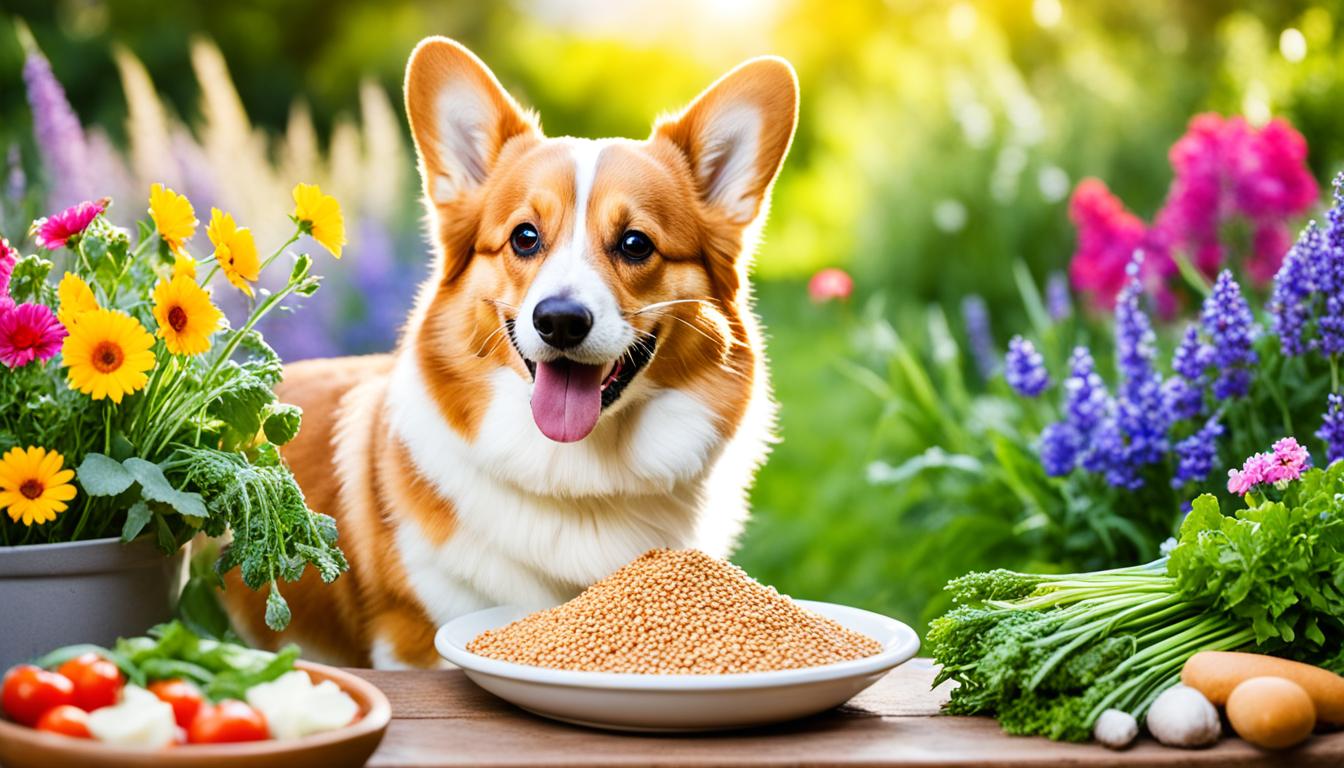

A grain-free diet is not just a trend—it offers numerous health benefits for your beloved Corgi. By eliminating grains from their diet, you can help prevent common health issues and promote their overall well-being. Let’s explore the top three health benefits of a grain-free diet for Corgis.
Key Takeaways:
- A grain-free diet helps prevent obesity, joint problems, dental issues, digestive problems, and allergies in Corgis.
- Feeding Corgis a grain-free diet supports their species-appropriate nutritional needs and mimics their ancestral diet.
- Choosing a grain-free diet for your Corgi promotes their overall health and helps them thrive physically and mentally.
Balanced and Appropriate Diet for Corgis
A balanced and appropriate diet plays a critical role in promoting the overall health and well-being of Corgis. It is essential to provide them with a nutrition plan that caters to their unique dietary needs, ensuring they receive the necessary nutrients for optimal growth and development.
When it comes to Corgis, their diet should be tailored to their life stage and energy requirements. A well-rounded diet for Corgis consists of a combination of high-quality protein, healthy fats, essential vitamins, minerals, and fiber obtained from vegetables and berries.
The Importance of Protein
Corgi dietary needs emphasize the importance of high-quality protein. As descendants of wolves, Corgis have not significantly evolved in terms of their dietary requirements and are best suited to fresh, high-protein-based diets. Protein is essential for muscle development, tissue repair, and various metabolic functions in dogs.
When selecting protein sources for Corgis, opt for lean meats such as chicken, turkey, and fish. Including organ meats like liver in their diet can provide additional nutrients. Plant-based proteins can also be incorporated through sources like lentils and peas. However, it is crucial to maintain a proper balance of animal and plant proteins to meet their nutritional needs.
The Role of Healthy Fats
Healthy fats are another essential component of a balanced Corgi diet. These fats provide energy, aid in nutrient absorption, and support a healthy coat and skin. Omega-3 fatty acids, found in fish oil and flaxseed, are particularly beneficial for Corgis as they can help reduce inflammation and support brain function.
Incorporating fats from sources like salmon, sardines, coconut oil, and olive oil can contribute to a well-rounded and balanced diet for Corgis. However, it is essential to pay attention to portion control, as excessive fat intake can lead to weight gain and related health issues.
Essential Vitamins and Minerals
Corgis require a diverse range of vitamins and minerals to support their overall health and well-being. These micronutrients play vital roles in various bodily functions, including immune system function, bone strength, and cell metabolism.
Vegetables and fruits, such as carrots, spinach, blueberries, and sweet potatoes, can provide essential vitamins and minerals to supplement a Corgi’s diet. Alternatively, you can consider incorporating a high-quality dog multivitamin to ensure they receive adequate nutrition.
Fiber for Digestive Health
Fiber plays a crucial role in maintaining a healthy digestive system for Corgis. It aids in proper digestion, prevents constipation, and promotes regular bowel movements. Including fiber-rich foods in their diet, such as green beans, pumpkin, and broccoli, can help support their digestive health.
Balanced nutrition for Corgis should include a well-thought-out combination of protein, fats, vitamins, minerals, and fiber. It is important to remember that every Corgi is unique, and their dietary needs can vary based on factors such as age, activity level, and any existing health conditions. Consulting with a veterinarian can provide valuable guidance in designing a tailored diet plan for your beloved Corgi.
Weight Management for Corgis on a Grain-Free Diet
Weight management is a significant benefit of a grain-free diet for Corgis. Due to their body structure, Corgis are prone to weight gain, which can lead to various health problems. Feeding them a grain-free diet helps in weight control as it eliminates high levels of starchy carbohydrates found in kibble. Grain-free dog food is often lower in calories and provides higher levels of quality protein, which helps Corgis maintain a healthy weight and lean muscle mass. By managing their weight through a grain-free diet, Corgis can reduce the risk of obesity-related health issues and live a longer and healthier life.

Advantages of a Grain-Free Diet for Weight Control
A grain-free diet offers several advantages when it comes to weight control for Corgis. Firstly, grain-free dog food is often formulated with lower calorie content compared to traditional kibble. This means that Corgis can consume an appropriate amount of food without overeating, helping to prevent weight gain. Additionally, grain-free dog food typically contains higher levels of quality protein, which promotes a feeling of satiety and helps Corgis maintain a healthy weight.
The higher protein content in grain-free dog food also supports the development and maintenance of lean muscle mass. With a greater muscle mass, Corgis are more efficient at burning calories even at rest, contributing to weight management. The combination of lower calories and appropriate protein levels in a grain-free diet can help Corgis achieve and maintain their ideal weight.
Key Tips for Corgi Weight Management on a Grain-Free Diet
When managing the weight of your Corgi on a grain-free diet, there are a few essential tips to keep in mind. Firstly, always follow the feeding guidelines provided on the dog food packaging. These guidelines are designed to ensure your Corgi receives the appropriate amount of food for their weight and activity level.
It’s also important to monitor your Corgi’s weight regularly and make adjustments to their food portions as needed. If you notice your Corgi gaining weight or becoming overweight, consult with your veterinarian to determine an appropriate feeding plan and portion sizes.
In addition to diet, regular exercise is crucial for weight management. Engage in daily physical activity with your Corgi, such as walks, playtime, or agility training. This not only helps burn calories but also provides mental stimulation and enhances the bond between you and your furry friend.
“Feeding Corgis a grain-free diet can be an effective way to manage their weight and promote overall health. By eliminating starchy carbohydrates and opting for higher-quality protein, Corgis can achieve and maintain their ideal weight while enjoying a nutritious and delicious diet.” – Dr. Emily Davis, DVM
Enhanced Digestive Health with Grain-Free Diet
Corgis have sensitive digestive systems, and a grain-free diet can contribute to enhanced digestive health. Unlike traditional kibble, which often contains high levels of starchy carbs, grain-free dog food is easier to digest and doesn’t put significant pressure on their digestive tracts. By reducing digestive strain and minimizing insulin spikes, a grain-free diet can also help lower the risk of pancreas-related issues in Corgis.
The ingredients in grain-free dog food, such as high-quality proteins and fiber from vegetables, promote a healthy gut flora and aid in maintaining good digestive function. This balanced combination supports optimal nutrient absorption and reduces the risk of digestive problems. Corgis who follow a grain-free diet may experience improvements in their digestion, leading to increased overall well-being and a happier, healthier life.
For Corgis with pre-existing digestive issues or sensitivities, a grain-free diet can be particularly beneficial. The absence of grains, which can be challenging for dogs to digest, can help alleviate discomfort and reduce the occurrence of digestive upsets. Additionally, a grain-free diet may also contribute to better stool quality, indicating improved gastrointestinal health.
Feeding your Corgi a grain-free diet is a holistic approach that prioritizes their digestive health and overall well-being. Consult with your veterinarian to discuss the specific dietary needs of your Corgi and determine if a grain-free diet is suitable for them. Remember to transition your Corgi to a new diet gradually to avoid any digestive disruptions.

The Benefits of a Grain-Free Diet for Corgis’ Digestive System:
- Promotes easier digestion
- Reduces digestive strain and pancreas-related issues
- Supports a healthy gut flora
- Enhances nutrient absorption
- Improves overall gastrointestinal health
Allergy Relief and Skin Improvement with Grain-Free Diet
Many Corgis suffer from allergies and skin issues, and a grain-free diet can provide relief and improve their skin condition. Grain-free dog food eliminates potential allergens such as wheat, corn, and soy, which are commonly found in kibble. By removing these allergens from their diet, Corgis experience reduced itching, skin inflammation, and other allergy symptoms. The high-quality proteins and essential fatty acids in grain-free food contribute to healthier skin and a shinier coat. Additionally, the absence of unnecessary fillers and additives in grain-free dog food can further alleviate allergies and improve overall skin health in Corgis.
Switching to a grain-free diet can have numerous health benefits for Corgis, and relief from allergies and improved skin condition is one of the most significant advantages. Allergies in Corgis often manifest as constant itching, skin rashes, and irritation. These issues can severely impact their quality of life, causing discomfort and potential complications. By eliminating allergens commonly found in kibble, such as wheat, corn, and soy, a grain-free diet can bring much-needed relief to Corgis with allergies.
The proteins and fatty acids in grain-free dog food play a crucial role in promoting healthier skin and a shinier coat. High-quality proteins, like those found in meat and fish, provide essential nutrients that support skin health and repair. These proteins help maintain a strong and healthy skin barrier, reducing the risk of inflammation and irritation. Fatty acids, such as omega-3 and omega-6, are vital for maintaining skin hydration, reducing itching, and improving coat appearance.
Furthermore, grain-free dog food is free from unnecessary fillers and additives that can trigger allergies or worsen existing skin conditions. By avoiding these potential irritants, Corgis on a grain-free diet can experience smoother and healthier skin, minimizing the need for constant scratching and reducing the risk of secondary infections.
The Benefits of a Grain-Free Diet for Corgis
A grain-free diet offers several advantages beyond allergy relief and improved skin condition. By eliminating grains, such as wheat and corn, from their diet, Corgis can benefit from:
- Reduced risk of food sensitivities and digestive issues.
- Improved digestion and nutrient absorption.
- Stable blood sugar levels, which can help prevent weight gain and diabetes.
- Support for lean muscle development and overall body condition.
While a grain-free diet can provide these benefits, it’s essential to consult with a veterinarian before making any changes to your Corgi’s diet. A veterinarian can assess your dog’s individual needs, consider underlying health conditions, and provide personalized recommendations to ensure their overall health and well-being.
Switching to a grain-free diet can bring relief to Corgis suffering from allergies and improve their skin condition. The elimination of potential allergens and the presence of high-quality proteins and fatty acids in grain-free food contribute to healthier skin and a shinier coat. Additionally, the absence of unnecessary fillers and additives further reduces the risk of allergies and enhances overall skin health in Corgis.

| Grain-Free Dog Food | Traditional Dog Food | |
|---|---|---|
| Ingredient Quality | High-quality proteins and essential nutrients | Limited quality control and lower-grade ingredients |
| Common Allergens | Eliminated (wheat, corn, soy, etc.) | May contain common allergens |
| Additives and Fillers | Absence of unnecessary additives and fillers | Potential presence of additives and fillers |
| Skin and Coat Health | Promotes healthier skin and shinier coat | Potential for skin issues and dull coat |
| Digestive Health | Easier digestion and improved nutrient absorption | Potential for digestive issues and poor nutrient absorption |
Note: The table above highlights the key differences between grain-free and traditional dog food in terms of ingredient quality, allergens, additives, and fillers, as well as their impact on skin and coat health and digestive function.
Potential Risks Associated with Grain-Free Diets
While grain-free diets offer many benefits, it’s important to be aware of potential health concerns and risks. The FDA is currently investigating a potential link between certain grain-free dog foods and canine dilated cardiomyopathy (DCM), a condition that affects the heart muscle. This investigation has focused on ingredients commonly found in grain-free diets, including peas, lentils, chickpeas, and potatoes. Although the link has not been proven, it’s crucial for dog owners to stay informed about this ongoing investigation and consult with their veterinarian.
When choosing a grain-free diet for your Corgi, it’s essential to make informed decisions. Your veterinarian can provide guidance and help you select a diet that aligns with your dog’s specific needs and health requirements. By staying proactive and consulting with professionals, you can ensure your Corgi’s diet supports their overall well-being while keeping potential risks in mind.

Potential Health Concerns
While the link between grain-free diets and canine dilated cardiomyopathy is currently under investigation, it’s important to note that DCM can be a serious and potentially life-threatening condition. Consult with your veterinarian to understand the specific signs, symptoms, and potential health concerns related to grain-free diets.
Grain-Free Dog Food Investigation
The FDA continues to investigate the potential connection between grain-free diets and canine dilated cardiomyopathy. Stay informed about the latest developments and findings in this investigation to make well-informed decisions about your Corgi’s diet.
“It’s essential for dog owners to remain vigilant and consult with their veterinarian regarding potential risks associated with grain-free diets. While the investigation is ongoing, a balanced and appropriate diet that meets your Corgi’s nutritional needs should be the main priority.”
Holistic Approach to Corgi Health
To ensure the optimal health and well-being of Corgis, a holistic approach to their nutrition and care is essential. Along with a grain-free diet, other factors play a crucial role in maintaining their ideal weight and overall health.
Veterinary Check-ups
Regular veterinary check-ups are vital for monitoring your Corgi’s health and addressing any potential issues early on. These visits allow your veterinarian to assess your Corgi’s overall well-being, provide vaccinations, and perform necessary tests to ensure optimal health.
Exercise and Portion Control
Proper exercise and portion control are key components of comprehensive Corgi care. Regular physical activity not only helps them maintain a healthy weight but also improves cardiovascular health and keeps their muscles strong. Additionally, portion control ensures that your Corgi receives the right amount of food and avoids overeating, which can lead to weight gain and related health problems.
Vitamins and Minerals
Just like humans, Corgis require a balanced mix of vitamins and minerals to support their immune system, bone strength, and various bodily functions. A well-rounded diet and potentially additional supplements, as recommended by your veterinarian, can ensure that your Corgi’s nutritional needs are met.
Hydration, Eye Health, Thyroid Function, and Joint Health
In addition to nutrition, other aspects of holistic Corgi care include proper hydration, maintaining their eye health, monitoring thyroid function, and supporting joint health. Encouraging your Corgi to drink an adequate amount of water, regular eye examinations, thyroid function tests, and providing joint-supporting supplements or medication, if needed, contribute to their overall well-being.
“By taking a holistic approach to Corgi health, owners can support their dogs’ overall well-being and enhance their quality of life.”
By considering all these aspects and taking a holistic approach to Corgi health, you can ensure that they thrive and enjoy optimal health. Proper nutrition, regular check-ups, exercise, and attention to their individual needs will provide them with the comprehensive care they deserve.
Choosing the Right Diet for Your Corgi
When it comes to selecting the best diet for your beloved Corgi, it’s crucial to consider their unique needs and consult with a trusted veterinarian. While a grain-free diet offers numerous benefits, it’s essential to stay informed about any potential risks and ongoing investigations in the dog food industry. By working closely with your veterinarian, you can find a balanced and appropriate nutrition plan that caters to your Corgi’s specific requirements, taking into account factors such as their age, activity level, and overall health. Prioritizing a tailored diet ensures that your Corgi receives the necessary nutrients for optimal health and well-being.
With an abundance of dog food choices available, making the right selection can seem overwhelming. Your veterinarian’s expertise and guidance will be invaluable in navigating this process and determining the optimal diet for your furry companion. They can help you identify reputable brands and review ingredient lists, ensuring that your Corgi’s meals are made from high-quality, nutritious sources.
Understanding Your Corgi’s Unique Nutritional Needs
As a responsible dog owner, it’s crucial to understand the nutritional needs of your Corgi. By providing proper nourishment, you can support their growth, sustain their energy levels, and maintain their overall health and vitality.
Corgis thrive on a diet that is rich in high-quality proteins, healthy fats, and essential vitamins and minerals. These nutrients are essential for maintaining their lean muscle mass, promoting a healthy coat and skin, and supporting their immune system. Additionally, a balanced and appropriate diet should include an appropriate ratio of carbohydrates, ensuring that your Corgi’s energy needs are met without compromising their overall health.
Choosing dog food that is specifically formulated for Corgis or small breed dogs can be beneficial. These formulas take into account your Corgi’s unique requirements, such as their small size, metabolism, and propensity for weight gain.
Reading Ingredient Labels and Avoiding Common Pitfalls
When selecting the right food for your Corgi, it’s important to carefully read ingredient labels. Look for whole, recognizable ingredients that are rich in nutrients and avoid those that contain artificial preservatives, flavors, and fillers. High-quality protein sources, such as chicken, beef, or fish, should be listed at the top of the ingredient list.
Avoid dog foods that contain excessive amounts of grains, as these can be challenging for Corgis to digest. While grains can be a source of carbohydrates, a grain-free diet may be a better option for Corgis prone to allergies or sensitivities. By eliminating grains and opting for a grain-free diet, you can provide your Corgi with a nutritionally balanced meal that supports their overall well-being.
Consulting with Your Veterinarian for Individualized Guidance
Every Corgi is unique, and their dietary needs may vary based on factors such as age, activity level, and any existing health conditions. As a result, it’s crucial to seek professional advice from your veterinarian when choosing the right diet for your Corgi.
Your veterinarian will consider your Corgi’s current health status, weight, and overall nutritional requirements when making recommendations. They can provide valuable insights and guide you towards the optimal dog food choices that align with your Corgi’s specific needs. They may also recommend regular check-ups to monitor your Corgi’s progress and make any necessary adjustments to their diet as they age or encounter changes in their health.
| Considerations for Choosing the Right Diet for Your Corgi: | |
|---|---|
| Corgi’s Age | Different life stages require different nutritional needs. |
| Activity Level | Corgis with high activity levels may need increased calorie intake. |
| Overall Health | Existing health conditions may influence dietary requirements. |
| Allergies or Sensitivities | Consider a grain-free diet for Corgis with allergies or sensitivities. |
Making informed decisions about your Corgi’s diet sets the foundation for their long-term health and happiness. By selecting the right nutrition and working closely with your veterinarian, you can provide your furry friend with a diet that fulfills their nutritional needs and supports their overall well-being.
Conclusion
In summary, a grain-free diet offers numerous benefits for Corgis, positively impacting their overall health and well-being. By adopting a grain-free diet, Corgis can experience enhanced weight management, improved digestive health, relief from allergies, and a better skin condition.
While there are ongoing investigations and potential risks associated with grain-free diets, it is important to consult with a veterinarian to ensure that you make informed decisions for your Corgi’s nutrition. Their individual nutritional needs should be taken into account when determining the appropriate diet.
By prioritizing balanced nutrition and taking a holistic approach to your Corgi’s care, you can support their overall health and help them lead a healthier and happier life. Remember, providing your Corgi with a diet that meets their nutritional requirements is crucial for their optimal health and well-being.
In conclusion, the benefits of a grain-free diet for Corgis are significant, but it is essential to consider all aspects and consult with professionals to make the best choices for your furry friend.
FAQ
What are the top health benefits of a grain-free diet for Corgis?
What should be included in a balanced and appropriate diet for Corgis?
How does a grain-free diet help with weight management for Corgis?
How does a grain-free diet contribute to enhanced digestive health for Corgis?
Can a grain-free diet provide relief from allergies and improve the skin condition of Corgis?
Are there any potential risks associated with grain-free diets for Corgis?
What is a holistic approach to Corgi health, and why is it important?
How can I choose the right diet for my Corgi?
What are the key takeaways about grain-free diets for Corgis?
Source Links
- https://www.prodograw.com/raw-feeding-guide/pembroke-welsh-corgi-feeding-guide/
- https://iheartdogs.com/ideal-diet-for-corgis-the-ultimate-corgi-feeding-guide/
- https://www.akc.org/expert-advice/nutrition/fda-grain-free-diet-alert-dcm/

Carlos is the passionate founder and primary author behind “CorgisCorner.com,” a website dedicated to all things related to the beloved Corgi breed. Born and raised in a small town known for its strong sense of community and love for animals, Carlos developed a deep affection for Corgis from a young age. This love was sparked by his childhood companion, a spirited and loyal Corgi named Toby, who was a constant source of joy and friendship.