

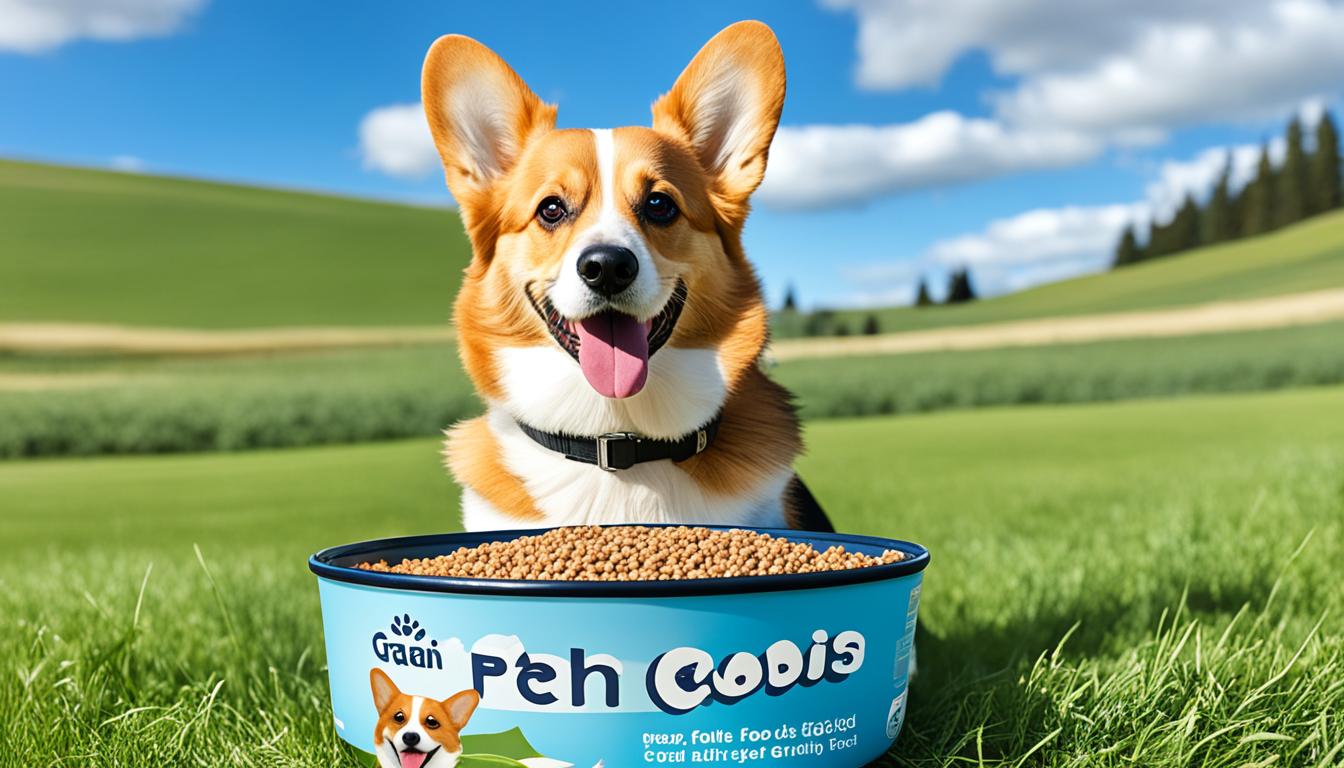

Corgis are beloved dogs known for their playful and energetic nature. As responsible pet owners, it’s important to understand their unique nutritional needs and provide them with a diet that promotes their overall health and well-being. One diet that has gained popularity in recent years is the grain-free diet. In this comprehensive guide, we will explore the benefits of a grain-free diet for Corgis and provide valuable insights into their nutrition requirements.
Key Takeaways:
- Grain-free diets promote digestion, weight management, and joint health in Corgis.
- Corgis thrive on a species-appropriate diet that closely resembles what they would eat in the wild.
- Carbohydrate-rich dog food can have detrimental effects on a Corgi’s health, leading to inflammation and other serious conditions.
- Protein and fats are vital for a Corgi’s muscle health, energy, and coat health.
- Choosing the right carbohydrates and essential vitamins and minerals is crucial for Corgi’s overall health.
The Importance of a Species-Appropriate Diet for Corgis
Corgis, like their undomesticated ancestors, thrive on a species-appropriate diet that closely resembles what they would eat in the wild. Their digestive systems are not designed to process carbohydrates, making a grain-free diet with a focus on high-quality proteins an optimal choice. By feeding Corgis a diet that aligns with their natural needs, owners can enhance their pets’ health and prevent common health conditions.
Corgis’ digestive system is specialized to metabolize and extract nutrients from a diet that mainly consists of proteins and fats. In the wild, their ancestors would primarily consume animal meat, which is rich in essential amino acids and provides the energy they need to lead active lives.
Unlike humans, Corgis do not have the necessary enzymes in their digestive system to adequately break down and utilize carbohydrates. When they consume a diet high in grains or other carbohydrates, it can lead to digestive discomfort, inflammation, and nutrient deficiencies.
A raw food diet, also known as a species-appropriate diet, is one example of a diet that closely resembles what Corgis would eat in the wild. It typically consists of uncooked, unprocessed, and biologically appropriate foods such as raw meat, bones, organs, and vegetables.
This type of diet provides Corgis with the nutrients they need in a form that is easily digestible and optimized for their digestive system. It also eliminates potential allergens found in commercial dog foods, such as grains and artificial additives.
“Feeding Corgis a species-appropriate diet not only supports their digestive health but also helps prevent common health conditions associated with improper nutrition. By providing them with a diet that is in tune with their natural needs, owners can ensure their Corgis lead healthy and fulfilling lives.”
It’s important to note that transitioning a Corgi to a new diet, such as a raw food diet, should be done gradually to avoid digestive upset. Consulting with a veterinarian or canine nutritionist can help develop a tailored diet plan that meets the specific needs of a Corgi.
A species-appropriate diet can play a crucial role in enhancing a Corgi’s overall health and well-being. By providing them with the nutrients they need and eliminating potential allergens, owners can help prevent digestive issues, promote a healthy weight, support joint health, and improve the condition of their coat and skin.
The Detrimental Effects of Carbohydrate-Rich Dog Food
Many commercial dog foods, including grain-free kibble, contain high levels of carbohydrates, which can have detrimental effects on a Corgi’s health. Dogs’ digestive systems struggle to digest and ferment carbohydrates, leading to spikes in insulin and cortisol levels and putting a strain on the pancreas. Additionally, the intense heat processing used in kibble manufacturing denatures nutrients and results in the formation of advanced glycation end-products, which can cause inflammation and serious health conditions.

Carbohydrate-rich dog food can negatively impact a Corgi’s overall health. Dogs are not naturally adapted to digest and ferment carbohydrates efficiently. The high carbohydrate content in commercial dog foods, including grain-free kibble, can result in increased insulin and cortisol levels. These hormonal spikes put a strain on the pancreas, potentially leading to health issues such as diabetes and obesity.
Furthermore, the intense heat processing involved in kibble manufacturing denatures nutrients, making them less bioavailable for the dog’s body. This process also leads to the formation of advanced glycation end-products (AGEs). AGEs are compounds that can cause inflammation and contribute to the development of serious health conditions, including arthritis, kidney disease, and cardiovascular problems.
“A diet rich in carbohydrates can disrupt a Corgi’s natural digestive system and cause hormonal imbalances,” says Dr. Emily Walker, a veterinarian specializing in canine nutrition. “Carbohydrate-rich dog food can lead to chronic inflammation and put additional stress on vital organs.”
Switching to a grain-free dog food with a lower carbohydrate content can help mitigate these detrimental effects. Grain-free options often provide a higher percentage of protein, which is essential for maintaining muscle health and supporting the dog’s energy levels. By reducing carbohydrates and prioritizing protein and healthy fats, Corgis can enjoy improved digestion, reduced inflammation, and better overall health.
The Role of Protein and Fats in a Corgi’s Diet
When it comes to a Corgi’s diet, protein and fats play vital roles in their overall health and well-being. Protein is essential for maintaining their lean muscle mass and supporting their physical activity levels. On the other hand, essential fats are crucial for energy production, brain function, and maintaining a healthy coat and skin.
One of the key elements of a grain-free diet for Corgis is high-quality protein. Including real meat as a primary protein source ensures optimal muscle health and helps them stay active and energetic. Incorporating high-quality protein into their meals promotes muscle development, supports tissue repair, and aids in maintaining a healthy body weight.
In addition to protein, essential fats are equally important for Corgis. Healthy fats, such as omega-3 and omega-6 fatty acids, are essential for energy production and brain function. These fats also contribute to a shiny and lustrous coat, maintaining a healthy skin barrier, and supporting a strong immune system. Including sources of healthy fats, such as fish oil, flaxseed, and chicken fat, in a Corgi’s diet can help ensure overall well-being.
“Protein is essential for maintaining lean muscle mass and supporting physical activity, while essential fats play a significant role in energy production, brain function, and maintaining a healthy coat and skin.”
The Benefits of High-Quality Protein:
- Supports muscle development
- Aids in tissue repair
- Promotes a healthy body weight
The Importance of Essential Fats:
- Provides energy
- Supports brain function
- Promotes a shiny and healthy coat
- Maintains a strong immune system
By prioritizing high-quality protein and essential fats in a Corgi’s diet, owners can ensure their furry companions receive the necessary nutrients for optimal muscle health, energy, and coat health. Providing a balanced and nutritious diet will contribute to their overall vitality and well-being.

Choosing the Right Carbohydrates for Corgis
Carbohydrates play a crucial role in providing sustained energy for Corgis. However, not all carbohydrates are created equal. When selecting carbohydrates for your furry companion, it’s important to opt for complex carbohydrates that offer long-lasting energy and support a healthy digestive system.
Complex carbohydrates are found in foods like sweet potatoes, brown rice, and oats. These carbohydrates are composed of longer chains of sugar molecules, which take longer to break down and provide a steady release of energy. This sustained energy helps keep your Corgi active throughout the day and prevents sudden energy crashes.
Furthermore, complex carbohydrates contribute to a healthy digestive system. They contain dietary fiber, which aids in digestion and promotes regular bowel movements. This fiber is especially beneficial for Corgis, as they are prone to digestive issues.
In contrast, simple carbohydrates should be consumed in moderation. This includes foods like white bread, pasta, and processed treats. Simple carbohydrates are made up of shorter sugar chains, causing them to be quickly digested and rapidly absorbed into the bloodstream. Excessive consumption of simple carbohydrates can lead to weight gain and related health issues in Corgis.
The Benefits of Complex Carbohydrates for Corgis:
- Provide sustained energy throughout the day
- Promote a healthy digestive system
- Contain dietary fiber for improved digestion
A balanced diet for your Corgi should include a variety of nutrients, including complex carbohydrates. By incorporating foods like sweet potatoes, brown rice, and oats into their meals, you can ensure that your furry friend receives the sustained energy they need to lead an active and healthy lifestyle.
“Choosing the right carbohydrates for your Corgi is essential for their overall well-being. Opting for complex carbohydrates like sweet potatoes and brown rice ensures they receive sustained energy, while also supporting their digestive system.”
Next, let’s explore the essential vitamins and minerals that are crucial for maintaining your Corgi’s health.
| Complex Carbohydrates for Corgis | Sustained Energy | Healthy Digestive System | Simple Carbohydrates |
|---|---|---|---|
| Sweet potatoes | Brown rice | Oats | White bread |
| Quinoa | Whole wheat | Fruits | Pasta |
| Barley | Corn | Vegetables | Processed treats |
Essential Vitamins and Minerals for Corgis
Corgis require a range of essential vitamins and minerals to support their overall health. These nutrients play crucial roles in immune health, bone strength, and various bodily functions. When selecting a dog food for your Corgi, it’s important to look for options that are fortified with the following key vitamins and minerals:
Vitamins for Immune Health
- Vitamin A: Supports vision, growth, and immune function.
- Vitamin D: Essential for calcium absorption and bone health.
- Vitamin E: Acts as an antioxidant, protecting cells from damage.
- B-complex vitamins: Help with energy production and nervous system function.
Minerals for Bone Strength
- Calcium: Crucial for bone and teeth formation and maintenance.
- Phosphorus: Works in conjunction with calcium for strong bones and proper cell function.
Supporting Bodily Functions
In addition to vitamins and minerals, Corgis also benefit from other essential nutrients such as protein and fats.
Protein: Corgis require high-quality protein to support muscle health and various bodily functions. Look for dog foods that list real meat as the primary ingredient.
Fats: Essential fats, including omega-3 and omega-6 fatty acids, play a vital role in energy production, brain function, and maintaining a healthy coat and skin. Good sources of healthy fats include fish oil, flaxseed, and chicken fat.
By ensuring your Corgi’s diet includes these essential vitamins, minerals, and nutrients, you can help support their immune health, maintain strong bones, and promote proper bodily functions.

Managing Weight and Portion Control for Corgis
Corgis are known for their adorable and unique body structure, but this also makes them prone to weight gain and obesity. It’s essential for Corgi owners to manage their pet’s weight through proper portion control to ensure their overall health and well-being.
Feeding Corgis two to three balanced meals a day is recommended to maintain a healthy weight. By dividing their food into several servings, Corgis are less likely to overeat. It’s important to control portion sizes and avoid free-feeding, which can lead to excessive calorie intake.
In addition to portion control, regular exercise is crucial for weight management in Corgis. Daily walks, playtime, and engaging in mentally stimulating activities not only help burn calories but also improve their overall fitness and well-being.
Portion Control Tips:
- Measure your Corgi’s food using a kitchen scale or a measuring cup to ensure accurate portion sizes.
- Avoid feeding table scraps or excessive treats, as they contribute to calorie intake.
- If your Corgi tends to beg for food, distract them with a toy or engage them in a different activity to redirect their attention.
Remember, maintaining your Corgi’s ideal weight is crucial for their overall health and can help prevent obesity-related health problems such as joint issues, heart disease, and diabetes.
Recommended Weight Ranges for Corgis:
| Age | Weight Range |
|---|---|
| Puppy (Up to 6 months) | 10 – 15 pounds |
| Adult (6 months to 1 year) | 18 – 25 pounds |
| Adult (1 year and older) | 24 – 30 pounds |
It’s important to note that ideal weight ranges may vary slightly depending on the individual Corgi’s size and build. If you’re unsure about your Corgi’s ideal weight, consult with your veterinarian, who can provide personalized recommendations based on your pet’s specific needs.
By implementing proper portion control techniques and promoting regular exercise, Corgi owners can help their furry friends maintain a healthy weight and enjoy a long and happy life.

Considerations for Corgi Puppies’ Diet
Corgi puppies have unique nutritional needs that differ from adult dogs. As these adorable pups embark on their journey of growth and development, it’s crucial to provide them with a diet specifically tailored to their requirements.
To support their growth and high energy levels, Corgi puppies should be fed puppy formulas that are rich in both protein and fat. These nutrients are vital for their overall development, including the formation of strong muscles and bones. A diet that enables optimal growth sets the foundation for a healthy and active adult life.
Feeding Corgi puppies small, frequent meals throughout the day is essential. Their bodies are rapidly growing and transforming, and providing regular nourishment helps meet their high energy requirements. Divide their daily food intake into multiple portions to prevent overfeeding and maintain consistent energy levels.
“Ensuring proper nutrition in the early stages of a Corgi puppy’s life is vital for their development and well-being.” – Dr. Sarah Johnson, Veterinary Nutritionist
Wet Food vs. Dry Food for Corgis
When it comes to choosing the right food for your Corgi, understanding the differences between wet and dry food is essential. Both options have their own benefits, but certain factors, such as dental health and hydration, can play a role in determining which one is best for your furry friend.
1. Dental Health:
Dry food can be advantageous for maintaining dental health in Corgis. Its crunchy texture promotes chewing, which helps to remove plaque and tartar buildup on their teeth. The act of chewing also stimulates saliva production, which can further contribute to oral hygiene. However, it’s important to note that not all dry food options are created equal. Look for kibbles specifically designed to support dental health, as they may have additional features like abrasive textures or dental-cleansing ingredients.
2. Hydration:
Wet food can provide an excellent source of hydration for Corgis, especially for those who may be reluctant to drink enough water. Corgis have a long body and short legs, making them more prone to dehydration. Wet food contains a higher water content, ensuring that your Corgi stays hydrated throughout the day. Additionally, for Corgis with certain health conditions, such as kidney problems or urinary tract issues, wet food can be beneficial in maintaining proper urinary function.
3. Palatability:
Some Corgis can be picky eaters, and wet food often has a stronger aroma and flavor compared to dry food. This higher palatability can be particularly appealing to Corgis who may be finicky when it comes to mealtime. If your Corgi is a picky eater or has a decreased appetite, introducing wet food into their diet may help encourage better eating habits.
Considering the advantages of both wet and dry food, some owners choose to combine the two to provide a balanced diet for their Corgis. This approach allows for dental health benefits from dry food and the added hydration and palatability of wet food.
Remember, when making any changes to your Corgi’s diet, it’s important to do so gradually to avoid digestive upset. Consult with your veterinarian to determine the best diet plan for your Corgi based on their specific needs.
“The choice between wet and dry food depends on factors such as dental health and hydration. Dry food can help maintain dental health by promoting chewing and reducing plaque build-up. Wet food provides hydration and is often more palatable for picky eaters.”
Corgi Food Comparison Table:
| Wet Food | Dry Food | |
|---|---|---|
| Texture | Moist and soft | Crunchy |
| Hydration | High water content | Low water content |
| Dental Health | No direct dental benefits | Promotes chewing and reduces plaque |
| Palatability | Strong aroma and flavor | Varies, can be less appealing |
| Feeding Considerations | Can be messy, needs to be refrigerated | Convenient and easy to store |
Transitioning to a New Diet and Understanding Dog Food Labels
Transitioning your Corgi to a new diet requires careful consideration and a gradual approach. Abrupt changes can upset their digestive system, causing discomfort and potential health issues. To ensure a smooth transition, introduce the new diet over a week, gradually increasing the proportion of the new food while decreasing the old food. This allows their digestive system to adapt and minimizes any digestive upset.
Understanding dog food labels is an essential aspect of selecting the best nutrition for your Corgi. When examining dog food labels, look for high-quality ingredients that provide the necessary nutrients for your pet’s health. Real meat should be listed as the primary ingredient, ensuring a good source of protein. Avoid dog food that contains unnecessary fillers, such as corn or wheat, as these can contribute to digestive issues and provide limited nutritional value.
“Choosing dog food with high-quality ingredients is crucial for providing your Corgi with a nutritious diet.”
In addition to high-quality ingredients, ensure that the dog food meets the AAFCO (Association of American Feed Control Officials) nutritional standards for dogs. The AAFCO sets guidelines to ensure that pet food is complete and balanced. Look for the AAFCO statement on the dog food label to confirm that it meets the nutritional requirements for your Corgi.
By transitioning to a new diet gradually and understanding dog food labels, you can provide your Corgi with a high-quality diet that promotes their health and well-being. Remember to consult with your veterinarian or a canine nutritionist to discuss any specific dietary considerations for your Corgi’s individual needs.
Conclusion
In conclusion, a grain-free diet can be a game-changer for Corgis, offering a wide range of benefits for their overall health and well-being. By focusing on high-quality proteins, healthy fats, and nutrient-rich vegetables, owners can provide their Corgis with a nutrition plan that supports optimal digestion, weight management, joint health, and more.
However, it’s crucial to remember that each Corgi is unique, and their individual needs should be taken into consideration. Consulting with a veterinarian or canine nutritionist can help create a customized diet plan that caters to their specific requirements.
So, if you’re ready to take your Corgi’s health to the next level, consider transitioning to a grain-free diet and providing them with the nourishment they need to thrive. Your furry companion will thank you with their wagging tail and boundless energy!
FAQ
How can a grain-free diet benefit Corgis?
Why are carbohydrates in dog food detrimental to Corgis’ health?
What role do proteins and fats play in a Corgi’s diet?
What types of carbohydrates should be chosen for Corgis?
What vitamins and minerals are essential for Corgis?
How should weight and portion control be managed for Corgis?
What factors should be considered for Corgi puppies’ diet?
What is the difference between wet and dry food for Corgis?
How should a Corgi be transitioned to a new diet?
Source Links
- https://www.prodograw.com/raw-feeding-guide/pembroke-welsh-corgi-feeding-guide/
- https://iheartdogs.com/ideal-diet-for-corgis-the-ultimate-corgi-feeding-guide/
- https://www.threecorgis.com/dog-food-tips/

Carlos is the passionate founder and primary author behind “CorgisCorner.com,” a website dedicated to all things related to the beloved Corgi breed. Born and raised in a small town known for its strong sense of community and love for animals, Carlos developed a deep affection for Corgis from a young age. This love was sparked by his childhood companion, a spirited and loyal Corgi named Toby, who was a constant source of joy and friendship.