



A growing number of pet owners are considering the switch to a raw food regimen for their beloved dogs and cats. Raw food diets, also known as raw meat-based diets (RMBDs), have gained popularity in recent years. Many pet owners believe that feeding their pets a raw diet offers numerous health benefits and a more natural approach to nutrition. In this article, we will explore the advantages of raw food for pets, different types of raw diets available, considerations for transitioning to a raw pet diet, the safety and risks involved, expert opinions on raw feeding, and the pros and cons of commercial versus home-prepared raw diets.
Key Takeaways:
- Raw food diets for pets are gaining popularity among pet owners.
- Many believe that feeding a raw diet can improve a pet’s body condition, energy levels, and overall health.
- There are different types of raw diets available, including home-prepared and commercially prepared options.
- When switching to a raw diet, considerations such as nutritional history, health conditions, and owner preferences should be taken into account.
- Raw feeding can pose safety risks, such as bacterial contamination, and may require careful handling and preparation.
Advantages of Raw Food for Pets
Raw food diets for pets offer numerous advantages that can contribute to their overall health and well-being. Many pet owners have observed the following benefits when feeding their pets a raw diet:
- Healthier body condition: Pets on a raw diet may experience improved muscle tone, weight management, and overall body condition.
- Higher energy levels: Raw food provides pets with a nutrient-dense and easily digestible source of energy, which can lead to increased vitality and stamina.
- Shinier coats: The natural fats and oils present in raw food can contribute to healthy skin and a shiny, lustrous coat.
- Cleaner teeth: Chewing on raw meat and bones can help scrape away plaque and tartar, promoting dental health and reducing the risk of dental disease.
- Normal bowel movements: Raw diets typically contain a balanced ratio of protein, fats, and fiber, which can support optimal digestion and regular bowel movements.
- More natural and ancestral: Raw diets resemble the prey that carnivorous animals like cats would consume in the wild, making them more aligned with their natural dietary needs.
- Higher in antioxidants: Raw food contains a wide range of natural antioxidants, such as vitamins and phytochemicals, which can support immune function and help prevent oxidative stress.
- Beneficial for pets with specific health needs: Raw diets can be tailored to individual pets’ needs, making them suitable for managing food allergies, weight issues, and certain health conditions.
Introducing raw food to pets can provide them with a nutritionally rich diet that mimics what their ancestors would have eaten. However, it is important to note that individual pet responses may vary, and consulting with a veterinarian is recommended before making any dietary changes.
The Ancestral Diet
“Feeding a raw diet to our pets is a way to honor their carnivorous nature and provide them with the nourishment they need to thrive.” – Dr. Jane Johnson, DVM
Raw food diets offer various advantages for pets, including improved body condition, energy levels, coat health, dental health, and digestion. These benefits, along with the higher antioxidant content and tailored nutrition, make raw feeding an attractive option for pet owners seeking optimal health and nutrition for their furry companions. However, it is essential to discuss the transition to a raw diet with a veterinarian to ensure a complete and balanced diet that promotes the pet’s overall well-being.
Types of Raw Diets for Pets
When it comes to feeding your dogs and cats a raw food diet, there are various options to consider. These include:
- Home-Prepared RMBDs: These are raw meat-based diets that pet owners prepare at home. They require careful formulation to ensure they are complete and balanced.
- Commercial Raw Frozen or Freeze-Dried Diets: These are commercially prepared raw diets that come in frozen or freeze-dried form. They offer convenience and are often complete and balanced.
- Commercial Complete and Balanced Raw Diets: These are commercially prepared raw diets that are specifically formulated to provide all the necessary nutrients for pets.
- Commercial Dehydrated or Freeze-Dried Diets: These are freeze-dried or dehydrated raw food diets that can be rehydrated with water before serving.
- Commercial High-Pressure Pasteurized (HPP) Diets: These are commercially prepared raw diets that undergo a high-pressure pasteurization process to eliminate bacteria while preserving the nutritional value.
Each type of raw diet has its advantages and considerations. Home-prepared diets provide control over ingredients, while commercial diets offer convenience and are often formulated to be complete and balanced.

Tips for Choosing the Right Raw Diet
When switching your pets to a raw food diet, it’s important to consider their individual needs. Here are a few tips to help you choose the right raw diet:
- Consult a veterinarian: Before making any dietary changes, it’s always a good idea to consult with a veterinarian. They can provide guidance on the best diet for your pet’s specific needs.
- Consider convenience: If you have a busy schedule or limited time for meal preparation, a commercial raw diet may be the most practical option for you.
- Research the brand: If you opt for a commercial raw diet, research the brand to ensure it meets quality standards and has a good track record of safety.
- Read ingredient labels: Look for raw diets that use high-quality, human-grade ingredients without any artificial additives or fillers.
- Monitor your pet’s response: Keep a close eye on how your pet responds to the new diet. Look for improvements in their overall health, coat condition, energy levels, and digestive system.
“Choosing the right type of raw diet for your pets can make a significant difference in their overall health and well-being.”
Remember, every pet is unique, and what works for one may not work for another. It may take some trial and error to find the perfect raw diet that suits your pet’s needs. The key is to be patient, observant, and willing to adapt as necessary.
Considerations When Switching to a Raw Diet
Transitioning to a raw pet diet can offer numerous benefits, but it’s essential to consider several factors before introducing raw food to pets. These considerations ensure a smooth transition and the overall well-being of your furry friend.
Pet Owner’s Preferences
As a pet owner, it’s important to assess your comfort level and commitment to a raw food regimen. Raw feeding requires additional effort and dedication compared to commercial pet foods. Consider whether you have the time and resources to prepare and handle raw meals consistently.
Pet’s Nutritional History and Health Conditions
Before introducing raw food to your pet, review their nutritional history and existing health conditions. Consult with a veterinarian to determine if a raw diet is suitable for your pet’s specific needs. Some health conditions may require customized nutritional plans, and a professional’s guidance ensures your pet’s health remains optimal.
Family Situation
Consider your family situation when transitioning to a raw diet. Raw feeding may require separate meal preparation areas, specific storage requirements, and additional precautions, especially if there are young children, elderly family members, or individuals with compromised immune systems in the household. It’s crucial to prioritize safety and hygiene to minimize the risk of bacterial contamination.
Pet Facial Hair Length
Believe it or not, the length of your pet’s facial hair can play a role in their ability to consume raw food. Some breeds with longer facial hair, such as poodles or schnauzers, may struggle to keep their muzzles clean during raw feeding. It’s important to consider grooming habits and potentially consult with a professional groomer to manage any concerns.
Financial Concerns
Switching to a raw diet can have financial implications, as raw pet food may be more expensive compared to commercial options. Take into account your budget and ensure that you can provide the necessary ingredients and supplements for a balanced raw diet. While the benefits can outweigh the costs, it’s essential to assess your financial readiness.
Time Constraints
Raw feeding requires time and commitment to prepare and serve meals. Consider your schedule and determine if you have the necessary time to handle raw food safely and consistently. Additionally, meal prepping and planning may be required to ensure a balanced diet. Evaluate whether you can allocate the time needed for raw feeding to prioritize your pet’s health.
Before embarking on a raw food regimen, it’s best to have a thorough discussion with a veterinarian. They can provide personalized guidance, address any concerns, and help you devise an appropriate plan to transition your pet to a raw diet while ensuring their nutritional needs are met.
Pros and Cons of Transitioning to a Raw Pet Diet
| Advantages | Disadvantages |
|---|---|
| Improved body condition and energy levels | Potential risk of bacterial contamination |
| Healthier skin and coat | Potential nutritional imbalances if not formulated properly |
| Cleaner teeth and gums | Potential risk of choking or dental injuries from bones |
| Normal bowel movements | Requires additional time and effort for preparation |
| May benefit pets with food allergies or specific health conditions | Can be more expensive compared to commercial pet foods |
Safety and Risks of Raw Feeding
While raw feeding can offer numerous benefits for pets, it is important to be aware of the safety risks involved. Raw pet food, including raw meat, can potentially contain harmful bacteria, which may pose health risks to both pets and household members. Proper handling and storage of raw pet food are essential to minimize these risks.
Bacterial Contamination: Raw meat, even if of high quality, can carry bacteria such as Salmonella or E. coli. These pathogens can cause illness in pets and humans, leading to symptoms such as vomiting, diarrhea, and fever. To reduce the risk of bacterial contamination, it is crucial to handle raw pet food with caution.
“Proper handling and storage of raw pet food are essential to minimize these risks.”
It is recommended to follow these guidelines when handling raw pet food:
- Store raw pet food in secure, leak-proof containers to prevent cross-contamination with other foods.
- Thoroughly wash hands, utensils, and surfaces that come into contact with raw pet food with hot soapy water.
- Keep raw pet food separate from human food and ensure it is stored at the appropriate temperature to inhibit bacterial growth.
Nutritional Imbalances: Another risk associated with raw feeding is the potential for nutritional imbalances if the diet is not formulated properly. Commercial raw diets are typically balanced to meet the nutritional needs of pets, but homemade raw diets may require meticulous attention to detail. It is crucial to consult with a veterinarian or veterinary nutritionist to ensure the raw diet provides all necessary nutrients.
Choking and Dental Injuries: Feeding whole bones as part of a raw diet can pose a risk of choking or causing dental injuries to pets. It is important to select bones that are appropriate for the pet’s size and chewing habits. Grinding or cooking bones can help minimize the risk, but it is advisable to consult with a veterinarian before incorporating bones into a pet’s diet.
Safe Preparation and Storage: To ensure the safety of raw pet food, it is essential to follow proper preparation and storage guidelines. This includes thawing frozen raw food in the refrigerator or using safe methods such as microwave defrosting. Raw food should never be left at room temperature for extended periods, as it can promote bacterial growth. Additionally, uneaten raw food should be discarded within a specific time frame to prevent spoilage.
By understanding and adhering to these safety precautions, pet owners can enjoy the potential benefits of raw feeding while minimizing the associated risks.
Expert Opinions on Raw Feeding
The topic of raw pet food has sparked widespread debate among veterinary professionals. While some experts are proponents of raw feeding, believing it can be beneficial for certain pets with specific health conditions or food allergies, others offer a cautious perspective due to the potential risks involved and the lack of conclusive scientific evidence supporting the claimed benefits. It is crucial for pet owners to consult with a veterinarian to gain expert insights and make an informed decision about switching their pets to a raw diet.
“Raw feeding can provide numerous advantages for pets, particularly those with specific dietary needs or allergies. The natural, unprocessed nature of raw food may help support overall health and wellness.” – Dr. Sarah Johnson, DVM
Proponents of raw feeding argue that it offers a more natural and ancestral diet for carnivorous pets like cats and canines, potentially resulting in a healthier body condition, increased energy levels, shinier coats, cleaner teeth, and normal bowel movements. Some experts also believe that raw diets are higher in antioxidants and may have immune-boosting properties, making them suitable for pets with compromised immune systems.
“While raw feeding may have some perceived benefits, the potential risks associated with bacterial contamination and nutritional imbalances cannot be ignored. It is essential to exercise caution and carefully manage raw feeding to minimize health hazards.” – Dr. Lisa Martinez, DVM
On the other hand, skeptics of raw feeding voice concerns about the potential dangers, including the risk of bacterial infections such as Salmonella or E. coli. They stress the importance of handling raw pet food properly, maintaining good hygiene practices, and following recommended guidelines for safe preparation and storage. Furthermore, some experts emphasize the lack of substantial scientific evidence to support the claimed benefits of raw food diets.
Ultimately, a balanced consideration of both the potential benefits and risks is necessary when evaluating raw feeding as a dietary option for pets. Consulting with a veterinarian who is knowledgeable about raw feeding will provide pet owners with invaluable expert opinions and guidance in making the best decision for their furry companions.
Commercial Raw Food Diets
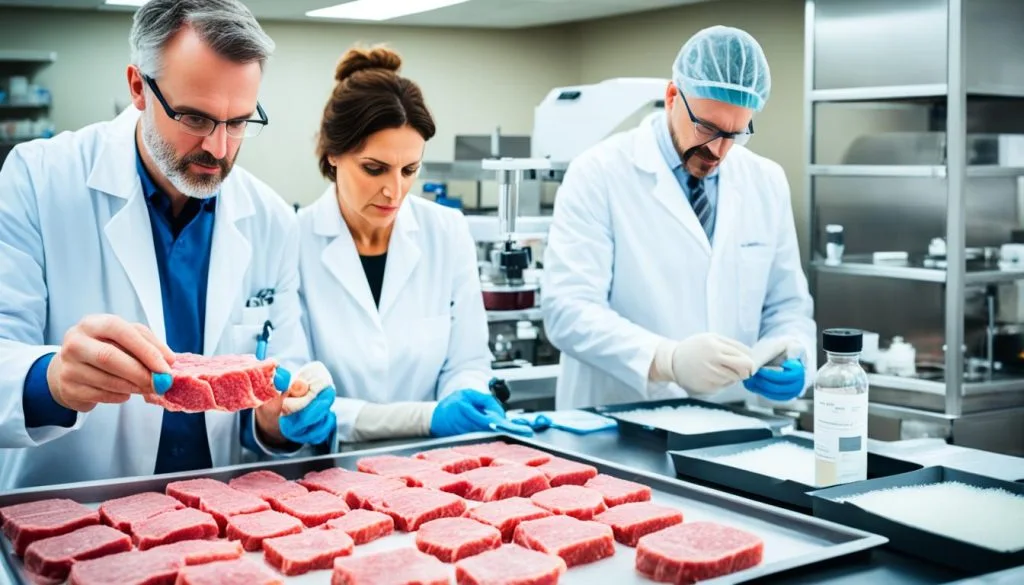
Commercially prepared raw food diets offer numerous advantages for pet owners looking to provide their furry companions with a balanced and convenient feeding option. These diets are available in various forms, including frozen, freeze-dried, or dehydrated, making them easily accessible and effortless to incorporate into your pet’s routine.
One of the primary benefits of commercial raw pet food is the assurance of a complete and balanced diet. These diets are meticulously formulated to meet the nutritional requirements of dogs and cats, ensuring that they receive all the essential nutrients they need to thrive. This can give pet owners peace of mind, knowing that they’re providing their pets with a well-rounded meal.
Another advantage is the convenience that commercial raw food diets offer. They eliminate the need for pet owners to source and prepare raw ingredients themselves, saving time and effort. With pre-packaged options, pet owners can simply thaw or rehydrate the food and serve it to their pets. This makes it a convenient choice for busy individuals or those who are new to raw feeding.
Moreover, commercial raw pet food diets often have accurate nutrient content information listed on the packaging. This allows pet owners to easily monitor the nutritional intake of their pets, helping them maintain a balanced and tailored diet. Additionally, these diets may offer specific formulas for different life stages, such as puppy or senior formulas, catering to the unique needs of pets at different ages.
Despite these advantages, it’s important to consider some potential disadvantages of commercial raw food diets. One aspect to be mindful of is the cost. Commercial raw pet food can be more expensive than conventional pet foods. However, it’s essential to recognize that the higher cost is often associated with the quality of ingredients and the meticulous preparation process necessary to ensure product safety and nutritional balance.
Furthermore, depending on the specific nutritional requirements of your pet, additional supplementation may be necessary when feeding a commercially prepared raw diet. Consulting with a veterinarian or veterinary nutritionist can help determine if any supplements are needed to address specific health concerns or dietary needs.
Expert Insight
“Commercial raw pet food diets provide pet owners with a convenient and controlled feeding option. They offer the benefits of a balanced diet while eliminating the need for home preparation. However, it’s important to consider the overall cost and potential need for additional supplementation to ensure optimal health for your pet.”
Overall, commercial raw food diets offer pet owners a convenient and reliable way to provide their pets with the benefits of a raw food regimen. They provide complete and balanced nutrition, are easy to incorporate into daily routines, and offer accurate nutrient information. However, it’s crucial to weigh the advantages against the potential drawbacks, such as cost and the need for potential supplementation, to make an informed decision for your pet’s well-being.
Home-Prepared Raw Diets
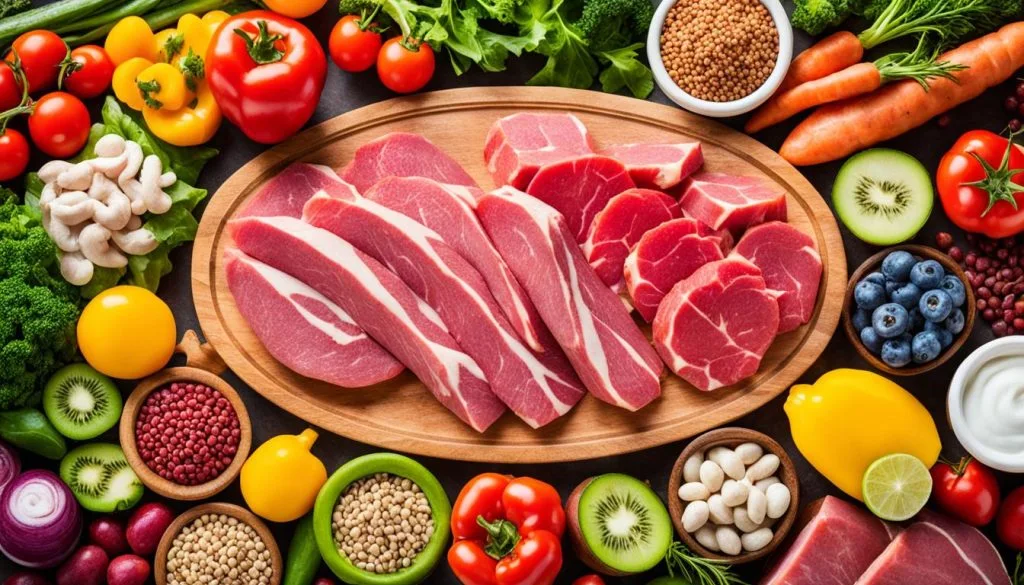
For pet owners seeking more control over their pet’s diet, home-prepared raw diets can be an appealing option. By preparing meals at home, you can ensure the quality of ingredients and tailor the diet to your pet’s specific needs. However, it’s essential to approach home-prepared raw diets with care and attention to prevent nutritional imbalances and ensure the diet is complete and balanced.
When opting for home-prepared raw diets, pet owners should conduct thorough research and utilize proper recipes or seek guidance from a veterinary nutritionist. These resources can help ensure that the diet meets all of your pet’s nutritional requirements and avoids any deficiencies. By following expert advice, you can confidently provide your pet with a well-rounded and healthy diet.
It’s important to note that home-prepared raw diets may require additional time and effort for preparation compared to commercial options. While the investment of time may be well worth it for some pet owners, others may find this aspect of home-prepared diets challenging to manage.
Preparing a home-prepared raw diet for your pet requires careful planning and consideration. Consulting with a veterinary nutritionist or utilizing trusted recipes can help ensure your pet receives a safe and balanced diet.
If you choose to pursue a home-prepared raw diet, remember that the advantages lie in the control and customization it offers. You have the ability to select high-quality ingredients and adjust the proportions to meet your pet’s specific requirements. However, these benefits come with the responsibility of staying informed and educated about proper nutrition for your pet.
Advantages of Home-Prepared Raw Diets:
- Control over ingredient quality
- Customization to meet specific dietary needs
- Opportunity to avoid allergens or sensitivities
Disadvantages of Home-Prepared Raw Diets:
- Requires thorough research and nutritional knowledge
- Time-consuming for meal preparation
- Greater potential for nutritional imbalances if not properly formulated
Ultimately, the decision to feed your pet a home-prepared raw diet depends on your ability to dedicate the time, effort, and resources required to provide a safe and nutritionally complete diet. It’s crucial to weigh the advantages and disadvantages carefully and consider your pet’s specific needs before making the switch.
Raw Feeding and Health Conditions
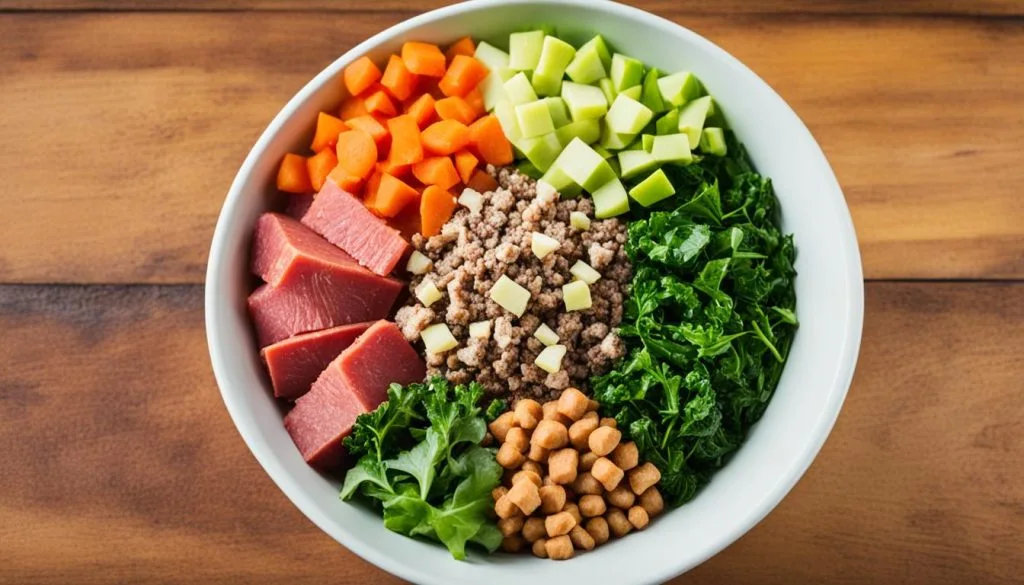
Raw feeding has gained attention for its potential benefits in addressing health conditions in pets, including food allergies and specific dietary needs. Many pet owners have reported improvements in symptoms and overall health when switching their pets to a raw food diet. However, it is important to note that the scientific evidence supporting these claims is currently limited, and individual pet responses may vary.
Consulting with a veterinarian is essential before making any dietary changes for a pet with health conditions. They can provide valuable insight into whether a raw food diet is suitable for your pet’s specific needs, ensuring that their nutritional requirements are met adequately.
“Switching to a raw food diet may have potential benefits for pets with health conditions, but it’s essential to consult with a veterinary professional to ensure it aligns with the individual needs of your pet.” – Dr. Olivia Roberts, Veterinarian
While some pets may experience positive outcomes on a raw food diet, it is crucial to approach this dietary change with caution and careful monitoring. Allergies, sensitivities, and other health conditions require individualized attention, and professional guidance will help determine if a raw food diet is the appropriate choice.
Additionally, it’s important to remember that every pet is unique, and what works for one may not work for another. A thorough examination of your pet’s health, medical history, and dietary requirements by a qualified veterinarian will provide the necessary guidance on the suitability of a raw food diet for your pet’s specific health condition.
Benefits of Raw Feeding for Food Allergies
Food allergies can severely impact a pet’s quality of life, leading to skin inflammation, gastrointestinal issues, and discomfort. Raw feeding has been suggested as a potential solution for pets with food allergies. The elimination of common allergens, such as grains and fillers, often found in commercial pet foods, may alleviate allergic reactions in some pets.
However, it’s vital to note that identifying and managing food allergies requires professional guidance. Before making any dietary changes, consult with a veterinarian to properly diagnose and address your pet’s food allergies. They can help formulate a suitable raw food diet that meets your pet’s nutritional needs while avoiding the specific allergens that trigger their adverse reactions.
| Pros of Raw Feeding for Food Allergies | Cons of Raw Feeding for Food Allergies |
|---|---|
|
|
It is important to understand that a raw food diet is not a guaranteed cure for food allergies. While some pets may experience relief, others may not respond as desired. Collaborating with a veterinarian specializing in pet nutrition will enable you to make informed decisions regarding diet adjustments and ensure that your pet’s food allergy management is comprehensive.
Conclusion
In conclusion, when considering whether to switch your pet to a raw food regimen, it is important to take into account the individual circumstances, including your pet’s health, lifestyle, and your own preferences. Raw feeding offers potential benefits, such as improved body condition, energy levels, and skin health for your pet. However, it is essential to be aware of the risks associated with raw feeding, including the potential for bacterial contamination and nutritional imbalances.
Before making any changes to your pet’s diet, it is crucial to consult with a veterinarian who can provide expert guidance and help you weigh the pros and cons. They can also assist in ensuring that the raw diet is complete and balanced, addressing any nutritional concerns. By working together with your veterinarian, you can make an informed decision regarding your pet’s diet and ensure their health and well-being.
Remember, the decision to switch your pet to a raw food regimen should not be taken lightly. Take the time to thoroughly research and understand the benefits and risks involved, and always prioritize your pet’s health above all else.
FAQ
Why should I switch my pet to a raw food regimen?
What are the advantages of raw food for pets?
What types of raw diets are available for dogs and cats?
What should I consider when switching my pet to a raw diet?
Are there any safety risks associated with raw feeding?
What do veterinarians say about raw feeding?
What are the advantages and disadvantages of commercial raw food diets?
Can I prepare a raw diet at home for my pet?
Can a raw diet be beneficial for pets with health conditions?
What is the conclusion on raw feeding?
Source Links
- https://www.webmd.com/pets/dogs/features/raw-dog-food-dietary-concerns-benefits-and-risks
- https://www.ncbi.nlm.nih.gov/pmc/articles/PMC6515799/
- https://www.ncbi.nlm.nih.gov/pmc/articles/PMC6849757/

Carlos is the passionate founder and primary author behind “CorgisCorner.com,” a website dedicated to all things related to the beloved Corgi breed. Born and raised in a small town known for its strong sense of community and love for animals, Carlos developed a deep affection for Corgis from a young age. This love was sparked by his childhood companion, a spirited and loyal Corgi named Toby, who was a constant source of joy and friendship.