

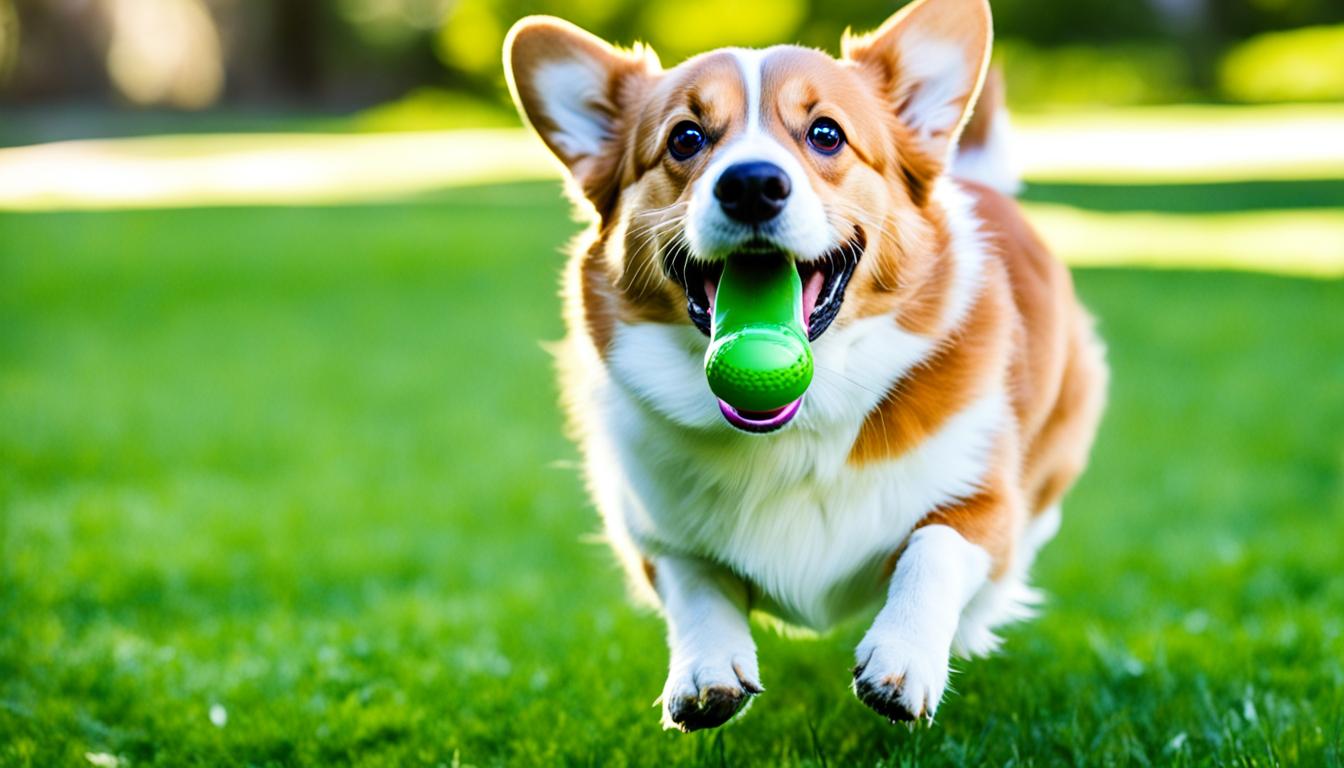

Are you looking to improve your Corgi’s mood and overall happiness? Did you know that exercise plays a crucial role in transforming your furry friend’s state of mind? Contrary to popular belief, physical activity goes beyond just keeping your Corgi fit. It has a profound impact on their mental well-being, behavior, and overall quality of life. So, how exactly does exercise transform your Corgi’s mood? Let’s explore the fascinating connection between exercise and Corgi happiness.
Key Takeaways:
- Regular exercise significantly improves a Corgi’s mood and mental health.
- Physical activity helps prevent health issues and even depression in Corgis.
- Corgi puppies and adult Corgis have different exercise requirements and energy levels.
- Varying forms of exercise, such as walking, swimming, and games, can boost a Corgi’s happiness.
- Mental stimulation is equally important for a balanced and fulfilled Corgi.
How Much Exercise Does My Corgi Puppy Need?
When it comes to exercise, Corgi puppies have different needs compared to adult Corgis. It’s important to understand their exercise requirements and tailor their physical activity accordingly.
Corgi Exercise Requirements:
Exercise is essential for the physical and mental well-being of Corgi puppies. However, it’s crucial to avoid high-impact activities that could potentially harm their growing bodies. Activities such as frisbee or agility should be avoided until the puppy is at least 1 year old.
Puppy Exercise Duration:
At 3 months old, Corgi puppies only need about 15 to 30 minutes of activity per day. As they get older, this duration can gradually increase. Monitoring their energy levels and avoiding excessive fatigue is important to prevent any strain on their developing bodies.
Corgi Puppy Exercise Limits:
While exercise is essential for Corgi puppies, it’s important not to overdo it. Puppies have limited endurance and can easily become overtired. Pay close attention to their cues and provide plenty of opportunities for rest and relaxation throughout the day.
Socialization and Training:
Aside from physical exercise, Corgi puppies also benefit from socialization and training. This is a crucial stage in their development and helps build a strong bond with their owners. Consider incorporating socialization activities and basic training exercises into their exercise routine.
Puppy Exercise Guidelines
Here are some guidelines to ensure the optimal exercise routine for your Corgi puppy:
- Avoid high-impact activities until the puppy is at least 1 year old.
- Start with short exercise sessions of 15 to 30 minutes at 3 months old.
- Gradually increase the duration of exercise as the puppy grows.
- Monitor energy levels and avoid excessive fatigue.
- Incorporate socialization and basic training exercises.
Remember, every Corgi puppy is unique, and their exercise needs may vary. It’s always a good idea to consult with your veterinarian for specific exercise recommendations tailored to your puppy’s age, health, and individual needs.
How Much Exercise Does My Adult Corgi Need?
Adult Corgis require approximately 1 hour of physical exercise daily to maintain their fitness and happiness. Despite their chubby appearance, Corgis are highly energetic and intelligent dogs with a natural inclination towards activity. Walking for an hour may be sufficient for some dogs, but others may benefit from more stimulating exercises like strength training or high-intensity games. It is important to find activities that challenge their physical and mental abilities while strengthening the bond between the dog and the owner.
| Exercise Requirements for Adult Corgis | Physical Activity for Adult Corgis | Corgi Exercise Duration | Daily Exercise for Adult Corgis | Corgi Energy Levels |
|---|---|---|---|---|
| Approximately 1 hour of exercise | Stimulating exercises like strength training or high-intensity games | 1 hour | 1 hour | High energy levels |
How to Exercise Your Corgi More
Corgis are energetic creatures that thrive on physical activity. If you want to keep your furry friend happy and healthy, it’s essential to find ways to increase their exercise levels. Here are some fun activities that can help transform your Corgi’s mood and provide them with the exercise they need.
Swimming for Corgis
Swimming is a fantastic low-impact exercise that works out all major muscles in your Corgi’s body. It’s especially beneficial for dogs with joint issues, as the water provides support and reduces strain on their joints. Whether it’s in a pool, lake, or at the beach, swimming is a refreshing and enjoyable activity for Corgis.
Walking for Corgis
While walking may not be enough exercise for some Corgis, it’s still an excellent way to provide mental stimulation and warm-up before more vigorous activities. Take your Corgi on daily walks to explore the neighborhood, allowing them to sniff and discover new scents along the way. Walking also provides an opportunity for socialization with other dogs and people.
Hiking with Corgis
If you’re up for an adventure, take your Corgi hiking! These little dogs have surprisingly endless energy, and hiking allows them to expend it while experiencing new sights, smells, and terrains. Just make sure to choose trails that are appropriate for your Corgi’s fitness level and bring plenty of water and snacks for both of you.
Fetch Games for Corgis
Corgis are natural herders, so it’s no surprise that they love to play fetch. Grab a ball or a Frisbee and enjoy a game of fetch with your Corgi. This activity not only provides them with physical exercise but also utilizes their natural instincts. Be sure to choose an open, safe space to play to avoid any accidents or injuries.
Corgi Sporting Events
Corgis excel in various sporting events, which can be a great way to engage them physically and mentally. Whether it’s participating in races, herding trials, lure coursing, or agility competitions, these events allow Corgis to showcase their skills while having a blast. Check local listings for events in your area, and who knows, your Corgi might become a star athlete!
Soccer Ball Exercises for Corgis
Did you know that Corgis make excellent soccer players? Well, maybe not professionally, but they sure love chasing and pushing around a soccer ball. Set up a mini soccer field in your backyard, and let your Corgi showcase their dribbling skills. It’s a fun way to exercise together while satisfying their love for herding and chasing.
Flirt Pole Games for Corgis
The flirt pole is a fantastic toy that engages your Corgi’s hunting instincts. It consists of a long pole with a toy or a lure attached to a string. As you move the lure around, your Corgi will enthusiastically chase and pounce on it. This game provides both physical exercise and mental stimulation, allowing your Corgi to release their energy in a controlled and enjoyable way.
By incorporating these activities into your Corgi’s exercise routine, you can ensure that they stay fit, happy, and entertained. Remember to always consider your Corgi’s age, health, and fitness level when engaging in these activities, and consult with your veterinarian if needed.

Comparison of Exercise Activities for Corgis
| Activity | Benefits | Difficulty Level | Recommended Frequency |
|---|---|---|---|
| Swimming | Low-impact workout; works all major muscles | Easy | 2-3 times per week |
| Walking | Mental stimulation; warm-up activity | Easy | Daily |
| Hiking | Exploration; physical and mental challenge | Moderate | Weekly |
| Fetch Games | Physical exercise; mental stimulation | Easy | Daily |
| Corgi Sporting Events | Physical and mental engagement; socialization | Varies | Depends on event availability |
| Soccer Ball Exercises | Fulfills herding instincts; fun and engaging | Easy | As often as desired |
| Flirt Pole Games | Hunting instinct stimulation | Moderate | 2-3 times per week |
Why do dogs need mental stimulation?
Dogs, including Corgis, not only need physical exercise but also mental stimulation to keep them engaged, happy, and well-behaved. Dogs are intelligent creatures capable of complex thoughts and emotions. When dogs get bored, they can exhibit destructive behaviors as a way to entertain themselves. Mental stimulation for dogs is essential to prevent behavioral issues and improve their overall well-being. Mental enrichment challenges their cognitive abilities, improves their concentration, and tires them out, leading to better sleep patterns.
“Dogs are like humans; they need mental stimulation and engagement to thrive. Without it, they can become anxious, bored, and even develop behavioral problems. Providing mental exercise is as important as physical activity for the overall well-being of our furry friends.” – Dr. Emma Johnson, Veterinarian
Mental stimulation can come in a variety of forms, including interactive games and puzzles that challenge a dog’s problem-solving abilities. Brain games for dogs engage their cognitive skills and provide an outlet for their natural instincts while keeping them mentally sharp and content. The benefits of mental stimulation extend beyond mental well-being; it can also positively impact a dog’s physical health as it encourages them to stay active and agile.
Dog Brain Games
Here are some challenging mental exercises that can stimulate your Corgi’s mind:
- Treat-Seeking Games: Hide treats around the house or in puzzle toys for your dog to find. This stimulates their natural foraging instincts and keeps their minds active as they search for rewards.
- Obstacle Courses: Set up an indoor or outdoor obstacle course with tunnels, hoops, and cones. Guide your dog through the course using commands and encourage them to navigate the obstacles using their problem-solving skills.
- Scent Detection: Teach your dog to identify different scents by hiding scented items and rewarding them when they find the correct one. This game taps into their keen sense of smell and engages their cognitive abilities.
- Interactive Toys: Provide your dog with toys that require problem-solving, such as interactive puzzles or toys that dispense treats when manipulated in specific ways. These toys keep them entertained and mentally stimulated.
Remember to choose games that match your Corgi’s age, energy level, and interests. The key is to make it challenging yet enjoyable for them. Regular mental exercise can help prevent boredom, reduce destructive behaviors, and create a stronger bond between you and your furry companion.

| Benefits of Mental Stimulation for Dogs: |
|---|
| 1. Prevents boredom and destructive behaviors |
| 2. Improves cognitive abilities and problem-solving skills |
| 3. Reduces anxiety and stress |
| 4. Promotes better sleep patterns |
| 5. Enhances the bond between dog and owner |
| 6. Provides physical exercise and mental stimulation in one |
What are good mental games for dogs?
When it comes to engaging your dog’s mind, there is a wide range of mental games that can provide the mental stimulation they need. These games not only challenge their cognitive abilities but also provide plenty of entertainment and bonding opportunities. Here are some fun and enriching mental games for dogs:
1. Hide and Seek
Hide and Seek is a popular game that encourages problem-solving and reinforces command words. Start by having your dog sit and stay, then hide in another room or behind furniture. Once you’re hidden, call out your dog’s name to seek you out. Reward them with praise and treats when they find you. This game not only engages their mind but also strengthens your bond.
2. Teaching New Tricks
Teaching your dog new tricks is not only mentally stimulating but also boosts their confidence and happiness. Start with simple tricks such as sit, lie down, and shake hands. As your dog masters each trick, move on to more complex ones. The process of learning new tricks challenges their mind, improves their focus, and provides a sense of accomplishment.
3. Scatter Feeding
Scatter feeding is a great activity that taps into your dog’s natural foraging instincts. Instead of feeding your dog from a bowl, scatter their kibble or treats in the backyard or a designated area. This game encourages them to use their nose to search and find their food, providing mental stimulation and keeping them engaged.
4. Food Puzzles
Food puzzles are specifically designed to challenge dogs’ problem-solving abilities. These puzzles come in various shapes and sizes, requiring your dog to figure out how to access their treats or kibble. They provide mental stimulation and can keep your dog entertained for hours. Make sure to supervise your dog while they play with food puzzles.
5. Interactive Dog Toys
Interactive dog toys are great for mental stimulation during playtime. Squeaky toys and toys that roll are excellent choices as they engage your dog’s mind through interactive play. These toys encourage problem-solving, keep your dog engaged, and provide a fun outlet for their energy.
6. Daily Routine Enrichment
Incorporating mental exercise into your dog’s daily routine is essential for keeping their mind sharp. Simple activities like putting away toys, creating obstacle courses, or using puzzle feeders for mealtime can provide mental challenges and enrichment. Be creative and think of ways to engage your dog mentally throughout the day.
Remember that mental stimulation is just as important as physical exercise for dogs. Engaging their minds through these games and activities not only prevents boredom but also promotes their overall well-being and happiness.

| Game | Description |
|---|---|
| Hide and Seek | Encourages problem-solving and reinforces command words. Hide and call your dog to find you. |
| Teaching New Tricks | Engages their mind and boosts their confidence. Teach your dog new tricks, gradually increasing complexity. |
| Scatter Feeding | Taps into their foraging instincts. Scatter their food in the yard and let them search for it. |
| Food Puzzles | Challenges their problem-solving abilities. Give them puzzle toys to access their treats. |
| Interactive Dog Toys | Provides mental stimulation during playtime. Choose toys that require interaction and problem-solving. |
| Daily Routine Enrichment | Incorporate mental challenges into their daily routine. Put away toys, create obstacle courses, or use puzzle feeders for mealtime. |
Is chewing mentally stimulating for dogs?
Chewing is not only a physical activity but also a mentally stimulating one for dogs. Dogs engage in chewing as a natural instinct and it serves as a brain exercise that can provide numerous benefits for their overall well-being.
When dogs chew, they must concentrate and focus on the task at hand. This mental engagement helps keep them stimulated and engaged, preventing boredom and potential destructive behaviors.
Providing durable chew toys can further enhance the mental stimulation that chewing offers. Toys that offer different angles and textures can challenge a dog’s mind and keep them actively thinking while satisfying their natural chewing instincts.
Chewing is a mentally stimulating activity that can help alleviate stress and anxiety in dogs.
Chewing also has several other benefits for dogs. It can help keep their teeth and gums healthy by reducing plaque and tartar buildup. Additionally, chewing on appropriate toys can help relieve teething discomfort in puppies and promote strong and healthy jaw muscles.
It’s important to choose chew toys that are appropriate for your dog’s size, breed, and chewing style. Always opt for sturdy toys that are designed to withstand vigorous chewing. Avoid toys that can easily be torn apart, as this can present a choking hazard.
Chewing is a natural behavior for dogs and providing them with appropriate chew toys can help fulfill their instinctual needs while keeping them mentally stimulated.
By incorporating chew toys into your dog’s routine, you can encourage mental engagement and provide them with a rewarding activity that promotes overall well-being. Regular chewing sessions can help keep your dog happy, relaxed, and mentally sharp.
Benefits of chewing for dogs:
- Provides mental stimulation
- Prevents boredom and destructive behaviors
- Relieves teething discomfort in puppies
- Promotes healthy teeth and gums
- Strengthens jaw muscles

How much mental stimulation does a dog need?
The mental stimulation needs of dogs can vary depending on factors such as breed, size, and energy levels. While providing physical exercise for our furry friends is important, mental exercise is equally crucial for their overall well-being and happiness.
As a general guideline, dogs should receive at least 30 minutes of mental stimulation per day, ideally split into two sessions of 15 minutes each. This can be achieved through engaging activities such as interactive puzzle toys, training sessions, or brain games that challenge their cognitive abilities.
However, it’s essential to observe your own dog’s behavior and adjust the amount of mental exercise accordingly. High-energy breeds or dogs with specific intelligence and problem-solving skills may require more mental stimulation to keep them mentally engaged and fulfilled. Smaller breeds, on the other hand, may be content with shorter sessions.
Discovering the optimal level of mental stimulation for your dog will involve experimentation and paying attention to their responses. Ultimately, finding the right balance between physical and mental exercise will contribute to a happy and well-rounded canine companion.
FAQ
How does exercise transform a Corgi’s mood?
What are the fitness benefits for Corgis?
How does exercise improve a Corgi’s mood?
What behavior changes can I expect from my Corgi with regular exercise?
What should be the exercise routine for my Corgi?
How much exercise does my Corgi puppy need?
How much exercise does my adult Corgi need?
How can I increase my Corgi’s exercise level?
Why do dogs need mental stimulation?
What are good mental games for dogs?
Is chewing mentally stimulating for dogs?
How much mental stimulation does a dog need?
Source Links
- https://www.dogster.com/dog-health-care/how-much-exercise-does-my-corgi-need
- https://www.barclondon.com/blogs/dog-training-behaviour/brain-games-for-dogs
- https://news.orvis.com/dogs/the-best-exercises-for-dogs-at-every-age

Carlos is the passionate founder and primary author behind “CorgisCorner.com,” a website dedicated to all things related to the beloved Corgi breed. Born and raised in a small town known for its strong sense of community and love for animals, Carlos developed a deep affection for Corgis from a young age. This love was sparked by his childhood companion, a spirited and loyal Corgi named Toby, who was a constant source of joy and friendship.