

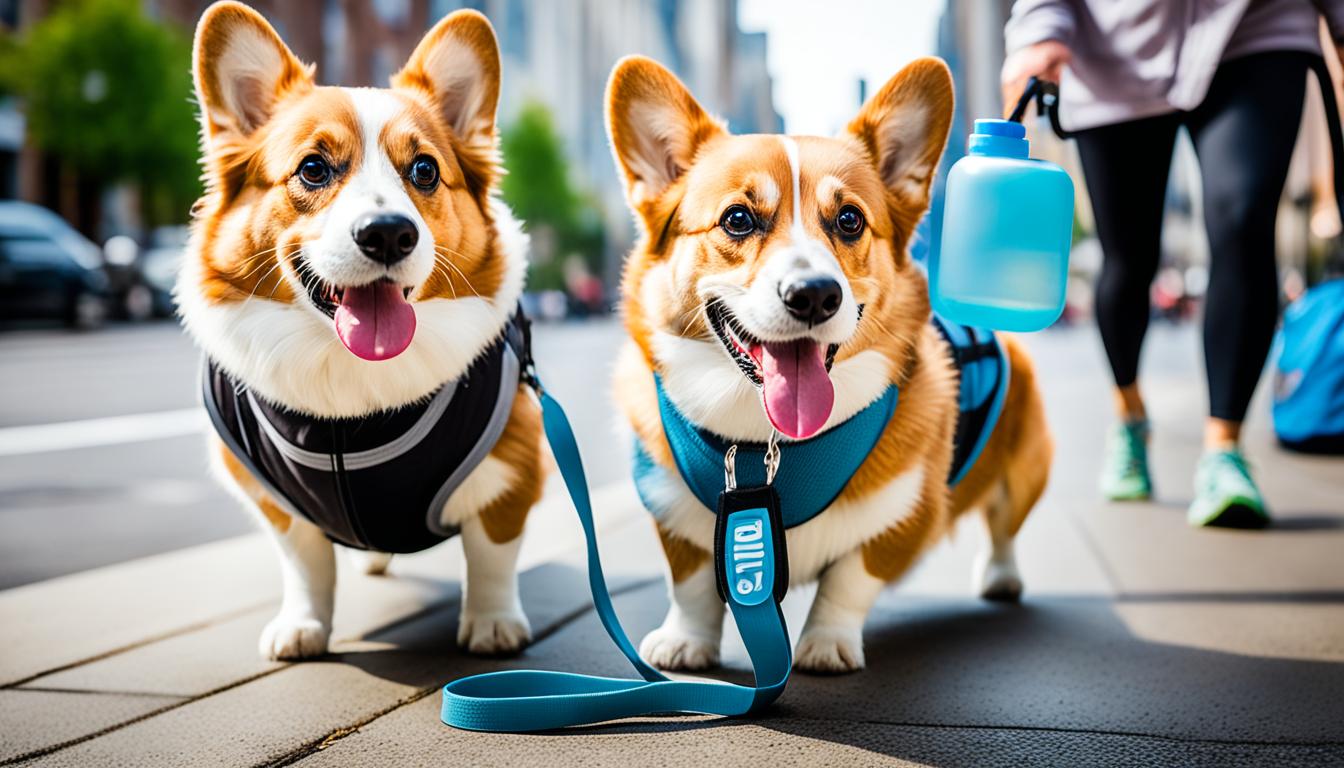

Do you struggle to find time to keep your Corgi fit on a busy schedule? Maintaining your beloved pet’s health is essential, but it can be challenging when you have limited time. Luckily, we’ve uncovered the secrets to maintaining your Corgi’s fitness even on a tight schedule. Discover the tips and tricks that will optimize care for your Corgi, ensuring they stay healthy and happy.
Key Takeaways:
- Regular exercise is crucial for a Corgi’s overall health and well-being.
- Mental exercise is equally important for Corgis, providing them with mental stimulation and preventing behavioral issues.
- A sedentary lifestyle can lead to obesity, joint problems, gastrointestinal issues, and other health complications for Corgis.
- Senior and adult Corgis require tailored exercise routines to meet their specific needs.
- Consistency and incorporating exercise into daily routines are key to long-term fitness for Corgis.
Why Senior Welsh Corgis Need A Regular Workout
As your Welsh Corgi grows older, regular exercise becomes even more crucial to maintaining their overall health and well-being. These dogs, originally bred for herding, have a natural inclination towards high-intensity physical activity. It is important to understand the exercise needs of senior corgis to ensure they live a happy and healthy life.
Regular workouts provide numerous health benefits for senior corgis, both physically and mentally. Engaging in exercise helps prevent various health issues such as obesity, joint and muscle deterioration, gastrointestinal problems, heart disease, and social and behavioral difficulties. Furthermore, exercise plays a significant role in maintaining their mental health, preventing issues like anxiety and depression.
“Regular workouts help prevent obesity, joint and muscle deterioration, gastrointestinal problems, heart disease, social and behavioral difficulties, and mental health issues.”
Exercise promotes weight management, strengthens their muscles and joints, improves cardiovascular health, and boosts their immune system. It also helps stimulate their mind, providing mental enrichment and preventing cognitive decline.
By incorporating regular exercise into their routine, you can help your senior corgi maintain a healthy weight, reduce the risk of chronic diseases, alleviate joint pain and stiffness, improve digestion, and enhance their overall longevity and quality of life.
It is important to note that the exercise needs of senior corgis may vary based on their individual health, mobility, and energy levels. Consulting with your veterinarian will provide you with valuable insights into the appropriate exercise routine for your furry friend. Paying attention to their comfort and limitations is essential to prevent overexertion or injury.
A well-rounded exercise routine for senior corgis typically includes low-impact activities such as daily walks, swimming, or gentle play sessions. These activities promote strength, flexibility, and cardiovascular health without putting too much strain on their joints and muscles.
Remember, regardless of their age, senior corgis still have a natural need for physical activity. Regular exercise not only keeps them fit but also provides mental stimulation and strengthens the bond between you and your furry companion.
Stay tuned for the next section where we will explore the role of mental exercise in maintaining the fitness of your corgi.
The Role of Mental Exercise in Corgi Fitness
Corgis, like other herding breeds, require not just physical exercise but also mental stimulation to stay fit. While it’s important to keep their bodies active, it’s equally important to engage their minds. Mental exercise involves utilizing their senses and engaging in activities that challenge their intelligence, keeping their brains sharp and their spirits high.
Providing mental stimulation for corgis can have a variety of benefits. It keeps their minds active, prevents boredom, and helps to curb destructive behaviors that may result from pent-up energy. Mental exercise can also strengthen the bond between you and your corgi as you work together on puzzles and interactive games.
To incorporate mental exercise into your corgi’s fitness routine, consider incorporating the following activities:
- Puzzle toys: These toys challenge your corgi to figure out how to retrieve treats, stimulating their problem-solving skills and providing mental engagement.
- Obstacle courses: Setting up a mini agility course in your backyard or living room can provide a fun mental challenge for your corgi as they navigate through various obstacles.
- Interactive games: Engage in games that require your corgi to follow commands, solve puzzles, or find hidden objects, stimulating their cognitive abilities.
By providing mental stimulation alongside physical exercise, you create a well-rounded fitness routine for your corgi. This holistic approach helps to prevent behavioral difficulties, anxiety, and depression, which can arise from insufficient mental stimulation.

Remember, mental exercise is just as important as physical exercise for your corgi’s overall well-being. Incorporating activities that challenge their intelligence and engage their senses will contribute to a happy, healthy, and fit corgi.
Risks of Insufficient Exercise for Corgis
Failing to provide adequate exercise for corgis can have serious consequences for their health and overall well-being. A sedentary lifestyle can lead to a multitude of risks that corgi owners should be aware of and actively mitigate. It’s crucial to prioritize regular exercise for your corgi to prevent these potential problems.
Obesity in Corgis
One of the primary risks associated with a sedentary lifestyle for corgis is obesity. Without sufficient exercise, corgis can easily gain excess weight, leading to a range of health issues. Obesity puts strain on their joints, heart, and internal organs, increasing their vulnerability to other health conditions.
Joint and Muscle Problems
Inadequate exercise can cause joint and muscle problems in corgis. These active and agile dogs need regular physical activity to strengthen their muscles and maintain healthy joints. Without exercise, corgis may experience muscle atrophy and decreased flexibility, making them more prone to injuries and conditions like arthritis.
Gastrointestinal Issues
Corgis who lead a sedentary lifestyle are at a higher risk of gastrointestinal issues. Regular exercise helps stimulate their digestive system and promotes healthy bowel movements. Without sufficient physical activity, corgis may experience constipation, bloating, and other digestive problems.
Social and Behavioral Difficulties
Exercise plays a crucial role in a corgi’s socialization and behavioral development. Insufficient exercise can lead to pent-up energy and frustration, resulting in behavioral difficulties such as excessive barking, digging, or destructive behavior. Regular physical activity provides an outlet for their energy and helps keep them mentally stimulated.
Mental Health Issues
Corgis thrive on mental stimulation, and a lack of exercise can negatively impact their mental well-being. Without sufficient physical activity, corgis may experience boredom, anxiety, and even depression. Regular exercise helps keep their minds engaged, promotes mental health, and reduces the risk of behavioral issues.
Understanding the potential risks of a sedentary lifestyle for corgis is essential for responsible pet ownership. By providing regular exercise, you can mitigate these risks and ensure the overall well-being and happiness of your beloved corgi companion.

How Much Exercise Does a Senior Corgi Need?
When it comes to the exercise needs of senior corgis, there are various factors to consider. Age, overall health, underlying conditions, preferred activities, and other relevant details can influence the optimal exercise routine for your furry companion. While every senior corgi is unique, there is a general guideline to help you ensure their fitness and well-being.
On average, senior corgis benefit from at least 30 minutes to an hour of brain-stimulating physical activity each day. This can include walks, gentle play sessions, or engaging in low-impact exercises that don’t strain their joints and muscles. It’s important to strike a balance between keeping them active and avoiding excessive strain or exhaustion. Always consult with your veterinarian to determine the appropriate duration and intensity of exercise for your senior corgi.
Additionally, tailoring the exercise routine to meet the specific needs of your senior corgi is crucial. Some corgis may have underlying health conditions that require modified exercises or certain activities to be avoided altogether. Others may have preferences for certain types of exercise or specific environmental factors. By considering these individual factors, you can create an exercise plan that optimizes your senior corgi’s well-being.
Factors Influencing Exercise Needs of Senior Corgis
Several factors can influence the exercise needs of senior corgis:
- Age: As corgis age, their energy levels and physical capabilities may change. Adjusting their exercise routine accordingly is important to prevent overexertion or discomfort.
- Overall Health: Existing health conditions such as arthritis or respiratory issues can affect the type and intensity of exercise suitable for senior corgis.
- Underlying Conditions: Specific medical conditions or injuries may require modifications to the exercise routine or tailored exercises to prevent further complications.
- Preferred Activities: Some senior corgis may have preferences for certain types of exercise or activities. Incorporating their favorite activities can make the exercise routine more enjoyable and motivating.
- Environmental Factors: Considerations such as weather, terrain, and accessibility to exercise areas may impact the exercise routine for senior corgis.
By taking into account these factors, you can ensure that your senior corgi receives the optimal exercise routine best suited for their unique needs and condition.
Optimal Exercise for Senior Corgis
When designing an exercise routine for your senior corgi, it’s essential to focus on exercises that provide mental and physical stimulation without placing excessive strain on their aging bodies. Here are some activities that are generally well-suited for senior corgis:
- Daily Walks: Regular walks provide low-impact exercise, promote cardiovascular health, and provide mental stimulation through exposure to new scents and environments.
- Swimming: Swimming is a gentle and low-impact exercise that can help seniors corgis maintain muscle tone and flexibility while being easy on their joints.
- Moderate Play Sessions: Engaging in supervised play sessions with appropriate toys can help keep their minds sharp and their bodies active.
- Puzzle Toys: Mental stimulation is just as essential as physical exercise for senior corgis. Treat puzzles or interactive toys can keep their minds engaged and challenged.
Remember, the exercise routine for senior corgis should be tailored to their individual needs and capabilities. Gradual introduction of new activities, monitoring for any signs of stress or discomfort, and regular check-ins with your veterinarian are necessary to ensure a safe and effective exercise regimen.
| Factors Influencing Exercise Needs of Senior Corgis | Optimal Exercise for Senior Corgis |
|---|---|
| Age | Daily Walks |
| Overall Health | Swimming |
| Underlying Conditions | Moderate Play Sessions |
| Preferred Activities | Puzzle Toys |
| Environmental Factors |
By incorporating these exercises into the daily routine of your senior corgi, while considering their specific needs and limitations, you can help maintain their physical and mental fitness, resulting in a healthier and happier life.

Senior Pembroke Welsh Corgi Exercise Routines
As our beloved Pembroke Welsh Corgis enter their senior years, it’s essential to tailor their exercise routines to meet their changing needs. Daily walks and swimming are two fantastic options that provide both physical and mental stimulation for our senior furry friends.
“Aging is no reason for our senior Corgis to lead a sedentary lifestyle. Engaging them in exercise routines that suit their age and abilities ensures they maintain their fitness and overall well-being,” says Dr. Emily Scott, a renowned veterinarian.
Exercise Routines for Senior Corgis
Daily walks with our senior Corgis offer a low-impact exercise option that helps keep them fit and active. A 30-minute walk each day provides an opportunity for them to explore their surroundings, stretch their legs, and engage in light aerobic activity. This exercise routine maintains muscle strength and promotes cardiovascular health, benefiting their overall physical well-being.

Swimming is another excellent exercise routine for our senior Corgis. It is gentle on their joints and muscles while offering a full-body workout. The buoyancy of the water reduces the strain on their aging bodies, making swimming a low-impact and comfortable exercise option. It provides an opportunity for them to engage their muscles, improve flexibility, and maintain a healthy weight.
Swimming for senior corgis
It’s important to remember that while these exercise routines are suitable for most senior Pembroke Welsh Corgis, individual needs may vary. Consider the overall health and condition of your senior Corgi when selecting exercise options. Consult with your veterinarian to ensure the routines are safe and enjoyable, catering to your pet’s specific requirements.
By incorporating these exercise routines into their daily lives, we can help our senior Corgis maintain their fitness and lead a fulfilling and joyful life, even in their golden years.
Training Tips for Corgi Puppies
Corgi puppies require specific training to ensure their well-being and fitness. Training activities play a vital role in shaping their behavior, development, and overall happiness. There are several key training elements that are important to focus on during the early stages of a Corgi puppy’s life.
- Socialization of corgi puppies: Socialization is crucial for Corgi puppies to learn how to interact with other dogs, people, and new environments. Exposing them to different situations, such as visits to the park or introducing them to new faces, helps build their confidence and teaches them proper social behavior.
- Grooming training for corgi puppies: Corgis have a thick double coat that requires regular grooming to keep it healthy and free from matting. Introduce grooming tools like brushes and combs early on, and make grooming sessions a positive experience for your puppy. This will help them become familiar with the grooming process and ease any anxieties they may have.
- Exposure to the environment for corgi puppies: It’s essential to expose Corgi puppies to various environments, both indoor and outdoor. Take them for walks in different locations, let them explore different surfaces like grass and pavement, and introduce them to new objects and sounds. This exposure helps them become adaptable and confident in different situations.
- Playtime for corgi puppies: Playtime is not only a fun bonding activity but also a great way to incorporate exercise and mental stimulation into a Corgi puppy’s routine. Engage in interactive games like fetch or hide-and-seek to keep them active and entertained. Interactive toys that challenge their problem-solving skills are also beneficial for their mental development.
By starting these training activities early on, you can help Corgi puppies develop good habits, mental stimulation, and physical fitness. Remember to use positive reinforcement and rewards during training sessions to encourage desired behavior. With patience, consistency, and love, you can raise a well-rounded and well-trained Corgi puppy.
Crate Training and Housebreaking for Corgi Puppies
Raising a Corgi puppy involves essential steps such as crate training and housebreaking. These training techniques lay the foundation for a well-behaved and clean puppy, contributing to their overall fitness and future training.
Crate Training
Crate training provides a safe and comfortable space for your Corgi puppy. It helps them develop a sense of security and becomes their den, making them feel at ease. When introducing the crate, follow these steps:
- Choose an appropriate crate size. It should be spacious enough for your puppy to stand up, turn around, and lie down comfortably.
- Make the crate inviting by placing a soft bedding and some toys inside.
- Gradually introduce your puppy to the crate, starting with short periods of time. Reward them with treats and praise for entering the crate voluntarily.
- Never use the crate as a form of punishment. It should be a positive and comfortable space for your puppy.
Housebreaking
Housebreaking teaches your Corgi puppy to eliminate in appropriate areas, promoting cleanliness within your home. Here are some tips for successful housebreaking:
- Establish a consistent schedule for feeding and bathroom breaks.
- Take your puppy outside to designated elimination spots after meals, playtime, and naps.
- Praise and reward your puppy with treats when they eliminate in the designated spot.
- Be patient and consistent with the training process. Accidents may happen, but with time and consistent reinforcement, your puppy will learn to associate the proper areas for elimination.
Remember, consistency and positive reinforcement are key elements in crate training and housebreaking. With patience and dedication, your Corgi puppy will learn these essential skills, contributing to their overall fitness and well-being.
Now that you understand the importance of crate training and housebreaking, let’s move on to the next section: teaching basic commands for Corgi puppies.
Teaching Basic Commands for Corgi Puppies
Training Corgi puppies in basic commands is essential for their obedience, discipline, and overall fitness. By teaching them commands such as sit, stay, heel, leave it, drop it, and more, you can establish a strong foundation for their training journey and ensure their long-term well-being.
Corgi puppies are intelligent and eager to please, making them quick learners when it comes to basic commands. These commands serve as building blocks for more advanced training and lay the groundwork for a well-behaved and fit Corgi puppy.
Here are some of the essential basic commands for Corgi puppies:
- Sit command for corgi puppies: Teaching your Corgi puppy to sit on command is useful for various situations. Start by holding a treat near their nose and slowly lift it upwards, guiding their head backward. As their head moves up, their bottom will naturally lower into a sitting position. Reward them with the treat and praise when they successfully sit.
- Stay command for corgi puppies: Teaching your Corgi puppy to stay in one place is crucial for their safety and control. Begin by asking them to sit, then extend your hand, palm facing them, and say “stay” in a firm and clear voice. Take a few steps back and reward them if they remain in the sitting position. Gradually increase the distance and duration as they become more comfortable with the command.
- Heel command for corgi puppies: The heel command teaches your Corgi puppy to walk beside you without pulling on the leash. Place them on your preferred side and use a verbal cue, such as “heel” or “let’s go,” to signal them to walk alongside you. Reward them with treats and praise for walking calmly by your side.
- Leave it command for corgi puppies: This command prevents your Corgi puppy from picking up or chewing on objects they shouldn’t. Start by placing a treat in your closed fist and presenting it to them. When they show interest in the closed fist, say “leave it” and wait for them to stop trying to reach the treat. As soon as they lose interest, open your hand and offer them a different treat as a reward.
- Drop it command for corgi puppies: Teaching your Corgi puppy to drop items from their mouth when commanded is important for their safety. Begin by offering them a toy or object that they enjoy, allow them to hold it in their mouth, and then say “drop it” while gently holding their lower jaw. Reward them with praise and a treat when they release the item.
Consistency, patience, and positive reinforcement are key when teaching these basic commands to your Corgi puppy. Make training sessions short, frequent, and enjoyable for both you and your furry friend. Remember to use their name, speak in a clear and confident tone, and celebrate their progress throughout the training process.
Tips for Successful Training Sessions:
- Keep training sessions short and frequent to maintain your Corgi puppy’s focus and prevent them from getting bored.
- Use positive reinforcement, such as treats, praise, and petting, to reward good behavior and motivate your puppy.
- Be patient and consistent with your training approach. Corgi puppies thrive on routine and clear expectations.
- Avoid using punishment or harsh training methods, as they can harm the bond between you and your Corgi puppy.
- Make training sessions fun and engaging by incorporating playtime, toys, and interactive games.
By teaching your Corgi puppy basic commands, you are not only enhancing their obedience but also ensuring their long-term fitness and well-being. These commands lay the foundation for a well-behaved and happy adult Corgi, allowing them to lead a healthy and active lifestyle.
Keeping Adult Corgis Active
Adult Corgis require a combination of mental stimulation and physical exercise to maintain their overall fitness and well-being. Providing regular exercise routines, daily walks, engaging in dog sports, and offering mental stimulation through puzzle toys are essential components of keeping your adult Corgi active and fit.
Physical exercise is crucial for adult Corgis as it helps them burn off excess energy, maintain a healthy weight, and improve cardiovascular health. Regular exercise routines, such as brisk walks or runs, can help keep their muscles toned and improve their overall endurance. Dog sports, such as agility training or obedience trials, allow adult Corgis to engage in structured activities that challenge their physical abilities and provide mental stimulation.
In addition to physical exercise, mental stimulation is equally important for adult Corgis. Engaging their minds through puzzle toys or interactive games can help prevent boredom, reduce destructive behaviors, and promote cognitive health. Mental exercises, such as teaching them new commands or tricks, can keep their minds sharp and agile.
To provide regular mental and physical exercise for your adult Corgi, consider creating a daily routine that incorporates both activities. Start the day with a long walk to provide them with physical exercise and a chance to explore their surroundings. During the day, offer puzzle toys or engage them in obedience training sessions to provide mental challenges. End the day with a game of fetch or participation in a dog sport to further exercise their bodies and minds.
The Benefits of Regular Exercise for Adult Corgis
- Keeps their weight in check and reduces the risk of obesity
- Improves cardiovascular health and overall endurance
- Prevents joint and muscle problems
- Reduces the risk of gastrointestinal issues
- Promotes socialization and reduces behavioral difficulties
- Enhances mental well-being and prevents mental health issues
Engaging in Dog Sports for Adult Corgis
Participating in dog sports is an excellent way to provide both mental and physical exercise for your adult Corgi. These activities not only challenge their physical abilities but also stimulate their minds. Popular dog sports for Corgis include agility, obedience trials, and flyball. These sports provide structured environments and training opportunities, allowing your adult Corgi to showcase their athleticism and intelligence.
Engaging in dog sports strengthens the bond between you and your Corgi, improves their overall fitness, and provides a fun and rewarding experience for both you and your furry companion.
Formulating a Well-Rounded Fitness Routine
To maintain the fitness and overall well-being of your adult Corgi, it is important to develop a well-rounded fitness routine that includes both mental and physical exercise. By combining regular exercise routines, daily walks, mental stimulation through puzzle toys, and engaging in dog sports, you can ensure that your adult Corgi remains active and fit throughout their life.
| Exercise Type | Frequency |
|---|---|
| Regular exercise routines | 3-4 times per week |
| Daily walks | Every day |
| Mental stimulation through puzzle toys | Every day |
| Engaging in dog sports | 1-2 times per week |
Long-Term Fitness for Corgis
Ensuring long-term fitness for your Corgi involves setting goals, maintaining consistency, and incorporating exercise into their daily routines. By making exercise a regular part of their day and setting achievable fitness goals, you can help keep your Corgi fit and healthy throughout their life.
Consistency is key when it comes to Corgi exercise. Aim to provide regular physical activity for your canine companion, whether it’s through daily walks, playtime, or engaging in dog sports. By committing to a consistent exercise routine, you’ll support your Corgi’s overall fitness and well-being.
Incorporating exercise into your Corgi’s daily routines is essential. Find opportunities throughout the day to engage your dog in physical activity. You can incorporate exercise into your walks, play fetch in the backyard, or even set up an obstacle course for them to navigate. By making exercise a natural part of their daily life, you’ll help them stay fit without it feeling like a chore.
Remember to prioritize your Corgi’s exercise needs and make it a fun and enjoyable experience. Tailor their physical activities to their individual preferences, whether it’s swimming, running, or playing with toys. Engaging in activities they love will not only keep them fit but also strengthen the bond between you and your Corgi.
Striving for long-term fitness for your Corgi is a commitment that pays off in their overall health and happiness. By setting goals, maintaining consistency, and incorporating exercise into their daily routines, you can ensure that your beloved Corgi enjoys a fit and healthy life.
| Fitness Goals | Consistency | Incorporating Exercise |
|---|---|---|
| Set achievable fitness goals for your Corgi | Maintain a consistent exercise routine | Make exercise a part of their daily life |
| Monitor their progress and adjust goals as needed | Commit to regular physical activity | Find opportunities for exercise throughout the day |
| Focus on both physical and mental fitness | Make exercise a priority | Tailor activities to their preferences |
| Make it a fun and enjoyable experience | Ensure their exercise needs are met | Strengthen the bond between you and your Corgi |
Conclusion
Keeping your Corgi fit and healthy, even with a busy schedule, requires proper planning and commitment. Understanding your Corgi’s exercise needs and incorporating both physical and mental exercise into their routine is key to maintaining their overall health and well-being. By making fitness a priority, you can optimize care for your beloved Corgi and ensure they lead a happy and active life.
When it comes to maintaining your Corgi’s fitness on a tight schedule, consistency is essential. Finding small pockets of time throughout the day to engage in physical activities such as walks, playtime, or interactive games will help keep them active. Additionally, providing mental stimulation through puzzle toys or obedience training will keep their minds sharp and satisfied.
Remember, maintaining your Corgi’s health on a busy schedule is all about finding the right balance. Incorporate exercise and mental stimulation into your daily routines and make it enjoyable for both you and your furry friend. With proper care, commitment, and the willingness to prioritize their fitness needs, you can ensure a long and healthy life for your cherished Corgi.
FAQ
What are some corgi fitness secrets for a busy schedule?
Why do senior Welsh corgis need a regular workout?
What role does mental exercise play in corgi fitness?
What are the risks of insufficient exercise for corgis?
How much exercise does a senior corgi need?
What exercise routines are suitable for senior Pembroke Welsh corgis?
What training tips are helpful for corgi puppies?
How do I crate train and housebreak my corgi puppy?
What basic commands should I teach my corgi puppy?
How can I keep my adult corgi active?
How can I ensure long-term fitness for my corgi?
Source Links
- https://www.reddit.com/r/corgi/comments/3ixgj3/how_much_exercise_does_your_corgi_get/
- https://www.zumalka.com/blogs/blog-pet-health/stay-fit-exercise-routines-senior-pembroke-welsh-corgis
- https://www.akc.org/expert-advice/training/train-corgi-corgi-puppy-training-timeline/

Carlos is the passionate founder and primary author behind “CorgisCorner.com,” a website dedicated to all things related to the beloved Corgi breed. Born and raised in a small town known for its strong sense of community and love for animals, Carlos developed a deep affection for Corgis from a young age. This love was sparked by his childhood companion, a spirited and loyal Corgi named Toby, who was a constant source of joy and friendship.