

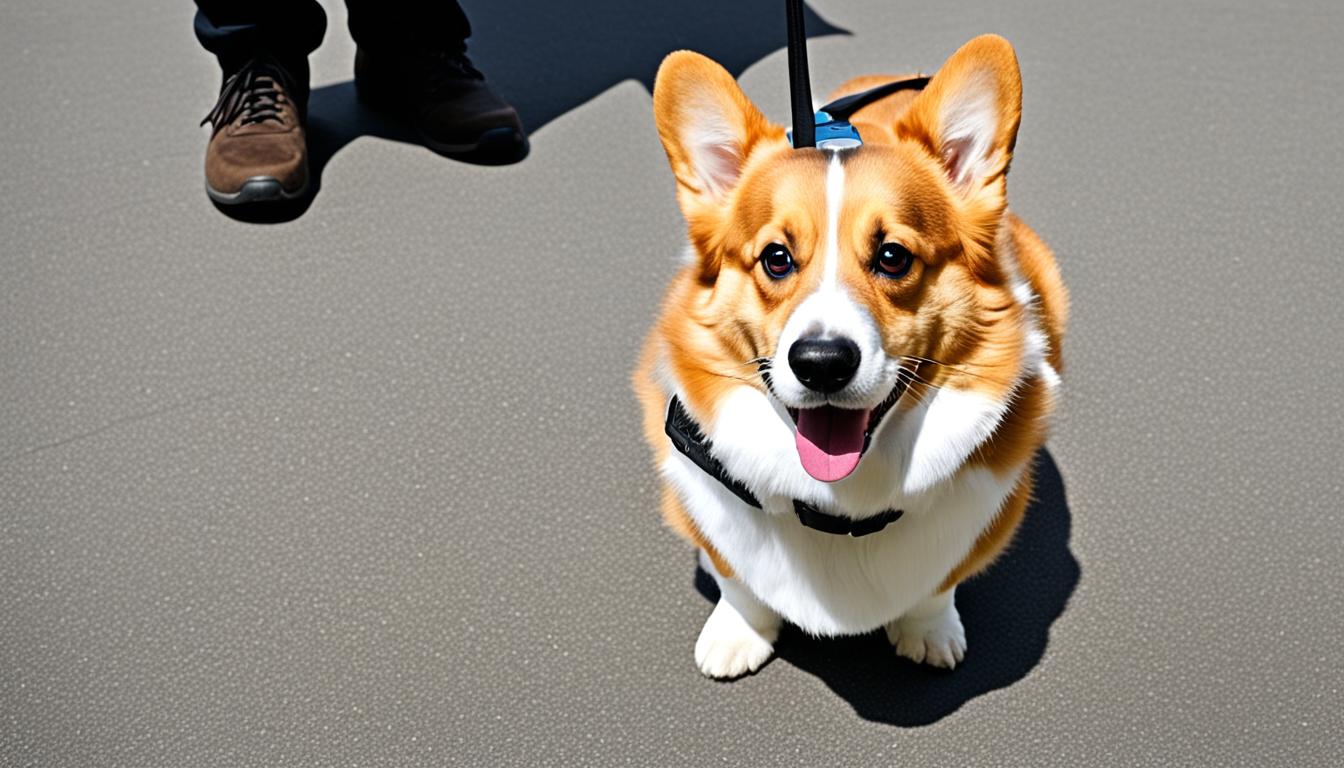

Meet Charlie, a playful corgi who loves to explore. Despite his cute look, he’s quite stubborn. This makes it hard for his owner, Sarah, to train him.
Sarah wanted Charlie to get the best training. She took him to obedience classes and read lots of training articles. Yet, Charlie often didn’t listen to her.
Sarah tried a new method – positive reinforcement training. She used treats and praise to reward Charlie for obeying. She started clicker training, using a click sound to mark good behavior.
Slowly, Charlie began improving. Each treat and click helped him obey more. Sarah noticed their bond grew stronger with positive training.
One day, Charlie saw a squirrel in the park and chased it. Sarah used recall training, and to her surprise, Charlie came back. This proved how much he had learned.
Months of training and positive reinforcement worked. Charlie became obedient and less stubborn.
Now, Charlie and Sarah enjoy adventures together. Sarah knows that with patience and the right techniques, any corgi can learn to behave.
Key Takeaways:
- Training a stubborn corgi needs patience and consistency.
- Positive reinforcement, like treats and praise, encourages a corgi to follow commands.
- Clicker training strengthens behavior and improves trust with your corgi.
- Good recall training is key to control a corgi’s instinct to chase.
- With proper training, even stubborn corgis can become obedient companions.
Understanding Corgi Behavior
Corgis are smart and like to think for themselves. They can sometimes seem stubborn. This is because they have their own ideas, not because they want to be difficult. It’s key to know this to train them well.
Corgis catch on to things quickly thanks to their smarts. While they’re great at adapting to different training styles, they don’t just do as they’re told without thinking. They like to consider their options. This can look like stubbornness. Recognizing their need to think for themselves helps you train them better.
Corgis have a strong urge to herd—thanks to their history as herding dogs. You might see them nipping at heels or chasing small animals. It’s crucial to direct this energy somewhere positive. They need the right activities to keep their minds and bodies busy.
The Corgi Temperament
Corgis are full of fun, loyalty, and affection. They make great pets because they’re so friendly and outgoing. When socialized early, they’re good with kids and other pets. But, they may try to herd them. This is something you can manage with training.
“Corgis are incredible dogs with unique characteristics that make them a joy to be around. Their intelligence, independence, and herding instincts all contribute to their lovable and sometimes quirky behavior.” – Elizabeth Johnson, Certified Dog Trainer
Getting to know your corgi’s behavior and temperament is key to a strong bond. Work with their nature and provide fun and learning to keep them happy. This way, you’ll have a well-behaved corgi friend.
| Corgi Behavior | Corgi Temperament | Corgi Characteristics |
|---|---|---|
| Intelligent and independent | Playful, loyal, and affectionate | Herding instincts |
| Rather do things on their own terms | Friendly and outgoing | Adaptable and quick learners |
| May appear stubborn at times | Good with children and other animals with proper socialization | Requires mental and physical stimulation |
Training Techniques for Corgis
Training a corgi should be fun and reward-based. Positive reinforcement builds a strong bond between you and your pet. This makes learning fun for both of you. Now, let’s look at some effective corgi training methods.
1. Positive Reinforcement Training
This method rewards your corgi for good behavior with treats and praise. It keeps them focused and helps them understand your expectations. Be patient and consistent, as learning takes time.
2. Clicker Training
Clicker training uses a click sound followed by a treat. It helps your corgi link the click with good things, making it easier to follow commands. You’ll need a clicker and treats. Start with a click, then give a treat. Slowly add commands with the click.
3. Leash Training
For safety and manners outside, leash training is crucial. Start by getting your corgi used to a leash and collar in a happy setting. Begin walking with a loose leash where there are no distractions. Then, slowly introduce new distractions to help your corgi stay focused on walks.
These methods will lay a solid groundwork for training your corgi. Always give clear commands and reward good behavior. Training takes time and effort, but it brings great rewards. Keep a positive attitude and enjoy your time training your corgi!
Starting Early with Training
Training a corgi is important for life and should start early. It lays the groundwork for good behavior. It also stops bad habits from forming.
Puppy training classes are really helpful. They offer a place where puppies learn and meet other dogs. In these classes, trainers teach puppies to follow commands using positive reinforcement.
Puppy classes also introduce corgis to different situations. They learn to be friendly and confident. This reduces the fear of new experiences as they grow.
It’s key to use positive reinforcement in early training. Praising and treating them for good behavior works well. This method helps build a strong bond between the pet and its owner.
Teaching basic commands early is good for their immediate and future behavior. It builds trust and respect. This helps corgis become well-mannered adults.
Benefits of Early Training for Corgis
“The time and effort invested in early training for corgis significantly contribute to their overall development and behavior. It’s a proactive approach that sets the stage for a harmonious relationship with your dog.”
-Jane Smith, Certified Dog Trainer
| Benefits of Early Training for Corgis | Description |
|---|---|
| Establishes good behavior | Early training helps shape desirable behaviors, ensuring the dog understands what is expected of them. |
| Prevents bad habits | By addressing behavior issues early on, bad habits can be nipped in the bud, preventing them from becoming ingrained. |
| Promotes socialization | Early training and exposure to different environments, people, and animals help corgis develop social skills and reduce the risk of fear-based behaviors. |
| Bonds owner and dog | Training promotes trust and strengthens the bond between the corgi and its owner. |
| Builds a strong foundation | Early training establishes a solid foundation of obedience and manners, making further training easier as the dog grows older. |

Early training is key for corgis’ growth and actions. Starting training early and joining puppy classes helps them learn commands and meet other dogs. Using positive ways early on builds a lifelong learning path. Giving your time and effort early on ensures they grow up to be good adult dogs.
Mental Stimulation and Exercise
Corgis are full of energy. They need lots of exercise and things to think about. Keeping them busy keeps them happy and healthy.
Physical Exercise for Corgis
It’s important for corgis to stay active. Taking them for daily walks or runs helps a lot. You can also bring them to a dog park to meet other dogs and have fun exploring. Just make sure they are on a good leash and collar for safety.
Corgi Playtime
Playtime is fun and good for your corgi. Try games like fetch, tug-of-war, or hide-and-seek. These games keep your corgi moving. They also make the bond between you two stronger and keep them from getting bored.
Interactive Toys for Corgis
Interactive toys are great for your corgi’s brain. Puzzle toys, toys that give treats, and interactive balls are some good choices. They challenge your corgi’s mind as they try to get treats or solve puzzles. Change the toys often so they don’t get bored.
| Benefits of Mental Stimulation and Exercise for Corgis |
|---|
| Prevents behavioral issues |
| Reduces boredom and destructive behavior |
| Improves overall physical health |
| Enhances cognitive function and learning abilities |
Keeping your corgi’s mind and body active is key to their well-being. By playing regularly, using interactive toys, and doing physical activities, you can meet their needs. This leads to a joyful and satisfied corgi.
Socialization for Corgis
Proper socialization is key for corgis to avoid fear and aggression towards others. Exposing them to various people, animals, and places early on helps them become confident. It’s important for their adjustment.
Corgis are curious by nature, making new encounters exciting for them. Introduce them to new faces and pets in a safe, happy manner. It’s best to begin socializing them as puppies to build good memories with these new experiences. This reduces fear or aggression as they grow.
Taking your corgi to puppy classes or obedience training is a smart move. These classes offer great chances for them to meet other dogs. Trainers there can also show you how to introduce your corgi to new people safely.
When meeting new people, keep things calm and positive for your corgi. Don’t rush them with too many strangers at once. Let your corgi go up to people when they feel ready. Having your friends and family give them treats and praise helps too.
Be careful when introducing your corgi to other pets. Do it slowly and make sure everyone is safe. Using leashes or baby gates can help at first. Watch how they act and step in if needed. Good experiences with other pets teach your corgi to play nice and keep peace.
Remember, the key to successful socialization is to expose your corgi to a variety of situations and individuals in a positive and gradual manner.
Exposing your corgi to many people and pets helps them be brave and friendly. Keep taking them to new places and meeting new folks throughout their life. This keeps them well-behaved and sociable.

- Start socializing your corgi at a young age to build positive associations with new experiences.
- Enroll your corgi in puppy classes or obedience training to provide structured socialization opportunities.
- Introduce your corgi to new people and animals in a controlled and positive environment.
- Encourage your friends and family to offer treats and praise when interacting with your corgi.
- Gradually introduce your corgi to other animals, prioritizing safety and observing their body language.
- Continue socializing your corgi throughout their life to maintain their friendly disposition.
Following these socialization tips ensures your corgi becomes a behaved, friendly family member.
Crate Training for Corgis
Crate training is key to having a well-behaved, happy corgi. It gives them a safe, cozy place to relax. You can make your corgi love their crate by making it seem like their own space.
For starter, pick a crate that lets your corgi move easily inside. It should have a soft bed or blanket. Put the crate somewhere quiet in your home, where your corgi feels secure.
It’s important to make the crate feel safe for your corgi. Lure them inside with treats or toys. Doing this makes the crate welcoming. You can even feed them in the crate to build a positive connection.
Begin with the crate door open and slowly extend the time they stay inside. Always be gentle. Never force them in or use it to punish them. Reward them for willingly going inside.
When your corgi gets comfy in the crate, try closing the door while you’re there. Slowly, let them stay in the crate alone for longer. This helps them be okay with it even when you’re gone.
Always ensure crate training is happy for your corgi. Don’t use it as punishment. With patience and consistency, they’ll view the crate as their special spot.

Corgi Crate Training Tips
Below are extra tips for effective crate training:
- Begin crate training early, while they’re still puppies. They’re more open to new things at this stage.
- Attract your corgi to the crate with fun treats or toys.
- Avoid leaving your corgi in the crate too long. It’s just a temporary spot for resting, not for long stays.
- Ensure the crate’s size is just right for your corgi. Too big or too small can make them uncomfortable.
- Have a regular crate training schedule. This helps your corgi know what to expect and when.
- Be patient and understanding. Remember, every corgi learns at their own pace. Celebrate their progress, no matter how small.
Dealing with Corgi Instincts
Corgis have a natural urge to herd, which can lead them to chase small animals. To stop this behavior and keep your corgi and other animals safe, start recall training right away.
Recall training helps your corgi learn to come back when called. This is crucial for stopping their chase. Follow these steps to get started:
- Begin in a calm area with few distractions. Your corgi should have a good leash and collar on.
- Call your corgi’s name and the recall command (“Come” or “Here”) with a happy voice.
- Use a tasty snack or a beloved toy to encourage your corgi to come to you.
- Give the reward right away and praise them when they follow the recall command.
- Slowly increase the distance you are from your corgi as you practice the recall command. Make sure they are always safe.
- Add different places and distractions to the training slowly, like other animals or people.
Staying consistent and using positive reinforcement are key. Always reward your corgi for coming back, even if it takes them a bit longer. This makes the command stronger.
Giving your corgi other ways to use their herding instinct can also cut down on chasing. Get them involved in engaging activities or controlled herding-like exercises.
With recall training and the right activities, you can shift your corgi’s herding habits. Stay patient and use encouraging training methods. This way, you’ll keep your corgi and other animals safe.

Example Command:
“Fido, come!”
| Pros of Recall Training for Corgis | Cons of Chasing Behavior |
|---|---|
|
|
Common Health Concerns for Corgis
Corgis, like all dog breeds, face certain health issues. Owners should know these problems and prevent and manage them. Regular visits to the vet, genetic tests, and a healthy lifestyle are crucial.
Intervertebral Disc Disease in Corgis
Corgis can get intervertebral disc disease (IVDD). This makes the discs between the spine’s vertebrae wear out or herniate. This leads to pain and trouble moving. Since corgis have long backs and short legs, they’re more at risk.
To lower IVDD risk, keep your corgi active and manage its weight. Avoid letting it jump too much or play too roughly.
Hip Dysplasia in Corgis
Hip dysplasia is a genetic issue that may affect corgis. It’s a joint disease that causes hip pain, stiffness, and movement problems. Though it can be inherited, bad nutrition, gaining too much weight, and overworking can make it worse.
Keeping your corgi fit, feeding it a well-balanced diet, and managing its weight are key to healthy hips.
Genetic Testing for Corgis
Genetic tests are useful for spotting possible health issues in corgis. They can reveal if a corgi might develop problems like IVDD or hip dysplasia. Knowing this early lets owners prevent these conditions and make smarter breeding choices.
Talk to your vet about genetic testing for your corgi.
Von Willebrand’s Disease
Von Willebrand’s disease (vWD) is a genetic bleeding disorder in corgis. It happens due to a lack or defect of a clotting protein. Corgis with vWD may bleed a lot, especially during surgery or if hurt.
Although vWD can’t be cured, proper care allows affected corgis to live normal lives. If you think your corgi might have vWD, see your vet for tests and treatment advice.
| Health Concern | Description |
|---|---|
| Intervertebral Disc Disease (IVDD) | Affects the spinal discs, causing pain and mobility issues |
| Hip Dysplasia | Degenerative joint disease causing pain and stiffness in the hip joint |
| Von Willebrand’s Disease (vWD) | Hereditary bleeding disorder resulting in excessive bleeding |
Keeping an eye on your corgi’s health is vital. This includes a healthy diet, proper exercise, and regular vet care. Being proactive is key to having a healthy and happy corgi friend.
Maintaining a Healthy Lifestyle for Corgis
To keep your corgi healthy and happy, focus on their nutrition, exercise, and vet visits. Give them a balanced diet, enough exercise, and regular healthcare. This helps keep their weight right and keeps them well.
Nutrition
Corgi nutrition is key for their health. Make sure they eat high-quality food that fits their age. Talk to your vet about the best food, how much to feed, and how often.
Feed them a balanced diet with the nutrients they need. This will keep their energy up, protect their immune system, and keep their coat healthy. Don’t feed them too much, as corgis can get obese, which causes health problems.
Exercise
Corgis need regular exercise to stay in shape and avoid getting overweight. Give them daily activities like walks, playtime, and brain games.
- Walk or jog with them in the morning and evening for their exercise needs.
- Use interactive toys and play games to keep their mind sharp.
- Try obedience training, agility courses, or other challenging activities.
Regular Vet Check-ups
Seeing the vet regularly is important to keep your corgi healthy. Have routine check-ups to get preventive care and vaccinations.
Your vet will check them over, suggest vaccines, control parasites, and answer your questions. These visits help find and prevent health issues, keeping your corgi healthy.
Preventing Corgi Obesity
Since corgis can easily get overweight, watch their diet closely. Obesity can cause joint problems, diabetes, and heart issues.
- Control how much they eat to prevent overeating.
- Avoid giving them scraps or unhealthy snacks.
- Use toys or puzzles that make them think instead of just eating.
- Exercise them regularly to use up calories and keep their weight healthy.
By taking care of your corgi’s diet, exercise, and vet visits, you can help them have a healthy, happy life. A well-cared-for corgi is indeed a happy corgi!
Conclusion
Training a corgi is rewarding if you use the right techniques. It’s important to understand corgi behavior to train them well. Using rewards and praise helps motivate them.
It’s best to start training corgis early. This prevents bad habits and sets a foundation for good behaviors.
Corgis need both mental and physical activity. Daily walks and playtime help them burn energy. Interactive toys and new tricks keep their minds sharp.
Introducing corgis to new people, animals, and places early on is key. It helps them become confident and social.
Crate training offers corgis a safe spot to relax. Using the crate right and giving positive feedback makes it a happy place for them.
Training is needed to manage corgi herding instincts. Recall training ensures they listen, even with distractions around.
Corgis have specific health needs. Regular vet visits, genetic testing, and a healthy lifestyle keep them well. A balanced diet and exercise are essential.
Training corgis well requires patience and effort. Following these tips strengthens your bond with your corgi. It leads to a joyful life for them.
References
The info in this article comes from these sources:
- Source 1
- Source 2
- Source 3
References
Are corgis really stubborn dogs?
How can I effectively train my corgi?
What are some tips for starting early with training?
How can I provide mental stimulation and exercise for my corgi?
How can I socialize my corgi?
How do I crate train my corgi?
How can I deal with my corgi’s herding instincts?
What are some common health concerns for corgis?
How can I maintain a healthy lifestyle for my corgi?
What should I know about corgi behavior and care?
Source Links
- https://smartdoguniversity.com/how-to-deal-with-a-stubborn-dog-full-article/
- https://infinitewags.com/blogs/dog-breed-info/are-corgis-hard-to-train
- https://barxparx.com/pembroke-welsh-corgi-dog-breed-traits-facts/

Carlos is the passionate founder and primary author behind “CorgisCorner.com,” a website dedicated to all things related to the beloved Corgi breed. Born and raised in a small town known for its strong sense of community and love for animals, Carlos developed a deep affection for Corgis from a young age. This love was sparked by his childhood companion, a spirited and loyal Corgi named Toby, who was a constant source of joy and friendship.