

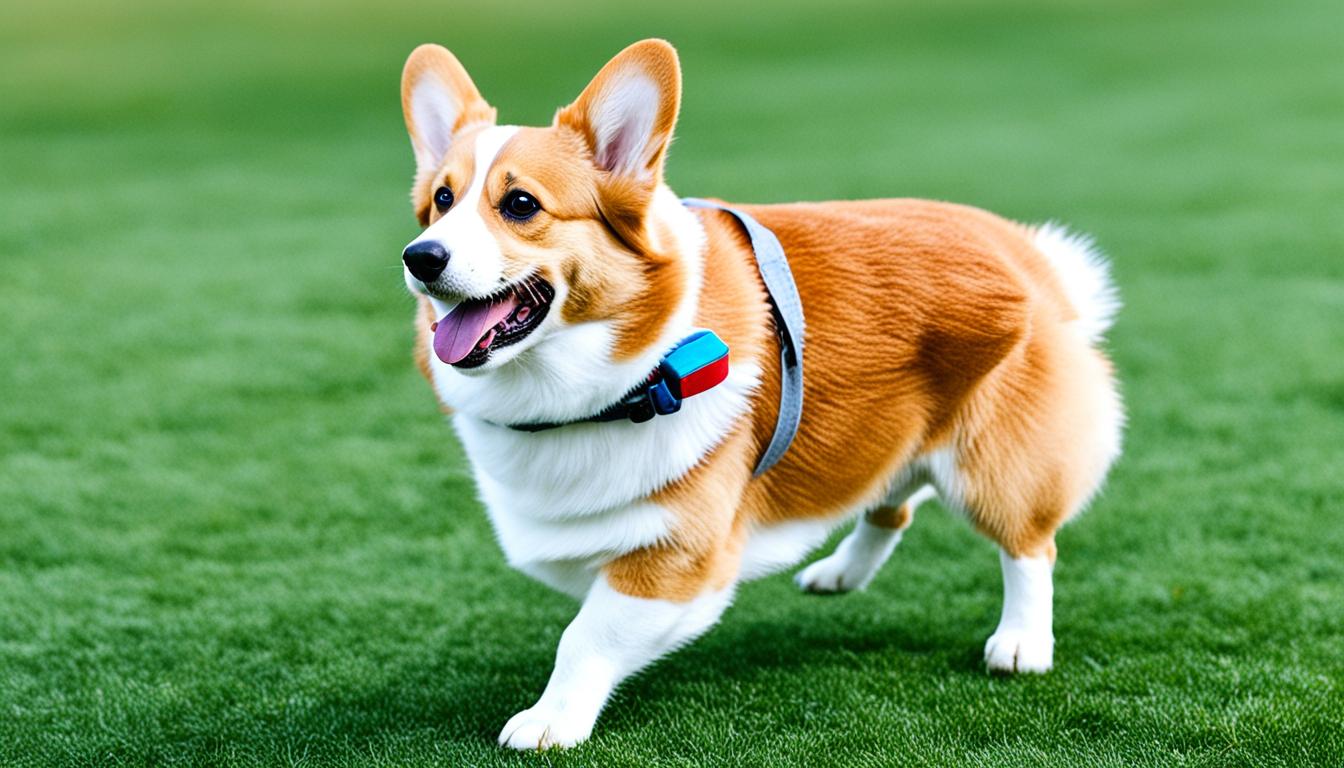

Have you seen a Corgi do a cool trick and thought, “How?” It’s easier than it looks. With the right steps, you can teach your Corgi many tricks that will wow everyone.
As someone who loves dogs, I get how fun it is to see your pet do tricks. It feels great to train them successfully. I’m thrilled to share 7 steps that will make your Corgi’s training even better.
Key Takeaways:
- Follow the 7 steps, and you’ll teach your Corgi cool tricks easily.
- A good training plan and clear communication with your Corgi are key.
- Rewards and praise really help encourage good behavior.
- With the right approach, smart Corgis can learn tricks quickly.
- Training your Corgi strengthens your bond and is very rewarding.
Before You Begin
Starting your Corgi’s training journey needs a solid base. This guide covers training goals, consistent training, and crate training. These basics are key for a smooth start.
Setting training goals
It’s vital to know what you want from your Corgi’s training. Set aims whether it’s basic obedience or advanced tricks. Clear goals keep you on track and measure success.
Consistency in training
Being consistent is crucial with any dog, Corgis included. Stick to a steady routine and method. This way, your Corgi learns what’s expected and learns good behavior.
Crate training for Corgis
Crate training helps with potty training and more. A well-trained Corgi sees their crate as a safe space. This reduces accidents and encourages good habits.
Addressing these core elements sets you and your Corgi up for success. Now, let’s explore each part for a solid training base.
| Topics | Description |
|---|---|
| Setting training goals | Establish clear objectives for your Corgi’s training journey |
| Consistency in training | Emphasize the importance of maintaining a consistent training approach |
| Crate training for Corgis | Explore the benefits of crate training, especially for potty training |
Step 1: Get on Schedule
A routine is crucial for training your Corgi. Set a regular time for feeding and walking. This lets your Corgi know what to expect each day. It lowers stress and makes training easier.
For potty training, consider their need to go after eating. Adding regular bathroom breaks to their routine helps them learn faster.

Establishing a Routine
A routine gives your Corgi security and structure. Have set times for feeding and walking. It helps control their bodily functions and energy.
- Feeding Schedule: Feed your Corgi at the same time every day, two to three times based on age. This makes their digestion regular and predicts potty times.
- Walking Schedule: Walk your Corgi regularly, at consistent times. It helps them use up energy and supports bowel health. Aim for two walks a day, adjusting as needed.
Understanding Toileting Habits
Dogs often need to go soon after eating. Knowing when your Corgi needs a break helps avoid accidents. It strengthens potty training.
“By setting up a consistent schedule, you can help your Corgi anticipate what comes next in their day.”
Give your Corgi many chances to go outside for potty training. Take them out after meals or when they show signs. This could be pacing, whining, or circling.
Creating a schedule lays the groundwork for effective training. Stick to it for the best results. Soon, your Corgi will get used to the routine. This helps with trick learning and potty behavior.
Step 2: Show Them Where to Go
Teaching your Corgi where to potty is vital. They don’t know to use the bathroom outside on their own. So, we must choose a special spot for their needs.
Whether you pick outdoor training or puppy pads, sticking to it is important. Always leading your Corgi to the same spot will help them learn and get into a routine.
For puppy pads, start inside and move them outside bit by bit. This teaches your Corgi the bathroom area is moving outdoors. With time, you won’t need the pads as they’ll go outside.
Easy access to the potty area is key, especially for older Corgis. Make sure they can get to the spot easily. This prevents accidents and eases the training process.
To help you train your Corgi, here’s a table with important points:
| Considerations | Guidelines |
|---|---|
| Show Them Where to Go | Designate a specific area for your Corgi to use the bathroom |
| Consistency | Ensure you consistently guide your Corgi to the designated area |
| Puppy Pads Transition | Gradually move puppy pads closer to the outside to phase them out |
| Accessibility | Make sure the toilet area is easily accessible, especially for older Corgis with mobility issues |

Follow these tips, along with the above factors, for effective potty training. This way, your Corgi will learn where to go, making training a success.
Step 3: Puppy Pads: To Use or Not To Use
Potty training your puppy might make you think of using puppy pads. These pads are made to catch your puppy’s mess inside. They’re useful if you’re often out or when it’s cold outside. But, it’s vital to think about the good and bad sides of using them and how to stop using them later.
The good side of puppy pads includes ease and peace of mind. If you’re busy or work late, they’re a great help for your puppy to use anytime. They also prevent accidents when you’re not home.
In winter, puppy pads are super helpful. The cold and snow make it hard for puppies to go out. Puppy pads let them stay warm and comfy inside while doing their business.
However, there are downsides. Your puppy might get too used to them, making moving to outdoor potty breaks tough. You’ll need a plan to teach them to go outside gradually.
Using pads for too long can also drag out potty training. They’re good at first, but over time, they can stop your puppy from learning to hold it until they’re outside. Switching them to outdoor habits is key for you as an owner.
The Phasing Out Process: A Step Towards Outdoor Training
To stop using puppy pads, have a plan for outdoor potty breaks. Here’s what you can do:
- Slowly move the pads towards the door. This teaches your puppy that going potty is for outside.
- Start taking them out more and give treats for going potty outside. Praise them too.
- Keep an eye on their progress and continue rewarding outdoor potty breaks.
- Once they’re doing well, get rid of the pads. This shows them potty time is outdoors only.
Remember, being patient and consistent is crucial. Every puppy learns at their own speed, so tailor your plan to fit their learning.
| Pros of Using Puppy Pads | Cons of Using Puppy Pads |
|---|---|
| Convenient for busy schedules or longer leave periods | May slow down the transition to outdoor potty habits |
| Helpful during winter months when going outside is challenging | Can delay the development of bladder control |
| Provides a controlled and safe indoor toileting option for puppies | Long-term reliance may prolong the overall potty training process |
Note: Gradually phasing out puppy pads encourages the development of outdoor potty habits while ensuring consistency in training.
Through potty training, remember every puppy is different. Watch how your puppy does and change your methods as needed. With patience, consistency, and praise, you can potty train them well, setting good habits for life.

Step 4: Bladder Control
Getting to know how well your Corgi can hold their bladder is key for good potty training. The American Kennel Club says dogs can hold it for many hours. This time is about the same as their age in months. But, each Corgi is different and may need more or less time.
Watching when your Corgi needs to go outside is a big part of training. You’ll learn their signs and give them enough chances to go. This makes potty training work better for both of you.
How old your Corgi is, and how active they are affects how often they need to go. Puppies might need to go out more often than grown-up Corgis. Changing how often you take them outside depending on their age and energy helps keep your home clean.

This picture shows how controlling the bladder is important. It helps your Corgi learn to follow a good potty routine.
By watching and learning from your Corgi’s needs, you can help them do well in potty training. Making sure they go out as needed, you’ll teach them great bladder control habits.
Step 5: Watching Your Corgi
Watching your Corgi’s body language is key in potty training. By understanding their signs, you can predict when it’s bathroom time. This prevents accidents and teaches them outdoor habits.
Corgis show they need to go by squatting, sniffing, or circling. Seeing this, quickly take them to the bathroom spot. This action is crucial.
Having a bathroom schedule is vital too. Setting times for outdoor breaks teaches them routine. For example, after meals or first thing in the morning.
“Being attentive to your Corgi’s body language and creating a consistent bathroom schedule are key to preventing accidents and fostering successful potty training.”
Accidents might happen, but stay calm. Never scold your Corgi for slip-ups. Instead, reward them for using the designated outdoor spot. This approach is more effective.
Patience and consistency are musts in potty training your Corgi. Pay attention to their signs, stick to a schedule, and always use positive rewards. These steps will guide your Corgi towards potty training success.
Step 6: Look at Their Food
The diet of your Corgi puppy is key during potty training. Their digestive systems aren’t fully developed. For this reason, focus on their food and how often they eat. Feeding them in small portions frequently helps avoid digestive problems and keeps their bowel movements regular.
It’s vital to choose top-notch food for your Corgi that gives them all needed nutrients and aids digestion. Quality food can also make their bathroom habits more predictable. This makes the training process smoother for you and your pet.
Be careful with changes to your Corgi’s diet or new foods, as these can cause diarrhea and disrupt training. Should your puppy have stomach issues, see the vet for advice and diet changes.
Frequency of Feeding
Getting your Corgi puppy on a steady feeding schedule benefits their health and potty training. They need to eat more often than adult dogs. Try to feed them three to four times a day, with small meals suited to their age.
A regular feeding schedule will help control their digestion and show when they need to go outside. Keeping an eye on how much they eat and sticking to set meal times gives you control over their potty breaks.
| Benefits of High-Quality Food for Corgi Puppies | Effects of Diarrhea on Potty Training |
|---|---|
| 1. Supports healthy digestion | 1. Hinders potty training progress |
| 2. Reduces the frequency of bowel movements | 2. Creates accidents inside the house |
| 3. Provides essential nutrients for growth | 3. Adds inconsistency to the potty training routine |
Right nutrition is crucial for your Corgi puppy’s digestion and success in potty training. Choosing great food and a fixed feeding schedule builds good digestion habits. But watch for any signs of stomach troubles, as diarrhea can set back training efforts. Talk to your vet for any food changes needed.
Step 7: Motivators & Praise
Motivators and praise are key to your Corgi’s training. They help encourage the behavior you want to see. They also create a strong bond between you and your pet.
Motivators for Corgi training include treats and praise. Using treats grabs your Corgi’s attention and encourages them to learn. Pick small, healthy treats they will love. This makes them want to join in on training.
But, don’t overuse treats. Too many can cause weight gain and stomach issues. Give them out sparingly and cut back as your Corgi learns.
Praise is also vital. Give cheers, pat them gently, and use a happy voice when they do well. Showing your happiness boosts their eagerness to learn and keep training.
Thoroughly Clean Accidents
Cleanliness is crucial for potty training. Clean accidents thoroughly to remove any smells. This tells your Corgi it’s not okay to go in those spots. Use a cleaner made for pet messes. It gets rid of odors and stops them from going there again.
Using treats and praise in your routine makes training positive. Keep their space clean. This helps your Corgi learn and succeed in new tricks and behaviors.
| Motivators for Corgi Training | Positive Reinforcement |
|---|---|
|
|
Conclusion
Teaching your Corgi tricks and potty training them requires time and effort but is very rewarding. By using the 7 steps in this article, you can make a training plan. This plan will help you talk to your dog well and reward their good actions. If you are consistent and patient, your bond with your Corgi will grow strong as they learn new tricks and good potty habits.
The main steps for training your Corgi include:
- Setting goals for training and making a schedule
- Teaching them where the bathroom is for potty training
- Choosing whether to use puppy pads
- Learning about and controlling bladder functions
- Watching for signs that your Corgi needs to go to the bathroom
- Thinking about how food affects potty training
- Encouraging your Corgi and praising them during training
With regular training and kind rewards, you can make your relationship with your Corgi better. They will listen more and learn tricks easier. Just remember to use treats wisely and clean up any messes to keep training areas clean.
Training your Corgi isn’t just about teaching tricks or potty habits. It’s also about spending quality time together, understanding their needs, and caring for them. This training time is a chance for both of you to get closer, grow together, and have fun.
So, be patient when training your Corgi, celebrate their achievements, and enjoy growing a strong, loving bond with your furry friend.
| Summary of Training Steps | Rewards and Praise | Building a bond with your Corgi |
|---|---|---|
| 1. Set training goals and establish a routine | – Use treats and praise to reinforce positive behavior – Avoid excessive treat usage to prevent obesity – Clean accidents to maintain a clean training environment |
– Spend quality time together – Understand your Corgi’s needs and provide love and care – Strengthen the bond through training |
| 2. Show them where to go for potty training | – Positive reinforcement for successful potty behavior – Puppy pads or designated outdoor area – Gradually phase out puppy pads |
– Establish a bathroom schedule – Anticipate bathroom cues through observation – Provide a safe and accessible toilet area |
| 3. Decide on whether to use puppy pads | – Convenient for puppies and during cold weather – Gradually transition from puppy pads to outdoor toileting – Consider pros and cons for your specific situation |
– Adapt training methods based on individual needs – Consider mobility issues for older Corgis |
| 4. Understand and manage bladder control | – Adjust bathroom breaks based on age and activity level – Don’t rely solely on general guidelines – Observe your Corgi’s bathroom habits |
– Establish a routine for bathroom breaks – Anticipate your Corgi’s needs and provide timely opportunities to go outside |
| 5. Observe your Corgi’s body language for bathroom cues | – Watch for signs like squatting, sniffing, and circling – Establish a bathroom schedule based on observations – Reinforce desired behavior with rewards and praise |
– Strengthen the communication between you and your Corgi – Establish trust and understanding through observation and response |
| 6. Consider the impact of food on potty training | – Feed your Corgi little and often for better bowel control – Choose high-quality food to regulate bowel movements – Address any diet-related issues promptly |
– Adjust feeding schedule alongside bathroom breaks – Ensure food choices support overall health and regular digestion |
| 7. Motivate and praise your Corgi during training | – Use treats and praise as positive reinforcement – Find the right balance to prevent over-reliance on treats – Make training sessions enjoyable for both you and your Corgi |
– Create a positive and rewarding training environment – Celebrate achievements together – Strengthen the bond through shared experiences |
Remember, successful training is more than just tricks or potty goals. It’s about building a loving connection with your Corgi. Cherish the journey of training, celebrate every success, and enjoy the special bond with your Corgi.
Using Corgi 101: Owner’s Guide for Successful Training
Training your Corgi is easier with the right help. Corgi 101: Owner’s Guide is a detailed book. It offers tips and techniques for training your pet. With this guide, you can improve how you train and get good results.
Positive reinforcement is a big deal in this guide. It suggests rewarding your Corgi when they do something right. This makes learning fun for them. It’s also key to understand your Corgi’s personality. This helps you pick the best ways to teach them.
Leash training and the “come” command are important topics in the guide. Teaching your Corgi to walk nicely on a leash keeps them safe. And knowing the “come” command can save them in tricky situations.
The guide highlights the need for consistency and rewards. Being consistent helps your Corgi know what you expect. Rewards encourage them to keep up the good behavior. Using these methods can help you build a strong relationship with your Corgi and make training successful.
FAQ
Can Corgis learn tricks easily?
How can I train my Corgi tricks?
What are the best tricks to teach a Corgi?
Why is consistency important in Corgi training?
Should I crate train my Corgi?
How can I establish a training plan for my Corgi?
What motivators can I use to train my Corgi?
How can I prevent potty accidents during training?
What should I feed my Corgi during potty training?
How can I effectively use puppy pads for potty training?
How can I bond with my Corgi during training?
How can Corgi 101: Owner’s Guide help with training?
Source Links
- https://www.dogster.com/dog-training/how-to-potty-train-a-corgi
- https://gratefulpaw.com/corgi-training
- https://www.wikihow.com/Train-a-Dog

Carlos is the passionate founder and primary author behind “CorgisCorner.com,” a website dedicated to all things related to the beloved Corgi breed. Born and raised in a small town known for its strong sense of community and love for animals, Carlos developed a deep affection for Corgis from a young age. This love was sparked by his childhood companion, a spirited and loyal Corgi named Toby, who was a constant source of joy and friendship.