

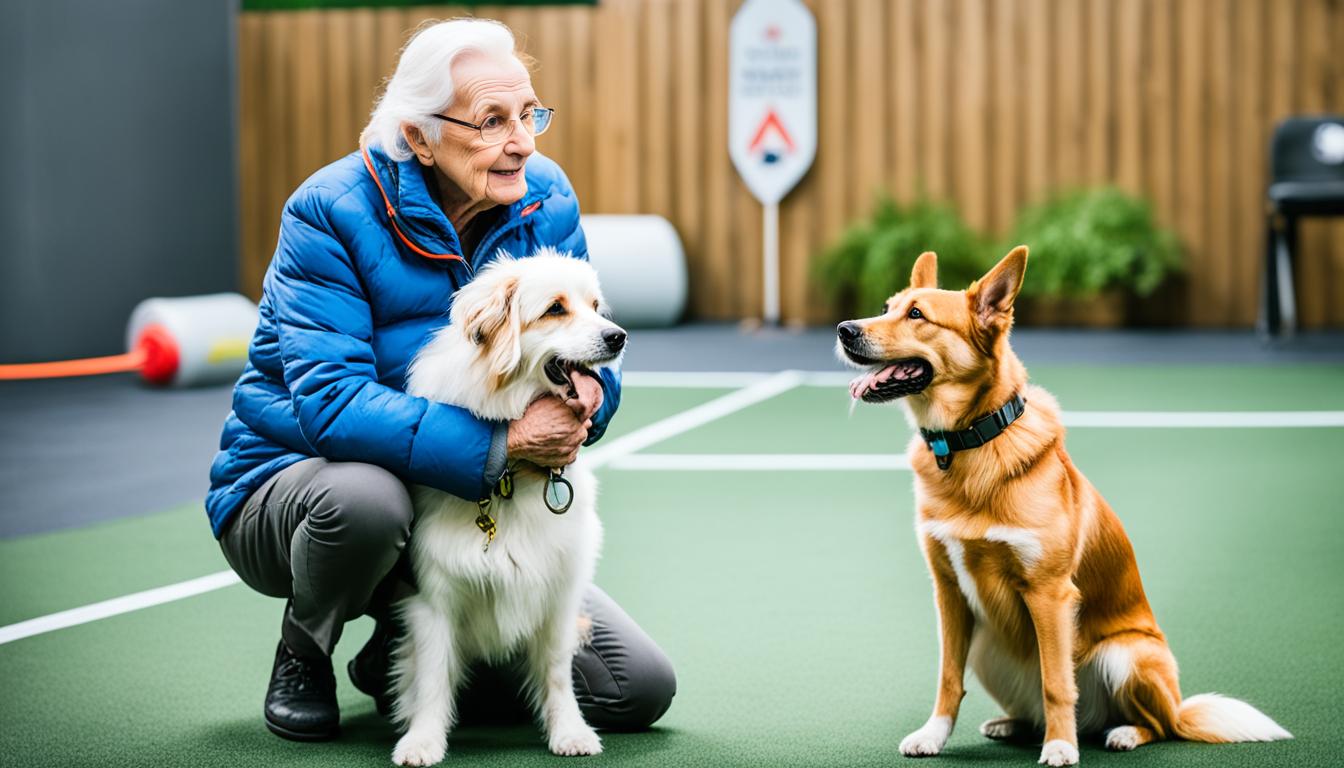

As our beloved dogs age, their behavior may undergo significant changes. From increased irritability to decreased mobility, older dogs often require specialized care and attention to ensure their well-being. So, how can senior dog training help address these behavior problems and improve their quality of life? Let’s explore the 10 best tips for managing aging dog behavior and discover effective methods for canine geriatric care.
Key Takeaways:
- Implementing senior dog training can help address behavior problems related to old age.
- Providing a comfortable resting space is crucial for supporting senior dog sleep and overall well-being.
- Addressing toilet needs and incontinence issues through appropriate senior dog toilet training strategies is essential.
- Ensuring accessibility to food, water, toys, and bed can enhance senior dog’s daily activities.
- Placing rugs or carpets can improve traction and prevent accidents on slippery floors for aging dogs.
Provide a Comfortable Resting Space
As dogs age, they require more rest and sleep to support their aging bodies and overall well-being. Creating a comfortable resting space for your senior dog is essential for their comfort and quality of life.
One of the key elements of a comfortable resting space is a soft dog bed. These beds provide cushioning and support for your senior dog’s joints and muscles, relieving pressure points and promoting better sleep. Look for beds that are specifically designed for senior dogs with orthopedic features.
In addition to a soft dog bed, it is important to provide a quiet resting area for your senior dog. Older dogs can be more sensitive to noise and disruptions, so choosing a location away from high-traffic areas or loud noises can help create a peaceful environment for them to relax and sleep.
Sleep is crucial for a senior dog’s overall well-being. Creating a comfortable and quiet resting space with a soft dog bed can support their aging bodies and promote better sleep habits.
Keep in mind that senior dog sleeping habits may vary. Some older dogs may prefer to sleep in elevated beds, while others may enjoy cozy corners or enclosed spaces. Observe your dog’s preferences and provide them with a resting space that suits their individual needs.
It is also important to ensure that the resting area is away from drafts and extreme temperatures. Older dogs are more susceptible to temperature changes, so finding a location that offers optimal comfort and climate control can have a significant impact on their overall well-being.
By prioritizing the comfort and relaxation of your senior dog through the use of soft dog beds and a quiet resting area, you can help them enjoy a peaceful and rejuvenating sleep, supporting their health and happiness.
What to Look for in a Soft Dog Bed:
- Orthopedic features for joint support
- Machine-washable for easy cleaning
- Appropriate size and shape for your dog’s preferences
- Durable and long-lasting materials
https://www.youtube.com/watch?v=qfgbyg_ULAA
Address Toilet Needs
Aging dogs, just like their human counterparts, may experience changes in their bathroom habits. It is not uncommon for older dogs to need to go to the toilet more frequently or even experience incontinence issues. To ensure their comfort and well-being, it is essential to address these toilet needs and provide the necessary support.
One of the first steps in addressing toilet needs in older dogs is to consult with a veterinarian. They can help determine if there are any underlying health conditions contributing to the increased frequency of bathroom breaks or incontinence. Additionally, they can provide guidance on appropriate senior dog toilet training strategies.
Senior dog toilet training involves establishing a routine and providing easy access to appropriate toileting areas for your furry friend. This can include setting specific times for bathroom breaks, providing ample opportunities for your dog to relieve themselves, and rewarding them for successful toileting behavior.
Remember, older dogs may require more frequent bathroom breaks, so it’s important to be patient and understanding during this process. Consistency and positive reinforcement are key to successful senior dog toilet training.
In some cases, you may need to make adjustments to your dog’s environment to accommodate their toilet needs. This can include providing easy access to outdoor areas, setting up indoor pet relief solutions, or using pee pads or dog diapers as necessary.
By addressing your aging dog’s toilet needs and implementing senior dog toilet training strategies, you can help them maintain a sense of dignity and comfort as they navigate the challenges of aging.
Ensure Accessibility
When caring for your aging dog, it’s essential to ensure that everything they need is easily accessible. This includes their food, water, toys, and bed. By making these items easily reachable, you can minimize the need for your senior dog to move around too much, especially if they have limited mobility.
Sometimes, older dogs may find it challenging to reach their food and water bowls, which can be frustrating and lead to discomfort. To address this, consider using easily accessible dog supplies that are designed specifically for senior dogs. Elevated food and water bowls can make it easier for them to reach and enjoy their meals without straining themselves.
In addition to food and water, it’s also important to provide senior dog toys that are easily accessible. These toys can help keep your aging dog mentally stimulated and entertained while minimizing the physical effort required to play with them.
A comfortable and supportive dog bed is another crucial item to have within easy reach for your senior dog. It’s essential to provide them with a designated resting area that is soft and cozy, allowing them to rest and sleep comfortably. This will help support their aging bodies and promote better sleep quality.
To make everything easily accessible, consider creating a designated area in your home that houses all of your aging dog’s supplies. This area can be conveniently located on the ground floor or in the main living area, ensuring that your senior dog doesn’t have to navigate stairs or long distances to access their essentials.
Remember, by ensuring that everything your aging dog needs is easily accessible, you can help improve their overall comfort and quality of life.
“Making sure that your senior dog’s essentials are within easy reach can greatly enhance their daily living experience, reducing any strain on their bodies and ensuring their comfort and well-being.” – Dr. Samantha Johnson, DVM

| Benefits of Accessibility for Aging Dogs: |
|---|
| Minimizes the need for excessive movement, reducing strain on aging joints and muscles |
| Promotes independence and self-sufficiency in senior dogs |
| Enhances overall comfort and well-being |
| Reduces the risk of accidents or injuries caused by trying to reach inaccessible items |
| Facilitates a smoother daily routine for both you and your senior dog |
Provide Traction on Floors
As dogs age, they may experience difficulty walking on smooth and slippery floors, which can lead to accidents and injuries. To ensure their safety and mobility, it’s important to provide traction on these floors.
One effective solution is to place rugs or carpets strategically throughout your home. These rugs provide a better grip for senior dogs, reducing the risk of slipping and falling. Opt for rugs with a non-slip backing or consider using carpet runners to cover larger areas.
Benefits of Using Rugs for Senior Dogs
- Improved stability: Rugs provide a textured surface that gives senior dogs a better grip when walking or standing.
- Increased confidence: With the added traction, senior dogs can navigate slippery floors with more confidence, reducing anxiety and stress.
- Reduced joint strain: Walking on slippery surfaces can place extra strain on aging joints, leading to discomfort. Rugs offer a cushioned surface that absorbs impact, providing relief for senior dogs.
By strategically placing rugs in areas where your senior dog spends the most time, such as hallways, living rooms, or near their bed, you can significantly minimize the risk of accidents and support their overall mobility.
“Rugs or carpets can be a simple yet effective solution to prevent slips and falls for senior dogs. They provide the much-needed traction, ensuring their safety and giving them the confidence to move around.”
Remember to choose rugs that are easy to clean, as accidents are more common in senior dogs. Regularly check the rugs for any wear or tear and replace them if necessary. Additionally, ensure that the rugs are securely in place to prevent tripping hazards.

| Rugs for Senior Dogs | Features |
|---|---|
| 1. Dog Gone Smart Dirty Dog Doormat | ● Super absorbent to trap dirt and moisture ● Non-slip backing for added stability ● Dries quickly to prevent odors ● Machine washable |
| 2. Petmaker High Density Foam Pet Stairs | ● Non-slip bottom for secure placement ● Soft and comfortable for joint support ● Lightweight and portable design ● Ideal for accessing furniture or beds |
| 3. Gorilla Grip Original Indoor Durable Chenille Doormat | ● Ultra-absorbent material to trap dirt and moisture ● Soft chenille construction for comfort ● Non-slip backing for stability ● Machine washable |
Investing in rugs for your senior dog’s well-being is a small yet impactful way to make their daily life safer and more comfortable. By providing the necessary traction on slippery floors, you can support their independence, help prevent injuries, and ensure they enjoy their golden years to the fullest.
Adjust Diet for Senior Dogs
As dogs age, their dietary needs change. It is important to adjust their diet to ensure they receive the proper nutrition for their age and health. Consulting with a veterinarian can help you determine the best dietary changes for your older dog’s specific needs.
One key aspect of senior dog nutrition is providing them with specialized senior dog food. These formulas are carefully crafted to support the unique requirements of aging dogs, considering factors such as their metabolism, digestive health, and joint support.
Specialized senior dog food often contains ingredients like glucosamine and chondroitin to promote joint health, antioxidants to support their immune system, and balanced levels of protein and fats to maintain muscle mass and body weight.
Taking the time to transition your senior dog to this specialized diet gradually can help them adjust comfortably. Start by incorporating small amounts of the senior dog food into their regular meals, gradually increasing the proportion over a period of about 7-10 days.
Monitoring your senior dog’s response to the dietary changes is crucial. Pay attention to their overall health and well-being, including their energy levels, digestion, coat condition, and weight management. If you have any concerns or notice any negative changes, consult with your veterinarian for further guidance.

Monitor Eating and Drinking Habits
Keeping a close eye on your senior dog’s eating and drinking habits is crucial for their overall health and well-being. As dogs age, their appetite may change, and it’s essential to monitor any alterations in their food intake and water consumption. These changes can serve as important indicators of their overall health status.
Seniors dogs may experience fluctuations in their appetite due to various factors such as dental issues, reduced sense of smell, medication side effects, or underlying medical conditions. Weight management in older dogs is also a key consideration, as obesity can worsen age-related health problems.
If you notice any significant changes in your senior dog’s appetite, such as sudden loss of interest in food or excessive hunger, it’s essential to consult your veterinarian. These changes could be potential signs of underlying medical conditions or call for adjustments in their diet.
Weight Management in Older Dogs
Maintaining a healthy weight is vital for older dogs’ overall well-being, as excess weight can lead to additional strain on their joints and organs. It’s crucial to discuss weight management strategies with your veterinarian to ensure your senior dog is within a healthy weight range.
Your veterinarian may recommend specialized senior dog food that is lower in calories and tailored to meet the nutritional needs of aging dogs. They may also suggest portion control and feeding guidelines specific to your dog’s age, size, and overall health.
Regular exercise is another important component of weight management in older dogs. Your veterinarian can provide guidance on appropriate exercise routines that take into account your senior dog’s age, mobility, and any underlying health conditions.
Potential Medical Reasons for Changes in Eating Habits
Changes in your senior dog’s appetite can be attributed to various medical conditions. It’s important to be aware of potential underlying health issues that may affect their eating habits.
Common medical conditions that can cause changes in appetite include dental problems, gastrointestinal issues, metabolic disorders, and organ dysfunction. These conditions may require specific treatment or dietary modifications to address the root cause of the appetite changes.
It’s essential to consult your veterinarian if you notice any significant changes in your senior dog’s eating habits. They can conduct a thorough examination and run diagnostic tests to identify any underlying medical conditions and provide appropriate treatment.
Comparison of Senior Dog Appetite Changes and Potential Health Conditions
| Appetite Changes | Potential Health Conditions |
|---|---|
| Lack of interest in food | Dental problems, gastrointestinal issues |
| Weight loss | Metabolic disorders, organ dysfunction |
| Increased appetite | Hyperthyroidism, diabetes |

Monitoring your senior dog’s eating and drinking habits allows you to detect any abnormal behaviors and address potential health concerns promptly. By proactively managing their nutrition and seeking veterinary care when necessary, you can contribute to their overall health and happiness in their golden years.
Address Food Competition
If you have multiple dogs in the household, it’s important to ensure that your senior dog can access their food without having to compete with other dogs. Food competition can create stress and tension, especially for senior dogs who may be more vulnerable. Here are some tips to address this issue:
Create Separate Feeding Areas
Designate specific feeding spots for each dog in the household. This allows each dog to eat in peace without feeling the need to guard their food. Senior dogs, in particular, should have their own feeding area where they can eat at their own pace and without interruption.
Establish a Feeding Schedule
Implement a structured feeding schedule for all of your dogs. This ensures that each dog gets their fair share of food and reduces the likelihood of competition. By feeding them at the same time but in separate areas, you can minimize the chances of food guarding or stealing.
Use Food Dispensing Toys
To further prevent food competition, consider using food dispensing toys for your dogs. These toys can be filled with their meals or snacks and provide mental stimulation while they eat. By keeping each dog occupied with their own interactive toy, you can reduce the chances of food-related conflicts.
Monitor Meal Times
Keep an eye on your dogs during meal times to ensure that they are eating peacefully. If you notice any signs of food guarding or aggression, intervene immediately to prevent conflicts. It may be necessary to adjust the feeding setup or seek professional assistance if the behavior persists.
Remember, creating a harmonious feeding environment is crucial for the well-being of all your dogs, especially your senior dog. By providing separate feeding areas, establishing a feeding schedule, using food dispensing toys, and monitoring meal times, you can help alleviate food competition and promote a peaceful dining experience for everyone.
Maintain Regular Exercise and Mental Stimulation
Even as dogs age, they still require regular exercise and mental stimulation to keep them healthy and happy. While their activity levels may decrease, it’s important to find ways to keep them physically and mentally engaged. Adjusting the intensity and duration of their exercise routines to suit their physical capabilities is crucial. Here are some strategies to ensure regular exercise and mental stimulation for senior dogs:
1. Adapt Exercise to Their Needs
As dogs age, their energy levels may decrease, and they may not be able to handle intense exercise like they used to. It’s important to find activities that are appropriate for their activity level and physical condition. Low-impact exercises, such as walks or swimming, can help maintain their muscle tone and joint health without putting too much strain on their bodies. Consider consulting with a veterinarian or a professional dog trainer to develop a suitable exercise plan for your senior dog.
2. Engage in Interactive Play
Senior dogs can greatly benefit from interactive play sessions that provide mental stimulation. Use toys, puzzle feeders, and treat-dispensing toys to keep their minds engaged. These types of activities not only provide mental stimulation but also help prevent boredom and promote a healthy cognitive function. Additionally, interactive play can build a stronger bond between you and your dog, enhancing the overall well-being of your furry companion.
3. Take Shorter, More Frequent Walks
Instead of long, strenuous walks, consider breaking them up into shorter, more frequent walks throughout the day. This approach helps prevent fatigue and exhaustion in senior dogs while still providing regular exercise and mental stimulation. It also allows you to closely monitor their activity levels and ensure they are not pushing themselves too hard.
4. Introduce New Environments and Scents
Exploring new environments and experiencing different scents can be mentally stimulating for senior dogs. Take them on leisurely walks in new parks or trails, allowing them to sniff and examine their surroundings. This sensory stimulation can help keep their minds sharp and engaged while also providing the benefits of regular exercise.
5. Incorporate Basic Training Exercises
Basic training exercises can serve as a form of mental stimulation for senior dogs. Reinforcing commands they already know and gradually introducing new ones can help keep their minds active and engaged. Use positive reinforcement techniques and reward them with treats and praise to make the training sessions enjoyable and rewarding for both of you.
“Regular exercise and mental stimulation are essential for maintaining the overall well-being of senior dogs. Adjusting their exercise routines and incorporating mentally stimulating activities can help promote their physical health and cognitive function.”
6. Consider Senior-specific Exercise Programs
Many communities offer senior-specific exercise programs or classes designed for older dogs. These programs often focus on low-impact exercises, stretching, and balance activities to help maintain muscle tone, joint flexibility, and overall fitness. Participating in such programs can provide a social environment for your senior dog while ensuring they receive the exercise they need.
Remember, it’s important to monitor your senior dog’s activity levels and adjust their exercise routine as needed. Observe their behavior and consult with a veterinarian if you notice any signs of discomfort or exhaustion during exercise. By providing regular exercise and mental stimulation, you can help keep your senior dog happy, healthy, and thriving.
Address Age-Related Health Issues
As your dog enters their senior years, it’s important to be vigilant about potential age-related health issues that may arise. Keeping a watchful eye on your furry companion’s well-being can make a significant difference in their overall quality of life.
One common concern for senior dogs is joint problems, which can lead to discomfort and decreased mobility. Arthritis, hip dysplasia, and other degenerative conditions may cause stiffness and pain. It’s crucial to observe any changes in your dog’s gait, activity level, or difficulty in getting up or down. If you notice these signs, consult with your veterinarian to explore treatment options such as medication, joint supplements, physical therapy, or other interventions.
Joint Problems Treatment Options
| Treatment | Description |
|---|---|
| Medications | Prescribed anti-inflammatory drugs or pain relievers can help manage joint pain and improve mobility. |
| Supplements | Glucosamine, chondroitin, and omega-3 fatty acids are commonly used supplements that support joint health. |
| Physical Therapy | Exercises, hydrotherapy, and massage can help strengthen muscles, improve flexibility, and alleviate discomfort. |
| Weight Management | Maintaining a healthy weight is crucial to reduce stress on your dog’s joints. Your veterinarian can provide guidance on appropriate nutrition and portion control. |
Another aspect to consider is the possibility of hearing and vision loss as your dog ages. Just like humans, dogs may experience a decline in their sensory abilities. Keep an eye out for signs such as decreased responsiveness to sounds, disorientation, bumping into objects, or difficulty seeing in low-light conditions.
While age-related sensory loss cannot be reversed, there are steps you can take to help your senior dog adapt to these changes. Providing a consistent environment, maintaining daily routines, and avoiding sudden environmental changes can help alleviate anxiety and disorientation. You can also use verbal cues and hand signals to communicate with your dog effectively.
Regular check-ups with your veterinarian are essential to monitor your senior dog’s health and address any concerns. Diagnostic tests may be recommended to assess their overall well-being, including hearing and vision evaluations.
Hearing and Vision Loss Care
- Ensure a safe and secure environment by removing hazards that may pose a risk to your dog.
- Use visual cues and gestures to communicate effectively with your dog.
- Keep a consistent routine to minimize confusion and anxiety.
When it comes to senior dog medical treatments, it’s vital to consult with your veterinarian to determine the most appropriate interventions for your pet’s individual needs. Depending on the specific health issues your senior dog may be facing, treatment options may vary.
“Proper diagnosis and personalized treatment plans are key to managing age-related health issues in senior dogs.” – Dr. Emily Jones, DVM
The treatment options for senior dogs can range from medication and supplements to alternative therapies such as acupuncture or chiropractic care. Each dog is unique, and a comprehensive approach that considers their overall health, existing conditions, and lifestyle will provide the best outcomes.
Remember, aging is a natural process, and addressing age-related health concerns with appropriate medical treatments can greatly enhance your senior dog’s comfort and well-being.
Conclusion
Taking care of an aging dog requires attention to their specific needs and behaviors. By implementing the 10 best tips for aging dog behavior solutions, you can support your senior dog’s well-being and ensure they have a happy and comfortable life. Providing them with a comfortable resting space, addressing their toilet needs, and ensuring accessibility to their supplies are crucial steps in senior dog care.
Additionally, providing traction on floors, adjusting their diet, and monitoring their eating and drinking habits are essential for their overall health. Addressing food competition, maintaining regular exercise and mental stimulation, and addressing age-related health issues are also key aspects of senior dog care.
Remember, consulting with a veterinarian is crucial for personalized advice and recommendations tailored specifically to your senior dog’s needs. With proper care, love, and attention, your aging canine companion can experience a fulfilling and joyful life as they enter their golden years.
FAQ
How can I provide a comfortable resting space for my aging dog?
What should I do to address my senior dog’s toilet needs?
How can I ensure accessibility for my aging dog?
How can I provide traction on slippery floors for my older dog?
How should I adjust my aging dog’s diet?
How can I monitor my senior dog’s eating and drinking habits?
What can I do to address food competition among multiple dogs in my household?
How can I maintain exercise and mental stimulation for my aging dog?
What age-related health issues should I monitor in my senior dog?
How can I ensure the well-being of my aging dog?
Source Links
- https://www.smalldoorvet.com/learning-center/dogs/changes-to-expect-senior-dog/
- https://www.rspca.org.uk/adviceandwelfare/pets/dogs/health/seniordogs
- https://www.akc.org/expert-advice/health/7-easy-ways-to-keep-your-senior-dog-happy/

Carlos is the passionate founder and primary author behind “CorgisCorner.com,” a website dedicated to all things related to the beloved Corgi breed. Born and raised in a small town known for its strong sense of community and love for animals, Carlos developed a deep affection for Corgis from a young age. This love was sparked by his childhood companion, a spirited and loyal Corgi named Toby, who was a constant source of joy and friendship.