

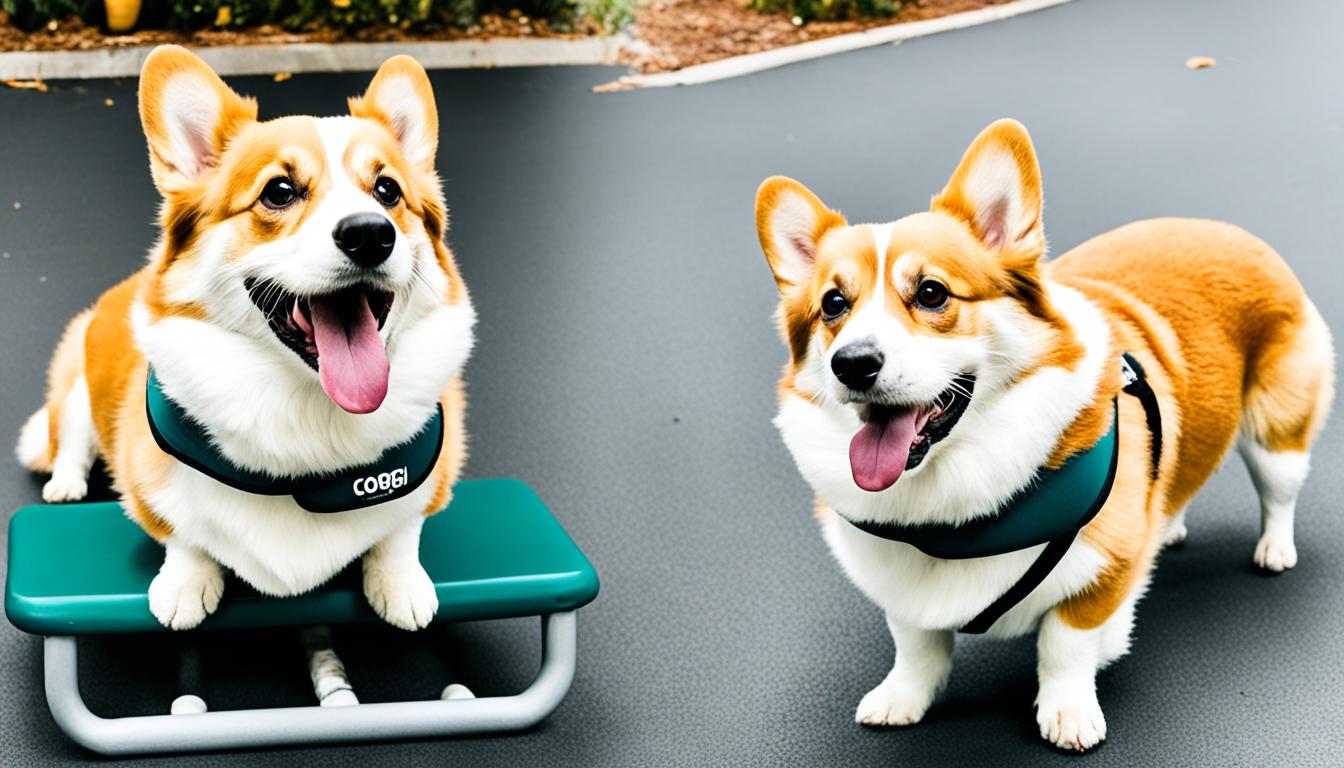

As senior Corgis age, regular exercise becomes increasingly important for maintaining their strength and mobility. But what are the best exercises for older Corgis? Are there specific health activities designed for elderly Corgis? And what workout routines can benefit senior Corgis the most?
In this article, we’ll explore the top three exercises that can promote the well-being of senior Corgis. From power posing to building up the rear and lateral walking, we’ll uncover the secrets to keeping your senior Corgi active and healthy. So, let’s dive in and discover how these exercises can enhance your furry friend’s quality of life.
Key Takeaways:
- Regular exercise is vital for senior Corgis to maintain their fitness and mobility.
- The top three best exercises for senior Corgis are power posing, building up the rear, and lateral walking.
- These exercises target different areas of the body, such as the core, rear limbs, hips, and shoulders.
- Walking, swimming, cross-training, and tracking are also beneficial activities for senior Corgis.
- By providing a variety of exercises tailored to their individual needs, owners can ensure senior Corgis live happy, active lives.
Power Posing
Power posing is an excellent exercise for senior Corgis that targets the abdominal wall, spine, shoulders, and hips. By performing basic obedience moves on various surfaces such as a non-slippery floor or a yoga mat, senior Corgis can strengthen their core muscles and improve their overall stability. This exercise involves progressing through positions like sit, down, and stand, engaging the key muscles in their abdomen, back, and limbs.
Power posing provides a holistic workout for senior Corgis, helping them maintain a strong and stable posture. The controlled movements in this exercise activate the muscles in their abdominal wall, promoting a strong core and improving balance.
Performing power posing regularly can result in better trunk control and increased support for the spine, which is essential for senior Corgis with age-related muscle weakness. Additionally, this exercise promotes flexibility in the shoulders and hips, reducing the risk of stiffness and improving overall mobility.
“Power posing engages the core and stabilizes the spine, shoulders, and hips, making it an ideal exercise for senior Corgis.”
To ensure the safety and effectiveness of power posing, it is crucial to start with gentle movements and gradually increase the intensity and duration of the exercise. Monitor your senior Corgi’s response and consult with a veterinarian if you have any concerns about their ability to perform power posing safely.
By incorporating power posing into their exercise routine, senior Corgis can strengthen their abdominal wall, spine, shoulders, and hips, leading to improved stability, better posture, and enhanced overall well-being.
Building Up The Rear
Building up the rear is an essential exercise for senior Corgis to strengthen their rear limbs and improve overall stability. As Corgis age, their rear limbs can become weaker, which affects their mobility and balance. By focusing on exercises that target the rear limbs, senior Corgis can maintain strength and support in this area.
One effective exercise for building up the rear involves placing the Corgi’s front legs on an elevated platform, such as a duct-taped textbook or a step stool. This position shifts the weight onto the rear limbs, engaging the muscles and promoting strength development. It’s crucial to ensure that the platform is stable and secure to prevent any accidents or injuries.
During the exercise, encourage the senior Corgi to stretch their neck slightly upward. This movement further activates the rear limbs and promotes a proper alignment of the spine. The neck stretching also helps improve flexibility in this area, which is important for overall mobility.
Start the exercise slowly and gradually increase the duration as the senior Corgi becomes more comfortable and confident. It’s important to monitor the dog’s response to the exercise and adjust accordingly. If any signs of discomfort or fatigue are observed, reduce the duration or consult a veterinarian for guidance.
By regularly incorporating the building up the rear exercise into a senior Corgi’s routine, owners can help firm up the rear limbs, improve balance, and enhance overall mobility.

Tips for Building Up The Rear
- Choose a stable and secure elevated platform, such as a duct-taped textbook or step stool.
- Encourage the senior Corgi to stretch their neck slightly upward for proper alignment and flexibility.
- Start slowly and gradually increase the duration of the exercise.
- Monitor the dog’s response and adjust the exercise accordingly to prevent any discomfort or fatigue.
Benefits of Building Up The Rear
Building up the rear exercise offers several benefits for senior Corgis:
| Benefits | Description |
|---|---|
| Strengthens Rear Limbs | The exercise targets the rear limbs, promoting muscle development and strength. |
| Improves Balance | By engaging the rear limbs, the exercise helps improve balance and stability. |
| Enhances Mobility | Regularly performing the exercise can improve overall mobility and flexibility. |
Lateral Walking
Lateral walking is a beneficial exercise for senior Corgis that targets the hips and shoulders while engaging adduction and abduction movements. By performing a sideways step-together-step motion, senior Corgis can strengthen their supporting muscles and improve overall stability.
To incorporate lateral walking into your senior Corgi’s exercise routine, you can create a designated space in the hallway or living room. Using a textured surface, such as yoga mats, will provide traction and stimulate their sense of touch, enhancing the effectiveness of the exercise.
How to Perform Lateral Walking:
- Begin by positioning your senior Corgi at one end of the designated space.
- Encourage your dog to take a step sideways with their hind legs, followed by bringing their front legs together.
- Repeat the sideways step with the opposite hind leg and bring the front legs together again.
- Continue alternating these step-together-step movements, gradually increasing the distance covered.
Lateral walking not only strengthens the hips and shoulders but also promotes better coordination and balance in senior Corgis. It is important to start slowly and gradually increase the intensity and duration of the exercise to avoid overexertion or fatigue.
| Benefits of Lateral Walking for Senior Corgis |
|---|
| 1. Engages and strengthens hips and shoulders |
| 2. Improves stability and coordination |
| 3. Enhances balance and proprioception |
| 4. Helps maintain muscle tone |
| 5. Provides mental stimulation through learning and following commands |
Walking a Senior Dog
Walking is an essential low-impact exercise that benefits senior Corgis and their owners. It promotes a healthy body and mind, and most dogs love it. Taking your senior Corgi for a walk allows them to explore their surroundings, engage their senses, and burn off some energy. It’s a wonderful opportunity for both of you to spend quality time together.
When walking a senior dog, it’s important to pay attention to their pace and physical limitations. Unlike younger dogs, senior Corgis may require a slower pace and shorter walks. Listen to your dog’s cues and adjust the distance and intensity accordingly. Regular breaks during the walk can also help prevent overexertion.
Weather conditions are another factor to consider during senior Corgi walks. Older dogs may be more sensitive to extreme temperatures, so be mindful of hot pavement in the summer and cold surfaces in the winter. If it’s too hot or cold outside, consider taking shorter walks or finding indoor alternatives like walking in a dog-friendly mall or using a treadmill.
During and after the walk, observe your senior Corgi for any signs of discomfort. If you notice limping, heavy panting, or excessive tiredness, it could indicate the need for a shorter or easier walk. Always prioritize your dog’s well-being and adjust the exercise accordingly.
Choosing the right surface for your senior Corgi’s walk is also essential. Opt for grassy areas or sand, which provide better traction and minimize the impact on their joints. Avoid walking on concrete or pavement whenever possible, as these hard surfaces can be harsh on their sensitive paws and joints.
Remember, walking is not only a physical exercise but also a mental stimulation for senior Corgis. It allows them to explore different scents, sights, and sounds, which promote a healthy mind. So don’t hesitate to make walking a regular part of your senior Corgi’s exercise routine. It’s a simple yet effective way to keep them healthy and happy.

Is it Safe for Senior Dogs to Swim?
Swimming is a great exercise for senior Corgis as it provides a low-impact, total-body workout that strengthens their muscles while being gentle on their joints. It can also serve as physical therapy for dogs recovering from injuries or surgeries. However, not all breeds are encouraged to swim, especially brachycephalic breeds like Bulldogs and Pugs. If your senior Corgi is new to swimming, it’s important to seek guidance from your veterinarian and consider using a life vest for added safety.

Swimming is a low-impact exercise that can help senior Corgis strengthen their bodies while providing joint comfort. It allows them to engage their muscles without placing excessive stress on their joints, making it an ideal exercise for older dogs. Additionally, swimming can also be a great way to cool down on hot summer days.
Before introducing your senior Corgi to swimming, it’s crucial to ensure their safety and comfort. Here are some important considerations:
- Consult with your veterinarian: They can evaluate your senior Corgi’s overall health and provide guidance on whether swimming is suitable for them.
- Start slow: Introduce your senior Corgi to the water gradually, allowing them to become comfortable with the sensation. Use shallow water to begin with and gradually increase the depth.
- Use a life vest: Especially if your senior Corgi is new to swimming or has any health concerns, using a life vest can provide added support and ensure their safety in the water.
- Provide supervision: Always keep a close eye on your senior Corgi while they are swimming to ensure they don’t become overwhelmed or exhausted.
- Choose appropriate swimming locations: Opt for calm, controlled environments such as swimming pools or supervised dog-friendly beaches. Avoid areas with strong currents or rough waves.
Remember, every senior Corgi is unique, and not all may enjoy or excel at swimming. If your senior Corgi shows signs of discomfort or anxiety in the water, it’s essential to respect their preferences and explore other low-impact exercises that they would feel more comfortable with. Your veterinarian can provide guidance on alternative exercises that will help keep your senior Corgi active and healthy.
Cross-Training Older Dogs
Cross-training is an essential component of exercising older dogs. As senior Corgis age, it becomes important to engage them in activities beyond traditional exercises like walking and running. Cross-training involves incorporating a variety of exercises to allow specific areas to rest while building strength in other areas of their body.
This holistic approach to fitness not only provides physical benefits but also offers mental stimulation and improves overall well-being. One popular form of cross-training for senior Corgis is dog yoga. This activity combines gentle stretching, balance exercises, and breathing techniques to promote flexibility, relaxation, and a strong bond between you and your furry friend.
Dog Pilates is another excellent cross-training exercise for senior Corgis. It focuses on core strength, stability, and body awareness. Through controlled movements and balancing exercises, dog Pilates helps senior Corgis improve their posture, support their spine, and strengthen their deep abdominal and back muscles.
Engaging senior Corgis in cross-training exercises like dog yoga and dog Pilates offers numerous mental and physical benefits. These activities improve flexibility, balance, coordination, and body awareness. Additionally, they help strengthen muscles, maintain a healthy weight, and promote joint comfort in older dogs.
If you’re unsure how to get started with cross-training for your senior Corgi, consulting with a veterinarian and exploring local training centers can provide valuable guidance and help you find classes that suit your dog’s specific needs and interests.

Benefits of Cross-Training Older Dogs:
| Benefits | Explanation |
|---|---|
| Mental Stimulation | Activities like dog yoga and dog Pilates engage the mind, promoting focus and cognitive stimulation. |
| Improved Flexibility | Cross-training exercises enhance joint mobility and overall flexibility in senior Corgis. |
| Enhanced Strength | With cross-training, senior Corgis can target different muscle groups, improving overall strength and stability. |
| Balance and Coordination | Through various cross-training activities, senior Corgis can develop better balance and coordination skills. |
| Weight Management | Cross-training helps senior Corgis maintain a healthy weight, reducing the risk of obesity-related health issues. |
| Joint Comfort | Engaging in low-impact exercises like dog yoga and dog Pilates supports joint health in older dogs. |
Cross-training is a wonderful way to keep senior Corgis mentally and physically active. It adds variety to their exercise routine, ensuring a well-rounded fitness program. By incorporating activities like dog yoga and dog Pilates, you can help your senior Corgi stay fit, happy, and healthy for years to come.
Focus on Weak Areas
Senior Corgis, just like humans, may have specific health conditions that require special attention during their exercise routine. Conditions such as osteoarthritis or hip dysplasia can affect their mobility and overall well-being. To ensure their comfort and to target these problem areas, it’s essential to focus on exercises that strengthen their muscles and provide better support for their joints.
Work closely with your veterinarian to identify these weak areas and devise a tailored exercise plan. They may recommend specific exercises that will help target the problem areas while avoiding activities that could be excessively painful or difficult for your senior Corgi.
By incorporating exercises that specifically address their weak spots, you can help your senior Corgi improve their muscle strength and joint support. This targeted approach can make a significant difference in their overall fitness and quality of life. Remember to approach their exercise routine with care and adapt it according to their individual needs and abilities.
| Benefits of Focusing on Weak Areas: |
|---|
| • Strengthening muscles |
| • Providing better joint support |
| • Improving overall mobility |
| • Reducing discomfort from specific health conditions |
Targeting problem areas is essential for maintaining your senior Corgi’s long-term health and well-being. With the guidance of a veterinarian and a focus on exercises that strengthen muscles and provide joint support, you can help your furry friend enjoy a comfortable and active life.
Expert Insight:
“Focusing on weak areas during exercise is crucial for senior Corgis with specific health conditions. By targeting these areas, we can help strengthen their muscles, support their joints, and improve their overall mobility. It’s important to work closely with a veterinarian to ensure that the exercises are safe and appropriate for each individual dog.”
Tracking
Tracking is a unique activity that taps into a dog’s natural instinct to follow scents. It provides mental stimulation and physical exercise for senior Corgis, engaging their sense of smell and allowing them to use their skills in a productive and controlled manner. The objective of tracking is for the dog to follow a scent trail laid out by judges, finding scent articles along the way.
During tracking, a long lead, harness, and flags to mark the path are essential tools to ensure the dog stays on track. As the senior Corgi follows the scent trail, their nose work and mental abilities are put to the test, making it an exciting and fulfilling activity for them.
“Tracking is an activity that brings out the best in senior Corgis. Their ability to follow scents and find hidden articles showcases their incredible skills and intelligence.” – Dr. Emily Thompson, Canine Behavior Specialist
Engaging in tracking not only provides senior Corgis with physical exercise but also offers mental stimulation, which is crucial for their overall well-being. It encourages them to use their senses and problem-solving abilities, providing a sense of fulfillment and satisfaction.
Benefits of Tracking:
- Physical and mental conditioning
- Mental stimulation
- Scent work and nose training
- Engagement of natural instincts
Through tracking, senior Corgis can stay physically and mentally conditioned, ensuring their overall health and well-being. It’s important to note that the difficulty level and distance of the scent trail should be adjusted based on the capabilities and fitness level of the individual dog.
| Benefits of Tracking | Description |
|---|---|
| Physical and mental conditioning | Tracking provides a complete workout for senior Corgis, helping to keep their bodies and minds active and sharp. |
| Mental stimulation | The mental challenge of following a scent trail engages a senior Corgi’s problem-solving skills and cognitive abilities. |
| Scent work and nose training | Tracking enhances a senior Corgi’s sense of smell and allows them to develop and refine their natural scenting abilities. |
| Engagement of natural instincts | Tracking taps into a senior Corgi’s innate desire to follow scents, providing a fulfilling and instinctual activity. |
Participating in tracking activities with your senior Corgi can be a rewarding experience for both of you. It allows your furry companion to utilize their natural abilities while providing them with a sense of purpose and accomplishment. Regular engagement in tracking exercises will help maintain their physical and mental well-being, keeping them happy and fulfilled.
Importance of Regular Practice
Regular practice is a crucial component of any exercise routine, particularly for senior Corgis participating in activities like tracking. Just like humans, dogs need consistent training to improve their skills and maintain their physical and mental conditioning. Regular practice allows senior Corgis to hone their tracking abilities, understand the requirements of the activity, and continuously improve.
Practicing in the Field
One effective way to practice tracking with senior Corgis is by laying scent trails in fields or forests. This hands-on approach allows them to follow the scent and navigate through various terrains, enhancing their tracking abilities. By practicing in different environments, senior Corgis can adapt to changing conditions and improve their overall performance.
Honing Skills and Understanding Requirements
Regular practice also helps senior Corgis develop a better understanding of the specific requirements of tracking. As they gain experience, they become more familiar with the scent articles, recognizing the significance of each find along the trail. This increased understanding can lead to more accurate and efficient tracking, advancing their skills in the activity.
Continued Improvement
Just like any skill, continuous practice is crucial for advancing in tracking. Senior Corgis can refine their tracking techniques, improve their ability to follow scent trails, and increase their success rate through consistent practice. With each practice session, they become more confident and proficient, showcasing their continuous improvement in tracking.
Physical and Mental Conditioning
Regular practice not only improves tracking skills but also helps senior Corgis remain physically and mentally conditioned for the activity. Tracking requires focus, concentration, and stamina, which can be developed and maintained through consistent practice. By engaging in regular tracking exercises, senior Corgis strengthen their bodies and keep their minds sharp, fostering overall well-being.
Regular practice is fundamental for senior Corgis participating in tracking activities. It allows them to continuously improve, better understand the requirements of the activity, and stay physically and mentally conditioned. Through consistent practice, senior Corgis can showcase their tracking skills and thrive in this engaging and rewarding exercise.
Finding Events and Considerations
Once a senior Corgi has mastered tracking through regular practice, owners can explore the exciting world of tracking events. These events give senior Corgis the opportunity to showcase their skills and compete with other dogs. Participating in tracking events is not only a fun and engaging experience for senior Corgis but also provides physical and mental stimulation to promote their overall well-being.
Finding tracking events for senior Corgis is easier than you might think. A simple Google search can reveal local tracking events, or you can check the official list provided by the American Kennel Club (AKC). The AKC maintains a comprehensive list of tracking events held across the country. It’s important to consider the AKC requirements for participation, such as age, health, and registration, to ensure that your senior Corgi is eligible and ready to compete.
If you and your senior Corgi are new to tracking events, it’s a good idea to start with smaller, local events to gain experience and build confidence. As your senior Corgi becomes more comfortable and skilled, you can consider participating in larger and more competitive events.
Attending tracking events not only allows your senior Corgi to put their tracking skills to the test but also provides an opportunity to connect with other dog owners who share a similar passion. These events are often a community of like-minded individuals who love and appreciate the unique abilities of their canine companions.
Benefits of Participating in Tracking Events for Senior Corgis
Participating in tracking events offers numerous benefits for senior Corgis, both physically and mentally. Here are some of the key advantages:
- Physical Exercise: Tracking events involve navigating challenging terrains and following scent trails, providing an excellent form of physical exercise for senior Corgis. It helps to keep their muscles strong, joints supple, and overall fitness levels high.
- Mental Stimulation: Tracking requires senior Corgis to use their sense of smell and problem-solving skills to follow the scent trail. This mental stimulation helps keep their minds sharp and engaged, promoting cognitive health.
- Bonding Opportunity: Participating in tracking events with your senior Corgi strengthens the bond between you and your furry companion. Working together as a team towards a common goal fosters trust and deepens your connection.
- Sense of Achievement: Successfully completing a tracking event and receiving recognition for their skills can boost your senior Corgi’s confidence and provide them with a sense of accomplishment.
Remember, while participating in tracking events can be exhilarating, it’s essential to prioritize your senior Corgi’s safety and well-being. Always consult with your veterinarian before starting any new activities to ensure that your senior Corgi is in good health and capable of handling the physical exertion required for tracking events.
Attending tracking events can be a thrilling adventure for senior Corgis and their owners.
Conclusion
Regular exercise is essential for senior Corgis to maintain their fitness and promote overall well-being. By engaging in a variety of activities tailored to their individual needs, such as power posing, building up the rear, lateral walking, walking, swimming, cross-training, and tracking, senior Corgis can enjoy happy and active lives.
These exercises not only keep their bodies strong and flexible but also provide mental stimulation and promote a sense of fulfillment. Whether it’s a leisurely walk, a challenging swimming session, or the adventure of tracking, there are plenty of activities to keep senior Corgis engaged and fulfilled.
Owners should ensure that the exercise routines are suitable and safe for their senior Corgis, taking into consideration any health conditions or limitations. By maintaining regular exercise regimes and seeking veterinary guidance when needed, owners can provide their aging furry friends with the best opportunities for a healthy and fulfilling life.
FAQ
What are the top exercises for senior Corgis?
What is power posing and how does it benefit senior Corgis?
How does building up the rear help senior Corgis?
What is lateral walking and how does it benefit senior Corgis?
Why is walking a good exercise for senior Corgis?
Is swimming safe for senior dogs?
What is cross-training for older dogs?
How can I focus on my senior Corgi’s weak areas during exercise?
What is tracking and how does it benefit senior Corgis?
How important is regular practice in tracking?
How can I find tracking events for my senior Corgi?
Why is variety important in senior Corgi exercises?
Source Links
- https://www.akc.org/expert-advice/health/easy-do-at-home-exercises-for-senior-dogs/
- https://www.akc.org/expert-advice/health/provide-senior-dog-proper-exercise/
- https://wagwalking.com/activity/activities-for-pembroke-welsh-corgis

Carlos is the passionate founder and primary author behind “CorgisCorner.com,” a website dedicated to all things related to the beloved Corgi breed. Born and raised in a small town known for its strong sense of community and love for animals, Carlos developed a deep affection for Corgis from a young age. This love was sparked by his childhood companion, a spirited and loyal Corgi named Toby, who was a constant source of joy and friendship.