

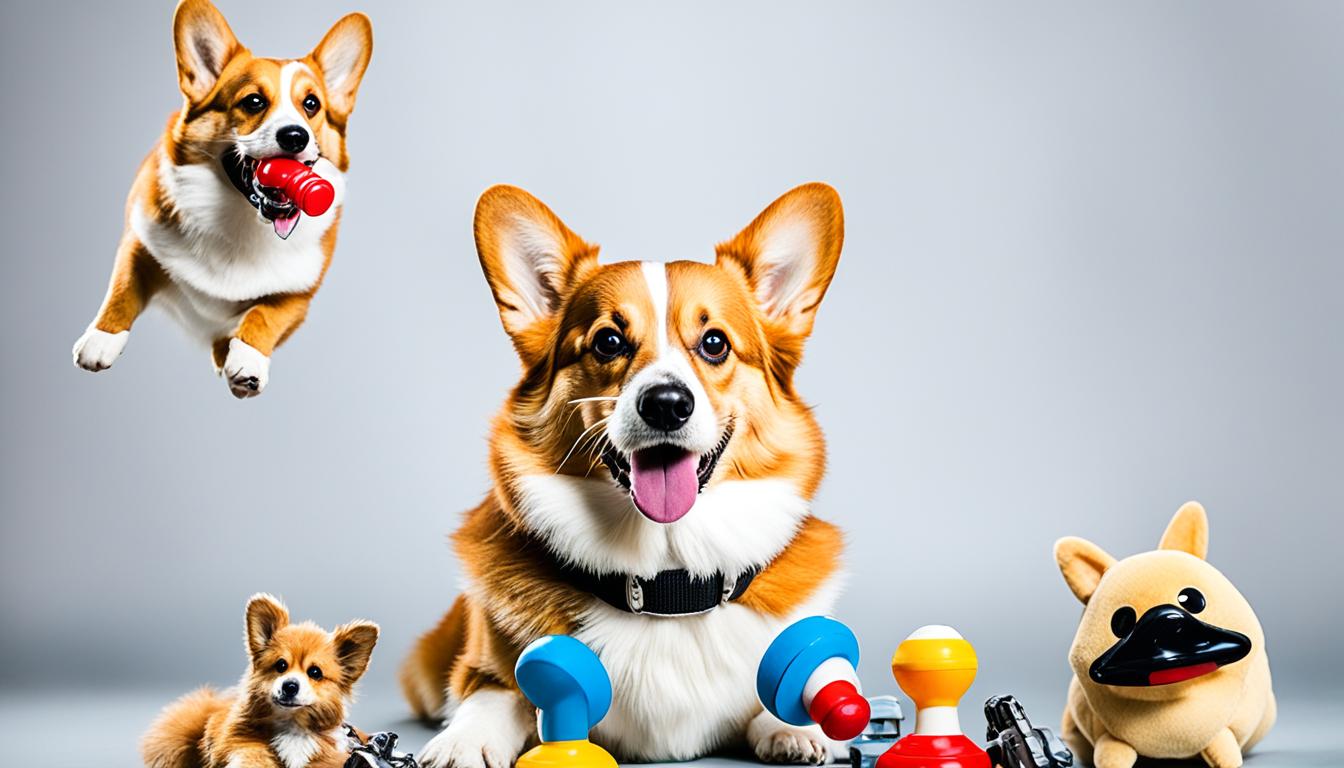

If you’re struggling with your Corgi’s biting behavior, you’re not alone. Corgi puppies tend to be mouthy and prone to play-biting. But, did you know that curbing this behavior is essential for preventing it from escalating into aggression? In this article, we’ll explore three essential tips to help you effectively curb your Corgi’s biting and promote better behavior.
Key Takeaways:
- Understanding Corgi behavior is crucial for addressing biting issues.
- Providing suitable outlets for biting and play helps redirect your Corgi’s behavior.
- Naptime and recognizing certain behaviors are important aspects of curbing biting tendencies.
- Consistent training, reinforcement, and seeking professional guidance can make a significant difference.
- Creating a safe environment and focusing on socialization and exposure contribute to better behavior.
Understanding Corgi Behavior
Before diving into the tips, it’s crucial to understand Corgi behavior. Puppies, including Corgis, naturally bite as a way to explore their surroundings and learn bite inhibition. It’s a normal part of their development. However, as responsible pet owners, it’s our role to teach them appropriate behaviors. This can be achieved through behavior training, obedience training, and behavior modification techniques.
Corgi behavior training is essential for guiding your pup towards better behavior. It involves teaching them commands, manners, and boundaries that shape their actions. With consistent and positive reinforcement, your Corgi can learn to respond appropriately to different situations. Obedience training plays a significant role in instilling good behavior habits in your Corgi. The focus is on teaching them to follow commands like sit, stay, or leave it, which are crucial for managing their behavior effectively.
Additionally, behavior modification techniques can be applied to address specific issues or unwanted behaviors. These techniques aim to modify your Corgi’s behavior by using positive reinforcement, counterconditioning, and desensitization. By replacing the undesired behavior with a more appropriate one, you can help your Corgi develop better habits and reactions.
Understanding Corgi behavior is the foundation for effective training and addressing biting issues. By adopting the right training methods and techniques, you can guide your Corgi towards becoming a well-behaved and obedient companion.
Providing Suitable Outlets for Biting
One of the key strategies for curbing Corgi biting is to provide suitable outlets. Puppies need to engage in biting, wrestling, and play to fulfill their developmental needs. Training methods for corgi behavior involve offering appropriate toys and activities that redirect their biting behavior.
If you don’t have other dogs for your Corgi to interact with, you can introduce life-sized stuffed dogs as companions for play. This allows the puppy to release energy and frustration in a safe and appropriate manner. Managing corgi aggression through interactive play can significantly reduce biting tendencies and promote better behavior.
Additionally, consulting a professional trainer can help you address any aggression issues and provide effective training methods. An experienced trainer can guide you in addressing corgi biting issues and provide personalized techniques that suit your dog’s temperament and needs.
Training Toys and Activities for Corgis
| Training Toy/Activity | Description |
|---|---|
| Tug-of-War Rope | A sturdy rope toy for interactive play that encourages biting and tugging. |
| Bite-Resistant Chew Toys | Durable toys designed to withstand vigorous chewing and biting. |
| Interactive Treat Puzzle | A toy that dispenses treats, requiring your Corgi to engage in problem-solving and biting to access the treats. |
| Play Dates with Fellow Corgis | Arranging play sessions with other Corgis can provide opportunities for socialization and appropriate biting interactions. |
By providing suitable outlets for biting and engaging in training methods for corgi behavior, you can redirect your Corgi’s biting tendencies and help them develop better behavior patterns. Remember to supervise playtime and always choose toys that are appropriate for your dog’s size, age, and chewing habits.

Recognizing the Need for Naptime
Sometimes, puppies become overly excited and exhibit frenzied biting behavior. In these situations, it’s important to recognize the need for naptime. Just like human toddlers, puppies need rest and sleep to regulate their behavior. If your Corgi is displaying uncontrollable biting, it may be a sign that they’re overtired. Providing a calm and quiet place for them to rest can help prevent these biting rampages.
When you notice your Corgi’s biting behavior escalating, it’s time to create a relaxing environment for them. This can be achieved by setting up a comfortable and secure space where they can rest undisturbed. Make sure the area is away from distractions and has a cozy bed or blanket for them to curl up on. Remember, a tired Corgi is more likely to exhibit biting behaviors, so ensuring they get enough rest is essential.
Naptime can also be an opportunity for you to recharge. Use this time to relax and engage in activities that help you unwind, allowing you to be more patient and attentive when interacting with your Corgi.

Encouraging your Corgi to take regular naps throughout the day is beneficial for both their well-being and behavior. By recognizing the need for naptime and providing a calm environment, you can help control their biting tendencies and promote a more peaceful coexistence.
Be Mindful of Certain Behaviors
When addressing Corgi biting, it’s important to be mindful of certain behaviors that can either reinforce or redirect their biting tendencies. By understanding these behaviors and implementing effective techniques, you can prevent corgi biting and promote better behavior.
Avoid immediate toy presentation: One common mistake is immediately presenting a toy when a Corgi puppy bites in an attempt to solicit play. However, this can reinforce biting as an effective way to engage with humans. Instead, encourage your puppy to play with designated toys and redirect their biting behavior to appropriate items.
Diverse approaches: It’s essential to recognize that different puppies have varying personalities and what works for one may not work for another. For example, yelping or crying out in pain may not be effective in curbing biting behavior for all puppies. Experiment with different approaches, such as redirecting attention or providing positive reinforcement, to find what works best for your Corgi.
“Redirect your Corgi’s biting behavior to designated toys and avoid reinforcing biting as an effective way to engage with humans.”
Avoid physical punishment: Physical punishment, such as hitting or yelling, should never be used as a means to stop biting behavior. Not only does this approach fail to effectively address the underlying issue, but it can also lead to increased aggression and negative associations with training. Instead, focus on positive reinforcement techniques and redirect your Corgi’s biting behavior to appropriate outlets.
By being mindful of certain behaviors and adopting effective techniques, you can prevent corgi biting and promote a harmonious relationship with your furry friend.

Continue reading to discover the importance of consistent training and reinforcement to curb corgi biting behavior.
Consistent Training and Reinforcement
When it comes to curbing Corgi biting, consistent training and reinforcement are essential. By setting aside dedicated training sessions each day, you can effectively teach your puppy not to bite.
Using positive reinforcement techniques, such as offering training treats or verbal praise, will help reinforce desired behaviors. This approach encourages your Corgi to understand that not biting is rewarded and reinforces good behavior.
Avoid resorting to physical punishment when dealing with biting behavior. Physical punishment can escalate aggression and hinder the progress you’re trying to make with your Corgi. Instead, focus on positive reinforcement and redirection.
Establishing clear boundaries is crucial during the training process. Consistently enforcing these boundaries will help your Corgi distinguish between what is acceptable to bite, such as their designated toys, and what is not.
Remember, training takes time and consistency. Be patient with your Corgi as they learn appropriate behavior and strive to reinforce these lessons consistently. With dedication and positive reinforcement, you can effectively prevent biting and promote better behavior in your Corgi.
“Consistency is key in training your Corgi not to bite. Be patient, use positive reinforcement, and establish clear boundaries.” – Corgi Trainer
| Benefits of Consistent Training | What to Avoid | Effective Techniques |
|---|---|---|
| Improved behavior | Physical punishment | Positive reinforcement |
| Stronger bond with your Corgi | Inconsistent rules | Redirecting biting behavior |
| Clear communication | Ignoring biting | Establishing boundaries |
Consistency in Training Sessions
Consistency is crucial during training sessions. Create a regular schedule for training your Corgi, setting aside specific times each day to work on bite inhibition. This regularity will help your Corgi understand that biting is not acceptable behavior.
Positive Reinforcement Techniques
Positive reinforcement is a highly effective technique for preventing Corgi biting. Whenever your Corgi exhibits appropriate behavior and refrains from biting, offer praise, and rewards such as training treats. This positive association will encourage them to continue exhibiting good behavior.

Providing Alternative Chew Toys
If you’re looking for a way to redirect your Corgi’s biting behavior, providing plenty of alternative chew toys can be a great solution. Investing in a variety of toys that your puppy can bite, such as tug toys or chew toys, can help them understand that biting toys is acceptable while biting hands or other inappropriate items is not. By offering a variety of options, you can cater to your Corgi’s preferences and keep them engaged in appropriate chewing activities.
When choosing chew toys for your Corgi, consider their size, durability, and texture. Look for toys that are specifically designed for strong chewers and made from safe, non-toxic materials. Textured toys can help satisfy your Corgi’s natural urge to chew and promote healthy dental hygiene.
“Providing alternative chew toys is an effective way to redirect your Corgi’s biting behavior. By offering a variety of toys, you can teach them that biting toys is the appropriate way to alleviate their chewing instincts.”
When introducing the chew toys, make sure to associate them with positive experiences. Encourage your Corgi to play with the designated toys and reward them with praise or small treats when they engage with these toys instead of biting your hands or other objects. Consistency is key; be patient and reinforce the behavior you want to see.
It’s important to note that using physical punishment or reprimanding your Corgi for unwanted biting can be counterproductive and may lead to fear or aggression. Instead, focus on redirecting their attention to the designated chew toys and rewarding them for playing appropriately. By providing alternative chew toys and reinforcing positive behavior, you can help your Corgi build good chewing habits and discourage biting.
In the next section, we’ll explore the importance of seeking professional guidance when dealing with persistent biting behavior and discuss techniques to address this issue effectively.
Seek Professional Guidance
If you’re struggling to curb your Corgi’s biting behavior, don’t hesitate to seek professional guidance. A professional dog trainer or behaviorist can provide personalized advice and strategies based on your Corgi’s specific needs. They have the expertise and experience to help you develop an effective training plan and address any underlying issues that may contribute to the biting behavior.
Professional Corgi behavior training can make a significant difference in managing and stopping corgi biting. These experts are equipped with effective techniques and tools to analyze your Corgi’s behavior, understand the root causes of their biting tendency, and customize a training program that caters to their unique needs.
With their guidance, you’ll gain insights into the triggers that provoke your Corgi’s biting, learn how to manage their aggression, and discover tips and tricks that promote positive behavior modification. They’ll work closely with you to develop realistic goals and create a training plan tailored to your Corgi’s personality and learning style.
By consulting a professional, you can overcome the challenges of Corgi biting and ensure the well-being of both your pet and your family. Their knowledge and experience will empower you to effectively address the issue, establish a harmonious home environment, and enhance the bond with your beloved Corgi.
Remember, seeking professional guidance is not a sign of failure, but rather a proactive approach to addressing your Corgi’s biting behavior. With their expertise and your dedication, you can effectively tackle this behavioral issue and enjoy a happier, healthier relationship with your furry friend.
Benefits of Professional Corgi Behavior Training
1. Personalized guidance specifically tailored to your Corgi’s needs.
2. Expert analysis of your Corgi’s behavior and identification of underlying issues.
3. Effective techniques for stopping corgi biting and managing aggression.
4. Customized training plans to promote positive behavior modification.
5. Insights into triggers that provoke biting behavior and strategies to manage them.
6. Enhanced bond and harmony between you and your Corgi.
Don’t hesitate to reach out to a professional for help in curbing your Corgi’s biting behavior. Their expertise and guidance will ensure you have the necessary tools to effectively address the issue and create a happy and well-behaved Corgi.
Finding a Professional Corgi Trainer or Behaviorist
When seeking professional guidance for your Corgi’s biting behavior, it’s important to find a reputable and qualified trainer or behaviorist. Here are some tips to help you find the right professional:
- Ask for recommendations from trusted sources, such as your veterinarian, local pet stores, or fellow Corgi owners.
- Research trainers and behaviorists in your area by checking their qualifications, certifications, and reviews.
- Interview potential professionals to ensure they have experience working with Corgis and addressing biting behavior.
- Discuss their training philosophy and techniques to ensure they align with your goals and values.
- Inquire about their success rate in curbing Corgi biting and their approach to behavior modification.
By taking the time to find a qualified professional, you can feel confident in their ability to guide you through the process of curbing your Corgi’s biting behavior effectively.
Consistency and Patience
When it comes to curbing your Corgi’s biting behavior, consistency and patience are key. Training your puppy to adopt appropriate behavior takes time and effort, so it’s important to be patient throughout the process. Remember that every Corgi is unique and may learn at their own pace.
To effectively address biting, it’s essential to consistently reinforce boundaries and redirect unwanted biting. Set clear rules and consistently enforce them, ensuring that your Corgi understands what behaviors are acceptable and what behaviors are not. By doing so, you’re teaching your Corgi how to distinguish between acceptable and unacceptable biting behaviors.
It’s important to note that modifying behavior takes time, and there will likely be setbacks along the way. Stay committed and consistent with your training efforts, keeping in mind that progress may be gradual. Celebrate even small victories and be understanding of your Corgi’s learning process.
Additionally, remember that aggression or persistent biting issues may require professional intervention. If you’re facing challenges and feel overwhelmed, a certified dog trainer or behaviorist can provide personalized guidance and tailored techniques to address your Corgi’s specific needs.
Consistency and patience are crucial components in shaping your Corgi’s behavior. By providing a structured and nurturing environment, while allowing sufficient time for them to learn, you’ll be on the path to a well-behaved and contented companion.
| Consistency | Patience |
|---|---|
| Reinforce boundaries consistently | Recognize progress may be gradual |
| Implement consistent training techniques | Celebrate small victories |
| Establish clear rules and expectations | Be understanding of your Corgi’s learning process |
Create a Safe Environment
When it comes to managing corgi aggression and addressing corgi biting issues, creating a safe environment is key. By removing potential triggers and providing a calm and secure space for your corgi, you can help modify their behavior and promote a harmonious relationship.
Remove Potential Triggers
Identify any potential triggers or sources of aggression that may be contributing to your corgi’s biting behavior. Common triggers can include food guarding or territorial behavior. Take proactive steps to mitigate these triggers by providing separate feeding areas, establishing clear boundaries, and avoiding situations that may provoke aggression.
Remember, a safe and peaceful environment is essential for addressing corgi biting issues.
Provide a Calm and Secure Space
Your corgi needs a designated space where they can relax and play without feeling the need to bite or exhibit aggressive behavior. Create a comfortable and secure area in your home where your corgi can have some alone time and unwind. Consider using a crate or a quiet corner with their bed, toys, and water bowl.
Additionally, ensure your corgi has plenty of physical exercise and mental stimulation to release any pent-up energy, which can contribute to biting tendencies. Regular walks, interactive toys, and puzzle games are great ways to keep your corgi engaged and satisfied.
Consistent Training and Reinforcement
A safe environment should go hand in hand with consistent training and reinforcement. Establish clear rules and boundaries for your corgi, and consistently enforce them. Use positive reinforcement techniques, such as praise and treats, to reward desired behaviors and redirect any biting tendencies.
Remember, Rome wasn’t built in a day. It will take time, patience, and consistent effort to modify your corgi’s behavior. Stay committed to their training and provide a safe and structured environment, and you’ll see positive changes over time.
| Benefits of Creating a Safe Environment |
|---|
| Reduces aggression and biting incidents |
| Promotes a sense of security and calmness |
| Helps your corgi develop better behavior and self-control |
| Strengthens the bond between you and your corgi |
By creating a safe environment for your corgi, you can effectively manage their aggression and address biting issues. Remove potential triggers, provide a calm and secure space, and reinforce consistent training. With time, patience, and dedication, you’ll foster a positive and peaceful environment for both you and your corgi.
Socialization and Exposure
Socialization and exposure are essential components of effective Corgi behavior training and preventing Corgi biting. By exposing your puppy to various environments, people, and animals, you can help them develop good social skills and learn appropriate behaviors. This exposure plays a significant role in reducing your Corgi’s biting tendencies.
One way to facilitate socialization and exposure is to introduce your Corgi to other dogs. Interactions with older dogs, particularly those with good social skills, can teach your puppy proper play behavior and discourage biting. This positive association with well-behaved canine companions is invaluable in shaping your Corgi’s behavior.
Additionally, exposing your Corgi to different environments can broaden their understanding of the world and reduce anxiety or fear-related biting. Gradually introduce them to new places, such as parks, streets, or other dog-friendly areas, while ensuring their safety at all times. Encourage positive experiences and provide praise and rewards when your puppy exhibits appropriate behavior.
While socializing your Corgi, it’s crucial to observe their reactions and body language closely. If your puppy shows signs of discomfort or fear, create a calm and supportive environment, gradually exposing them to challenging situations. Patience and positive reinforcement are key to successful socialization and reducing biting behavior.
Benefits of Socialization and Exposure
Socialization and exposure offer several benefits for both you and your Corgi. Here are some key advantages:
- Improved social skills: Regular interactions with other dogs and individuals build confidence and help your Corgi develop appropriate social skills.
- Reduced aggression: Proper socialization lowers the risk of aggression and biting behavior by teaching your Corgi acceptable ways to interact with others.
- Prevention of fear-related behaviors: Exposing your puppy to various environments and experiences helps them become more resilient and less prone to fear or anxiety-related biting.
- Enhanced obedience and control: Socialized Corgis are more responsive to commands, making training and behavior modification easier.
Remember, socialization and exposure should be a gradual and positive experience. Always prioritize your Corgi’s safety, comfort, and well-being during the process.
Comparing Socialization Techniques
| Technique | Advantages | Disadvantages |
|---|---|---|
| Playdates with older dogs |
|
|
| Puppy training classes |
|
|
| Exposure to various environments |
|
|
Conclusion
Curbing your Corgi’s biting behavior is achievable with three essential tips. First, understanding Corgi behavior is key to addressing their natural play biting tendencies. By recognizing that puppies use biting to explore their environment, you can implement suitable outlets for biting, such as life-sized stuffed dogs for play. Second, it’s important to recognize the need for naptime. Providing a calm and quiet place for your Corgi to rest can prevent frenzied biting episodes caused by overtiredness.
Next, be mindful of certain behaviors that may inadvertently reinforce biting, such as immediately presenting a toy when your Corgi bites to solicit play. Instead, redirect their biting behavior to designated toys to teach them what is acceptable to bite. Consistency and patience are essential when practicing Corgi behavior training. Set clear boundaries, use positive reinforcement techniques like treats, and consistently enforce these boundaries to help your Corgi differentiate between acceptable and unacceptable biting behaviors.
If you require additional support, don’t hesitate to seek professional guidance. A professional dog trainer or behaviorist can provide tailored advice and strategies based on your Corgi’s unique needs. By creating a safe environment, focusing on socialization and exposure, and following these tips with dedication and patience, you can foster better behavior in your Corgi and enjoy a harmonious relationship with your furry companion.
FAQ
How can I curb my Corgi’s biting behavior?
Why do Corgi puppies bite?
What should I do if my Corgi bites to solicit play?
What if my Corgi becomes overly excited and exhibits frenzied biting behavior?
Is physical punishment effective for stopping Corgi biting?
How can I redirect my Corgi’s biting behavior?
What if I’m struggling to curb my Corgi’s biting behavior?
How long does it take to curb Corgi biting?
How can I create a safe environment for my Corgi?
Why is socialization important for curbing Corgi biting?
Source Links
- https://wagwalking.com/training/train-a-corgi-puppy-to-not-bite
- https://compembdium.com/2022/01/25/help-my-corgi-puppy-keeps-biting-me/
- https://www.reddit.com/r/OpenDogTraining/comments/16q8guq/1year_old_corgi_wont_stop_play_biting/

Carlos is the passionate founder and primary author behind “CorgisCorner.com,” a website dedicated to all things related to the beloved Corgi breed. Born and raised in a small town known for its strong sense of community and love for animals, Carlos developed a deep affection for Corgis from a young age. This love was sparked by his childhood companion, a spirited and loyal Corgi named Toby, who was a constant source of joy and friendship.