

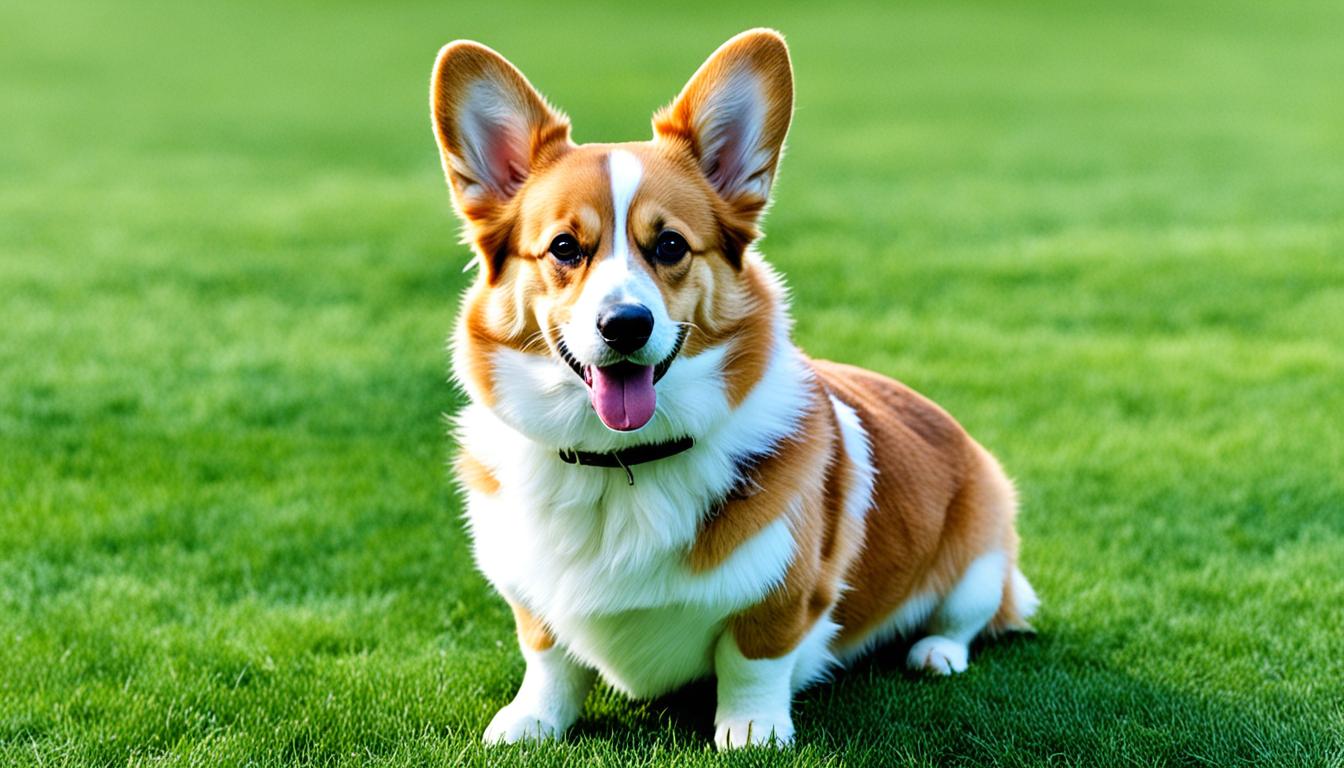

Have you ever wondered what your corgi is trying to tell you? Understanding your corgi’s body language is the key to deciphering their emotions and needs. By learning to read their subtle cues, you can deepen your bond and ensure their well-being.
In this article, we will explore the 5 best tips to understand corgi body language, from their facial expressions to tail wagging and ear movements. Get ready to become a pro at interpreting your corgi’s signals!
- Pay attention to your corgi’s facial expressions, including their eye movements and mouth expressions.
- Learn to decode your corgi’s tail wagging and position to understand their emotions.
- Interpret your corgi’s ear movements to gain insights into their mood and communication.
- Understand the vocalizations of your corgi, such as barking and growling, to better comprehend their intentions.
- Recognize common misinterpretations of corgi body language and avoid potential misunderstandings.
The Importance of Corgi Body Language
Understanding your corgi’s body language is crucial for effective communication and building a strong bond with your furry companion. By paying attention to their body language cues, you can ensure their safety and well-being. Recognizing signs of stress and other emotions can help you provide the necessary support and create a positive environment for your corgi.
When it comes to understanding your corgi’s body language, it’s important to remember that they communicate primarily through non-verbal signals. While they may bark or vocalize to express their needs or emotions, a significant portion of their communication is conveyed through their posture, facial expressions, tail movements, and more.
By being attentive to your corgi’s body language, you can:
- Effectively interpret their needs and desires
- Create a safe and comfortable environment
- Prevent misunderstandings and potential conflicts
- Build trust and strengthen your bond
- Promote their overall well-being and happiness
Each corgi has their own unique body language, so it’s essential to spend time observing and familiarizing yourself with your specific corgi’s signals. This will allow you to better understand their individual needs and preferences.
Body Language Cues to Look Out For:
“A dog’s body language speaks volumes. Pay attention to how their tail wags, ears move, and whether they are relaxed or tense. It’s their way of telling you how they feel.” – Dr. Jane Anderson, Canine Behavior Specialist
Here are some key body language cues to help you better understand your corgi:
1. Facial Expressions:
Corgis can communicate a range of emotions through their facial expressions. Pay close attention to their eyes, eyebrows, and mouth movements.
2. Tail Wagging and Position:
A corgi’s tail can indicate their emotional state. A high, wagging tail typically signifies happiness, while a low or tucked tail may suggest fear or anxiety.
3. Ear Movements:
Observe the position and movements of your corgi’s ears. Upright and forward ears often indicate attentiveness, while ears pressed back can indicate fear or submission.
4. Posture and Body Position:
Take note of how your corgi holds their body. Relaxed and loose posture usually indicates a calm and comfortable state, while a stiff or rigid posture may suggest alertness or tension.
5. Vocalizations:
While not strictly body language, corgis may use barking, growling, or whining to communicate their needs or emotions. Understanding the context and tone of their vocalizations can provide valuable insights.
Remember, developing a deep understanding of your corgi’s body language takes time and patience. The more you observe and interact with them, the better you’ll become at deciphering their signals and responding appropriately. Building a strong bond with your corgi starts with understanding and respecting their unique way of communicating.
To further enhance your understanding, let’s explore the different facial expressions corgis use to convey their emotions in the next section.
Understanding Corgi Facial Expressions
To better understand your corgi’s emotions and intentions, it is essential to pay attention to their facial expressions. Corgis have a wide range of facial expressions that can provide valuable insights into their mood and communication. Reading their eye movements and interpreting their mouth expressions are key to understanding their needs.
Reading Corgi Eye Movements
The eyes are often referred to as the “window to the soul,” and this holds true for corgis as well. By observing their eye movements, you can gain insight into their emotions. When a corgi’s eyes are wide open and alert, they are likely interested or excited about something. On the other hand, squinting or averting their gaze may indicate fear or discomfort.
It is important to remember that each corgi is unique, and their eye movements may vary. Some corgis may maintain direct eye contact when they are relaxed or confident, while others may avoid eye contact as a sign of submission or anxiety.
Interpreting Corgi Mouth Expressions
Corgis also communicate through various mouth expressions. The positioning of their mouth and the movement of their lips can give you valuable information about their mood.
When a corgi’s mouth is relaxed and slightly open, it generally indicates a calm and content state. On the other hand, tightly closed lips, bared teeth, or snarling may suggest aggression or discomfort. It is crucial to understand the context and consider other body language cues before drawing conclusions solely based on mouth expressions.
“By paying close attention to your corgi’s facial expressions, you can develop a deeper connection and strengthen your bond.”

By understanding and interpreting your corgi’s facial expressions, you can effectively communicate with them and respond to their needs. Creating a safe and supportive environment based on their cues will deepen your bond and foster a harmonious relationship.
| Facial Expression | Meaning |
|---|---|
| Relaxed eyes | Calm and content |
| Wide eyes | Interest or excitement |
| Squinting or averted gaze | Fear or discomfort |
| Relaxed and slightly open mouth | Calm and content |
| Tightly closed lips or bared teeth | Aggression or discomfort |
Decoding Corgi Tail Wagging and Position
Corgis, like many other dogs, use their tails to communicate their emotions and intentions. Understanding the meaning behind their tail wagging and position can provide valuable insight into their state of mind. By paying close attention to their tail movements, you can better understand what your corgi is trying to convey. Additionally, observing their body posture and positioning can further enhance your comprehension of their emotions.
Tail wagging is often associated with happiness and excitement in dogs. However, it’s essential to recognize that different tail movements and positions can indicate a variety of emotions. A high and vigorously wagging tail usually signifies enthusiasm and pleasure. Conversely, a tail that is held low and gently wagging could indicate caution or uncertainty.
Tip: Pay attention to the speed, direction, and height of your corgi’s tail wagging to gauge their emotions accurately.
Another aspect to consider is the position of your corgi’s tail. A tail that is upright and held high generally indicates confidence and a positive disposition. On the other hand, a tail tucked between the legs signifies fear, anxiety, or submission. It’s important to note that each dog is unique, and tail positions can vary slightly, so it’s crucial to understand your individual corgi’s regular tail carriage and any deviations from their usual behavior.
When interpreting your corgi’s body language, it’s essential to consider their overall posture and positioning. A dog with an upright and relaxed stance typically indicates confidence and a calm demeanor. Conversely, a corgi that is crouched or standing with tense muscles might be feeling anxious or fearful.
By decoding your corgi’s tail wagging, body posture, and positioning, you can better understand their emotions and intentions, allowing for more effective communication and a stronger bond with your furry companion.
Interpreting Corgi Ear Movements
Corgis have a unique way of communicating through their ears. By observing the various positions and movements of their ears, you can gain valuable insights into their mood and intentions. Each ear position carries its own meaning, allowing you to better understand your corgi’s emotions and ensure effective communication.
When corgi ears are forward and upright, it typically indicates attentiveness and curiosity. Your corgi may be alert and focused on something in their environment. It’s essential to pay attention to what has captured their interest and respond accordingly to provide appropriate stimulation and engagement.
On the other hand, if your corgi’s ears are pinned back, it could signal fear, anxiety, or discomfort. When corgis feel threatened or uneasy, they may flatten or tuck their ears against their head. Recognizing this ear position can help you create a calm and reassuring environment for your corgi, ensuring their emotional well-being.
Sometimes, you may notice that your corgi’s ears are asymmetrical, with one ear slightly raised or tilted. This asymmetry can indicate different emotional states, such as curiosity or confusion. By paying close attention to this subtle ear movement, you can better interpret your corgi’s current mindset and adjust your interactions accordingly.

Common Corgi Ear Positions and Their Meanings:
| Ear Position | Meaning |
|---|---|
| Forward and Upright | Attentiveness and curiosity |
| Pinned Back | Fear, anxiety, or discomfort |
| Asymmetrical | Curiosity or confusion |
Understanding the subtle nuances of your corgi’s ear movements can greatly enhance your ability to communicate and connect with them on a deeper level. By combining this knowledge with an understanding of other body language cues, such as facial expressions and tail wagging, you can become fluent in decoding your corgi’s emotions and strengthening your bond.
Corgi Vocalizations and What They Mean
Dogs, including corgis, have a unique way of communicating with us through vocalizations. Understanding their barks, growls, and other vocal cues can provide valuable insight into their emotions and intentions. By paying close attention to the tone, pitch, and intensity of their vocalizations, you can better understand what your corgi is trying to tell you.
Vocalizations are an essential aspect of canine communication. They use barks to express excitement, alertness, or as a warning signal. A high-pitched bark accompanied by wagging tail and playful behavior usually indicates excitement and happiness, while a low, deep, and repetitive bark may be a sign of anxiety, fear, or aggression. It’s important to listen carefully and decipher the underlying meaning.
“Barking is a natural way for dogs to communicate, and corgis are no exception. However, interpreting their barks can sometimes be challenging. It’s crucial to consider the context and your corgi’s overall body language to understand their message.” – Dr. Sara Thompson, Canine Behavior Specialist
In addition to barks, corgis may also growl to express their emotions. Growling can occur in various situations and may indicate fear, frustration, or a desire to assert dominance. It’s important to pay attention to the context and other body language cues when interpreting growls. A low, rumbling growl accompanied by raised fur, stiff posture, and bared teeth may be a sign of aggression and should be taken seriously.
Corgis may also use whining and howling as vocalizations. Whining can indicate anxiety, discomfort, or a desire for attention, while howling often signifies excitement, loneliness, or trying to communicate with other dogs. Each corgi is unique, and understanding their individual vocalization patterns can help strengthen the bond between you and your furry companion.
Interpreting Corgi Vocalizations:
- Pay attention to the tone, pitch, and intensity of their barks. A higher-pitched bark may indicate excitement, while a lower-pitched bark may signal fear or aggression.
- Observe the accompanying body language. A relaxed and wagging tail generally suggests happiness, while a stiff and raised tail may indicate tension or aggression.
- Consider the context and the situation. Barking during playtime is normal, but excessive barking or growling during interactions with strangers or other animals may require attention and training.
- Consult with a professional if you have concerns about your corgi’s vocalizations. A Canine Behavior Specialist or professional dog trainer can provide guidance and help you better understand your corgi’s unique communication style.

Understanding your corgi’s vocalizations is a valuable tool in communication. By paying attention to their barks, growls, and other vocal cues, you can deepen your bond and ensure your corgi’s emotional well-being. Remember to consider the context and other body language indicators to accurately interpret their vocalizations and respond accordingly.
Common Misinterpretations of Corgi Body Language
Understanding your corgi’s body language is essential for effective communication and building a strong bond. However, it is common for owners to misinterpret certain cues, leading to potential misunderstandings. By learning to recognize these misinterpretations and understanding the true meaning behind your corgi’s behavior, you can ensure a harmonious relationship.
Recognizing Corgi Anxiety Cues
Anxiety is a common emotion among corgis, and it’s crucial to identify the signs to provide a safe and calm environment. Keep an eye out for excessive panting, restlessness, lowered tail, and exaggerated lip licking, as these are all potential indicators of anxiety. When you notice these cues, take immediate action to alleviate stress and create a comforting space for your corgi.
Decoding Corgi Play Behavior
Understanding the difference between play behavior and aggression is vital in ensuring positive interactions with your corgi. While rough play or body contact may seem aggressive, it can be a natural part of corgi play. Look for playful movements, a relaxed body posture, and reciprocated behavior. Lack of tension, a loose wagging tail, and friendly vocalizations are all positive signs that your corgi is engaging in playful behavior.
Remember, misreading anxiety as aggression or overlooking playful behavior as aggression can hinder your ability to respond appropriately to your corgi’s needs. Take the time to observe and understand their unique body language to strengthen your bond and enhance communication.
By addressing common misinterpretations and familiarizing yourself with the subtleties of corgi body language, you can navigate communication with your furry friend more effectively. Recognizing anxiety cues and understanding play behavior will greatly contribute to a positive and fulfilling relationship with your corgi.
Tips for Better Communication with Your Corgi
To improve communication with your corgi and build a strong bond, it’s essential to create a positive and supportive environment. By understanding their body language and incorporating effective communication techniques, you can enhance your relationship and ensure a harmonious companionship.
Paying Attention to Body Language
One of the keys to better communication with your corgi is being aware of their body language. By observing their facial expressions, tail wagging, and ear movements, you can gain valuable insights into their emotions and needs. When your corgi looks relaxed and happy, encourage positive interactions. On the other hand, if you notice signs of stress or anxiety, such as a lowered tail or flattened ears, provide reassurance and create a calming environment.
Using Positive Reinforcement
To encourage desired behaviors and strengthen your bond with your corgi, utilize positive reinforcement techniques. Reward them with treats, praise, and affection when they exhibit good behavior or follow commands. This positive association will reinforce the behavior and motivate them to continue behaving well.
Providing Mental and Physical Stimulation
Corgis are intelligent and active dogs that require mental and physical stimulation to stay happy and engaged. Engage them in activities such as puzzle toys, obedience training, and interactive play sessions to keep their mind sharp and their energy drained. Regular exercise, such as walks or playtime in a secure area, is also important to keep them physically fit and content.
Remember, building a strong bond with your corgi takes time and patience. Be consistent in your communication and provide plenty of love, care, and attention. In return, you will have a loyal and joyful companion by your side.

| Tips for Better Communication with Your Corgi |
|---|
| Pay attention to your corgi’s body language |
| Use positive reinforcement techniques |
| Provide mental and physical stimulation |
| Be consistent and patient in your communication |
Conclusion
Understanding your corgi’s body language is essential for effective communication and building a strong bond with your furry companion. By observing their facial expressions, tail wagging, ear movements, and other body language cues, you can gain insight into their emotions and respond accordingly.
Recognizing the significance of corgi body language enables you to create a positive environment for your pet, ensuring their safety and well-being. Building a strong bond with your corgi starts with understanding their unique communication style and providing the support they need.
Remember, this journey of understanding your corgi’s body language is ongoing. By consistently paying attention to their cues and responding appropriately, you can deepen your connection and strengthen the bond with your corgi, leading to a rewarding and fulfilling relationship.
FAQ
What are the 5 best tips to understand corgi body language?
Why is it important to understand corgi body language?
How do I understand corgi facial expressions?
What can corgi tail wagging and position tell me?
How do I interpret corgi ear movements?
What do corgi vocalizations mean?
What are common misinterpretations of corgi body language?
How can I improve communication with my corgi?
Source Links
- https://www.idreamofcorgis.com/understanding-your-corgis-body-language
- https://www.akc.org/expert-advice/advice/how-to-read-dog-body-language/
- https://www.dogster.com/lifestyle/dog-body-language

Carlos is the passionate founder and primary author behind “CorgisCorner.com,” a website dedicated to all things related to the beloved Corgi breed. Born and raised in a small town known for its strong sense of community and love for animals, Carlos developed a deep affection for Corgis from a young age. This love was sparked by his childhood companion, a spirited and loyal Corgi named Toby, who was a constant source of joy and friendship.