

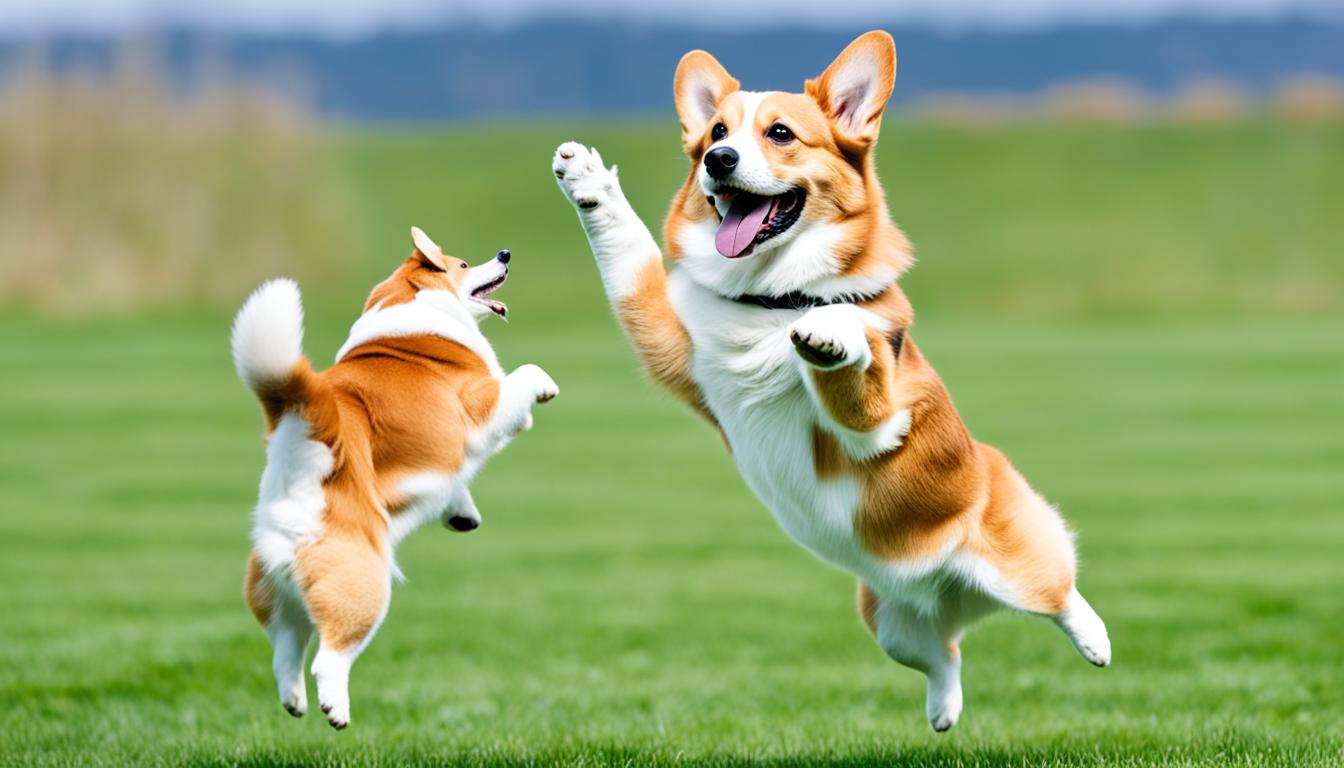

Are you a proud corgi owner looking to unlock your furry friend’s full potential? Look no further! When I brought home my adorable corgi, Max, his smarts and eagerness to please were clear. Corgis aren’t just lovable; they learn new tricks fast.
I’ve developed a training method that’s all about proven techniques, love, and patience. Whether you’re new to corgi ownership or want to improve your training, I’m here to help. Follow me through these 5 easy steps for successful trick training. The bond you’ll form with your corgi during training is something special.
Key Takeaways:
- Proven trick training for corgis is both fun and rewarding for both you and your furry friend.
- Corgis are intelligent and eager to please, making them easy to train when using the right techniques.
- Patience, consistency, and positive reinforcement are key in corgi training.
- Training your corgi creates a strong bond and enhances communication between you and your pet.
- With these 5 easy steps, you’ll be amazed at what your corgi can achieve!
The Importance of Socializing Your Corgi
Socializing your Corgi is vital for their growth. It helps them get used to different settings and make friends with others. By exposing them to new situations, you boost their abilities to handle various environments and interact positively.
It’s best to start socializing them early. This way, your Corgi gets used to new things and grows more confident. Try introducing them to many people, like family and strangers. Reward their calm and friendly behavior. This teaches them that meeting new folks is good.
Meeting other animals is also key. Set up playdates with friendly dogs, watching them closely. This helps your Corgi learn to read body language and respect personal space.
Consider puppy classes for a controlled social setting. Your Corgi can meet other dogs while being safely supervised. This setting lets you help guide their social skills effectively.
Remember, socializing your Corgi never stops. Keep taking them to new places and meeting different people and animals. This ensures they stay confident and well-behaved in all kinds of situations.
Benefits of Corgi Socialization
Socializing your Corgi brings many pluses. Here are the biggest benefits:
- Reduced anxiety: New experiences make them more at ease in unknown places.
- Better social skills: They learn how to act around humans and animals. This makes being together more fun and easy.
- Prevention of behavioral issues: Socializing stops common problems like aggression or shyness.
- Enhanced bond: Spending time together in new situations strengthens your connection with your Corgi.
| Socialization Tips | Don’t Forget… |
|---|---|
| 1. Start socializing early | 1. Gradually expose your Corgi to different environments and stimuli |
| 2. Use positive reinforcement | 2. Reward good behavior with treats and praise |
| 3. Provide plenty of social opportunities | 3. Regularly expose your Corgi to new people, animals, and environments |
| 4. Be patient and supportive | 4. Allow your Corgi to progress at their own pace and provide reassurance during social interactions |
Getting Your Corgi Familiar with Their Environment
Helping your corgi get comfortable in new places is important. You can do this by slowly introducing them to various experiences. This method, known as Corgi environment training, builds their confidence and eases anxiety.
Car rides are key in making your corgi comfortable with their surroundings. Some corgis get nervous or even sick in cars. Yet, with the right training and lots of positive reinforcement, car trips can become fun for you both.
Training Tips: Corgi Car Rides
- Start Slow: Let your corgi check out a parked car first. They can get used to the car’s inside without being overwhelmed. This helps them see the car as a good place.
- Short Trips: Then, try short drives, starting with a couple of minutes. Go to quiet places they know, like a nearby park. This makes them more confident with car rides.
- Positive Reinforcement: Give treats and praise when they behave well in the car. This makes them link car rides with happiness. Always reward calm behavior or staying in their seat.
- Comfort and Safety: Make sure your corgi is safe and comfy in the car. Use a harness or crate to keep them secure. Also, make sure the temperature is nice and give them a cozy blanket.
- Gradual Exposure: Slowly introduce more types of car rides, like busy areas or long trips. Reward and praise them afterward. This helps them get used to different driving situations.
Corgi environment training needs patience and regular effort. Celebrate every little win and focus on the positive changes in your corgi. With patience and a positive attitude, your corgi will start to see car rides as fun outings.
Here are some tips from corgi owners:
“My corgi, Daisy, didn’t like car rides at all at first. But with time and lots of treats, she began to enjoy them. We started with short trips and slowly made them longer. Now she’s always excited to go for a ride!” – Sarah, Corgi Owner
| Benefits of Corgi Environment Training and Car Rides | Tips for Success |
|---|---|
| 1. Builds corgi’s confidence | 1. Start slow and gradually increase exposure |
| 2. Reduces anxiety and fear | 2. Use positive reinforcement – treats and praise |
| 3. Improves socialization with different environments | 3. Ensure comfort and safety with a harness or crate |
| 4. Creates positive associations with car rides | 4. Celebrate each milestone and progress made |
Introducing Grooming to Your Corgi
Corgis have thick, beautiful coats that need regular care. Introducing your corgi to grooming should be done slowly and positively. This helps them see grooming as fun, making it easier for you both. Let’s go over some tips for starting your corgi on grooming and coat care.
1. Start with gentle brushing
Start by getting your corgi used to being brushed. Use a soft brush and brush their coat the way it grows. Begin with short sessions, then slowly take longer as your corgi gets used to it.
2. Use treats and praise
Make grooming fun by giving treats and praise. Reward them when they stay calm during grooming. This makes them link grooming with happy times and encourages good behavior.
3. Gradually introduce grooming tools
Once your corgi is okay with brushing, start using other tools like combs. Be gentle and stop if they seem upset. This helps them get used to new grooming tools without stress.
Pro Tip: Use positive reinforcement to make grooming enjoyable for your corgi!
4. Introduce bathing and drying
Bathing is key for keeping your corgi’s coat nice. Start with warm water and gentle shampoo. Rinse well and use a towel to dry. Slowly get them used to noise from a blow dryer, rewarding calm behavior. Move the dryer closer as they get more comfortable.
5. Regular grooming routine
Keep a regular grooming schedule to prevent mats and keep their coat nice. This includes brushing a few times a week, giving baths as needed, and cutting their nails. Regular grooming keeps your corgi looking good and healthy.
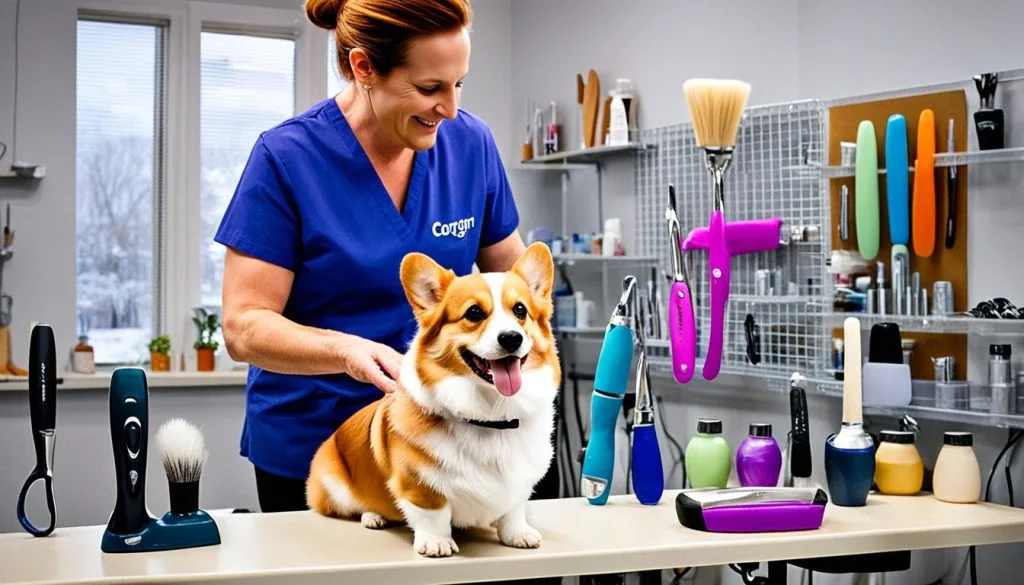
Grooming is key to caring for your corgi. Start slowly and keep it positive, and grooming will be something you both enjoy. Be patient and reward them, and they’ll start to love grooming time!
Establishing a Daily Routine for Your Corgi
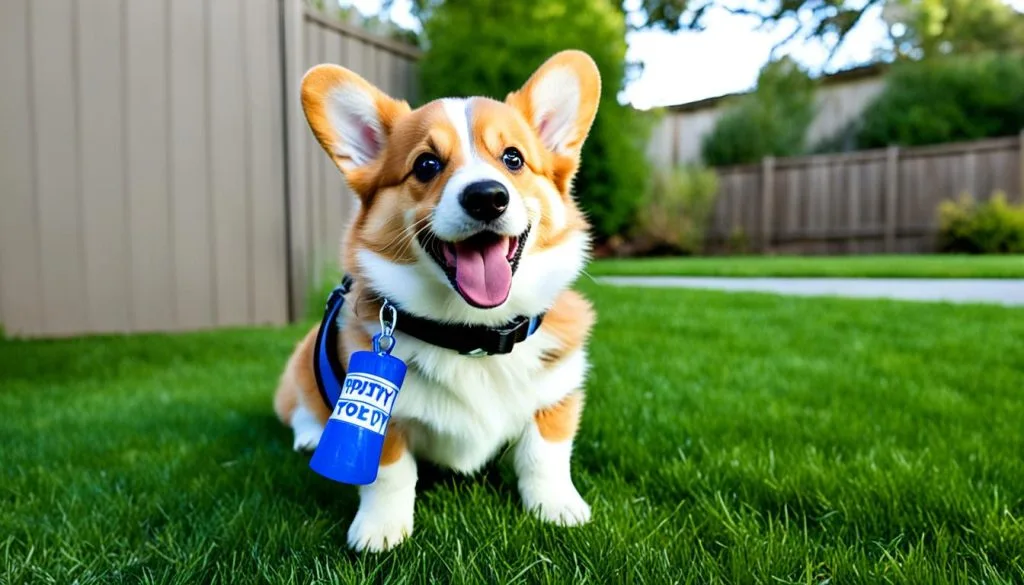
Having a daily routine is key for training your Corgi. A structured schedule helps them know what’s expected, reducing messes. This section talks about setting up a day plan for feeding, exercise, and bathroom breaks.
Regular Feeding
Corgis do well with a set feeding schedule. Eating at the same times every day helps their digestion and avoids problems. Ensure their diet is balanced and vet-recommended. It’s good to split their food into smaller meals throughout the day. This prevents overeating and keeps them at a healthy weight.
Exercise
Exercise is a must for Corgis to stay healthy and happy. They need daily activities to use up their energy. Include things like walks and play. Exercise improves their physical health and their mind, keeping boredom away.
Potty Breaks
Corgis learn bathroom habits quickly with regular trips outside. Set a potty break schedule for them. Make sure they go outside at consistent times, like in the morning, after eating, and before sleep. Understand that accidents happen, but with positive support, they’ll learn.
Every Corgi is different, so adjust their routine to fit them. Pay attention to how they act and change things as needed. A regular routine helps them succeed in training and in life.
| Benefits of Establishing a Daily Routine for Your Corgi: | Tips for Implementing a Successful Routine: |
|---|---|
|
|
Teaching Your Corgi Simple Commands
Teaching your corgi simple commands is key in their training. Starting young helps build a good base for obedience and behavior. It’s vital for creating a well-behaved and happy dog.
Start in a quiet place with no distractions. Begin with basic commands like “sit,” “stay,” and “come.” Always be patient and use positive encouragement. Dogs do best with kind reinforcement.
Here are some tips to effectively teach your corgi simple commands:
- Use positive reinforcement: This is crucial in training. Reward your corgi with treats and praise when they follow a command. This builds a happy link with the command and encourages them to keep it up.
- Repeat and reinforce commands: Being consistent is key. Say the command many times to make sure your corgi gets it. Use it in various places and situations to strengthen their grasp.
- Keep training sessions short and frequent: Corgis can only focus for a short while. Have brief, lively training moments several times a day. It helps your corgi stay engaged and not get tired.
- Be consistent with hand signals or cues: Use both voice commands and hand signals. For “sit,” you could also lift your hand with the palm up. Using both helps your corgi understand better.
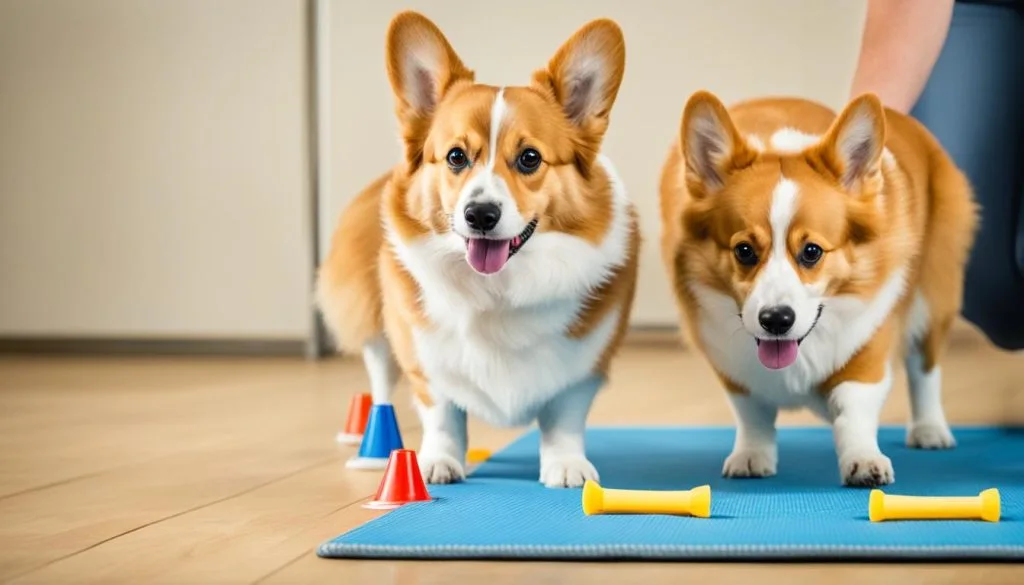
Remember, training takes time, patience, and steady effort. Celebrate every victory and offer lots of praise and treats. With the right approach, you’ll build a strong, trusting relationship with your pet.
Exercising Your Corgi
Corgis are full of energy and need regular exercise. This keeps them at a healthy weight and stops them from getting bored. Making exercise part of your corgi’s daily routine is key to their health.
Playing is a fun way to get your corgi moving. You can play fetch or tug-of-war to work their body and mind. Always pick toys that are right for your corgi’s size and age.
Playtime Benefits
Playtime does more than just use up energy. It’s good for your corgi’s body and brain:
- Weight Management: Exercise stops obesity, which can cause health problems in Corgis.
- Cardiovascular Health: Physical activities keep your corgi’s heart and lungs working well.
- Muscle Strength: Playtime builds strong muscles, which is great for fitness.
- Mental Stimulation: Playing keeps your corgi sharp and prevents them from getting bored.
- Bonding and Socialization: Playtime is a chance for you to connect with your corgi and helps them make friends with other dogs and people.
Every corgi is different. Adjust playtime to what they need. Young corgis might need more exercise. Older ones might need gentler activities. Watch your corgi during play to make sure they’re not overdoing it.
“Play is not a luxury. It is a necessity!” – Kay Redfield Jamison
Regular exercise and playtime are important for your corgi’s health. Fun activities keep them happy and healthy.
| Activity | Duration | Benefits |
|---|---|---|
| Playing fetch | 15-30 minutes | Burns energy, improves agility, strengthens bond |
| Tug-of-war | 10-15 minutes | Builds strength, enhances jaw muscles, promotes dental health |
| Running/jogging | 20-30 minutes | Provides cardiovascular exercise, ideal for energetic corgis |
| Obstacle course | 10-20 minutes | Improves agility, stimulates problem-solving skills |
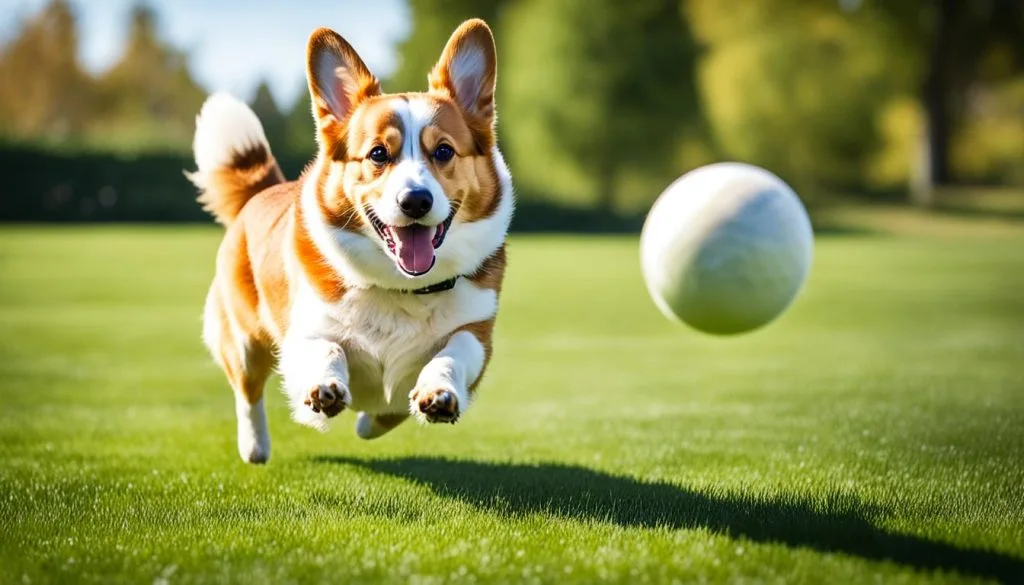
Note: Always talk to your vet before starting a new exercise plan to make sure it’s right for your corgi’s health.
Starting Obedience Training at the Right Age
Obedience training is key in raising a well-behaved Corgi. It teaches them the skills and manners they need every day. But when should you start training?
Training should start around 6 months old. At this age, Corgis are ready to learn and control themselves better. This makes training sessions more effective.
One way to train is through group classes. These classes help Corgis learn with others and boost their social skills. They also let you meet other Corgi owners to share tips and stories.
Another option is hiring a private trainer. They focus just on your Corgi’s specific needs and problems. This personal approach helps Corgis with unique challenges or those needing extra care.
Obedience training is more than basic commands. It’s the start of learning activities like agility or flyball. These keep your Corgi active and happy, and strengthen your bond.
Patience and consistency are crucial in training. Learning takes time. Celebrate the small wins and reward good acts to encourage your Corgi.
Starting obedience training at the right time is key for a great pet. You can choose group classes or a private trainer for help. Be patient, stay consistent, and keep encouraging your Corgi. With proper training, they can achieve a lot and be a joyful family member.
Patience and Consistency in Training
Corgis are very smart dogs that learn well, but success needs patience and consistency. Start training your Corgi calmly, without using punishment or negative ways.
Keeping things the same is vital when teaching your Corgi. Set rules and limits early on, and stick to them. This makes clear what you expect, strengthening good actions. Whether it’s learning to housebreak, follow orders, or do tricks, being consistent gets the best outcomes.
Always reward your Corgi when they do what you want. Use treats, kind words, and love. Rewarding them makes them see good behaviors lead to happy things. But, give treats in small amounts to not spoil them.
Training takes different times for different dogs. Some Corgis learn fast, others more slowly. Be patient and keep at it, celebrating every small win. With time and steady work, your Corgi will learn what you’re teaching.
Tips for Corgi Training Patience and Consistency:
- Remain calm and patient during training sessions.
- Avoid punishment and negative reinforcement.
- Consistently enforce rules and boundaries.
- Reward desired behavior with treats, praise, and affection.
- Be mindful of your Corgi’s individual learning curve.
“Consistency is key when training your Corgi. Establish clear rules and boundaries from the start and consistently enforce them.”
Training your Corgi is a journey that needs patience and consistency. Clear guidance, positive rewards, and understanding turn your Corgi into a happy, well-behaved friend.
Understanding Your Corgi’s Body Language
It’s key to learn what your corgi’s body language means. This helps you communicate better and grow closer. Corgis use their bodies to show feelings and needs, just like people do. Watching and interpreting these signs lets you understand your pet better.
Signs of Discomfort or Stress:
- Avoiding Eye Contact: A nervous corgi might not look you in the eye. They look away instead.
- Tail Tucking: A scared or nervous corgi might hide its tail between its legs. It’s a signal they’re not okay.
- Body Stiffness: A tense, stiff corgi is likely feeling stressed. They’re uncomfortable with what’s happening around them.
- Pacing or Restlessness: A corgi moving around a lot might be uneasy. They could be trying to find a safe spot.
Remember, every corgi is different. They show stress in their own ways. By learning your corgi’s unique signals, you can help them when they’re upset.
Building Trust Through Body Language:
A happy, relaxed corgi will let you know they feel safe. Seeing them content helps strengthen your bond. They show trust with positive body signals.
“A corgi with a relaxed body posture, loose tail, and a happy expression is likely feeling at ease and content.”
Here are some examples of positive body language in corgis:
- Wagging Tail: A softly wagging tail means your corgi is happy and friendly.
- Relaxed Facial Expression: A corgi with a soft, open face and bright eyes is relaxed.
- Playful Behavior: When corgis are playful, it’s a sign they’re happy in their space.
- Open and Relaxed Body Posture: A corgi that’s loose and not stiff is comfortably content.
Understanding your corgi’s happy signals lets you make them feel secure. It encourages them to share their feelings and needs with you.
| Body Language | Meaning |
|---|---|
| Tail tucked between legs | Sign of fear or anxiety |
| Slow wagging tail | Indicates uncertainty or caution |
| Relaxed posture with loose tail | Content and comfortable |
| Direct eye contact | Confidence or assertiveness |
| Ears pulled back | Sign of fear or submission |
Getting to know your corgi’s body language takes time. But it’s worth it. You’ll bond more deeply and be able to take better care of them.
Rewards and Avoiding Punishment
Training your corgi right is all about the positives. Corgi training rewards like treats and praise work wonders. They encourage the behavior you want to see. Linking good behavior with treats means a happy learning journey for your corgi.
Punishment isn’t the way to go. It might seem like a quick fix, but it can scare your corgi. This can slow down their learning. Using Corgi positive reinforcement builds trust and a strong bond. This leads to better training results in the long run.
“Reward-based training methods have been proven to be more effective and humane than punishment-based methods.”
Focus on the positives, not the mistakes. Make training fun and rewarding. Celebrate every success and always be consistent with your praise and treats.
H3: Tips for Effective Reward-Based Training:
- Find your corgi’s favorite treats and save them for training.
- Keep rewards exciting by changing them up. Mix treats, praise, and playtime.
- Give rewards right after a good behavior to link the two in your corgi’s mind.
- Stay consistent with rewards to keep up good behavior.
- Make tasks harder gradually. This keeps your corgi interested and keen to learn.
Image: A corgi happily receiving a treat as a reward for good behavior.
Conclusion
Potty training your corgi takes time, effort, and patience. With consistency and positive reinforcement, they’ll learn where and when to go. Getting them into a routine is key, as it reduces accidents.
Keep training your corgi beyond just potty skills. They’re smart and like to please. Use their abilities to teach new tricks and commands. This keeps their mind sharp and strengthens your bond.
Training your corgi is more than basic obedience. It’s about building trust and understanding. Be consistent in your approach. Enjoy the journey and the special moments of companionship with your well-trained corgi.
FAQ
How can I train my corgi to perform tricks?
Why is socializing my corgi important?
How can I help my corgi get used to different environments?
How do I introduce grooming to my corgi?
What is the importance of establishing a daily routine for my corgi?
How can I teach my corgi simple commands?
How much exercise does my corgi need?
When should I start obedience training for my corgi?
What should I keep in mind during corgi training?
How can I better understand my corgi’s needs and emotions?
What is the best way to train my corgi with positive reinforcement?
How can I potty train my corgi?
Source Links
- https://willothecorgi.com/blog/tips-for-first-time-corgi-owners
- https://www.dogster.com/dog-training/how-to-train-a-corgi
- https://www.dogster.com/dog-training/how-to-potty-train-a-corgi

Carlos is the passionate founder and primary author behind “CorgisCorner.com,” a website dedicated to all things related to the beloved Corgi breed. Born and raised in a small town known for its strong sense of community and love for animals, Carlos developed a deep affection for Corgis from a young age. This love was sparked by his childhood companion, a spirited and loyal Corgi named Toby, who was a constant source of joy and friendship.