

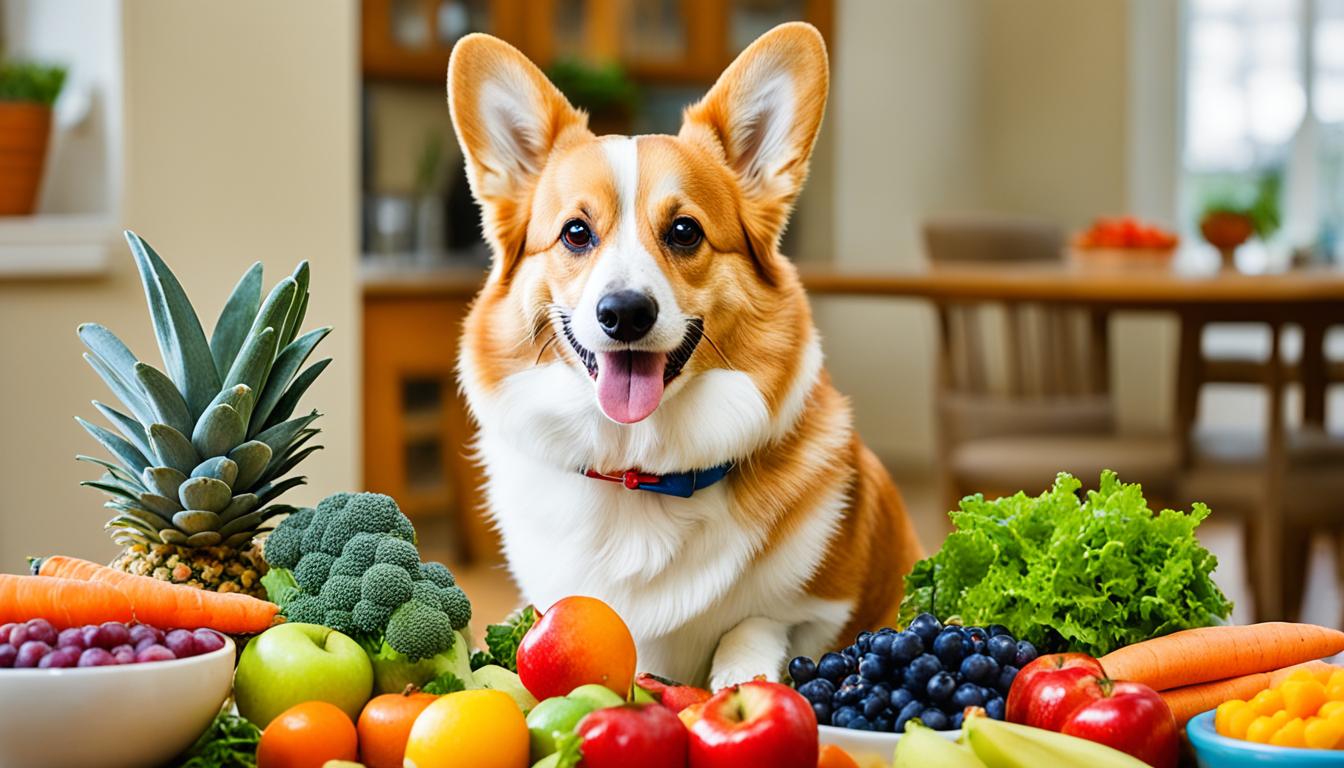

As our beloved Corgis age, it’s important to provide them with the proper nutrition to support their changing needs. Just like humans, senior dogs require a tailored diet that takes into account their specific nutritional requirements. In this article, we’ll explore five key strategies for ensuring the health and well-being of your senior Corgi through nutrition.
Key Takeaways:
- Provide higher quality protein for muscle maintenance and overall health
- Adjust fat content to manage weight and prevent obesity
- Consider supplements for joint health and cognitive function
- Select healthy food options specifically formulated for senior dogs
- Consult a veterinarian for personalized nutrition advice based on your Corgi’s health and specific needs
When is a Dog Considered a Senior?
Dogs typically enter their senior years around the age of 7, although the aging process can vary depending on factors such as breed and size. It’s essential for pet owners to be aware of the signs of aging in dogs and make adjustments to their care accordingly. Aging in dogs is a natural process that can bring about various changes in their physical and mental well-being.
- Aging in dogs: Dogs go through a natural aging process, just like humans. As dogs get older, their bodies undergo certain physiological changes that might affect their overall health and daily routine.
- Senior dog age: On average, dogs are considered seniors when they reach between 6 to 9 years old, depending on their size and breed. Larger breeds tend to age faster than smaller breeds.
- Signs of aging in dogs: Some common signs of aging in dogs include greying fur, weight gain, joint problems, vision issues, and changes in behavior. These signs can indicate age-related health concerns that require attention.
- Geriatric dogs: Toward the end of the senior period, dogs may enter the geriatric stage, during which they may experience more pronounced symptoms of aging. These might include memory loss, altered behavior, and impaired mobility.
Regular check-ups with a veterinarian are crucial for monitoring the health of senior and geriatric dogs. The vet can provide valuable guidance on adjustments to the dog’s diet, exercise routine, and overall care based on their specific needs. By addressing these aging-related changes proactively, pet owners can help their senior dogs maintain a good quality of life for as long as possible.
Understanding Senior Dog Food
When it comes to choosing the right food for your senior dog, navigating through the various options can be quite overwhelming. While there is no official regulation for dog foods marketed as specifically for senior dogs, there are important factors to consider when selecting the best diet for your aging companion.
One common misconception is that senior dog food is drastically different from regular adult dog food. In reality, there is often only a slight variation in nutrient content between the two. The key lies in making appropriate nutritional adjustments to meet the specific needs of senior dogs.
First and foremost, senior dogs require higher levels of protein to support muscle maintenance and overall health. Increasing the protein content in their diet can help prevent muscle loss and promote better mobility. It is important to choose senior dog foods that contain high-quality protein sources to ensure optimal nutrition.
Fat content in senior dog food may need to be adjusted based on the dog’s individual needs. Some senior dogs may benefit from a lower fat content to manage weight, while others may require a higher fat content to prevent weight loss. Consult your veterinarian to determine the ideal fat level for your furry friend.
Fiber is another crucial factor in senior dog nutrition. The amount of fiber needed can vary depending on the dog’s gastrointestinal health. Senior dogs with sensitive stomachs may benefit from a higher fiber diet to promote healthy digestion, while others may require less fiber to prevent issues such as diarrhea or constipation.
Calorie density is an essential consideration for weight management in senior dogs. As older dogs tend to have lower energy requirements, it is important to ensure that their food provides adequate nutrition without excess calories. Choosing a dog food formulation with an appropriate calorie density can help maintain a healthy weight and prevent obesity.
In addition to these nutritional adjustments, senior dogs with dental issues may benefit from soft food options. Soft food is easier to chew and can provide added comfort for dogs with dental disease. Incorporating soft food into their diet can help ensure they receive the necessary nutrition while maintaining dental health.
Remember, proper nutrition plays a vital role in promoting the overall well-being of senior dogs. While there is no one-size-fits-all approach to senior dog food, understanding the specific nutritional needs of your furry companion and making the necessary adjustments can help ensure they enjoy a healthy and vibrant senior life.
Protein and Nutrient Requirements for Senior Dogs
As senior dogs age, their nutritional needs change, requiring specific considerations to support their health and wellbeing. One crucial aspect is ensuring they receive adequate protein to prevent muscle loss and maintain strength and mobility.
Senior dog food with high-quality protein is essential to fulfill their protein requirements. Protein requirements for senior dogs may be higher than those for younger dogs to compensate for age-related muscle loss and maintain lean body mass. A protein-to-calories ratio above 75 grams per 1,000 calories is recommended to address their increased protein needs.
In addition to protein, other nutrients play vital roles in senior dog nutrition. Amino acids derived from protein are crucial for various bodily functions and contribute to overall wellness. Ensuring a balance of essential amino acids in their diet is important for senior dogs to thrive.
Omega-3 fatty acids are another important nutrient for senior dogs. These fatty acids offer anti-inflammatory properties and support joint health, which can be beneficial for aging dogs experiencing joint stiffness or arthritis.
Antioxidants also play a significant role in senior dog nutrition. They help combat oxidative stress caused by aging and promote overall wellbeing. Antioxidant-rich foods, such as fruits and vegetables, can be included in their diet or supplemented.
Senior dogs may also benefit from prebiotic fibers, which promote healthy digestion and ensure optimal nutrient absorption. These fibers can be found in certain fruits, vegetables, and specialized dog food formulas.
When catering to the specific nutrient requirements of senior dogs, it’s important to consider their individual health and activity level. Consulting with a veterinarian will help determine the precise nutrient needs and ensure a well-rounded diet that supports their overall health.
For senior dogs with kidney disease, monitoring the phosphorus content in their diet is crucial. High phosphorus levels can worsen kidney function, so selecting senior dog food with controlled phosphorus levels is essential.

Managing Weight and Digestion in Senior Dogs
As senior dogs age, their energy requirements tend to decrease, making weight management a crucial aspect of their overall health and well-being. Maintaining a healthy weight can help prevent various health issues and improve their quality of life. Here are some key strategies for managing weight and digestion in senior dogs:
- Weight Management for Senior Dogs: Senior dogs may have a slower metabolism and reduced energy levels, resulting in weight gain. Monitoring their food intake and ensuring they receive regular exercise is essential for weight management.
- High-Protein Diet for Muscle Mass: Some senior dogs may require a high-protein diet to maintain muscle mass and prevent muscle loss. Protein is a crucial nutrient that aids in tissue repair and supports their overall health and mobility.
- High-Fat Diet for Weight Gain: On the other hand, some senior dogs may struggle with maintaining a healthy weight and may require a high-fat diet to help them gain weight. High-fat foods can provide them with the necessary calorie density to support weight gain.
- Fiber for Digestion: Fiber plays a key role in digestion and can help senior dogs maintain a healthy digestive system. However, the amount of fiber needed may vary depending on the dog’s specific needs. Consultation with a veterinarian can help determine the appropriate fiber content for your senior dog.
- Calorie Density for Weight Management: Adjusting the calorie density of your senior dog’s diet is crucial for effective weight management. Providing them with the appropriate number of calories based on their activity level and weight goals can help them maintain a healthy weight.
- Senior Dog Food for Weight Loss: There are specialized senior dog food formulas available that are specifically designed for weight loss. These foods are formulated to provide the necessary nutrients while also promoting weight loss in a healthy and controlled manner.
Consultation with a veterinarian is highly recommended to determine the best course of action for managing weight and digestion in your senior dog. They can provide personalized recommendations based on your dog’s specific needs and health conditions.
Remember, every senior dog is unique, and their nutritional needs may vary. By implementing these strategies and working closely with your veterinarian, you can help your senior dog maintain a healthy weight and optimal digestion, ensuring they enjoy their golden years to the fullest.

Dental Health for Senior Dogs
Many senior dogs are prone to dental disease, which can significantly impact their overall health and well-being. Implementing proper dental care measures and a suitable diet can help maintain optimal oral health in senior canines. Here are some essential considerations for promoting dental health in senior dogs:
Switching to Soft Food
Chewing difficulties caused by dental issues can make it challenging for senior dogs to consume regular dry kibble. Switching to a soft food can alleviate discomfort and enable them to eat more comfortably. Soft foods are easier to chew and can help senior dogs maintain a balanced diet while experiencing dental problems.
Dental Additives in Dog Food
Some dog foods specifically marketed for dental health may contain additives that aid in preventing the formation of calculus or tartar. These additives can help reduce the risk of dental diseases by minimizing plaque buildup. However, it’s essential to choose high-quality dog foods with reliable ingredients and consult with a veterinarian to ensure they meet your dog’s nutritional requirements.
The Role of Probiotics in Oral Health
Probiotics, which are beneficial bacteria, can contribute to oral health in senior dogs. These bacteria help create a balanced oral microbiome, reducing the risk of harmful bacteria growth and dental issues. Probiotics can be found in certain dog food formulas or taken as specific dental health supplements. Incorporating probiotics into your senior dog’s diet may provide additional oral health benefits.
Regular Dental Check-ups
While a proper diet plays a crucial role in maintaining dental health, professional dental care is still vital. Regular dental check-ups and cleanings should be included in your senior dog’s healthcare routine. These check-ups allow veterinarians to address any dental issues or concerns and provide appropriate treatments if necessary. They also help prevent the progression of dental diseases and maintain overall oral health.
Special Dietary Considerations for Senior Dogs with Medical Conditions
As senior dogs age, they may develop certain medical conditions that require special dietary considerations. Providing a tailored diet can help manage these conditions and improve their overall well-being. Here are some key dietary factors to consider for senior dogs with medical conditions:
Kidney Disease and Phosphorus Restriction
Dogs with kidney disease require a diet with reduced phosphorus levels. High levels of phosphorus can put additional strain on the kidneys and worsen the condition. Look for dog foods specifically formulated for kidney health that have controlled levels of phosphorus. Your veterinarian can recommend an appropriate phosphorus restriction for your senior dog.
Diabetic Dog Diet
If your senior dog has diabetes, maintaining stable blood sugar levels is crucial. Slow-absorbing foods with a low glycemic index can help manage blood sugar fluctuations. Look for dog food formulas designed for diabetic dogs, which typically have a careful balance of carbohydrates and protein to support stable blood glucose levels. Consult with your veterinarian to create a diet plan tailored to your diabetic dog’s needs.
High-Quality Protein for Muscle Mass
Senior dogs with various medical conditions, including kidney disease and diabetes, can benefit from high-quality protein in their diets. Protein helps maintain muscle mass, which is vital for mobility and overall health. Look for dog foods that contain high-quality animal-based protein sources such as chicken, turkey, or fish. This ensures your senior dog receives the necessary amino acids for muscle maintenance. Consult your veterinarian for specific protein recommendations based on your dog’s medical condition.
Arthritis and Joint Health
Arthritis is a common condition in senior dogs that can cause pain and mobility issues. To support joint health, consider adding joint supplements containing glucosamine and chondroitin sulfate to your dog’s diet. These supplements can help reduce inflammation and promote cartilage health. Additionally, a diet rich in omega-3 fatty acids can provide anti-inflammatory benefits. Consult with your veterinarian to determine the appropriate joint supplements and dietary changes for your senior dog with arthritis.
By addressing the special dietary considerations for senior dogs with medical conditions, you can help alleviate symptoms and improve their quality of life. It’s important to work closely with your veterinarian to develop an individualized diet plan that meets your dog’s specific needs.

“Special diets play a crucial role in managing medical conditions in senior dogs. By providing the right nutrients and making dietary adjustments, we can improve their overall health and well-being.”
Senior Dog’s Reduced Appetite and Meal Palatability
As dogs age, they may experience a reduced appetite for various reasons. This can be concerning for owners who want to ensure their senior dogs receive proper nutrition. Fortunately, there are strategies you can employ to enhance meal palatability and stimulate your senior dog’s appetite.
One simple way to improve meal palatability is by adding flavor enhancers to your senior dog’s food. This could involve mixing in warm water, chicken broth, or a small amount of canned food with their regular dry food. These additions can make the meal more appealing and enticing, stimulating your dog’s appetite and encouraging them to eat.
Another option for enhancing meal palatability is to prepare home-cooked meals for your senior dog. Cooking meals with enticing smells and flavors can be extremely enticing and may help reignite your dog’s interest in food. When preparing home-cooked meals, it’s important to ensure they are nutritionally balanced and meet your dog’s specific dietary needs. Consulting with a veterinarian or canine nutritionist can help you create a healthy and appetizing menu for your senior dog.
For dogs with severe appetite loss, flavor enhancers and medications for appetite stimulation may be necessary. However, it’s crucial to use these options under the guidance of a veterinarian. They can assess your dog’s overall health, determine the underlying cause of appetite loss, and recommend appropriate medications or appetite stimulants if needed.

“Enhancing meal palatability is key to stimulating a senior dog’s reduced appetite. Adding flavor enhancers, such as warm water, chicken broth, or a small amount of canned food, can make meals more enticing and encourage them to eat.”
Remember, it’s essential to monitor your senior dog’s overall health and nutrition. If appetite loss persists or is accompanied by other concerning symptoms, it’s important to consult with a veterinarian for a thorough evaluation and personalized recommendations. By addressing your senior dog’s reduced appetite and ensuring meal palatability, you can support their well-being and help them maintain a healthy diet.
Conclusion
Proper nutrition plays a vital role in maintaining the health and well-being of senior corgis. By following the key strategies outlined in this article, you can ensure that your senior corgi receives the best possible care.
Firstly, providing higher quality protein in their diet helps to prevent muscle loss and maintain strength and mobility. Secondly, monitoring their fat intake is essential for weight management. Additionally, considering supplements for joint and cognitive health can support their overall well-being. Finally, addressing any specific dietary needs based on medical conditions ensures a tailored diet that enhances their quality of life.
For personalized nutrition advice and guidance, consult with a veterinarian. They can create a customized nutrition plan for your senior corgi, taking into account their unique needs and health requirements. By prioritizing their nutrition, you can promote healthy aging and ensure that your senior corgi enjoys a happy and fulfilling life.
FAQ
When is a dog considered a senior?
What are the signs of aging in dogs?
How can I understand senior dog food?
What are the protein and nutrient requirements for senior dogs?
How can I manage weight and digestion in senior dogs?
How can I maintain dental health in senior dogs?
Are there special dietary considerations for senior dogs with medical conditions?
How can I improve my senior dog’s appetite and meal palatability?
Source Links
- https://www.akc.org/expert-advice/nutrition/nutrition-and-supplements-for-senior-dogs/
- https://www.webmd.com/pets/dogs/features/senior-dog-food
- https://www.nomnomnow.com/learn/article/senior-dog-food-guide

Carlos is the passionate founder and primary author behind “CorgisCorner.com,” a website dedicated to all things related to the beloved Corgi breed. Born and raised in a small town known for its strong sense of community and love for animals, Carlos developed a deep affection for Corgis from a young age. This love was sparked by his childhood companion, a spirited and loyal Corgi named Toby, who was a constant source of joy and friendship.