

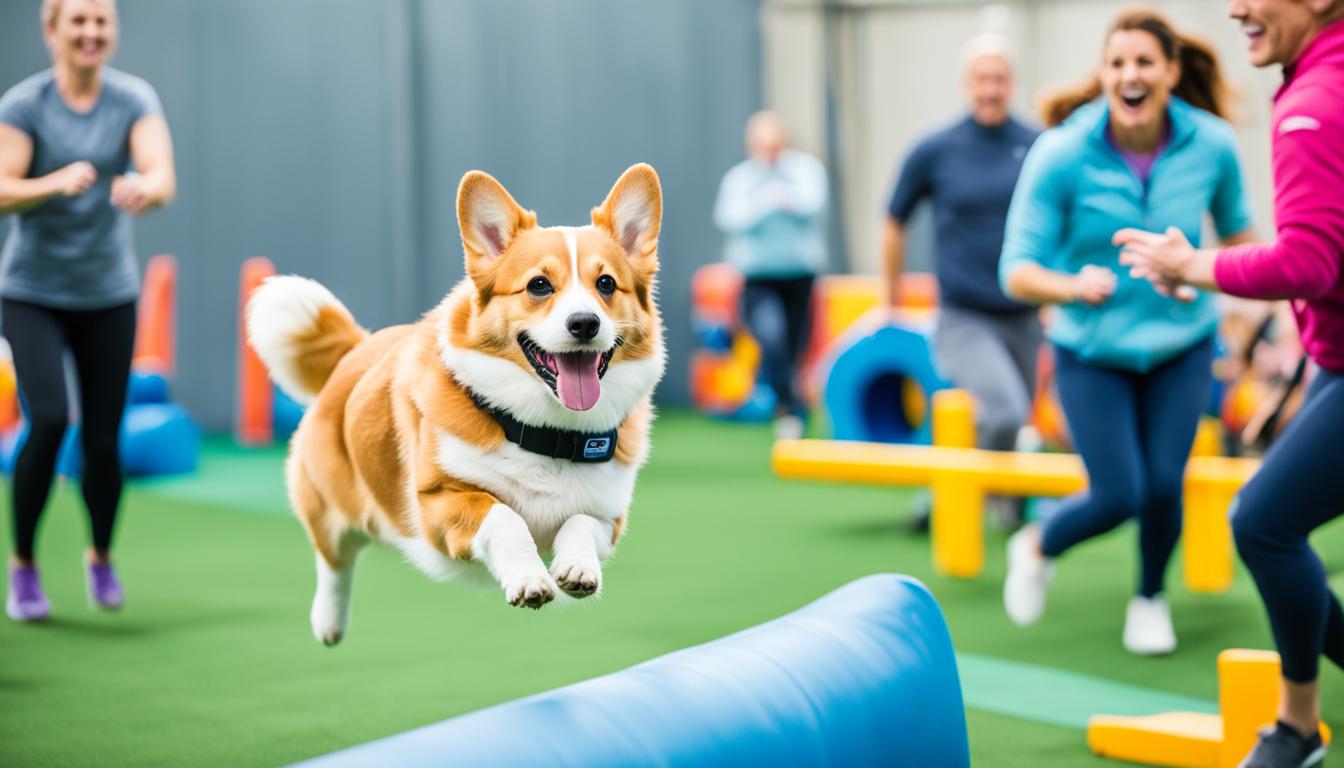

Meet Daisy, a playful and energetic Corgi who loves chasing her favorite ball. She had potential for greatness in agility training. Her family wanted to help her reach a 90% success rate.
They started with simple exercises like jumping over low hurdles. Weaving through poles helped build Daisy’s confidence. With practice and patience, she was soon doing well.
To succeed, her family focused on trust and communication. They used positive reinforcement, rewarding Daisy for doing well. This made training fun and strengthened their bond.
Daisy’s mental growth was important, just like in humans. Her family was patient and understanding. They adjusted training based on Daisy’s pace, helping her gain confidence.
With dedication and an experienced instructor, Daisy made great progress. Warm-up and cool-down routines prevented injuries. Daisy’s family also focused on safety and proper techniques.
Daisy and her family built a solid foundation for success. They celebrated each success and enjoyed their journey together. Consistent training and a strong bond made their goal achievable.
Your Corgi can also achieve impressive results in agility training. We’ll show you how to succeed. You’ll learn about mental maturity, realistic goals, and safety in the following sections.
Key Takeaways:
- Starting with beginner exercises and gradually progressing to advanced ones helps build confidence in Corgi agility training.
- Positive reinforcement strengthens the bond between you and your Corgi, making training sessions more enjoyable.
- Be patient and understand that each dog develops at their own pace during their mental maturity stage.
- Integrating warm-up and cool-down routines enhances performance and prevents injuries.
- Safety should be a top priority in Corgi agility training, focusing on proper techniques and equipment.
Understanding the Importance of Mental Maturity in Dogs
Dogs experience vital stages of mental growth before they fully mature. This process affects their training success. Owners must be patient and realize dogs mature at their own rate. Mental maturity is key for dogs to learn and follow commands well.
Regular training routines help dogs mentally grow. This helps dogs become more consistent in activities like agility training. A steady routine ensures dogs understand and obey commands better, improving their performance.
Using positive reinforcement is crucial in developing a dog’s mental maturity. This method rewards good behavior and links it positively with training. It boosts motivation and helps dogs understand what is expected of them. Positive reinforcement makes training more engaging and enjoyable for dogs.
“The mental maturity of a dog directly affects their ability to perform at their best. By understanding the significance of this process and using effective training techniques, dog owners can guide their pets towards success in agility training.”
Like people, dogs learn at their own pace and have unique strengths. Recognizing and respecting these differences is important. Forcing a dog can cause frustration and slow their progress. It’s vital to work within a dog’s mental abilities for their development.
| Mental Maturity Milestones | Behavioral Characteristics |
|---|---|
| Infant Stage | Curiosity, exploration, and rapid learning |
| Adolescence | Increase in independence, impulses, and challenging boundaries |
| Young Adult | Stabilization of behavior, improved self-control, and focus |
| Full Maturity | Mental and physical peak, higher levels of discipline, and reliability |
Knowing the mental growth stages of your dog helps set realistic training goals. It helps customize training to fit their growth stage and skills. This knowledge also helps identify when they’re stressed, allowing for training adjustments for a positive experience.
Next, we will explore the benefits of incorporating warm-up and cool-down routines into your Corgi’s agility training to improve their performance and overall well-being.
The Benefits of Warm-Up and Cool-Down Routines
Warm-up and cool-down routines are key in agility training for your Corgi. They not only prevent injuries but also strengthen your bond with your dog. Let’s look into why these routines matter.
The Power of Warm-Up
A good warm-up prepares your Corgi’s body and mind for agility exercises. It boosts blood flow, loosens muscles, and increases flexibility. This helps your Corgi train better and reduces injury risks.
Start with dynamic stretches like leg swings and shoulder rolls. Then, move on to light cardio, such as brisk walking or jogging. These activities get your Corgi’s heart rate up and muscles ready for training.
| Benefits of Warm-Up Routines |
|---|
| 1. Reduced risk of injuries: Warm and flexible muscles mean less chance of strains and sprains, lowering injury risks during agility. |
| 2. Improved performance: A proper warm-up ensures your Corgi is well-prepared for the physical demands of training, leading to better results. |
| 3. Enhanced focus and concentration: Warm-up exercises help your Corgi switch from resting to an active state, boosting their focus during training. |
The Importance of Cool-Down
Cooling down after vigorous training is just as crucial. It lets your Corgi’s body gradually recover. It also prevents soreness, stiffness, and other post-workout issues. Plus, it’s another chance to bond with your pet.
Gentle stretching, slow walks, or simple relaxation exercises are good for cooling down. These activities help relax muscles and reduce lactic acid buildup. They also relax both you and your Corgi mentally and physically.
| Benefits of Cool-Down Routines |
|---|
| 1. Muscle recovery and prevention of soreness: Cooling down clears out waste products, lessens muscle soreness, and speeds up recovery. |
| 2. Relaxation and stress reduction: It allows your Corgi to unwind after hard training, improving their mental health and reducing stress. |
| 3. Bonding opportunity: A calm cool-down routine strengthens your relationship, increasing trust and bonding with your furry friend. |
Adding warm-up and cool-down routines to your Corgi’s training optimizes their performance and reduces injury risks. Plus, it deepens the bond between you. A well-prepared body and a relaxed mind set the stage for training success.

The Role of an Experienced Instructor in Dog Training
An experienced instructor is key in dog training. This truth shines in agility training, where skill and safety rule. Such an instructor knows a lot, helping both you and your dog.
Benefits of Having a Dog Training Instructor:
- Preventing Injuries: A pro can spot dangers early, avoiding accidents. They know what different dogs can handle and create safe training plans.
- Correcting Bad Habits: Dogs might pick up bad habits that slow their learning. A seasoned instructor sees and fixes these issues to keep training on track.
- Saving Training Time: Their know-how means you train smarter, not longer. This approach helps your dog learn faster and smoother.
- Promoting Efficient Training Methods: They are up-to-date on training methods and tailor them to fit your dog. This ensures effective and quick learning.
- Building a Strong Dog-Human Relationship: Training strengthens your bond with your dog. A good instructor guides you in developing a positive, trusting relationship, improving the training process for both.
- Setting Realistic Goals: Rushing can lead to frustration. An instructor helps set achievable goals, making the journey rewarding.
- Providing Guidance: For all training stages, an experienced trainer offers advice and support. They answer questions and share insights, making a big difference.

“A skilled instructor is like a trusted coach. They direct, correct, and inspire you and your dog to excel. They make training better, efficient, and safe.”
The right instructor is essential for safety and motivation in training. They guide you through, helping unleash your dog’s true potential.
Ensuring Safety in Agility Training
Safety is key in agility training for both beginners and experts. It’s important to keep training safe to avoid injuries. This makes training more enjoyable for you and your dog.
Agility training safety is about knowing the risks and avoiding them. Start slowly if you’re new. Be careful when introducing new obstacles. Jumping into hard tricks too quickly is dangerous for your dog.
It’s crucial to teach the right way to do things. Show your dog how to tackle each obstacle step by step. Rewarding good behavior boosts their confidence and love for training.
Preventing injuries in agility training means using the right gear. Check that your equipment is safe and right for your dog’s size and skills. This includes things like jumps and tunnels. Always look for damage to keep the training space safe.
Recognizing Canine Stress and Discomfort
Watch for signs your dog is stressed or not happy. Since dogs can’t talk, we must pay attention to their actions. Excessive panting or shivering shows your dog may not be okay.
If your dog seems stressed, slow down. Adjust your training so they’re more comfortable. This helps avoid injuries and makes your bond with your dog stronger.
“A safe and injury-free training environment is crucial for your dog’s well-being and success in agility training.”
Expert Guidance and Support
Skilled instructors are great for safe agility training. They know a lot and can guide you and your dog well. Their advice lowers injury risk and makes training better.
They teach you how to handle your dog correctly. They also help you understand what your dog can do. Facing training challenges is easier with their insights on avoiding injuries.
Agility training safety includes caring for your dog’s mind and feelings, too. By keeping safety first, watching for signs of stress, and getting help from experts, you create a safe, encouraging space. This helps you and your dog succeed together.

| Key Tips for Agility Training Safety | Benefits of Ensuring Safety |
|---|---|
|
|
Building a Strong Foundation for Success
In agility training, a solid foundation is key for lasting success. It’s built on basic skills that lay the groundwork for your Corgi’s journey. Focusing on the importance of foundation skills prepares your Corgi for their training adventures.
Begin with simple skills like obedience and focus before moving to advanced techniques. Obedience forms the basis for clear communication and control. Focus keeps your Corgi engaged and attentive during sessions.
Starting with these skills creates a strong base for further training. This approach helps your Corgi understand their role in agility training. It also reduces future training challenges and frustrations.
An experienced instructor is vital in building a strong foundation. They have the expertise to guide you, teaching the right skills effectively. An instructor offers personalized advice for your Corgi, ensuring a solid foundation for agility training success.
Master the Basics Before Advancing
Agility training needs a step-by-step approach. Once the basics are mastered, introduce more complex exercises and challenges. This method not only improves their skills but also raises their confidence and excitement for training.
“Foundation skills are the building blocks for all other agility skills. Mastering these is crucial for a successful and fun agility journey. It’s similar to building a house; a strong foundation ensures stability and resilience.”
Focusing on the building foundation in agility training prepares you for a rewarding journey with your Corgi. Agility training is a partnership, and a robust foundation leads to success in this thrilling sport.

Efficient Training Methods for Corgi Agility
Training your Corgi in agility requires using effective methods. These methods make training better and faster. They are tailored for Corgis to help achieve your goals quickly.
Start with basic behaviors and build on them. Break down complex tasks into easier steps. As your Corgi masters each step, move on to more challenging ones. This gives them a strong foundation for tougher exercises later on.
Use rewards and praise in your training. Corgis love getting treats and hearing they did well. This approach keeps training fun and rewarding for both you and your pet.
It’s crucial to know your Corgi’s unique needs. Every dog learns differently and at its own pace. Adapting your training to fit your Corgi can make learning faster and more enjoyable for them.
Working with an experienced trainer can be very useful. They know a lot about Corgi training. A good trainer can offer custom plans and help solve any training issues.
Using smart training methods will make Corgi agility training better. It leads to quicker progress and more success.
Agility training is a journey that takes time and understanding. With patience and effective methods, you can help your Corgi excel. Partnering with a skilled trainer can also bring out the best in your pet.
| Efficient Training Methods for Corgi Agility | Benefits |
|---|---|
| Layering foundation behaviors | Breaking down complex behaviors into manageable steps Building a solid base for advanced agility exercises |
| Positive reinforcement | Motivating and reinforcing desired behaviors Creating a supportive and enjoyable training environment |
| Understanding individual needs | Tailoring training techniques to suit the unique characteristics of your Corgi Strengthening the bond between you and your Corgi |
| Seeking guidance from an experienced instructor | Accessing valuable insights and techniques specific to Corgis Optimizing training sessions for faster progress and greater success |
Nurturing the Dog-Human Relationship
Agility training is more than just physical workouts. It’s a chance to strengthen your bond with your Corgi. Spending time together helps you understand each other better. This makes training more effective and enjoyable.
Agility sessions are a great time to connect with your Corgi. Try adding playtime, cuddles, or walks to your routine. This builds companionship and mutual respect.
A strong bond between you and your Corgi is key for agility training. Trust and respect from your Corgi means they listen better to your commands. This makes learning and overcoming obstacles together easier.
Understanding Your Corgi’s Needs
Dogs, like people, have their own likes and dislikes. Pay attention to how your Corgi reacts to training. Watching their body language helps you understand their preferences.
Your Corgi might need breaks, special treats, or even days off. Matching your training to what they enjoy creates a fun and positive environment. This helps strengthen your bond.
Fostering Trust and Positivity
Trust is essential in your relationship with your Corgi. Use positive reinforcement to build this trust during training. Treats, praise, and affection help them feel successful and loved.
Keep a positive attitude, especially during tough times. Dogs can pick up on your feelings. Staying patient and supportive makes training a safe, happy place for your Corgi.
Building a strong bond through agility training improves your Corgi’s performance. It also makes your relationship richer. The image below shows the happiness and connection from training together.
Setting Realistic Goals and Managing Expectations
Setting realistic goals is key in agility training. It’s exciting to train your dog, but understanding what you can achieve is important. Know how to reach your goals.
“Setting realistic goals and managing expectations is essential for success and satisfaction in agility training.”
Know the skills, training steps, and what competitions ask for to set reachable goals. Before starting, check what your dog can do and its personality. This helps you plan your training right.
An expert instructor can help you set realistic goals. They know how to judge your dog’s potential and show you how to reach your goals. They also keep your training on track and help you see progress.
It’s also key to manage expectations in training. Dreaming big is great, but progress can be slow. Celebrate the small wins and have patience with you and your dog. Every dog learns at its own pace.
To keep training positive and fun, manage how you think and what you expect. Training is a journey. Challenges are chances to learn. Focus on the steps you’re making forward.
Key Points for Setting Realistic Goals and Managing Expectations:
- Understand the required skills and competition requirements.
- Evaluate your dog’s current abilities and temperament.
- Seek guidance from an experienced instructor.
- Celebrate small milestones and be patient.
- Embrace setbacks as learning opportunities.
| Setting Realistic Goals | Managing Expectations |
|---|---|
| Understand the training journey and set achievable milestones. | Embrace setbacks as learning opportunities and stay focused on progress. |
| Assess your dog’s potential and tailor the training plan accordingly. | Celebrate small milestones along the way to stay motivated. |
| Seek guidance from an experienced instructor to ensure you’re on the right track. | Remember that progress takes time and every dog is unique. |
With realistic goals and managed expectations, agility training becomes a positive journey. Enjoy every moment with your furry friend.
Conclusion
Agility training for beginner Corgis can be fun and rewarding. The right techniques and guidance are important. Working with an experienced instructor and focusing on safety helps a lot.
Building a strong foundation and setting realistic goals are key. You can achieve a 90% success rate in agility training with these steps.
It’s important to prioritize your bond with your Corgi during training. A strong relationship based on trust and communication will make training better. It also strengthens your connection.
Celebrate every milestone and appreciate your Corgi’s progress. Agility training is a journey. Each achievement brings you closer to your goals. Enjoy the journey and the moments with your Corgi. Happy training!
FAQ
Can I achieve a 90% success rate in Corgi agility training?
Why is mental maturity important in dogs?
What are the benefits of warm-up and cool-down routines in agility training?
How important is it to have an experienced instructor in dog training?
How can I ensure safety in agility training?
Why is building a strong foundation important in agility training?
What are some efficient training methods for Corgi agility?
How can I strengthen the dog-human relationship during agility training?
How can I set realistic goals and manage expectations in agility training?
Is agility training for beginner Corgis a rewarding experience?
Source Links
- https://www.quora.com/My-corgi-is-2-years-old-and-hes-still-deeply-unreliable-despite-all-the-training-he-got-Through-how-many-critical-troublesome-stages-does-a-dog-go-before-he-reaches-full-mental-maturity-and-becomes-more-consistent
- https://maplewoodblog.wordpress.com/tag/nadac/
- https://www.maximumfundogs.com/instructor-safety-dog-training/

Carlos is the passionate founder and primary author behind “CorgisCorner.com,” a website dedicated to all things related to the beloved Corgi breed. Born and raised in a small town known for its strong sense of community and love for animals, Carlos developed a deep affection for Corgis from a young age. This love was sparked by his childhood companion, a spirited and loyal Corgi named Toby, who was a constant source of joy and friendship.