


At 16 weeks old, your corgi puppy’s bathroom habits and poop frequency can be a topic of curiosity. As a proud corgi owner, it’s essential to understand what is normal for your furry friend, especially when it comes to their potty schedule. Let’s take a closer look at the frequency of poop times for a corgi puppy at 16 weeks and beyond.
Key Takeaways:
- A 16-week-old corgi puppy may defecate 5-6 times per day.
- As the puppy grows, the poop frequency will gradually decrease.
- Establishing a consistent potty schedule is essential for monitoring your puppy’s bathroom habits.
- Any sudden shifts in poop routine should be observed and discussed with a veterinarian.
- Understanding your puppy’s poop habits helps ensure their overall health and well-being.
Why Do Puppies Poop More Than Adult Dogs?
Puppies have a higher frequency of pooping compared to adult dogs, and this can be attributed to several factors:
- Small Size and Developing Intestinal Tract: Puppies are smaller and have developing digestive systems. Food is processed quickly, sometimes not fully digested, leading to faster movement through their digestive tract.
- Smaller Bladder Capacity: Puppies have smaller bladders, which means they need to eliminate more frequently.
- Higher Metabolism Rate: Puppies have higher metabolism rates, which contribute to an increased need for bathroom breaks.
As puppies mature and their digestive system develops, their poop frequency and bathroom habits start to resemble those of adult dogs. The pace of pooping gradually slows down, aligning with the bathroom needs of adult dogs.
Development of Bowel Movements in Puppies
Understanding the poop patterns and toileting routine of a corgi puppy is essential for pet owners. While the frequency is higher initially, it gradually decreases as they grow. Establishing a consistent potty schedule and observing their poop patterns can help determine what is normal for your puppy.
Just like human babies, puppies go through a learning phase where they figure out their body’s signals and develop a toileting routine.
By paying attention to their bathroom needs and creating a structured toileting routine, you can help your corgi puppy develop healthy bathroom habits and adjust their potty schedule accordingly. This will also help in managing accidents and reinforcing good toilet behavior.
The Role of Diet in Poop Frequency
The type of diet your corgi puppy follows can also influence their poop patterns. A diet high in fiber can promote regular bowel movements and contribute to a more predictable toileting routine. On the other hand, sudden changes in diet or consumption of certain foods might lead to irregular or loose stools.
Consulting with a veterinarian regarding your corgi puppy’s diet and nutrition can help ensure their poop patterns are consistent and healthy.
Remember, if you have any concerns about your corgi puppy’s poop frequency, consistency, or bathroom habits, it’s always best to reach out to your veterinarian for professional guidance and support.
What is Considered Normal for a Puppy’s Pooping Routine?
Understanding the normal pooping routine for a corgi puppy is essential for their overall well-being and for establishing a consistent potty schedule. As puppies grow, their bathroom habits and poop frequency gradually change. Here’s a breakdown of what you can expect at different stages:
16 Weeks (Corgi Puppy)
Normal poop frequency: Around 5-6 times per day
At 16 weeks, corgi puppies typically have a higher frequency of bowel movements, averaging around 5-6 times per day. This is normal due to their developing digestive systems and faster food processing. Keeping track of their bathroom habits during this time is essential to establish a potty schedule.
12 Weeks (Corgi Puppy)
Normal poop frequency: Approximately 4 times per day
By 12 weeks, corgi puppies may poop about 4 times per day. As they grow and their digestive system continues to develop, the frequency of pooping gradually decreases. However, every puppy is unique, and there may be slight variations in their individual bathroom habits.
6 Months (Corgi Puppy)
Normal poop frequency: Around 3 times per day
By the time a corgi puppy reaches 6 months, it is normal for them to have approximately 3 bowel movements per day. This reduction in frequency is part of their natural development as they transition to a more adult-like pooping routine.
Note: It’s important to remember that these frequency ranges are general guidelines and that every puppy is unique. Paying attention to their individual bathroom habits and any sudden shifts in poop routine is crucial to detect any potential issues.
Establishing a consistent potty schedule is beneficial for both you and your puppy. By observing their bathroom habits and making note of any changes, you can ensure they receive the necessary opportunities to relieve themselves and maintain good bathroom hygiene.
Consulting with a veterinarian is recommended if you have any concerns about your puppy’s poop frequency or changes in their bathroom habits. A professional can provide guidance specific to your puppy’s individual needs and help ensure their overall health and well-being.
| Age | Normal Poop Frequency |
|---|---|
| 16 weeks | Around 5-6 times per day |
| 12 weeks | Approximately 4 times per day |
| 6 months | Around 3 times per day |
What If Your Puppy Poops More Than Average?
It is important to remember that there is no exact benchmark for what is considered average in terms of puppy poop frequency. Every puppy is unique and may have different bathroom habits. Some puppies may poop more frequently, while others may poop less. It is crucial to pay attention to what is normal for your specific puppy and monitor their poop patterns regularly.
If you notice a sudden increase in poop frequency or any changes in color, consistency, or coatings, it may be a sign of an underlying issue. Monitor your puppy for any signs of discomfort such as straining or discomfort during bowel movements. If the changes persist or your puppy shows other concerning symptoms, it is necessary to consult a veterinarian for further evaluation and guidance.
Remember, as a puppy owner, you are your puppy’s best advocate. Trust your instincts and seek professional advice if you have any concerns about your puppy’s bathroom habits.
Paying close attention to your puppy’s poop patterns will not only help you detect any potential health issues early on, but it will also assist you in establishing a consistent potty schedule. Consistency is key when it comes to potty training, and observing your puppy’s poop frequency will help you create a suitable potty schedule that aligns with their needs.
Common Signs of Discomfort or Health Issues:
- Diarrhea or very runny stools
- Constipation or difficulty passing stool
- Blood in the stool
- Invisible blood in the stool (melena)
- Mucus in the stool
- Excessive straining or crying during bowel movements
- Changes in appetite or water intake
- Unexplained weight loss
- Lethargy or reduced activity levels
By being proactive and attentive to your puppy’s bathroom habits, you can help ensure their overall health and well-being. Remember to consult your veterinarian if you have any concerns or questions about your puppy’s poop frequency or any other aspect of their bathroom habits.
What If Your Puppy Isn’t Pooping Enough?
If you notice that your corgi puppy is not pooping enough, it is important to address the issue promptly. While it is rare for a healthy puppy to have reduced poop frequency, there are potential reasons for this change in behavior. One possibility is that your puppy may have eaten something that has caused an intestinal blockage. This situation requires immediate veterinary attention to prevent further complications.
In some cases, a decrease in poop frequency may be a sign that your puppy is not feeling well or that their appetite has changed. If your puppy’s overall behavior and eating habits have shifted and they are producing less stool, it is advisable to consult your veterinarian. They can evaluate your puppy’s health and provide appropriate guidance.
Remember, every puppy is unique, and their bathroom habits can vary. It is crucial to observe any significant changes in your puppy’s poop frequency or consistency. If you have concerns about your puppy’s poop patterns or other unusual symptoms, do not hesitate to reach out to your veterinarian for professional advice.
“If you observe a significant decrease in your puppy’s poop frequency or any other concerning changes, contact your veterinarian right away.”
When Should You Expect Your Puppy to Poop?
Most puppies need to poop shortly after eating. However, the timing can vary based on individual puppies. It takes time for puppies to understand when their body signals the need to go. Establishing a potty training routine is crucial during this stage. After feeding your puppy, wait a few minutes and then take them outside. Stay outside with them until they have relieved themselves to minimize the chance of them eliminating inside. Look for signs such as sniffing the floor, circling, or posturing as if they are about to go, and take them outside promptly.
Creating a consistent corgi puppy potty schedule is essential for their bathroom habits. By establishing a routine, your puppy will learn when and where to relieve themselves, making potty training easier and more effective. It is recommended to take your puppy outside after meals, playtime, and waking up from naps.
Remember that every puppy is unique, and their corgi puppy poop patterns may vary. Some puppies may have a regular schedule, while others may go more spontaneously. Pay attention to your puppy’s behavior and cues to determine their potty needs.
By following a consistent potty routine and being attentive to your puppy’s bathroom habits, you can help them establish healthy and appropriate toileting habits. This will contribute to a more harmonious living environment for both you and your furry friend.
What Should Normal Puppy Poop Look Like?
When it comes to your corgi puppy’s bathroom habits, it’s important to know what is considered normal and healthy. Understanding what normal puppy poop looks like can provide valuable insights into your furry friend’s well-being.
Normal puppy poop should appear soft and well-formed, resembling a large Tootsie roll. It should be brown in color, indicating that the digestion process is working properly. The size of the stool can vary depending on your corgi puppy’s size, diet, and the time of day.
It is normal to find a small amount of mucus covering the stool. This mucus helps lubricate the poop as it travels through the digestive system. However, there should be no blood in your puppy’s stool, as this can indicate an underlying health issue.
While inspecting your puppy’s poop, be mindful of any foreign objects that may be present. This could include fragments of worms, pieces of toys, or other items that your puppy may have ingested accidentally.
It is important to remember that every puppy is unique, and their poop patterns may vary slightly. However, if you have any concerns regarding the appearance or consistency of your corgi puppy’s poop, it is always best to discuss it with a veterinarian to ensure your puppy’s health and well-being.
| Normal Puppy Poop Characteristics | Signs of Concern |
|---|---|
| Soft and well-formed | Excessive hardness or looseness |
| Brown in color | Unusual color (e.g., black, green, red) |
| Small amount of mucus | Presence of blood |
| Varying in size | Consistently small or large stools |
| – | Foreign objects in the stool |
What If Your Puppy’s Poop Looks Abnormal?
Puppy poop can vary in appearance, making it challenging to determine what is normal. However, if you notice anything that seems abnormal, such as significant changes in color, consistency, or the presence of blood, it is important to consult a veterinarian. They can assess your puppy’s overall health and determine if further testing or treatment is necessary. It’s better to be cautious and seek professional advice if you have any concerns about your puppy’s bowel movements.
Signs to Watch Out For
- Unusual color: Bright red, black, or pale poop can indicate underlying issues.
- Abnormal consistency: Extremely loose, watery, or hard stools might indicate digestive problems.
- Blood in stool: Bloody or tarry stools could be indicative of gastrointestinal bleeding.
Remember to observe your puppy’s bathroom habits and take note of any changes. Consulting a veterinarian will help you ensure your puppy’s health and address any potential concerns promptly.
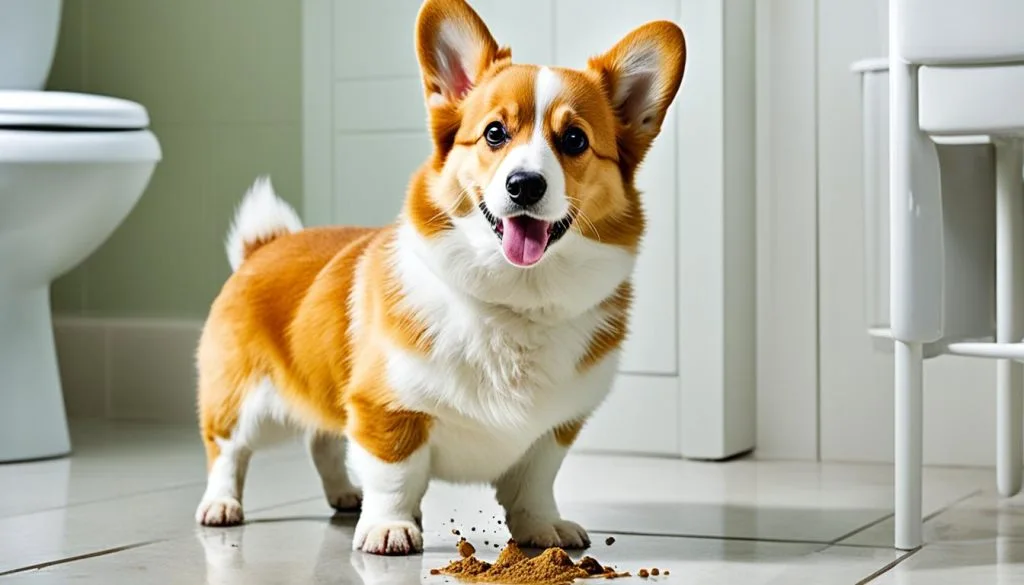
It’s always better to be safe than sorry when it comes to your puppy’s well-being. If you have any doubts or hesitations about your puppy’s poop patterns or toileting routine, don’t hesitate to reach out to a professional. They can provide the necessary guidance and assistance to ensure your puppy stays healthy and happy.
Puppy Poop and Intestinal Parasites
Almost all puppies are born with intestinal parasites. This is why veterinarians recommend regular deworming and stool sample testing during the early months. Parasites can impact a puppy’s stool appearance and overall health, so it is crucial to have your puppy diagnosed and treated by a veterinarian. Regular check-ups and preventive measures can help ensure that your puppy’s bathroom habits and overall well-being are maintained.
Conclusion
Understanding a corgi puppy’s poop frequency at 16 weeks and beyond is crucial for maintaining their overall health and establishing a consistent potty schedule. At this age, corgi puppies tend to have more frequent bowel movements due to their developing digestive system. However, as they mature, the frequency of pooping will gradually decrease, eventually settling into a regular pattern.
It is important to pay close attention to your puppy’s poop routine, consistency, and appearance. Any sudden changes or abnormalities should be noted and discussed with a veterinarian. By observing and understanding your corgi puppy’s bathroom habits, you can identify potential health issues and make necessary adjustments to their potty schedule.
Remember, each corgi puppy is unique, and their poop patterns may vary. This is why it is essential to be proactive and seek veterinary advice if needed. By prioritizing your puppy’s well-being and ensuring a proper potty routine, you can help them grow into happy and healthy adult dogs.
FAQ
How often should a 16-week-old corgi puppy poop?
Why do puppies poop more than adult dogs?
What is considered normal for a puppy’s pooping routine?
What if your puppy poops more than average?
What if your puppy isn’t pooping enough?
When should you expect your puppy to poop?
What should normal puppy poop look like?
What if your puppy’s poop looks abnormal?
How are puppy poop and intestinal parasites related?
Conclusion
Source Links
- https://www.petmd.com/dog/general-health/how-often-do-puppies-poop
- https://www.glandex.com/blogs/dog-anal-gland-articles/how-often-do-puppies-poop-help-little-ones-stay-regular
- https://www.akc.org/expert-advice/health/how-often-should-my-dog-be-pooping/

Carlos is the passionate founder and primary author behind “CorgisCorner.com,” a website dedicated to all things related to the beloved Corgi breed. Born and raised in a small town known for its strong sense of community and love for animals, Carlos developed a deep affection for Corgis from a young age. This love was sparked by his childhood companion, a spirited and loyal Corgi named Toby, who was a constant source of joy and friendship.