

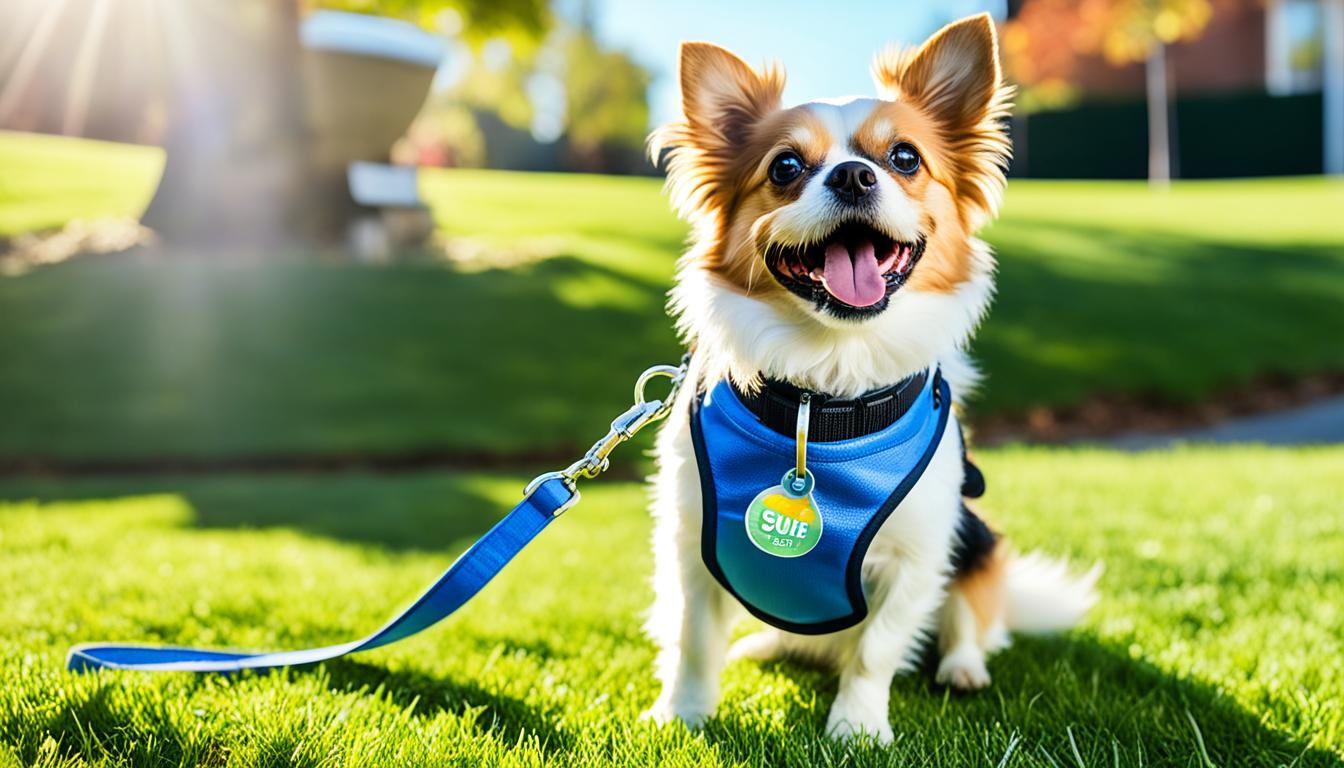

Sarah was happy to bring her Pomeranian, Luna, home. As Luna looked around, Sarah knew she had a big job – potty training.
Sarah wondered how to start potty training her pup. She aimed to give Luna a great life without messes. She was set on learning potty training.
Sarah looked up many training methods and tips. She read articles, watched videos, and talked to trainers. Now informed, she began to train Luna.
Being patient and consistent, Sarah used small dog training strategies. She applied positive reinforcement and a clear routine.
Sarah learned a lot about training small dogs. She’s ready to share tips with other owners. Sarah and Luna now have fun without worrying about accidents.
Key Takeaways:
- Mastering potty training for your little dog requires a structured approach and a lot of patience.
- Research and learn about effective dog toilet training techniques and puppy toilet training tips.
- Implement canine potty training strategies that are tailored to your small dog’s needs.
- Use positive reinforcement to reward desired behavior and encourage good potty habits.
- With consistency and perseverance, you can successfully potty train your little dog and create a harmonious home environment.
Equipment for Potty Training a Puppy
To potty train your puppy right, you need the correct tools. Here’s what will help you:
Collar or Harness
A collar or harness helps keep your puppy safe on walks. It keeps them by your side and stops them from running off.
Non-Retractable Leash
A non-retractable leash gives you better control. It stops your puppy from running or getting tangled. You can lead them to where they should go potty.
Dog Litter Boxes or Wee-Wee Pads
Dog litter boxes or pads let your puppy go indoors. They’re great for apartment living or when outside access is limited. Just be sure they fit your puppy’s size.
Small-Sized Treats
Small treats reward your puppy for going potty in the right spot. This encourages good potty habits.
Carpet Cleaner, Mops, and Floor Cleaner
You’ll need to clean up accidents, so get the right supplies. A good carpet cleaner, mops, and floor cleaner are must-haves. They help you clean up fast.
The right tools are key for potty training your puppy successfully. With the essentials like a collar or harness, leash, indoor potty solutions, treats, and cleaning supplies, you’re set for success. You can manage accidents and help your puppy learn quickly.
How to Potty Train a Puppy in 7 Days
Here are the steps to potty train your puppy in just one week. First, you need to make a potty training schedule. This helps your puppy know when it’s time to go. This way, you avoid mistakes inside your home.
Use tethering or confinement to control where your puppy can go. By doing this, you can watch your puppy and prevent accidents. This makes it easier to spot when they need to go out.
Crate training is key for teaching your puppy where to go to the bathroom. A crate is a safe spot for your puppy when you can’t watch them. They do not want to make their crate dirty. This helps them learn to wait until you take them outside.
It’s important to have supervised potty breaks. Take your puppy out to their spot regularly, like after meals or sleeping. Showing them what to do and giving rewards helps them understand.
Using positive reinforcement makes training better. Give your puppy praise and treats when they do well. This makes them want to keep doing it right.
Give your puppy off-leash fun time as a reward. After a successful potty break, let them play freely. This makes them happy about potty breaks.
Potty Training in 7 Days – Overview:
- Establish a potty training schedule for consistency.
- Use tethering or confinement to manage your puppy’s access.
- Introduce crate training for proper habits and confinement.
- Provide supervised potty breaks to reinforce desired behavior.
- Utilize positive reinforcement through praise and treats.
- Offer off-leash fun time as a reward for successful potty breaks.
| Day | Morning | Afternoon | Evening |
|---|---|---|---|
| Day 1 | Potty break (supervised) |
Potty break (supervised) |
Potty break (supervised) |
| Day 2 | Potty break (supervised) |
Potty break (supervised) |
Potty break (supervised) |
| Day 3 | Potty break (supervised) |
Potty break (supervised) |
Potty break (supervised) |
| Day 4 | Potty break (supervised) |
Potty break (supervised) |
Potty break (supervised) |
| Day 5 | Potty break (supervised) |
Potty break (supervised) |
Potty break (supervised) |
| Day 6 | Potty break (supervised) |
Potty break (supervised) |
Potty break (supervised) |
| Day 7 | Potty break (supervised) |
Potty break (supervised) |
Potty break (supervised) |
Setting Up Successful Potty Breaks
To help your puppy succeed in potty training, set up good potty breaks. Using simple steps, create a routine. This routine should encourage going to the bathroom correctly and reward good actions.
Frequency Matters: Take Them Out Regularly
For potty training to work, keep potty breaks regular. Take your puppy out every 30 minutes, on a leash. This cuts down on accidents and helps them learn to go outside.
Leash Training: The Importance of Control
Keep your puppy on a leash during potty breaks. This control stops them from getting distracted. It also teaches them that outside is for potty time.
Stand Still: Encouraging Elimination
When you’re in the potty area, find a spot and stay put. Moving can distract your puppy. By standing still, you help them concentrate on going potty.
“Standing still during potty breaks helps your puppy understand that this is the designated area for elimination. Consistency is key in reinforcing proper bathroom habits.”
Praise and Treats: Rewarding Success
Use treats and praise when your puppy does well. Reward them when they potty in the right spot. This positive feedback makes them want to do it again.
Off-Leash Fun Time: A Reward for Good Behavior
Off-leash time is a great reward for using the potty correctly. Once they’re done, let them play without the leash. This makes potty time positive and lets them burn off energy.
| Benefits of Setting Up Successful Potty Breaks: |
|---|
| Helps establish a consistent routine for your puppy |
| Reduces the chances of accidents inside the house |
| Builds a strong association between outdoors and potty time |
| Reinforces positive behavior through praise and treats |
| Provides off-leash fun time as a rewarding experience |
Setting up successful potty breaks creates a supportive training environment. It’s all about consistency, praise, and rewards. These steps lead to a well-trained, happy puppy.

Tips To Speed Up House Training a Puppy
House training your puppy is both challenging and rewarding. It takes time for your puppy to understand, but some tips can help. These strategies make training smoother and more efficient.
Tracking Potty Habits
Tracking your puppy’s potty habits is key to faster house training. Watch for signs like sniffing or whining, showing they need to go. Taking them outside quickly teaches them where to potty and prevents indoor accidents.
Establishing a Consistent Feeding Schedule
Feeding your puppy at the same times every day is crucial. This helps predict when they’ll need to go outside. Puppies usually need to eliminate within 15-30 minutes after eating. So, be ready to take them out then. This schedule helps build good potty habits.
Eliminating the Use of Pee Pads
Using pee pads can slow down house training. It confuses your puppy about the right place to go. Take them outside instead. This teaches them that outside is the place for potty, which is the goal of training.

Understanding the Duration of Potty Training
Knowing how long potty training takes is crucial. It usually takes four to six months, but it varies. Smaller breeds may need to go outside more often. Remember, training takes patience and consistency. Aim for realistic goals.
By following these tips, you can make house training quicker. Stay patient, consistent, and positive. Over time, your puppy will master potty training. They will live happily and without indoor accidents.
Potty Training a Puppy: When to Start
Knowing when to start is crucial for potty training your puppy successfully. You should begin as soon as your puppy arrives home, usually around eight weeks old.
Starting early helps you set up potty training routines right away. This teaches your puppy good bathroom behaviors. Clear expectations and consistent guidance will show them where to go potty.
Though you can start at eight weeks, understanding your puppy might not get it right away is important. They usually get the hang of potty training between 12 to 16 weeks old.
During this learning period, routines are very important. Puppies do well with consistent and predictable schedules. A good potty training routine makes learning easier and more effective.
As you start this journey, remember to be patient and understanding. Potty training is new for your puppy, and they might have accidents. With time and positive reinforcement, your puppy will learn to be potty trained.

Starting with routines right away is essential for successful potty training with your puppy.
How to Potty Train a Puppy: Essential Steps
To potty train your puppy successfully, follow some key steps. These include close monitoring, setting a schedule, and using positive reinforcement. Also, crate training is helpful, and you should avoid pee pads. These steps help teach your puppy where and when to go to the bathroom.
Watch your puppy closely for signs they need to potty. Look for behaviors like sniffing, circling, or being restless. These signs mean they might need to go. By paying attention to these cues, you can quickly take them to the right spot to do their business.
Having a set routine is vital for potty training. Set up specific times for feeding and bathroom breaks. This sets a pattern for your puppy, making it clear when and where to go potty. It helps prevent accidents in the house.
Using positive reinforcement works wonders. Praise your puppy and give them a treat when they go potty in the right spot. This approach encourages them to keep using the correct location. They associate going potty in the right spot with happy rewards.
Crate training is another useful strategy. It provides your puppy with a cozy spot when you’re not around to watch them. Since dogs don’t like to soil where they sleep, the crate helps them learn to hold it. Just make sure the crate is the right size and not used for too long at a time.
Avoid pee pads to prevent confusion. They might make your puppy think it’s okay to go potty inside. Teach them to use a specific outdoor area instead. This clarity helps build consistent potty habits.
By following these essential tips, you can potty train your puppy effectively. Be patient and consistent, and don’t forget to use lots of positive reinforcement. If you keep at it, your puppy will learn proper potty etiquette. Soon, they’ll be a potty training champ.
Understanding Your Puppy’s Instincts
Potty training your puppy requires knowing their natural instincts. They don’t like to soil where they live. This is because their ancestors lived in dens. By using these instincts, you can teach them where to go potty.
Puppies have small bladders, needing to go often. It’s vital to know how often your puppy needs to go outside. Usually, they need to go every 1 to 2 hours. Setting a schedule for bathroom breaks can prevent indoor accidents.
For potty training success, stick to a regular bathroom schedule. Take them to their potty spot at the same times each day. This helps them learn the right place to go.
Potty training takes patience and constant effort. Understand your puppy’s instincts and how often they need to go. Create a regular bathroom schedule. With your help and encouragement, your puppy will learn good habits. They’ll become a clean and well-trained part of your family.
Expert Tip:
“Consistency is key when potty training your puppy. By establishing a routine and sticking to it, you’ll help them understand where it’s appropriate to go. Remember to celebrate their successes and be patient throughout the process.”

| Key Points | Benefits |
|---|---|
| Puppies have a natural instinct to avoid soiling their living space | Helps keep the living area clean and healthy |
| Puppies have small bladders and need frequent bathroom breaks | Minimizes the chances of accidents in the house |
| Establishing a potty routine is crucial for successful potty training | Teaches the puppy where it’s appropriate to eliminate |
Setting Up for Success: Designated Potty Area
When potty training your puppy, picking an outdoor area for them to go is a must. Take them to the same spot every time they need to go. This teaches them the right spot to eliminate and builds good habits.
Choosing a specific outdoor spot for your puppy helps them learn faster. It stops inside accidents and teaches them the right place to go.
Here are tips for a successful potty area:
- Pick a spot in your yard away from where your puppy plays. It should be easy to get to.
- Make sure this spot is near your house so you can quickly take them out.
- Always say the same words like “go potty” to help them make the connection.
- Be patient and let them find their spot. Don’t rush them.
- Keep the area clean to make it inviting. Clean up after them right away.
Being consistent is crucial in potty training. Take them out to their spot often, especially after eating, playing, or waking up. Always praise and give them treats when they go in the right place.
If an accident happens, don’t get mad. Just take them to their spot to remind them that’s where they should go. Stay patient.
With regular practice and a clear potty area, your puppy will quickly catch on. They will learn where they should go and get into good habits.
Creating the Ideal Potty Training Zone
When you are potty training your puppy, making a special space is key. This space should make them feel safe and allow you to watch them easily. Use gates to set up a potty zone that ticks these boxes. It should give your puppy enough room to walk around but be tight enough to keep them from having accidents elsewhere.
In your potty zone, you’ll need some key items for success. Here’s a list of what to include:
- A crate: Give your puppy a crate to use as their personal den, a secure spot for resting and sleeping.
- A cozy bed: A comfy bed is essential for your puppy to relax during downtime from training or playing.
- Pee pads: Set pee pads in one area of the zone. This teaches your puppy where to go to the bathroom.
- Toys: Having different toys will entertain your puppy. It also helps prevent them from feeling anxious or bored.
- Other essentials: Don’t forget to add water and food bowls, plus anything else your puppy might need.
Having a special area for potty training teaches your puppy the right place to relieve themselves. It also gives a routine and structured setting for their training. Always watch your puppy in their potty zone. Doing so helps you spot their habits and stop any mishaps or bad behavior swiftly.
Note: This image shows an example of a potty training zone. The space you make will depend on the design of your home and what your puppy needs.
The Potty Training Process
It’s vital to have a consistent daily schedule for effective potty training. A structured routine lets your puppy know the times for eating, playing, and going potty. This creates stability and helps them learn better.
Creating a Daily Routine
Sticking to a schedule matters a lot in potty training. Have fixed times for meals, play, and toilet breaks. This helps your puppy get used to a routine. It helps avoid accidents inside the home.
“By following a consistent daily routine, you’re providing your puppy with structure and guidance, making the potty training process more efficient and effective.”
Here’s a sample routine you might adjust to fit your life:
| Time | Activity | Potty Breaks |
|---|---|---|
| 8:00 AM | Morning meal | Potty break |
| 9:00 AM | Playtime | |
| 12:00 PM | Afternoon meal | Potty break |
| 1:00 PM | Playtime | |
| 5:00 PM | Evening meal | Potty break |
| 6:00 PM | Playtime |
Be flexible with the schedule based on both your needs and your puppy’s. As they grow, you can make breaks less frequent.
Positive Reinforcement
Positive reinforcement is key to potty training. Praise your puppy and give them a treat when they use the right spot. This makes them likely to repeat the behavior.
Saying “Good job!” or giving a head pat can motivate your puppy. It helps them keep up the good work.
Gentle Correction
Accidents are common in the early days of potty training. Instead of punishing, gently lead your puppy to the potty area if you catch them in the act. Harsh words can scare them, making training harder.
Remember, patience is important. Learning takes time, and being calm helps a lot.
Cleaning Accidents
Accidents will happen, no matter how careful you are. Clean them up well with a product made for pet messes. This helps stop your puppy from going in that spot again.
“Properly cleaning accidents helps prevent your puppy from revisiting the same spot and reinforces the importance of using the designated potty area.”
Stick to your routine, praise good behavior, correct gently, and clean up accidents well. This approach will make potty training better for everyone.
Conclusion
Potty training a puppy needs both patience and consistency. You can succeed by understanding their instincts and setting a special potty spot. It requires time and hard work, but your home will be peaceful for you both.
Always be positive when training. Celebrate every small success and praise your puppy for using the right spot. This kind of support really helps build good habits.
With regular training, your puppy will learn the proper place for potty. Having a routine and clear instructions helps them learn fast. Just be patient and keep at it, and your puppy will be potty trained before you know it.
FAQ
What equipment do I need for potty training a puppy?
How can I potty train a puppy in 7 days?
How can I set up successful potty breaks for my puppy?
What are some tips to speed up house training a puppy?
When should I start potty training my puppy?
What are the essential steps for potty training a puppy?
How can I understand my puppy’s instincts to help with potty training?
How can I create a designated potty area for my puppy?
How can I create the ideal potty training zone for my puppy?
What is the potty training process for a puppy?
Source Links
- https://be.chewy.com/how-to-potty-train-your-dog-in-7-days/
- https://pettable.com/blog/how-to-potty-train-a-puppy
- https://www.jazzswonderland.com/blog/mastering-puppy-potty-training-your-comprehensive-guide-to-a-mess-free-home

Carlos is the passionate founder and primary author behind “CorgisCorner.com,” a website dedicated to all things related to the beloved Corgi breed. Born and raised in a small town known for its strong sense of community and love for animals, Carlos developed a deep affection for Corgis from a young age. This love was sparked by his childhood companion, a spirited and loyal Corgi named Toby, who was a constant source of joy and friendship.