

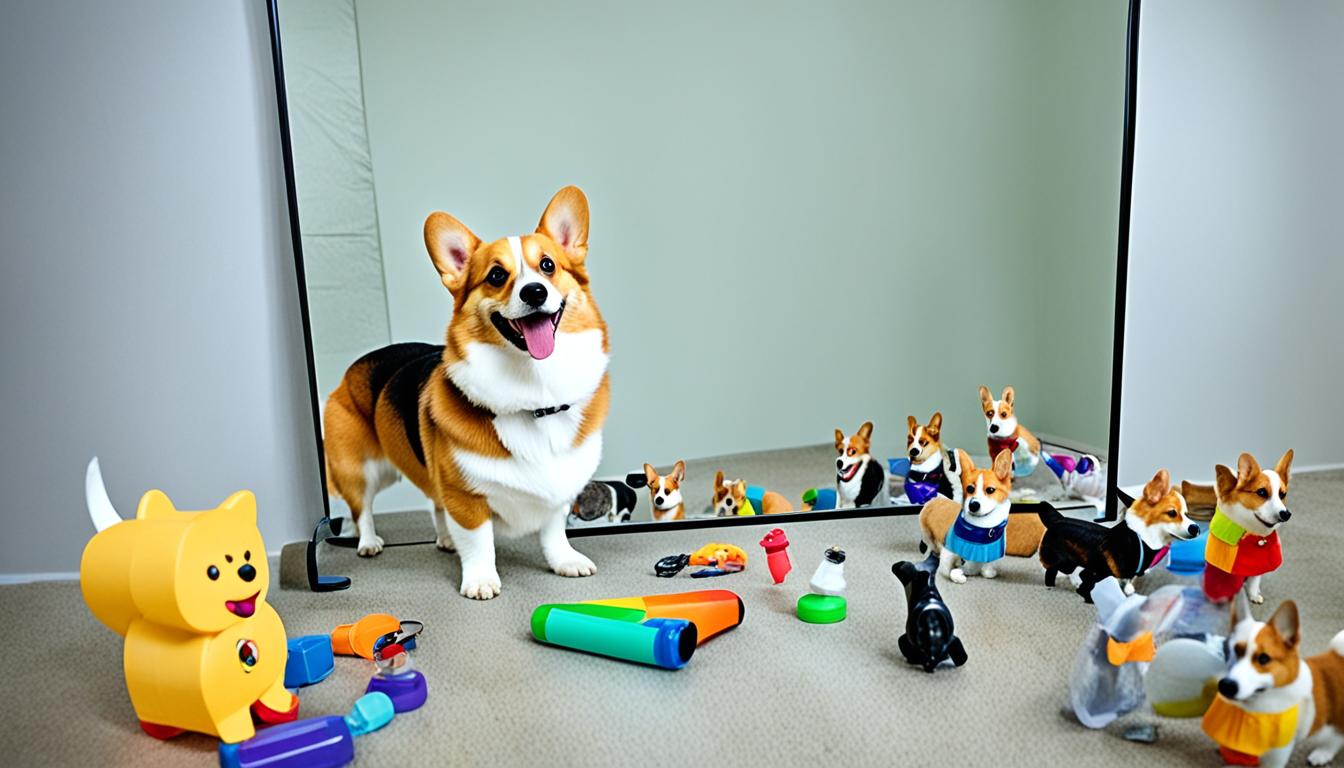

Do you own a Corgi that just won’t stop barking? Are you tired of the constant noise and wondering if there’s a solution? Well, you’re in luck! We’ve got the answers you’ve been searching for. In this article, we’ll explore the techniques and strategies that can help you control and reduce excessive barking in Corgi breeds. Get ready to transform your noisy pup into a calm and content companion!
Key Takeaways:
- Teaching the concept of “quiet” through rewards and positive reinforcement is crucial in reducing Corgi barking.
- Understanding the reasons behind Corgi barking, such as seeking attention or showing territorial aggression, can help owners address the issue effectively.
- Training techniques like teaching commands and using positive reinforcement can play a significant role in Corgi barking control.
- Creating a trigger-free environment and providing mental and physical stimulation are essential in preventing excessive barking.
- If all else fails, seeking professional assistance can provide guidance and tailored strategies to manage persistent barking issues in Corgis.
Understanding the Reasons Behind Corgi Barking
Corgis, known for their herding and guarding instincts, have a natural inclination to bark. Managing Corgi vocalization is crucial for a peaceful and harmonious living environment. By understanding the reasons behind Corgi barking, owners can develop effective strategies to mitigate excessive noise and prevent barking-related issues.
“Corgis may bark to seek attention or display territorial behaviors,”
When Corgis bark excessively, it’s essential to recognize that it’s often a response to perceived dangers or changes in their environment. Addressing the underlying triggers can help manage and reduce their barking tendencies.
To combat excessive noise, it’s important to implement Corgi training to stop barking and create a peaceful atmosphere for both the dog and its surroundings.
Potential Reasons Behind Corgi Barking:
- Attention-seeking behavior
- Guarding their territory
- Reacting to unfamiliar sounds or visitors
- Boredom or lack of mental and physical stimulation
Each Corgi is unique, and their reasons for barking may differ. Identifying the specific triggers that set off barking episodes allows owners to tailor training and environmental management techniques accordingly.
Managing Corgi vocalization requires patience, consistency, and a proactive approach. By implementing strategies that focus on Corgi noise prevention, owners can foster a peaceful and quiet environment for their beloved pets. Silence training for Corgis and other positive reinforcement techniques can effectively teach them when it is appropriate to be quiet.
Benefits of Managing Corgi Vocalization:
| Benefits | Description |
|---|---|
| Improved neighbor relations | Prevents noise complaints and fosters a positive community environment |
| Reduced stress for the Corgi | A calm and quiet environment promotes their overall well-being |
| Enhanced bond with the owner | Reducing excessive barking creates a more harmonious relationship |
Training Techniques for Corgi Barking Control
Training is crucial in teaching a Corgi to control their barking. One effective technique is to teach the dog commands such as “bark” and “quiet.” By rewarding the dog for barking on command and then teaching them to be quiet on command, they can learn to associate silence with positive reinforcement. Consistency and positive reinforcement are key in reinforcing the desired behavior of being quiet.
Corgis are intelligent dogs and respond well to positive reinforcement techniques. To begin silence training for Corgis, start by teaching them the “bark” command. Use a verbal cue, such as saying “speak” or “bark,” and wait for the Corgi to bark. When they bark, reward them with praise and a treat. Repeat this process several times until the Corgi reliably barks on command.
Once the Corgi has learned the “bark” command, introduce the “quiet” command. When the Corgi starts barking, calmly say “quiet” and hold a treat close to their nose. As they sniff the treat, they will naturally stop barking. Immediately praise and reward them for being quiet. Over time, repeat this process, gradually increasing the duration between the “quiet” command and the reward, until the Corgi is able to remain quiet for an extended period of time.
Consistency is key in training a Corgi to control their barking. Practice the “bark” and “quiet” commands daily in short training sessions. In addition to using treats as rewards, offer verbal praise and petting to reinforce the desired behavior. By consistently rewarding the Corgi for being quiet and ignoring their barking, they will learn that silence is more rewarding than barking.
“Consistency is key in training a Corgi to control their barking. Practice the ‘bark’ and ‘quiet’ commands daily in short training sessions.”
It is important to note that training should always be positive and reward-based. Avoid using punishment or scolding, as this can create anxiety and worsen the barking behavior. Instead, focus on reinforcing the desired quiet behavior and redirecting their attention when they start to bark unnecessarily.
Remember that each Corgi is unique, and the time it takes to effectively train them to control their barking may vary. Be patient and consistent in your training efforts, and seek professional assistance if needed. With dedication and positive reinforcement, you can successfully teach your Corgi to be quiet and reduce excessive barking.
Training Techniques for Corgi Barking Control – Overview
Here is a concise overview of the training techniques for Corgi barking control:
| Training Technique | Description |
|---|---|
| Teaching the “bark” command | Use verbal cues and rewards to teach the Corgi to bark on command. |
| Introducing the “quiet” command | Calmly say “quiet” when the Corgi is barking and reward them when they stop. |
| Consistency and positive reinforcement | Practice the commands daily and consistently reward the Corgi for quiet behavior. |
| Avoid punishment and scolding | Focus on positive reinforcement and redirecting their attention instead of punishing them. |

Using Positive Reinforcement to Reduce Barking
Positive reinforcement is an effective method for reducing barking in Corgis. By using treats as rewards, owners can reinforce the desired behavior of being quiet. When your Corgi remains quiet in response to a trigger, it’s important to praise and reward them with a treat. This helps the Corgi understand that being quiet is the preferred behavior and encourages them to continue being quiet in similar situations.
Positive reinforcement is based on the principle that behaviors that are rewarded are likely to be repeated. When your Corgi understands that being quiet leads to a tasty treat, they will be motivated to remain quiet in order to receive more rewards. Keep in mind that consistency is key in using positive reinforcement effectively. Reward your Corgi every time they display the desired behavior of being quiet, and gradually decrease the frequency of treats as they learn the behavior.
Example:
“Good job, Fluffy! You’re being so quiet. Here’s a treat for you!”
Remember to use treats wisely and in moderation. Over-reliance on treats as a reward can lead to dependency or weight gain, so it’s important to strike a balance and use treats proportionally to the dog’s overall diet and health needs.
Positive reinforcement not only helps reduce barking, but it also strengthens the bond between you and your Corgi. By rewarding them for their good behavior, you’re emphasizing the positive aspects of their actions and fostering a positive and rewarding relationship.
Pitfalls to Avoid
While positive reinforcement is an effective approach, it’s important to avoid inadvertently reinforcing the barking behavior. Make sure to stay consistent and reward your Corgi only when they remain quiet in response to a trigger. Avoid giving attention or treats when they are barking, as this can reinforce the behavior and unintentionally encourage them to bark more.
Additionally, it’s important to be patient during the training process. Each Corgi is unique, and some may take longer than others to fully understand and adopt the behavior of being quiet. Stay consistent, provide clear cues, and give your Corgi ample opportunities to practice being quiet and receive rewards.
Using Positive Reinforcement to Reduce Barking
| Steps | Description |
|---|---|
| 1 | Identify triggers that cause your Corgi to bark. |
| 2 | When your Corgi remains quiet in response to a trigger, immediately praise and reward them with a treat. |
| 3 | Be consistent in rewarding quiet behavior and gradually reduce the frequency of treats as the behavior becomes consistent. |
| 4 | Avoid inadvertently reinforcing barking behavior by not giving attention or treats when your Corgi is barking. |
| 5 | Stay patient and consistent throughout the training process, understanding that results may take time. |
Using positive reinforcement combined with consistency and patience can be highly effective in reducing barking and training your Corgi to be quieter. Remember to always prioritize your Corgi’s well-being and create a nurturing and positive training environment for them.

Creating a Trigger-Free Environment
To further reduce barking, it is important to create a trigger-free environment for the Corgi. This involves taking measures to prevent the dog from being stimulated by potential triggers that can lead to excessive barking. By implementing these steps, you can effectively manage and prevent Corgi vocalization and noise while creating a calmer and quieter living environment.
Obstructing External Triggers
One effective method of Corgi noise prevention is to obstruct the dog’s view of potential triggers outside the window. You can achieve this by installing blinds or applying a frosted film on the windows. These measures prevent the Corgi from seeing people passing by or animals that may stimulate them to bark. By limiting their visual access, you can significantly reduce the occurrence of barking episodes.
Providing Mental and Physical Stimulation
Boredom can often lead to excessive barking in Corgis. To prevent this, it is essential to provide plenty of mental and physical stimulation for your furry friend. Regular exercise is crucial to help the Corgi release pent-up energy. This can be achieved through daily walks, runs, or playtime in a securely fenced yard. Engaging in interactive games and puzzle toys can also stimulate their minds and provide mental enrichment, reducing the likelihood of barking due to boredom.
Implementing a Daily Routine
Establishing a structured daily routine for your Corgi can contribute to managing vocalization and preventing excessive barking. Dogs thrive on consistency and predictability, so setting a schedule for meals, exercise, and rest can help create a sense of security and calmness. This stability can reduce anxiety and minimize barking triggered by stress or uncertainty.
Utilizing White Noise Machines or Background Sounds
White noise machines or background sounds can be effective in masking external noises that may trigger the Corgi to bark. These devices emit a constant, soothing sound that helps drown out sudden noises and create a peaceful ambiance. This can help minimize the dog’s reactivity to outside sounds such as car doors closing, sirens, or other dogs barking. Providing a consistent background noise can create a more peaceful environment and reduce the urge to bark.
Creating a Safe and Comfortable Space
Ensuring that your Corgi has a safe and comfortable space can also contribute to reducing barking. Provide them with a cozy bed or crate that they can retreat to when they feel overwhelmed or anxious. This designated space can serve as a calming sanctuary where the dog feels secure and at ease. By having their own quiet area, the Corgi can find solace and minimize barking triggered by external stimuli.
| Benefit | Explanation |
|---|---|
| Less barking | Creating a trigger-free environment significantly reduces the chances of the Corgi barking unnecessarily due to external stimuli. |
| Improved overall well-being | Providing mental and physical stimulation helps prevent boredom and keeps the Corgi engaged and satisfied, leading to reduced stress levels. |
| A peaceful living environment | By implementing measures to reduce barking, you can create a tranquil and harmonious home for both your Corgi and yourself. |
Addressing Barking in Adult Corgis
Addressing excessive barking in adult Corgis can be a more challenging task compared to training puppies. However, with consistency, patience, and the right techniques, it is possible to re-educate adult Corgis and reduce their barking behavior. In this section, we will explore effective methods to address barking in adult Corgis, including positive reinforcement, creating a trigger-free environment, and providing mental and physical stimulation.
Positive Reinforcement
Positive reinforcement is a powerful tool when it comes to training adult Corgis to reduce their barking. By using rewards such as treats, praise, and affection, you can reinforce the desired behavior of silence. Whenever your Corgi remains quiet in response to a trigger, make sure to offer immediate praise and a treat. This will help them associate silence with positive experiences and encourage them to continue being quiet in similar situations. Consistency is key in reinforcing the desired behavior and establishing a new barking pattern.
Creating a Trigger-Free Environment
A trigger-free environment plays a vital role in addressing barking behavior in adult Corgis. Identify the triggers that cause your Corgi to bark excessively and take steps to minimize their exposure to those triggers. For example, if your Corgi barks at people passing by the window, consider using blinds or film to obscure their view. By limiting visual stimulation, you can help reduce the trigger for barking. Additionally, ensure that your Corgi has a safe and comfortable place where they can retreat from potential triggers, providing them with a sense of security.
Mental and Physical Stimulation
Corgis are energetic and intelligent dogs, and providing them with mental and physical stimulation is essential in preventing excessive barking. Engage your Corgi in activities that challenge their mind, such as puzzle toys, obedience training, or interactive games. Regular exercise, such as walks or play sessions, helps Corgis expend their energy in a positive way, reducing their propensity to bark out of boredom. Mental and physical stimulation not only keeps your Corgi healthy and happy but also helps redirect their focus away from barking.
| Noise Reduction Techniques for Adult Corgis | Silence Training Methods |
|---|---|
| 1. Positive reinforcement through treats, praise, and affection. | 1. Reward your Corgi for staying quiet in response to triggers. |
| 2. Creating a trigger-free environment by minimizing exposure to barking triggers. | 2. Teach your Corgi a “quiet” command and reward them for being silent. |
| 3. Providing mental stimulation through interactive toys and obedience training. | 3. Consistently reinforce the desired behavior of silence through positive rewards. |
| 4. Engaging in regular physical exercise to prevent boredom and redirect energy. | 4. Offer mental and physical stimulation to distract your Corgi from barking. |
By combining positive reinforcement with a trigger-free environment and mental/physical stimulation, you can effectively address barking in adult Corgis. Remember, consistency in training and patience are essential in the process. With time and effort, your adult Corgi can learn to control their barking behavior and become a calmer and quieter companion.

Considering Barking Control Tools
While training techniques and environmental management are effective in reducing barking, some owners may consider using barking control tools. These tools include vibrating or beeping collars, which can provide a gentle reminder to the dog to be quiet. However, it is important to use these tools with caution and under the guidance of a professional trainer to ensure they are used effectively and safely.
When considering barking control tools for your Corgi, it’s crucial to prioritize positive reinforcement and humane methods. These tools can be seen as supplements to training rather than standalone solutions. The goal is to educate your Corgi about appropriate barking behavior while ensuring their well-being and comfort.
Barking control tools such as vibrating collars work by emitting a mild vibration when the dog barks, which can help interrupt and refocus their attention. Similarly, beeping collars emit a high-frequency sound that serves as a distraction from barking. These tools provide a consistent and immediate feedback mechanism for your Corgi to associate barking with an undesirable consequence.
However, it’s important to note that barking control tools should only be used as a part of a comprehensive training program. It is crucial to consult with a professional dog trainer or behaviorist before using these tools to ensure they are suitable for your Corgi and used correctly.
“Barking control tools can be effective aids in managing excessive barking in Corgis, but they should always be used responsibly and as part of a broader training approach.” – Dr. Amanda Simmons, Canine Behavior Specialist
By combining barking control tools with positive reinforcement techniques, you can effectively reinforce quiet behavior in your Corgi. Remember to provide praise and rewards when your Corgi remains calm and quiet, helping them understand the behavior you expect from them.
It’s important to remain patient and consistent throughout the training process. Each dog is unique, and it may take time for your Corgi to adjust to the new training methods. With proper guidance and a commitment to positive reinforcement, you can help your Corgi become a well-behaved and quiet companion.

Recommended Barking Control Tools
If you decide to explore barking control tools, consider the following options:
| Tool | Description |
|---|---|
| Vibrating Collars | A collar with a built-in vibration mechanism to distract the dog from barking |
| Beeping Collars | A collar that emits a high-frequency sound to interrupt barking |
| Spray Collars | A collar that releases a harmless burst of citronella spray to deter barking |
| Ultrasonic Devices | Handheld or stationary devices that emit ultrasonic sound waves to discourage barking |
Keep in mind that each Corgi is unique, and what works for one dog may not work for another. It’s essential to choose a barking control tool that aligns with your dog’s temperament, comfort, and training needs. Consulting a professional trainer or behaviorist can help you make an informed decision.
Patience and Consistency in Corgi Barking Training
When it comes to training your Corgi to stop barking, patience and consistency are key. While it may take time for your dog to understand and modify their barking behavior, with your dedication and perseverance, they can learn to control their barking effectively.
It’s crucial to remain calm and consistent in your training efforts. By reinforcing the desired behavior of being quiet and redirecting your Corgi’s attention when they start to bark, you can help them understand what is expected of them.
One technique you can use is the “quiet” command. When your Corgi starts to bark, calmly say “quiet” and wait for them to stop. As soon as they are quiet, reward them with praise and a treat. This positive reinforcement helps them associate being quiet with good things and encourages them to repeat the behavior in the future.
Remember that consistency is key. Always use the same command and reward system so that your Corgi understands what you want from them. Be patient and persistent, as it may take time for them to learn and adjust their behavior.
Additionally, creating a trigger-free environment can help minimize barking. Identify the triggers that cause your Corgi to bark and make efforts to mitigate them. For example, if your Corgi barks at people walking by outside, close the curtains or move them to a different room where they can’t see the triggers. Providing mental and physical stimulation through regular exercise and playtime can also help reduce boredom-related barking.
In summary, successfully training your Corgi to control their barking requires patience and consistency. By utilizing positive reinforcement techniques, redirecting their attention, and creating a trigger-free environment, you can help your Corgi understand what is expected of them and modify their barking behavior. With time and dedication, your Corgi can become a well-behaved and quiet companion.
| Patience and Consistency in Corgi Barking Training |
|---|
| Persistence is important in retraining a Corgi’s barking behavior. |
| Consistently reinforce the desired behavior of being quiet. |
| Redirect your Corgi’s attention when they start to bark. |
| Use the “quiet” command and reward system for consistency. |
| Create a trigger-free environment to minimize barking triggers. |
Seeking Professional Assistance for Corgi Barking Issues
If owners are struggling to address excessive barking in their Corgis, it may be helpful to seek professional assistance. A professional dog trainer or behaviorist can provide guidance and tailored strategies to address the specific barking issues of the dog. They can assess the dog’s behavior, provide training techniques, and offer support to help the owner effectively manage and reduce barking.
Working with a professional who specializes in Corgi training can be highly beneficial. They have experience dealing with various barking issues and can create a personalized training plan to suit the dog’s needs. By understanding the underlying causes of the barking and developing strategies to modify the dog’s behavior, professional assistance can greatly improve the owner’s ability to control their Corgi’s vocalization.
Professional trainers or behaviorists utilize a range of proven techniques to address Corgi barking control. They may implement desensitization exercises, teaching the dog alternative behaviors, or creating a structured routine to minimize triggers for barking. These approaches are tailored to the individual Corgi and can be highly effective in managing their vocalization.
Remember, managing Corgi vocalization requires patience and consistency. Seeking professional assistance is a valuable investment in your Corgi’s well-being, as it ensures that you receive expert guidance and support throughout the training process. With the help of a professional, you can gain the knowledge and skills necessary to effectively manage your Corgi’s barking and create a harmonious living environment for both your dog and your neighbors.
Conclusion
Barking is a common behavior in Corgis, but with proper training and management techniques, it can be effectively controlled and reduced. Patience, consistency, and positive reinforcement are key in teaching a Corgi to be quiet. By consistently rewarding desired behavior, such as silence, Corgis can learn to associate quietness with positive outcomes.
Creating a trigger-free environment is another important aspect of Corgi noise prevention. By minimizing exposure to potential triggers, such as obscuring windows or providing mental and physical stimulation, owners can help prevent excessive barking. Regular exercise and playtime allow the Corgi to channel their energy in a productive way and reduce boredom, which can contribute to excessive barking.
For persistent barking issues, seeking professional assistance can provide further guidance and support. A professional dog trainer or behaviorist can assess the dog’s behavior, provide tailored training techniques, and offer additional strategies to effectively manage and reduce barking. With dedication and time, Corgis can become calm and quiet companions, bringing joy and harmony to their owners’ lives.
FAQ
What are some effective methods to stop a Corgi from barking excessively?
Why do Corgis bark so much?
How can I train my Corgi to stop barking?
How can positive reinforcement help reduce barking in Corgis?
How can I create a trigger-free environment for my Corgi?
Is addressing excessive barking different in adult Corgis?
Are there any tools that can help control Corgi barking?
What role does patience and consistency play in Corgi barking training?
When should I seek professional assistance for my Corgi’s barking issues?
Can Corgi barking be effectively controlled and reduced?
Source Links
- https://www.quora.com/What-suggestions-do-you-have-to-deter-a-Corgi-from-barking-constantly-Should-I-try-a-no-shock-vibrating-beeping-collar-A-Corgi-that-boards-w-me-barks-a-lot-especially-constantly-when-chasing-one-of-my-dogs-It
- https://wagwalking.com/training/stop-barking-6
- https://acmecanine.com/how-to-train-a-corgi-to-stop-barking-the-ultimate-guide/

Carlos is the passionate founder and primary author behind “CorgisCorner.com,” a website dedicated to all things related to the beloved Corgi breed. Born and raised in a small town known for its strong sense of community and love for animals, Carlos developed a deep affection for Corgis from a young age. This love was sparked by his childhood companion, a spirited and loyal Corgi named Toby, who was a constant source of joy and friendship.