

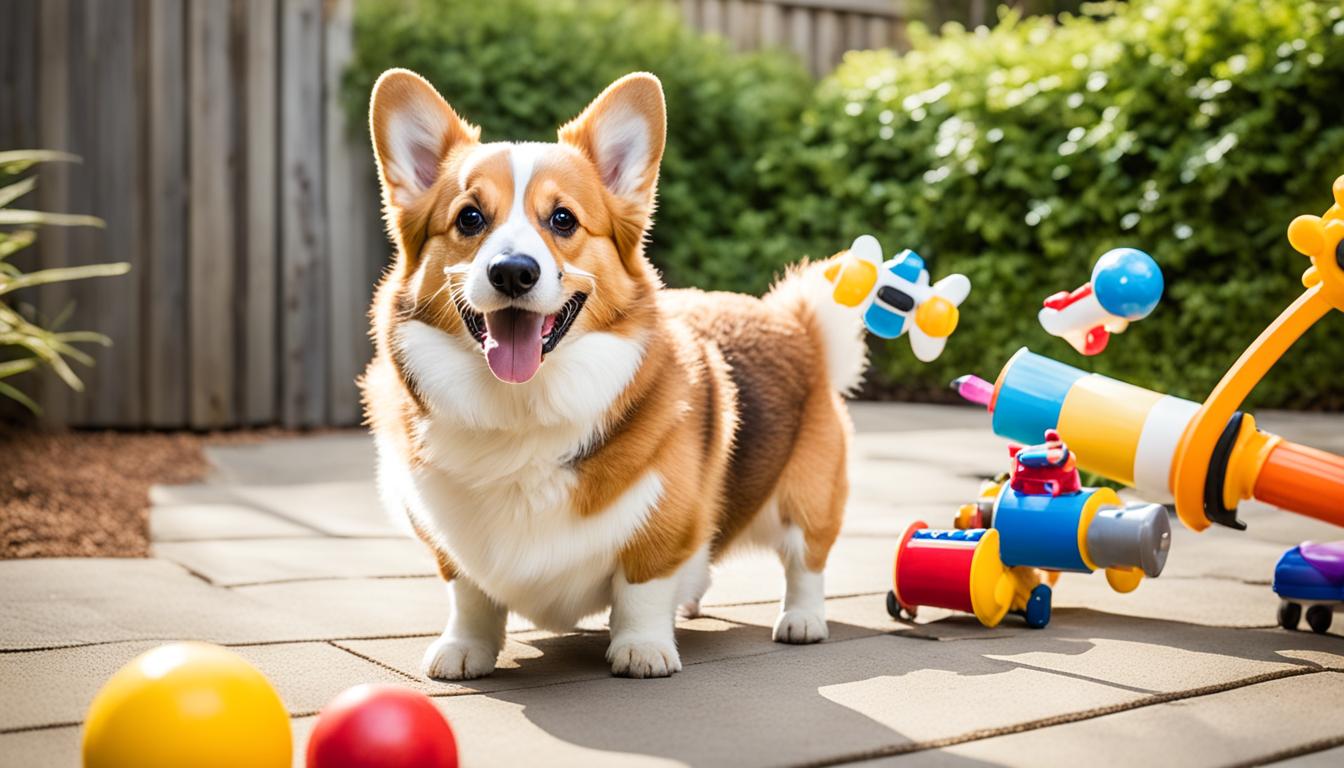

Corgis are adorable and lovable dogs known for their short legs and big personalities. However, beneath their charming exteriors, these intelligent and active dogs can sometimes exhibit behavioral issues that can be challenging for their owners to handle. From Corgi behavior problems to aggression and obedience training, there are effective remedies to address these issues and create a more harmonious relationship with your furry friend.
But here’s a challenging question to ponder: How can you handle the top behavioral issues in Corgis and transform them into well-behaved companions?
Corgi behavior modification requires patience, understanding, and consistent training. With the right approach, you can help your Corgi overcome their stubbornness, barking, nipping, and other unwanted behaviors. In this article, we will explore practical tips and effective solutions specifically tailored for Corgis, ensuring you are armed with the knowledge and tools to address their behavioral issues.
Key Takeaways:
- Understanding your Corgi’s nature and background as herding dogs is crucial for addressing their behavioral issues effectively.
- Early socialization and teaching basic commands lay the foundation for a well-adjusted and obedient Corgi.
- Positive reinforcement techniques, including rewards and praise, work wonders in motivating good behavior in Corgis.
- Addressing barking and nipping requires firm commands and redirecting their energy into positive activities.
- Agility training and mental stimulation are key to preventing behavioral issues and keeping your Corgi engaged and happy.
Understanding Your Corgi
Corgis are intelligent, active, and sometimes stubbornly independent dogs. To effectively address their behavioral issues, it is important to understand their nature and background as herding dogs. By gaining insight into your Corgi’s unique traits, you can better navigate their behavior and form a stronger bond with your furry companion.
As herding dogs, Corgis have an inherent instinct to control and manage their surroundings. This trait can manifest in behaviors like nipping at ankles or barking at unfamiliar noises. Understanding this herding instinct helps you identify the underlying motivations behind certain behaviors and develop appropriate training strategies.
One key aspect of understanding your Corgi is recognizing their high intelligence. These dogs are quick learners and thrive on mental stimulation. Providing them with engaging activities and consistent training not only helps satisfy their need for mental exercise but also facilitates better behavior management.
“To effectively address behavioral issues in Corgis, it’s crucial to view them through the lens of their herding background. By considering their unique traits and instinctual behaviors, you can tailor your training approach and create an environment that supports their well-being.”
Additionally, Corgis are known for their active nature. Regular exercise is essential to prevent behavioral problems that may stem from pent-up energy. A tired Corgi is more likely to be focused and receptive during training sessions, making it easier to address any existing behavioral issues.
Building a Strong Relationship
By understanding your Corgi’s innate characteristics, you can foster a stronger relationship built on trust and mutual respect. Being patient, consistent, and using positive reinforcement techniques will go a long way in establishing a bond with your furry companion.
Next, we’ll dive into the importance of early socialization and teaching basic commands, two vital components of raising a well-behaved Corgi.
Early Socialization and Basic Commands
Early socialization and teaching basic commands are vital components in shaping your Corgi’s behavior and ensuring their overall well-being. By exposing your furry friend to various environments and teaching them essential commands, you can lay a strong foundation for a well-adjusted and obedient companion.
Why is Early Socialization Important?
Early socialization plays a crucial role in shaping a Corgi’s behavior and temperament throughout their lives. It involves introducing your puppy to a wide range of people, animals, sounds, and environments in a positive and controlled manner. This exposure helps them develop confidence, adaptability, and appropriate social skills.
During the critical socialization period, which typically occurs between 3 and 14 weeks of age, your Corgi’s brain is highly receptive to new experiences. By gradually exposing them to different situations, you can help them become more comfortable and less fearful in various environments.
To effectively socialize your Corgi, consider the following:
- Expose them to different people of diverse ages, ethnicities, and appearances.
- Introduce them to other friendly dogs and animals while monitoring their interactions.
- Gradually expose them to various environments, including parks, busy streets, and different indoor settings.
- Provide positive experiences through treats, praise, and play to associate new situations with positive emotions.
- Ensure interactions are not overwhelming and gradually increase the intensity and duration of exposure.
Remember, early socialization is an ongoing process, and it’s essential to continue exposing your Corgi to new experiences as they grow.
The Power of Basic Commands
Teaching basic commands is an integral part of a Corgi’s training journey. It establishes important boundaries and sets the stage for more advanced training. Basic commands help enhance communication, strengthen the bond between you and your Corgi, and promote positive behavior.
Here are a few essential commands to focus on:
- Sit: Teaching your Corgi to sit on command is not only practical but also helps prevent jumping and other unwanted behaviors. Start by holding a treat close to their nose and slowly move it upwards, causing them to naturally lower their rear. As their rear touches the ground, reward them with the treat and praise.
- Stay: Teaching your Corgi to stay in one place until given permission is crucial for their safety and the convenience of those around them. Begin by having your Corgi sit, then extend your hand toward them, palm outward. Say “stay” in a calm and firm voice as you take a step back. If they remain in position, reward them with a treat and praise. Gradually increase the distance and duration of the stay.
- Come: A reliable recall command is vital for keeping your Corgi safe, especially in off-leash environments. Begin indoors or in a secure outdoor space. Get down to their level and excitedly call their name, followed by the command “come.” Encourage them with an inviting tone, open arms, and, if needed, use treats to motivate them. Reward and praise them when they come to you.
Consistency and positive reinforcement are key when teaching basic commands. Use clear verbal cues, hand signals, and rewards to help your Corgi understand and respond to each command effectively.
The Benefits of Early Socialization and Basic Commands
Investing time and effort into early socialization and teaching basic commands offer numerous benefits for both you and your Corgi.
“Early socialization and basic command training lay the groundwork for a well-rounded and well-behaved Corgi. By exposing them to a variety of experiences and teaching them fundamental commands, you can enhance their social skills, confidence, and overall obedience. These formative training stages enable your Corgi to thrive in various environments and contribute to a harmonious and fulfilling bond between you and your furry companion.”
Through early socialization, your Corgi can become more confident, comfortable, and less likely to develop behavioral issues. Building a solid foundation of basic commands establishes a common language between you and your Corgi, fostering effective communication and facilitating their ability to follow instructions.
Remember, it is never too late to start socializing your Corgi or teaching them basic commands. With dedication, consistency, and positive reinforcement, you can help your Corgi become a well-adjusted and obedient member of your family.

Positive Reinforcement Works Wonders
Corgis are known for their intelligence and willingness to learn. When it comes to training your Corgi, positive reinforcement techniques can make a world of difference in their behavior and overall well-being.
Positive reinforcement involves rewarding your Corgi for displaying good behavior. This can be done through various means, such as treats, praise, or play. By associating desirable actions with rewards, you are reinforcing the behavior and encouraging your Corgi to repeat it.
One of the key aspects of positive reinforcement is timing. It is important to provide the reward immediately after your Corgi exhibits good behavior, so they can make a clear connection between the action and the reward.
For example, if you’re teaching your Corgi to sit on command, you can use positive reinforcement by offering a small treat and saying “Good sit!” as soon as they sit down. This positive feedback will help them understand that sitting when told to do so is a desirable behavior.
Using rewards can also help motivate your Corgi during training sessions. They will be eager to earn the reward, which can make the learning process more enjoyable for both of you.
When implementing positive reinforcement, consistency is key. Make sure to reward your Corgi each time they demonstrate the desired behavior. This will reinforce the association between the action and the reward, making it more likely that they will repeat the behavior in the future.
It’s important to note that positive reinforcement should be used in conjunction with clear communication and patience. Provide your Corgi with clear cues and commands, and be patient as they learn and progress.
By utilizing positive reinforcement techniques, you can effectively train your Corgi and reinforce good behavior. With patience, consistency, and the use of rewards, you can help your Corgi become a well-behaved and happy companion.

Tips for Successful Positive Reinforcement:
- Use high-value rewards, such as tasty treats, to increase motivation.
- Pair rewards with verbal praise or a gentle pat to provide extra positive feedback.
- Be consistent in your training approach, using positive reinforcement every time your Corgi displays good behavior.
- Start with simple commands and gradually increase the difficulty as your Corgi becomes more proficient.
- Integrate positive reinforcement into daily interactions to reinforce good behavior in various situations.
Addressing Barking and Nipping
Barking and nipping are common behavioral issues in Corgis, often stemming from their herding instinct. Understanding the root causes of these behaviors is essential in effectively addressing and managing them.
When it comes to addressing barking, it’s important to remember that Corgis are vocal dogs and may bark to communicate or express their emotions. However, excessive or unnecessary barking can become a problem. One effective method to address excessive barking is by using firm commands. Teach your Corgi a command like “quiet” or “enough” and consistently reinforce it. When your Corgi starts barking unnecessarily, use the command and reward them when they stop barking. This will help them understand when it is appropriate to bark and when to be quiet.
Nipping can also be a common behavior in Corgis, especially during play or when they are trying to herd. It’s important to address nipping early on to prevent it from becoming a habit. One method to address nipping is through redirecting their energy into positive activities. When your Corgi starts nipping, immediately redirect their attention to a chew toy or a training activity. This will help them associate nipping with engaging in appropriate behaviors, gradually reducing their inclination to nip.
Remember, consistency is key when addressing barking and nipping. Reinforce the commands and redirect their energy consistently to effectively modify these behaviors. With patience and perseverance, you can help your Corgi overcome these behavioral issues and create a harmonious living environment for both you and your furry companion.

Testimonials
“I was struggling with my Corgi’s excessive barking, but after implementing the firm command technique, I saw a significant improvement. Now, she understands when it’s appropriate to bark, and it has reduced the overall noise level in our home.” – Sarah
| Addressing Barking | Addressing Nipping |
|---|---|
| Use firm commands | Redirect their energy |
| Consistently reinforce the commands | Provide chew toys or engage in training activities |
| Reward them for being quiet | Associate nipping with appropriate behaviors |
The Magic of Agility and Mental Stimulation
Keeping your Corgi’s mind and body active is vital for preventing behavioral issues and ensuring a well-behaved companion. Incorporating agility training and mental stimulation into their routine can work wonders in achieving these goals.
Corgis are highly intelligent and energetic dogs, so engaging them in agility training can provide them with the physical exercise they need while also stimulating their minds. Agility training involves navigating through obstacles such as tunnels, jumps, and weave poles, which not only enhances their agility but also improves their coordination and confidence.
Furthermore, agility training strengthens the bond between you and your Corgi, as it requires working together as a team. It also provides an avenue for Corgis to release their energy in a controlled and productive manner, reducing the likelihood of behavioral problems arising from pent-up energy.
In addition to agility training, mental stimulation is crucial for a Corgi’s overall well-being. These intelligent dogs thrive when presented with new challenges and opportunities to problem-solve. Incorporating puzzle toys into their playtime can keep their minds sharp and entertained.
Consider introducing interactive toys that require your Corgi to figure out how to retrieve treats or toys hidden within. This stimulates their cognitive abilities and keeps them occupied for extended periods, reducing the likelihood of destructive behaviors caused by boredom.
Benefits of Agility Training and Mental Stimulation for Corgis:
| Benefits | Description |
|---|---|
| Physical Exercise | Agility training provides a fun and challenging way for your Corgi to stay fit and active, promoting better overall health. |
| Mental Stimulation | Mental stimulation through puzzle toys and problem-solving activities keeps your Corgi’s mind sharp and engaged. |
| Improved Behavior | Regular engagement in agility training and mental stimulation can help prevent behavioral issues by providing an outlet for your Corgi’s energy and intelligence. |
| Bonding Time | Participating in agility training and providing mental stimulation strengthens the bond between you and your Corgi, establishing trust and communication. |
Remember to start agility training gradually, ensuring your Corgi’s physical and mental abilities are considered. Seek professional guidance if needed to ensure the training is safe and effective. With the right approach, agility training and mental stimulation can transform your Corgi into a happy, well-rounded companion.
Consistency is Crucial
Consistency plays a vital role in successful Corgi training. By using the same commands, rewards, and rules, you can create a clear and predictable environment for your pet. This consistency eliminates confusion and helps your Corgi understand what is expected of them.
When starting your training sessions, establish a consistent routine that includes regular exercise, playtime, and designated training times. This routine helps your Corgi know when to expect training and allows them to prepare mentally for the session.
To ensure consistency, it’s essential to have all family members involved in the training process. This way, everyone uses the same commands and rewards, making it easier for your Corgi to understand and respond effectively.
Remember, Corgis are intelligent dogs who thrive on routine and structure. By establishing a consistent training routine, you are setting them up for success in their overall behavior and obedience.

The Power of Consistency:
“Consistency is key in shaping your Corgi’s behavior. By providing clear and consistent cues, you are fostering their understanding and reinforcing positive habits.”
In addition to consistent training, it’s important to reinforce good behavior consistently as well. This means rewarding your Corgi promptly and consistently every time they exhibit the desired behavior. It could be a treat, praise, or a favorite toy.
Consistency should also extend beyond training sessions. Consistently enforcing the rules and boundaries you’ve set for your Corgi in daily life helps them understand what is expected of them and reinforces the training they’ve received.
Building a Routine:
Establishing a daily routine for your Corgi is crucial for their overall well-being and behavior. Incorporate regular training sessions, exercise, and playtime into their daily schedule. This routine not only provides structure but also helps channel their energy in a positive way.
A consistent routine creates a sense of security for your Corgi, making them feel more calm and balanced. It also helps prevent boredom and destructive behavior that can arise from long periods of inactivity.
Below is an example of a daily routine for your Corgi:
| Time | Activity |
|---|---|
| 7:00 AM | Morning walk and bathroom break |
| 8:00 AM | Breakfast |
| 9:00 AM | Training session |
| 10:00 AM | Playtime with interactive toys |
| 12:00 PM | Lunch |
| 1:00 PM | Quiet time or relaxation |
| 4:00 PM | Afternoon walk and bathroom break |
| 5:00 PM | Training session |
| 6:00 PM | Playtime at the park |
| 7:00 PM | Dinner |
| 8:00 PM | Relaxing indoor activities |
| 10:00 PM | Bathroom break and bedtime |
Keep in mind that each Corgi is unique, and you may need to make adjustments to this routine based on their age, energy level, and individual needs.
Remember, consistency and routine go hand in hand when it comes to training your Corgi. By being consistent in your commands, rewards, and daily schedule, you’ll create a stable and predictable environment that sets the groundwork for a well-behaved and happy Corgi.
Advancing with Training
Once your Corgi has mastered the basic commands, it’s time to take their training to the next level. Advancing their training not only helps them develop new skills but also provides mental and physical exercise that keeps them engaged and fulfilled. In this section, we will explore various ways to challenge your Corgi mentally and physically, ensuring their ongoing growth and development.
Teaching Complex Tasks
To keep your Corgi’s mind sharp, introduce them to complex tasks that require problem-solving and cognitive abilities. Teaching tricks not only stimulates their mental capacity but also strengthens the bond between you and your furry companion. Consider incorporating activities like “fetch the toy by name” or “identify different objects” to enhance their mental agility.
Participating in Obedience Trials
Obedience trials provide an excellent opportunity to put your Corgi’s skills to the test. These competitive events assess their ability to perform advanced commands and tasks in a controlled environment. Participating in obedience trials not only challenges your Corgi’s training but also allows them to showcase their capabilities and earn recognition for their hard work.
Engaging in Herding Simulations
As herding dogs, Corgis have a natural instinct to gather and control livestock. Engaging in herding simulations, such as herding balls or participating in mock herding exercises, can tap into this instinct and provide your Corgi with a mentally and physically stimulating experience. Simulating real-life herding situations allows your Corgi to exercise their natural abilities and channel their energy into productive tasks.
Remember, advancing your Corgi’s training should be a gradual process. Start with simple tasks and gradually increase the difficulty level as they progress. Always ensure that training sessions are enjoyable and rewarding for both you and your Corgi.
| Advancing Training | Corgi Training Tips |
|---|---|
| Mental Exercises | Introduce complex tasks and problem-solving activities to stimulate your Corgi’s mind. |
| Physical Exercises | Engage in obedience trials and herding simulations to provide your Corgi with physical exercise and a sense of purpose. |
| Gradual Progression | Gradually increase the difficulty level of training tasks to ensure continuous growth and development. |
| Enjoyable Training Sessions | Keep training sessions fun and rewarding for both you and your Corgi. |
By advancing your Corgi’s training, you are not only challenging them mentally and physically but also fostering their overall well-being. Embrace the journey of exploring new skills and accomplishments together, and watch your Corgi thrive!
Embrace the Journey with Patience
Training a Corgi requires time and dedication. It’s a journey of growth that demands patience and perseverance. Each step you take in shaping your Corgi’s behavior brings you closer to building a strong bond with your furry companion. Throughout this process, remember to celebrate the milestones achieved, maintain a positive attitude, and exhibit patience during setbacks.
Patience is key when it comes to Corgi training. These intelligent dogs thrive with consistent and positive reinforcement. It’s important to approach each training session with patience, understanding that learning takes time. Allow your Corgi to grasp new commands and behaviors at their own pace while providing gentle guidance and encouragement.
“Patience is not the ability to wait, but how you act while you’re waiting.” – Joyce Meyer
Corgi training tips emphasize the power of positive reinforcement. By using rewards, such as treats, praise, or play, you can motivate your Corgi to exhibit good behavior. Remember that consistency is crucial in reinforcing positive habits. Remain patient and consistent in your training approach, allowing your Corgi to learn and grow at their own pace.
Celebrating Milestones
Each milestone achieved during Corgi training deserves recognition. Take a moment to acknowledge and celebrate your Corgi’s progress. This positive reinforcement helps build confidence and encourages further learning. With each accomplishment, both you and your Corgi grow together, forging a deeper connection and sense of achievement.
Maintaining a Positive Attitude
A positive attitude is vital during the training process. By maintaining a positive mindset, you foster a supportive and encouraging environment for your Corgi. Your attitude influences your Corgi’s mood and response to training. Remember, a positive approach not only enhances the learning experience but also strengthens your bond with your furry friend.
Perseverance through Setbacks
Setbacks are a natural part of the training journey. When faced with challenges, it’s important to persevere and remain patient. Instead of becoming discouraged, analyze the situation, adjust your training techniques if needed, and continue to work towards your goals. Your perseverance will inspire your Corgi to keep trying and overcome obstacles together.
Building a Strong Bond
Patience is key to building a strong bond with your Corgi. As you navigate the training process together, both of you grow and learn from one another. Be patient, understanding, and forgiving. By showing your Corgi unconditional love and patience, you create a safe and trusting environment where they can thrive.
| Benefits of Patience in Corgi Training | Tips for Maintaining Patience |
|---|---|
| 1. Allows your Corgi to learn at their own pace | 1. Take breaks when frustrations arise |
| 2. Strengthens the bond between you and your Corgi | 2. Practice deep breathing and mindfulness techniques |
| 3. Provides a positive and supportive environment for learning | 3. Seek support and guidance from experienced trainers or Corgi communities |
| 4. Helps your Corgi build confidence and trust | 4. Celebrate small victories throughout the training process |
Conclusion
Training your Corgi can be a challenging yet highly rewarding endeavor. Throughout this article, we have explored effective remedies for the top behavioral issues in Corgis, provided valuable training tips, and emphasized the importance of understanding your Corgi’s nature and background.
However, it is essential to remember that every Corgi is unique, and some training challenges may persist despite your best efforts. In these cases, seeking professional help from a qualified dog trainer or behaviorist can provide valuable guidance and support.
Additionally, incorporating the “Brain Training For Dogs” program into your Corgi’s training routine can offer a holistic approach to their development. This program focuses on mental stimulation and advanced training techniques, which can further strengthen the bond between you and your furry companion.
By embracing the journey with patience, maintaining consistency, and having a positive attitude, you can successfully navigate the ups and downs of training your Corgi and enjoy a well-behaved, happy, and fulfilled canine companion for years to come.
FAQ
What are the top behavioral issues in Corgis?
How can I understand my Corgi’s behavior?
Why is early socialization and basic commands important for Corgis?
How can I use positive reinforcement in training my Corgi?
How can I address barking and nipping in my Corgi?
Why is agility training and mental stimulation important for Corgis?
Why is consistency crucial in training a Corgi?
How can I advance my Corgi’s training?
How should I approach training my Corgi with patience?
What should I do if I encounter training challenges with my Corgi?
Source Links
- https://smartdogzone.medium.com/how-to-train-a-corgi-tips-for-dog-owners-ca6efa7dcb12
- https://www.akc.org/expert-advice/training/how-to-curb-unwanted-dog-behaviors/
- https://stumpsandrumps.com/corgi-aggressive/

Carlos is the passionate founder and primary author behind “CorgisCorner.com,” a website dedicated to all things related to the beloved Corgi breed. Born and raised in a small town known for its strong sense of community and love for animals, Carlos developed a deep affection for Corgis from a young age. This love was sparked by his childhood companion, a spirited and loyal Corgi named Toby, who was a constant source of joy and friendship.