



Food allergies in dogs, including Corgis, can be a cause for concern among pet owners. These allergies can result in digestive problems, skin issues, and behavioral changes, affecting the overall health and well-being of our furry friends. As responsible Corgi owners, it is important to understand the triggers that may lead to food allergies in our beloved pets.
Key Takeaways:
- What Triggers Food Allergies in Corgis?: Understanding the factors that can cause food allergies in Corgis is essential for their care and well-being.
- Corgi Food Sensitivities: Corgis may develop sensitivities to certain proteins found in their diet, leading to allergic reactions.
- Causes of Food Allergies in Corgis: The proteins found in dog food are the primary cause of food allergies in Corgis.
Dog Food Allergies vs. Dog Food Intolerances
Dog food allergies and food intolerances are two distinct conditions that can affect Corgis and other dogs. While they may manifest similar symptoms, it is important to understand the difference between the two in order to provide appropriate dietary management for your furry friend.
Dog food allergies refer to an adverse immune response triggered by specific food proteins. When a Corgi with a food allergy consumes an allergenic ingredient, their immune system reacts, leading to various allergic signs and symptoms. These can include itching, skin issues like rashes or hot spots, gastrointestinal disturbances, and even respiratory problems.
On the other hand, dog food intolerances do not involve an immune response. They occur when a Corgi has difficulty digesting or processing certain food components. Similar to food allergies, food intolerances can cause similar symptoms such as digestive upset, skin problems, and discomfort.
Corgis may have a genetic predisposition to food allergies, making them more susceptible to allergenic reactions. This is why it is crucial to be cautious about their diet and understand the difference between allergies and intolerances.
- Make informed choices about your Corgi’s diet
- Minimize their exposure to allergenic ingredients
- Manage their food sensitivities effectively
It is important to work closely with your veterinarian to diagnose whether your Corgi is experiencing a food allergy or a food intolerance. Diagnosis may involve allergen testing to identify specific food proteins triggering an immune response, or an elimination diet to pinpoint problematic ingredients through a process of elimination.
Understanding the distinction between allergies and intolerances can help you tailor your Corgi’s diet to adequately address their specific dietary needs. By eliminating problematic ingredients and introducing appropriate substitutes, you can manage their food sensitivities and promote their overall health and well-being.
“Properly managing your Corgi’s diet plays a crucial role in alleviating their food allergies or intolerances and ensuring they lead a healthy and comfortable life. “
Most Common Dog Food Allergens
When it comes to food allergies in Corgis, there are several common allergens to be aware of. These allergens can trigger allergic reactions in Corgis, causing a range of symptoms that can impact their health and well-being. By understanding these common dog food allergens, Corgi owners can take proactive steps to protect their pet’s health.
Here are some of the most common food allergens for Corgis:
| Allergen | Prevalence |
|---|---|
| Beef | High |
| Dairy Products | Moderate |
| Chicken | High |
| Wheat | High |
| Soy | Moderate |
| Lamb | Moderate |
| Corn | High |
| Egg | Moderate |
| Pork | Low |
| Fish | Low |
| Rice | Moderate |
These allergens can be found in various commercial dog foods, treats, and even table scraps. It is important for Corgi owners to carefully read food labels and ingredients to avoid these common allergens. By eliminating these triggers from their pet’s diet, owners can help manage and prevent allergic reactions.
If you suspect that your Corgi has a food allergy, consult with your veterinarian for proper diagnosis and guidance on managing their diet. They can provide recommendations for hypoallergenic dog foods or homemade meals that do not contain these common allergens.
Allergen Management and Alternatives
While it can be challenging to eliminate all common allergens from a Corgi’s diet, there are alternative options available. Many hypoallergenic dog foods are specifically formulated to avoid these allergens and provide balanced nutrition for dogs with food allergies.
Corgi owners can also explore homemade meal options, preparing meals using ingredients that are safe for their pet. This allows for greater control over the ingredients while still ensuring a balanced diet.
It’s important to remember that each dog is unique, and what works for one may not work for another. Working closely with your veterinarian is key to finding the right allergen management solution for your Corgi.
By being mindful of the most common dog food allergens and taking steps to avoid them, Corgi owners can help ensure their pet’s health and well-being. With proper allergen management, Corgis can live a happy and comfortable life free from the discomfort of food allergies.
Dog Food Allergy Symptoms
Food allergies can cause various symptoms in Corgis. It is important for Corgi owners to recognize these symptoms in order to properly diagnose and manage food allergies in their beloved pets.
Common Symptoms of Food Allergies in Corgis
1. Itching: Corgis with food allergies may experience intense itching, often seen through excessive scratching or biting at their skin.
2. Sneezing: Allergic reactions to certain food proteins can also lead to sneezing in Corgis, similar to humans experiencing allergy-induced sneezing fits.
3. Hot spots: Hot spots are inflamed and irritated areas on a dog’s skin. Food allergies can contribute to the development of hot spots in Corgis.
4. Ear infections: Food allergies can cause Corgis to develop ear infections. Common signs of ear infections include redness, swelling, discharge, and frequent head shaking.
5. Diarrhea: Digestive problems, such as diarrhea, can be a symptom of a food allergy in Corgis. Loose, watery stools may occur after consuming an allergen.
6. Vomiting: Corgis with food allergies may experience vomiting, which can be triggered by the ingestion of allergenic food proteins.
Corgi owners should closely monitor their pets for these symptoms and seek veterinary attention if they suspect a food allergy. Proper diagnosis and management can help alleviate these symptoms and improve the overall well-being of Corgis with food allergies.
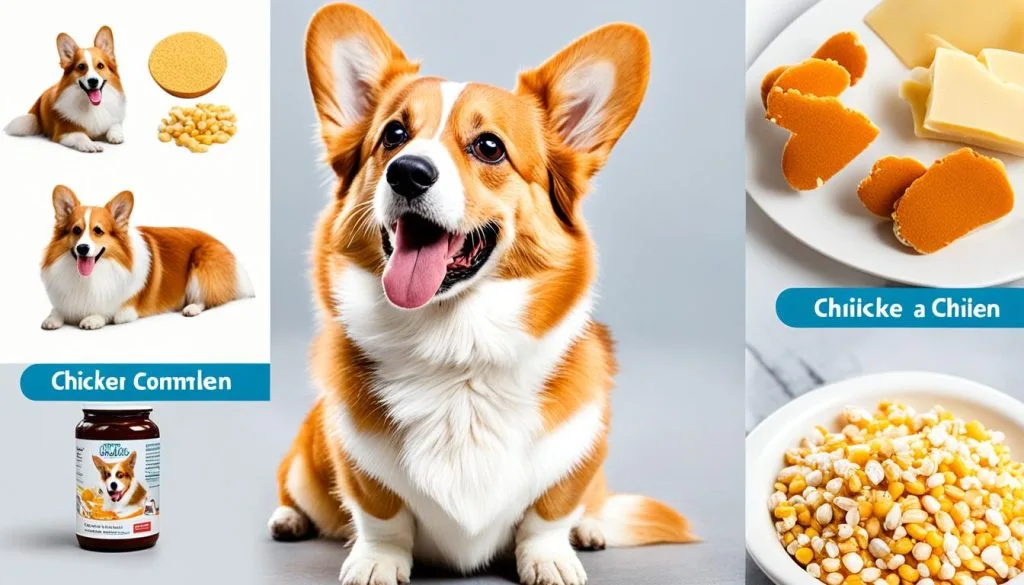
Comparing Symptoms of Food Allergies in Corgis
| Symptoms | Description |
|---|---|
| Itching | Excessive scratching or biting at the skin |
| Sneezing | Allergy-induced sneezing fits |
| Hot spots | Inflamed and irritated areas on the skin |
| Ear infections | Redness, swelling, discharge, and frequent head shaking |
| Diarrhea | Loose, watery stools |
| Vomiting | Expelling of food from the stomach |
Long-Term Effects of Dog Food Allergies
If left untreated, food allergies in Corgis can have detrimental long-term effects on their health and well-being. These effects can include the development of secondary skin infections, the onset of more allergies, worsened symptoms, and a significant decline in their overall quality of life.
One of the primary long-term effects of food allergies in Corgis is the increased risk of secondary skin infections. When a Corgi has an allergic reaction to certain foods, it can cause excessive itching and scratching, leading to open sores and wounds on the skin. These open wounds become susceptible to bacterial or fungal infections, which can further exacerbate the itching and discomfort experienced by the dog.
Additionally, untreated food allergies can trigger the development of more allergies in Corgis. When the immune system is constantly activated by allergens, it becomes sensitized and more reactive to other substances in the environment. This can result in the dog developing allergies to a wider range of allergens, making it even more challenging to manage their symptoms and find suitable dietary options.
Worsened symptoms are another significant long-term effect of untreated food allergies in Corgis. Over time, the allergic reactions to certain foods can become more severe, leading to intensified symptoms. Itching, sneezing, hot spots, ear infections, diarrhea, and vomiting can become more frequent and intense, causing significant discomfort and distress for the dog.
Lastly, the poor quality of life experienced by Corgis with untreated food allergies cannot be overlooked. Constant itching, discomfort, and gastrointestinal distress significantly impact their overall well-being. These dogs may experience reduced energy levels, changes in behavior, and a decreased interest in food and activities they once enjoyed.
It is crucial for Corgi owners to understand the potential long-term effects of food allergies and take proactive steps to diagnose and treat them properly. By working with a veterinarian to identify the allergenic triggers, implement dietary changes, and provide appropriate medical interventions, Corgis can lead healthier, happier lives free from the burden of untreated food allergies.

Dog Food Allergy Test and Other Diagnosis Methods
Diagnosing food allergies in Corgis is essential for effectively managing their health and well-being. There are two primary methods for determining food allergies in dogs: allergen testing and an elimination diet.
Allergen testing involves evaluating the dog’s immune response to specific food proteins. During this test, a blood sample is taken from the Corgi, and it is analyzed for the presence of allergen-specific antibodies. This test helps identify which food proteins the dog may be allergic to, aiding in the development of a targeted treatment plan.
Another diagnostic method is an elimination diet. This approach involves removing potential allergens from the dog’s diet for a specified period, usually a few weeks. The eliminated food is then gradually reintroduced, one item at a time, to identify the specific trigger that causes an allergic reaction. This method requires careful monitoring and record-keeping of the Corgi’s symptoms throughout the process.
Both allergen testing and elimination diets have their advantages and limitations. Allergen testing can provide direct evidence of an immune response to specific food proteins, while an elimination diet offers a practical and cost-effective approach for identifying food allergies without the need for specialized testing.
It is important to consult with a veterinarian to determine the most appropriate diagnostic method for your Corgi. Your veterinarian will consider factors such as the severity of your dog’s symptoms, their medical history, and any other relevant factors to devise the most effective approach.
Allergen testing vs. Elimination diet: Pros and Cons
| Allergen Testing | Elimination Diet |
|---|---|
| Provides direct evidence of immune response to specific food proteins | Offers a practical and cost-effective approach for identifying food allergies |
| Can be more expensive than an elimination diet | Requires strict adherence to the diet and careful monitoring of symptoms |
| May not capture all possible food allergens | May not yield clear results if multiple food allergies are present |
| Can provide valuable information for targeted treatment plans | Can help identify the specific trigger causing allergic reactions |
Treating Food Allergies in Corgis
When it comes to managing food allergies in Corgis, the key approach is to treat the underlying issue by eliminating the trigger food from their diet. Switching to a hypoallergenic diet or preparing homemade meals can be effective strategies in achieving this goal. It is crucial for Corgi owners to work closely with their veterinarian to develop a tailored treatment plan for their pet’s food allergies.
Specialized Diets for Corgis with Food Allergies
Corgis with food allergies often benefit from hypoallergenic diets specifically formulated to avoid common allergens. These specialized dog foods are designed to provide balanced nutrition while minimizing the risk of triggering allergic reactions. By switching to a hypoallergenic diet, Corgi owners can effectively manage their pet’s food sensitivities and improve their overall health and well-being.
“Switching to a hypoallergenic diet can significantly alleviate the symptoms associated with food allergies in Corgis. It is important to consult with a veterinarian to determine the best dietary option for your pet.”
Medications to Alleviate Allergy Symptoms
In addition to dietary changes, medications may be prescribed to help alleviate the symptoms of food allergies in Corgis. Antihistamines can be effective in reducing itching and other allergic reactions, while steroids may be necessary in more severe cases. It is important to note that medication should always be used under the guidance and supervision of a veterinarian to ensure the safety and well-being of the Corgi.
Collaboration with a Veterinarian
Effective treatment and management of food allergies in Corgis require a collaborative approach between Corgi owners and their veterinarians. Vets can provide valuable guidance in identifying the specific allergens, developing a suitable treatment plan, and monitoring the Corgi’s progress. Regular check-ups and communication with the veterinarian is essential to ensure the best possible care for Corgis with food sensitivities.
Summary
Treating food allergies in Corgis involves eliminating trigger foods from their diet, often by switching to hypoallergenic options. Medications may also be prescribed to alleviate symptoms. Working closely with a veterinarian is crucial for developing an effective treatment plan and ensuring the best possible care for Corgis with food sensitivities.
To continue reading, proceed to Section 8: Best Dog Food for Allergies.
| Treatment for Food Allergies in Corgis | |
|---|---|
| Approach | Effectiveness |
| Eliminating trigger food from the diet | Highly effective |
| Switching to hypoallergenic diet | Effective |
| Preparing homemade meals | Effective |
| Prescribing antihistamines | Alleviates symptoms |
| Using steroids | Alleviates symptoms (in severe cases) |
Best Dog Food for Allergies
For Corgis with food allergies, it is crucial to choose the right dog food that addresses their specific dietary needs. Hypoallergenic dog food is the recommended option, as it is specially formulated to avoid common allergens that can trigger allergic reactions in dogs, including Corgis. By eliminating ingredients such as beef, dairy, chicken, wheat, soy, and corn, hypoallergenic dog food helps reduce the risk of allergic reactions.
When selecting the best dog food for Corgi allergies, it is important to carefully read the ingredient labels. Look for specific mentions of the elimination of common allergens, as well as any additional information that certifies the hypoallergenic nature of the product. Additionally, consult with a veterinarian to determine the most suitable hypoallergenic dog food for your Corgi’s unique needs.
Hypoallergenic dog food can be found in both dry kibble and wet canned forms, providing options to accommodate your Corgi’s preferences and dietary requirements. These specialized dog food products are often made with alternative protein sources, such as venison, duck, or salmon, which are less likely to trigger allergic reactions in dogs. They may also contain carbohydrates from sources like sweet potato or peas, which are typically well-tolerated by dogs with allergies.
By feeding your Corgi a hypoallergenic diet, you can help alleviate their food allergy symptoms and improve their overall well-being. Always ensure that any dietary changes or modifications are made gradually, allowing your Corgi’s digestive system to adjust properly. Regularly monitor your Corgi for any changes in their allergies or sensitivities, and consult with your veterinarian for any necessary adjustments to their diet.
In addition to hypoallergenic dog food, it is important to provide your Corgi with a balanced and nutritious diet. Consult with your veterinarian to determine the optimal feeding guidelines based on your Corgi’s age, weight, and activity level.

Conclusion
Managing Corgi food allergies is essential for ensuring their well-being and quality of life. Food allergies can cause a range of symptoms that can significantly impact a Corgi’s health, including digestive issues, skin problems, and behavioral changes. Recognizing the signs of food allergies and taking proactive measures to manage them is crucial for Corgi owners.
Identifying common allergens, such as beef, dairy, chicken, wheat, soy, and corn, is the first step in managing Corgi food allergies. By working closely with a veterinarian, Corgi owners can develop a suitable dietary plan that eliminates these allergens and substitutes them with hypoallergenic options. Additionally, medication may be prescribed to alleviate symptoms and provide relief.
With proper management, Corgis with food allergies can lead healthy and comfortable lives. Regular monitoring, adhering to the prescribed diet, and maintaining open communication with the veterinarian are key to successfully managing Corgi food allergies. Remember, a happy and healthy Corgi starts with understanding and addressing their unique dietary needs.
FAQ
What triggers food allergies in Corgis?
What is the difference between dog food allergies and dog food intolerances?
What are the most common dog food allergens for Corgis?
What are the symptoms of food allergies in Corgis?
What are the long-term effects of dog food allergies?
How are dog food allergies diagnosed?
How are food allergies in Corgis treated?
What is the best dog food for Corgis with food allergies?
How can I manage food allergies in my Corgi?
Source Links
- https://www.nomnomnow.com/learn/article/dog-food-allergies
- https://www.dogsnaturallymagazine.com/5-signs-your-dog-has-food-allergies/
- https://bondvet.com/b/chicken-allergy-in-dogs

Carlos is the passionate founder and primary author behind “CorgisCorner.com,” a website dedicated to all things related to the beloved Corgi breed. Born and raised in a small town known for its strong sense of community and love for animals, Carlos developed a deep affection for Corgis from a young age. This love was sparked by his childhood companion, a spirited and loyal Corgi named Toby, who was a constant source of joy and friendship.