

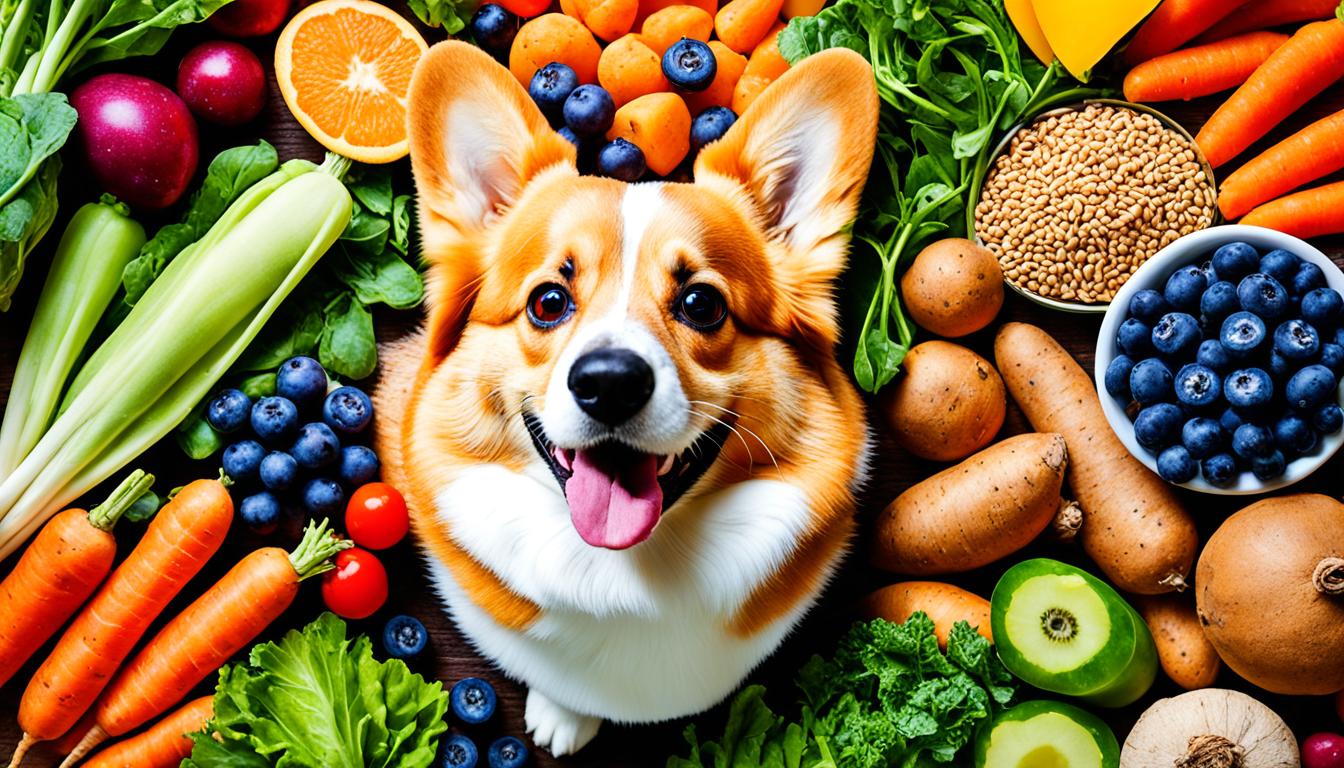

If you own a Corgi, you know how important it is to prioritize their health and well-being. One key aspect of their care is their diet. As a responsible dog owner, you may have heard about grain-free diets for dogs, including Corgis. But what exactly are the benefits of a grain-free diet, and how does it impact your Corgi’s health? Let’s explore.
Key Takeaways:
- Grain-free diets can be beneficial for Corgis’ overall health.
- Grain allergies in dogs can lead to various health issues.
- The FDA is investigating the potential link between grain-free diets and canine heart disease.
- Consulting with a veterinarian is crucial to determine the best diet for your Corgi.
- Choosing high-quality, grain-free dog food is essential for your Corgi’s well-being.
Understanding Canine Heart Disease and DCM
Dilated cardiomyopathy (DCM) is a type of canine heart disease that affects the heart muscle and decreases its ability to pump blood, often leading to congestive heart failure. While some breeds have a genetic predisposition to DCM, recent reports have shown that dogs not typically prone to the disease, such as Golden Retrievers and Labradors, have developed DCM after eating grain alternatives in their diets. This has prompted the FDA to investigate the potential dietary link between dilated cardiomyopathy and grain-free diets.
Heart failure in dogs can be caused by several factors, including genetic predisposition, nutritional deficiencies, and underlying health conditions. DCM, specifically, is characterized by the dilation and thinning of the heart’s chambers, which impairs its ability to efficiently pump blood throughout the body. The weakened heart muscle strains to meet the body’s demands, leading to fatigue, shortness of breath, and fluid accumulation, commonly seen as coughing or difficulty breathing.
The FDA’s investigation aims to better understand the correlation between grain-free diets and DCM, particularly due to the presence of legumes and potatoes as primary ingredients. These ingredients are often used as grain alternatives in commercial dog foods and may have unintended consequences on a dog’s heart health. It is crucial for dog owners to be aware of this potential risk and to consult with their veterinarian to determine the most appropriate diet for their furry companions.
“The increasing cases of DCM in dogs eating grain-free diets have raised concerns among pet owners and veterinarians. It is essential to evaluate the relationship between diet and heart disease to ensure the overall well-being of our canine friends.” – Dr. Sarah Johnson, Veterinary Cardiologist
The Concerns with Grain-Free Dog Food
While grain-free dog food has become increasingly popular among pet owners, there are growing concerns regarding its potential impact on canine health. The U.S. Food and Drug Administration (FDA) has recently found a high percentage of grain-free dog foods reported in cases of dilated cardiomyopathy (DCM), a serious heart condition. Although no definitive proof has linked grain-free diets to DCM in a broader range of dogs, it’s essential to understand the ingredients used in these foods and their potential effects.
Many grain-free dog foods contain ingredients like peas, lentils, and potatoes, which act as grain alternatives. These ingredients, while suitable for some dogs, have raised concerns due to their potential association with DCM. The FDA advises dog owners to be aware of this alert and suggests consulting with a veterinarian before deciding on the best diet for their furry friends.
The Role of Ingredients in Grain-Free Dog Food
While grains are often used as fillers in commercial dog food, their exclusion in grain-free diets does not necessarily guarantee a healthier alternative. It’s crucial to carefully examine the ingredients used in grain-free dog foods and understand how they contribute to overall canine nutrition.
Peas, lentils, and potatoes are commonly used as primary ingredients in many grain-free dog foods. These ingredients provide carbohydrates and act as a source of energy. However, excessive amounts or imbalanced ratios of these ingredients may lead to potential health issues, including DCM.
“The FDA has found that a high percentage of foods reported in DCM cases were grain-free.”
It’s important to note that while the FDA has identified a potential correlation between grain-free dog food and DCM, further research is necessary to establish a definitive cause-and-effect relationship. In the meantime, dog owners should prioritize a balanced diet that meets their pet’s specific nutritional needs and consult with a veterinarian to determine the best dietary plan.
Considerations for Dog Owners
When evaluating different dog food options, it’s crucial for dog owners to make informed decisions based on their Corgi’s individual needs. Here are some key considerations:
- 1. Review the ingredients: Pay close attention to the ingredients listed on the packaging of grain-free dog foods. Look for high-quality animal proteins, such as chicken or fish, as the primary ingredients. Avoid foods with excessive amounts of peas, lentils, or potatoes.
- 2. Consult with a veterinarian: Your veterinarian is the best resource for guidance on your Corgi’s dietary needs. They can help determine if a grain-free diet is suitable for your dog and provide recommendations based on their overall health and any potential risk factors for DCM.
- 3. Monitor your Corgi’s health: Regularly observe your Corgi’s behavior, energy levels, coat condition, and overall well-being. If you notice any changes or concerns, consult your veterinarian promptly.
Remember, providing a healthy diet goes beyond simply choosing grain-free or grain-inclusive options. Taking a holistic approach to your Corgi’s nutrition will help ensure their long-term health and happiness.
Corgi Nutritional Needs and Weight Management
Like all dogs, Corgis have specific nutritional needs that should be met through a well-balanced diet. To ensure their optimal health and well-being, Corgis require high-quality proteins for muscle development, fats for coat health and brain development, and a controlled amount of carbohydrates for energy.
Corgi nutritional needs can be met by feeding them a diet that is rich in lean meats such as chicken, beef, and fish. These protein sources provide essential amino acids that are necessary for proper muscle development and overall body function. Including a variety of meats in their diet ensures that Corgis receive a complete range of nutrients.
In addition to proteins, corgi weight management is crucial to maintain their health. Corgis are prone to weight gain, which can lead to various health issues like joint problems and obesity-related diseases. To manage their weight, portion control is key. Feeding them the recommended amount of food based on their age, size, and activity level helps prevent overeating and excessive weight gain.
Corgi dietary health is further supported by incorporating healthy fats into their diet. Fats provide essential fatty acids that promote coat health and brain development. Including fats from sources like fish oil and flaxseed oil can benefit their overall well-being.
Carbohydrates should also be a part of a Corgi’s diet, but in controlled amounts. Complex carbohydrates like whole grains and vegetables provide energy while also offering essential fiber and nutrients. Corgis have a moderate activity level, so a balanced ratio of fats, proteins, and carbohydrates keeps them healthy and satisfied.

Recommended Dog Food Options for Corgis
When it comes to feeding your beloved Corgi, choosing the right dog food is crucial for their overall health and well-being. Open Farm provides a range of specially crafted dog food options that cater to the specific dietary needs of Corgis.
Open Farm offers grain-free dry dog food formulas that prioritize high-quality animal proteins as the first ingredient. These formulas are supplemented with a variety of fruits, vegetables, and fish oil, ensuring a well-rounded and nutritious meal for your furry friend. By using premium ingredients, Open Farm ensures that their dog food contributes to the optimal growth and development of your Corgi.
If you’re looking for a slightly different approach, Open Farm also offers an ancient grains line. This line combines animal proteins with non-GMO grains like quinoa and millet. These grains provide an additional source of wholesome nutrition and add variety to your Corgi’s diet without compromising their dietary needs.
For Corgis with specific dietary requirements or digestive sensitivities, Open Farm has a solution. Their gently cooked dog food options are made with human-grade ingredients, ensuring that your Corgi receives the highest quality nutrition. This is especially beneficial for dogs with digestive issues or allergies, as the gentle cooking process helps to maintain the nutritional integrity of the ingredients.
Corgi Dietary Options at a Glance
| Grain-Free Dry Dog Food | Ancient Grains Line | Gently Cooked Dog Food |
|---|---|---|
| High-quality animal proteins | Non-GMO grains | Human-grade ingredients |
| Fruits, vegetables, and fish oil | Wholesome nutrition | Beneficial for digestive issues or allergies |
Choosing the right dog food for your Corgi can make a significant difference in their overall health and vitality. Open Farm provides a range of options that prioritize the nutritional needs of Corgis while offering variety and considering individual sensitivities. Remember to consult with your veterinarian to determine which option best suits your Corgi’s dietary requirements, ensuring they thrive on a balanced and wholesome diet.

RawMix and Freeze Dried Food for Corgis
As dog owners become more conscious of their pets’ health and well-being, raw dog food and freeze dried food have emerged as popular options for providing a natural and nutrient-dense diet for Corgis. These options, which closely mimic a dog’s ancestral diet, offer a range of benefits for your furry friend.
The Benefits of Raw Dog Food for Corgis
Raw dog food, such as RawMix, is made from a combination of raw meats, bones, fruits, and vegetables. This type of diet is believed to offer several advantages for Corgis:
- Improved Digestion: Raw dog food is easier for dogs to digest compared to heavily processed kibble, which can contain fillers and artificial additives. This can lead to better nutrient absorption and overall digestive health for your Corgi.
- Healthier Skin and Coat: The high protein content in raw dog food can contribute to a shiny and healthy coat for your Corgi. Additionally, the natural oils present in raw meats can help alleviate dry skin and promote a healthy skin barrier.
- Enhanced Dental Health: The act of chewing on raw bones included in raw dog food can help keep your Corgi’s teeth clean and reduce the risk of dental issues like tartar and plaque buildup.
It is important to note that raw dog food should be handled and prepared with caution to minimize the risk of foodborne illnesses. It is recommended to consult with a veterinarian to ensure proper handling and balance of raw dog food in your Corgi’s diet.
Freeze Dried Food: Preserving Nutritional Integrity
Another option for Corgi owners is freeze dried food. Freeze dried food undergoes a process where moisture is removed while preserving the nutritional integrity of the ingredients.
“Freeze drying is a gentle process that allows important nutrients, vitamins, and minerals to be retained, providing a convenient and nutritious option for Corgis.”
This preservation method offers several benefits:
- Convenience: Freeze dried food is lightweight and easy to store, making it a convenient option for busy pet owners or those who frequently travel with their Corgis.
- Prolonged Shelf Life: The removal of moisture significantly extends the shelf life of freeze dried food, allowing you to keep it on hand without worrying about spoilage.
- Nutritional Variety: Freeze dried food often includes a variety of ingredients, such as meats, fruits, and vegetables, providing a balanced and varied diet for your Corgi.
Ultimately, the choice between raw dog food and freeze dried food boils down to what works best for you and your Corgi. It is recommended to consult with a veterinarian to determine the most suitable option, taking into account your Corgi’s specific nutritional needs and any underlying health conditions.

| RawMix Dog Food | Freeze Dried Food |
|---|---|
|
|
The Benefits of Bone Broth for Corgis
Bone broth offers several benefits for Corgis, contributing to their overall health and well-being. This nourishing elixir provides support for joint health and a strong immune system, making it a valuable addition to your Corgi’s diet.
Joint health is vital for Corgis, as they are prone to certain joint issues. The natural nutrients found in bone broth, including collagen, glucosamine, and chondroitin, can help alleviate discomfort and promote healthy joints. These compounds work in harmony to reduce inflammation and support joint lubrication, enhancing your Corgi’s mobility and overall quality of life.
A strong immune system is essential for your Corgi’s well-being and resistance to diseases. Bone broth contains amino acids, vitamins, and minerals that support immune function and help your Corgi’s body fight off infections and illnesses. By regularly incorporating bone broth into their diet, you can provide your beloved Corgi with an extra boost of immune support.
Bone broth can be served to your Corgi as a hydrating treat, especially beneficial during hot summer months or after physical activity. Additionally, it can be mixed with their dry food to increase palatability and add additional nutritional value. The rich taste and aroma of bone broth can entice even the fussiest eaters, making mealtime a delightful experience for your Corgi.
Portion Control and Feeding Guidelines for Corgis
The well-being of your Corgi relies on providing them with the right amount of food, taking into consideration factors such as age, size, activity level, and the calorie content of their meals. Portion control plays a significant role in maintaining a healthy weight and preventing obesity in Corgis. In this section, we will discuss the feeding guidelines and calorie intake recommendations for your furry companion.
Feeding Guidelines for Corgis
Feeding guidelines for Corgis can vary based on factors such as age, size, and activity level. As a general guideline, adult Corgis require around 780 calories per day, split into two meals. Puppies have higher energy needs and may require more frequent meals.
| Calories per Day | Meal Frequency | |
|---|---|---|
| Puppy | Varies based on age | 3-4 meals |
| Adult | Around 780 calories | 2 meals |
| Senior | Varies based on activity level | 1-2 meals |
It’s important to note that these are general guidelines, and your Corgi’s individual needs may vary. Consult with your veterinarian for specific feeding recommendations tailored to your Corgi’s age, weight, and activity level.
Portion Control for Corgis
Portion control is crucial in maintaining a healthy weight for your Corgi. It’s essential to monitor their weight regularly and adjust the portion size accordingly to prevent obesity, which can lead to various health issues. As a guideline, start with a recommended portion size based on their weight and adjust as needed. Remember to consider the calorie content of the food you are feeding.
“Proper portion control ensures a healthy weight and prevents obesity in Corgis.”
Calorie Intake Recommendations
Corgis typically require around 25-30 calories per pound of body weight per day. However, this can vary depending on their age, activity level, and metabolism. Consult with your veterinarian to determine the appropriate calorie intake for your Corgi.
Keep in mind that treats should be factored into the overall calorie intake to avoid overfeeding. Be cautious with high-calorie treats or excessive snacking, as this can contribute to weight gain.

Visual representation of feeding guidelines for Corgis (image source: seowriting.ai)
With proper portion control and feeding guidelines, you can ensure that your Corgi maintains a healthy weight and receives the right amount of nutrients for their well-being. Remember to consult with your veterinarian for personalized feeding recommendations and adjustments based on your Corgi’s specific needs.
Choosing the Right Diet for Your Corgi
Selecting the right diet for your Corgi is crucial for their overall health and well-being. With their specific nutritional needs and potential health issues, consulting a veterinarian is essential to determine the best diet plan for your furry friend.
When choosing the right food for your Corgi, several factors should be taken into consideration. These include their age, activity level, and any existing health conditions they may have. A veterinarian can provide expert guidance and tailor a diet plan that meets your Corgi’s individual needs.
By consulting a veterinarian, you can ensure that your Corgi’s diet is well-balanced and provides the necessary nutrients. They can help you select the appropriate dog food formula, whether it’s grain-free or contains specific ingredients to address any dietary sensitivities your Corgi may have.
Consulting a veterinarian is the first step towards choosing the right diet for your Corgi. They will consider your Corgi’s unique needs and advise you on the best nutritional options available.
Additionally, a veterinarian may recommend specialized diets for Corgis with specific health concerns. For example, if your Corgi has joint issues, they may suggest a diet that includes supplements like glucosamine or omega-3 fatty acids to support joint health.
Remember to regularly communicate with your veterinarian to monitor your Corgi’s progress and make any necessary adjustments to their diet. As your Corgi’s nutritional needs may change over time, it’s important to stay informed and adapt their diet accordingly.
By working closely with a veterinarian and choosing the right diet for your Corgi, you can help ensure that they lead a healthy and vibrant life.
Conclusion
Ensuring the health and well-being of your beloved Corgi starts with providing them with a grain-free diet. However, it’s important to understand the potential risks associated with such diets, like the development of dilated cardiomyopathy (DCM). To make the best dietary choices for your Corgi, consulting with a veterinarian is crucial. They can guide you in creating a well-balanced diet plan that meets your Corgi’s specific needs.
When crafting your Corgi’s diet, it’s essential to strike a balance between their nutritional requirements and portion control. Opt for high-quality ingredients that offer optimal nutrition and support their overall health and vitality. By focusing on their dietary needs while reducing the risk of food sensitivities, you can ensure your Corgi enjoys a long, healthy, and energetic life.
Remember, finding the best diet for your Corgi may require some trial and error. Pay attention to any signs of food sensitivities and adjust their diet accordingly. The well-being of your Corgi should always be the top priority. With the right diet and care, your furry friend will thrive and bring joy to your life for many years to come.
FAQ
What is the potential link between grain-free diets and canine heart disease?
What is dilated cardiomyopathy (DCM)?
Is DCM only a concern for certain breeds?
What are the concerns with grain-free dog food?
What are the nutritional needs of Corgis?
What are some recommended dog food options for Corgis?
Are raw and freeze dried food suitable for Corgis?
What are the benefits of bone broth for Corgis?
How much food should I feed my Corgi?
How do I choose the right diet for my Corgi?
Why is a grain-free diet important for Corgis?
Source Links
- https://www.akc.org/expert-advice/nutrition/fda-grain-free-diet-alert-dcm/
- https://nannykidfarmcorgiscom.files.wordpress.com/2019/07/nutritiondog-food.pdf
- https://openfarmpet.com/en-ca/blogs/best-dog-food-for-corgis/

Carlos is the passionate founder and primary author behind “CorgisCorner.com,” a website dedicated to all things related to the beloved Corgi breed. Born and raised in a small town known for its strong sense of community and love for animals, Carlos developed a deep affection for Corgis from a young age. This love was sparked by his childhood companion, a spirited and loyal Corgi named Toby, who was a constant source of joy and friendship.