

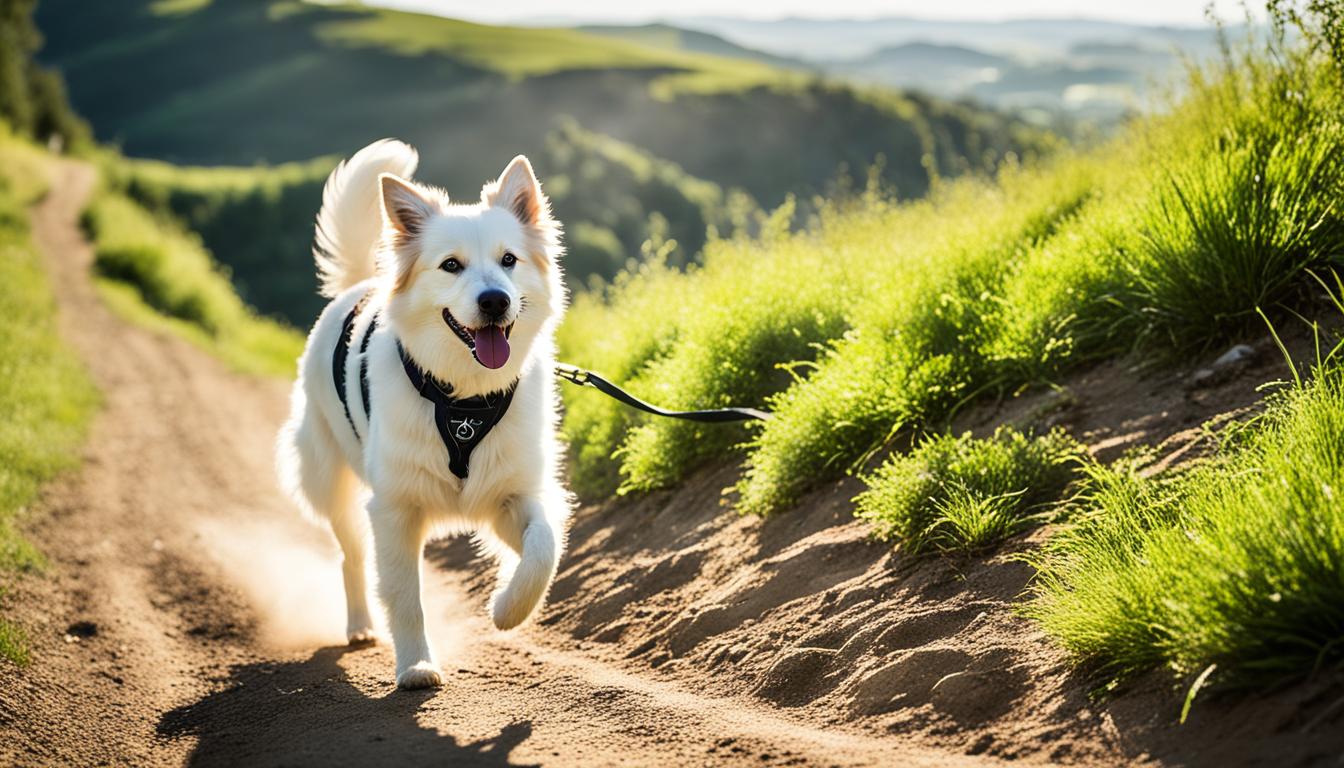

When it comes to keeping our furry friends fit and trim, daily walks seem like the obvious solution. But are they enough? Does regular walking alone have the power to prevent obesity in dogs and ensure their overall well-being? Let’s dive into the world of dog exercise benefits, pet weight management, and canine fitness routines to find out!
Key Takeaways:
- Daily walks may not be sufficient to keep your dog’s weight in check.
- Regular exercise, beyond walks, is crucial for pet weight management and overall health.
- Walking alone may not be enough for certain high-energy breeds.
- Dog obesity can be prevented through a combination of exercise and a balanced diet.
- Consult with your veterinarian to determine the best exercise routine for your dog’s needs.
The Importance of Regular Exercise for Dogs
Dogs, much like humans, need regular exercise to maintain a healthy weight and overall well-being. Regular physical activity provides a myriad of benefits, such as burning calories, building muscle, and improving cardiovascular fitness in dogs. Additionally, exercise promotes mental stimulation and reduces the risk of behavioral problems. It’s essential to incorporate a variety of exercises into your canine’s routine, including walks, playtime, and supervised activities, to keep them trim, fit, and mentally engaged.
Regular exercise is a cornerstone of pet weight management and achieving a canine fitness routine.
Walking with your furry friend is an excellent form of exercise that both of you can enjoy. Not only does it help expend your dog’s energy, but it also strengthens the bond between you and your pet. Playtime activities, such as chasing a ball or playing with interactive toys, not only provide physical exercise but also provide mental stimulation and prevent boredom. Engaging in supervised activities like agility training or swimming can further enhance your dog’s fitness levels.
Remember, when it comes to exercise, each dog has different needs. Older dogs or those with health conditions may require low-impact exercises, while high-energy breeds might need more intense activities. Consulting with your veterinarian can help you tailor a fitness routine that suits your dog’s specific needs.
Benefits of Regular Exercise for Dogs:
- Helps maintain a healthy weight
- Improves cardiovascular fitness
- Strengthens muscles
- Enhances mental stimulation
- Reduces behavioral problems
Regular exercise combined with a balanced diet is the key to effective pet weight management. It not only prevents obesity but also reduces the risk of other health issues, such as joint problems, heart disease, and diabetes. By prioritizing your dog’s exercise routine, you are ensuring their long-term health and well-being.
Regular exercise is a crucial component of any dog’s fitness routine and contributes to their overall quality of life.
| Exercise Benefits | Pet Weight Management | Canine Fitness Routine |
|---|---|---|
| Burns calories | Helps maintain a healthy weight | Strengthens muscles |
| Improves cardiovascular fitness | Prevents obesity | Enhances mental stimulation |
| Promotes mental well-being | Reduces the risk of other health issues | Reduces behavioral problems |
Walking Your Dog Daily: Is it Enough?
While daily walks are beneficial for dogs, they may not be sufficient for complete fitness and weight management. Although walking helps expend energy and provides mental stimulation, it may not provide enough exercise for certain high-energy breeds. Additionally, factors such as the duration and intensity of the walks also play a role in determining whether it is enough for your dog’s fitness and weight management needs.
Walking your dog daily is a great way to incorporate exercise into their routine and promote overall dog health and fitness. It helps them burn calories, maintain a healthy weight, and provides mental stimulation. However, it’s important to consider the individual needs of your dog when it comes to exercise.
High-energy breeds, such as Border Collies or Siberian Huskies, require more than just a daily walk to meet their exercise requirements. These breeds thrive on activities that challenge them mentally and physically. Along with daily walks, you may need to engage them in additional exercises like running, hiking, or playing fetch to ensure they receive the necessary physical activity.
Moreover, the duration and intensity of the walks are crucial in determining their effectiveness for pet weight management. A leisurely 10-minute stroll may be appropriate for a senior dog with mobility issues, but it may not be enough to help an energetic young dog burn off excess energy or maintain a healthy weight.
“While daily walks are a great foundation for dog exercise, they should be supplemented with other activities that cater to your dog’s breed, age, and energy level.”
Individualize your dog’s exercise routine based on their specific needs, and consider consulting with a professional dog trainer or veterinarian to create a comprehensive exercise plan. They can provide guidance on the types of exercises that will benefit your dog’s health and weight management goals.
The Role of Variety in Exercise
Variety is key when it comes to keeping your dog engaged and ensuring a well-rounded exercise routine. Incorporating different activities, such as obedience training, agility courses, or interactive toys, can provide additional physical and mental stimulation for your dog.
A diverse exercise routine not only helps prevent boredom but also targets different muscle groups and promotes overall canine fitness. Experiment with different activities to find what your dog enjoys most, and adapt the routine accordingly.
“Maintaining a variety of exercises in your dog’s routine not only keeps them physically fit but also mentally stimulated.”
By understanding the limitations of daily walks alone and incorporating a variety of activities, you can ensure that your dog receives the necessary exercise for their health and weight management. This holistic approach to dog fitness will contribute to a happy and healthy canine companion.

| Walking Duration | Exercise Intensity | Appropriate for: |
|---|---|---|
| Short walks (10-20 minutes) | Low to moderate intensity | Elderly dogs, dogs with mobility issues |
| Medium walks (20-40 minutes) | Moderate intensity | Most adult dogs |
| Long walks (40+ minutes) | Moderate to high intensity | High-energy breeds, dogs with weight management concerns |
Dog Obesity Prevention: The Role of Exercise
Regular exercise plays a crucial role in preventing dog obesity. Obesity in dogs can lead to numerous health issues, including joint problems, heart disease, and diabetes. Incorporating daily exercise, along with a balanced diet, can help maintain a healthy weight and prevent the onset of obesity in dogs. It is important to consult with your veterinarian to determine the appropriate exercise routine for your dog’s specific needs.
The sequel follows a diet chart for dogs; their owners must follow a similar rigorous plan to ensure success. With a well-balanced diet and regular exercise, pet owners can proactively manage their furry friends’ weight and overall health.

When it comes to dog obesity prevention, daily exercise plays a key role. Exercise helps dogs burn calories, maintain muscle tone, and improve cardiovascular health. It also provides mental stimulation and helps reduce behavioral issues.
“Daily exercise is not only essential for dogs’ physical well-being but also helps keep their minds sharp and their behavior in check,” said Dr. Emily Anderson, a renowned veterinarian.
Engaging in physical activities such as walking, running, swimming, and playing fetch can help keep your dog active and maintain a healthy weight. The optimal duration and intensity of exercise depend on factors such as your dog’s breed, age, and overall health.
Your veterinarian can provide personalized recommendations on the duration and type of exercise that would best suit your dog’s needs. For high-energy breeds, additional activities such as agility training or interactive puzzle toys may be beneficial to ensure they receive enough physical and mental stimulation.
By prioritizing regular exercise and providing a well-balanced diet, you can effectively prevent obesity in dogs and promote their overall health and well-being.
Tips for Keeping Your Dog Fit and Trim
To ensure your dog stays fit and trim, consider the following tips:
- 1. Incorporate a variety of physical activities into your dog’s routine. Besides daily walks, engage in activities such as playing fetch or frisbee, swimming, or hiking. This will provide a well-rounded canine fitness routine and help burn excess calories.
- 2. Monitor your dog’s food intake and provide a balanced diet. Consult with your veterinarian to determine the appropriate calorie intake for your dog’s breed, age, and weight management goals. Avoid overfeeding and limit treats to prevent weight gain.
- 3. Make exercise interactive and engaging for your dog. Use toys or agility equipment to stimulate their mind and body. This will promote mental stimulation and prevent boredom, which can lead to destructive behavior.
- 4. Schedule regular playdates or agility training sessions with other dogs. This will not only provide socialization opportunities but also increase the intensity and duration of exercise for your dog.
- 5. Consider enrolling your dog in obedience classes or agility courses. These activities not only enhance fitness but also improve coordination and mental focus. They provide a structured environment for your dog to learn and have fun.
- 6. Consult with a professional dog trainer or canine fitness specialist to create a personalized exercise plan for your dog. They can assess your dog’s fitness level and provide guidance on suitable exercises and intensity.
Remember, consistency is key when it comes to maintaining your dog’s fitness and managing their weight. Regular exercise and a balanced diet will contribute to their overall health and well-being.

The Benefits of Regular Nail Trimming for Dogs
Regular nail trimming is crucial for maintaining your dog’s paw health. Long nails can cause discomfort, affect your dog’s posture and movement, and potentially lead to injuries. Keeping your dog’s nails at the proper length helps prevent issues such as nail tearing, discomfort while walking, and joint strain. Additionally, properly trimmed nails contribute to the overall well-being of your dog’s feet.
When your dog’s nails become too long, they can cause a range of problems. The longer the nails, the more likely they are to get caught on carpets, furniture, or other objects, leading to painful nail tearing or even bleeding. If left unattended, overgrown nails may alter the natural alignment of your dog’s paws, affecting their posture and movement. This can lead to discomfort and pain, potentially compromising their ability to walk or run properly.
In addition to the discomfort and potential injuries caused by long nails, they can also result in joint strain. When your dog’s nails are too long, they exert pressure on the joints, particularly in the toes and paw pads. This added strain can lead to conditions such as arthritis or exacerbate existing joint issues. By regularly trimming your dog’s nails, you can alleviate this strain and promote better joint health.
Proper nail care is an important aspect of overall paw health. By keeping your dog’s nails at the appropriate length, you help maintain the structure and integrity of their feet. When nails are excessively long, they can push the toes apart and cause discomfort or even deformities. Regularly trimming the nails helps keep them in line with the natural shape of the paw, promoting better foot function and reducing the risk of complications.
Preventing Nail Overgrowth and Maintaining Paw Health
To ensure your dog’s nails stay at a healthy length, regular trimming is necessary. The frequency of nail trimming depends on various factors, such as the dog’s breed and lifestyle. Some dogs may require monthly trimming, while others may need it every few weeks.
When trimming your dog’s nails, it’s essential to use proper tools and techniques to avoid causing pain or injury. If you’re unsure about the process, consult a professional groomer or your veterinarian for guidance. They can provide demonstrations and offer advice on how to safely trim your dog’s nails at home.
During the nail-trimming process, it’s important to be mindful of the quick, the sensitive part of the nail that contains blood vessels and nerves. Cutting into the quick can be painful for your dog and may cause bleeding. By using a sharp, high-quality nail clipper designed specifically for dogs and taking care to trim only the excess nail, you can minimize the risk of cutting into the quick.
Regular nail trimming should be accompanied by positive reinforcement and treats to help your dog associate the process with a positive experience. This can make future nail-trimming sessions less stressful for both you and your furry friend.
By prioritizing regular nail trimming as part of your dog’s grooming routine, you contribute to their overall well-being. Maintaining proper nail length helps prevent discomfort, injuries, joint strain, and promotes better paw health. Remember to consult with your veterinarian for guidance on the frequency and technique of nail trimming based on your dog’s specific needs.

Tips for Safe and Effective Nail Trimming
Proper nail care is essential for your dog’s paw health. Regularly trimming your dog’s nails not only keeps them at a safe and comfortable length but also prevents potential injuries and discomfort. Here are some tips to ensure safe and effective nail trimming:
- Choose the right tools: Invest in high-quality nail trimming tools specifically designed for dogs. Look for nail clippers or grinders that are the appropriate size for your dog’s nails. Sharp and clean tools help prevent splitting or crushing the nails during trimming.
- Get familiar with your dog’s nails: Take the time to examine your dog’s nails and identify the quick—the live part of the nail that contains blood vessels and nerves. Trim only the excess length beyond the quick to avoid causing pain or bleeding. If you’re unsure, consult a professional groomer or veterinarian for guidance.
- Take it slow: Start by gradually introducing your dog to nail trimming. Begin with short trimming sessions and reward your dog with treats and praise to create a positive association. If your dog becomes anxious or stressed, take a break and try again later.
- Apply gentle pressure: Hold your dog’s paw firmly but gently, making sure not to squeeze too tightly. Apply slight pressure to extend the nail and identify the cutting point. Trim small amounts at a time to avoid cutting too close to the quick.
- Use a calm and confident approach: Your dog can sense your emotions, so it’s important to remain calm and confident during the nail trimming process. Speak in soothing tones, provide reassurance, and reward your dog’s cooperation with treats and praise.
- File and smooth the nails: After trimming, use a nail file or grinder to smoothen any rough edges. This helps prevent snags and reduces the risk of your dog scratching themselves or others.
Remember, if you feel uncomfortable or nervous about trimming your dog’s nails, it’s always best to seek professional assistance. A skilled groomer or veterinarian can provide expert nail trimming services to ensure your dog’s safety and well-being.
| Tips for Safe and Effective Nail Trimming | |
|---|---|
| Choose the right tools | Invest in high-quality nail clippers or grinders specifically designed for dogs. |
| Get familiar with your dog’s nails | Identify the quick and trim only the excess length beyond it. |
| Take it slow | Gradually introduce your dog to nail trimming and provide positive reinforcement. |
| Apply gentle pressure | Hold your dog’s paw firmly but gently, trimming small amounts at a time. |
| Use a calm and confident approach | Remain calm, speak soothingly, and reward your dog’s cooperation. |
| File and smooth the nails | Use a nail file or grinder to smoothen any rough edges. |
Grooming Your Dog’s Paws for Optimal Health
Proper grooming of your dog’s paws is essential for their overall health and well-being. It involves various aspects, including nail trimming, hair trimming, and paw pad care. By regularly attending to these grooming tasks, you can ensure that your furry friend’s paws remain healthy and comfortable.
Nail Trimming
Regular nail trimming is crucial to prevent issues such as overgrown nails, which can be uncomfortable and cause difficulties in walking. Excessively long nails can also affect your dog’s posture and lead to joint strain.
To trim your dog’s nails, use a high-quality pair of nail clippers designed specifically for dogs. Be careful not to cut the nails too short, as this can cause bleeding and pain. If you’re unsure about the proper technique or your dog is particularly anxious during nail trimming, consult a professional groomer or your veterinarian.
Hair Trimming
Hair trimming around your dog’s paws is essential to prevent matting and accumulation of debris. Excess hair between the toes and around the paws can trap dirt, moisture, and potentially harmful substances.
To trim the hair around your dog’s paws, use grooming scissors or clippers. Gently lift your dog’s paw and carefully trim any long hairs that extend beyond the paw pad. Be cautious not to cut the paw pad or the sensitive skin in between the toes.
Paw Pad Care
Proper paw pad care is crucial for optimal paw health. The paw pads protect your dog’s feet and provide cushioning while walking or running. It’s important to keep them clean, moisturized, and protected from harsh conditions.
Regularly inspect your dog’s paw pads for any cuts, cracks, or signs of irritation. Clean the paw pads with a mild, pet-safe cleanser and thoroughly rinse with water. Apply a specially formulated paw balm or moisturizer to keep the pads moisturized and prevent dryness. In extreme weather conditions, consider using booties to provide additional protection to the paw pads.
The Benefits of Walking for Human Fitness
Walking is a simple yet effective form of exercise for humans. Regular walking can help maintain a healthy weight, improve cardiovascular fitness, strengthen muscles, and enhance mental well-being. It is a low-impact exercise that can be easily incorporated into daily routines, making it accessible to people of all ages and fitness levels.
Walking for fitness is a natural and enjoyable activity that offers numerous health benefits. Here are some of the key advantages:
The Health Benefits of Walking
- Weight Management: Walking is a great way to manage and control weight because it burns calories and increases metabolism. By incorporating regular walks into your daily routine, you can help maintain a healthy weight and prevent weight gain.
- Cardiovascular Fitness: Walking increases heart rate and improves cardiovascular health. It strengthens the heart and lungs, lowers blood pressure, and reduces the risk of heart disease and stroke.
- Muscle Strength and Endurance: Walking helps tone and strengthen the muscles of the legs, hips, and core. It also improves balance and stability, reducing the risk of falls and injuries.
- Joint Health: Walking is a low-impact exercise that is gentle on the joints, making it an ideal choice for people with arthritis or joint pain. It helps reduce stiffness, improves flexibility, and promotes overall joint health.
- Mental Well-being: Walking has been proven to have positive effects on mental health. It releases endorphins, the “feel-good” hormones, which help reduce stress, anxiety, and depression. Walking outdoors in nature can also have a calming and rejuvenating effect on the mind.
Make walking a part of your daily routine to experience these incredible benefits. Whether it’s a leisurely stroll in the park, a brisk walk to work, or a hike in the countryside, every step counts towards improving your fitness and overall health.
“Walking is the perfect exercise. It requires no special equipment, it can be done anywhere, and it’s suitable for people of all ages and fitness levels.” – Dr. Mark Fenton
| Health Benefit | Description |
|---|---|
| Weight Management | Walking helps burn calories and maintain a healthy weight. |
| Cardiovascular Fitness | Regular walking improves heart health and lowers the risk of cardiovascular diseases. |
| Muscle Strength and Endurance | Walking strengthens muscles, improves balance, and reduces the risk of injuries. |
| Joint Health | Low-impact walking is gentle on the joints and promotes joint flexibility and mobility. |
| Mental Well-being | Walking releases endorphins, improves mood, and reduces stress and anxiety. |
Conclusion
While daily walks are beneficial for both dogs and humans, they may not be enough to keep your pooch trim and fit on their own. Can daily walks alone keep your pooch trim? The answer is no. Regular exercise, including a variety of activities personalized to your dog’s specific needs, is crucial for pet weight management and canine fitness.
Incorporating other forms of exercise alongside regular walks can help ensure that your dog gets the physical activity they need to stay healthy. Explore activities such as playtime, supervised activities, and even interactive toys to keep your pooch engaged and active.
Furthermore, maintaining proper grooming of your dog’s paws is essential for their overall health and well-being. This includes keeping their nails trimmed, removing excess hair between the toes, and ensuring their paw pads are clean and moisturized.
By combining regular walks with other exercises and taking care of your dog’s paws, you can provide them with the well-rounded care they need to stay fit and healthy. Remember, when it comes to your furry friend’s fitness, a holistic approach is key.
FAQ
Can daily walks alone keep your pooch trim?
What is the importance of regular exercise for dogs?
Is walking your dog daily enough?
What is the role of exercise in dog obesity prevention?
What are some tips for keeping your dog fit and trim?
What are the benefits of regular nail trimming for dogs?
What are some tips for safe and effective nail trimming?
How do you groom your dog’s paws for optimal health?
What are the benefits of walking for human fitness?
Source Links
- https://canineworks.com.au/health-articles/2020/9/11/top-15-tips-for-a-great-pawdicure-how-to-cut-your-dogs-nails
- https://petwellbeing.com/blogs/news/why-grooming-your-pups-paws-is-so-important
- https://www.mayoclinic.org/healthy-lifestyle/fitness/in-depth/walking/art-20046261

Carlos is the passionate founder and primary author behind “CorgisCorner.com,” a website dedicated to all things related to the beloved Corgi breed. Born and raised in a small town known for its strong sense of community and love for animals, Carlos developed a deep affection for Corgis from a young age. This love was sparked by his childhood companion, a spirited and loyal Corgi named Toby, who was a constant source of joy and friendship.