

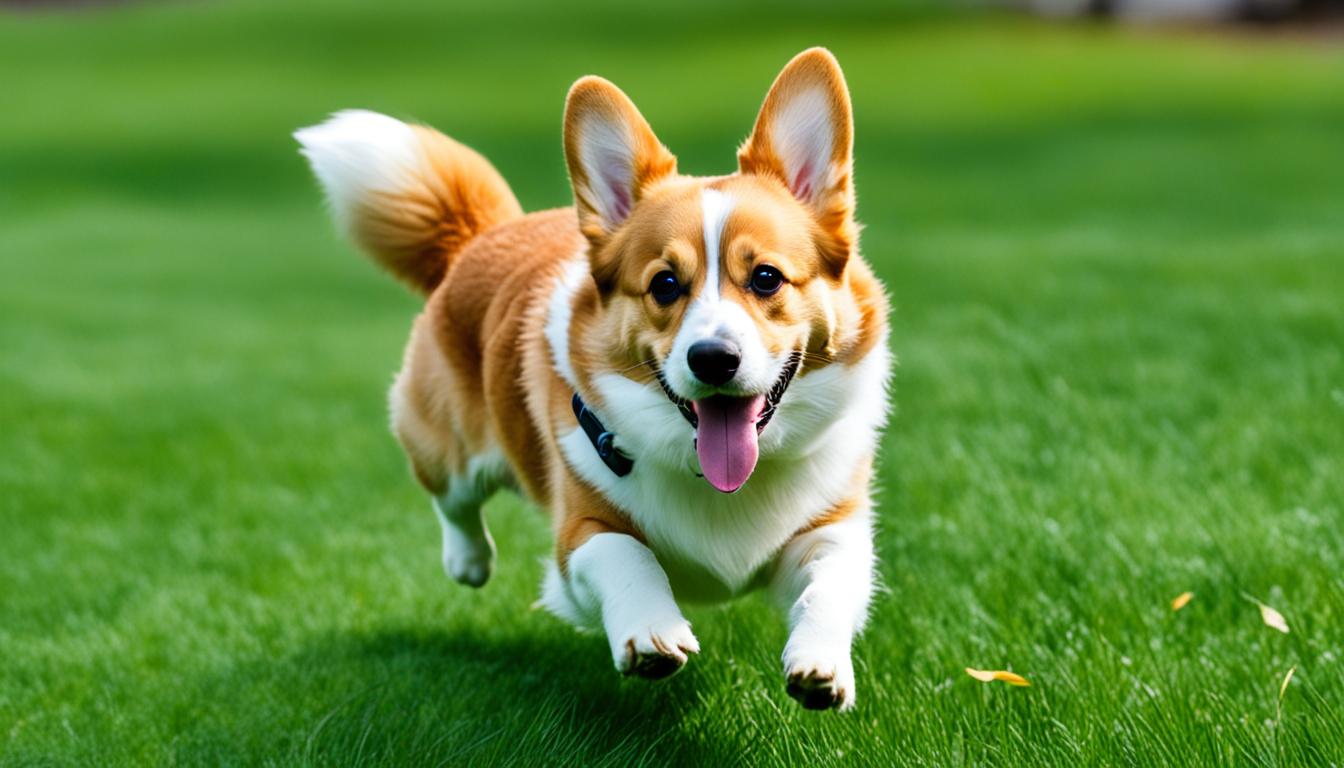

Why does exercise affect Corgi temperament? If you’ve ever wondered about the connection between a Corgi’s behavior and exercise, you’re in the right place. Corgis, despite their small size, have a history of herding and require plenty of physical activity to maintain a happy and well-balanced temperament. But how exactly does exercise impact their behavior?
In this article, we will delve into the impact of physical activity on Corgis and explore the benefits of exercise for their behavior. From understanding their exercise needs to socializing them for an ideal home environment, we’ll cover all aspects of Corgi temperament and how exercise plays a vital role.
Key Takeaways:
- Corgis are active and loving dogs that require regular exercise to prevent boredom and promote a well-balanced temperament.
- At least 1 hour of exercise per day is recommended to keep Corgis mentally stimulated and reduce the risk of behavioral issues.
- Outdoor activities like long walks and off-lead running in a secure environment are beneficial for Corgis’ physical and mental well-being.
- Socialization is crucial for Corgis to adapt to different experiences, people, and animals, promoting better behavior in various situations.
- Training Corgis with positive reinforcement techniques and introducing them to new experiences during their developmental stage is essential for their overall behavior and obedience.
How Much Exercise Does a Corgi Need?
Corgis are active and energetic dogs that require regular exercise to maintain their well-being and overall temperament. Engaging in physical activities not only benefits their physical health but also plays a vital role in shaping their behavior. To ensure that your Corgi remains happy and content, it’s important to establish a consistent exercise routine that meets their exercise requirements.
Corgis need at least 1 hour of exercise per day to fulfill their physical and mental stimulation needs. This is due to their history as herding dogs, which has instilled in them high stamina levels and a natural inclination for physical activity. Furthermore, providing regular exercise for your Corgi can have numerous positive effects on their behavior and overall temperament.
While Corgis may not be the best running partners, they thoroughly enjoy activities such as long walks and exploring the outdoors. These moderate-intensity exercises allow them to stretch their legs and expend energy, contributing to a more relaxed and well-behaved demeanor. Additionally, outdoor excursions provide mental stimulation by exposing Corgis to new sights, sounds, and smells, keeping their curious minds engaged and preventing boredom-related behavioral issues.
It’s important to note that exercise should be accompanied by proper training and mental stimulation. Corgis are intelligent dogs, and incorporating training sessions and puzzle games into their exercise routine can help improve their behavior and strengthen the bond between you and your furry companion.
The Benefits of Exercise for Corgi Behavior and Temperament
Regular exercise has a multitude of benefits for Corgi behavior and temperament:
- Improved Behavior: Regular physical activity helps prevent pent-up energy in Corgis, reducing the chances of them engaging in destructive behaviors, such as excessive chewing or digging. It also promotes mental well-being, which can decrease anxiety and stress-related behaviors.
- Enhanced Social Skills: Exercise provides opportunities for Corgis to interact with other dogs and people, improving their socialization skills and making them more comfortable in various social settings.
- Weight Management: Adequate exercise helps maintain a healthy weight in Corgis, which is crucial for their overall well-being and can prevent obesity-related health issues.
Remember, every Corgi is unique, and their exercise needs may vary based on factors such as age, health, and individual energy levels. It’s essential to consult with your veterinarian to determine the most suitable exercise routine for your Corgi and monitor their behavior and overall well-being regularly.
Corgi Temperament, Socializing, and Ideal Home Environment
Corgis are known for their loving and affectionate nature, forming strong bonds with their owners. They are generally friendly and get along well with children and other pets. However, their herding instincts can sometimes lead them to nip at the ankles of small children, making supervision and proper socialization essential.
Corgi energy levels and exercise play a crucial role in maintaining their well-balanced temperament. These active dogs require regular physical activity to prevent boredom and ensure a happy disposition. Keeping Corgis active through exercise, such as daily walks and play sessions, not only helps them expend their energy but also promotes mental stimulation, reducing the risk of behavioral problems.
Corgis are vocal and make excellent guard dogs, often alerting their owners to any potential threats. However, this may also result in excessive barking, especially when guests arrive. Proper training and positive reinforcement techniques can help Corgis understand acceptable barking behaviors and minimize excessive noise.
While Corgis can adapt to apartment living, they thrive when provided with some outdoor space to explore and roam. Having a secure and enclosed yard allows them to indulge in activities like running and playing off-leash, offering them the necessary physical and mental stimulation.
It’s important to note that Corgis don’t like being left alone for long periods of time. They thrive in the company of their owners and may exhibit undesirable behaviors when left unattended. However, with proper training, positive reinforcement, and gradually increasing their alone time, they can adjust to periods of solitude.
Corgis benefit greatly from early socialization. Introducing them to various experiences, people, and animals helps them develop into well-rounded individuals. Puppy socialization classes and regular outings to different environments can expose them to a variety of situations, enhancing their adaptability and behavior in different social settings.
Keeping Corgis active for better temperament and socialization skills is crucial for their overall well-being and happiness. Regular exercise coupled with positive social experiences creates a confident, well-behaved Corgi that enjoys various interactions and environments.
Key Points:
- Corgis are loving and form strong bonds with their owners.
- They generally get along well with children and other pets.
- Proper socialization and supervision are important due to their herding instincts.
- Regular exercise is essential for maintaining their well-balanced temperament.
- Training and positive reinforcement techniques help minimize excessive barking.
- Corgis can adapt to apartment living but prefer access to outdoor space.
- They don’t like being left alone for long periods and require training to adjust.
- Early socialization promotes their overall behavior and adaptability.
Section 3 Table: Corgi Personality Traits
| Trait | Description |
|---|---|
| Loving | Corgis are affectionate and enjoy being close to their owners. |
| Protective | They are vigilant and make good guard dogs, alerting their owners to potential threats. |
| Active | Corgis have high energy levels and require regular exercise to maintain a balanced temperament. |
| Vocal | They are vocal dogs and may bark to communicate or alert their owners. |
| Social | With proper socialization, Corgis are friendly and enjoy interacting with people and other animals. |
Training a Corgi
When it comes to training a Corgi, it’s essential to understand their intelligence and strong-willed nature. Positive reinforcement techniques are the most effective way to train them, offering praise and treats as rewards for good behavior. Corgis respond poorly to scolding or heavy-handed treatment, so it’s important to prioritize positive reinforcement.
Training sessions should be short, engaging, and varied to keep your Corgi interested and motivated. Introduce them to new experiences during their developmental stage to build their confidence and social skills. This exposure will help them adapt to different situations and environments, leading to better behavior.
A crucial aspect of Corgi training is crate training. This method helps them feel secure and provides a safe space for them to relax and sleep. It also aids in potty training and prevents destructive behavior when left alone. Gradually introduce your Corgi to their crate and make it a positive and comfortable space for them.
Basic Obedience Commands
Teaching basic obedience commands from an early age is fundamental in training your Corgi. Commands like “sit,” “stay,” “come,” and “leave it” establish boundaries and improve their behavior. Use consistent verbal cues and reward them when they respond correctly. This lays the foundation for more advanced training and helps create a well-behaved Corgi.
“Positive reinforcement techniques are the most effective way to train Corgis, offering praise and treats as rewards for good behavior.”
Training Methods for Corgis
Corgis thrive on mental stimulation, so incorporating interactive toys and puzzle games into their training routine can keep them engaged and prevent boredom. Training sessions should be a positive and enjoyable experience for both you and your Corgi.
- Use treats strategically: Reward your Corgi with treats for following commands correctly. Gradually decrease the frequency of treat rewards as they become more proficient.
- Clicker training: Clicker training is a popular method that uses a clicker to mark desired behaviors, followed by a treat reward. This technique helps Corgis understand which actions they should repeat.
- Socialization: Expose your Corgi to different environments, people, and animals from a young age to promote socialization. This helps them feel more comfortable in various situations, reducing the likelihood of fear-based aggression or anxiety.

Training Benefits for Corgis
The benefits of training a Corgi extend beyond improved behavior. Training strengthens the bond between you and your dog, fosters trust, and enhances their overall well-being. It also provides mental stimulation, which helps prevent destructive behaviors that may arise from boredom.
“Training strengthens the bond between you and your Corgi, fosters trust, and enhances their overall well-being.”
Investing time and effort into training your Corgi will lead to a happier and more well-behaved companion. Remember to prioritize positive reinforcement, introduce them to new experiences, and make training sessions engaging and rewarding. With patience, consistency, and love, your Corgi will thrive and become a valued member of your family.
Corgi Grooming and Shedding
Proper grooming is essential for maintaining the health and appearance of your Corgi’s coat. Corgis have a double coat that sheds, especially during the spring and autumn seasons. To keep their coat in top condition, regular brushing a few times a week is recommended.
During shedding seasons, a de-shedding tool or slicker brush can help remove loose fur and prevent it from accumulating around your home. Regular brushing not only helps minimize shedding but also promotes healthy hair growth and prevents matting. It’s important to be gentle and thorough, paying attention to the areas that are more prone to matting, such as behind the ears and under the belly.
While regular brushing can help manage shedding, professional grooming may be necessary every few months to maintain optimal coat health. Professional groomers can ensure proper trimming and grooming techniques specific to the Corgi breed.
| Grooming Task | Frequency |
|---|---|
| Brushing | A few times a week |
| Professional grooming | Every few months |
| Bathing | Only if dirty |
| Tooth brushing | Every week |
| Nail clipping | Every 4-6 weeks |
| Ear checks | Weekly |
In addition to brushing, other aspects of Corgi grooming include regular tooth brushing, nail clipping, and ear checks. Brushing your Corgi’s teeth weekly helps prevent dental issues such as tartar buildup and gum disease. Nail clipping should be done every 4-6 weeks to maintain proper nail length and prevent discomfort or injury. Regular ear checks help ensure your Corgi’s ears are clean and free from infection.
Grooming sessions also provide an opportunity to bond with your Corgi and monitor their overall health. It’s important to approach grooming with patience and positive reinforcement to create a pleasant experience for both you and your pet.

Tips for Corgi Coat Care:
- Use a de-shedding tool or slicker brush to manage shedding.
- Pay extra attention to areas prone to matting.
- Schedule regular grooming appointments every few months.
- Brush your Corgi’s teeth weekly and clip their nails regularly.
- Check your Corgi’s ears weekly for cleanliness and signs of infection.
“Regular grooming sessions not only keep your Corgi looking their best but also contribute to their overall well-being.”
Owning a Corgi: Cost and Health Considerations
When considering owning a Corgi, it is important to be aware of the associated costs and health concerns. While Corgis make wonderful companions, being prepared financially and understanding their potential health issues is essential to ensure their well-being.
Corgi Ownership Costs
The estimated monthly cost of owning a Corgi can be classified as medium. Corgis require routine expenses such as food, grooming, vaccinations, and preventive medications. Additionally, there is the cost of quality toys, training classes, and occasional boarding or pet-sitting services. It is advisable to budget for unexpected expenses, including emergency veterinary care, which can arise from time to time.
Corgi Health Concerns
Corgis are prone to certain health problems that potential owners should be aware of. These health issues include:
- Intervertebral Disc Disease (IVDD): This condition affects the spinal discs and can cause pain, nerve damage, and mobility issues.
- Hip Dysplasia and Elbow Dysplasia: These conditions involve abnormal development of the hip or elbow joints, leading to arthritis and joint pain.
- Von Willebrand’s Disease (vWD): Corgis may have a genetic predisposition to this bleeding disorder, which affects the blood’s ability to clot properly.
- Degenerative Myelopathy (DM): DM is a progressive disease that affects the spinal cord and can lead to weakness and paralysis.
Regular veterinary check-ups and genetic testing can help detect these conditions early on and initiate appropriate treatment or management plans. It is crucial to establish a good relationship with a knowledgeable veterinarian who can guide you through your Corgi’s health care journey.
Feeding and Exercise for Overall Health
Feeding a balanced diet is essential for a Corgi’s overall health and well-being. Providing them with high-quality dog food that meets their nutritional needs is important to maintain a healthy weight and avoid related issues like obesity and joint problems.
Regular exercise is equally important for Corgis. They are an active breed that requires daily physical activity to prevent weight gain, keep their muscles toned, and promote cardiovascular health. A combination of daily walks, playtime, and mental stimulation through training and puzzle games can help keep your Corgi happy and healthy.

Remember, a holistic approach to your Corgi’s health, including regular vet visits, a balanced diet, and a suitable exercise routine, can greatly contribute to their overall well-being and longevity.
Corgi Dietary Requirements
Corgis, like any other dog, require a balanced diet to ensure their overall health and well-being. Providing them with the right nutrients, vitamins, and minerals is essential for their growth and development. Corgi nutrition plays a crucial role in maintaining their optimal health.
When it comes to feeding a Corgi, it is highly recommended to opt for complete dog food. This ensures that they receive a balanced mix of proteins, carbohydrates, fats, and other essential nutrients. Complete dog food is specially formulated to meet the specific dietary needs of dogs, including Corgis.
For puppies, it is best to feed them multiple smaller servings per day as they have smaller stomachs and higher energy levels. This helps prevent overeating and aids in their digestion. As Corgis grow into adult dogs, feeding them twice a day is generally sufficient.
When determining the portion sizes for your Corgi, it is important to take into consideration factors such as their activity level, age, and metabolism. Corgis that are more active and energetic may require larger portion sizes, while older Corgis or those with slower metabolisms may need smaller portions to prevent weight gain.
| Life Stage | Daily Portion Size |
|---|---|
| Puppy | Varying portion sizes throughout the day to meet energy needs |
| Adult | Approximately 1 to 1.5 cups of dog food per day (divided into two meals) |
| Senior | Adjusted portion sizes based on activity level and metabolism |
It’s important to note that the specific portion sizes may vary depending on the brand of dog food you choose and your Corgi’s individual needs. Consult with your veterinarian for personalized feeding recommendations based on your Corgi’s age, weight, and overall health.

Remember, maintaining a healthy diet and portion control is key to keeping your Corgi at a healthy weight and promoting their overall well-being. Consult with a veterinarian or professional dog nutritionist to ensure that your Corgi’s nutritional needs are met.
Are Corgis Suitable for First-Time Owners?
Corgis are an excellent choice for first-time dog owners due to their affectionate nature, intelligence, and small size. These adorable pups have a reputation for being loving and loyal companions, making them perfect for individuals or families looking for a furry friend. Here’s why Corgis are a great fit for beginners:
Corgi Suitability for First-Time Owners
One of the key reasons why Corgis are suitable for first-time owners is their affectionate nature. These dogs thrive on human companionship and love to be a part of the family. Whether you’re single or have a household full of kids, a Corgi will be a devoted and loving member of your family.
Another advantage of Corgis as family pets is their adaptability. They can adjust to various living environments, including apartments or houses with small yards. As long as they receive regular exercise and mental stimulation, Corgis are generally happy and content.
Corgi Characteristics for Beginners
Intelligence is a prominent characteristic of Corgis, which makes them highly trainable. As a first-time owner, you’ll appreciate their ability to grasp commands and learn new tricks. With positive reinforcement techniques, consistency, and patience, you’ll soon have a well-behaved and obedient Corgi.
It’s important to note that Corgis require proper research, time dedicated to training and walking, and a good understanding of their exercise and socialization needs. The effort invested in these areas will set a solid foundation for a positive ownership experience.
Exercise-Induced Collapse in Corgis
Exercise-Induced Collapse (EIC) is an inherited neuromuscular disorder that affects Pembroke Welsh Corgis. This genetic disorder can impact the overall health and well-being of these beloved dogs.
Corgis affected by EIC may experience exercise intolerance, struggling to maintain their normal level of physical activity. After strenuous exercise, they may exhibit symptoms such as a wobbly and uncoordinated gait. These episodes can be distressing for both the Corgi and their owner.
EIC is caused by a mutation in the DNM1 gene. This gene is responsible for regulating certain proteins involved in the communication between nerve cells and muscle contraction. When the gene is mutated, it disrupts this communication, leading to the collapse of muscle function.
Genetic Testing for EIC
If you own a Corgi or are considering getting one, it’s important to be aware of the potential risk of EIC. Genetic testing can determine if a dog is a carrier or at risk for this disorder. By identifying dogs with the mutated gene, responsible breeders can make informed decisions about breeding pairs to reduce the incidence of EIC in future generations.
Symptoms and Management
Recognizing the symptoms of EIC is crucial for early detection and management. In addition to exercise intolerance and an unsteady gait, affected Corgis may show signs of weakness, muscle tremors, or even collapse during or after strenuous activity.
While there is no cure for EIC, careful management can help minimize the impact on a Corgi’s quality of life. This includes avoiding intense exercise or activities that could trigger an episode. Regular monitoring and working closely with a veterinarian can help ensure appropriate care and support for dogs with EIC.
It’s important for potential Corgi owners to be informed about genetic disorders like EIC and select a reputable breeder who prioritizes the health and well-being of their dogs. By choosing responsible breeding practices, we can work towards managing and preventing EIC in Pembroke Welsh Corgis.
EIC at a Glance
| Genetic Disorder | Symptoms | Management |
|---|---|---|
| Exercise-Induced Collapse (EIC) | Exercise intolerance Wobbly and uncoordinated gait Weakness and muscle tremors |
Genetic testing for early detection Avoidance of intense exercise Regular monitoring and veterinary care |
Training Your Corgi
Corgis are highly intelligent and eager to please, making them a joy to train. Whether you’re teaching them basic obedience commands or more advanced tricks, consistency and positive reinforcement techniques are key to successful training.
Basic Obedience Training
When training your Corgi, start with the basics such as sit, stay, and come. Use treats and praise to reward them for following commands correctly. Break training sessions into short, focused periods to keep them engaged and avoid overwhelming them.
Crate Training
Crate training is an important aspect of Corgi training as it provides them with a safe and secure space of their own. Introduce the crate gradually and make it a positive experience by offering treats and praise. This helps them understand that the crate is a comfortable and relaxing place.
Remember, consistency is key when it comes to crate training; establishing a routine will help your Corgi feel more secure.
Socialization
Socialization is vital for Corgis to ensure they are comfortable and well-behaved in various situations. Expose them to different environments, people, and animals from an early age to help them develop confidence and good social skills.
Gradually expose your Corgi to new experiences and use positive reinforcement to reward calm and friendly behavior.
Channeling Energy through Exercise
Corgis have high energy levels and need regular exercise to keep them mentally and physically stimulated. Incorporate daily walks, play sessions, and puzzle toys into their routine to prevent boredom and channel their energy in a positive way.
Training Techniques for Corgis
When training your Corgi, keep these techniques in mind:
- Use positive reinforcement: Reward good behavior with treats and praise.
- Be patient: Corgis may take time to learn new commands, so be patient and consistent.
- Break training into short sessions: Keep training sessions focused and avoid overwhelming your Corgi.
- Seek professional help if needed: If you’re having difficulty with training, consider consulting a professional dog trainer for guidance.
Corgi Trainability
Corgis are known for their high trainability. With the right approach and consistent training, they can quickly pick up commands and tricks. Remember to keep training sessions fun and engaging to maintain their interest and motivation.
Comparison of Training Techniques
| Training Technique | Pros | Cons |
|---|---|---|
| Positive Reinforcement |
|
|
| Scolding or Punishment |
|
|
| Clicker Training |
|
|
Conclusion
Corgis are active, loving dogs that thrive on physical exercise and mental stimulation. Regular exercise is essential for maintaining their well-balanced temperament and preventing behavioral issues. By providing them with a consistent exercise routine, training, and socialization, you can ensure a happier and more well-behaved Corgi.
In addition to exercise, it is important to schedule regular vet check-ups and consider genetic testing to detect and manage potential health issues. With the right care and attention, Corgis can lead long and healthy lives.
Corgis make wonderful companions for individuals and families who are willing to commit to their exercise and mental stimulation needs. Their affectionate nature, intelligence, and adaptability to different environments make them an excellent choice for first-time owners and experienced dog lovers alike. If you are looking for a loyal and playful companion, the Corgi is the perfect choice.
FAQ
Why does exercise affect Corgi temperament?
How much exercise does a Corgi need?
How does exercise improve Corgi behavior?
How does exercise impact Corgi energy levels and temperament?
How should I socialize my Corgi to improve their temperament?
What training methods work best for Corgis?
How can I groom my Corgi to maintain their coat?
What are the health considerations for owning a Corgi?
What should I feed my Corgi and how much?
Are Corgis suitable for first-time owners?
What is exercise-induced collapse in Corgis?
How trainable are Corgis?
What is the impact of exercise on Corgi behavior?
Source Links
- https://www.myfamilyvets.co.uk/corgi-breed-guide
- https://www.pawprintgenetics.com/products/tests/details/99/?breed=41
- https://barxparx.com/pembroke-welsh-corgi-dog-breed-traits-facts/

Carlos is the passionate founder and primary author behind “CorgisCorner.com,” a website dedicated to all things related to the beloved Corgi breed. Born and raised in a small town known for its strong sense of community and love for animals, Carlos developed a deep affection for Corgis from a young age. This love was sparked by his childhood companion, a spirited and loyal Corgi named Toby, who was a constant source of joy and friendship.