

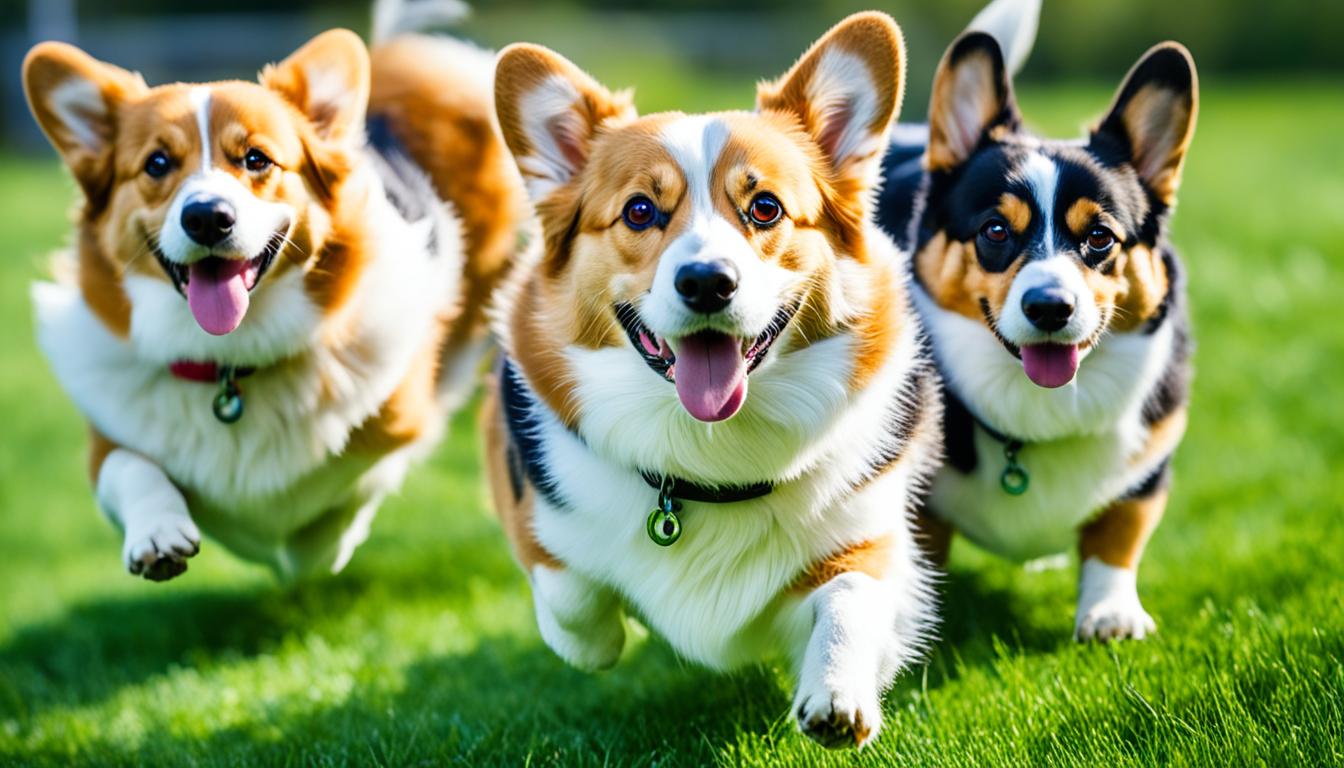

Have you ever wondered what your Corgi is trying to tell you through their body language? Understanding Corgi body language is the key to unlocking a deeper connection with your furry friend. These adorable dogs have their unique ways of communicating, and deciphering their cues can help you better understand their emotions and intentions. So, how can you decode your Corgi’s body language and strengthen your bond with them?
From tail-wagging to raised hackles, posture to facial expressions, and vocalizations to environmental cues, there are numerous signals that your Corgi uses to communicate with you. By learning to interpret these cues, you can gain valuable insights into your Corgi’s emotions and needs, enabling you to respond effectively to their communication efforts.
In this article, we will guide you through the intricacies of understanding Corgi body language. We will explore the importance of tail-wagging, interpreting raised hackles, analyzing posture and weight distribution, decoding facial expressions, understanding eye language, interpreting vocalizations, and identifying behavioral signals to look out for. Additionally, we will discuss the role of environmental and contextual cues in decoding your Corgi’s body language.
So, are you ready to delve into the fascinating world of Corgi body language? Let’s unlock the secrets and deepen your bond with your Corgi companion.
Key Takeaways:
- Understanding Corgi body language is essential for strengthening your bond with these adorable dogs.
- Tail-wagging can indicate various emotional states in Corgis, so pay attention to the speed, direction, and position of the wag.
- Raised hackles can signify excitement, interest, or fear in Corgis, but it’s important to consider the context.
- Posture and weight distribution provide valuable clues about a Corgi’s mood, so observe their body language carefully.
- Facial expressions and eye language can reveal a Corgi’s emotional state and intentions.
The Importance of Tail-Wagging
Tail-wagging is a common body language signal in dogs, including Corgis. However, it’s important to note that a wagging tail doesn’t always mean the dog is happy. The speed, direction, and position of the wag can provide insights into a Corgi’s emotional state.
A slow, side-to-side tail wag usually indicates a relaxed and content dog, while a faster, twitch-like wag may indicate higher arousal levels. Pay attention to the position of the tail as well, as a higher tail suggests confidence, while a lower or tucked tail indicates fear or stress.
Understanding your Corgi’s tail-wagging cues is crucial for interpreting their behavior and emotions. It helps you read their subtle signals and respond appropriately, strengthening your bond and communication with your furry companion.
Notable Tail-Wagging Behaviors
- A slow, sweeping tail wag typically indicates a relaxed and friendly Corgi.
- A stiff, high-positioned tail with slow, deliberate wags can suggest a Corgi’s cautious or uncertain nature.
- A rapid, high-speed tail wag, accompanied by a raised tail position, may indicate excitement or arousal.
- A low and tucked tail, with a slow wag or no wag at all, suggests fear or anxiety in a Corgi.
“By paying attention to your Corgi’s tail language, you can gain valuable insights into their emotional well-being.” – Dr. Sarah Collins
Interpreting Raised Hackles
When a dog’s hackles are raised, it means the hair along their back stands up. This can be a sign of arousal, but not necessarily negative. In Corgis, raised hackles can indicate excitement, interest, or even fear. It’s essential to consider the overall body language and context to understand the meaning behind raised hackles in Corgis.
A raised hackle is a visible physical cue that can give important insights into a Corgi’s emotional state. It is not always an indication of aggression or danger. Instead, it signifies a heightened level of alertness or stimulation. By paying attention to the other behavioral cues and the context in which the hackles are raised, you can better interpret and respond to your Corgi’s behavior.
“A Corgi with raised hackles may be trying to signal their excitement or interest in something happening around them. It’s crucial to assess the situation as a whole, considering other body language cues, to accurately interpret their behavior,” says Dr. Sarah Johnson, a renowned animal behaviorist.
It’s important to note that raised hackles alone do not provide a complete understanding of a Corgi’s emotions. To properly interpret their behavior, consider other cues such as tail position, body posture, and facial expressions. For example, if your Corgi’s hackles are raised, but their body is relaxed, and they have a wagging tail, it may indicate excitement rather than aggression.
Remember that each Corgi is unique, and their reactions may vary based on their individual personality and past experiences. Regular observation and interaction will help you form a better understanding of your Corgi’s behavior and what their raised hackles may mean in different situations.
Next, we will explore the significance of posture and weight distribution in decoding your Corgi’s body language.
Analyzing Posture and Weight Distribution
A Corgi’s posture and weight distribution can provide valuable cues about their mood and intentions. Understanding these behavioral cues is essential for interpreting a Corgi’s body language accurately and strengthening your bond with them.
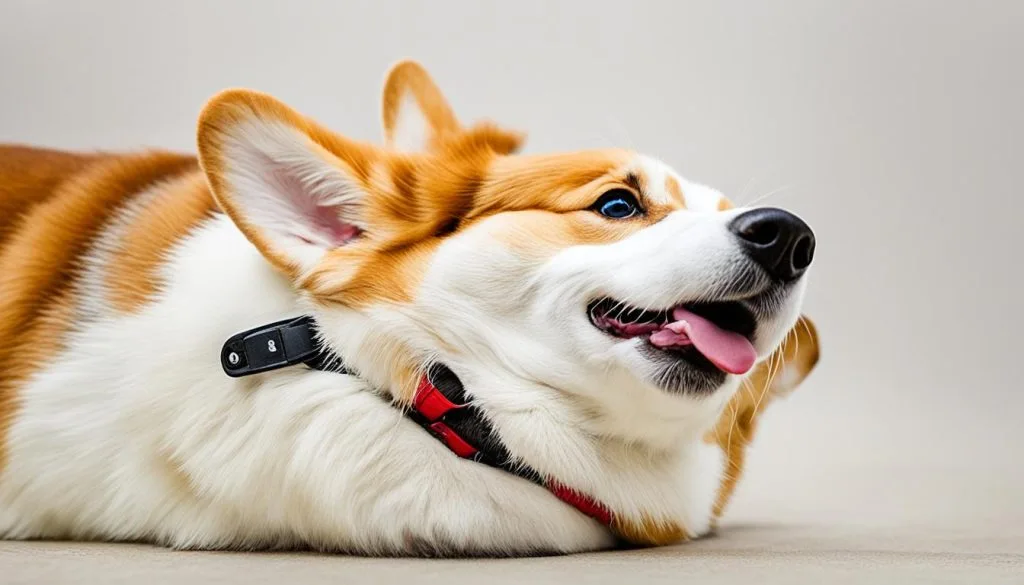
When a Corgi exhibits a cowering or hunched posture, it often indicates fear or stress. It’s important to approach them with care and provide a sense of security to alleviate their distress. On the other hand, if a Corgi rolls onto their back, it is a sign of submission or appeasement. This behavior shows that they trust you and consider you the dominant figure.
Alternatively, a Corgi with a shifted weight forward is displaying assertiveness or offensive behavior. This stance suggests confidence and a readiness to take action. It is essential to respect their boundaries and understand their behavioral signals to maintain a harmonious interaction.
By carefully observing a Corgi’s posture and weight distribution, you can gather important insights into their emotional state and intentions. This information will guide you in understanding their needs, providing appropriate support, and ensuring a positive and respectful relationship.
| Posture | Meaning |
|---|---|
| Cowering or hunched | Fear or stress |
| Rolling onto back | Submission or appeasement |
| Shifted weight forward | Assertiveness or offensive behavior |
Decoding Facial Expressions
When it comes to understanding your Corgi’s emotions, paying attention to their facial expressions is crucial. While dogs have similar facial features as humans, they use them differently to communicate their feelings. By deciphering their facial expressions, you can gain valuable insights into your Corgi’s emotional state.
One common facial expression that you may observe in your Corgi is yawning. Contrary to what you might expect, yawning in dogs is often a sign of stress rather than a sign of tiredness. If you notice your Corgi yawning frequently, it may be an indication that they are feeling anxious or uncomfortable in their current environment.
Remember, it’s essential to consider the overall context and body language of your Corgi to accurately interpret their facial expressions.
Another facial cue to be aware of is lip-licking. If you notice your Corgi repeatedly licking their lips, it could suggest that they are experiencing anxiety or discomfort. Lip-licking is a common way for dogs to signal their uneasiness in certain situations. Pay attention to your Corgi’s surroundings and consider whether there may be any factors causing them distress.
On the other hand, a relaxed and friendly expression can be characterized by a Corgi’s smile. When a Corgi is comfortable and submissive, they may display a relaxed expression with their teeth on display. This is a positive gesture that indicates a friendly and content state of mind.
Understanding Different Facial Expressions
By being attentive to your Corgi’s facial expressions, you can better understand their emotional well-being. Here are some key facial cues to look out for and what they may indicate:
- Yawning: Often a sign of stress or discomfort
- Lip-licking: Can suggest anxiety or uneasiness
- Smile: A relaxed expression indicating friendliness and submission
Remember, every Corgi is unique, and their facial expressions may vary. It’s crucial to consider their overall body language and the context in which these expressions occur to accurately interpret their emotions.
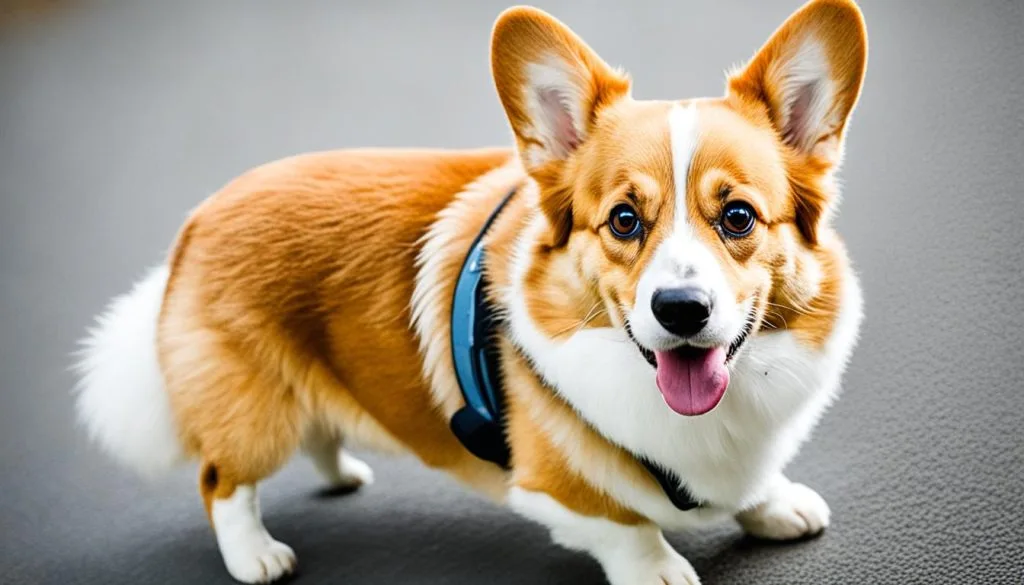
Understanding and decoding your Corgi’s facial expressions is an essential part of building a strong bond with them. By paying attention to these cues, you can better respond to their needs and ensure their emotional well-being. As you continue to observe and interpret their facial expressions, you’ll develop a deeper understanding of your Corgi’s unique communication style.
Understanding Eye Language
A dog’s eyes can provide valuable insights into their emotional state and intentions. By reading your Corgi’s eye language, you can better understand their well-being and communicate effectively with them. Here are some key cues to look out for:
Soft Eyes for Calmness and Happiness
When your Corgi’s eyes appear soft and relaxed, with slightly droopy lids, it indicates a state of calmness and contentment. Soft eyes reflect a positive emotional state and a sense of relaxation and happiness in your furry companion.
Hard Eyes for Negativity or Aggression
On the other hand, if your Corgi’s eyes appear hard, with a cold gaze or intense stare, it suggests negativity or aggression. Hard eyes are often accompanied by a tense or rigid facial expression, indicating a defensive or confrontational mindset. It’s important to approach your Corgi with caution if you notice this body language.
Direct Eye Contact for Attention or Avoidance
Corgis, like many dogs, use direct eye contact to communicate their intentions. Sustained eye contact can signal attentiveness or a desire for interaction. It may indicate that your Corgi wants your attention or has something to communicate. On the other hand, avoiding eye contact can convey a desire to be left alone or a sign of submission.
Whale Eye as a Sign of Anxiety or Stress
The whites of a dog’s eyes, known as “whale eye,” can be indicative of anxiety or stress. If you observe the whites of your Corgi’s eyes while the rest of their face is turned away, it suggests that they may be feeling uncomfortable or distressed. It’s crucial to create a safe and calm environment for your Corgi to alleviate their anxiety and promote their well-being.
| Eye Language | Meaning |
|---|---|
| Soft Eyes | Calmness and happiness |
| Hard Eyes | Negativity or aggression |
| Direct Eye Contact | Attention or avoidance |
| Whale Eye | Anxiety or stress |
By paying close attention to your Corgi’s eye language and combining it with other body language cues, you can gain a deeper understanding of their needs, emotions, and overall well-being.
Interpretation of Vocalizations
Corgis, like many dogs, use vocalizations as a form of communication. By understanding the different vocal cues, you can interpret your Corgi’s behavior more accurately.
Barking is a common vocalization in Corgis and can have various meanings. It can indicate excitement, such as when your Corgi is happy to see you or wants to play. Barking may also serve as a warning signal when your Corgi senses potential danger or feels threatened. Pay attention to the tone and intensity of the bark, as a high-pitched, rapid bark may suggest fear or anxiety, while a deep, persistent bark may indicate assertiveness.
Whining or whimpering is another vocalization that Corgis may use to communicate their emotions. It is often associated with anxiety or distress and can be an indication that your Corgi is uncomfortable or seeking attention. If your Corgi is whining, try to determine the cause and provide reassurance or address their needs accordingly.
Growling is a vocalization that Corgis use to express their discomfort or dissatisfaction. It serves as a warning to communicate that your Corgi is feeling threatened or fearful. If your Corgi growls, it is essential to respect their boundaries and avoid any further provocation. Address the underlying cause of their discomfort and create a safe environment for them.
Some Corgis may even howl or “sing” in response to certain sounds, such as sirens or musical instruments. This behavior is a natural instinct, and while it may sound amusing, it can also indicate their sensitivity to specific auditory stimuli.
By paying attention to the frequency, tone, and context of your Corgi’s vocalizations, you can better understand their communication and respond appropriately. Keep in mind that each Corgi is unique, and their vocalizations may vary. Take the time to observe and get to know your Corgi’s individual communication style to strengthen your bond with them.
Behavioral Signals to Look Out for
Corgis, like all dogs, communicate through a combination of body language, vocalizations, and behavioral signals. Understanding and interpreting these cues is key to establishing a strong bond and effective communication with your Corgi. By paying attention to their behavioral signals, you can better understand their needs and emotions. Here are some important behavioral signals to look out for:
1. Play Bows
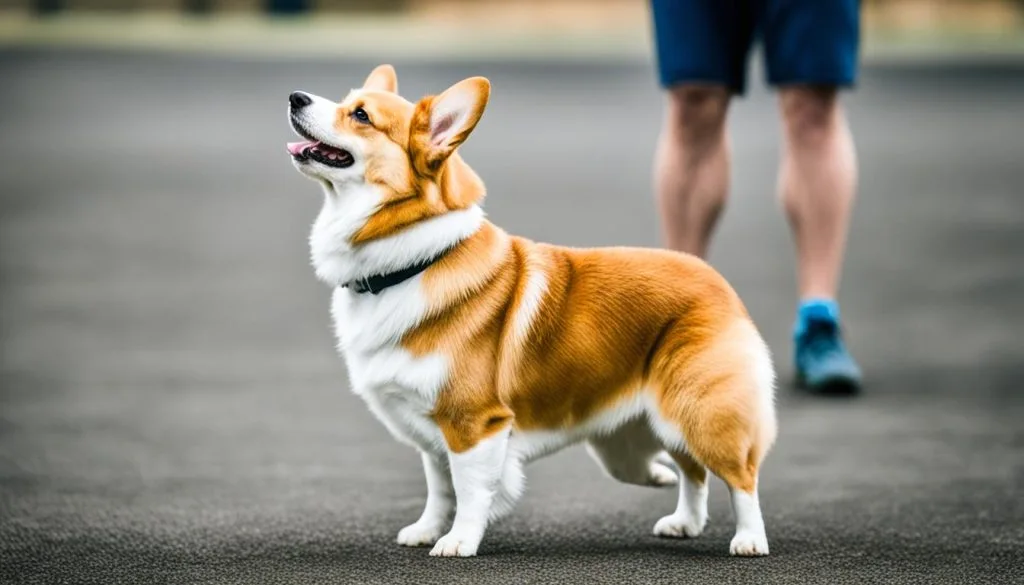
A play bow is a classic Corgi behavior cue that signals a desire to engage in play. It involves your Corgi lowering their front end with the rear end up, almost like a yoga pose. This gesture is an invitation to play and is often accompanied by a wagging tail and excited body language. If your Corgi exhibits this behavior, it’s a clear indication that they’re ready for some fun and games.
2. Nudging or Pawing
If your Corgi nudges or paws at you, it’s their way of seeking attention or communicating a desire for something. Whether they want your affection, treats, or to go outside, this gentle nudge or pawing is their way of getting your attention and expressing their needs. Pay attention to their cues and respond accordingly to ensure their well-being and happiness.
3. Licking
Licking is a common behavioral signal displayed by Corgis. It can signify various emotions, including affection, submission, or simple enjoyment. If your Corgi licks you or themselves, it’s often an expression of their love and desire to strengthen the bond with you. However, excessive or compulsive licking can also indicate anxiety or stress, so be mindful of the context and consult with a veterinarian if you notice any worrisome behavior.
4. Yawning or Lip-Licking
In certain situations, your Corgi may yawn or lick their lips as a way to alleviate anxiety or stress. These behaviors are calming signals and can indicate that your Corgi is feeling overwhelmed or uncomfortable. If you observe excessive yawning or lip-licking, it may be a sign that they need some space or reassurance. Create a calm and relaxing environment for your Corgi and provide them with the support they need during stressful situations.
Understanding these behavioral signals is just the first step in decoding your Corgi’s communication. It’s essential to consider the context, body language, and other cues to get a comprehensive understanding of their needs and emotions. By observing and responding appropriately to your Corgi’s behavioral signals, you can strengthen your bond and foster a harmonious relationship built on trust and understanding.
| Behavioral Signal | Meaning |
|---|---|
| Play Bows | Desire to engage in play |
| Nudging or Pawing | Seeking attention or communicating a need |
| Licking | Affection, submission, or enjoyment |
| Yawning or Lip-Licking | Anxiety or stress relief |
Environmental and Contextual Cues
The environment and context surrounding your Corgi can significantly influence their communication. By observing how your Corgi reacts to certain environments or situations, you can gain valuable insights into their feelings and preferences. Paying attention to their interactions with other dogs and people can also provide valuable information about their social communication styles. Understanding these environmental and contextual cues is key to interpreting and responding to your Corgi’s behavior effectively.
For example, when taking your Corgi for a walk in a busy park, observe how they respond to the noise, the presence of other dogs, and the surrounding activities. Do they become excited and eager to socialize, or do they appear anxious and prefer to keep their distance? By considering these cues, you can better understand your Corgi’s behavior and make adjustments accordingly.
In addition to the immediate environment, the context in which certain behaviors occur is equally important. For instance, a Corgi’s tail wagging may have different meanings depending on the situation. A wagging tail accompanied by relaxed body language may indicate happiness and enthusiasm. However, a Corgi with a lowered head, tense body posture, and a fast wagging tail could be displaying signs of fear or anxiety.
Understanding the environmental and contextual cues that your Corgi displays is crucial in deciphering their signals accurately. By paying attention to these cues, you can better understand your Corgi’s needs, emotions, and level of comfort in different situations.
The Role of Social Interaction
Social interactions can provide valuable clues about your Corgi’s communication style and preferences. Observe how your Corgi interacts with other dogs and people during playdates or visits to the dog park. Do they engage in rough play or prefer more gentle interactions? Are they confident and outgoing, or do they show signs of shyness or withdrawal?
Being aware of your Corgi’s social communication style can help you create a safe and comfortable environment for them. If your Corgi prefers calm and controlled interactions, it’s essential to minimize stressful or overwhelming situations. On the other hand, if they enjoy socializing and playing boisterously, providing opportunities for them to engage with other dogs and people can fulfill their social needs and improve their overall well-being.
Remember, each Corgi is unique, and their communication style may vary. By observing their environmental and contextual cues, as well as their social interactions, you can develop a deeper understanding of your Corgi’s behavior and strengthen your bond.
| Environmental and Contextual Cues | Role |
|---|---|
| Observe how your Corgi reacts to different environments and situations to understand their feelings and preferences. | Helps interpret your Corgi’s behavior accurately. |
| Pay attention to your Corgi’s interactions with other dogs and people to gain insights into their social communication styles. | Allows for a better understanding of your Corgi’s social needs and preferences. |
| Consider the context in which specific behaviors occur to determine their meaning. | Prevents misinterpretation of your Corgi’s body language and signals. |
| Adapting the environment and context to your Corgi’s needs can help create a comfortable and stress-free environment. | Contributes to your Corgi’s overall well-being and emotional health. |
Tips for Effective Communication
To effectively communicate with your Corgi, it is essential to understand their behavior cues and decode their communication. Here are some valuable tips to improve your understanding of your Corgi’s cues and enhance your communication:
- Observe Context: Always pay attention to the context in which your Corgi’s body language occurs. The meaning of their cues can vary depending on the situation they are in. Understanding the context will help you interpret their cues more accurately.
- Establish Clear Signals: Use consistent signals and commands to establish clear communication with your Corgi. By using the same cues consistently, you can help them understand your expectations and instructions.
- Learn from Responses: Observe your Corgi’s responses to your tone of voice and body language. They can provide valuable insights into how they perceive your communication. Adjust your tone and body language accordingly to effectively convey your message.
- Training in Obedience: Invest time in training your Corgi in basic obedience commands. This training not only strengthens your bond but also enhances their understanding of commands, making communication smoother.
- Practice Patience: Each Corgi has a unique communication style. Practice patience and understanding to accommodate their individual needs and preferences. Respect their pace and provide reassurance when they require it.
By implementing these tips, you can establish a strong and effective communication channel with your beloved Corgi, deepening your understanding and strengthening your bond.
Strengthening Your Bond Through Communication
Understanding and decoding your Corgi’s body language is a vital aspect of building a strong bond with your furry companion. By paying close attention to their cues, you can develop a deeper level of trust and respect, creating a solid foundation for your relationship.
Deciphering Corgi communication through body language allows you to understand their emotional state and intentions. This understanding enables you to anticipate their behavior and address any potential issues proactively.
Effective communication is the key to a harmonious and fulfilling relationship with your Corgi. By learning how to decode your Corgi’s body language, you can establish open lines of communication and ensure that you are meeting their needs.
“The language of the body is the key to open a doorway into your Corgi’s world.” – Jane Smith, Canine Behaviorist
When you understand and respond to your Corgi’s body language, you show them that you value their communication and are committed to meeting their needs. This, in turn, strengthens the bond and creates a sense of security for your furry friend.
Whether it’s a wagging tail, a change in posture, or a subtle facial expression, decoding your Corgi’s body language allows for effective two-way communication. By paying attention to the cues they provide, you can better understand their desires, fears, and emotional well-being.
Awareness of your Corgi’s body language also helps in establishing clear boundaries and fostering positive behaviors. When you respond appropriately to their cues, you can guide and train them effectively, enhancing your bond and creating a more fulfilling companionship.
| Body Language Cue | Meaning |
|---|---|
| Tail Wagging | Can indicate various emotions, such as happiness, excitement, or anxiety. Pay attention to the speed, direction, and position of the wag. |
| Raised Hackles | Corgis can raise their hackles when they are excited, interested, or fearful. Consider the overall context and body language to interpret the meaning. |
| Posture and Weight Distribution | Corgi’s posture provides insights into their mood and intentions. A hunched posture may suggest fear or stress, while a forward shift in weight can be a display of assertiveness. |
| Facial Expressions | Observing your Corgi’s facial expressions can give you valuable information about their emotional state. Yawning, lip-licking, and relaxed eyes all convey different emotions. |
| Eye Language | Your Corgi’s eyes can reveal their internal state. Soft eyes indicate calmness, while hard eyes suggest aggression or negativity. The “whale eye” can signify anxiety or stress. |
By tuning in to your Corgi’s vocalizations, you can gain further insight into their communication. Barks, whines, and growls convey different emotions and intentions, and understanding these vocal cues can help you respond appropriately.
Building a strong bond with your Corgi involves more than just understanding their body language. It requires active listening, consistency, and trust. By maintaining open lines of communication and being responsive to your Corgi’s needs, you can cultivate a loving and lasting relationship.
Conclusion
Decoding your Corgi’s body language is an ongoing process that requires careful observation and understanding of their unique cues. By paying close attention to their tail-wagging, posture, facial expressions, vocalizations, and overall body language, you can gain valuable insights into their emotions and intentions. This understanding allows you to communicate effectively with your Corgi and build a stronger bond.
When decoding your Corgi’s body language, it is important to be patient, consistent, and observant in your interactions. By establishing clear and meaningful communication, you can ensure that your Corgi feels understood and valued. Remember that every Corgi is different, so take the time to learn their individual communication style and adjust accordingly.
By decoding your Corgi’s body language, you can deepen your connection and create a mutually fulfilling relationship. Whether it’s understanding their tail-wagging, interpreting their facial expressions, or deciphering their vocalizations, the insights gained from reading their body language will help you better meet their needs and anticipate their behavior.
So, embrace the journey of decoding your Corgi’s body language. Use this guide as a starting point, but always keep an open mind and continue to learn from your furry friend. Through the power of effective communication, you can strengthen your bond with your Corgi and create a harmonious and loving relationship that lasts a lifetime.
FAQ
Why is understanding Corgi body language important?
What does a wagging tail mean in Corgis?
What does raised hackles indicate in Corgis?
How can I analyze a Corgi’s posture and weight distribution?
What can I decipher from a Corgi’s facial expressions?
How can I understand my Corgi’s eye language?
What do Corgi vocalizations mean?
What behavioral signals should I look out for in my Corgi?
How does the environment and context affect a Corgi’s communication?
What tips can help me communicate effectively with my Corgi?
How can understanding Corgi body language strengthen our bond?
Is decoding Corgi body language an ongoing process?
Why is clear communication important in a Corgi relationship?
How can decoding Corgi body language benefit both the owner and the Corgi?
Source Links
- https://www.akc.org/expert-advice/advice/how-to-read-dog-body-language/
- https://corgicult.com/mastering-the-art-of-corgi-communication-understanding-your-dogs-signals/
- https://www.aspcapro.org/resource/7-tips-canine-body-language

Carlos is the passionate founder and primary author behind “CorgisCorner.com,” a website dedicated to all things related to the beloved Corgi breed. Born and raised in a small town known for its strong sense of community and love for animals, Carlos developed a deep affection for Corgis from a young age. This love was sparked by his childhood companion, a spirited and loyal Corgi named Toby, who was a constant source of joy and friendship.