

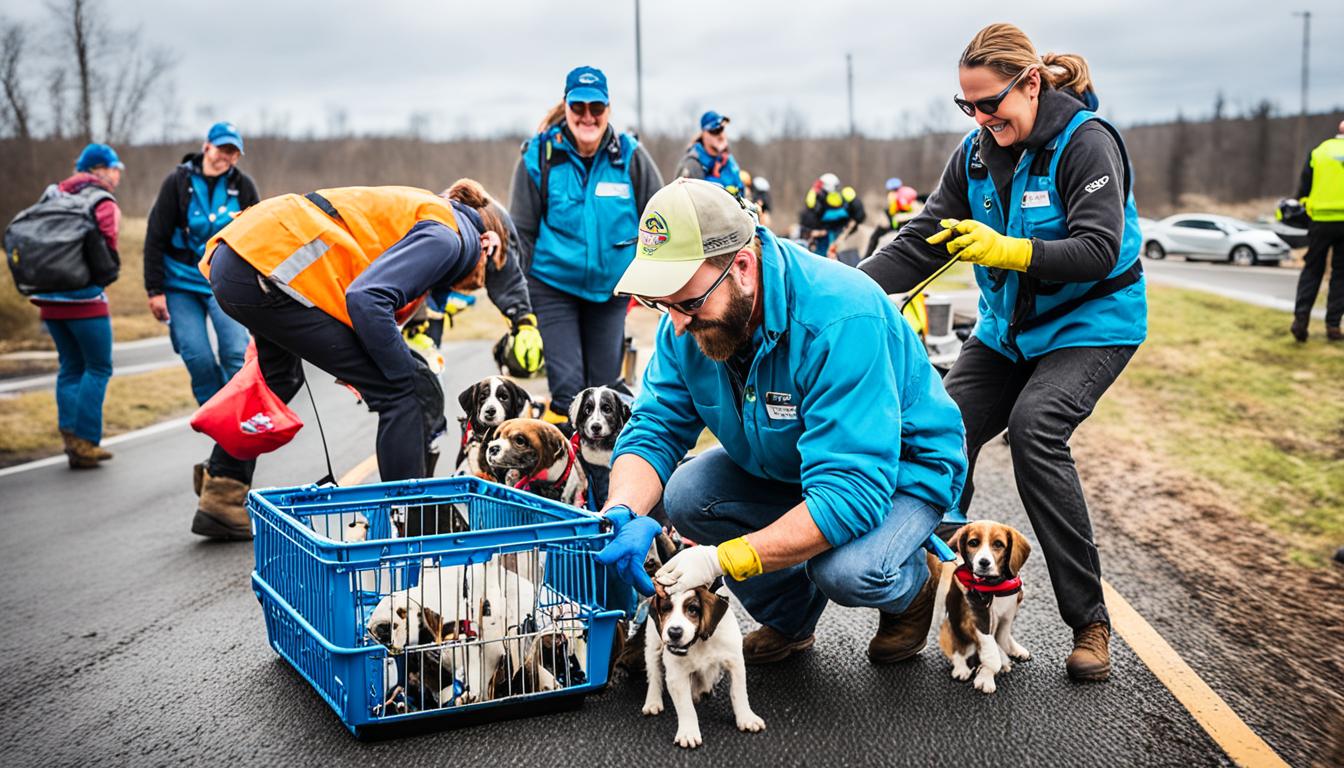

Have you felt the joy of connecting with an animal who needs help? Their eyes shine bright with hope when they feel safe and loved. It’s a powerful feeling that pulls at your heart.
I’ll never forget meeting Bella, a sweet short-legged dog with a tough past. Her eyes were full of hope and worry. When she sniffed my hand, it was like she was learning to trust again. Right then, I knew I had to help her find a loving home.
This experience ignited my passion for animal rescue. It’s a way to truly change the lives of these cute short-legged friends. I’m inviting you to join this cause with me.
Key Takeaways:
- Volunteer your time at local animal shelters or rescue organizations to support animal welfare and find homes for short-legged dogs in need of adoption.
- Consider pet adoption as a meaningful way to contribute to animal rescue efforts and provide a loving home for a short-legged dog.
- Participate in charity fundraisers to raise vital funds for rescue organizations, covering the costs of medical care and supplies for rescued animals.
- Support animal welfare initiatives to ensure that all animals, regardless of breed or age, are treated with compassion and find loving homes.
- By adopting or fostering a short-legged dog, you can make a difference and provide a safe and nurturing environment for them until they find their forever home.
Ways to Get Involved in Animal Rescue
Do you care deeply about animal welfare? Are you searching for ways to help animals in need? Here are some options for you. You can make a big difference, whether it’s helping short-legged dogs or supporting rescue groups. Let’s explore how you can help:
Become a Volunteer
Becoming a volunteer is a great way to help animal rescue. Animal shelters and rescue groups always need more hands. By volunteering, you could be doing things such as:
- Walking Dogs: This helps the animals get exercise and meet new friends.
- Socializing Animals: You can play and spend time with them. This helps them feel safe and loved.
- Assisting with Adoption Events: You can help animals find their forever homes by helping at events.
Your time and effort can make a huge difference. It helps animals waiting for their forever homes.
Consider Pet Adoption
Adopting a pet is another great way to help. Instead of buying one, you can adopt. There are many animals, like short-legged dogs, that need homes. It’s a special thing to do.
Adopting helps in two ways. It gives an animal a home and makes room for another in need. It’s a loving act that also brings happiness to your family.
Remember, adopting a pet is big. Make sure you’re ready to care for them forever. It means giving them love and meeting their needs all their life.
“When you adopt, you not only save a life but also gain a forever furry friend who will bring joy and unconditional love to your home.” – Pet Lover
Support Rescue Organizations
You can also help by giving your time, things, or money to rescue groups. These organizations need donations for animal care costs. Every little bit helps.
Think about getting involved in charity events to help raise money. Your support can make a real difference in many animals’ lives.
Foster a Short-Legged Dog
If you’re able, fostering a short-legged dog can be very impactful. Foster homes give temporary loving care. It’s a way to prepare them for their forever home.
By fostering, you provide a home, socialize the dog, and give personalized care. It helps them adjust easier to their new permanent home.
Whether volunteering, adopting, helping rescues, or fostering, your actions help improve animal welfare. Together, we can ensure animals are loved and find their forever homes.
Supporting Rescue Organizations through Fundraisers
Organizing or participating in charity fundraisers is a powerful way to help adorable short-legged friends. These events generate essential funds for rescue organizations and animal shelters. They cover medical care, food, and supplies for the rescued animals.
Fundraisers are key in helping rescue groups and shelters. They ensure these heroes have what they need to save and care for animals. It gives animals a second chance at life.
“Fundraisers are a lifeline for rescue organizations and animal shelters. They help us cover the expenses of rescuing and caring for animals, including veterinary bills, rehabilitation, and daily care. Without the support of fundraisers, many animals would not have a chance at finding loving homes.”
By joining charity fundraisers, you directly help short-legged friends waiting for forever homes. Every donation matters. Your contribution can significantly improve these animals’ lives.
Getting involved in charity fundraisers is easy. You can start your own event like a bake sale, a walkathon, or an online campaign. Or join one organized by rescue groups or shelters in your area.
Making a Difference Together
Helping rescue organizations through fundraisers makes you part of a caring community. Your support gives these groups the necessary resources for their important mission.
Together, let’s create a brighter future for adorable short-legged friends by supporting rescue organizations through charity fundraisers.
The Importance of Animal Welfare
Animal welfare is key in rescuing short-legged dogs. It means treating these pets kindly and ensuring they get what they need. Animal welfare groups work hard to find loving homes for these dogs, regardless of their background. By backing these efforts, you help boost the happiness and health of these pets.
Short-legged dog rescues put animal welfare first. They ensure each dog is well cared for, meeting their physical, mental, and emotional needs. These groups provide medical care, vaccinations, and even surgery if needed. They help these dogs heal and find joy again.
Animal welfare is central to short-legged dog rescues. It shapes the choices and steps they take, always keeping the dogs’ best interests in mind.
Providing Compassionate Care
Animal welfare groups treat each short-legged dog with care and empathy. They focus on the animals’ mental and emotional health. Thanks to volunteers, these dogs get the love, comfort, and friendship they need.
“Animal welfare means treating every short-legged dog as an individual, acknowledging their unique needs and providing compassionate care to help them thrive.”
Rescue groups use enrichment programs to keep the dogs happy and active. This includes puzzles, agility courses, and socializing with other dogs. These activities boost their confidence and help them form friendships.
Thanks to a focus on animal welfare, every short-legged dog gets great care from rescue to their new home.
Education and Outreach
Animal welfare groups also teach people about caring for short-legged dogs. They offer workshops and online info to spread knowledge about these dogs’ needs. This helps people understand what to expect and how to care for them.
They inform potential owners about the dogs’ health issues and traits. This ensures families are ready and eager to provide a loving home. Sharing this knowledge helps more adoptions succeed.
Advocating for Change
Animal welfare groups fight for better laws to protect all animals. They work with officials to make and uphold rules against animal harm. Their efforts help create a safer world for animals.
They also tackle issues specific to short-legged dogs, like harmful breeding practices. By encouraging ethical breeding, they aim to improve the health and happiness of these dogs in the long run.
Supporting Animal Welfare

Backing animal welfare efforts is critical for helping short-legged dogs in need. You can make a difference by:
- Donating to groups focused on short-legged dogs’ welfare.
- Offering your time and abilities to help care for these dogs at rescues.
- Raising awareness about the importance of kind and responsible pet adoption.
- Choosing to adopt a short-legged dog, giving them a forever home filled with love.
Together, we have the power to positively change these pets’ lives. Our united actions can give every short-legged dog a chance at a happy life, filled with love and care.
Finding Forever Homes for Rescued Animals
Rescue organizations and shelters are all about helping animals find forever homes. This includes adorable, short-legged dogs. They tirelessly work to find each pet a loving home where they can flourish. You can change a rescued dog’s life for the better by adopting. And you’ll get to experience the joy of unconditional love in return.
Adopting a short-legged dog gives them a much-needed second chance at happiness. These places have thorough screening processes to find the best match between pets and people. They look at the adopter’s lifestyle, preferences, and the dog’s needs. This careful matching aims to ensure a happy, long-lasting relationship.
Adopting a short-legged dog changes their life and yours. These dogs offer endless love, loyalty, and happiness. With their unique looks and loving personalities, they can be your devoted friends for years to come.
Benefits of Pet Adoption from Rescue Organizations
“Adopting a short-legged dog from a rescue is a chance to do something great for an animal. You not only give a home to a pet in need but also support rescue groups and shelters. It’s a win-win for you and your new furry friend!”
Rescue organizations offer extra benefits when you adopt. This includes vaccinations, spaying or neutering, and microchipping. Adopting means you get a loyal friend and ensure they’re well-cared for medically.
Before adopting, visit local rescues and shelters to meet the short-legged dogs. Spend time with them, ask questions, and learn about their stories. This helps find the perfect match based on shared traits and interests.
Being a pet parent to a rescued short-legged dog is very fulfilling. You give these animals a secure, loving home. You also support the noble work of rescues and shelters in saving and fixing animals.
Real-Life Success Stories
“This is Max, a rescued short-legged dog, who found his forever home through our shelter. He had a rough start but now enjoys a life full of love, thanks to his adoptive family. Max’s story shows the amazing change pet adoption can bring.”

| Benefits of Pet Adoption from Rescue Organizations | |
|---|---|
| 1. Saving a Life | Adopting a short-legged dog lets you save an animal’s life, giving them a fresh start. |
| 2. Unconditional Love | Rescued dogs are full of love and gratitude, offering you their unwavering companionship. |
| 3. Supporting Animal Shelters | Your adoption helps rescues and shelters keep doing their important work for more animals. |
| 4. Health Benefits | Having a pet boosts your health by lowering stress and encouraging you to be more active. |
| 5. A Forever Friend | When you adopt a short-legged dog, you gain a friend who’s loyal and loving for life. |
The Impact of Foster Homes in Rescue Efforts
Foster homes are crucial in the short-legged dog rescue mission. Volunteers in these programs provide care and a loving environment for dogs. This helps them until they find their forever homes. By fostering, you help improve their well-being and chances of getting adopted.
When rescue organizations get a short-legged dog, they check its needs. They also look for the right adopters. But, some dogs need special care because of their past or health issues. That’s where foster programs are so important.
“Foster homes are a bridge. They give these dogs the stability and love needed to recover,” states Sarah Thompson, the founder of Hearts for Paws Rescue.
Fostering a short-legged dog means giving them a safe and loving space. It’s a break from the stress of shelters. It lets dogs relax and start to trust people again. The care they get in a foster home helps them heal. It prepares them for a new life with a forever family.
Foster homes also help rescue organizations a lot. By fostering, you make space in shelters for more dogs. This helps control overcrowding and makes sure every dog gets proper care.
Being a foster parent is more than housing a dog briefly. You work with the rescue to assess the dog’s behavior. You also help potential adopters know about the dog’s personality and needs. Foster parents help make perfect matches between dogs and their new families.
Benefits of Foster Programs:
- Provides individualized care and attention for short-legged dogs
- Eases the transition from shelter to forever homes
- Assists in healing physical and emotional wounds
- Reduces overcrowding in shelters and rescues
- Facilitates successful matches between dogs and adopters

Becoming a Foster Parent:
Want to foster short-legged dogs? Contact a local rescue organization. They will help you apply, train you, and match you with a dog that fits your life.
Foster periods can last weeks to months, based on the dog’s needs. You’ll get all you need for the dog, including food and vet care. Plus, you get ongoing support from the rescue team and fellow fosterers.
When it’s time for the dog to find a forever home, your input is crucial. Your thoughts on the dog’s behavior and needs help find the right family. Seeing a dog you fostered get adopted is incredibly rewarding.
Impact of Foster Programs in Short-Legged Dog Rescue
| Benefits for Short-Legged Dogs | Benefits for Rescue Organizations |
|---|---|
| Provides a nurturing environment for recovery and healing | Opens up space in shelters for more dogs in need |
| Allows one-on-one attention and specialized care | Reduces stress and overcrowding in shelters |
| Prepares dogs for successful transitions to forever homes | Facilitates better matches between dogs and adopters |
Adoption Applications and Process
Rescuing short-legged dogs is important. Adoption applications help make sure they go to the right forever homes. Rescue groups look at specific things to find a great match. The process shows you’re ready to give a short-legged dog a loving home.
Why Adoption Applications Are Essential
Adoption applications let rescue groups learn about potential adopters. This ensures dogs go to safe, suitable homes. These forms ask about your home, pet history, and if you can handle a dog’s needs.
The Process of Adoption
After submitting your application, the rescue checks it carefully. They might check your background, talk to references, and visit your home. This makes sure the dog will be happy and finds a good home.
“Adoption applications help us pick the best homes for our rescued dogs. We ensure both dog and adopter will be happy together.” – Rescue Organization Representative
The Benefits of the Adoption Process
This process is good for both the rescue and you. You learn about the dog’s history and needs. The rescue gives advice and support, helping the dog settle in your home.
Preparing for Adoption
Before you apply, learn about short-legged dog needs. Know about their exercise, grooming, and possible health issues. Being prepared means you can offer the best care for your new friend.
Adoption Application Tips
Be honest on your application. Share about your life, time, and any pet experience. This helps the rescue see if you’re a good match for the dog.

Summary
Filling out an adoption application is a key step to giving a rescued dog a forever home. Showing you’re a committed adopter means a short-legged dog will find a loving home. Start by submitting an application and change a dog’s life.
| Benefits of Adoption Applications | The Adoption Process | Preparing for Adoption |
|---|---|---|
| 1. Helps rescue organizations assess potential adopters | 1. Thorough review of applications by rescue organizations | 1. Research specific needs of short-legged dog breeds |
| 2. Ensures a safe and suitable environment for dogs | 2. Background checks, references, and home visits | 2. Understand exercise, grooming, and health requirements |
| 3. Provides guidance and support during the adoption process | 3. Learn more about dog’s background and temperament | 3. Be well-prepared to confidently complete the application |
| 4. Matches the right dog with the most suitable adopter | 4. Smooth transition and successful adoption | 4. Include accurate information and details about your lifestyle |
Supporting Short-Legged Dog Rescues Across Locations
Short-legged dog rescues work hard to find homes for dogs in need. They are active in different areas. You can help these organizations in Alabama or New England, making a real change for these dogs.
Foster and Adopt
If you’re ready, think about fostering or adopting a dog. Bringing a short-legged dog into your home means giving them love and safety. Many dogs in Alabama and New England are waiting for a family like yours.
Volunteer Your Time
Rescue groups do better with volunteers. If you have some free time, consider helping out. You could walk dogs, help them look nice, or do office tasks. Check with a nearby rescue to see how you can join in.
Donate to Rescue Organizations
Your money can do a lot for these rescues. It goes towards vet bills, food, and keeping the dogs safe. By donating, you support rescues in Alabama and New England in their mission. Every bit makes a difference.
“Supporting rescue groups means giving every short-legged dog a chance at a happy life and the love they deserve.”
Spread Awareness
Tell others about the rescues in Alabama and New England. Share their events and stories online. The more people know, the more help and homes these dogs can find.
| Ways to Support Short-Legged Dog Rescues | Benefits |
|---|---|
| Foster or adopt a dog | – Provide a loving home for a dog in need – Make a lasting impact on a dog’s life |
| Volunteer your time | – Assist with daily care for rescued dogs – Help with adoption events and fundraisers |
| Donate to rescue organizations | – Contribute to medical expenses and supplies – Support the overall well-being of rescued dogs |
| Spread awareness | – Increase chances of finding forever homes for dogs – Encourage others to get involved |
Conclusion
Helping rescue short-legged dogs is a fulfilling way to create positive change. When you join in animal rescue, you give these deserving pets a chance at happiness. Becoming a volunteer or supporting rescue groups are great ways to start.
Volunteering allows you to help these animals personally. You might walk dogs or help at adoption events. Every minute you dedicate helps a short-legged dog get closer to finding a forever home.
Organizations that rescue animals rely on fundraisers. These events raise money for vet care, food, and more. By getting involved or donating, you support the mission to find homes for these dogs.
Choosing to adopt instead of buying from breeders is significant. It means giving a needy short-legged dog a home and love. This choice can change their life for the better.
Let’s work together for these short-legged dogs. By joining the cause, you’re part of a bigger movement. Our goal is to see every one of these cute dogs in happy, forever homes.
FAQ
How can I get involved in animal rescue?
How can I support rescue organizations through fundraisers?
Why is animal welfare important in rescue efforts?
How do rescue organizations find forever homes for animals?
What role do foster homes play in rescue efforts?
What is the adoption application process like?
How can I support short-legged dog rescues across locations?
Source Links
- https://www.facebook.com/groups/301193645365060/
- https://www.facebook.com/groups/843470542330580/
- https://www.dixiegirldogrescue.org/

Carlos is the passionate founder and primary author behind “CorgisCorner.com,” a website dedicated to all things related to the beloved Corgi breed. Born and raised in a small town known for its strong sense of community and love for animals, Carlos developed a deep affection for Corgis from a young age. This love was sparked by his childhood companion, a spirited and loyal Corgi named Toby, who was a constant source of joy and friendship.