


Dear Corgi owners,
Have you ever looked into your Corgi’s eyes and felt a deep connection? I have. I understand the bond that forms between you and your furry friend. But, I also know it’s hard to figure out what your Corgi thinks sometimes. That’s where I come in to help.
This guide dives into Corgi behavior training and canine psychology. By learning about your Corgi’s thoughts, you’ll know how to train them better. This leads to a loving relationship built on trust and understanding.
This guide is for every Corgi owner, whether you’re new or have been together for years. It’s full of useful advice to help you understand and train your Corgi. From knowing their unique character to solving behavior problems, we’ll cover everything.
So, let’s start this journey to understand your Corgi’s mind better. We’ll go through Corgi behavior training together. This way, we’ll strengthen the bond with your beloved furry companion.
Key Takeaways:
- Understanding your Corgi’s mind is the key to effective training.
- Corgis have unique characteristics and temperaments that influence their behavior.
- Building a strong bond with your Corgi is crucial for successful training.
- Maintaining optimal health and wellness is essential for your Corgi’s happiness.
- Training your Corgi goes beyond basic obedience commands – it’s an art.
Unveiling the Perfect Corgi
Corgi owners find their dogs incredibly special. They love their unique looks and joyful personalities. These traits make Corgis hard to resist.
First, let’s talk about Corgi characteristics. These dogs are strong and low to the ground. This helps them move through all kinds of places. They have fluffy coats that keep them warm and dry.
Corgis are super friendly and love being around people. They’re smart and learn quickly, which makes training fun. This bond is rewarding for both the dog and their owner.
“Corgis are bundles of joy, and their playful and lively nature brings a smile to everyone’s face.” – Corgi enthusiast
It’s key to embrace a Corgi’s qualities for good training. Knowing their behaviors helps tailor the training. This leads to a happy life together.
Embracing Intelligence and Curiosity
Corgis are very smart and curious dogs. They enjoy learning and being mentally challenged. Give them puzzles or training sessions to keep their minds active.
Recognizing Natural Herding Instincts
Being herding dogs, Corgis like to gather and direct. This might mean they try to herd pets or people. But with the right activities, like agility, you can guide this instinct.
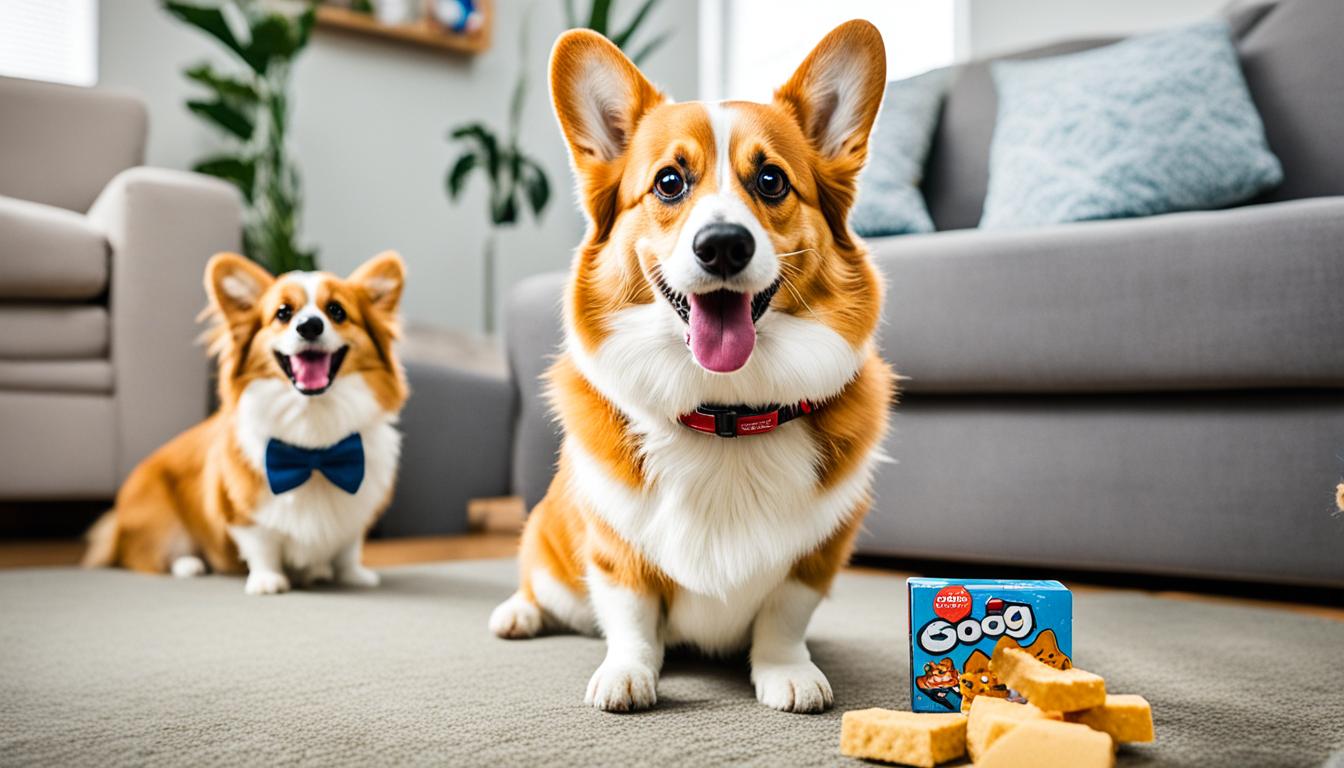
The image above shows what makes Corgis special. You can see their distinctive looks and charm.
By valuing Corgis’ unique traits, you’ll create a deep connection. The right training turns a Corgi into the dream pet.
Building a Strong Bond
Creating a strong bond with your Corgi is key to good training and a happy life together. You need to know what your dog needs and how they behave. Good communication helps you connect deeply with your Corgi.
To understand your dog, pay attention to their physical and emotional health. Corgis are smart and need to stay busy and active. By taking care of these needs, your Corgi will be happy and well-rounded.
Clear and consistent messages help build trust. Use rewards to encourage good behavior. This helps your Corgi understand and follow your lead. Be patient and consistent, as learning takes time.
“Effective communication involves more than just spoken words. It encompasses body language, tone of voice, and understanding your Corgi’s unique communication style. It’s about connecting on a deeper level and creating a sense of mutual understanding.”
The Power of Bonding Activities
Bonding with your Corgi through activities is important. Pick activities they like and meet their needs.
- Regular playtime: Engage your Corgi in interactive games and toys that promote mental stimulation and physical exercise.
- Training sessions: Use training as an opportunity to bond with your Corgi. Practice obedience commands and reward their progress and efforts.
- Exploring new environments: Take your Corgi on walks or hikes in different locations to expose them to new sights, smells, and interactions.
- Cuddling and affection: Physical contact, such as cuddling and gentle petting, helps establish a sense of trust and comfort.
The key to a strong bond is consistency, understanding, and patience. By investing time and effort, you build a solid foundation for a great relationship with your Corgi.
| Bonding with Your Corgi | Understanding Your Dog’s Needs | Effective Communication |
|---|---|---|
| Invest time and effort into building a deep connection with your Corgi. | Understand your Corgi’s physical and emotional needs for a happy and balanced life. | Establish clear and consistent communication through cues and positive reinforcement. |
| Engage in bonding activities like playtime, training sessions, and exploration. | Provide mental stimulation and regular exercise to meet your Corgi’s energy requirements. | Connect on a deeper level using body language, tone of voice, and understanding their communication style. |
| Focus on consistency, understanding, and patience to strengthen the bond. | Build trust and comfort through physical contact and affectionate interactions. | Invest time and effort into fostering a fulfilling and mutually beneficial relationship. |
Optimal Health and Wellness
To ensure your Corgi is at peak health, focus on their diet, exercise, and grooming. These steps are key to their well-being and life span.
Diet
Feeding your Corgi the right food is crucial. Choose high-quality dog food meant for Corgis or small breeds. Their dietary needs are special.
A mix of proteins, carbs, and fats in their diet helps their energy and weight. Talk to a vet about how much and how often to feed your Corgi.
Exercise Routines
Corgis need daily exercise to stay fit and sharp. Make sure they get enough physical activity every day.
Walks and jogs keep them active. Games like fetch or agility training are good too. They work their bodies and minds.
Adjust exercise to their age and health. Puppies may enjoy more play, while older Corgis might need gentler activities.
Grooming Techniques
Groom your Corgi regularly to keep them clean and tidy. Brushing stops their fur from matting and lessens shedding.
Use a slicker brush or a medium-toothed comb to smooth their coat. Focus on areas that tangle easily.
Look after their ears to avoid infections and clean them as advised by your vet. Trim their nails and brush their teeth regularly. Get advice from professionals on grooming your specific Corgi.
The Art of Training
Training your Corgi takes patience, consistency, and the right methods. You can teach them to obey, have good manners, and build a strong bond. With the correct approach, your Corgi will learn to be disciplined and well-mannered.
Making the Most of Corgi Training Methods
Understanding your Corgi’s unique traits is vital. Corgis are smart, eager to please, and learn fast. Use their natural traits to your advantage in training.
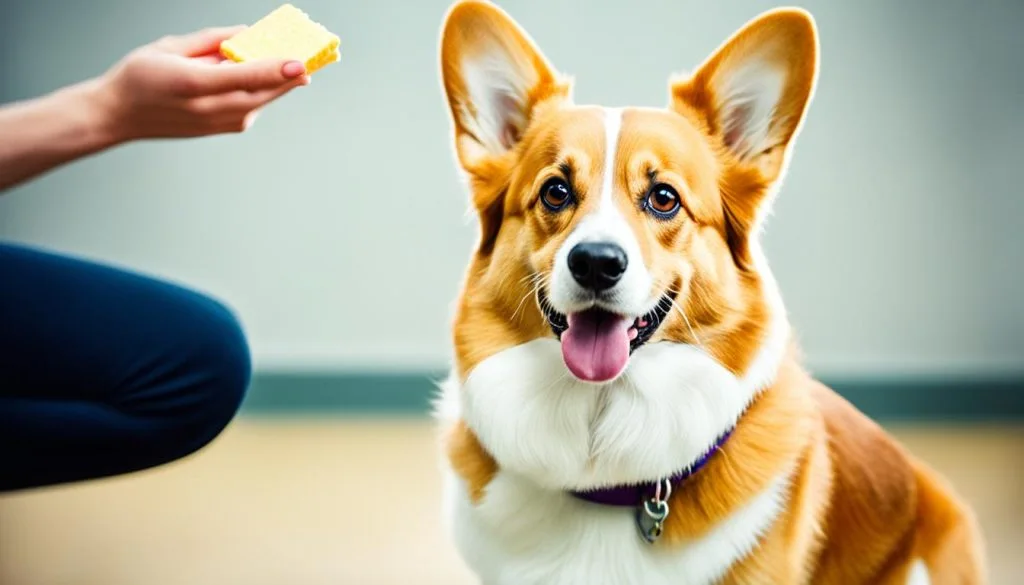
Positive reinforcement works best for training Corgis. Rewarding them with treats, praise, and playtime makes them want to behave. It makes training fun and builds a team spirit.
“Positive reinforcement is a powerful tool in Corgi obedience training. By rewarding your Corgi’s good behavior, you create a positive and engaging training environment.”
Being consistent is crucial. A regular routine makes it clear what you expect from your Corgi. Training often and repeating lessons makes learning quicker.
Clicker training is another effective way to train your Corgi. A clicker makes a sound your Corgi learns to connect with rewards, making it clear they did something right.
Corgi Obedience Training Techniques
Adding specific techniques to your training can be very effective. Consider these methods:
- Target training: Teach your Corgi to touch a target with their nose or paw. It helps guide their actions and behaviors.
- Leash training: Gradually teach them to walk on a leash. It’s important for safe walks and outings.
- Clicker training: Use a clicker to clearly mark good behaviors. It’s great for communication and building your bond.
- Positive socialization: Introduce them to new places, people, and animals in a friendly way. It boosts their confidence and helps prevent behavior issues.
The Power of Corgi Training
Training your Corgi is more than just obedience. It’s a way to talk to them and become closer. Putting time and effort into their training improves their life and happiness.
| Training Technique | Description |
|---|---|
| Positive Reinforcement | Rewarding desired behaviors with treats, praise, and playtime to motivate and encourage your Corgi. |
| Consistency | Establishing a routine, being consistent in training sessions, and reinforcing desired behaviors. |
| Clicker Training | Using a clicker to mark and reward desired behaviors, promoting quick understanding and positive association. |
| Target Training | Teaching your Corgi to touch a target, facilitating guidance into various positions and behaviors. |
| Leash Training | Introducing your Corgi to a leash and teaching them proper leash manners for walks and outdoor activities. |
Nurturing Socialization
Socialization is key for your Corgi’s emotional and mental growth. Making sure they meet other dogs and see different places in a kind way is important. It helps them learn to be social and feel confident.
Start socializing your Corgi at home with new sights and sounds. Then, slowly take them to places like parks and busy streets. Meeting people and other pets in various places helps them get used to new experiences gently.
Letting your Corgi play with other friendly dogs is important too. Arrange playdates with dogs that behave well. This teaches your Corgi good manners and helps them make friends.
“Positive socialization techniques create a foundation for a well-rounded and confident Corgi.”
Watch your Corgi closely when they meet others. Step in if they get scared or upset. Always praise and treat them for being good. This makes sure they see meeting new friends as something fun.
Helping your Corgi learn to socialize makes them happier and more balanced. They will be able to handle new situations bravely. This also strengthens the bond between you and your pet.
Breeds That Corgis Get Along Well With
| Breed | Description |
|---|---|
| Labrador Retriever | Affectionate, friendly, and adaptable, Labradors are an excellent match for Corgis due to their similar energy levels and social nature. |
| Golden Retriever | Known for their gentle nature and sociability, Golden Retrievers make great companions for Corgis and often share a love for playtime. |
| Australian Shepherd | With their intelligence and energetic personalities, Australian Shepherds can engage and challenge Corgis, promoting physical and mental stimulation. |
Each dog is one of a kind, so think about their personality when you introduce them to new friends. Watching them closely ensures they are safe and happy while they learn to get along.
Troubleshooting Behavioral Issues
Every dog has its challenges as they grow. This includes Corgis. It’s crucial to know common problems and effective solutions for a well-behaved Corgi.
Identifying Common Corgi Behavioral Problems
Knowing Corgi problems lets you solve them fast. Here are some issues Corgis have:
- Anxiety: Corgis may deal with separation anxiety, fear, or general anxiety. This can lead to too much barking, destruction, or aggression.
- Aggression: Fear, guarding resources, or not enough social time can make Corgis act aggressively towards others.
- Excessive Barking: Corgis like to bark. But too much barking can be a big problem.
- Leash Reactivity: When on a leash, some Corgis might pull, lunge, or bark at other dogs or things.
- House Soiling: Corgi puppies might not always make it outside in time, leading to indoor accidents.
Effective Strategies for Overcoming Behavioral Issues
To solve these issues, be patient and stay positive. Here’s how to address Corgi behavior problems:
- Positive Reinforcement Training: Reward good behavior with treats and praise. This helps discourage bad behaviors.
- Socialization: Introduce your Corgi to various settings, people, and animals early on. This helps them learn to act properly and feel less scared or aggressive.
- Desensitization and Counter Conditioning: Slowly introduce your Corgi to things that scare or upset them. Pair these with good experiences to change their feelings.
- Consistent Routine and Structure: A regular schedule for eating, playing, training, and sleeping makes Corgis feel safe and secure.
- Engaging Mental Stimulation: Use interactive toys and training to keep your Corgi’s mind busy. This prevents bad behavior from boredom.
Remember, each Corgi is different. Progress might take time. If needed, get help from a pro dog trainer or behavior expert. With patience, love, and the right approach, you can fix behavior issues and enjoy your time with your Corgi.
Common Corgi Behavioral Problems and Strategies
| Behavioral Problem | Effective Strategies |
|---|---|
| Anxiety | Positive reinforcement, desensitization, and counter conditioning |
| Aggression | Socialization, positive reinforcement training, and expert advice |
| Excessive Barking | Redirecting focus, quiet commands, and mental challenges |
| Leash Reactivity | Slow exposure, positive rewards, and leash manners |
| House Soiling | Regular bathroom breaks, rewards for good behavior, and patience |
Beyond Training – Fun and Adventure
Training is crucial for your Corgi’s behavior and obedience. But, it’s just as important to give them fun and stimulating activities. These help keep your Corgi active and strengthen your bond. Let’s look at some fun activities for you and your Corgi:
1. Outdoor Adventures
Take your Corgi on outdoor adventures to find new sights, smells, and sounds. This could be hiking in the mountains, walking on the beach, or visiting parks. These adventures give both mental and physical exercise. Remember to bring treats and water for your Corgi.
2. Interactive Puzzle Toys
Interactive puzzle toys keep your Corgi’s mind active. They challenge them to solve problems to get treats. Watching your Corgi figure out these toys is rewarding and fun for hours.
3. Canine Sports
Think about getting your Corgi into canine sports. This could be agility, obedience trials, or dock diving. These sports challenge them and help you both work as a team. It’s a great way to show off your Corgi’s skills while keeping them healthy.
| Activity | Description |
|---|---|
| Hiking | Explore nature together and enjoy the scenic beauty while keeping your Corgi active. |
| Puzzle Toys | Engage your Corgi’s problem-solving skills with interactive toys that challenge their mind. |
| Canine Sports | Participate in sports like agility or obedience trials for physical and mental stimulation. |
Spend quality time with your Corgi to strengthen your bond. Enjoy outdoor adventures, puzzle solving, or canine sports together. These activities make life better for you and your beloved Corgi.
Establishing Leadership with Your Corgi
Leadership is key for a well-behaved Corgi. Build trust and respect to become their strong leader. This way, you create a happy life for both of you.
Building Trust and Respect
Trust and respect are crucial for success. Be consistent and use positive reinforcement. Set clear rules and reward your Corgi for good behavior.
Earn respect by treating your Corgi fairly. Use positive methods like clicker training. This helps them learn what you expect.
“Leadership is not about dominance or control. It’s about earning respect and creating a bond built on trust and understanding.” – Cesar Millan
Effective Leadership Techniques
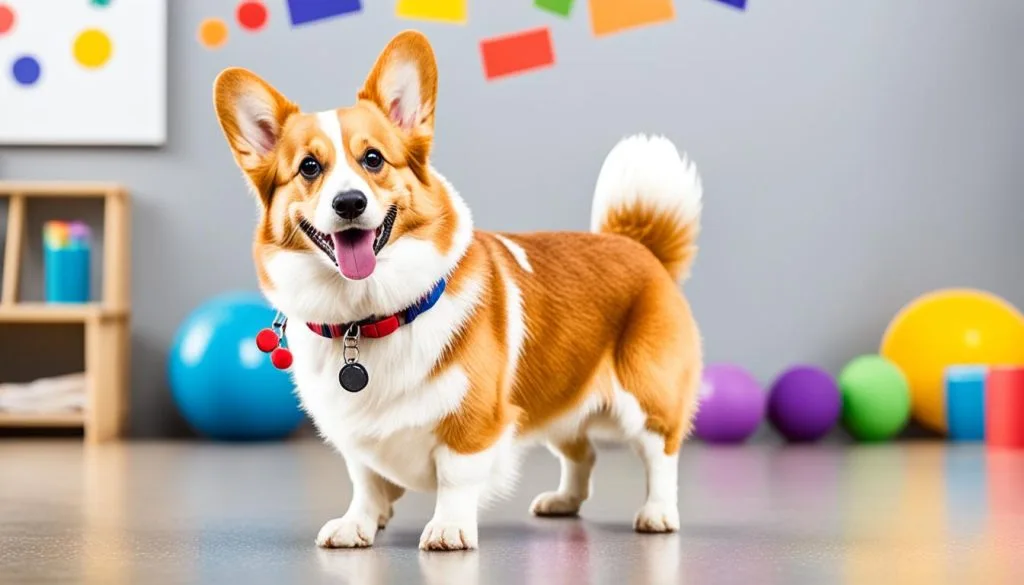
To lead, use techniques that fit your Corgi’s instincts. Here are some ways to be a confident leader:
- Lead by example: Demonstrate good behavior. If you’re calm and kind, your Corgi will likely follow.
- Establish consistent routines: Corgis like knowing what comes next. Have a daily schedule for meals, walks, and play. This makes them feel secure.
- Provide mental and physical stimulation: Corgis are smart and active. Keep them busy to make them more receptive to your leadership.
- Practice positive reinforcement: Give treats and praise for good behavior. This makes your bond stronger.
A Visual Guide to Effective Corgi Leadership
| Leadership Technique | Description |
|---|---|
 |
Building Trust and Respect |
| Lead by Example | |
| Establish Consistent Routines | |
| Provide Mental and Physical Stimulation | |
 |
Practice Positive Reinforcement |
Leadership with your Corgi is an ongoing process. It takes patience and consistency. Understand your Corgi’s personality to lead them to happiness.
Conclusion
Congratulations! You’ve now learned a lot about how to master your Corgi’s mind. This Master Your Dog’s Mind: The Corgi Edition Guide is a great tool for all Corgi owners. It gives you tips on behavior training and how to understand your dog better. By getting how your Corgi thinks and using the training steps we talked about, you can make the most of your Corgi’s potential. This will help you both have a great relationship.
We’ve stressed the need to connect well with your Corgi and get their unique traits. When you accept and meet your Corgi’s needs, you make better communication. You also become a leader they can trust.
This guide covers a lot, from leading your Corgi to fixing behavior problems, helping them get along with others, and ensuring they’re healthy and happy. Use what you’ve learned and keep at it. This way, you’ll have a joyful, well-behaved Corgi friend.
FAQ
What are the key characteristics of Corgis?
How can I build a strong bond with my Corgi?
What should I feed my Corgi for optimal health?
How can I effectively train my Corgi?
How can I socialize my Corgi?
What can I do to address behavioral issues in my Corgi?
What activities can I engage in to stimulate my Corgi’s mind and body?
How can I establish leadership with my Corgi?
Source Links
- https://gratefulpaw.com/corgi-training
- http://ownresponsibly.blogspot.com/2011/07/comprehensive-corgi-guide-resource-for.html
- https://www.goodreads.com/book/show/195448913-golden-retriever-corgi-dog-care-guide-how-to-train-your-dog

Carlos is the passionate founder and primary author behind “CorgisCorner.com,” a website dedicated to all things related to the beloved Corgi breed. Born and raised in a small town known for its strong sense of community and love for animals, Carlos developed a deep affection for Corgis from a young age. This love was sparked by his childhood companion, a spirited and loyal Corgi named Toby, who was a constant source of joy and friendship.