

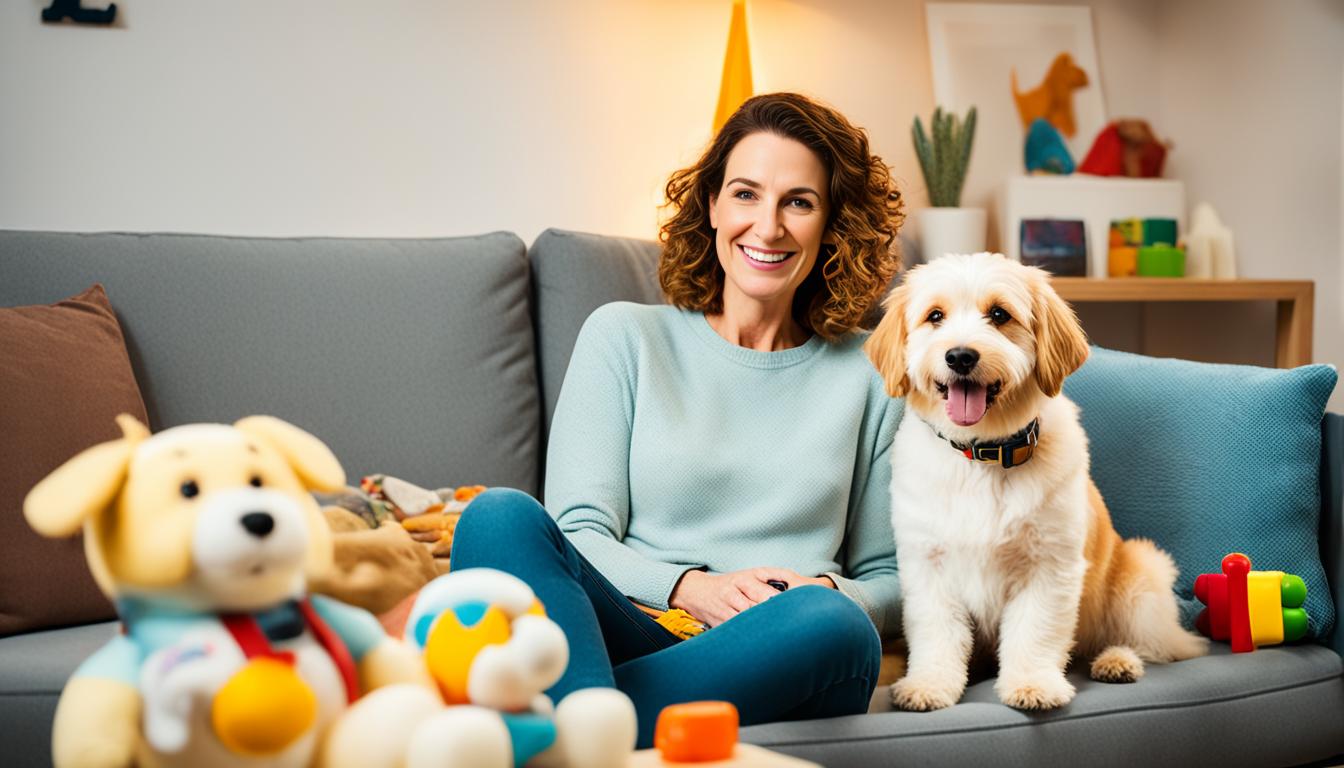

Rescuing a dog deeply touches the soul. It’s a path filled with compassion, resilience, and love. Deciding to welcome a rescue dog into your home is noble. Yet, it comes with its own set of challenges. I’ve been on this journey and understand the mix of feelings it brings.
I was hopeful yet nervous when I chose to foster a Pembroke. I wanted to offer a needy dog a second chance. But, I worried if I could meet all its needs. The process seemed daunting at first.
I had many questions, but I was determined. As I moved forward, I learned a lot. I experienced the joy of watching a once neglected dog become a loved family member.
If you’re thinking about fostering a rescue dog, this guide is for you. It has all you need to know, with tips and insights. We’ll cover finding the right dog, understanding its past, and making it feel at home.
Let’s start this journey and see the beauty of adopting a rescue dog. With patience, love, and guidance, you’ll make a huge difference. You’ll also discover the happiness that comes from a lasting bond.
Key Takeaways:
- Rescuing a dog is a path of hope and challenges.
- Fostering a Pembroke can change both your lives.
- Being prepared and understanding is key to fostering success.
- Your love and care can transform a rescue dog’s life.
- Patience and dedication can grow a lasting relationship with your Pembroke.
Where Did the Dog Come From?
Learning about a rescue dog’s history is crucial. It lets you understand the challenges ahead. It helps you know how much training they need and the effort you must put in. Ask these questions:
How long has the dog been at the shelter or rescue?
It’s key to learn how long the dog has been there. This tells you about their need for adjusting and support.
Why was the dog surrendered?
Find out why the dog was given up. This reveals their past life and any issues they might have.
Was the dog rescued from an abusive situation?
Ask if the dog comes from abuse. Dogs from such backgrounds need special care. Knowing this helps you be patient and supportive.
Gathering info on the dog’s past, shelter stay, surrender reasons, and abuse history clarifies how to help them.
How Many Homes Has This Dog Already Had?
Rescue dogs often have stories of being in multiple homes. Getting to know why they moved around helps us understand them. This can show if there are any behavior issues or bad fits with prior owners. Knowing a dog’s past helps us see if we can deal with their needs and help them settle in.

Rehomed Dogs and Behavior Issues
It’s vital to look at a rehomed dog’s past with care and kindness. Moving homes stresses dogs and earning their trust in a new place takes time. Behavior issues might not have been solved in past homes.
“Understanding a rescue dog’s history can give us valuable context about their behavior, but it’s important to remember that every dog is an individual. While previous homes may provide some insight, it’s essential to approach each dog as a clean slate and work on building a positive relationship with them.”
Knowing a dog’s history helps us get ready for possible challenges. We must think about whether we have what it takes to tackle these issues. We need patience and understanding to help a dog adapt and deal with behavior problems.
Creating a Stable Environment
Creating a stable home is key in making a rehomed dog feel safe. Consistency and a regular routine give them comfort during changes.
Having firm boundaries and steady training helps them learn what we expect. If dealing with specific issues is hard, getting advice from a pro dog trainer is a good idea.
Providing Love and Stability
Rehoming a dog challenges us but is very rewarding. Giving a stable, loving home changes a rescue dog’s life. Remember, every dog deserves a forever home, no matter their history.
| Benefits of Providing a Stable Home for a Rehomed Dog | Challenges of Rehoming Multiple Times |
|---|---|
| 1. Opportunity for a fresh start 2. Building trust and a deep bond 3. The satisfaction of seeing positive changes in behavior 4. Helping a dog find stability and security |
1. Potential for behavior issues 2. Difficulty in adjusting to a new environment 3. Emotional trauma from past experiences 4. Uncertainty and apprehension in new situations |
Providing a stable, caring home helps a rehomed dog move past old challenges and flourish. With time and love, any dog can become a valued part of the family.
What is the Dog’s Health Status?
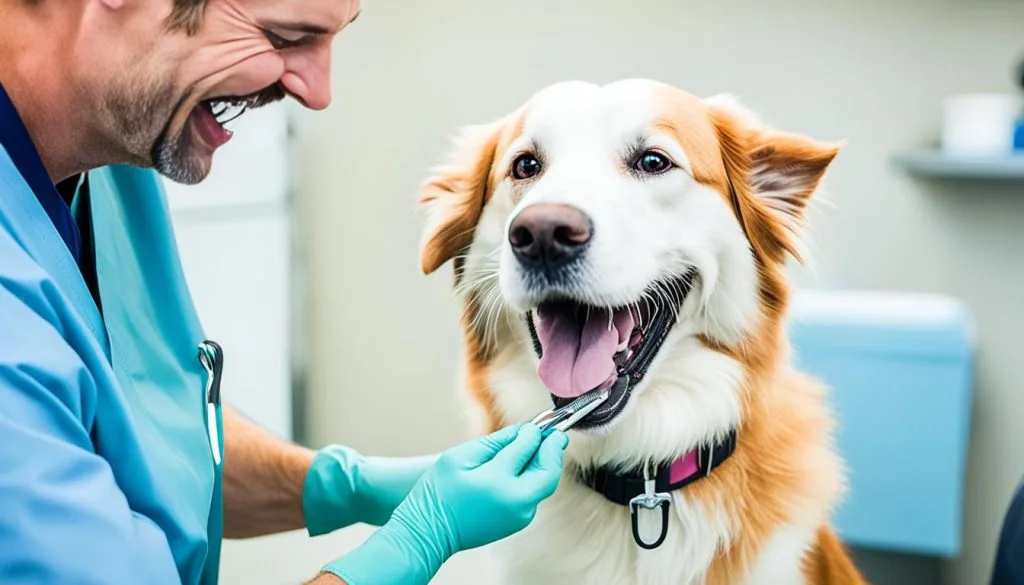
When thinking of adopting a rescue dog, it’s key to check their health status. You should ask for their vaccination records and if they are spayed or neutered. This shows their medical past and ensures they are healthy. Spaying or neutering not only stops unwanted puppies but also lowers health risks.
It’s also vital to ask if the dog has any ongoing health issues. Knowing about any health problems helps you get ready for any treatments or changes needed. This way, you can give your new friend the best care possible.
What Breed or Mix of Breeds Is the Dog?
Finding out a rescue dog’s breed or mix is key to understanding them better. It helps in knowing their unique traits and how they might act. This knowledge is especially useful whether you’re drawn to the consistency of purebreds, the charm of mixes, or specific breed qualities. It guides you in choosing the right rescue dog for your family.
Rescue dogs vary widely in breed and mix, each bringing its own traits and needs for exercise. Purebreds are known for their consistent looks, behavior, and activity needs. They inherit specific qualities that breeders have enhanced over many generations.
Mixed breed rescue dogs combine traits from various breeds in their background. This mix often creates a set of surprising qualities. A lot of mixed breeds combine the best features of their ancestor breeds. They offer a mix of personalities and looks that many find appealing.
Understanding your rescue dog’s breed or mix helps you know how much exercise they need. Some breeds, like working or sport types, need lots of activity to stay content and healthy. Others might be fine with less activity. Knowing the breed or mix lets you match a dog’s activity needs with your lifestyle.
Knowing the Breed or Mix: A Key to Predictability
“By knowing the breed or mix of a rescue dog, you gain valuable insights into their potential personality and exercise needs. It allows you to make an informed decision and ensure a better match between your lifestyle and the dog’s needs.”
Breed traits can hint at a rescue dog’s temperament and energy. But remember, each dog is unique. Genetics give clues about behavior, yet a dog’s own experiences shape who they are. Their environment, training, and interactions play big roles too.
When you talk to a shelter or rescue about a dog, ask for any info they have on its background. They might know the breed or make an educated guess based on how the dog looks. This can give you a start in understanding the dog’s needs and traits.
Also, consulting a vet or dog trainer can be helpful. They can offer deeper insight into a breed or mix’s typical characteristics and what activities they might enjoy. This advice can help you and your new dog bond and thrive together.
The Importance of Exercise Needs
Exercise is crucial for a dog’s physical and mental health. It affects their behavior and happiness. Knowing a rescue dog’s need for activity is more than just breed-based. It also involves looking at their energy, age, and health.
Dogs like Border Collies or Labrador Retrievers, with their active backgrounds, need lots of stimulation. They do well with exercise that tires them out physically and mentally, like agility or long walks. Meanwhile, smaller breeds or those with short noses might be happier with less activity.
Talking to the shelter about a dog’s activity needs is important. Think about how active you are and what time you can dedicate to your dog. If you’re outdoorsy, a high-energy dog could be perfect. If you’re more laid-back, a calmer dog might suit you better.
| Breed or Mix | Exercise Needs |
|---|---|
| Poodle | High |
| Labrador Retriever | High |
| Bulldog | Low |
| Border Collie | High |
| Boston Terrier | Low |
| German Shepherd | High |
What is the Dog’s Personality?
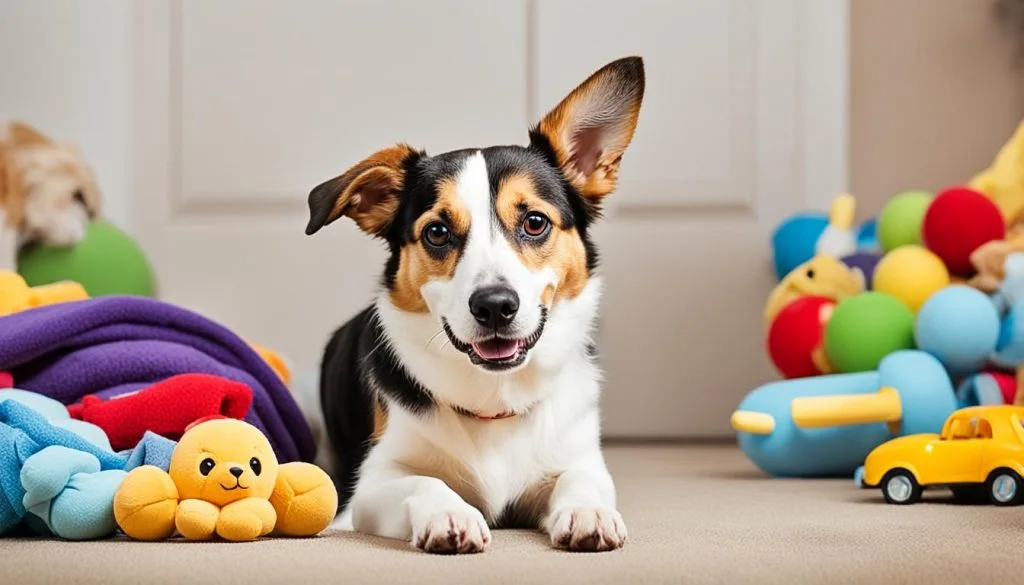
When you’re thinking about adopting a rescue dog, it’s key to know their personality. Although breed traits are helpful, each dog is unique. Talk to shelter staff about the dog’s likes, dislikes, and any quirky behaviors they’ve noticed.
Knowing what the dog enjoys can help you make their life better. Maybe they have a favorite toy or treat. Finding out what they don’t like helps avoid stress for them. It’s all about making a happy life together.
Ask the shelter about what makes the dog special. Is it that they’re super cuddly, love adventures, or are just really chill? Knowing these things helps you see if you two would be a good match.
If the dog has been in a foster home, get the scoop on how they did there. Foster homes show how the dog acts in a real house, not a shelter. Learn about their behavior with other pets, kids, and their general vibe at home.
Remember, getting a glimpse into a dog’s personality can help you create a harmonious and fulfilling relationship. While breed characteristics provide a good starting point, it’s the unique traits and temperamental observations that truly shape the dog’s individuality.
| Breed Characteristics | Unique Traits | Likes and Dislikes | Temperament |
|---|---|---|---|
| Pembroke Welsh Corgi | Affectionate and intelligent | Likes playing fetch, dislikes loud noises | Friendly and outgoing |
| Labrador Retriever | Friendly and active | Likes swimming, dislikes being alone | Gentle and adaptable |
| Boxer | Playful and energetic | Likes interactive toys, dislikes boredom | Loyal and protective |
Is the Dog Potty Trained?
When you adopt a rescue dog, one key question is if they’re potty trained. Not all rescue dogs know this skill yet, hence it’s vital to check their housetraining level. Be ready for possible accidents and the commitment needed to teach or improve toilet behavior, even in adult dogs.
Housetraining a rescue dog is a satisfying journey. It makes them feel safe and happy in their new home. Whether it’s a puppy or an adult, be consistent and use positive rewards. Set a strict schedule for bathroom breaks and celebrate their success with praise and treats for using the right spot.
Remember, mistakes are part of learning, especially at the start. If they have an accident, don’t get mad. Instead, show them the right spot and keep giving them chances to get it right.
“Teaching proper toilet behavior requires patience and understanding. Consistency is key, and with time, even senior rescue dogs can learn.”
If housetraining gets tough, consider getting help from a dog trainer or behaviorist. They offer advice for your dog’s unique needs and solve any problems that might be slowing down learning.
Potty training is crucial for making a rescue dog feel part of their new family. By investing your time and love in teaching toilet behavior, you make your home happier for both of you.
| Benefits of Potty Training | Challenges of Potty Training |
|---|---|
|
|
Does This Dog Get Along Well with Children or Strangers?
Socializing a rescue dog is very important. It teaches them to be okay around people. But, many rescue dogs didn’t get socialized when they were young. This can make them scared or anxious around kids or new people.
Before getting a rescue dog, think about if you can help them with these issues. You’ll need to be patient and use positive training. This can really help them feel safer and more sure of themselves.
If you have kids or meet new people a lot, pick a dog that’s okay with that. Making sure everyone is safe and happy is key.
Creating a loving home and slowly introducing your dog to kids and new people can build their trust. Take it slow, reward them, and give lots of praise. This helps them learn to not be anxious.
Every rescue dog is different. Some might need more time to get used to people. Others might be quick to adjust. Being patient and understanding is very important.
Quotes:
“Helping a rescue dog get used to people can be very rewarding. It takes time, effort, and a lot of care. With the right steps, even scared dogs can learn to trust and relax around kids and strangers.”
Tips for Socializing a Rescue Dog:
- Gradual Exposure: Start by introducing your rescue dog to new people and kids in easy, controlled ways. Begin with short meetings and slowly make them longer.
- Reward-Based Training: Give treats and praise when your dog stays calm around kids or new people.
- Patient and Consistent: Trust building takes time. Stay patient and keep your training consistent to help create good experiences.
- Seek Professional Help: If your dog is very anxious around new people or kids, getting advice from a dog trainer or behaviorist can be a big help.
Comparison of Rescue Dogs’ Comfort Level during Socialization
| Rescue Dog | Comfort Level with Children | Comfort Level with Strangers |
|---|---|---|
| Luna | High | Moderate |
| Bailey | Moderate | Low |
| Cooper | Low | High |
Does This Dog Get Along with Other Dogs or Pets?
Rescue dogs might not be friendly with other animals due to lack of socialization. Think about if the dog will get along with other pets. This is key whether you already have pets or live where many dogs are.
In neighborhoods with many dogs, assessing a dog’s social skills is important. Some rescue dogs might not be used to being around other animals. This could make them uneasy or even aggressive. A dog that gets along with others is a good choice during adoption.
Ensuring a rescue dog can live peacefully with your pets is essential. It could be another dog or a different pet like a cat. Proper introductions and watching how they get along can show if they’re a good match. Efforts to help the rescue dog feel at ease around other pets can work well.
Remember, every rescue dog is unique, and their comfort level with other animals may vary. It might take time and patience to help them adapt and build positive relationships.
To make a home peaceful for all your pets, try these tips:
- Give each pet their own space in the home.
- Watch closely when the rescue dog meets your current pets.
- Let the pets slowly get to know each other, with treats for good behavior.
- If problems come up, ask a pet behavior expert for help.
Making sure your rescue dog likes other animals can make your home more loving. Then all your pets can be happy together.
Tips for Introducing a Rescue Dog to Cats
| Cat Introduction Tips |
|---|
| Gradually introduce scent and sound exchanges between the rescue dog and cat. |
| Keep the cat and dog separated initially, allowing them to become familiar with each other’s presence without direct contact. |
| Use a baby gate or crate the rescue dog to provide a physical barrier during initial interactions. |
| Supervise interactions closely to ensure the safety of both pets. |
| Reward positive interactions and provide separate spaces for each pet. |
Does the Dog Have Basic Good Manners?
Assessing a rescue dog’s training level and behavior is key before adopting. Not all dogs come fully trained. But knowing their grasp of basic commands and leash skills helps a lot.
At the meet and greet, see how the dog reacts to commands like sit, stay, and come. Check if they walk well on a leash or if they pull. Good manners make living together easier.
The Importance of Training
Training helps shape a well-behaved dog and builds your bond with them. Rescue dogs might need varying levels of training depending on their past.
Remember that every interaction with your rescue dog is an opportunity for training and bonding.
Even without strong skills in obedience or leash walking, patience and positivity in training are key. Use treats and praise to reward good behavior and introduce new commands gradually.
Leash Walking Skills
For everyone’s safety, good leash walking skills are essential. Knowing a rescue dog’s ability on a leash shows what training they might need.
If a dog pulls or acts out while on walks, it shows they need to learn good leash manners. Right training and positive reinforcement can teach them to enjoy walks.
Training your rescue dog takes time and effort but improves their behavior and your bond. All rescue dogs can learn and grow. With regular training, they learn the manners needed for a happy life in their new home.
Does the Dog Have Any Behavior Problems?
When you think about getting a rescue dog, it’s smart to ask if they have behavior issues. Issues can be jumping on people, too much barking, chewing on furniture, or guarding their things. It’s good to know that with the right training and effort, you can improve these behaviors. Training helps your rescue dog become well-mannered.
The key to fixing behavior problems includes training and effort. Being consistent, using positive rewards, and having patience are vital. With the correct methods, even tough behaviors can get better over time. Remember, every dog is different. Their issues might come from their past or not enough socializing.
A loving and structured home can help your rescue dog get better with their issues. Know that getting better takes time. Each small win is a step forward and strengthens your bond with your dog.
But, you should know that some issues need more work and know-how. For tough problems like serious aggression or separation anxiety, get help from a dog trainer or behaviorist. They can offer advice and create a training plan just for your dog.
Also, ask if the dog has ever bitten anyone. This is very important if you have kids or other pets. But, a history of biting doesn’t mean the dog can’t get better. With the right help and training, many behavior problems can be managed. This makes for a safer and happier home.
The Potential for Improvement
It’s great to realize that rescue dogs can really improve their behaviors. With patience, consistency, and love, you can help them leave their past behind. Every dog deserves another chance. By giving them the training and care they need, you unlock their true potential.
| Behavior Problem | Potential for Improvement |
|---|---|
| Jumping on People | Positive reinforcement and consistent training can help redirect this behavior and teach appropriate greetings. |
| Excessive Barking | Identify the triggers and provide alternative behaviors, such as “quiet” commands, to reduce excessive barking. |
| Chewing Furniture | Provide appropriate chew toys and redirect the dog’s attention to discourage furniture chewing. |
| Resource Guarding | Gradual desensitization, positive reinforcement, and working with a professional trainer can help manage and reduce resource guarding tendencies. |
Conclusion
Fostering a rescue Pembroke dog is very rewarding for you and the dog. It’s important to ask the right questions and find a good match. This way, you provide a loving home for a dog in need.
Being patient, understanding, and dedicated is key to fostering a Pembroke. Your effort greatly improves the dog’s life. It’s a deeply fulfilling journey.
Consider AKC programs and events to better your experience. The American Kennel Club (AKC) has many activities for dog owners. These programs strengthen your bond with the foster dog and offer training and socializing chances.
Every rescue dog deserves a loving permanent home. By fostering, you play a big part in their search for a forever family. Fostering brings joy, love, and personal growth.
Open your heart and home to a rescue Pembroke. With your help, we can change the lives of these wonderful dogs.
FAQ
Where did the dog come from?
How many homes has this dog already had?
What is the dog’s health status?
What breed or mix of breeds is the dog?
What is the dog’s personality?
Is the dog potty trained?
Does this dog get along well with children or strangers?
Does this dog get along with other dogs or pets?
Does the dog have basic good manners?
Does the dog have any behavior problems?
How can I foster a rescue Pembroke dog?
Source Links
- https://www.akc.org/expert-advice/lifestyle/questions-to-ask-when-getting-a-dog-from-a-rescue-shelter/
- https://www.akc.org/expert-advice/advice/how-to-choose-the-right-rescue-group/
- https://www.petawawapets.ca/2022/02/08/fostering-rescue-dogs/

Carlos is the passionate founder and primary author behind “CorgisCorner.com,” a website dedicated to all things related to the beloved Corgi breed. Born and raised in a small town known for its strong sense of community and love for animals, Carlos developed a deep affection for Corgis from a young age. This love was sparked by his childhood companion, a spirited and loyal Corgi named Toby, who was a constant source of joy and friendship.