

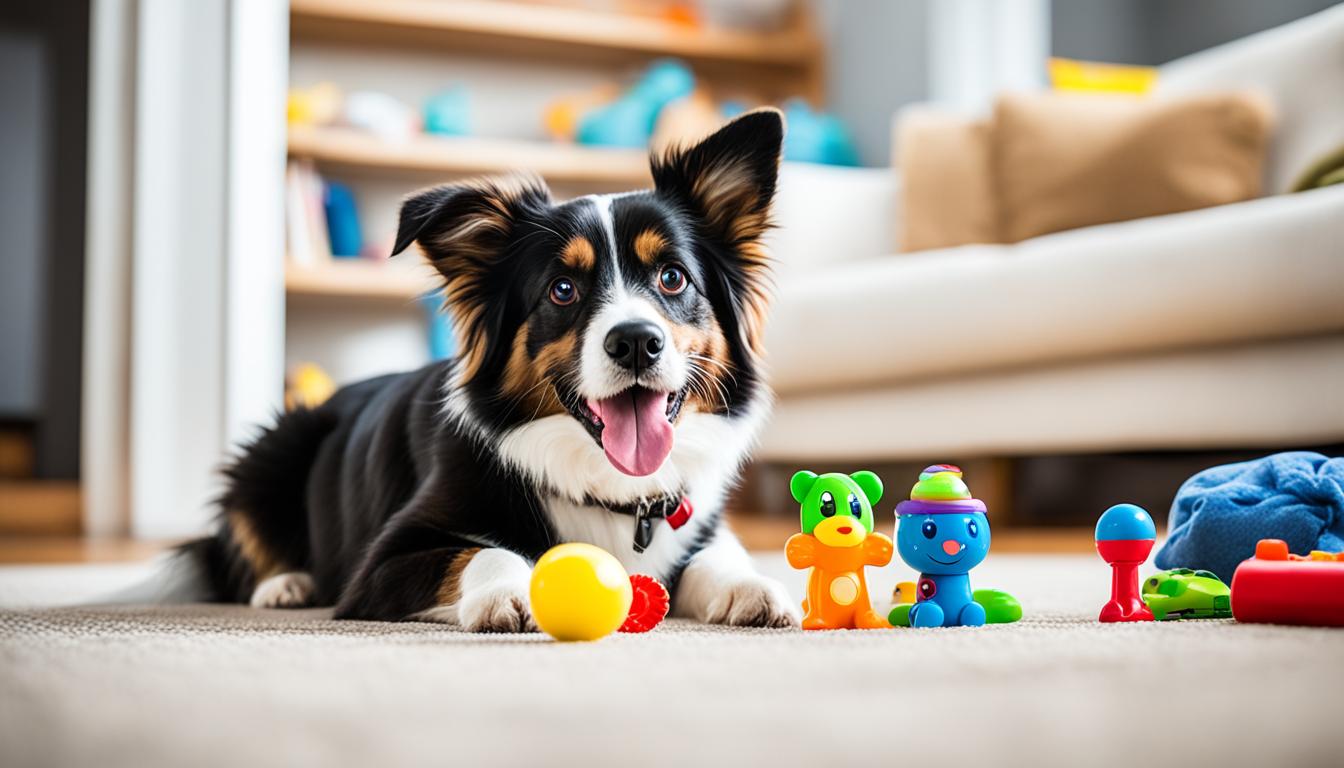

Do you ever come home to find your furry friend has wreaked havoc in your absence? Are they constantly barking or visibly distressed whenever you leave? Separation anxiety in dogs can be a challenging issue to tackle, but fear not! In this article, we will reveal practical tips and strategies to help you overcome separation anxiety in your furry friend. Get ready to transform their anxious behavior into calm and contented companionship.
Key Takeaways:
- Understanding the root causes of separation anxiety in dogs
- The power of positive reinforcement and professional training
- Creating a comforting space for your furry friend
- Gradual departures and easing into alone time
- The importance of setting a routine and providing engaging toys
Understanding Separation Anxiety in Dogs
Separation anxiety in dogs is a common issue that many pet owners face. It is a result of their instinctual pack mentality, causing them to feel stressed and anxious when left alone. This condition can be triggered by sudden changes in routine or past traumatic experiences, leading to symptoms that can vary from dog to dog.
Recognizing the signs of separation anxiety in dogs is crucial for understanding and addressing the issue effectively. Some common symptoms include excessive barking, destructive behavior, and accidents indoors. Dogs may also exhibit pacing, panting, or attempting to escape when experiencing separation anxiety.
To gain a better understanding of how separation anxiety affects dogs, it is important to dive deeper into their pack mentality. Dogs are social animals that thrive on companionship, and being left alone for extended periods can be distressing for them. Understanding the underlying causes and symptoms of separation anxiety is the first step in helping your furry friend overcome this challenging condition.
Positive Reinforcement and Professional Training
When it comes to addressing separation anxiety in dogs, positive reinforcement is a powerful tool. By rewarding calm behavior and gradually increasing the time you spend away, you can help your furry friend develop positive associations with being alone.
Start by acknowledging moments when your dog remains relaxed and composed while you’re not around. For example, if you notice them lying calmly on their bed instead of exhibiting anxious behavior like excessive barking or destructive chewing, praise them and offer a small treat as a reward.
This positive reinforcement helps your dog understand that being alone doesn’t have to be a negative experience. It reinforces their confidence and helps them build resilience against separation anxiety.
In addition to positive reinforcement, seeking professional training can provide invaluable guidance and techniques to address separation anxiety effectively. Professional trainers have expertise in understanding dog behavior and can create personalized training plans tailored to your dog’s specific needs.
Why Professional Training is Beneficial
Professional trainers have the knowledge and experience to identify the underlying causes of separation anxiety in dogs. They can assess your dog’s behavior, routine, and environment to develop a comprehensive training plan that addresses the root causes of their anxiety.
“Working with a professional trainer ensures that you receive expert guidance every step of the way,” says Sarah Johnson, a certified dog trainer with over 10 years of experience.
Trainers can teach you effective techniques and strategies to help your dog gradually adjust to longer periods of solitude. They may recommend desensitization exercises, where your dog becomes accustomed to short periods of alone time and gradually extends the duration.
Moreover, professional trainers can provide ongoing support and troubleshooting as you navigate through the training process. They understand that every dog is different and may require a tailored approach to overcome separation anxiety.
Remember, addressing separation anxiety is a journey that requires patience and consistency. With positive reinforcement and professional training, you can help your furry friend build confidence, reduce anxiety, and create a sense of security when left alone.

Creating a Comforting Space
When dealing with separation anxiety behavior in cats or any pets, creating a comforting space can be incredibly beneficial. Designating a specific area with familiar items such as your pet’s bed, favorite toy, and cozy blankets can help alleviate their anxiety and provide them with a sense of security.
Having a dedicated space where your pet feels safe and comfortable can make a significant difference in managing their separation anxiety. It gives them a physical space that they can associate with positive experiences, reducing their stress levels when they are left alone.
You can further enhance this space by incorporating items that have your scent, such as a blanket or clothing, to provide additional comfort and reassurance for your pet.
Additionally, consider placing pheromone diffusers in the designated space. These diffusers release synthetic pheromones that mimic the ones produced by mother cats, helping to create a calming effect on your feline friend.

Remember to introduce this space gradually and positively. Encourage your pet to explore and spend time in this area by using treats, praise, and gentle encouragement. Over time, they will associate this space with feelings of security and comfort.
By creating a comforting space for your pet, you can help them feel more relaxed and secure, reducing their separation anxiety behavior.
Benefits of a Comforting Space:
- Provides a safe and familiar environment for your pet
- Reduces stress and anxiety levels
- Helps establish a positive association with being alone
- Enhances feelings of security and comfort
Testimonials:
“Creating a comforting space for my cat has made a world of difference in managing his separation anxiety. He now has a cozy corner with his favorite bed and toys, and it has significantly reduced his anxiety levels when I’m not around.” – Jane, Cat Owner
“Since designating a comforting space for my dog, I’ve noticed a tremendous improvement in his separation anxiety. He now willingly goes to his special area whenever I need to leave, and it has provided him with a sense of security and peace.” – Mark, Dog Owner
Gradual Departures
One effective strategy for helping your furry friend overcome separation anxiety is to practice gradual departures. By desensitizing your dog to being alone in small increments, you can build their confidence and reduce their anxiety over time.
Start by leaving your dog alone for just a few minutes and gradually increase the duration as they become more comfortable. This gradual approach allows your dog to adjust to your absence without becoming overwhelmed.
During these short departures, it’s important to remain calm and avoid making a big fuss when leaving or returning home. Keeping your departures low-key helps your dog understand that being alone is a normal part of their routine, reducing their anxiety.
When practicing gradual departures, it can be helpful to provide your dog with engaging toys or puzzle treats to keep them entertained and distracted while you’re away. This can help shift their focus away from your absence and provide mental stimulation.
“Gradual departures are a valuable training technique for managing separation anxiety in dogs. By gradually increasing the time spent apart, you can help your furry friend develop confidence and cope with being alone.”
Remember to always return home calmly without excessive excitement or attention. This reinforces the idea that your departures and arrivals are routine and nothing to be anxious about.
Through consistent practice and patience, gradual departures can be an effective coping strategy for separation anxiety in dogs. It allows them to gradually build resilience and feel more comfortable when left alone.

Ease Into Alone Time
Helping your dog overcome separation anxiety requires a gradual approach to alone time. By introducing short periods of solitude and gradually increasing the duration, you can help your furry friend adjust and reduce their anxiety over time.
Start by setting aside brief periods, such as 5 minutes, where you intentionally leave your dog alone in a secure and comfortable space. Use this time to observe their behavior and monitor their anxiety levels. If they remain calm, offer praise and rewards to reinforce positive associations with being alone. Repeat this process multiple times throughout the day.
As your dog becomes more comfortable with these short intervals, slowly begin to extend the time you’re away. Increase the duration incrementally, adding a few minutes each time. This gradual approach allows your dog to build confidence and adjust to being alone without experiencing overwhelming anxiety.
During each alone time session, make sure to provide your dog with engaging toys or treats to keep them occupied and mentally stimulated. Interactive toys, puzzle feeders, or frozen treats can be excellent distractions and help alleviate their anxiety.
Remember to always end each alone time session on a positive note. Return to your dog before they become anxious or distressed, and reward them with praise and affection for remaining calm. This reinforces the idea that being alone is a normal and positive experience.

Creating a Safe Haven
Providing a designated area in your home where your dog feels safe and secure can significantly help in managing separation anxiety. Set up a cozy space with their bed, blankets, and favorite toys. This sanctuary-like environment can provide a sense of comfort and security when you’re away.
Seek Professional Assistance
While these strategies can be effective for many dogs, severe cases of separation anxiety may require professional help. Consider consulting with a dog trainer or veterinarian who specializes in behavior modification. They can provide additional guidance, personalized training plans, and help address any underlying issues contributing to your dog’s separation anxiety.
Set a Routine
Dogs thrive on routine, and establishing a consistent schedule can be an effective solution for reducing their separation anxiety. By maintaining regular departure and return times, you provide your furry friend with a sense of predictability and security.
When setting a routine, aim for consistency in the following areas:
- Feeding: Feed your dog at the same times each day. This helps create a structured routine and ensures they are not left hungry for long periods.
- Exercise: Incorporate daily walks, playtime, or other forms of physical activity into your routine. Regular exercise helps burn off excess energy and can contribute to a calmer state of mind when you’re away.
- Departure and Return: Make your departures and returns low-key. Avoid prolonged goodbyes or excessive greetings, as these can increase your dog’s anxiety. Keep these interactions calm and brief.
By establishing a routine, you provide a familiar and comforting structure for your dog, which can alleviate separation anxiety and help them feel more at ease when you’re not around.
Expert Tip
Creating a routine for your dog is beneficial not only for managing separation anxiety but also for their overall well-being. Dogs thrive on predictability, and a consistent schedule can promote a sense of stability and balance in their lives.
Provide Engaging Toys
Keeping your furry friend mentally stimulated and occupied can greatly contribute to alleviating separation anxiety. Interactive toys or treat-filled toys provide an excellent source of entertainment and distraction when you’re not around.
These toys engage their senses and keep them focused on an enjoyable activity, helping to reduce feelings of loneliness and anxiety. Not only do they provide a source of entertainment, but interactive toys can also encourage problem-solving and mental stimulation.
When selecting toys for your pet, consider their preferences and interests. Some dogs may enjoy puzzle toys that require them to figure out how to get to a treat, while others may prefer interactive games that allow them to chase or retrieve objects. For cats, toys that mimic natural prey movements, such as wand toys or laser pointers, can keep them engaged and provide an outlet for their hunting instincts.
Remember to rotate toys regularly to maintain their novelty and prevent boredom. Introducing new toys periodically can keep your pet excited and engaged, reducing their reliance on your constant presence.
Avoid Emotional Departures and Returns
Making a big fuss when you leave or come home can heighten your dog’s separation anxiety. Instead, keep departures and returns low-key by avoiding excessive attention or emotional displays. This can help your dog understand that being alone is a normal part of the day.
The Importance of Calm Departures and Returns
When it comes to managing separation anxiety in dogs, the way you leave and come back home can make a significant difference. While it may be tempting to shower your furry friend with hugs and kisses before you head out or when you return, this can actually exacerbate their anxiety.
Dogs pick up on the emotional cues and energy you give off. If you make a big fuss during departures and returns, your dog may become more anxious and associate those moments with heightened emotions. This can reinforce their belief that being alone is a worrisome and stressful experience.
Instead, try to keep departures and returns calm and low-key. Here are a few tips to help you achieve this:
- Before leaving, avoid long and drawn-out goodbyes. Simply give your dog a quick pat or a casual “see you later” before you go.
- When you return, avoid rushing to your dog immediately. Give them a few minutes to settle down before acknowledging them.
- Refrain from showering your dog with excessive attention, especially if they are displaying anxious behaviors. This can inadvertently reinforce their anxiety.
By keeping departures and returns low-key, you can help your dog develop a more balanced and relaxed attitude towards being alone. Over time, this can contribute to reducing their separation anxiety and promoting a sense of calmness and security.
Helpful Strategies to Implement
“When leaving or returning home, keep your interactions with your dog calm and casual. By avoiding excessive attention, you can help them develop a more relaxed attitude toward being alone.”
To further reinforce the idea that being alone is a normal part of the day, you can implement the following strategies:
- Practice short departures and returns throughout the day, gradually increasing the duration. This can help desensitize your dog to the act of you leaving and coming back.
- Establish a routine for departures and returns, following the same pattern each time. Dogs thrive on predictability, and a consistent routine can help alleviate their anxiety.
- Consider using calming aids such as pheromone diffusers or calming sprays to create a more soothing environment for your dog when you’re away.
By combining these strategies with a calm and low-key approach to departures and returns, you can help your dog understand that being alone is a normal part of their daily routine. Over time, this can contribute to reducing their separation anxiety and fostering a greater sense of comfort and relaxation.
| Strategy | Benefits |
|---|---|
| Practice short departures and returns | Desensitizes your dog to the act of you leaving and coming back |
| Establish a routine | Provides predictability and helps alleviate anxiety |
| Use calming aids | Creates a soothing environment for your dog |
Prioritize Physical Activity
When it comes to managing separation anxiety in animals, one simple yet effective solution is to prioritize physical activity. Regular exercise helps reduce anxiety and burn off excess energy, providing a positive outlet for emotions. This holds true for both cats and other animals.
For cats, engaging in playtime activities like chasing toys, climbing cat trees, or even exploring interactive puzzle toys can help alleviate separation anxiety behavior. These activities provide mental stimulation and physical exertion, helping to keep their minds occupied and their bodies active.
For dogs and other animals, daily walks offer a great opportunity for exercise and mental stimulation. Take your furry friend on regular walks or consider exploring nearby dog parks. These outings allow your pet to socialize, burn off energy, and potentially meet new friends, which can all contribute to reducing separation anxiety symptoms.
Expert Tip: Taking the time to engage your furry friend in physical activities before leaving them alone can help reduce separation anxiety behavior. By incorporating exercise into their routine, you can promote overall well-being and assist in managing separation anxiety.
Prioritizing Exercise for Your Furry Friend
Here are a few suggestions to help you prioritize physical activity for your furry friend:
- Set aside dedicated playtime each day to engage your pet in active games and exercises.
- Provide a variety of interactive toys and puzzles to keep them mentally and physically stimulated.
- Consider enrolling your pet in activities such as agility training, swimming, or obedience classes. These can offer additional opportunities for exercise and socialization.
- Explore local trails, parks, or designated dog-friendly areas where your pet can safely exercise off-leash.
Remember, exercise should be enjoyable for both you and your furry friend. Be sure to choose activities that align with their age, breed, and energy level.
Physical Activity and Separation Anxiety Solutions
Regular physical activity not only helps alleviate separation anxiety behavior, but it also improves overall mental and physical well-being in animals. By providing consistent exercise and engaging activities, you can help your furry friend lead a happier, more balanced life.
| Benefits of Physical Activity for Animals with Separation Anxiety |
|---|
| Reduces stress and anxiety |
| Increases mental stimulation and engagement |
| Channels energy into positive outlets |
| Promotes overall health and well-being |
Consider a Second Pet and Professional Help
If your furry friend’s separation anxiety persists despite your efforts, there are additional steps you can take to provide relief. Consider the following options:
1. Introducing a Second Pet
In some cases, having another pet as a companion can help alleviate separation anxiety. A furry friend can provide much-needed companionship and help distract your pet from feeling anxious when left alone. However, it is crucial to ensure compatibility between the pets and provide proper introduction and separation training. Not all pets will get along, so be observant and cautious during the initial interactions.
2. Professional Help
If your furry friend’s separation anxiety is severe or persists despite your efforts, it may be beneficial to seek professional help from a dog trainer or veterinarian. These experts have specialized knowledge and experience in dealing with separation anxiety in pets. They can provide tailored strategies and guidance to address the underlying issues contributing to your pet’s anxiety.
Remember, every pet is unique, and what works for one may not work for another. Be patient, consistent, and open to trying different approaches until you find what works best for your furry friend.
By considering a second pet or seeking professional help, you can provide your furry friend with the necessary support and resources to address separation anxiety effectively. Remember, your pet’s well-being is worth the effort, and with time and patience, you can help them find relief.
| Benefits of a Second Pet | Professional Help |
|---|---|
|
|
Conclusion
Overcoming separation anxiety in dogs requires patience, understanding, and consistent efforts. By implementing the tips and strategies discussed in this article, you can help your furry friend feel more secure and calm when left alone. Remember that every dog is unique, so it may take time to find the approach that works best for your furry friend. Don’t hesitate to seek professional guidance if needed.
Creating a comforting space, practicing gradual departures, and easing your dog into alone time are effective techniques for managing separation anxiety. Setting a routine, providing engaging toys, and avoiding emotional departures and returns can also contribute to their overall well-being. Prioritizing physical activity and considering a second pet or professional help, if necessary, can further assist in alleviating separation anxiety.
By showing empathy and understanding for your dog’s separation anxiety, you can create a nurturing environment that promotes their emotional well-being. With time and dedication, you can help your furry friend overcome their separation anxiety and ensure their happiness even when you’re not together.
FAQ
What are the symptoms of separation anxiety in dogs?
How can positive reinforcement and professional training help with separation anxiety?
How can I create a comforting space for my pet?
What is the importance of gradual departures?
How can I ease my dog into being alone?
Why is setting a routine important?
What role do engaging toys play in managing separation anxiety?
Should I make a big fuss when I leave or come home?
Why is physical activity important for managing separation anxiety?
Can having another pet help with separation anxiety?
How can I overcome separation anxiety in my furry friend?
Source Links
- https://www.frenchiebulldog.com/blogs/frenchie-bulldog-pet-supply/coping-with-dog-separation-anxiety-guide-for-pet-owners
- https://drruthroberts.com/blogs/pet-blog/help-dogs-with-separation-anxiety
- https://www.castlepeakvet.com/services/dogs/blog/7-steps-help-settle-separation-anxiety-your-dog

Carlos is the passionate founder and primary author behind “CorgisCorner.com,” a website dedicated to all things related to the beloved Corgi breed. Born and raised in a small town known for its strong sense of community and love for animals, Carlos developed a deep affection for Corgis from a young age. This love was sparked by his childhood companion, a spirited and loyal Corgi named Toby, who was a constant source of joy and friendship.