

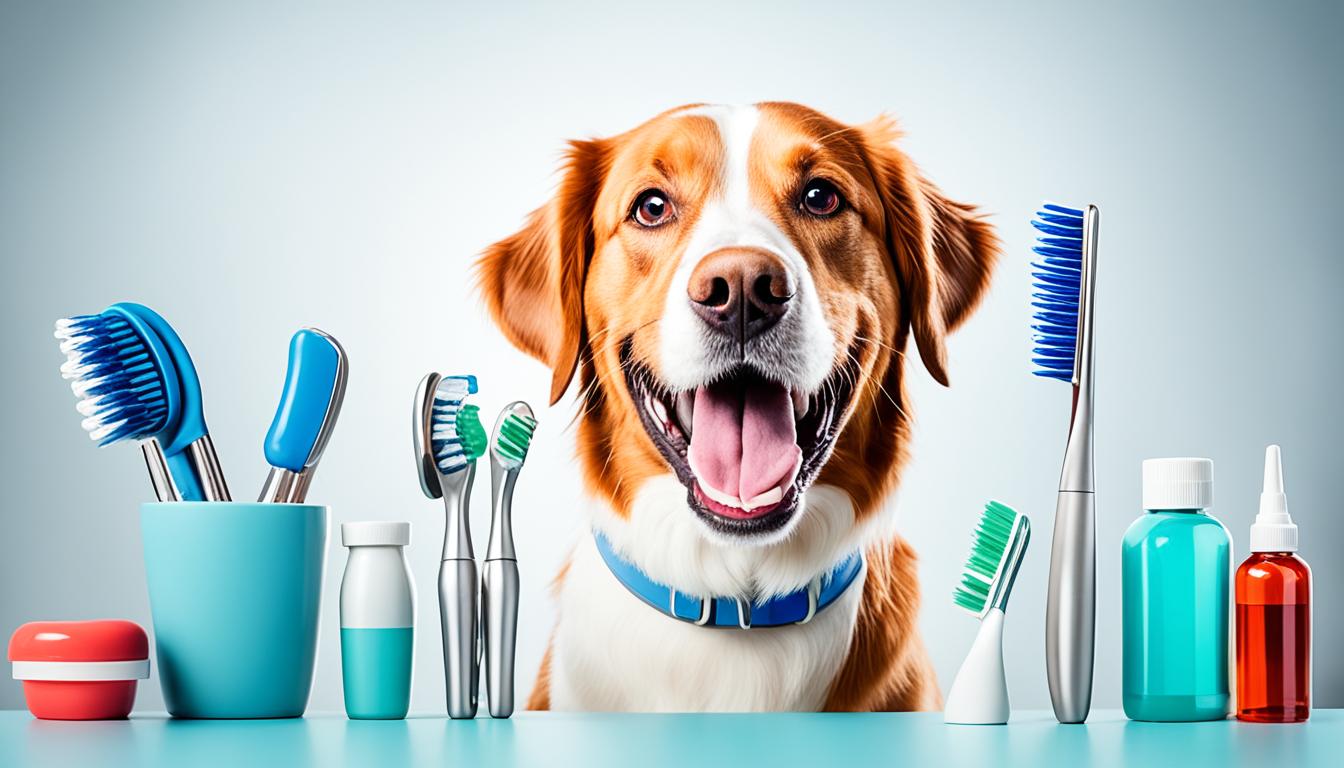

As a pet parent, you know that the love and bond you share with your furry friend is truly priceless. The wag of their tail, the warmth of their cuddles, and the joy they bring to your life are irreplaceable. But have you ever stopped to think about the importance of your dog’s dental health? Just like us humans, dogs need proper dental care to ensure their overall well-being and happiness.
Poor dental hygiene can lead to a range of issues for your pup, from bad breath to gum disease and even life-threatening infections. It’s heartbreaking to see your furry companion in discomfort or pain, especially when it could have been prevented with the right care. By mastering dental care for your dog, you can take proactive steps to ensure they have a healthy and happy smile for years to come.
Key Takeaways:
- Proper dental care is essential for your dog’s overall well-being.
- Poor dental hygiene can lead to bad breath, gum disease, and serious health issues.
- Mastering dental care involves brushing techniques, addressing challenges, and regular check-ups.
- Consistency is key in maintaining your dog’s dental health.
- Pampering your pup with a healthy smile is a gift that lasts a lifetime.
The Importance of Dog Dental Health
Just like humans, dogs can experience dental problems that have a significant impact on their overall health. Poor dental hygiene can lead to various issues, including pain while eating, difficulty in chewing, and even severe health conditions affecting vital organs like the heart and kidneys. It is crucial for dog owners to understand the far-reaching consequences of poor dental health and prioritize their furry friend’s oral care.
The Dental Problems in Dogs
Dental problems in dogs can arise due to a lack of proper dental care. One common issue is periodontal disease, which occurs when plaque and bacteria build up on the teeth and gums. This can lead to gum inflammation, tooth decay, and eventually tooth loss. Additionally, dogs can also suffer from dental abscesses, oral tumors, and fractured teeth, all of which can cause immense pain and discomfort.
The Impact of Poor Dental Health
Poor dental health can have a profound impact on a dog’s overall well-being. Firstly, dogs with dental problems often experience pain while eating or chewing, which can lead to a decreased appetite and weight loss. Moreover, untreated dental issues can allow bacteria to enter the bloodstream, leading to systemic infections and potentially affecting major organs like the heart and kidneys. In severe cases, untreated dental problems in dogs have even been linked to life-threatening conditions.
Preventing Dental Problems: The Key to Canine Health
The good news is that dental problems in dogs can be prevented with proper care and attention. Regular teeth brushing with dog-friendly toothpaste, providing dental chews and toys, as well as regular dental check-ups with a veterinarian are essential steps in maintaining a dog’s dental health. By prioritizing dental care, dog owners can ensure their furry companions have strong teeth and gums, a healthy appetite, and overall better quality of life.
| Type of Dental Problem | Consequences |
|---|---|
| Gum Disease | Gum inflammation, tooth decay, tooth loss |
| Dental Abscesses | Pain, swelling, infection |
| Oral Tumors | Malignant growth, difficulty in eating, pain |
| Fractured Teeth | Pain, sensitivity, tooth loss |
Mastering Brushing Techniques for Dogs
Brushing your dog’s teeth is an essential part of their dental care routine. Regular brushing helps maintain their dental health and prevents issues such as gum disease and bad breath. To ensure effective brushing, follow these techniques:
Use the Right Tools
Using a dog toothbrush is crucial for cleaning your dog’s teeth effectively. Dog toothbrushes have softer bristles and are specially angled to reach all the nooks and crannies of your dog’s mouth. Avoid using human toothbrushes as they can be too harsh and uncomfortable for your furry friend.
SEO tip: A dog toothbrush is specifically designed for dogs’ dental care needs.
Choose Dog Toothpaste
When it comes to toothpaste, opt for dog-specific toothpaste over human toothpaste. Dog toothpaste comes in flavors like poultry or peanut butter, making it more appealing to your pup. Never use human toothpaste, as it contains ingredients that can be harmful if swallowed by dogs.
SEO tip: Dog toothpaste is safe and specially formulated for dogs.
Establish a Brushing Routine
To make brushing a positive experience for your dog, establish a regular brushing routine. Choose a time when your dog is relaxed, such as after a walk or meal. Start with short brushing sessions and gradually increase the duration as your dog becomes more comfortable.
SEO tip: Daily brushing or at least 2-3 times a week is recommended to maintain dental health.
Proper Brushing Technique
When brushing your dog’s teeth, angle the toothbrush towards the gumline. Gently brush in a circular motion, focusing on the outer surfaces of the teeth. Pay extra attention to the back molars, as they are more prone to tartar buildup. Take breaks during the brushing session if needed, ensuring that the experience remains positive for your pup.
SEO tip: Brushing in a circular motion helps remove plaque and tartar.
Overcoming Challenges in Brushing
While dental care is important for every dog, some may present challenges when it comes to toothbrushing. Whether your furry friend is resistant or fearful, it’s crucial to approach the task with patience and understanding. By following a few tips and utilizing alternative dental care products, you can overcome these challenges and ensure your pup’s oral health.
Gentle Introduction
To help your dog become comfortable with toothbrushing, start by introducing the toothbrush and toothpaste gradually. Allow them to sniff and explore these unfamiliar objects before attempting to brush their teeth. This gentle approach will help alleviate any fears or anxieties.
Positive Reinforcement
Positive reinforcement can make toothbrushing a more enjoyable experience for your pup. Offer treats or praise as rewards for their cooperation during the brushing process. This not only helps to build a positive association but also strengthens the bond between you and your dog.
Alternative Dental Care Products
If toothbrushing continues to be a challenge, consider incorporating alternative dental care products into your pup’s routine. Dental chews and toys are designed to promote oral health by reducing plaque and tartar buildup. These products can be used in conjunction with regular brushing or as a supplement for resistant dogs.
“Using dental chews and toys can be an effective way to maintain your dog’s oral health while accommodating their resistance to toothbrushing,” says Dr. Emily Johnson, a veterinarian specializing in dental care for dogs.
By finding suitable alternatives and maintaining a consistent oral care routine that includes brushing or supplementing with dental chews and toys, you can effectively support your dog’s dental health, even if they are resistant to the traditional toothbrushing method.

| Benefits of Alternative Dental Care Products | Description |
|---|---|
| Reduces plaque and tartar buildup | Alternative dental care products help to remove plaque and tartar accumulation, reducing the risk of dental issues. |
| Promotes healthy gums | Chewing on dental toys or treats helps stimulate the gums, improving overall gum health in resistant dogs. |
| Adds variety to oral care routine | Alternative dental care products offer a unique form of dental care, keeping your pup engaged and entertained. |
Addressing Dental Dilemmas
Bleeding gums and bad breath can be signs of underlying dental issues in dogs. While some bleeding during brushing is normal, ongoing or heavy bleeding may indicate gum disease or aggressive brushing. It’s important to address these issues and consult a veterinarian for proper guidance. Regular dental check-ups and professional cleanings are also essential to ensure your dog’s dental health.
When it comes to bleeding gums, it’s important to distinguish between minor bleeding that can occur during brushing and more concerning bleeding that persists or worsens over time. While a small amount of blood may be seen when brushing your dog’s teeth, ongoing or heavy bleeding may indicate gum disease or the use of excessive force during brushing.
Bad breath in dogs is a common sign of dental issues. This unpleasant odor can be caused by the buildup of plaque and bacteria in the mouth. If your dog’s breath consistently smells foul, it’s a good idea to have their dental health assessed by a veterinarian. Bad breath could be a symptom of gum disease, tooth decay, or other oral health problems.
Consulting a veterinarian is crucial if you notice any signs of dental issues in your dog. They can perform a thorough examination, including a dental assessment, to identify any underlying problems. Regular dental check-ups and professional cleanings are essential for maintaining your dog’s oral health and preventing the progression of dental issues. Your veterinarian may also recommend specific dental care products or treatments based on your dog’s individual needs.

Tailored Dental Care for Your Dog
The frequency of brushing your dog’s teeth depends on their individual needs. Daily brushing is ideal, but at least 2-3 times a week is recommended. Developing a consistent dental care routine and integrating it into your dog’s daily activities will help maintain their dental health. Different breeds and ages may require tailored dental care, so consult with your veterinarian to determine the best approach for your pup.
Regular brushing is crucial to ensure proper dental hygiene for your dog. It helps remove plaque, tartar, and food particles that can accumulate on their teeth and gums. By brushing your dog’s teeth, you can prevent dental issues such as gum disease, tooth decay, and bad breath.
When establishing a dental care routine, it is important to choose the right tools and techniques for your dog’s specific needs. Use a soft-bristled dog toothbrush and toothpaste specifically formulated for canines. Avoid using human toothpaste as it can be harmful to dogs.
Here are some tips for brushing your dog’s teeth effectively:
- Introduce your dog to toothbrushing gradually, starting with short sessions and gradually increasing the time.
- Ensure a calm and comfortable environment for brushing, using positive reinforcement and treats to make it a positive experience for your pup.
- Brush in gentle circular motions, focusing on the outer surfaces of the teeth and gums.
- Pay attention to any signs of discomfort or pain during brushing, and consult with your veterinarian if you notice any issues.
In addition to regular brushing, there are other dental care practices that can help maintain your dog’s oral health. Providing dental chews or toys can help clean your dog’s teeth and stimulate their gums. These chew toys promote healthy chewing habits while reducing plaque and tartar buildup.
Consulting with a veterinarian is essential to determine the ideal dental care routine for your dog. They can assess your dog’s dental health and recommend any additional treatments or products that may be beneficial. Regular dental check-ups and professional cleanings may also be necessary, depending on your dog’s individual needs.

| Dental Care Routine | Brushing Frequency |
|---|---|
| Daily brushing | Recommended for optimal dental hygiene |
| 2-3 times a week | Minimum frequency to maintain dental health |
Benefits of Regular Dental Care
Regular dental care for your dog offers a myriad of benefits that go beyond just keeping their breath fresher. By prioritizing their dental hygiene, you can save yourself from potentially costly vet bills in the future. Additionally, providing proper dental care can prevent dental issues from progressing into more serious health conditions, ensuring your furry friend’s overall well-being.
Preventing Expensive Health Complications
Implementing a regular dental care routine for your dog can help prevent dental problems from escalating into expensive health complications. Poor dental hygiene can lead to gum disease, tooth decay, and infections, which may require extensive treatments or even extractions. By taking proactive measures to maintain your dog’s oral health, you can potentially save both money and your pup’s discomfort in the long run.
Heartwarming Stories of Improved Health
“Ever since I started prioritizing my dog’s dental care, his breath has become noticeably fresher, and he is healthier overall. I couldn’t believe the positive impact it has had on his well-being. It’s heartwarming to see him so happy and playful again!” – Sarah, dog owner
Heartwarming stories from pet owners who have witnessed the transformative effects of regular dental care serve as a testament to the importance of maintaining your dog’s oral hygiene. These heartening anecdotes highlight the profound difference that proper dental care can make in improving your dog’s quality of life and overall happiness.

Introducing Pupford’s Gum and Oral Hygiene Solution
Pupford’s Gum and Oral Hygiene Solution is a convenient and effective way to support your dog’s dental health. This innovative dental supplement for dogs serves as a dog water additive, making it easy to incorporate into your pup’s daily routine. By simply adding this supplement to your dog’s water, you can provide them with the oral care they need to maintain a healthy and happy smile.
This dental supplement is formulated with molecular iodine cleaning, which helps control tartar, calculus, and plaque buildup. Regular use of Pupford’s Gum and Oral Hygiene Solution can freshen your dog’s breath and promote optimal dental hygiene. The great taste of this dental supplement is loved by dogs, making it a hassle-free addition to their water bowl.
Not only is Pupford’s Gum and Oral Hygiene Solution clinically proven, but it is also backed by positive customer reviews. Dog owners have shared heartwarming stories of the positive impact this dental supplement has had on their furry companions’ dental health.
The Benefits of Pupford’s Gum and Oral Hygiene Solution:
- Convenient and easy to use as a dog water additive
- Provides molecular iodine cleaning for effective tartar, calculus, and plaque control
- Freshens breath and promotes optimal dental hygiene
- Loved by dogs due to its great taste
- Backed by clinical research and positive customer feedback
Investing in your dog’s dental health is essential for their overall well-being. By incorporating Pupford’s Gum and Oral Hygiene Solution into your dog’s daily routine, you can ensure they have a healthy and radiant smile for years to come.
Creating a Positive Dental Care Experience
Creating a comfortable and calming environment for brushing your dog’s teeth is essential to ensure a positive dental care experience. By following a few simple steps, you can help your pup feel at ease and make the process enjoyable for both of you.
Choose a Comfortable Brushing Area
Find a quiet and well-lit area in your home where you can dedicate a space for brushing your dog’s teeth. It’s important to choose a location that your pup associates with relaxation and comfort. Creating a designated brushing area will help establish a routine and make the process more familiar to your furry friend.
Use Positive Reinforcement
Positive reinforcement is a powerful tool when it comes to training and grooming your pup, including brushing their teeth. Incorporating treats, praise, and rewards during the dental care process can make it a positive and rewarding experience for your dog. By associating brushing with positive emotions, your pup will be more likely to cooperate and enjoy the process.
“Remember to use treats and praise as rewards for allowing you to brush their teeth. This positive reinforcement will create a positive association with dental care.”
Building Trust and Comfort
Prior to starting the brushing process, take some time to build trust and make your pup feel comfortable. Petting, soothing words, and gentle touches can help create a relaxing environment. Allow your dog to sniff and explore the toothbrush and toothpaste before beginning. This will help reduce any anxiety and set a positive tone for the dental care experience.
By following these tips and techniques, you can create a positive dental care experience for your dog. Remember to choose a comfortable brushing area, use positive reinforcement, and build trust and comfort before starting. With a positive approach, you can ensure that your pup’s dental care routine is a pleasant and enjoyable time for both of you.
Consistency in Dental Care
Consistency is key when it comes to maintaining your dog’s dental care. By integrating brushing into your dog’s daily routine, you can make it as natural as their daily walk or mealtime. This ensures that dental care becomes a regular habit that your dog grows accustomed to.
Different breeds may have specific dental care needs, so it’s important to tailor your approach accordingly. Some breeds may be more prone to dental issues, while others may require additional care due to their size or dental structure. Consulting with your veterinarian can help you determine the best dental care practices for your dog’s breed.
To make dental care a consistent part of your dog’s routine, consider the following tips:
- Schedule regular brushing sessions: Set aside dedicated time each day to brush your dog’s teeth. Make it a positive experience by using rewards, such as treats or praise, to reinforce good behavior.
- Use dental care products: Incorporate dental care products, such as toothpaste and dental chews, into your dog’s routine. These products can help maintain their oral hygiene between brushing sessions.
- Seek professional dental care: Regular dental check-ups and professional cleanings are essential for your dog’s oral health. A veterinarian can identify any potential issues and provide the necessary treatments.
By establishing a consistent and personalized dental care routine for your dog, you can ensure their oral health remains in top condition. Your pup will have a healthy and sparkling smile that will bring joy to both of you.
Benefits of Consistency in Dental Care
A consistent dental care routine offers several benefits for your dog’s overall well-being:
- Fresher breath: Regular brushing and dental care help combat bad breath, leaving your dog with fresh and pleasant breath.
- Prevention of dental issues: Consistent dental care reduces the risk of dental problems, such as gum disease and tooth decay, which can lead to discomfort and potentially costly treatments.
- Improved overall health: Proper dental hygiene can contribute to better overall health for your dog. Studies have shown that poor oral health in dogs can affect various organs, including the heart and kidneys.
By incorporating dental care into your dog’s routine and tailoring it to their specific needs, you can ensure their dental health remains a priority. With consistency, your pup will enjoy the benefits of a healthy and happy smile for years to come.
Conclusion
By prioritizing dental care for your beloved canine companion, you are taking a proactive step towards ensuring their overall health and well-being. Regular brushing, combined with the use of appropriate dental care products and periodic professional cleanings, is vital in maintaining your pup’s dental hygiene.
Consistency is key when it comes to dental care. By integrating a positive dental care routine into your dog’s daily activities, such as their daily walk or mealtime, you can make it a natural and enjoyable experience for them. Each brush is an opportunity to pamper your pup with a healthy and happy smile that will last a lifetime.
Remember, mastering dental care for dogs is not only about fresh breath and a sparkling smile. It also helps prevent dental issues from escalating into more serious health conditions, potentially sparing you from costly vet bills in the future. By investing time and effort into your dog’s dental health, you are prioritizing their overall well-being and quality of life.
FAQ
Why is dental care important for dogs?
How often should I brush my dog’s teeth?
What should I use to brush my dog’s teeth?
My dog is resistant to toothbrushing. What should I do?
What are the signs of dental issues in dogs?
How can regular dental care benefit my dog?
What is Pupford’s Gum and Oral Hygiene Solution?
How can I create a positive dental care experience for my dog?
How can I maintain consistency in my dog’s dental care?
What is the importance of dental care for dogs?
Source Links
- https://pupford.com/product/gum-oral-hygiene-water-additive-dogs/
- https://www.webmd.com/pets/dogs/ss/slideshow-brushing-dog-teeth
- https://wag-bowl.com/blogs/wagbowl-dogs/how-to-brush-a-dogs-teeth

Carlos is the passionate founder and primary author behind “CorgisCorner.com,” a website dedicated to all things related to the beloved Corgi breed. Born and raised in a small town known for its strong sense of community and love for animals, Carlos developed a deep affection for Corgis from a young age. This love was sparked by his childhood companion, a spirited and loyal Corgi named Toby, who was a constant source of joy and friendship.