

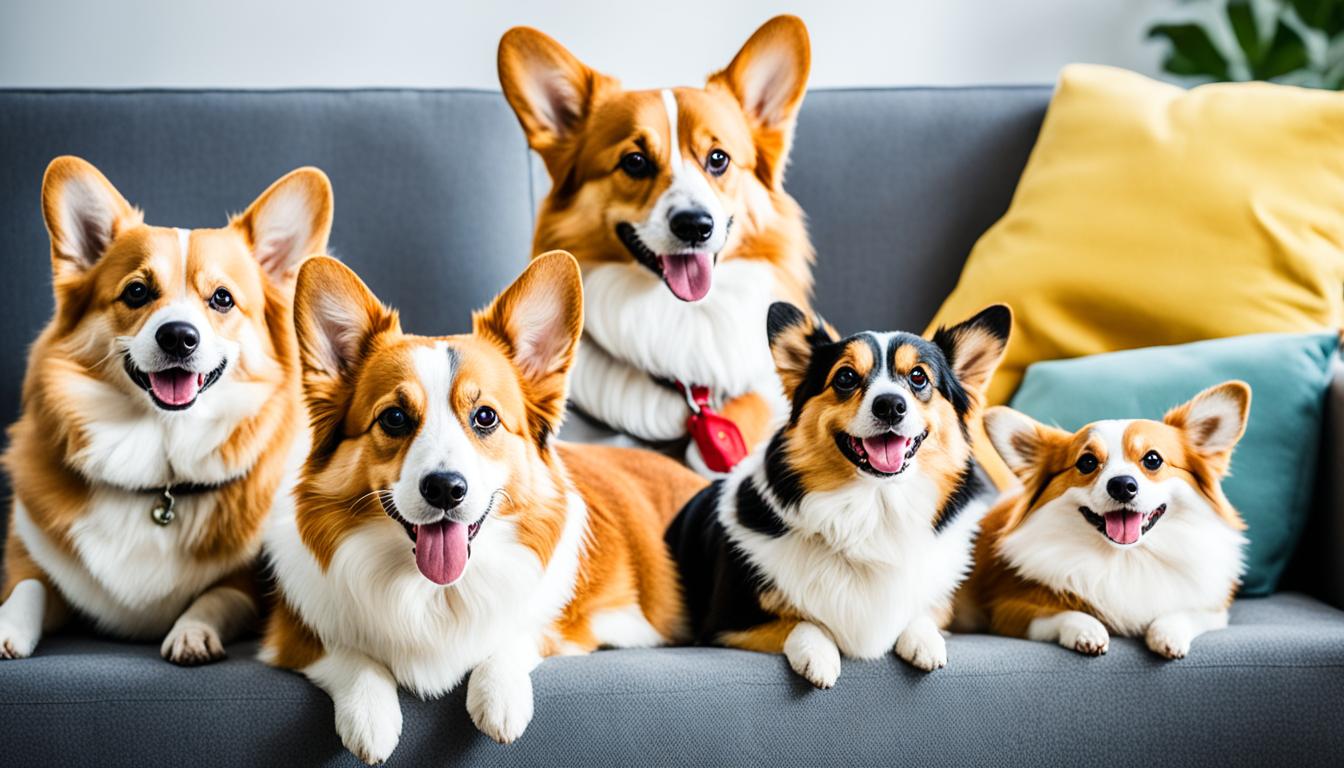

Welcome to our guide on achieving seamless integration of Corgis in multi-pet homes. Are you a pet owner looking to add a Corgi to your household but worried about how they will get along with your existing pets? Look no further! In this article, we will provide expert tips and advice on how to introduce a Corgi into a home with other pets, ensuring a harmonious environment where all animals can coexist peacefully.
Top 10 Dog Breeds for Multi-Pet Households
When it comes to introducing a new dog into a multi-pet household, selecting the right breed plays a crucial role in ensuring harmony and compatibility among animals. Certain dog breeds are known for their adaptability and friendly nature, making them ideal choices for multi-pet households. These cat-friendly canines not only get along well with other dogs but also embrace the presence of other pets in the home. Here are the top 10 dog breeds that experts recommend for multi-pet households:
| Breed | Temperament |
|---|---|
| Labrador Retriever | Friendly, sociable, and highly adaptable |
| Golden Retriever | Intelligent, gentle, and patient |
| Beagle | Curious, friendly, and excellent with children |
| Boxer | Playful, energetic, and great with families |
| Bichon Frise | Affectionate, hypoallergenic, and adaptable |
| Cavalier King Charles Spaniel | Gentle, affectionate, and good with other pets |
| Collie | Loyal, intelligent, and excellent with children |
| Newfoundland | Gentle, patient, and excellent with children and other animals |
| Vizsla | Active, friendly, and highly trainable |
| Cocker Spaniel | Friendly, sociable, and adaptable to various environments |
These dog-friendly breeds have earned their reputation for being compatible with other pets and can bring joy and harmony to your multi-pet household. Remember, proper introductions, gradual integration, and ongoing supervision are essential to ensure a successful and peaceful coexistence among all your furry friends.
Understanding the Pack Instinct
Dogs are naturally pack animals, and their behavior in a multi-pet household is influenced by their pack instinct. When introducing a new dog into an existing pack, it’s essential to recognize the various dynamics that can arise due to the pack hierarchy. These dynamics may include inter-male aggression, inter-female aggression, or a dominance problem between dogs. By addressing these issues, you can create a more harmonious environment for all pets in the household.
Inter-Male Aggression
In some cases, the introduction of a new male dog into a pack can trigger inter-male aggression. This can occur when the dogs are vying for dominance or establishing their rank within the pack. Signs of inter-male aggression may include growling, snapping, or physical fights. It is crucial to carefully manage and address inter-male aggression to maintain a peaceful coexistence between the dogs.
Inter-Female Aggression
Similarly, the introduction of a new female dog into a pack can lead to inter-female aggression. Female dogs may display aggression to establish their position in the pack or protect resources such as territory, food, or toys. Signs of inter-female aggression include snarling, stiff body posture, and prolonged staring. Managing inter-female aggression is important to prevent conflicts and ensure a harmonious multi-pet household.
Rank or Dominance Problem
When a new dog is introduced, there can be a shift in the established pack hierarchy, leading to a rank or dominance problem. The dogs may compete for the position of pack leader, resulting in conflicts and tension. Signs of a rank or dominance problem include resource guarding, disobedience, and attempts to assert dominance over other pack members. Resolving rank or dominance issues requires clear communication and consistent training to establish a balanced pack structure.
“It’s crucial for pet owners to understand that a successful integration of a new dog into a pack requires addressing any pack instinct-related challenges. By recognizing inter-male aggression, inter-female aggression, or dominance problems, pet owners can take the necessary steps to foster a harmonious multi-pet household.” – Dr. Sarah Thompson, Canine Behavior Specialist
Understanding the pack instinct is key to successfully integrating a new dog into a multi-pet household. By addressing inter-male aggression, inter-female aggression, and rank or dominance problems, pet owners can create a peaceful environment for all pets. When introducing a new dog, it’s important to monitor their interactions, provide structured training, and seek professional guidance if needed. A balanced pack structure and clear communication can foster a harmonious coexistence in your multi-pet household.
| Issues | Causes | Signs | Management Tips |
|---|---|---|---|
| Inter-Male Aggression | Competition for dominance | Growling, snapping, physical fights | Separate dogs during feeding and playtime. Gradually increase supervised interactions. |
| Inter-Female Aggression | Establishing position in the pack | Snarling, stiff body posture, prolonged staring | Ensure each dog has separate resources. Use positive reinforcement training to redirect aggressive behavior. |
| Rank or Dominance Problem | Shift in pack hierarchy | Resource guarding, disobedience, attempts to assert dominance | Establish clear rules and boundaries. Provide consistent obedience training. Seek professional help if necessary. |
Common Mistakes to Avoid
Introducing a new dog to a multi-pet household can be a delicate process, and avoiding common mistakes is essential for establishing harmony among all pets. One frequent error pet owners make is assuming that dogs can work things out on their own. While this approach may be successful in some instances, it often leads to conflict and even dog fights.
Allowing dogs to work things out without guidance can result in a lack of leadership within the pack, creating a power vacuum that can trigger inter-female dog fights, among other aggressive behaviors. To prevent these issues, it is crucial for the pet owner to take charge and provide strong leadership during the integration process.
Pet owners should be aware that inter-female dog fights can be particularly intense and should be approached with caution. Understanding the potential for aggression and being proactive in preventing conflicts is key to maintaining a peaceful multi-pet household.
The Importance of Providing Guidance
Instead of relying on dogs to establish their own hierarchy, it is important for pet owners to assert themselves as pack leaders and guide the integration process. By doing so, they can set clear boundaries, manage any potential conflicts, and ensure a smooth transition for all pets involved.
“Introducing a new dog to an existing pack requires the pet owner to establish themselves as the leader. Without clear guidance, dogs can become anxious, confused, and display aggressive behaviors.” – Dr. Emily Thompson, Animal Behavior Specialist
Preventing Inter-Female Dog Fights
Inter-female dog fights can be a significant challenge in a multi-pet household, but there are steps pet owners can take to minimize the risk:
- Spay your female dogs: Spaying helps reduce territorial and hormonal aggression, decreasing the likelihood of inter-female dog fights.
- Slow and supervised introductions: Introduce dogs gradually and monitor their interactions closely to prevent any signs of aggression from escalating.
- Socialization and obedience training: Enroll your dogs in socialization and obedience training classes to promote positive behavior and improve their ability to interact with other dogs.

Creating a Safe and Harmonious Environment
Creating a safe and harmonious environment for all pets in a multi-pet household requires proactive measures and consistent leadership. Here are some additional steps pet owners can take to prevent conflicts and promote a peaceful coexistence:
- Establish clear rules and boundaries: Set clear expectations for all pets and establish rules to ensure a harmonious living environment.
- Provide ample resources: Ensure that each pet has access to their own food, water, toys, and resting spaces to minimize resource guarding and prevent potential conflicts.
- Address individual needs: Understand and meet the individual needs of each pet, including exercise, mental stimulation, and affection, to reduce stress and promote overall well-being.
Acknowledging these common mistakes, providing guidance to the dogs, and taking steps to prevent inter-female dog fights will greatly increase the chances of a successful integration and a harmonious multi-pet household.
Establishing Pack Structure
To ensure a smooth integration of a new dog into a multi-pet household, it is important to establish a clear pack structure. This involves designating a pack leader (the pet owner) and setting clear rules and boundaries for all pets.
Determining a pack leader is essential as it provides stability and guidance for the other animals. When introducing a new dog, it’s crucial for the pet owner to assume the role of the pack leader. This establishes a hierarchy and helps prevent any power struggles or dominance-related issues amongst the pets.
One effective way to establish pack structure during the initial introduction process is by using dog crates. Crates serve as safe spaces for each pet, allowing them to become familiar with each other’s scent and presence in a controlled environment. Crating can help reduce anxiety and promote a sense of security, facilitating a smoother integration process. Make sure to provide each pet with their own crate and gradually introduce supervised interactions outside of the crates, allowing positive associations to form.
Obedience training is also a crucial component of establishing pack structure. It helps in reinforcing the pet owner as the pack leader and ensures that all pets respond appropriately to commands and cues. Through consistent training sessions, pets learn to follow instructions and understand their place within the pack hierarchy.
By clearly defining the pack structure, the pet owner can set expectations and foster a harmonious environment for all pets in the multi-pet household.

The Benefits of Establishing Pack Structure
Setting clear pack structure in a multi-pet household creates a sense of order and stability for all pets involved. It minimizes conflicts, reduces stress, and promotes a peaceful coexistence. Dogs thrive in a structured environment where rules and boundaries are well-defined, ensuring a happy and balanced household.
Implementing pack structure through designated leadership, the use of dog crates, and obedience training sets the foundation for a successful integration process. It helps each pet understand their roles and responsibilities within the pack, ultimately leading to a more harmonious and stress-free coexistence.
| Key Steps to Establish Pack Structure | Benefits |
|---|---|
| Designate the pet owner as the pack leader | Creates a clear hierarchy and prevents power struggles |
| Use dog crates during initial introductions | Allows controlled interactions, reduces anxiety, promotes positive associations |
| Implement obedience training | Establishes pet owner as the authoritative figure, ensures responsive behavior from all pets |
Establishing pack structure is essential for a successful integration of a new dog into a multi-pet household. It provides a solid framework where pets can coexist peacefully, fostering a loving and balanced environment in which each pet can thrive.
The Importance of Patience
Integration of a new dog into a multi-pet household is a process that requires patience and a gradual introduction. Rushing the introduction can lead to conflicts and setbacks, potentially jeopardizing the overall harmony of the household. Taking the time to allow the pets to adjust to each other’s presence is crucial for a successful integration.
By gradually introducing the new dog to the existing pets, under controlled circumstances, you can minimize stress and potential negative reactions. This gradual approach allows the pets to build positive associations with each other, reducing the risk of aggression or fear-based behaviors. Remember, patience is key when it comes to creating a harmonious environment for all pets.

The Benefits of Taking Time
Taking the necessary time for the integration process has several benefits. Firstly, it allows the pets to become familiar with each other’s scents and presence, which is an essential part of accepting a new member into the pack. Secondly, it gives them the opportunity to observe and understand each other’s body language, promoting better communication and reducing the likelihood of misunderstandings.
Moreover, gradual introductions provide pet owners with the opportunity to closely monitor the interactions between the animals and intervene when necessary. This level of supervision helps prevent conflicts and ensures the safety of all pets involved. By investing time and effort in the initial stages of the integration, you set a solid foundation for a peaceful coexistence in the long term.
Remember, successful integration is a marathon, not a sprint. Patience is your greatest tool during this process.
| Benefits of Patience in Integration Process | Why Rushing the Process is a Mistake |
|---|---|
| Promotes positive associations | Increases the risk of conflicts and setbacks |
| Reduces stress and fear-based reactions | Inhibits the ability to establish harmonious relationships |
| Allows pets to familiarize with each other’s scents and presence | Impedes effective communication between pets |
| Ensures closer supervision during interactions | Compromises the safety of all pets involved |
Managing Stressors and Triggers
Creating a harmonious environment in a multi-pet household requires pet owners to identify and manage the stressors and triggers that can lead to conflicts among dogs. By understanding these factors and taking proactive steps, you can promote a more peaceful coexistence for all pets involved.
Identifying Common Stressors
Stressors are events or situations that can cause dogs to feel anxious, threatened, or defensive. Resource guarding is a common stressor where a dog displays aggression to protect their food, toys, or territory. Tension over limited resources, such as access to water or resting spaces, can also contribute to canine conflict. Moreover, immediate triggers, such as dogs approaching too closely or sudden loud noises, can elicit reactive behavior.
Addressing Resource Guarding
Resource guarding can be managed by implementing strategies that alleviate a dog’s need to protect their belongings. One effective approach is to practice resource sharing, where dogs are taught to associate the presence of others with positive experiences, such as receiving treats or engaging in play. Gradual exposure to controlled situations can help dogs realize that the presence of other pets does not pose a threat to their resources.
Tackling Tension Over Resources
To ease tension over resources, create an environment with ample supplies, such as multiple feeding and watering stations or designated resting areas for each pet. This prevents competition and reduces the likelihood of conflicts arising from limited resources. Providing separate spaces for each pet’s belongings, like toys and beds, can also help minimize the potential for tension.
It’s important to establish a consistent routine for feeding, exercise, and attention to reduce the chances of competition or jealousy over resources. Additionally, practicing obedience training with all pets can help instill a sense of order and respect, reducing tension and promoting a more peaceful atmosphere.
Managing Immediate Triggers
Immediate triggers, like dogs approaching too closely or sudden loud noises, can provoke reactive behavior and lead to conflicts. It’s important to create a safe and controlled environment, where dogs have their own space to retreat to when they feel uncomfortable. This can include designated rooms or crate training, providing a secure and soothing retreat for each pet whenever necessary.
Gradual desensitization to these triggers can also be beneficial. By exposing dogs to these stimuli in controlled and positive ways, they can learn to associate them with pleasant experiences, reducing fear or defensive responses. Consultation with a professional positive behavior professional can help create a customized desensitization plan for your pets.
Avoiding Reinforcement of Aggressive Behavior
When conflicts do occur between pets, it’s crucial to prevent any reinforcement of aggressive behavior. This includes avoiding punishment or negative reactions towards the instigator. Instead, focus on redirecting their attention to a positive activity or providing distractions to diffuse the tension. Consistency in discouraging aggressive behavior and rewarding positive interactions can help reshape their responses over time.
Creating a Peaceful Environment for All
By managing stressors and triggers in a multi-pet household, you can create a more peaceful environment where dogs can coexist harmoniously. Understanding the unique needs and comfort levels of each pet and taking proactive steps to address their individual stressors are essential in promoting a safe and positive atmosphere for all pets involved. Remember, patience and consistency are key when working towards a peaceful coexistence.
Strategies for a Peaceful Coexistence
Creating a peaceful coexistence between pets in a multi-pet household requires implementing various strategies. By incorporating counter-conditioning, desensitization, behavior modification, and stress reduction techniques, you can foster a harmonious environment for all your furry friends.
Counter-conditioning involves changing your pets’ associations with certain triggers. For example, if two dogs are reactive towards each other during mealtime, you can gradually introduce positive experiences by feeding them in separate areas and gradually moving them closer over time. This process helps them associate each other’s presence with positive outcomes, reducing tension and promoting peaceful coexistence.
Similarly, desensitization aims to reduce your pets’ sensitivity to specific triggers. By gradually exposing your pets to these triggers in a controlled and positive manner, such as the sound of a doorbell or other pets’ scents, you can help them become accustomed to these stimuli without triggering fear or aggression. This technique lowers the chances of conflicts and improves their overall comfort level.
Behavior modification techniques play a crucial role in teaching alternative responses and reinforcing desirable behaviors. This can involve rewarding calm behavior and redirecting or interrupting unwanted behaviors. For example, if one dog displays resource guarding behavior, you can teach them to willingly share by practicing gradual trading exercises and rewarding cooperative behavior.
Stress reduction techniques are essential for maintaining a calm and balanced environment. This can include providing each pet with their own space, ensuring they have plenty of mental and physical stimulation, and establishing a consistent routine. Additionally, providing calming aids like interactive toys, pheromone diffusers, or music designed specifically for pets can help reduce anxiety and promote relaxation.
Consulting a professional positive behavior professional can provide invaluable insights and guidance tailored to your specific situation. They can assess your pets’ unique needs, develop a comprehensive plan, and provide ongoing support to ensure a successful integration and peaceful coexistence within your multi-pet household.
The Peaceful Coexistence Toolbox:
| Techniques | Benefits |
|---|---|
| Counter-conditioning | – Changes negative associations – Promotes positive interactions – Reduces tension and conflicts |
| Desensitization | – Reduces sensitivity to triggers – Helps pets adjust gradually – Promotes a calm environment |
| Behavior Modification | – Teaches alternative responses – Reinforces desirable behaviors – Reduces unwanted behaviors |
| Stress Reduction | – Promotes a calm and balanced environment – Reduces anxiety and tension – Enhances overall well-being |

Creating a Management Plan
When integrating a new dog into a multi-pet household, it’s essential to have a management plan in place to defuse tension and prevent conflicts. This plan involves immediate actions that can be taken to minimize the risk of aggression between pets, ensuring a harmonious environment for all.
- Separating the dogs when necessary: If there are signs of aggression or tension, it’s crucial to separate the pets to create a safe and calm environment. This can help prevent any potential conflicts.
- Using crates or baby gates to create physical barriers: Physical barriers such as crates or baby gates can be used to separate pets while still allowing them to interact visually. This helps establish boundaries and prevents any unwanted confrontations.
- Closely monitoring interactions: It’s important to closely monitor the interactions between pets during the integration process. This allows for immediate intervention if any signs of aggression or tension arise.
A management plan serves as a temporary solution while behavior modification strategies are implemented. By taking these immediate actions, pet owners can create a safe and controlled environment, providing the necessary time and space for behavior modification to take effect.
Implementing a management plan is an essential step towards creating a harmonious multi-pet household. By defusing tension and preventing conflicts, pet owners can focus on implementing behavior modification techniques to address any underlying issues and promote positive interactions between pets.
Seeking Professional Help
Dealing with interdog aggression or aggressive behaviors can be challenging. It is important to recognize when professional help is needed. Consulting a qualified positive behavior professional can provide valuable guidance and support in managing and modifying aggressive behaviors. They can assess the unique dynamics of your multi-pet household and develop an effective treatment plan to ensure the safety and well-being of all pets involved.
When it comes to interdog aggression, seeking professional help is crucial. A positive behavior professional, such as a certified dog trainer or animal behaviorist, has the expertise and experience to understand the underlying causes of aggression and implement the necessary interventions. They can provide professional assessments, conduct behavioral evaluations, and develop personalized behavior modification plans based on your specific situation.
Professional help is especially important when dealing with aggressive behaviors that pose a risk to the safety of your pets or other members of your household. Aggression among dogs can escalate quickly and result in serious injuries. It is essential to address these behaviors promptly and effectively.
A positive behavior professional can provide you with the tools and techniques to manage and modify aggressive behaviors. They will guide you through the process of implementing behavior modification protocols, which may include desensitization and counter-conditioning exercises. These techniques aim to change your dog’s emotional response to triggers and reduce their aggressive behavior.
Benefits of Seeking Professional Help
By seeking professional help for interdog aggression and aggressive behaviors, you can:
- Ensure the safety of all pets in the household
- Receive expert assessments and evaluations
- Obtain personalized behavior modification plans
- Learn effective management techniques
- Gain guidance and support throughout the process
Remember, addressing aggressive behaviors requires patience and consistency. It may take time to see progress, but with professional help and your dedication, you can work towards creating a more harmonious environment for your pets.
| Benefits of Seeking Professional Help |
|---|
| Ensures the safety of all pets in the household |
| Provides expert assessments and evaluations |
| Offers personalized behavior modification plans |
| Teaches effective management techniques |
| Provides ongoing guidance and support |
When it comes to the well-being of your pets and the harmony of your multi-pet household, professional help can make a significant difference. Don’t hesitate to reach out to a qualified positive behavior professional for assistance in managing and modifying aggressive behaviors. With their expertise and your commitment, you can create a safe and peaceful environment for everyone.
Conclusion
Integrating a Corgi into a multi-pet household requires careful planning, patience, and an understanding of the unique dynamics between pets. By following the tips and strategies outlined in this guide, you can increase the chances of a seamless integration and create a peaceful coexistence between all pets in your home.
Remember to prioritize the safety and well-being of your pets and seek professional help if needed to ensure a harmonious multi-pet household. With proper preparation, gradual introductions, and consistent training, you can successfully introduce a Corgi to your existing pets and establish a positive and balanced relationship.
By implementing a management plan, managing stressors and triggers, and using behavior modification techniques, you can defuse tension and prevent conflicts. If you encounter challenges or aggressive behaviors, don’t hesitate to consult a qualified positive behavior professional who can provide expert guidance tailored to your specific situation.
With patience, diligence, and a commitment to creating a harmonious environment, your multi-pet household can thrive with the addition of a Corgi. By following the advice in this guide, you can enjoy the joys and companionship of this beloved breed while ensuring the well-being and happiness of all your furry companions.
FAQ
What dog breeds are best for multi-pet households?
How does the pack instinct affect dogs in a multi-pet household?
Is it a mistake to let dogs work things out on their own?
How can I establish pack structure when introducing a new dog?
How long does it take to integrate a new dog into a multi-pet household?
What are some common stressors and triggers that can cause aggression between dogs?
What strategies can I use to create a peaceful coexistence between pets?
How do I create a management plan for my multi-pet household?
When should I seek professional help for interdog aggression?
How can I ensure a harmonious multi-pet household with a Corgi?
Source Links
- https://leerburg.com/introducingdogs.htm
- https://wagwalking.com/breed/top-dog-breeds-for-multi-pet-households
- https://www.whole-dog-journal.com/behavior/dog-on-dog-household-aggression/

Carlos is the passionate founder and primary author behind “CorgisCorner.com,” a website dedicated to all things related to the beloved Corgi breed. Born and raised in a small town known for its strong sense of community and love for animals, Carlos developed a deep affection for Corgis from a young age. This love was sparked by his childhood companion, a spirited and loyal Corgi named Toby, who was a constant source of joy and friendship.