

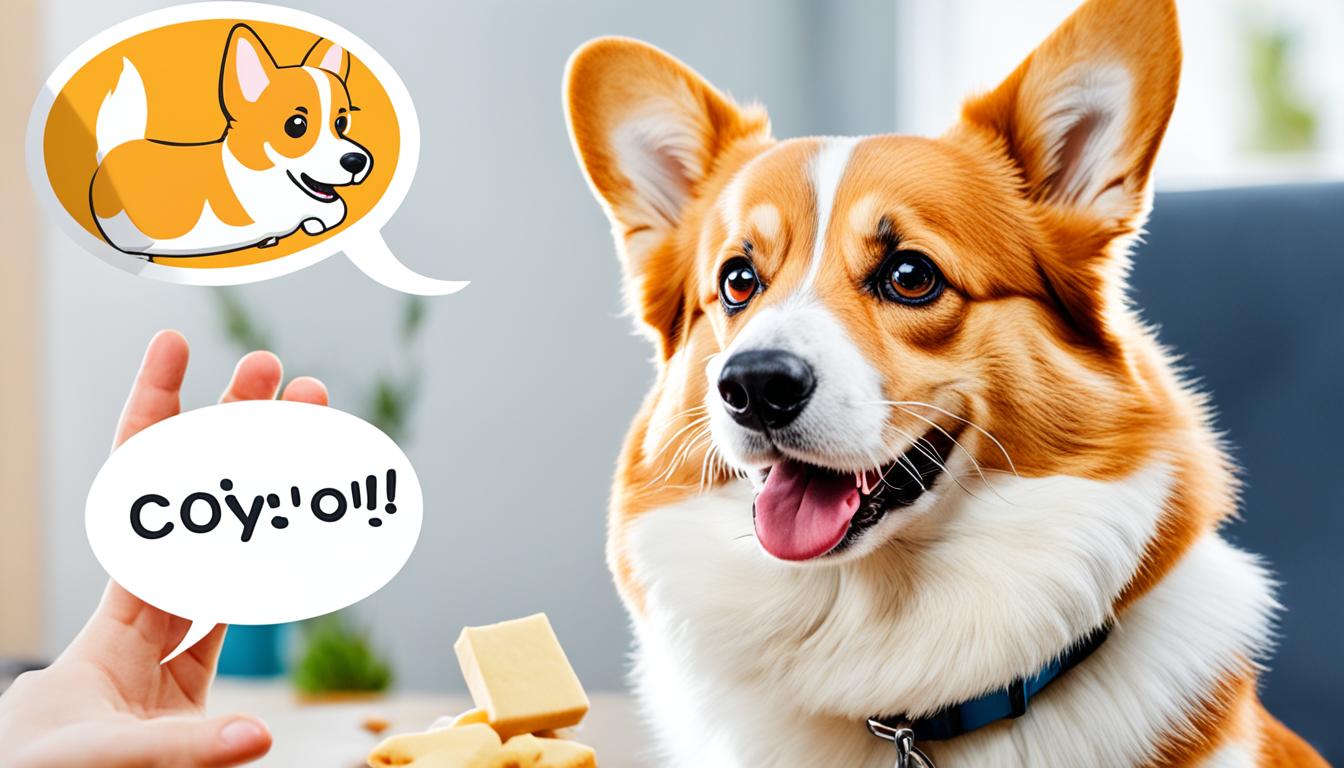

Is your Corgi’s barking turning into a constant background noise? You might often try to quiet them down or say sorry to neighbors for the loudness. Luckily, there are proven ways to train your Corgi to bark less.
Sarah had trouble with her Corgi, Max, who barked too much, especially around guests. This made peaceful chats impossible. Sarah knew she needed a fix.
Sarah was determined to get some quiet. She looked up training methods and talked to experts about why Max barked a lot. With new insights, she started a detailed training plan.
Her first step was to get Max used to what usually made him bark. She slowly let him hear those sounds, rewarding him when he stayed quiet. Max began to react less to these triggers over time.
Sarah also worked on changing how Max felt about these triggers. She made them mean good things, like play or treats. This helped Max act better around them.
Next, Sarah taught Max to understand “quiet” when he barked. She repeated this command and used rewards to encourage silence. Soon, Max knew that “quiet” meant he should stop barking.
Sarah kept Max busy with games and puzzles too. This, along with lots of exercise, kept him from getting bored and barking.
She also made a peaceful spot for Max with his favorite toys. Sarah made sure loud noises were kept away. She even used calming smells and music to help Max relax.
With time, patience, and constant effort, Sarah solved the barking problem. Max barked less, bringing quiet back to their home.
Key Takeaways:
- Understanding why Corgis bark a lot is key to training them.
- Using desensitization, counter-conditioning, and rewards can change a Corgi’s barking habits.
- “Quiet” commands and distraction work well for managing barking around triggers.
- Exercise and mental challenges are vital for reducing barking in Corgis.
- A calm setting can help keep a Corgi quiet and well-behaved.
Understanding the Causes of Corgi Barking
To train your Corgi to quiet down, you must first know why they bark. They might bark because they feel scared, are nervous, protective, bored, or just want your attention. Finding out what makes your Corgi bark is key. This knowledge helps you make a plan to teach them to be calmer.
Often, Corgis bark if they’re afraid or anxious about new faces, animals, or places. They might also bark to protect their area if someone comes too close. Another reason for their barking could be boredom. When they don’t get enough play or exercise, they can get frustrated. This frustration can lead to barking to burn off energy.
Sometimes, Corgis bark to catch your attention, especially if they feel left out. Knowing why your Corgi barks allows you to find the right way to help them. This understanding is crucial for managing their barking.
With the right training and focus on their barking reasons, you can help control it. Next, we will look at various training methods to help quiet your Corgi. These strategies aim to create a peaceful home for both of you.
Desensitizing Your Corgi to Triggers
Desensitization is a training method to help your corgi with excessive barking. You expose them gradually to what scares them. You reward them for being calm. This reduces their barking over time.
Patience, consistency, and rewards are important in this training. Remember, desensitization takes time. Your corgi needs to adjust.
“Desensitization teaches your corgi that triggers are not scary. With consistency and rewards, you can help your corgi stop barking a lot.”
Start by figuring out what makes your corgi bark. These could be noises, people, animals, or certain situations. Once known, introduce your corgi to these triggers slowly in a safe place.
Keep your corgi far from the trigger at first, where they feel calm. Slowly move them closer as they relax. This helps them create positive feelings and react less to the trigger.
Reward your corgi for being calm around their triggers. Use treats, praise, or their favorite toy. This shows them that staying calm is good.
Be consistent with your training. Practice regularly and reduce the distance to the trigger slowly. Every corgi learns at their own pace, so be patient.
| Training Tips for Desensitizing Your Corgi to Triggers |
|---|
| Start with a distance from the trigger where your corgi feels comfortable. |
| Gradually decrease the distance between your corgi and the trigger over time. |
| Reward calm and non-reactive behavior with treats, praise, or toys. |
| Practice regularly and be consistent with the desensitization exercises. |
| Be patient and understanding, as progress may take time. |
Desensitizing your corgi is a great way to lessen their barking. With patience, consistency, and rewards, your corgi will become calmer. They will enjoy a quieter life.
Related Articles:
- Training Tips for Corgis: How to Stop Excessive Barking
- The Importance of Positive Reinforcement in Corgi Training

Using Counter-Conditioning and Positive Reinforcement
Counter-conditioning can change how your Corgi feels about barking triggers. By pairing things like sounds or sights with something good, your Corgi will start to see them as positive. This method makes triggers seem fun instead of scary.
To start, use treats or toys as rewards when your Corgi stays quiet near a trigger. For instance, if they bark at the doorbell, give them a treat for staying silent when it rings. This teaches them that calm behavior brings positive outcomes.
“Counter-conditioning helps your Corgi associate the trigger with a positive experience, reducing their reactive barking.”
Along with counter-conditioning, positive reinforcement is vital. It’s about rewarding your Corgi for being calm and quiet. Reward them with treats or praise when they ignore a trigger or sit calmly instead.
Being consistent with positive reinforcement is crucial. Always reward calm behavior to help your Corgi understand what is expected. This approach will encourage them to keep up the good behavior.
Using Positive Reinforcement Effectively
Here are some tips for positive reinforcement:
- Choose rewards that your Corgi loves, like their favorite treats or toys.
- Give rewards right after they show the behavior you want, so they connect the two.
- Always reward your Corgi for being calm and quiet, even when it’s hard.
- Never punish them for barking, as it can lead to fear or anxiety.
Positive reinforcement not only reduces barking but also strengthens your bond. By using rewards and positive feedback, you create a supportive training environment. This encourages your Corgi to behave well in different situations.

By mixing counter-conditioning with positive reinforcement, you can tackle your Corgi’s barking problem. Stay patient and consistent, and you’ll soon see better behavior from your Corgi.
Teaching Your Corgi the “Quiet” Command
Training your Corgi to follow the “quiet” command can make life more peaceful. When they start barking, say “quiet” calmly and wait. Praise and treat them as soon as they stop. Doing this over and over will make your Corgi link the command to being silent.
Dogs bark naturally, but too much can be a problem. The “quiet” command shows your Corgi another way to express themselves. It keeps things more calm at home.

Redirecting Your Corgi’s Attention
When your Corgi starts barking reactively, there’s a way to handle it. Redirect them to something productive. Doing this stops excessive barking. Let’s look at how to change your Corgi’s focus:
- Offer a favorite toy: Have a toy they can’t resist ready. If they bark, show them this toy to catch their interest. Playing together can make them forget what made them bark.
- Initiate a training session: Turn their barking into a training chance. Ask them for a trick or to follow a command. It shifts their focus and teaches them good behavior. It also keeps their mind busy.
- Engage in play: Playtime is a great distraction. Try a game of fetch or tug-of-war. It’s a fun way to use their energy. This helps in reducing unwanted barking.
By guiding your Corgi’s focus to these activities, you teach them better reactions to their surroundings. Being patient and consistent in your approach is key. Always applaud their good actions with positive feedback.

Redirecting Attention – A Professional’s Perspective:
“Redirecting a Corgi’s attention is key in managing their barking. By using toys, training, or play, we can shift their attention away from barking triggers. These methods not only control barking but also build a strong connection between the pet and its owner. They lead to fun and engaging moments.” – Sarah Johnson, Certified Dog Trainer
Providing Adequate Exercise and Mental Stimulation
To reduce corgi barking, make sure your pet gets plenty of exercise and brain games every day. Exercise burns off their extra energy, leading to a calmer corgi. Keeping their mind busy is also key to prevent boredom and reduce unwanted barking.
Walking your corgi daily for 30 to 60 minutes is a great exercise. It helps release their stored energy and keeps them fit. For variety, you can add jogging, hiking, or fetch in a secure area to their routine.
For a quiet corgi, mental exercise is as important. Use puzzle toys and games that make them think. Toys like Kongs filled with treats or problem-solving puzzles are perfect. Obedience training is another way to challenge their brains and teach good behavior.
Benefits of Adequate Exercise and Mental Stimulation
Exercise and mental games do more than stop your corgi’s barking. Here are the main benefits:
“A well-exercised and mentally stimulated corgi is less likely to engage in reactive barking.”
- Reduces excess energy: Regular exercise helps tire out your corgi, preventing them from becoming restless and resorting to excessive barking.
- Promotes relaxation: Engaging in physical activities and mental challenges promotes relaxation, which can lead to a calmer and less barking-prone corgi.
- Prevents boredom: Boredom is a common trigger for excessive barking. Providing mental stimulation through toys and training sessions prevents boredom-related barking.
- Strengthens the bond: Sharing engaging activities and training sessions with your corgi strengthens the bond between you and establishes you as a reliable and authoritative figure.
- Improves overall well-being: Regular exercise and mental stimulation contribute to your corgi’s physical and mental health, leading to a happier and more balanced companion.
Regular exercise and fun brain games can manage barking and make your corgi’s life happier.
Creating a Calm Environment for Your Corgi
The space around us impacts our Corgi’s barking. Making their area calm can lower their stress and increase peace. Here’s how to set up a quiet spot for your pet:
- Comfortable Bed: Give your Corgi a soft bed to relax in. It helps them feel secure and bark less.
- Designated Toy Area: Have a place for your Corgi’s toys. It keeps them happy and less likely to bark from being upset.
- Calming Scents: Scents like lavender calm both dogs and people. Using scented candles can make a peaceful area for your Corgi.
- Soothing Sounds: Low music or nature sounds can cover up loud noises. Classical or instrumental tunes soothe dogs.
Using these ideas, you can make a soothing spot for your Corgi. It helps them relax and bark less.
“Creating a quiet environment is key to stop barking. Giving them comfort, special areas, and soothing elements makes them safe and happy.”
It might take some time for your Corgi to get used to the space. Stay patient and keep working at it. Soon, you’ll see they bark much less.
Conclusion
Excessive barking in Corgis can be tough, but right training techniques can change their behavior. You can have a quiet, obedient pet if you understand why they bark and use effective training methods. Teaching your Corgi to stop barking too much is totally possible.
First, find out what makes your Corgi bark. Is it fear, wanting attention, or something else? Knowing what causes their barking lets you plan how to train them better.
To reduce their barking, try different strategies. Use desensitization, positive reinforcement, and the “quiet” command. Making sure they get enough exercise and keeping their environment calm also helps. Always be patient and use kind training methods.
FAQ
What are the best training tips to stop Corgis from barking excessively?
Why do Corgis bark excessively?
How can I desensitize my Corgi to triggers?
What is counter-conditioning and how can it help reduce excessive barking?
How can I teach my Corgi the "quiet" command?
How can I redirect my Corgi’s attention to reduce barking?
How important is exercise and mental stimulation in reducing Corgi barking?
How can I create a calm environment for my Corgi?
What are the most effective training tips to stop Corgis from barking?
Source Links
- https://iheartdogs.com/10-secrets-to-stop-your-corgi-from-barking/
- https://wagwalking.com/training/stop-barking-6
- https://www.quora.com/What-suggestions-do-you-have-to-deter-a-Corgi-from-barking-constantly-Should-I-try-a-no-shock-vibrating-beeping-collar-A-Corgi-that-boards-w-me-barks-a-lot-especially-constantly-when-chasing-one-of-my-dogs-It

Carlos is the passionate founder and primary author behind “CorgisCorner.com,” a website dedicated to all things related to the beloved Corgi breed. Born and raised in a small town known for its strong sense of community and love for animals, Carlos developed a deep affection for Corgis from a young age. This love was sparked by his childhood companion, a spirited and loyal Corgi named Toby, who was a constant source of joy and friendship.