

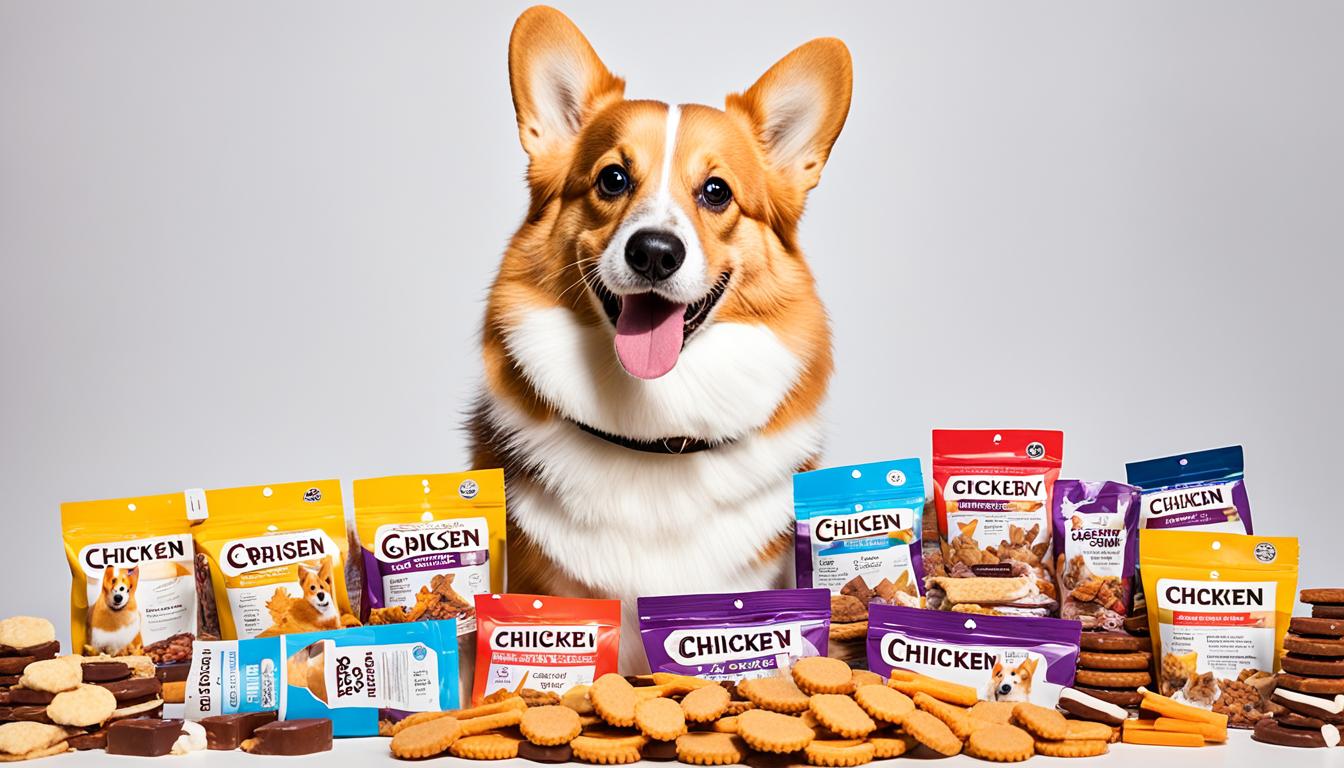

Training a Corgi is both fun and rewarding. Their loyalty and love are beyond compare. However, it can sometimes be tough. As someone who owns a Corgi, I’ve faced the challenge of finding the perfect treats. These treats make training not just effective but also fun for us both.
Bringing my Corgi, Cooper, home for the first time was overwhelming because of the treat options. I looked for treats that would grab his interest, encourage him to learn, and reward his good behavior. Through some trial and error, I found out how key it is to pick the best Corgi training treats for successful training.
Key Takeaways:
- Choosing the right treats is crucial for effective Corgi training.
- Look for fast-eating, small-sized, and soft treats that are enticing to your Corgi.
- Switching up treat types keeps your dog engaged and excited during training.
- Have on-the-spot treats for impromptu training situations.
- Slow-eating treats provide long-lasting entertainment and reward.
Fast-Eating Dog Training Treats
Fast-eating treats can change the game in training sessions. They help keep your dog motivated and focused. Because they’re eaten quickly, you can do lots of practice without pausing for too long.
These treats are great for training that needs many tries in a short time. You can quickly reward your dog for doing the right thing. This helps your dog get ready for more training right away.
When choosing treats, go for ones that are small and easy to eat. Look for treats that say “fast-eating” or “training treats.” This means they’re made for easy and quick eating during training.
These treats are often soft or semi-moist. This makes them easier for your dog to eat quickly. Your dog won’t spend much time chewing. So, you can keep moving with your training without any delays.
Also, think about what your dog can or cannot eat. Some dogs may be allergic to certain foods. Always read the treat labels to find what’s best for your dog.
Benefits of Fast-Eating Dog Training Treats:
- High rate of reinforcement
- Encourages focus and engagement
- Allows for swift repetition of training exercises
- Suitable for exercises that require multiple repetitions
- Soft texture for easy chewing and swallowing
- Keeps training sessions efficient and effective
Using the right fast-eating treats will improve your dog’s training. These treats make rewarding quick and effective. This keeps your dog interested and eager to learn. Training becomes more enjoyable for both of you.
| Treat Name | Type | Size | Key Features |
|---|---|---|---|
| Brand XYZ Training Bites | Semi-Moist | Small | Quick consumption, high palatability |
| ABC Fast-Eat Training Treats | Soft | Small | Rapid consumption, ideal for repetitive exercises |
| Healthy Paws Quick Bites | Soft | Small | Easy to chew and swallow, ideal for training sessions |
Having fast-eating treats during training can really help your dog. They offer instant rewards, keeping your training sessions lively. Make sure the treats you pick fit your dog’s likes and health needs for a great training experience.
Keep Dog Training Treats Small
In dog training, the treat size matters a lot. Use small treats to make sessions work better. Even big dogs like Corgis do well with tiny, pea-sized treats.
Many treats sold in stores are too big for training. But, you can find smaller options. Look for treats made for training, or simply cut big treats into smaller pieces.
Small treats are good for training. They stop your dog from eating too many calories. They get the right amount of reward without getting overweight. Always choose treats of the right size for teaching your dog.
Soft and Stinky Dog Training Treats
Choosing the right treats is key when training your dog. Many trainers and dog owners prefer soft and stinky treats. They have benefits that make them great for training.
Soft treats are quicker for your dog to eat. This means you can quickly reward them for good behavior. They are tasty, making your dog want more. The smell of treats like cheese or bacon grabs your dog’s attention. It helps keep them focused during training.
Soft and stinky treats work well when training in distracting places. Their strong smell helps keep your dog’s attention on you. They are perfect for any training, from learning commands to behavior improvement. These treats can keep your dog interested and happy.
Dr. Jane Smith, a well-known dog trainer, says:
“Soft and stinky treats are a game-changer in dog training. The combination of irresistible texture and appealing smell makes them invaluable tools for positive reinforcement.”
So, when preparing for training, don’t forget soft and stinky treats. They make training fun for you and your pet.
Recommended Soft and Stinky Dog Training Treats
Here are some top soft and stinky treat picks for dogs:
- Cheese cubes or shreds
- Bacon strips or bits
- Liver treats
- Sausage slices or chunks
It’s vital to pick treats that suit your dog’s health needs. Always check with your vet to make sure your choices are safe for your pet.
Changing Up Types of Treats
Dogs, like us, enjoy a bit of variety. They get bored eating the same treats every day. By offering different treats during training, your dog will stay eager to learn.
Understanding your dog’s treat preferences is key. They may favor certain treats, similar to how they have favorite toys. Having a usual treat is good, but adding variety is better.
Introducing new treats can keep your dog interested. It also avoids treat fatigue. This happens when dogs get too used to a reward. By mixing in new treats and flavors, you keep your dog focused.
Try offering treats with various flavors, textures, and sizes. You could switch between soft treats and crunchy biscuits. Trying out flavors like chicken, beef, or fish could excite your dog’s taste buds.
Also, adding homemade treats can make training fun and varied. Making treats yourself allows you to try out different flavors. It’s a fun activity and ensures you know what’s in your dog’s treats.
Remember, training is meant to be fun for you and your dog. Varying your treats helps keep your dog keen and ready to learn.
Types of Treats to Consider:
- Commercial Treats: Pick different flavors and textures from trusted brands.
- Fruit and Vegetable Treats: Use small pieces of fruits like apples or vegetables like carrots.
- Freeze-Dried Treats: These are easy to use and come in many flavors.
- Homemade Treats: Bake your own treats using ingredients like peanut butter or pumpkin.
- Treat Dispensing Toys: These toys make your dog work for their treats.
Trying different treats can keep your dog interested in training. It also helps find their favorite rewards. Always check for dietary needs and allergies when trying new treats.
Pros and Cons of Changing Up Treats
| Pros | Cons |
|---|---|
| Prevents treat fatigue | May cause upset stomach if new treats are introduced too fast |
| Keeps your dog engaged and motivated | Allergies to new ingredients are possible |
| Customizes treats to your dog’s likes | Preparing homemade treats can take more time |
Food For On-the-Spot Dog Training
For quick training moments, having treats ready is key. Look for treats like freeze-dried liver or jerky. These can be cut into little pieces. They are great for rewarding your dog right away and easy to carry in a bag or pocket.
Having the right treats makes a big difference in training. Whether you’re walking or practicing commands at home, easy-to-carry treats help reward good behavior immediately.
Freeze-dried liver and jerky are top choices for quick training. They are light, small, and last long. Perfect for training anywhere. You can cut them into small pieces for training.
Giving these treats right when your dog does well helps them learn faster. This makes it more likely your dog will do the behavior again.
“Having nonperishable treats on hand for on-the-spot dog training is like having a secret weapon in your pocket. It allows you to seize training opportunities whenever they arise and keep your dog engaged and motivated.” – Dog Training Expert
Choose high-quality treats for training. Look for treats with real meat and few additives. Stay away from artificial colors, flavors, or preservatives. They’re not good for your dog’s health.
Think about treat size and texture too. Pick small, quick-to-eat treats. Soft treats work well for quick rewards, as you can break them into smaller bits.
On-the-spot training treats should catch your dog’s interest. Freeze-dried liver and jerky smells strongly and dogs love that. This makes them great for keeping your dog focused during training.
With these treats ready, you can use every chance to train your dog and reward them instantly. So, always have your nonperishable treats ready for unexpected training sessions!
Slow-Eating Dog Training Treats
Sometimes, you want a dog treat to last a long time during training. You might be teaching your pet to like their crate or keeping them busy. Slow-eating treats are perfect for this. They entertain your dog for a long time and help them stay focused.
“Slow-eating treats are a big help with crate training. I love using food-stuffed toys, like Kongs with cream cheese or peanut butter. They keep my dog busy for hours. This makes them love their crate and makes training much easier.”
– Sarah, Dog Trainer
Bully sticks are also great for slow-eating rewards. They taste great and take a while to eat. They keep your dog busy, letting you train without being interrupted.
Check out this table of popular slow-eating dog treats:
| Treat | Description |
|---|---|
| Bully sticks | Yummy and chewy, good for teeth |
| Kong toys filled with cream cheese or peanut butter | Keeps your dog’s mind busy and rewards them for a long time |
Pick treats that are safe and good for your dog. Watch your dog with slow-eating treats to avoid choking hazards. If your dog has food sensitivities or allergies, talk to a vet before trying new treats in their training.
Next, we’ll look at how to choose the best dog training treats. Stay tuned!

What To Look For in Dog Training Treats
Choosing the right dog training treats is key. The perfect treats make training fun and keep your dog focused. Let’s talk about what makes a treat great for training:
- Treat Preference: Pick treats your dog loves. Since each dog has its favorites, find ones that excite your furry buddy.
- Small Size: Small treats work best. They allow you to reward your dog often without overfeeding. Even big dogs only need a little treat to understand it’s a reward.
- Healthy Ingredients: Make sure the treats are healthy. Look at the ingredients and stay away from bad additives and artificial stuff. This keeps your dog healthy and happy.
- Calorie Content: Keep an eye on calories. If training is a big part of your day, remember treats are extra, not a meal. They should just add to what your dog normally eats.
- Consider Alternatives: Treats are fantastic but mix it up. Playtime or a kind word can also show your dog they did great. Variety is key for a happy, well-trained dog.
Remember these tips to find the best treats for your dog’s training. It will help your dog learn and keep them healthy.
Here’s a quick visual guide on picking dog training treats:
| Treat Preference | Small Size | Healthy Ingredients | Calorie Content | Consider Alternatives |
|---|---|---|---|---|
 |
 |
Recommended Training Treats To Try
Training your Corgi is easier with the right treats. Several treats can motivate them during training. Here are some treats to try:
- Boiled Chicken: Boiled chicken is healthy and loved by most dogs. It’s simple to prepare and great for training.
- Kibble: Using your dog’s kibble as a treat is super convenient. It’s perfect when you’re short on time or other treats.
- Yogurt: Frozen or fresh, yogurt is a tasty treat. It’s good for your dog’s tummy too.
- Peanut Butter: Dogs usually love peanut butter. Just pick one without harmful sweeteners like xylitol.
- Pumpkin: Pumpkin is not just tasty; it’s also full of good nutrients. It makes a great treat.
- Apple Slices: Fresh apple slices are crunchy and healthy. Just remove the seeds and core first.
- Fresh Vegetables: Treats like baby carrots and broccoli are crunchy and healthy. They keep training interesting with different textures.
It’s key to use treats wisely and keep an eye on your dog’s daily calories. Finding the right treats might take some tries. Watch your dog’s weight and adjust treats as needed.
Here is a table of the recommended training treats:
| Treat | Description |
|---|---|
| Boiled Chicken | Easy and healthy, perfect for small training rewards. |
| Kibble | Convenient to use, right from your dog’s daily food. |
| Yogurt | Tasty and good for digestion, whether it’s frozen or not. |
| Peanut Butter | Must be xylitol-free, a high-value reward dogs love. |
| Pumpkin | Healthy and filling, a fine choice for a treat. |
| Apple Slices | Refreshing and crisp, but remove any seeds first. |
| Fresh Vegetables | Great for low-calorie snacking, like carrots or green beans. |

Varying treats can make training fun and keep your Corgi keen to learn. Choose treats that suit your dog’s taste and health needs. The right treats will help reinforce good habits and strengthen your bond.
Common Corgi Health Issues
Corgis, like any breed, face specific health challenges. Knowing these issues is key. Regular vet visits and proper diet promote their well-being. This keeps them both healthy and joyful.
Hip and Elbow Dysplasia: Corgis can get hip and elbow dysplasia. This issue causes joint problems. It may lead to pain, difficulty in moving, and arthritis.
Progressive Retinal Atrophy (PRA): PRA is a genetic eye disease. It slowly damages the retina. This can cause vision loss or even blindness. Early eye checks are vital.
Degenerative Myelopathy: This condition affects the spine. It results in weakness and paralysis of the back legs. Physical therapy and care are important since there’s no cure.
Von Willebrand’s Disease: This is a bleeding disorder. It’s due to lack of a clotting protein. It leads to easy bleeding. Testing is needed before any surgery.
Obesity: Corgis easily gain weight. This adds pressure on their body. Healthy eating and exercise prevent obesity’s bad effects.
“Regular veterinary check-ups and a balanced diet can help keep your Corgi healthy and happy.”
Know these health issues and talk to your vet. This way, you can lessen their effect on your Corgi. Give love and support to your pet. They will flourish.
Conclusion
Training your Corgi right is key to good training sessions. Choose treats that are quick to eat, small, soft, and have a strong smell. This will keep your dog interested and ready for training. Treats that are fast to eat help keep the training going. Small treats make training more efficient.
Soft and smelly treats are very tempting for your dog, especially when there are distractions. It’s important to mix up the treats you use. This keeps your dog eager to learn.
Being aware of common health issues in Corgis is vital. Regular vet visits, a balanced diet, and the right amount of exercise can prevent and manage health problems. A healthy Corgi is a happy one.
Always talk to your vet to make sure you’re giving your Corgi the best care. They can offer advice tailored to your dog’s needs. Following these tips and choosing the right treats and care will help your Corgi stay obedient, happy, and healthy for life.
FAQ
What type of treats are ideal for fast-eating during training sessions?
How small should training treats be?
Why are soft and stinky treats recommended for training?
Should I vary the types of treats I use during training sessions?
What are the best options for on-the-spot dog training treats?
Which treats are suitable for slow-eating and long-lasting entertainment?
What factors should I consider when choosing dog training treats?
What are some recommended training treats for Corgis?
What are some common health issues in Corgis?
Source Links
- https://www.akc.org/expert-advice/training/dog-training-treats/
- https://www.thehonestkitchen.com/blogs/pet-tips-training/best-dog-training-treats
- https://www.petplate.com/blog/diet-nutrition-guide-corgis/

Carlos is the passionate founder and primary author behind “CorgisCorner.com,” a website dedicated to all things related to the beloved Corgi breed. Born and raised in a small town known for its strong sense of community and love for animals, Carlos developed a deep affection for Corgis from a young age. This love was sparked by his childhood companion, a spirited and loyal Corgi named Toby, who was a constant source of joy and friendship.