

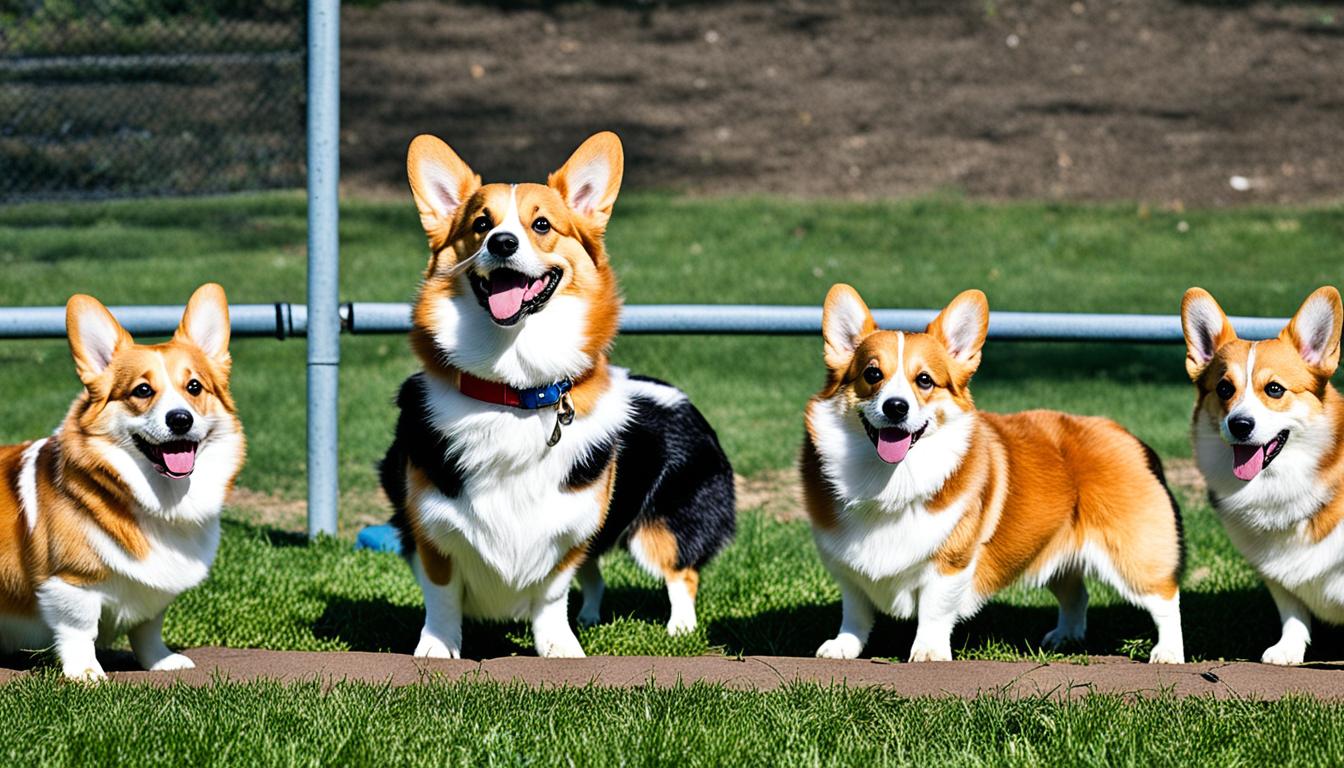

Are you a proud owner of a Corgi or thinking about bringing one into your family? While these adorable dogs are known for their friendly and outgoing nature, they can sometimes exhibit behavioral issues that may surprise you. From aggression to stubbornness, Corgis can present unique challenges for their owners.
In this article, we will delve into the world of Corgi behavior problems, providing you with valuable insights and effective strategies to address and manage these issues. Whether you’re dealing with aggression, fear, dominance, or territorial behavior, we’ve got you covered with expert advice and practical tips.
So, why do Corgis display these behavioral issues? How can you recognize the signs and take the necessary steps to prevent and manage them? Let’s explore the intriguing world of Corgi behavior together.
Key Takeaways:
- Understanding the root causes of Corgi behavior problems is essential for effective management.
- Corgis are not inherently aggressive, but certain factors can trigger aggression in them.
- Recognizing signs of aggression in Corgis is the first step in addressing and managing their behavior.
- Professional guidance and positive reinforcement techniques can help in stopping aggression in Corgis.
- Preventing Corgi bites and managing their unique personality traits require a holistic approach.
Are Corgis Aggressive?
Corgis are generally not considered an aggressive breed, but it is important to understand that aggression can still occur in individual dogs. Aggression in Corgis can be triggered by various factors, including a lack of training, poor socialization, dominance issues, fear, or pain. It is crucial for Corgi owners to recognize that aggression is not indicative of the entire breed’s behavior, but rather an individual issue that requires proper training and management.
While Corgis are known for their friendly and outgoing personalities, there can be exceptions to this general temperament. It is essential for Corgi owners to proactively address any signs of aggression and seek professional guidance to develop effective strategies for behavior modification.
By addressing the underlying reasons for aggression and implementing appropriate training techniques, Corgi owners can help their dogs become well-behaved and sociable members of the family. It is important to remember that aggression in Corgis does not define the breed as a whole, and with the right approach, these dogs can thrive in a loving and structured environment.
To better understand the behavioral patterns and factors that contribute to aggression in Corgis, let’s explore some common triggers:
- Lack of Training: Insufficient training can result in behavioral issues, including aggression. Establishing a consistent training routine from an early age can help Corgis develop good behaviors and prevent aggressive tendencies.
- Poor Socialization: Inadequate exposure to various people, animals, and environments can lead to fear and aggression in Corgis. Proper socialization, which involves gradual introductions and positive experiences, is essential for a well-rounded and confident dog.
- Dominance Issues: Corgis, like any other dog breed, can exhibit dominance-related aggression if they perceive themselves as the alpha in the household. Establishing clear leadership and consistent rules can help prevent and address dominance-based aggression.
- Fear: Corgis may become aggressive when they feel threatened or scared. Identifying the specific triggers that cause fear in your dog and providing a safe and supportive environment can help reduce aggression stemming from fear.
- Pain: Dogs in pain may display aggressive behavior as a protective mechanism. Regular veterinary check-ups and addressing any underlying medical conditions can ensure that your Corgi is not experiencing pain-induced aggression.
By addressing these underlying causes of aggression and providing the necessary training and support, Corgi owners can foster a harmonious and happy relationship with their furry companions.
Quote:
“Aggression in Corgis is not a breed characteristic, but rather an individual issue that can be addressed with proper training and management.” – Dr. Sarah Johnson, Canine Behavior Specialist
Next, let’s delve into understanding the temperament of Corgis and how it relates to their behavior.
Understanding Corgi Temperament
Corgis are beloved for their distinctive appearance, but their temperament is equally noteworthy. As herding dogs, Corgis possess a unique mix of traits that contribute to their overall temperament. To effectively train and manage their behavior, it is crucial for Corgi owners to understand these natural predispositions.
One notable aspect of Corgi temperament is their strong sense of independence. These intelligent dogs have a knack for problem-solving and often exhibit an independent streak. While this independence can be endearing, it can also present challenges during training. Corgis may require patient and consistent guidance to ensure they understand and comply with commands.
Alongside their independence, Corgis are known for their intelligence. This intelligence enables them to quickly grasp new concepts and learn commands. However, it can also make them more inclined to challenge authority. Clear boundaries and consistent training methods are essential to establish a balanced and cooperative relationship with a Corgi.
In addition to their independence and intelligence, Corgis can exhibit a certain degree of stubbornness. This stubborn streak may manifest when a Corgi is asked to perform tasks they deem uninteresting or unnecessary. Patience and positive reinforcement are key when navigating their stubborn tendencies. By offering rewards and engaging in stimulating training activities, Corgis can be motivated to overcome their stubbornness and become more responsive.
Strategies for Training Corgis:
- Stay consistent with training methods and commands.
- Use positive reinforcement to motivate and reward desired behavior.
- Provide mental and physical stimulation to prevent boredom and decrease potential destructive tendencies.
- Establish clear boundaries to guide your Corgi’s behavior.
- Engage in socialization activities to promote positive interactions with other dogs and people.
“Understanding Corgi temperament is crucial for successful training and behavior management. By acknowledging and embracing their innate qualities, owners can build a strong foundation for a happy and well-behaved companion.”
– Corgi Training Expert
Remember, each Corgi is an individual with unique personality traits and temperaments. It’s important to tailor training methods to suit your dog’s specific needs and preferences. By providing the right guidance, love, and patience, you can shape your Corgi into a well-rounded and contented member of your family.
Reasons for Corgi Aggression
Aggression in Corgis can arise from various factors, each requiring a tailored approach for behavior modification. By understanding the underlying causes of Corgi aggression, owners can effectively address and manage these behavioral issues. Consulting with professionals can help identify specific triggers and develop appropriate strategies for each individual case.
- Fear: Corgis may display aggression when feeling threatened or scared. Traumatic experiences or a lack of socialization can contribute to fear-based aggression.
- Dominance issues: Some Corgis exhibit aggression in an attempt to establish themselves as the alpha dog or assert dominance over others.
- Resource guarding: Corgis can become possessive and exhibit aggression when protecting their belongings, such as food, toys, or territory.
- Pain: Unresolved pain or discomfort can trigger aggression in Corgis. It is crucial to address any potential underlying medical issues with the help of a veterinarian.
- Territorial behavior: Corgis are known for their herding instincts, and aggressive behavior may arise when they perceive a threat to their environment or personal space.
Identifying the specific reason behind Corgi aggression is key to developing an effective behavior modification plan. Working with professionals skilled in canine behavior can provide invaluable insights and guidance.

Case Study: Resource guarding in Corgis
“Resource guarding, where a Corgi becomes possessive and aggressive over food or toys, can be managed through positive reinforcement training. By gradually desensitizing the Corgi to the presence of people or other pets near their resources and rewarding calm behavior, we can modify this aggressive response.”
| Reasons for Corgi Aggression | Management Strategies |
|---|---|
| Fear | Slow desensitization and counter-conditioning |
| Dominance issues | Clear rules and boundaries, consistent leadership |
| Resource guarding | Positive reinforcement training, gradual desensitization, and counter-conditioning |
| Pain | Address underlying medical issues with veterinary care |
| Territorial behavior | Environmental management, gradual exposure, positive reinforcement |
Implementing appropriate management strategies based on the specific reason for aggression can help Corgis overcome their behavioral issues and lead happier, more balanced lives.
Recognizing Signs of Aggression in Corgis
As a Corgi owner, it is crucial to be able to recognize the signs of aggression in your beloved companion. While Corgis are generally friendly and outgoing, they can exhibit aggressive behavior under certain circumstances. By being aware of these signs, you can take proactive steps to address and manage their aggression effectively.
- Growling: One of the most common signs of aggression in Corgis is growling. It serves as a warning to communicate their discomfort or displeasure.
- Snarling: Similar to growling, snarling involves baring teeth and emitting a low, rumbling sound. It signifies a heightened state of aggression and should be taken seriously.
- Biting: Aggressive Corgis may resort to biting as a means of defense or to establish dominance. It is crucial to intervene and train them to modify this behavior.
- Lunging: When a Corgi lunges, it demonstrates a desire to attack or make physical contact. This behavior can be triggered by fear, anxiety, or perceived threats.
- Snapping: Snapping is a sudden, forceful movement aimed at intimidating or warding off a perceived threat. It is a clear indication of aggression.
Other signs of aggression in Corgis can include raised hackles, staring, or repeated lunging attempts. It is essential to observe their body language and context when assessing their behavior.
Recognizing these signs is the first step in addressing and managing Corgi aggression. When you can identify the warning signs early, you can take appropriate action to prevent aggressive behavior from escalating.

Strategies to Stop Aggression in Corgis
Addressing aggression in Corgis requires a thoughtful and professional approach. Seeking the guidance of a knowledgeable dog trainer is highly recommended. A professional trainer can provide invaluable insights and design a behavior modification plan tailored to your Corgi’s individual needs. Here are some effective strategies to stop aggression in Corgis:
Socialization and Slow Introductions
Socialization plays a crucial role in shaping a Corgi’s behavior. Gradually expose your Corgi to different people, animals, and environments, ensuring positive experiences throughout. Slow introductions allow your Corgi to become comfortable and confident in various situations, reducing the likelihood of aggression.
Positive Reinforcement Training
Positive reinforcement training is a powerful tool for modifying behavior. Rewarding desired behaviors with treats, praise, and affection helps create a positive association and encourages your Corgi to repeat those behaviors. Focus on reinforcing calm and non-aggressive behaviors to help your Corgi make positive changes.
Avoid Triggering Situations
Identify and avoid situations that trigger aggression in your Corgi. This may include removing them from crowded or stressful environments, limiting exposure to potential triggers, or redirecting their attention to more appropriate activities. By proactively managing their environment, you can prevent aggression from escalating.
Veterinary Care
It is important to address any potential underlying pain issues that may contribute to aggression. Regular veterinary check-ups and open communication with your veterinarian can help determine if there are any physical issues causing discomfort or pain. Treating these issues can significantly reduce aggression in Corgis.
Remember, consistency, patience, and ongoing training are key when working to stop aggression in Corgis. With proper guidance and a proactive approach, you can help your Corgi develop positive behaviors and become a well-adjusted and happy companion.

| Strategies to Stop Aggression in Corgis | Benefits |
|---|---|
| Socialization and Slow Introductions | – Helps Corgis become more comfortable in different situations – Reduces the likelihood of aggression |
| Positive Reinforcement Training | – Creates a positive association with desired behaviors – Encourages your Corgi to repeat those behaviors |
| Avoid Triggering Situations | – Prevents the escalation of aggression – Manages and reduces potential triggers |
| Veterinary Care | – Addresses underlying pain issues – Reduces aggression related to discomfort or pain |
Disciplining an Aggressive Corgi Puppy
When it comes to dealing with aggression in a Corgi puppy, it’s important to approach the situation with care and positive reinforcement techniques. Avoiding disciplinary methods and focusing on positive reinforcement will create a trusting and loving relationship between you and your furry friend.
The American Veterinary Society of Animal Behavior recommends using reward-based methods when teaching training skills and addressing unwanted behaviors in Corgis. Positive reinforcement, such as treats, praise, and playtime, can be highly effective in correcting aggression and teaching desired behaviors. By rewarding good behavior, you can shape your Corgi puppy’s actions and build a strong bond with them.
When disciplining an aggressive Corgi puppy, remember the following tips:
- Set clear boundaries: Establishing consistent rules and boundaries will provide structure and guidance for your Corgi puppy. This helps them understand what is expected of them and reduces any confusion or frustration that may contribute to aggression.
- Redirect their focus: If you notice your Corgi puppy displaying aggressive behavior, redirect their attention to a more appropriate and engaging activity. This could involve offering them a chew toy or engaging them in a game of fetch. Distracting them with positive stimuli can help diffuse their aggression.
- Provide socialization opportunities: Introducing your Corgi puppy to new people, animals, and environments from a young age can help them become more comfortable and confident in different situations. Proper socialization can prevent fear-based aggression and promote positive interactions.
Remember, building a strong bond with your Corgi puppy through positive reinforcement techniques is key to addressing their aggression. With patience, consistency, and the help of professional trainers if needed, you can guide your Corgi puppy towards becoming a well-behaved and happy companion.

Understanding the Importance of Positive Reinforcement
Positive reinforcement is a powerful tool in disciplining an aggressive Corgi puppy. By rewarding desired behaviors, you can shape their actions and encourage them to repeat those behaviors in the future. This method focuses on providing praise, treats, and affection whenever your Corgi puppy displays good behavior, reinforcing the idea that behaving in a certain way leads to positive outcomes.
Positive reinforcement not only helps correct aggression but also strengthens the bond between you and your Corgi puppy. It creates an environment of trust and understanding, where your puppy feels safe and valued. With time and consistency, positive reinforcement techniques can effectively modify aggressive behaviors, replacing them with more desirable actions.
Preventing Corgi Bites
Corgi bites can be a concerning behavior, but with proper training and prevention methods, it can be addressed. It is crucial for owners to seek professional advice to understand the underlying cause of biting behavior and develop a comprehensive plan to prevent it. By addressing the root cause and implementing preventive measures, owners can ensure the safety of their Corgis and those around them.
One effective approach to preventing Corgi bites is to enrich the dog’s life with physical and mental stimulation. Regular walks and exercise sessions help fulfill their need for physical activity, while engaging them in training and playtime can keep their minds occupied. Puzzle toys that provide a mental challenge can also be used to redirect their biting behavior into appropriate activities, such as chewing on toys rather than hands or clothing.
Professional training plays a vital role in preventing Corgi bites. Trainers can assess the dog’s behavior, identify triggers for biting, and develop a tailored training plan. Positive reinforcement techniques, using rewards and praise for desired behaviors, can be utilized to teach the Corgi appropriate ways to interact with people and other pets. Consistency and patience are key when implementing training methods, and owners should reinforce positive behaviors regularly to reinforce the training and encourage good habits.
Creating a safe and secure environment is another crucial aspect of preventing Corgi bites. Owners should ensure that their Corgis have a designated space, such as a crate or a separate area, where they can retreat when they need alone time. It is also important to supervise interactions with children and other animals, especially during the initial stages of training. By gradually introducing socialization opportunities and carefully monitoring interactions, owners can reduce the likelihood of aggressive behavior leading to bites.
“Prevention is key when it comes to addressing Corgi bites. Understanding the underlying causes, providing proper training and mental stimulation, and creating a secure environment are essential for maintaining the safety of both the dog and those around.” – Dr. Sarah Anderson, Canine Behavior Specialist
Understanding Corgi Personality
Corgis are beloved for their unique and endearing personality traits. These dogs are known for being cheerful, playful, loyal, and yes, sometimes even stubborn. Corgis thrive on attention and love to be involved in family activities, making them wonderful companions.
Despite their small stature, Corgis possess a high level of intelligence. They quickly pick up on commands and are eager to learn new tricks. However, their intelligence can also make them independent and strong-willed at times. It is essential for owners to establish a loving leadership role and provide them with tasks and mental stimulation to keep their intelligent minds engaged.
“Corgis are like little clowns. They have such unique personalities and can always make you smile with their silly antics.” – Emily, Corgi owner
Temperament and Behavior
When it comes to temperament, Corgis are generally friendly and affectionate dogs. They form strong bonds with their families and often become protective of their loved ones. However, this loyalty can sometimes manifest as stubbornness or protectiveness, which should be addressed through proper training and socialization.
Corgis have herding instincts deeply ingrained in their behavior. They may display natural tendencies to bark and nip, which can be misconstrued as aggression. Understanding these breed-specific traits is crucial for training and managing their behavior effectively.
It is important to note that each Corgi has its own unique personality, and their individual temperament can vary. Proper socialization from an early age can help ensure that they grow up to be well-rounded and well-behaved dogs.
Training and Socialization Tips
To bring out the best in your Corgi’s personality, positive reinforcement techniques are highly recommended. These include providing rewards, praises, and treats to encourage desired behaviors.
- Start training your Corgi from an early age to establish good habits and manners.
- Expose your Corgi to various environments, people, and animals to promote proper socialization.
- Include mental enrichment activities, such as puzzle toys and interactive games, to keep their sharp minds stimulated.
- Be patient, consistent, and firm in your training approach, as Corgis can sometimes test boundaries.
Remember, understanding and adapting to your Corgi’s unique personality will help strengthen the bond between you and create a loving, well-behaved companion.
| Traits | Description |
|---|---|
| Cheerful | Corgis have an inherently happy demeanor and bring joy to any household. |
| Playful | They possess a playful nature and enjoy engaging in games and activities. |
| Loyal | Corgis are fiercely loyal to their families and will go to great lengths to protect them. |
| Stubborn | They can display stubborn tendencies, requiring consistent and patient training methods. |
Activity Level of Corgis
Corgis are known for their moderate activity level and require regular exercise to keep them healthy and happy. Daily walks and playtime in the yard are essential for meeting their physical and mental stimulation needs. Engaging in these activities not only helps them burn off energy but also provides an opportunity for them to explore their surroundings and satisfy their natural curiosity.
Regular exercise is crucial for Corgis to maintain a healthy weight and prevent obesity, which can lead to numerous health issues. It also helps in preventing behavioral problems that may arise from boredom or pent-up energy. By engaging in physical activities, Corgis can release their energy in a positive and productive way.
While Corgis have a medium activity level, it is important to note that their exercise needs may vary depending on their age, health, and individual preferences. Some Corgis may require more exercise than others, especially if they have a higher energy level or engage in sports and activities such as agility training or herding trials.
“Regular exercise is crucial for Corgis to maintain a healthy weight and prevent obesity, which can lead to numerous health issues.”
Adaptable to Different Living Environments
One of the great things about Corgis is their adaptability to different living environments. Whether you live in an apartment or a house with a yard, Corgis can thrive as long as their exercise and engagement needs are met.
For Corgi owners living in apartments, daily walks and interactive play sessions are essential. Taking them out for walks in the neighborhood or to nearby parks provides them with the opportunity to explore new scents and sights while getting the exercise they need. You can also engage them in mentally stimulating activities, such as puzzles or obedience training, to keep their minds active.
For Corgi owners with access to a yard, make sure it is securely fenced to prevent them from wandering off. Set up an area with toys and obstacles for them to play and exercise. Keep in mind that Corgis are known for their herding instinct, so providing them with tasks or activities that stimulate their natural abilities can be highly beneficial.
Regardless of the living environment, it is important to remember that exercise should be a regular part of a Corgi’s routine. Building a consistent exercise schedule and incorporating activities that cater to their physical and mental needs will help keep them happy, healthy, and well-behaved.
Exercise Recommendations
Here are some exercise recommendations to keep your Corgi physically and mentally stimulated:
- Take your Corgi for at least one or two 30-minute walks each day.
- Engage them in interactive play sessions with toys, such as fetching a ball or playing tug-of-war.
- Consider enrolling your Corgi in agility training classes or other dog sports that challenge them both physically and mentally.
- Set up obstacle courses or create scavenger hunts in your yard to provide them with additional mental stimulation.
- Take them to the dog park to socialize and exercise with other dogs, but always ensure their safety and monitor their interactions.
Remember to tailor the exercise routine to your Corgi’s age, health, and individual needs. If you have any concerns about their exercise requirements or limitations, consult with your veterinarian for guidance.
Training Corgis
Corgis are known for their intelligence, which makes them generally easy to train. However, their independent and stubborn nature can present some challenges. It is important to approach Corgi training with positive reinforcement techniques and consistent rules and boundaries.
When training a Corgi, it is crucial to establish yourself as a firm yet loving leader. Use rewards such as treats, praise, and playtime to motivate and encourage desirable behavior. Avoid using harsh methods or punishment, as it can lead to fear and aggression.
Basic obedience training is essential for Corgis, but their desire to learn doesn’t stop there. These intelligent dogs thrive on mental stimulation and love to learn new tricks and tasks throughout their lives. It is important to keep training sessions fun and engaging to maintain their interest and focus.
Agility training is particularly beneficial for Corgis. It not only provides physical exercise but also challenges their active minds. Setting up an agility course with obstacles such as jumps, tunnels, and weave poles can help keep your Corgi mentally and physically stimulated.
Remember, consistency is key when training a Corgi. Set clear expectations and reinforce positive behaviors consistently. With patience, dedication, and the right training approach, you can shape your Corgi into a well-behaved and obedient companion.
| Benefits of Training Corgis | Challenges of Training Corgis |
|---|---|
|
|
Conclusion
Managing and understanding Corgi behavioral issues requires a holistic approach that includes behavior management, prevention, and training. Corgis can be well-behaved and enjoyable family pets with the right techniques and professional guidance.
To address and manage behavioral issues, owners need to be patient, consistent, and dedicated. Implementing prevention strategies, such as socialization and proper training from an early age, can help prevent issues from developing. Understanding the unique traits of Corgis, such as their independence and intelligence, is crucial in training them effectively.
With the right balance of love, boundaries, and positive reinforcement, Corgis can overcome any behavioral challenges they may face. Whether it’s addressing aggression, controlling biting behavior, or managing their active nature, owners play a vital role in their Corgi’s behavior management.
FAQ
Are Corgis prone to aggressive behavior?
How can I recognize signs of aggression in my Corgi?
What strategies can I use to stop aggression in my Corgi?
How should I discipline an aggressive Corgi puppy?
How can I prevent Corgi bites?
What is the temperament of Corgis?
How active are Corgis?
How can I train my Corgi?
What are the common behavioral issues in Corgis?
Source Links
- https://stumpsandrumps.com/corgi-aggressive/
- https://canna-pet.com/articles/corgi-personality/
- https://nayothecorgi.com/blogs/nayothecorgi/why-does-my-corgi-do-that-common-dog-behaviors-decoded

Carlos is the passionate founder and primary author behind “CorgisCorner.com,” a website dedicated to all things related to the beloved Corgi breed. Born and raised in a small town known for its strong sense of community and love for animals, Carlos developed a deep affection for Corgis from a young age. This love was sparked by his childhood companion, a spirited and loyal Corgi named Toby, who was a constant source of joy and friendship.