

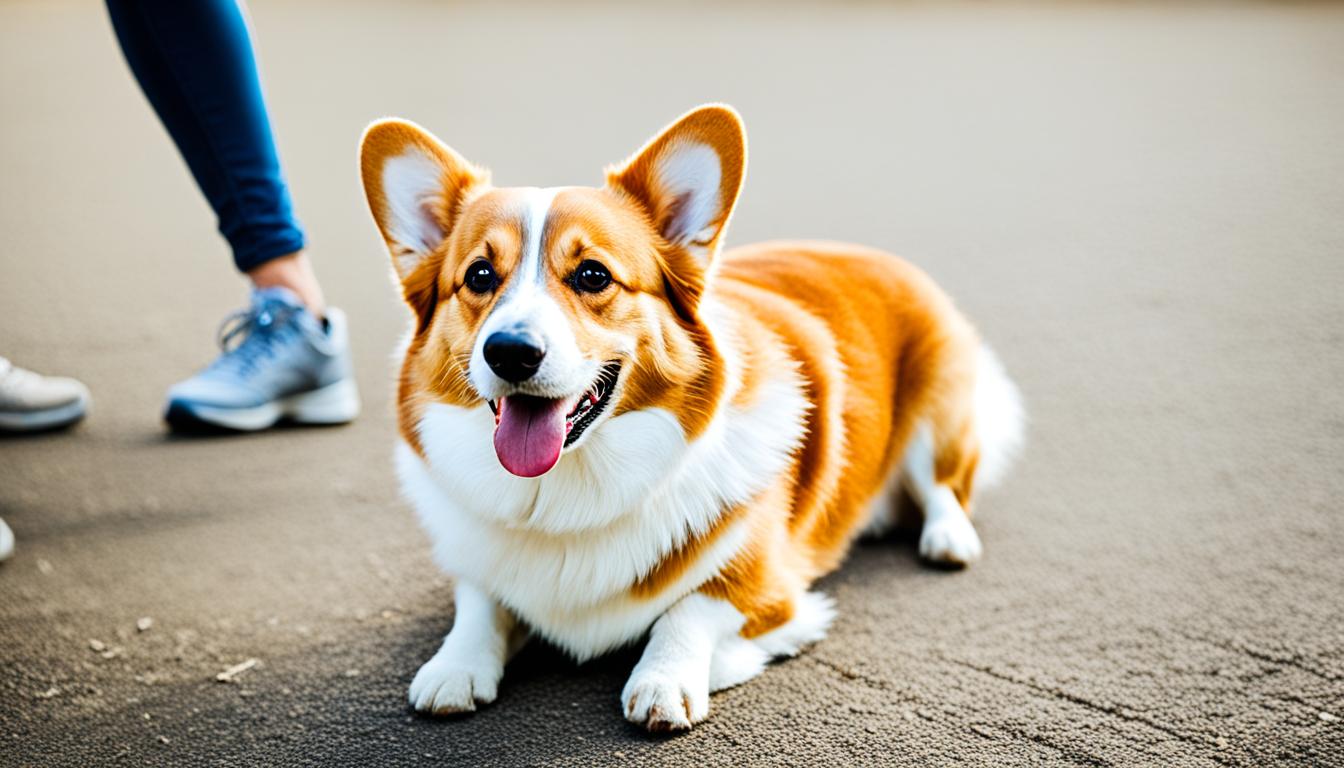

Have you ever wondered what your Corgi is trying to tell you? Understanding your Corgi’s body language is crucial for effective communication and building a strong bond. By decoding their gestures and behavior cues, you can gain insights into their emotions and intentions. In this comprehensive guide, we will explore the various aspects of Corgi body language and provide you with the tools to interpret what your Corgi is trying to express.
From tail-wagging to raised hackles, from posture to vocalizations, your Corgi is constantly communicating with you. But how well do you understand their signals? Do you know what it means when your Corgi wags their tail fast versus slow? Or when their hackles are raised? Are you aware of the significance of their posture and facial expressions?
In this article, we will dive deep into the world of Corgi body language, sharing invaluable insights and expert advice on how to decipher their communication signs. By the end, you’ll be equipped with the knowledge to read your Corgi like a pro and deepen your connection with them.
So, are you ready to uncover the mysteries behind your Corgi’s body language? Let’s get started!
Key Takeaways:
- Understanding your Corgi’s body language is crucial for effective communication and building a strong bond.
- Decoding their gestures and behavior cues can provide insights into their emotions and intentions.
- From tail-wagging to raised hackles, from posture to vocalizations, your Corgi is constantly communicating with you.
- By the end of this comprehensive guide, you’ll have the tools to read your Corgi like a pro and deepen your connection with them.
- Uncover the mysteries behind your Corgi’s body language and gain a deeper understanding of what they’re trying to tell you.
Tail-Wagging: What the Speed and Direction of the Wag Tells You
Tail-wagging is a common Corgi body language signal, but it’s important to understand that it doesn’t always indicate happiness. The speed and direction of the wag can convey different emotions and intentions.
A slow, side-to-side wag typically signifies relaxation and contentment, while a fast, twitch-like wag may indicate higher levels of arousal or even a negative emotional state. Research has shown that Corgis tend to wag their tails more to the right when feeling positive and more to the left when facing something negative. A helicopter tail wag, where the tail spins in a circle, is a clear sign of happiness. Pay attention to the position of the tail as well – a high tail indicates assertiveness, while a low or tucked tail signals fear or stress.
| Tail Wag Speed | Meaning |
|---|---|
| Slow, side-to-side | Relaxation and contentment |
| Fast, twitch-like | Higher arousal or negative emotional state |
| Helicopter tail wag (spinning in a circle) | Happiness |
Raised Hackles: Understanding the Significance of Hair Standing up on the Back
When a Corgi’s hackles are raised, it means the hair along their back is standing up. This can be a sign of arousal, but not necessarily in a negative way. Raised hackles may indicate that the dog is upset, stressed, excited, or intensely interested in something. It’s important to consider the context and other body language cues to understand the exact meaning.
For example, if the dog’s hackles are raised along with other aggressive body language, such as a high-twitching tail, it may suggest defensive or offensive intentions. However, if the dog appears relaxed and friendly, raised hackles may be a normal physiological response.

| Raised Hackles | Significance |
|---|---|
| Arousal | Hackles can indicate high excitement or intense interest in something. |
| Emotional States | Raised hackles may be observed when the dog is upset, stressed, or experiencing a range of other emotions. |
| Contextual Considerations | It’s important to analyze the hackles alongside other body language cues to determine the dog’s true intentions. |
Deciphering Posture: What Your Corgi’s Weight Distribution Says
A Corgi’s posture can provide valuable insights into their mood and intentions. Understanding their weight distribution is key to interpreting their body language accurately.
Cowering Posture
A cowering posture with the weight shifted towards the ground indicates fear or stress. This posture is often accompanied by lowered ears, a tucked tail, and a lowered head. The Corgi is trying to appear non-threatening and may be seeking assurance or protection.
Rolling onto Back
When a Corgi rolls onto their back with their belly exposed, it can be a sign of submission or appeasement. However, it’s important to note that this posture can also indicate considerable stress and anxiety. The Corgi may be trying to communicate a need for reassurance or may be trying to diffuse tension in a potentially threatening situation.

Forward Weight Shift
A forward weight shift indicates the Corgi’s interest or even offensive intentions. It often occurs when the dog is approaching another dog, a person, or an object of interest. It is important to pay attention to other aggressive body language cues that accompany the forward weight shift to accurately assess the intent behind the posture.
Play Bow
The play bow is a clear invitation to play. It involves the Corgi lowering their chest to the ground while keeping their hind end elevated. This posture is often accompanied by a wagging tail, relaxed ears, and a playful expression. It signifies a desire for social interaction and engagement.
Paw Raise
A raised paw often indicates uncertainty or insecurity in a particular situation. It can be a subtle plea for attention or a way to communicate discomfort or unease. The Corgi may use a paw raise to seek reassurance or indicate that they need space.
By observing and deciphering your Corgi’s weight distribution and associated body posture cues, you can gain valuable insights into their emotional state and intentions, fostering effective communication and strengthening your bond.
Interpreting Facial Expressions: Yawning, Lip-Licking, and Smiling
Corgis have facial expressions similar to humans, but they use them differently. Understanding these expressions is key to better understanding your furry friend.
Yawning as a calming signal: Yawning in dogs is not always a sign of tiredness. In fact, it is often a calming signal used to diffuse tension and comfort themselves in stressful situations. Pay attention to your Corgi when they yawn, as it may indicate that they are feeling anxious or uneasy.

Lip-licking as a sign of discomfort: Dogs often lick their lips when they feel stressed or uneasy. It is their way of communicating their discomfort without being able to use words. If you notice your Corgi licking their lips excessively, it may be a sign that they are experiencing some form of discomfort or anxiety.
Smiling as a submissive grin: When a Corgi smiles, it is not the same aggressive baring of teeth that humans might display. In dogs, a smile is a submissive grin that indicates a happy and relaxed state. It is a sign that your Corgi is feeling content and comfortable in their environment.
By paying attention to these facial expressions, you can better gauge your Corgi’s emotional state and respond appropriately. Remember, just like humans, dogs have their own unique ways of expressing themselves, and it’s our job as pet owners to decode their signals.
Insights from the Eyes: Soft vs. Hard Eyes and the Importance of Eye Contact
The eyes are a window to your Corgi’s soul, providing valuable insights into their internal state. A key aspect of Corgi body language is the expression in their eyes, which can reveal a lot about their emotions and intentions.
Soft eyes, characterized by relaxed lids and a gentle gaze, indicate a state of calmness and happiness in your Corgi. When their eyes are soft, it’s a reassuring sign that they feel safe and content.
On the other hand, hard eyes have a cold and intense look, signifying a negative or aggressive state of mind. It’s essential to pay attention to this expression as it can warn you of potential issues and suggest that your Corgi may feel threatened or uncomfortable.
Eye contact plays a significant role in canine communication. In human interactions, direct eye contact is often considered a sign of trust and connection. However, in the dog world, direct eye contact can be interpreted as a threat or challenge.
When a Corgi feels threatened, they may avoid or break eye contact. This behavior helps to diffuse tension and prevents a potential confrontation. If your Corgi looks away or averts their gaze, it’s their way of expressing discomfort or submission.
Another important factor to consider is the whites of the eyes, often referred to as “whale eye.” When your Corgi’s eyes reveal a significant portion of the whites, it can be a sign of anxiety or stress. This particular expression indicates that your Corgi feels uneasy or threatened, and it’s important to assess the situation and provide them with comfort and support.
By observing your Corgi’s eyes, you can gain valuable insights into their emotional wellbeing. Whether it’s the relaxation of soft eyes, the intensity of hard eyes, or the presence of whale eye, your Corgi’s eyes act as a powerful communication tool. Paying attention to their eye expression enhances your ability to understand and connect with your beloved companion.
Understanding Vocalizations: Panting, Whining, Barking, and Howling
While dogs primarily communicate through body language, they also use vocalizations to express their thoughts and feelings. Understanding your Corgi’s vocalizations can provide valuable insights into their emotions and intentions.
Panting
Panting is a common vocalization in dogs and can signify different states. Corgis may pant when they are calm or happy, especially after exercise or on a warm day. However, panting can also be a sign of overheating or anxiety. If your Corgi’s panting appears excessive or is accompanied by other signs of distress, such as restlessness or drooling, it’s important to ensure their comfort and address any potential health concerns.
Whining
Whining is another vocalization that Corgis use to communicate with their owners. This can be a way for your Corgi to ask for attention, express stress, or convey discomfort. If your Corgi is whining, it’s essential to assess their environment and determine if they need something, such as food, water, or bathroom breaks. Additionally, whining can indicate that your Corgi is anxious or in pain, so it’s crucial to provide them with the necessary care and comfort.
Barking
Barking is a versatile form of communication for dogs, and Corgis are no exception. They may bark to alert their owners of potential threats or to warn others to stay away from their territory. Barking can also signify excitement or enthusiasm. It’s important to pay attention to the context and accompanying body language when interpreting your Corgi’s barks. A high-pitched, repetitive bark may indicate excitement, while a deep, persistent bark could signal a need for attention or a more serious situation.
Howling
Howling is a natural behavior inherited from their wolf ancestors and is another way Corgis communicate. Howling can serve as a way to communicate with other dogs in the area, establish territory boundaries, or express loneliness or separation anxiety. If your Corgi howls, it’s essential to understand the triggers and provide them with appropriate socialization and companionship. While howling is normal, excessive or prolonged howling may indicate underlying stress or other emotional issues that require attention.
By paying attention to these vocalizations, you can better understand what your Corgi is trying to convey. Remember to consider the context, accompanying body language, and other environmental factors when interpreting your Corgi’s vocalizations. This will help you strengthen your bond with them and ensure their overall well-being.
| Vocalization | Meaning |
|---|---|
| Panting | Calming, happiness or anxiety |
| Whining | Asking, stress, discomfort |
| Barking | Alerting, warning, excitement |
| Howling | Communication, loneliness, separation anxiety |

The Link Between Sounds and Emotions in Your Corgi
While your Corgi may not speak human language, they have various sounds to express their emotions. Understanding these sounds can provide valuable insights into their state of mind and help you better meet their needs.
Panting: A Sign of Calmness or Anxiety
Panting is a common behavior in dogs, including Corgis. It can indicate various emotions, such as calmness, happiness, or anxiety. When your Corgi is relaxed and content, panting can help regulate body temperature and is often accompanied by a loose body posture. However, excessive or heavy panting may be a sign of stress or discomfort. If your Corgi is panting excessively or in unusual situations, it’s important to assess their environment and consult a veterinarian if necessary.
Whining: A Way of “Asking”
Whining is another vocalization you may hear from your Corgi. It is a form of communication used to express their needs or seek attention. Your Corgi may whine if they are hungry, thirsty, need to go outside, or simply want your companionship. It’s essential to pay attention to the context and accompanying body language to understand the purpose behind their whining. Responding to their needs with patience and care can strengthen the bond between you and your Corgi.
Barking: A Form of Expression
Barking is an instinctive behavior in dogs, including Corgis. It serves as a form of expression to communicate different messages. The pitch, intensity, and duration of the bark can convey various emotions or intentions. Your Corgi may bark to alert you of potential threats or intruders, express excitement or frustration, or seek attention. Understanding the context and observing their body language alongside barking can help you decipher their message and respond appropriately.
Howling: A Communication Method
Similar to their wolf ancestors, Corgis may also engage in howling as a form of communication. Howling can serve multiple purposes, including announcing their presence, expressing loneliness, or communicating with other dogs within the vicinity. It is a natural behavior deeply ingrained in their instincts. If your Corgi howls occasionally, it can be a normal part of their vocal repertoire. However, if howling becomes excessive or is accompanied by signs of distress, it may be worth investigating further to ensure their well-being.
By paying attention to your Corgi’s sounds and their related body language cues, you can better understand their emotions and needs. This knowledge enables you to provide the necessary support, effectively communicate, and strengthen the bond between you and your beloved Corgi.
The Body: Stance, Hair, Tail, Posture, and Head Clues
A dog’s body language provides a wealth of information about their emotional state and intentions. By observing their stance, hair, tail, posture, and head position, you can gain valuable insights into your Corgi’s needs and emotions.
Stance and Head Position
The way a Corgi holds their body and positions their head can reveal a lot about their feelings. A confident and relaxed Corgi will have an upright stance with their head held high. On the other hand, a cowering or lowered stance with the head down signals fear or submission. Pay attention to your Corgi’s posture as it can provide important cues about their mood.
Raised Hair on the Back
When you notice raised hair on your Corgi’s back, it’s typically a sign of heightened arousal or discomfort. This phenomenon, known as piloerection, occurs when the muscles attached to the hair follicles contract, causing the hair to stand on end. It can indicate a desire to appear larger or as a warning sign of potential discomfort or unease.
Tail Position and Movement
The position and movement of a Corgi’s tail can convey a range of messages. A wagging tail typically indicates happiness or excitement, but it’s important to consider other body language cues to interpret the overall message. A stiff and high-held tail can indicate assertiveness, while a low or tucked tail suggests fear or stress. Pay attention to the speed and direction of the wag as well, as they can provide further insights into your Corgi’s emotional state.
Posture and Body Movement
The way your Corgi positions their body and moves can reveal various emotions and intentions. A cowering posture with a low body and head can signal fear or submission, while rolling onto their back can indicate a desire for play or submission. Shifting their weight forward may suggest interest or even an intention to approach or engage with something or someone. Observing these body cues can help you better understand and respond to your Corgi’s needs.
| Behavior | Meaning |
|---|---|
| Confident and relaxed stance | Contentment and self-assuredness |
| Cowering or lowered stance | Fear, submission, or unease |
| Raised hair on the back | Heightened arousal or potential discomfort |
| High-held tail | Assertiveness |
| Low or tucked tail | Fear or stress |
| Wagging tail | Happiness or excitement |
| Cowering posture with a low body and head | Fear or submission |
| Rolling onto the back | Desire for play or submission |
| Shifting weight forward | Interest or intention to approach |
Decoding Eyes and Mouth Expressions in Corgis
A Corgi’s eyes and mouth provide significant clues to their emotional state. By observing their eye shape, you can gauge whether they are relaxed or experiencing fear or nervousness. Squinting or larger eyes may indicate nervousness or threat perception, while droopy eyes could be a sign of illness or discomfort.
The position of the mouth is equally important in understanding your Corgi’s emotions. An open and relaxed snout signifies calmness, while a closed and clenched jaw may indicate nervousness or tension. By paying attention to these subtle cues, you can better comprehend what your Corgi is experiencing and address their needs accordingly.
Eye Shape
The shape of a Corgi’s eyes can reveal their emotional state. Relaxed, almond-shaped eyes with softened lids are signs of calmness and contentment. Conversely, eyes that appear larger or squinting suggest nervousness or threat perception. Pay attention to any changes in their eye shape to better understand their current mood.
Mouth Expressions
The position of your Corgi’s mouth can provide valuable insights into their emotional state. An open and relaxed snout indicates a calm and content Corgi, while a closed and clenched jaw may reveal nervousness or tension. By observing their mouth, you can better understand how your Corgi is feeling and respond appropriately.
By recognizing and deciphering these expressions, you can effectively communicate with your Corgi and address their needs, fostering a stronger bond between you and your beloved pet.
Decoding your Corgi’s eyes and mouth expressions allows you to tap into their emotional world and better understand their needs. By paying attention to their eye shape and the position of their mouth, you can provide the care, comfort, and support they require.
Ears: The Importance of Ear Position in Corgi Communication
When it comes to Corgi communication, their ears play a vital role. By observing their ear position, you can gain valuable insights into their emotions and intentions.
Ears down and back are a common signal of submission or a need for attention. It’s a way for Corgis to convey that they are not a threat and are seeking reassurance or comfort. When you notice your Corgi’s ears in this position, it’s important to provide them with the support they need.
On the other hand, erect ears that are forward-tipped indicate attentiveness or even aggression. This position suggests that your Corgi is on alert and ready to respond to their surroundings. It’s essential to consider the context and other body language cues to determine whether their erect ears are a sign of curiosity or potential aggression.
It’s worth noting that some Corgis may have one ear up and one ear down. This unique ear position does not have any specific significance and is simply part of their individual charm. It adds to their distinctive appearance without conveying any particular message.
By understanding the importance of ear position, you can better interpret your Corgi’s communication cues and respond appropriately. Whether they are seeking comfort, displaying attentiveness, or expressing potential aggression, paying attention to their ear position will help you strengthen your bond and ensure effective communication.
Conclusion
In conclusion, understanding and decoding your Corgi’s body language is crucial for effective communication and building a strong bond. By learning to interpret their gestures, sounds, and overall body cues, you can gain valuable insights into their emotions and intentions.
By being attentive to their nonverbal communication, such as tail wagging, raised hackles, posture, facial expressions, eye contact, vocalizations, and ear position, you can better understand what your Corgi is trying to convey.
By applying the knowledge and insights gained from this comprehensive Corgi body language guide, you can build trust, predict their behavior, and prevent potential problems. This deeper understanding will enable you to provide your Corgi with the care and support they need, creating a stronger and more meaningful connection.
Decoding your Corgi’s body language is the key to unlocking their thoughts and emotions. With this guide as your reference, you can navigate the world of Corgi communication with confidence and ensure a happy and harmonious relationship with your furry companion.
FAQ
What does it mean when a Corgi wags its tail?
What does it mean when a Corgi’s hackles are raised?
What can a Corgi’s posture tell you?
What are some facial expressions Corgis use?
How can you interpret a Corgi’s eye contact?
What do Corgi vocalizations indicate?
How do sounds relate to emotions in Corgis?
What can you learn from your Corgi’s body cues?
How can you interpret a Corgi’s eyes and mouth?
What is the significance of ear position in Corgi communication?
Why is decoding Corgi body language important?
Source Links
- https://www.hillspet.com/dog-care/behavior-appearance/dog-body-language-and-sounds-meaning
- https://www.akc.org/expert-advice/advice/how-to-read-dog-body-language/
- https://www.therapydogs.com/understanding-dog-body-language/

Carlos is the passionate founder and primary author behind “CorgisCorner.com,” a website dedicated to all things related to the beloved Corgi breed. Born and raised in a small town known for its strong sense of community and love for animals, Carlos developed a deep affection for Corgis from a young age. This love was sparked by his childhood companion, a spirited and loyal Corgi named Toby, who was a constant source of joy and friendship.