

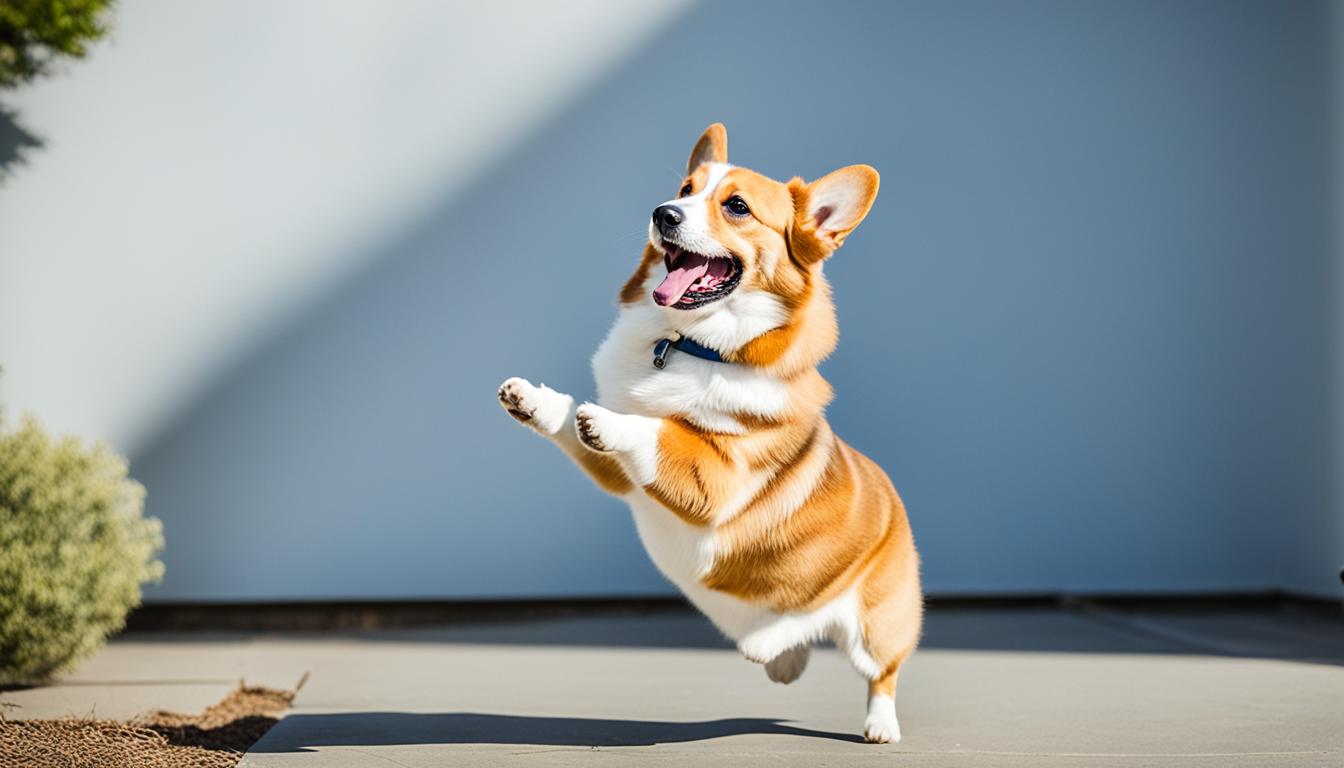

Ever wondered why your adorable corgi can’t seem to stop barking? Are you tired of the constant noise and want to find ways to reduce their excessive barking? Look no further! In this article, we will delve into the reasons behind corgi barking and provide effective solutions to manage and control their vocal tendencies. From understanding the root causes to implementing training techniques, we’ve got you covered.
Did you know that corgis have a natural instinct to bark? While barking is a typical behavior for dogs, corgis are known for their excessive vocalizations that can drive their owners and neighbors crazy. But why do corgis bark so much? Is it just their nature, or is there something more going on?
In this article, we will debunk common misconceptions about corgi barking and explore the various reasons that contribute to their excessive vocalizations. From boredom and anxiety to separation anxiety and fear-based barking, understanding the underlying causes is crucial in finding effective solutions.
We will also provide you with practical training tips to help reduce corgi barking. Learn how positive reinforcement techniques, teaching quiet commands, and providing physical and mental stimulation can make a significant difference in managing their vocal behavior.
Additionally, we will explore various tools and methods to stop corgis from barking excessively. Discover how ultrasonic bark deterrents and handheld training devices can help redirect their barking behavior in a safe and humane way.
So, if you’re ready to regain peace and quiet in your home and neighborhood, join us as we dive deep into the world of corgi barking. Get ready to uncover the secrets behind their vocal tendencies and find practical solutions to help manage and control their excessive barking.
Key Takeaways:
- Understanding the root causes of corgi barking is essential in finding effective solutions.
- Training techniques based on positive reinforcement can help reduce corgi barking behavior.
- Various methods and tools, such as ultrasonic bark deterrents, can assist in managing corgi barking issues.
- Consistency and addressing the underlying causes are key to successfully reducing corgi barking.
- Managing corgi barking in specific situations, such as walks and when guests arrive, requires specific strategies and training techniques.
Understanding the Root Causes of Corgi Barking
Excessive barking in corgis can stem from various factors, including boredom, anxiety, and fear. It’s crucial to identify the root causes of corgi barking to effectively address and manage their behavior.
Corgis may engage in boredom barking when they lack stimulation and physical activity. These energetic dogs require regular exercise and mental enrichment to prevent them from resorting to excessive barking as a means of releasing their pent-up energy.
Anxiety can also be a significant contributor to corgi barking. Corgi anxiety barking may be triggered by separation anxiety, which occurs when they feel distressed or fearful when left alone. Separation anxiety in corgis can lead to persistent barking as they try to cope with the stress and discomfort of being separated from their owners.
In addition to separation anxiety, corgis may exhibit fear-based barking. When they encounter unfamiliar situations or perceive a threat, fear-based barking in corgis is their way of expressing their anxiety and attempting to defend themselves.
Identifying and Addressing the Causes
To effectively address corgi barking, it is essential first to identify the underlying causes. Observing their behavior and noting the circumstances in which they bark excessively can provide valuable insights into the root causes of their barking.
For corgis experiencing boredom barking, providing ample physical exercise through daily walks, play sessions, and interactive toys can help alleviate their excess energy and reduce barking tendencies. Mental stimulation, such as puzzle toys and training activities, can also keep them engaged and prevent boredom-related barking.
When it comes to anxiety-related barking, addressing separation anxiety in corgis requires a gradual training approach. Increasing the time they spend alone gradually, implementing calming strategies such as leaving them with familiar scents or background noise, and crate training can help them feel more secure and reduce separation anxiety barking.
Dealing with fear-based barking involves desensitization and counterconditioning techniques. Gradually exposing them to the triggers that cause fear and pairing those experiences with positive associations can help alleviate their anxiety and minimize fear-based barking episodes.
Understanding the root causes of corgi barking is crucial for effective behavior management. By addressing boredom, anxiety, and fear, owners can create a more peaceful environment for their beloved corgis.
Continued education and training can go a long way in managing and reducing corgi barking. The next section will provide valuable training tips to help owners effectively address and modify their corgis’ barking behavior.
Corgi Training Tips for Barking Behavior
When it comes to reducing corgi barking, training is key. Positive reinforcement techniques can be highly effective in reshaping your corgi’s behavior and promoting a calmer and quieter environment.
One of the most important aspects of corgi training for barking is teaching quiet commands. By associating a specific word or gesture with silence, you can encourage your corgi to stop barking on command. Use positive reinforcement training for corgis to reward your corgi when they respond to the quiet command and remain calm. This helps them understand that quiet behavior is desirable and brings positive consequences.
It’s also essential to provide physical and mental stimulation for corgis. A bored corgi is more likely to bark excessively, so make sure to give them plenty of opportunities to burn off energy and engage their minds. Regular exercise, such as walks or playtime, can help alleviate restlessness. Additionally, consider providing your corgi with puzzle toys that require mental effort to solve. These toys keep their minds occupied and redirect their focus away from barking.
Remember to be patient and consistent with your training efforts. Teaching your corgi quiet commands and providing mental and physical stimulation may take time, but the results will be worth it.

By implementing these corgi training tips for barking behavior, you can create a harmonious living environment for both you and your corgi. Stay consistent, use positive reinforcement, and provide the mental and physical stimulation your furry friend needs.
Effective Methods to Stop Corgi from Barking
Corgis are known for their enthusiastic barking, but excessive barking can be a challenge for both owners and neighbors. Thankfully, there are effective methods and tools available to manage and reduce corgi barking behavior.
Ultrasonic Bark Deterrents
One popular tool to control corgi barking is the ultrasonic bark deterrent. These devices emit high-frequency sounds that are only audible to dogs, interrupting their barking pattern and discouraging further noise. Ultrasonic bark deterrents are safe and humane, providing an effective way to redirect your corgi’s attention.
Handheld Training Tools
Another effective method to manage corgi barking is through the use of handheld training tools. These tools often include features such as vibration or gentle static stimulation that can be activated remotely to interrupt your corgi’s barking. With consistent training and positive reinforcement, handheld training tools can effectively redirect your corgi’s behavior and discourage excessive barking.
Humane Solutions
While using tools to manage corgi barking, it’s important to prioritize humane solutions. These methods focus on understanding your corgi’s needs and providing appropriate alternatives to barking. For example, ensuring your corgi receives adequate exercise, mental stimulation, and attention can help reduce their urges to bark. Additionally, creating a calm and secure environment for your corgi can alleviate anxiety and reduce excessive barking.
By utilizing these effective methods and tools, corgi owners can effectively manage and reduce their furry friend’s barking behavior in a safe and humane manner.

Training Techniques to Reduce Corgi Barking
Consistent training using positive reinforcement techniques is essential in reducing corgi barking. By providing rewards and praise for good behavior, corgis can learn to associate quietness with positivity. One effective training method is teaching the quiet command. When your corgi starts barking, use a firm but calm voice to say “quiet” and immediately redirect their attention to a more appropriate activity, such as a toy or a training exercise.
Redirecting corgi barking behavior is crucial to breaking the habit. When you notice your corgi about to bark, quickly divert their attention to something else. This can be achieved by offering a treat, engaging in play, or practicing a command. This redirection helps to interrupt their barking and teach them alternative behaviors.
It’s important to remember that consistent training is key. Regularly practice these techniques and be patient with your corgi’s progress. By reinforcing positive behaviors and redirecting their focus away from barking, you can effectively reduce their excessive vocalization.
Addressing Root Causes of Corgi Barking
While training is essential, it’s also crucial to address the root causes of corgi barking. Boredom, anxiety, and fear can all contribute to excessive barking. To tackle these underlying issues, make sure your corgi receives plenty of mental and physical stimulation through interactive toys, puzzle feeders, and regular exercise. This will help them expend their energy in a positive and productive manner.
In addition, create a safe and comfortable environment for your corgi. Ensure they have a cozy and quiet space where they can retreat when they feel overwhelmed. Providing them with a sense of security and minimizing stress triggers can go a long way in reducing their barking behavior.

| Training Techniques to Reduce Corgi Barking | Addressing Root Causes of Corgi Barking |
|---|---|
|
|
Managing Corgi Barking in Everyday Situations
Corgis are a lively breed known for their vocal nature. Managing their barking in everyday situations can help create a peaceful environment for both the corgi and their owners. Let’s explore some effective strategies for handling corgi barking in various scenarios.
Managing Corgi Barking on Walks

Walking your corgi is an essential part of their exercise routine, but their barking can become an issue. To manage corgi barking on walks:
- Choose calm and quiet walking routes to minimize triggers that may cause your corgi to bark excessively.
- Practice training techniques such as teaching your corgi the “quiet” command, rewarding them for calm behavior, and redirecting their attention when they start barking.
- Use distraction methods like bringing along their favorite toys or treats to divert their focus away from potential triggers.
- Ensure consistent leash control to prevent your corgi from lunging or barking at other dogs or pedestrians.
Quieting Corgi Barking When Guests Arrive
When guests come over, corgis often express their excitement through barking. To quiet corgi barking when guests arrive:
“Creating a calm environment for your corgi and setting boundaries can help reduce their barking,” says dog trainer Jane Thompson. “Teach your corgi to greet guests calmly and provide distractions, such as puzzle toys or interactive games, to redirect their energy.”
Controlling Corgi Barking When Left Alone
Controlling corgi barking when left alone is crucial to maintain a peaceful living environment. For corgis with separation anxiety:
- Gradually increase alone time by leaving them alone for short periods and gradually extending the duration over time.
- Create a comforting environment by leaving familiar objects, such as a blanket with their scent, or playing soft background music to ease their anxiety.
- Consider crate training as it can provide a secure and cozy space for your corgi, reducing their anxiety and minimizing barking episodes.
Incorporating these techniques into your daily routine can help manage corgi barking effectively. Remember, patience and consistency are key in training your corgi to be quieter in different everyday situations.
| Scenario | Managing Corgi Barking |
|---|---|
| On walks | Choose calm routes, practice training techniques, use distractions, and maintain leash control. |
| When guests arrive | Create a calm environment, set boundaries, teach calm greetings, and provide distractions. |
| When left alone | Gradually increase alone time, create a comforting environment, and consider crate training. |
Quieting a Barking Corgi During Walks
Barking during walks is a common behavior in corgis, but excessive barking can be disruptive for both the owner and the dog. To ensure peaceful and enjoyable walks, it’s important to train corgis to be quiet during their outdoor adventures. Here are some effective techniques to help you achieve this:
1. Positive Reinforcement Training
Using positive reinforcement techniques can be highly effective in training corgis to be quiet on walks. Reward your corgi with treats, praise, or a favorite toy when they remain calm and quiet during the walk. By associating quiet behavior with positive rewards, they will gradually learn to control their barking.
2. Distractions
Distracting your corgi during walks can shift their focus away from barking. Carry a bag of small treats or a favorite toy to divert their attention whenever they start barking. Engaging them in play or rewarding them for their quiet behavior can help maintain their focus and reduce barking.
3. Command Training
Teaching your corgi commands such as “quiet” or “leave it” can provide you with greater control during walks. Start by introducing the commands in a quiet environment and gradually practice them during walks. With consistent training, your corgi will learn to respond to these commands and refrain from excessive barking.
4. Leash Management
Proper leash management is essential in maintaining control during walks with corgis. Use a sturdy leash that provides you with the ability to guide and redirect their attention. Avoid using retractable leashes, as they may encourage excessive pulling or wandering, leading to increased barking.
Remember, consistency and patience are key when training your corgi to be quiet during walks. With time and dedication, you can enjoy peaceful strolls together, without the disruption of excessive barking.
| Training Technique | Description |
|---|---|
| Positive Reinforcement Training | Rewarding quiet behavior with treats, praise, or toys to reinforce the desired behavior. |
| Distractions | Using treats or toys to divert your corgi’s attention from barking. |
| Command Training | Teaching your corgi specific commands like “quiet” or “leave it” to control their barking. |
| Leash Management | Using a sturdy leash and properly guiding your corgi to prevent excessive barking. |
Managing Corgi Barking When Guests Arrive
When guests arrive, corgis can become quite vocal, greeting them with their enthusiastic barks. While it’s natural for corgis to express their excitement, it’s important to manage their barking to create a calm and welcoming environment. By setting boundaries, training them to greet guests calmly, and providing distractions, you can help reduce their barking when guests arrive.
Setting Boundaries for Corgis When Guests Arrive
Establishing clear boundaries for your corgi when guests arrive can help manage their barking and ensure a more controlled interaction. Create a designated area for your corgi, such as a comfortable crate or a specific room, where they can wait or relax during the initial excitement. This helps prevent them from rushing to the door, barking excessively, or jumping on guests.
Training Corgis to Greet Guests Calmly
Training your corgi to greet guests calmly is a valuable skill that can help reduce their barking and create a positive social interaction. Practice the following steps to teach your corgi calm greeting behavior:
- Start by teaching your corgi basic obedience commands like “sit” and “stay”.
- Gradually introduce them to different people, rewarding them with treats and praise when they remain calm.
- Practice doorbell and door-knocking simulations to desensitize your corgi to these triggers, rewarding them for maintaining a calm demeanor.
- Encourage your guests to greet your corgi calmly, reinforcing the desired behavior with treats and positive reinforcement.
Providing Distractions for Corgis When Guests Arrive
Offering distractions for your corgi when guests arrive can divert their attention and help reduce their barking. Prepare interactive toys, such as puzzle toys or treat-dispensing toys, to keep them occupied during social gatherings. You can also provide them with a special chew toy or a stuffed Kong to redirect their focus and provide mental stimulation.
| Methods | Benefits |
|---|---|
| Interactive toys | Keeps your corgi mentally engaged and distracted from barking |
| Special chew toys | Provides a calming activity and redirects their attention |
| Stuffed Kong | Offers a long-lasting and rewarding distraction for your corgi |
By setting boundaries, training your corgi to greet guests calmly, and providing suitable distractions, you can effectively manage their barking when guests arrive. Remember to be patient and consistent with the training process, as it may take time for your corgi to learn new behaviors. With a little training and preparation, you can create a more peaceful and enjoyable environment for both your corgi and your guests.
Controlling Corgi Barking When Left Alone
When left alone, corgis with separation anxiety may exhibit excessive barking behavior. As responsible owners, it’s essential to implement strategies that help manage their anxiety and create a sense of comfort. By gradually increasing the time they spend alone, providing comforting stimuli, and utilizing crate training, you can effectively control corgi barking in these situations.
To begin, managing corgi separation anxiety barking requires a gradual approach to alone time. Start by leaving them alone for short intervals and gradually increase the duration over time. This helps them acclimate to being by themselves and reduces the likelihood of anxious barking. Consistency and patience are key in this process, ensuring a positive transition for your corgi.
Another important aspect of controlling corgi barking when left alone is providing comfort through soothing stimuli. Background noise, such as calming music or a white noise machine, can help mask external triggers and create a calming environment for your corgi. Additionally, leaving an item with familiar scents, such as a worn t-shirt, can provide a sense of security and reduce anxiety.
Crate training can also be beneficial in managing corgi barking when left alone. A properly introduced and comfortable crate can serve as a safe space for your corgi, alleviating anxiety and reducing their need to vocalize excessively. Gradually introducing them to the crate and using positive reinforcement techniques can help them associate the crate with positive experiences and minimize barking when left alone.
By implementing these strategies and addressing corgi separation anxiety barking, you can create a more peaceful and comfortable environment for both your corgi and yourself.
Training Techniques to Reduce Corgi Barking
When it comes to managing corgi barking, training is key. Positive reinforcement training methods are highly effective in teaching corgis to exhibit calmer and quieter behavior. By using rewards and praise, you can encourage positive behaviors and discourage excessive barking.
Redirecting corgi attention is another valuable technique. When you notice your corgi starting to bark, quickly redirect their focus to a more appropriate activity or command. For example, you can ask them to sit, lie down, or fetch a toy. This helps them shift their attention away from barking and onto a different behavior.
Addressing the root causes of corgi barking is essential for long-term success. Barking is often a result of underlying issues such as boredom, anxiety, or fear. By identifying and addressing these root causes, you can help alleviate the urge to bark. Providing mental and physical stimulation through puzzle toys, interactive games, and regular exercise can keep your corgi engaged and content, reducing their need to bark excessively.
Through positive reinforcement training, redirecting attention, and addressing root causes, you can create a harmonious environment where your corgi’s barking is significantly reduced. Consistency and patience are key, as it may take time for your corgi to learn new behaviors and habits. Remember to always reward desired behaviors and provide a safe and comfortable space for your furry companion.
Conclusion
By understanding the root causes of corgi barking and implementing effective training techniques, owners can successfully manage and reduce their corgis’ excessive barking. Consistency and patience are key in training corgis to be calmer and quieter. Addressing the underlying causes such as boredom, anxiety, and separation anxiety is vital to creating a peaceful living environment for both corgis and their owners.
Training corgis to reduce barking requires positive reinforcement and redirecting their attention. Rewarding desired behavior and teaching quiet commands can help train them to be more quiet and content. Providing ample physical and mental stimulation through exercise and interactive toys also aids in reducing boredom-induced barking.
There are various tools available to aid in managing corgi barking, such as ultrasonic bark deterrents and handheld training devices. These tools offer safe and humane solutions to redirect and discourage excessive barking behavior. With careful training, consistent application, and a comprehensive understanding of the root causes, owners can effectively address and manage their corgis’ barking issues.
FAQ
Why do corgis bark so much?
How can I reduce corgi barking?
What training tips can help with corgi barking behavior?
What are effective methods to stop corgi from barking?
How can training techniques help reduce corgi barking?
How can I manage corgi barking in everyday situations?
How can I quiet a barking corgi during walks?
How can I manage corgi barking when guests arrive?
How can I control corgi barking when left alone?
How can training techniques help reduce corgi barking?
Source Links
- https://wagwalking.com/training/stop-barking-6
- https://trybarksilencer.com/blogs/behavior/how-to-stop-a-corgi-from-barking
- https://in.pinterest.com/pin/487585097161298943/

Carlos is the passionate founder and primary author behind “CorgisCorner.com,” a website dedicated to all things related to the beloved Corgi breed. Born and raised in a small town known for its strong sense of community and love for animals, Carlos developed a deep affection for Corgis from a young age. This love was sparked by his childhood companion, a spirited and loyal Corgi named Toby, who was a constant source of joy and friendship.