

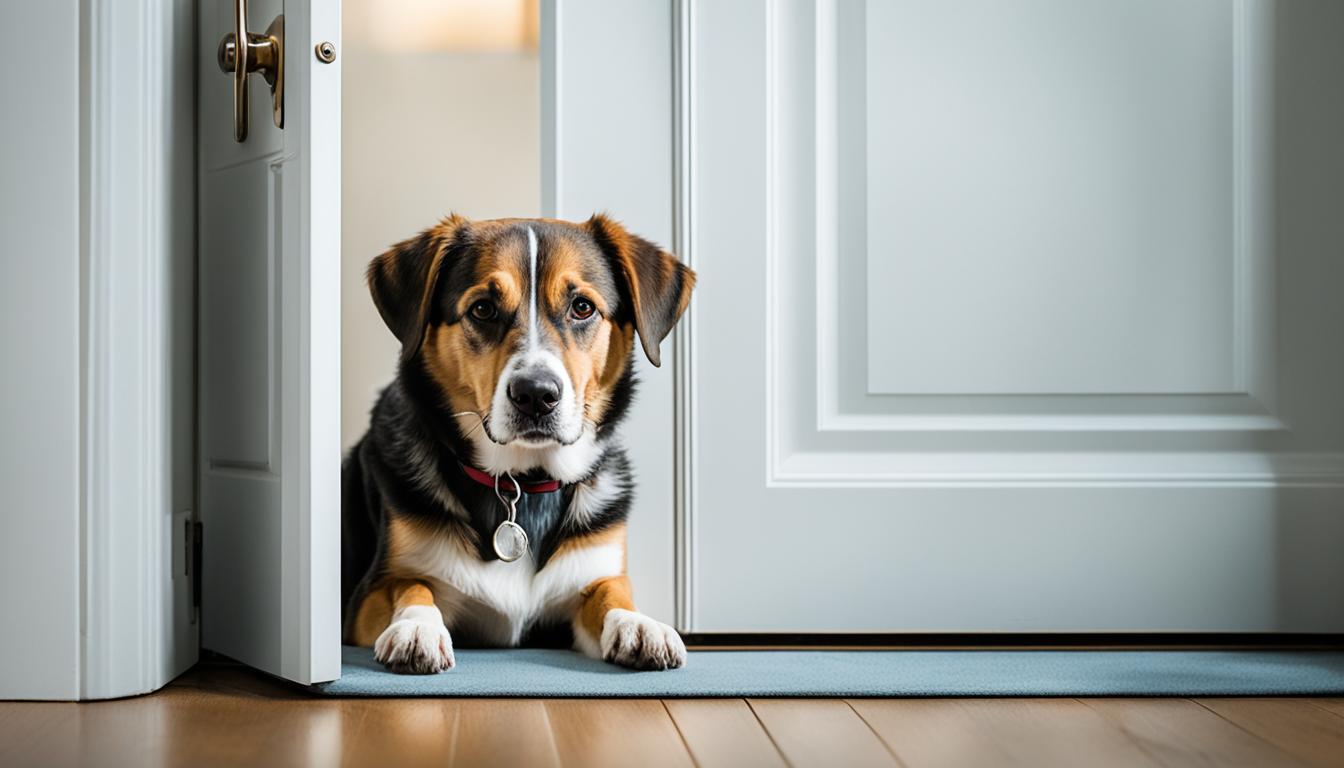

Does your dog become anxious and stressed when you leave them alone? Separation anxiety in dogs is a common issue that can be distressing for both pets and their owners. The good news is that there are proven tips and strategies to help ease your dog’s separation anxiety and create a more peaceful environment for them.
In this article, we will explore 10 effective tips that have been endorsed by experts and pet owners alike. These tips will not only alleviate your dog’s separation anxiety but also promote a sense of calmness and security when they are left alone.
Key Takeaways:
- Separation anxiety is a common issue in dogs when they are left alone.
- There are 10 proven tips that can help ease your dog’s separation anxiety.
- By implementing these tips, you can create a more peaceful environment for your dog.
- Consistency, training, and creating a safe space are crucial in reducing separation anxiety.
- Exercising your dog before leaving and providing distractions are effective techniques to promote calmness.
Set Ground Rules and Consistency
When bringing a new puppy or dog into your home, it’s crucial to establish ground rules and be consistent in your training approach. This will help your furry friend understand what is expected of them, creating a sense of structure and security.
Consistency in dog training is essential for effective learning and behavior modification. By using consistent commands and cues, your dog will learn to associate specific actions or behaviors with the corresponding command.
Creating a routine for your dog is another vital aspect of establishing ground rules. Dogs thrive on routine and predictability, which can help reduce their anxiety and promote a sense of stability. A consistent routine should include regular feeding times, scheduled walks, and designated playtimes.
Consistency is key in helping dogs overcome separation anxiety and feel more secure in their environment.
Setting boundaries for your dog
Setting boundaries is essential for both the safety of your dog and the overall harmony of your household. Clear boundaries teach your dog what behaviors are acceptable and what behaviors are not. This can include rules about jumping on furniture, not begging for food at the table, or not entering certain rooms in the house.
When setting boundaries, it’s crucial to be firm but fair. Use positive reinforcement to reward your dog when they adhere to the boundaries and redirect their behavior when they cross them. Be consistent and patient, as it may take time for your dog to fully understand and respect the set boundaries.
The importance of training dogs to be home alone
Training your dog to be comfortable when left alone is vital for preventing separation anxiety. Start by gradually exposing your dog to short periods of alone time and gradually increase the duration as they become more comfortable.
During these training sessions, it’s essential to provide your dog with a safe and comfortable space to stay in. This can be a designated room or area in your home where they can feel secure and relaxed. Consider leaving an item with your scent, such as a shirt, to provide further comfort and reassurance.
Consistency in your training approach will help your dog associate being alone with positive experiences. When your dog demonstrates calm behavior during alone time, praise and reward them to reinforce this desired behavior.
| Benefits of Establishing Ground Rules | How to Create a Routine | The Importance of Setting Boundaries |
|---|---|---|
| 1. Promotes a sense of structure and security for dogs | 1. Set consistent feeding times | 1. Ensures your dog’s safety and well-being |
| 2. Establishes clear expectations for behavior | 2. Schedule regular walks | 2. Prevents unwanted behaviors and conflicts |
| 3. Enhances training effectiveness | 3. Designate playtimes | 3. Promotes a harmonious household |
By setting ground rules, creating a routine, and establishing boundaries, you can help your dog feel more secure, confident, and less anxious when left alone. Remember, training takes time and patience, so be consistent and understanding as you work with your furry friend to overcome separation anxiety.
Gradual Alone Time
When it comes to helping dogs overcome separation anxiety, a gradual introduction to alone time is key. By slowly acclimating them to being alone, you can build their independence and confidence, making them more comfortable when you need to leave them for longer periods. Here are some effective strategies for gradually increasing your dog’s alone time:
- Start with short periods: Begin by leaving your dog alone for short periods, such as a few minutes at a time. This allows them to experience alone time without becoming overwhelmed.
- Gradually increase the duration: As your dog becomes more accustomed to being alone, gradually extend the time they spend by themselves. Increase the duration by a few minutes each time until they can comfortably handle longer absences.
- Provide a safe and comfortable space: Create a designated area where your dog can feel secure and relaxed when they are alone. Make sure it is equipped with their favorite toys, a comfortable bed, and any other items that provide them comfort.
- Use positive reinforcement: Reward your dog with praise, treats, and affection when they handle alone time well. This positive reinforcement helps them associate being alone with positive experiences, making it more appealing and less anxiety-inducing.
- Establish a routine: Dogs thrive on routine, so try to establish a consistent schedule for leaving and returning home. This helps your dog anticipate and adjust to your absence, reducing stress and anxiety.
Remember, training your dog to be comfortable alone is a gradual process that requires patience and consistency. Taking small steps and providing positive reinforcement will gradually build your dog’s independence and help them feel secure when left alone.
“The gradual introduction to alone time allows dogs to develop the confidence and independence needed to overcome separation anxiety.”
To make the transition easier for your dog, you may also find it helpful to seek guidance from a professional dog trainer or behaviorist. They can provide personalized strategies and support based on your dog’s specific needs and temperament.
Real-Life Example: Sarah’s Journey with Her Rescue Dog
Sarah, a devoted dog owner, recently adopted a rescue dog named Bella. Bella had severe separation anxiety, which made it challenging for Sarah to leave her alone. Determined to help Bella overcome her anxiety, Sarah started implementing gradual alone time techniques.
She began by leaving Bella alone for short periods, starting with just a few minutes. Sarah made sure to provide a safe and comfortable space for Bella, filled with her favorite toys and a cozy bed. She also used positive reinforcement, praising Bella and giving her treats when she handled alone time well.
Over time, Sarah gradually increased the duration of Bella’s alone time, always returning to find a calm and happy dog. By consistently following these gradual alone time strategies and creating a routine, Bella’s separation anxiety significantly decreased. Now, Sarah can confidently leave Bella alone for longer periods, knowing that she is building independence and feeling secure in her home.

Provide a Safe and Comfortable Space
When it comes to helping your dog overcome separation anxiety, creating a safe and comfortable space is essential. By providing your furry friend with a dedicated area where they feel secure and at ease, you can significantly reduce their anxiety levels.
One way to create a safe space for your dog is to designate a specific room or corner where they can retreat to when you’re not at home. This space should be quiet, well-ventilated, and away from any potential triggers that may cause stress or anxiety.
Leaving an item with your scent, such as a shirt or blanket, can also provide comfort and reassurance for your dog. Your familiar scent can help them feel more connected to you, even when you’re physically apart.
Another effective strategy is to provide distractions for your dog while they are alone. Engaging their minds and keeping them occupied with interactive toys and puzzles can help redirect their attention away from their anxiety. These engaging activities not only provide mental stimulation but also offer a sense of comfort and security.

By incorporating these elements into your dog’s alone time routine, you can create a safe and comfortable environment that promotes relaxation and reduces separation anxiety. Remember that consistency is key, and it may take time for your dog to fully adjust to their new space. Be patient, understanding, and observe how they respond to different elements in their designated area.
Exercise Before Leaving
One effective way to help reduce your dog’s anxiety when you leave is by exercising them before you go. Getting your dog moving and mentally engaged can tire them out, release excess energy, and promote relaxation.
Taking your dog for a walk or engaging in playtime before you leave can help them burn off energy and reduce any pent-up stress or anxiety. Physical activity, such as running, playing fetch, or going for a hike, can tire out your dog both mentally and physically.
Not only does exercise help tire out your dog, but it also provides mental stimulation. Dogs are natural athletes and need regular physical activity to maintain their overall well-being. When they engage in physical exercise, they release endorphins, hormones that help promote a sense of calm and relaxation.
Mental stimulation is equally important as physical activity. Consider incorporating puzzle toys, treat-dispensing toys, or interactive games that challenge your dog’s problem-solving skills. This mental engagement can help redirect their focus and reduce any anxious thoughts they may have when you leave.

“Regular exercise not only tires out your dog physically but also mentally. This can help reduce their anxiety and provide a sense of calmness and contentment.”
By prioritizing exercise before leaving, you can help minimize your dog’s anxiety and create a more relaxed environment for them when they are alone. Additionally, the physical and mental benefits of exercise contribute to their overall well-being and happiness.
| Benefits of Exercising Dogs Before Leaving |
|---|
| Reduces excess energy |
| Promotes relaxation and calmness |
| Provides mental stimulation |
| Redirects focus away from anxiety |
Adjust Walking and Feeding Schedules
As you prepare to transition back to a more normal routine, it’s important to consider adjusting your dog’s walking and feeding schedules gradually. Dogs thrive on routine, and sudden changes can cause additional stress and anxiety. By making gradual adjustments, you can help your dog adapt and maintain stability in their daily routine.
Consistency in feeding dogs is key to their overall well-being. Establish regular feeding times and stick to them as much as possible. This will provide your dog with a sense of predictability and comfort, which can help alleviate separation anxiety.
Similarly, maintaining consistent walking times for dogs can be beneficial. Dogs rely on their daily walks for physical exercise, mental stimulation, and a chance to explore their surroundings. By sticking to a consistent walking schedule, you provide your dog with a sense of routine and structure, helping them feel secure and content.
When adjusting the walking and feeding schedules, it’s important to do so gradually. Start by making small changes to the times, such as shifting them by 10 or 15 minutes each day. This gradual approach allows your dog to acclimate to the new schedule without feeling overwhelmed or confused.
Remember, patience is key when adjusting your dog’s routines. Some dogs may require more time to adapt than others, so be flexible and understanding. Your dog’s well-being should always be the top priority, and maintaining a routine can play a significant role in reducing separation anxiety.
By steadily adjusting the walking and feeding schedules, you can support your dog’s transition to a more normal routine while minimizing stress and anxiety. Consistency and gradual changes are the key to helping your dog maintain stability and feel secure.
| Benefits of Adjusting Walking and Feeding Schedules | How to Implement |
|---|---|
| 1. Provides predictability and comfort | 1. Start by making small changes to the times |
| 2. Reduces separation anxiety | 2. Shift the schedule gradually, 10-15 minutes each day |
| 3. Maintains routine and structure | 3. Be flexible and understanding, allowing for individual adaptation |
| 4. Supports overall well-being | 4. Prioritize your dog’s well-being and adjust accordingly |

Keeping Departures and Arrivals Calm
Creating a calm environment during departures and arrivals is crucial for minimizing anxiety in dogs. Dogs are highly perceptive and can sense when their owners are feeling stressed or excited. Follow these tips to ensure calm and smooth transitions for your furry friend.
Minimizing Excitement When Leaving
When preparing to leave the house, it’s important to stay calm and composed. Avoid making a big fuss or giving your dog excessive attention, as this can heighten their anxiety. Instead, maintain a calm demeanor and keep your departures low-key. By doing so, you’re sending the message that leaving is a normal part of their day and nothing to be concerned about.
Calm Greetings for Dogs
When returning home, it can be tempting to shower your dog with excitement and affection. However, this can contribute to their overall anxiety. Instead, practice calm greetings by keeping your energy level low and avoiding excessive physical contact. Give them some time to calm down before engaging in play or cuddles. This will help them learn to remain calm in response to your arrival.
“Keeping departures and arrivals calm is essential in reducing anxiety in dogs and helping them feel more secure.”
Remaining Calm Around Dogs
It’s not just during departures and arrivals that you need to remain calm. Dogs are sensitive to their owners’ emotions and can pick up on any signs of stress or anxiety. By maintaining a calm and relaxed demeanor in your everyday interactions with your dog, you can help create a sense of calmness and security for them. This will contribute to reducing their overall anxiety levels and promoting a more peaceful environment.
To summarize, keeping departures and arrivals calm is key to reducing anxiety in dogs. By practicing calm departures, maintaining calm greetings, and remaining composed in your everyday interactions, you can help your dog feel more secure and relaxed.
| Tips for Keeping Departures and Arrivals Calm | |
|---|---|
| 1 | Remain calm and composed when leaving the house. |
| 2 | Keep departures low-key and avoid excessive attention. |
| 3 | Practice calm greetings by maintaining a low energy level. |
| 4 | Give your dog time to calm down before engaging in play or cuddles. |
| 5 | Remain calm and relaxed in your everyday interactions with your dog. |
Background Noise
Creating a calming environment for your dog can greatly help in reducing separation anxiety. One effective method is incorporating background noise, such as the soothing sounds of a radio or TV. Introducing this auditory stimulation while you are still at home allows your dog to become accustomed to the comforting sounds and find them soothing. The consistent presence of background noise can also help mask any sudden or unfamiliar noises that may trigger anxiety in dogs.
Research has shown that certain types of background noise can have a calming effect on dogs. The gentle hum of a radio or the low volume of a TV can provide a sense of company and comfort, making your dog feel less alone and anxious.
When utilizing background noise, choose channels or programs with gentle and soothing content, such as classical music or nature sounds. Avoid loud or jarring noises that may further agitate your dog. Remember to adjust the volume to a level that is audible but not overwhelming.
By incorporating background noise into your dog’s daily routine, you can create a more peaceful atmosphere and help alleviate their separation anxiety. The consistent presence of comforting sounds can provide a sense of security and make your dog feel more at ease when they are alone.
It’s important to note that while background noise can be beneficial for many dogs, it may not work for every individual. Some dogs may not respond positively to auditory stimulation, and it’s essential to monitor their behavior and adjust accordingly. Consulting with a professional dog trainer or behaviorist can provide further guidance tailored to your dog’s specific needs.
Avoid Punishment
When dealing with separation anxiety in dogs, it is crucial to avoid punishing them for any destructive behavior that may occur when they are alone. Recognizing anxiety in dogs is key to understanding that their actions are a result of fear and stress, not intentional misbehavior.
Punishment can have detrimental effects on dogs with separation anxiety. It can increase their anxiety levels and worsen the condition, making it even more challenging to address. Instead of punishment, focus on positive reinforcement for dogs to promote calmness and security.
Positive reinforcement involves rewarding your dog for desired behaviors and providing encouragement and praise. When they exhibit calm behavior when left alone, make sure to acknowledge and reward them. This reinforces the idea that being alone is a positive experience.
Remember, dogs with separation anxiety require understanding and patience, not punishment. By implementing positive reinforcement techniques, you can help alleviate their anxiety and create a more positive and soothing environment for them.
In addition to positive reinforcement, there are various calming techniques for dogs that can further aid in reducing separation anxiety:
- Utilize calming aids such as anxiety wraps or pheromone diffusers to create a soothing environment for your dog.
- Consider using natural remedies like herbal supplements or essential oils to promote relaxation.
- Engage in calming activities with your dog, such as gentle massages or slow, deep breathing exercises.
- Provide mental stimulation through interactive toys or puzzles to keep their mind occupied and focused.
By implementing these calming techniques and avoiding punishment, you can help your dog feel more secure and reduce their separation anxiety. Remember, a calm and supportive approach is essential in helping your furry friend overcome their anxiety and thrive in your absence.
| Positive Reinforcement Techniques | Calming Techniques |
|---|---|
| Praise and rewards for calm behavior | Utilize calming aids |
| Consistency in training and routines | Use natural remedies |
| Engage in mental stimulation | Practice calming activities |
Conclusion
Separation anxiety in dogs can be a challenging issue for both pets and their owners. However, by implementing these 10 proven tips, you can help ease your dog’s separation anxiety and create a more peaceful and relaxed environment for them.
Remember to be patient, consistent, and understanding as you work with your dog to overcome their anxiety. Consistency in training, establishing ground rules, and gradually introducing alone time can all contribute to reducing stress and promoting calmness in dogs.
Providing a safe and comfortable space, exercising before leaving, and adjusting schedules can also help alleviate separation anxiety in dogs. It’s essential to keep departures and arrivals calm, avoid punishment, and consider introducing background noise to create a soothing atmosphere for your furry friend.
By following these tips and dedicating time and effort, you can help your dog feel calm and secure even when you’re away. Remember, every dog is unique, so it may take time to find the right combination of techniques that work best for your pet. With love, patience, and the right strategies, you can support your dog in overcoming separation anxiety and ensure their well-being.
FAQ
What are some tips for helping dogs with separation anxiety?
How can I set ground rules and be consistent in training to help my dog with separation anxiety?
How can I gradually introduce alone time to my dog to help them overcome separation anxiety?
How can I create a safe and comfortable space for my dog when they are alone?
Should I exercise my dog before leaving to help reduce their separation anxiety?
How should I adjust my dog’s walking and feeding schedules to help with separation anxiety?
How can I keep departures and arrivals calm to minimize anxiety in my dog?
Is background noise helpful in soothing dogs with separation anxiety?
Should I punish my dog for destructive behavior caused by separation anxiety?
How can I ease my dog’s separation anxiety using natural remedies and techniques?
Source Links
- https://www.whole-dog-journal.com/behavior/how-to-help-a-dog-with-separation-anxiety/
- https://thundershirt.com/blogs/news/tips-to-help-your-dog-adjust-to-being-home-alone-post-quarantine
- https://www.adaptil.co.uk/blogs/news/10-separation-anxiety-solutions-to-calm-your-new-puppy

Carlos is the passionate founder and primary author behind “CorgisCorner.com,” a website dedicated to all things related to the beloved Corgi breed. Born and raised in a small town known for its strong sense of community and love for animals, Carlos developed a deep affection for Corgis from a young age. This love was sparked by his childhood companion, a spirited and loyal Corgi named Toby, who was a constant source of joy and friendship.